Luxury interiors blend comfort, functionality, and timeless elegance to create a balanced space that feels intentional and enduring. While visual beauty is a component of a luxury villa interior design, the major focus is on shaping how the home is experienced every day.
Open layouts help extend sightlines, improve traffic, and maximize the flow of light. Custom features optimize space while adding personal touches that give your home its distinct character and personality. Resort-style outdoor spaces cement the luxe settings, making your villa an intimate retreat.
What Defines Luxury in Villa Interior Design?
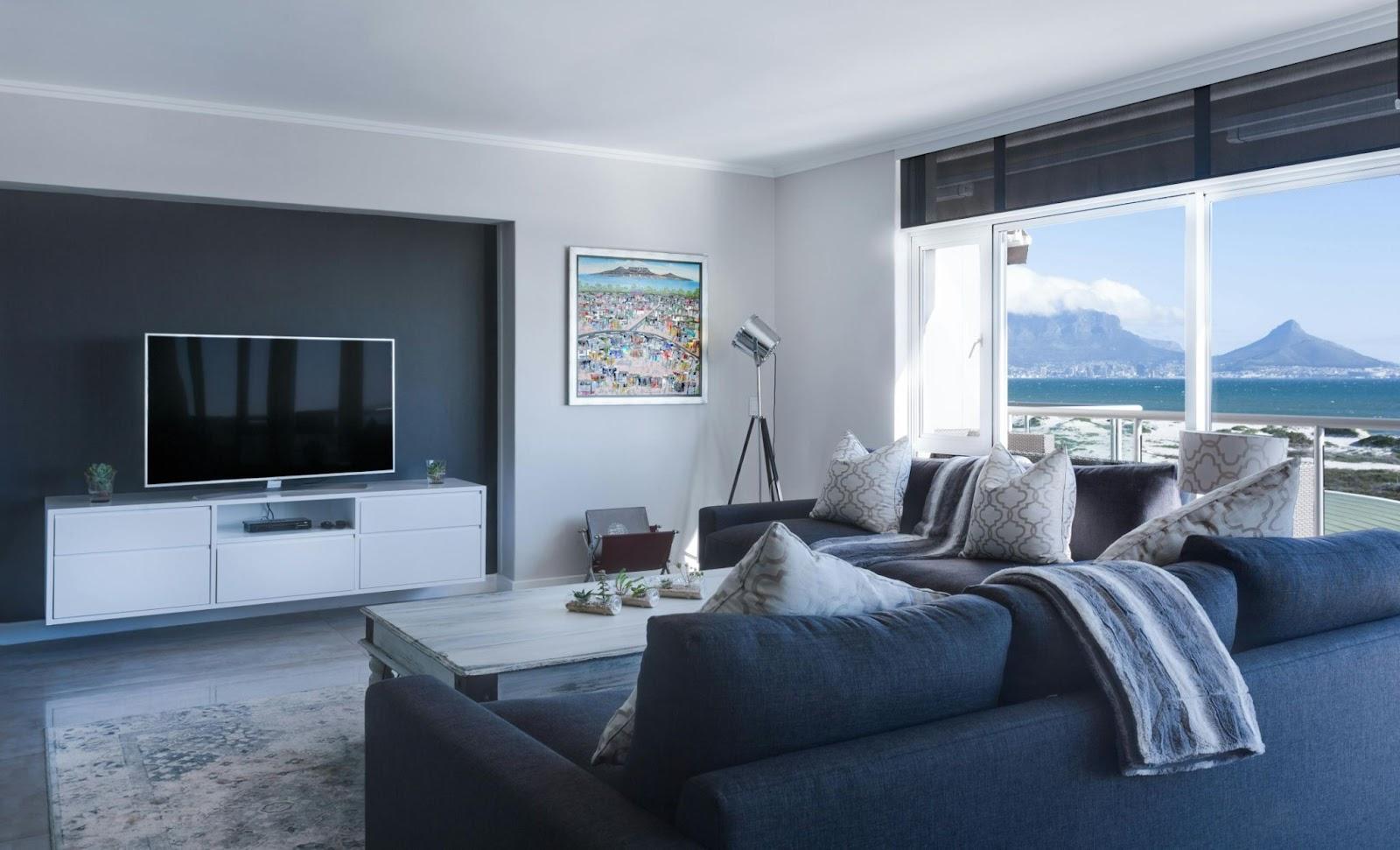
Luxury in villa interiors is defined by thoughtful planning, which achieves spatial generosity and room customization. The details are also refined, and the environment is cohesive, resulting in timeless aesthetics and functionality.
Key Elements of a Luxurious Villa Interior
Visual balance is the key feature of a luxury villa interior. The space has strong proportions, with every item carefully selected to match the architecture and lifestyle. Nothing feels overcrowded or underwhelming.
Details are handled with precision, offering clean transitions, highly resolved edges, and unique focal points that create a polished, intentional look. Materials are premium, and the layout is spacious. Amenities are high-end, and the space seamlessly transitions between interior rooms and outdoor areas.
A luxury villa design also reflects personalization, with deliberate kitchen and bath products, and elements that tie into the overall design. While rooms serve different purposes, they remain related through consistent tone and character, resulting in a cohesive, curated space.
Modern luxury villas also feature smart technology and flexible privacy solutions, maintaining open layouts while attenuating noise and keeping rooms private.
Importance of Spatial Layout and Flow
Spatial layout and flow determine how a space is experienced. Luxury villas use clear circulation paths and logical zoning to improve air quality, enhance the flow of light, and support ease of movement.
Well-defined relationships between spaces make the home feel intuitive, while effective flow supports privacy and connection. Social areas transition naturally into quieter zones, allowing the villa to support multiple functions. Spatial layout leads to interiors that feel more open, organized, and comfortable.
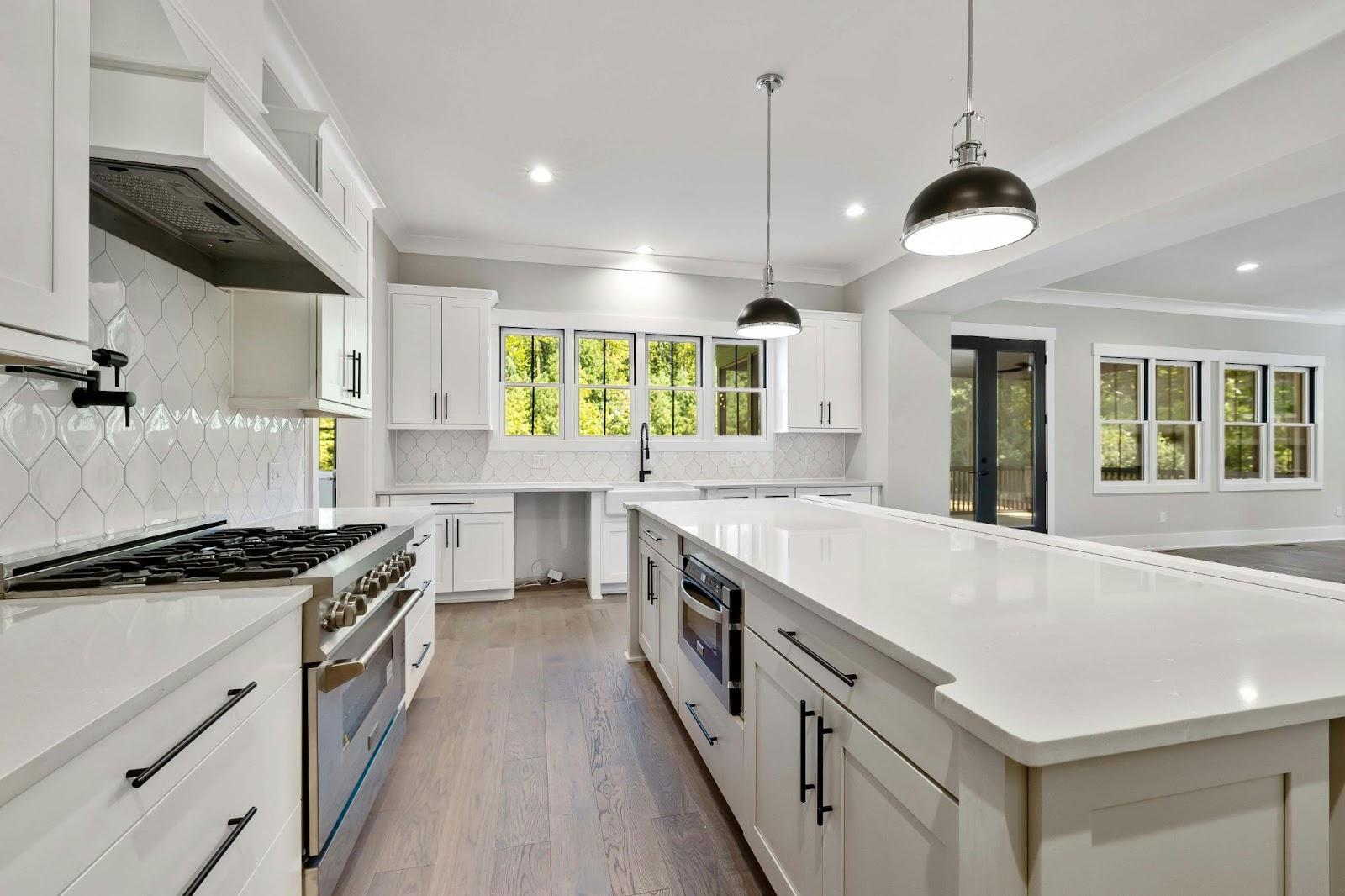
Role of Materials and Finishes in Luxury Appeal
Materials help establish the sensory character of a luxury villa interior. The villas feature high-end materials that are durable and match the intended function. Carefully selected surfaces introduce depth, warmth, and visual weight, shaping how people perceive and experience the space.
High-quality materials, such as premium hardware, can create a sense of permanence and refinement. They influence texture, tone, and surface variation, add interest, and help design unified interiors. Finishes also define precision in luxury villa design. Consistent detailing across floors, walls, and built elements creates visual continuity between rooms.
High-quality finishes resist wear, allowing your interior to age gracefully. They’re also easy to clean and maintain, and retain their original aesthetics for several years. Luxury villas should feature high-quality materials across all sections, from the architectural build to decorative fixtures and fittings.
Planning Your Villa’s Interior Design
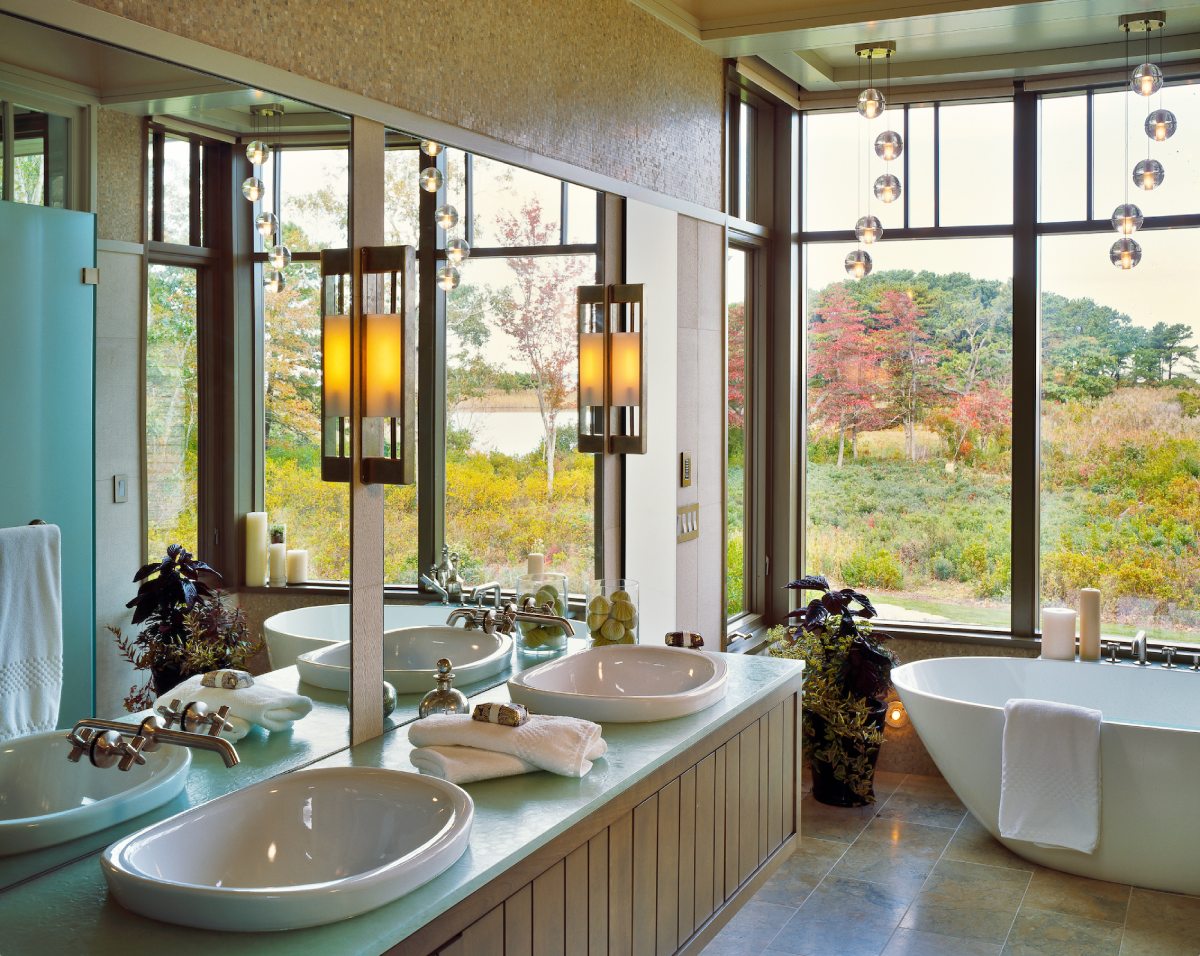
Creating a luxury interior design begins with effective planning. This is where you establish your priorities and align design decisions with lifestyle needs. You also create a roadmap guiding the process toward sought outcomes.
Choosing a Cohesive Design Style
A cohesive style provides clarity throughout the interior and unifies the space, preventing rooms from feeling fragmented. Visual cohesion removes conflicting ideas, allowing you to achieve a defined style.
When proportions, forms, and detailing are kept consistent, rooms remain linked to one another, allowing variation without confusion.
Cohesion creates balance and strengthens the flow between rooms. You can still create different moods and functions between rooms while maintaining a shared identity. The chosen style should align with the villa’s architecture, location, and intended atmosphere to create an authentic, deliberate interior.
Balancing Aesthetics With Functionality
Luxury villa interior design strikes a balance between aesthetics and functionality to create spaces that look good and serve distinct purposes. The space is comfortable, practical, and easy to use without feeling overwhelmingly utilitarian.
Designers plan the layout for enhanced circulation and movement, and use built-in elements that work seamlessly within the design. Hidden storage options help reduce clutter and maintain clean sightlines, while surfaces remain durable, yet delicate, thanks to high-quality materials.
Beauty and usability complement each other, resulting in refined, livable, and sustainable spaces.
Working With Architects and Interior Designers
Collaborating with experienced architects and designers helps you make informed decisions, avoid costly mistakes, and achieve technical accuracy. Professionals provide early coordination between architecture and interiors, aligning the structure, proportion, and spatial intent.
Interior designers translate vision into detailed solutions with specific materials, templates, and fixtures. They also refine scale, layout, and visual balance. Architects maintain spatial integrity and functionality, and help select reliable materials and installation components.
Together, architects and interior designers guide your decision, allowing you to bring your vision to life and achieve a refined, unified result that reflects your design intent and personality.
Popular Luxury Villa Interior Styles
Luxury villas embrace diverse styles, including classic European and Mediterranean, rustic and vintage, modern and minimalist, and coastal, each with its distinct character, as shown below:
Modern Minimalist Villas
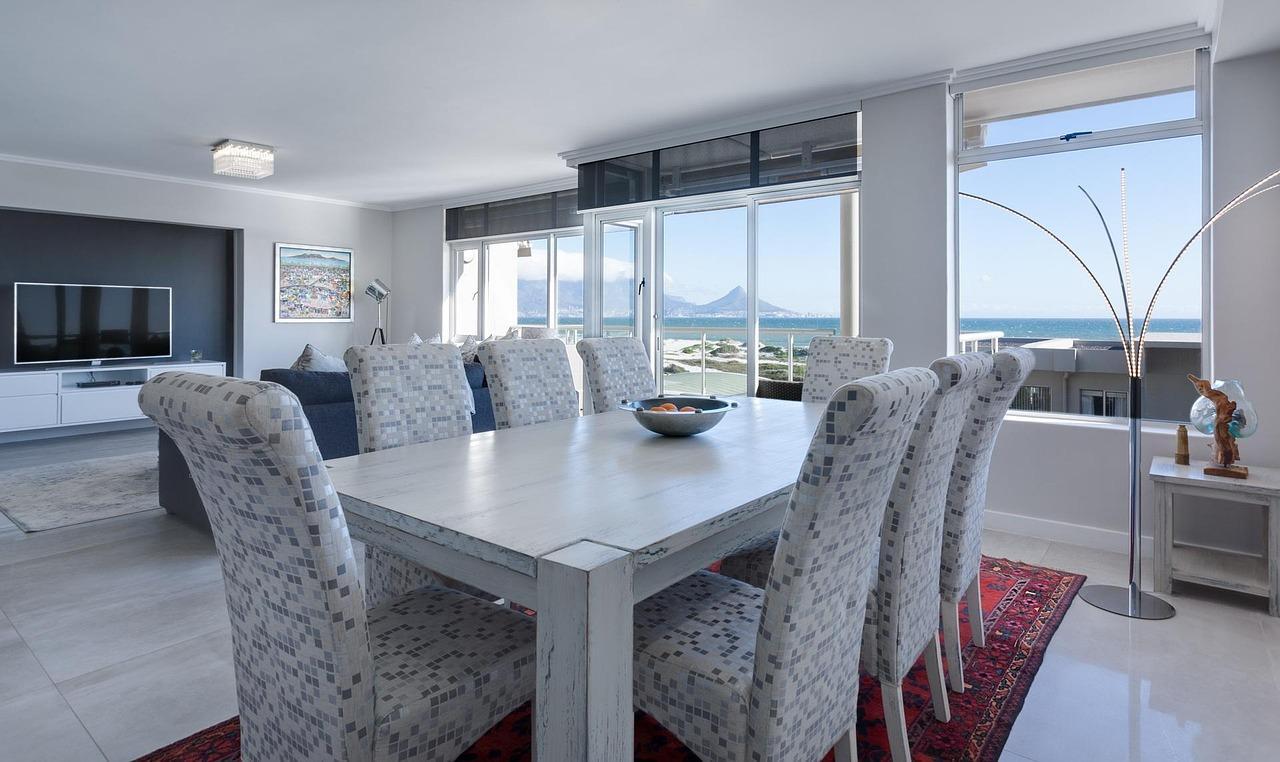
A modern luxury villa interior design focuses on clarity, openness, and refinement. Minimalist villas emphasize simplicity and use clean lines and uncluttered spaces to create calm, balanced interiors.
Modern minimalist villas feature carefully selected furniture and decor for quality and form, rather than quantity. They focus on proportion and function, neutral palettes and subtle contrasts, and natural light enhancement.
The style allows architectural features to stand out, resulting in timeless sophistication created by natural materials like concrete, wood, and metal accents. Modern minimalist styles also reflect a cohesive, serene environment and a contemporary interior that feels spacious.
Classic European Elegance
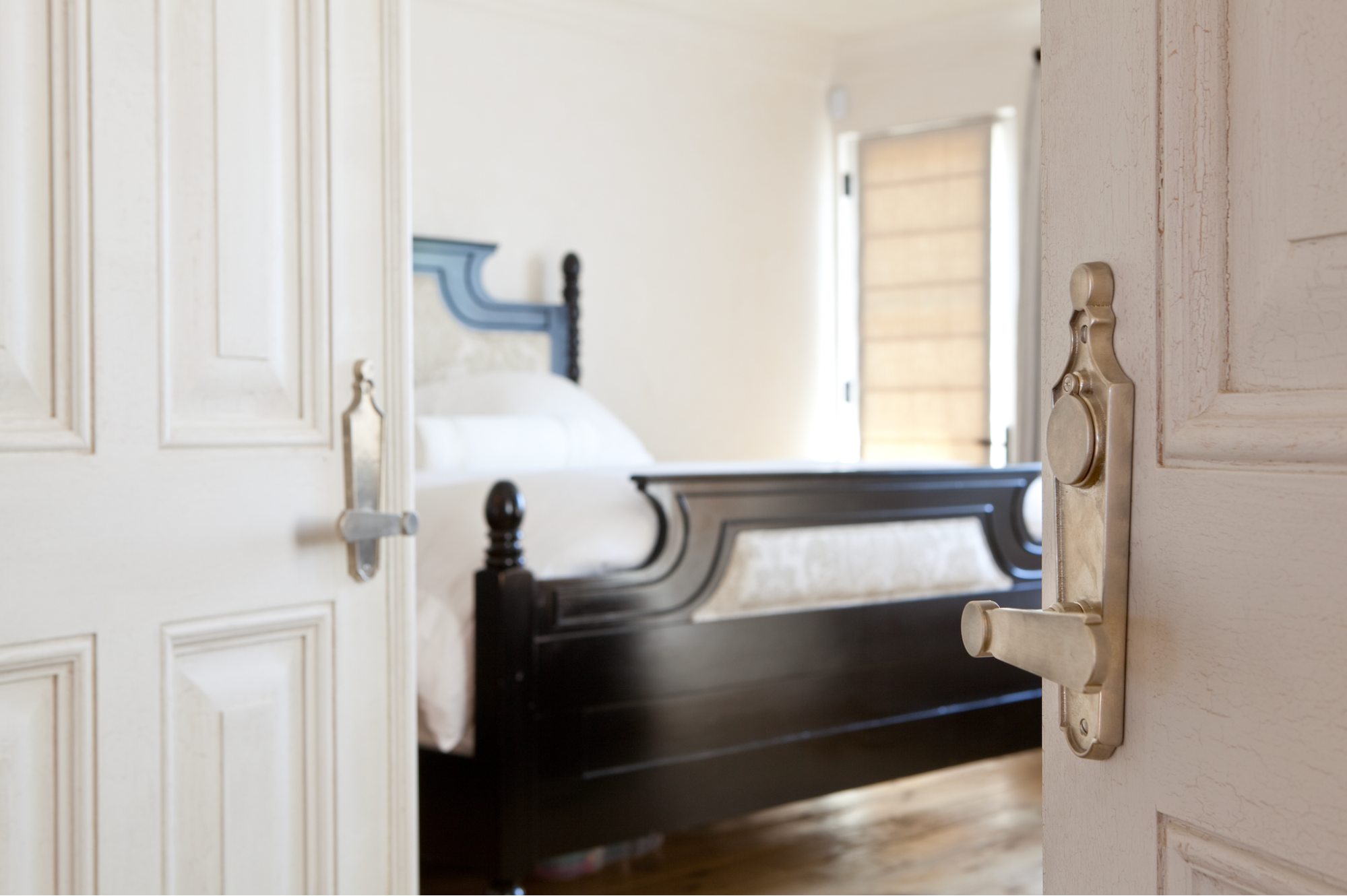
Symmetry and refined detailing are the highlights of classic European villa interiors. Architectural elements, such as moldings, columns, and coffered ceilings, provide strength, structure, and visual depth.
Furnishings reflect elegance and craftsmanship, combining comfort with formality. Polished wood, marble, and rich textiles add a timeless sophistication. Color palettes are balanced using soft neutrals and muted tones with subtle contrasts added using custom door hardware, cabinetry handles, and frame accents.
The spaces are organized and harmonious, with each room designed to support social and private moments. This style celebrates tradition and maintains a livable, luxurious, and graceful interior with an enduring appeal.
Mediterranean & Coastal Luxury
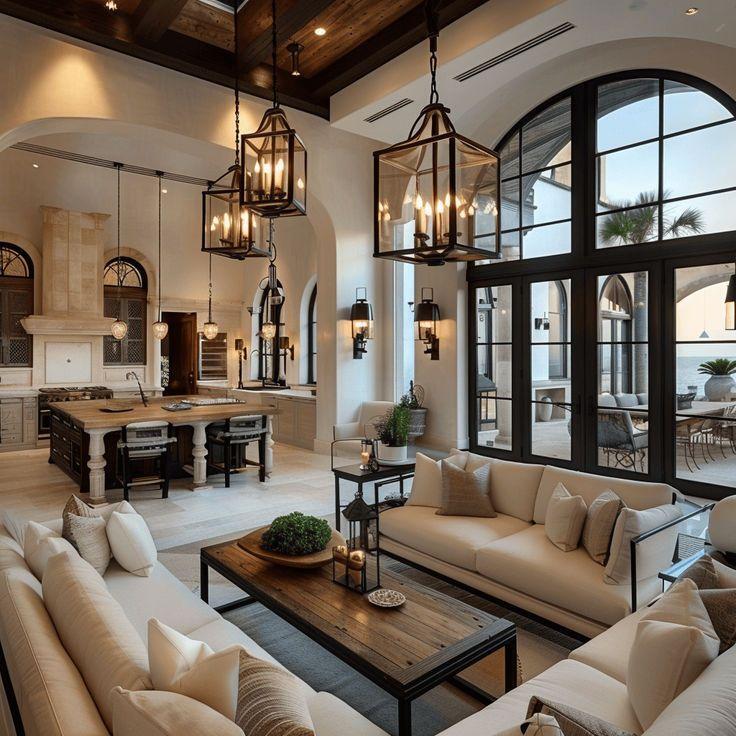
Creating a Mediterranean interior design for villas involves highlighting brightness, openness, and relaxation. The interiors connect seamlessly to outdoor spaces, emphasizing natural light, the breeze, and scenic views.
Soft, sun-washed tones complement natural textures to create a refined atmosphere. Architectural details like arches, textured walls, and wooden beams give the space a distinct character and an airy feel.
Furniture and furnishings also prioritize comfort without compromising aesthetics. The style evokes a resort-like lifestyle, blending indoor and outdoor living to create a luxurious retreat and welcoming spaces.
Rustic Contemporary Fusion
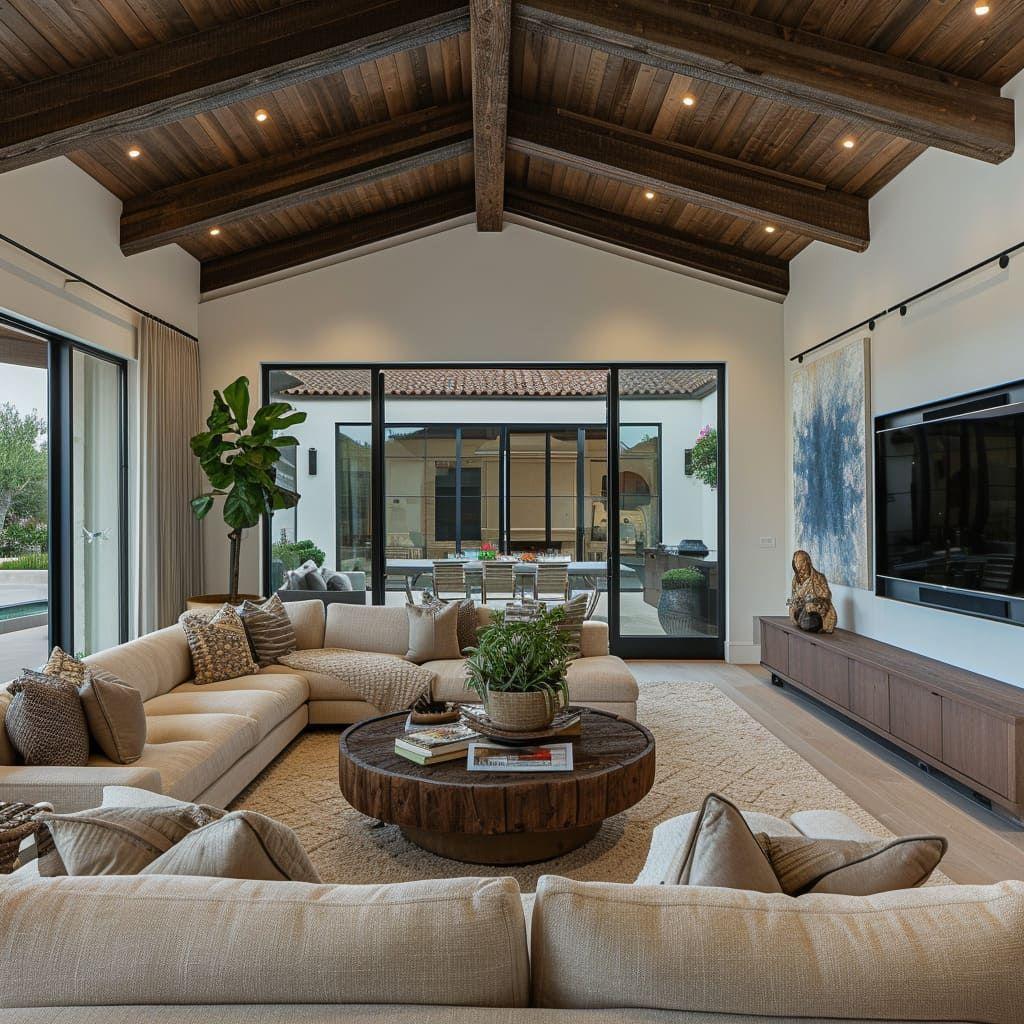
A rustic contemporary fusion allows you to bring together the best of two styles: traditional natural warmth and modern refinement. These fusion villas feature rustic concepts, such as exposed beams, textured stones, and wood finishes, contrasting them with the clean lines and open layouts of modern styles.
Furniture blends comfort with understated design, balancing traditional craftsmanship and modern minimalism. The color palette features earthy tones complemented by muted accents and neutral shades that help create harmony and transition between rustic charm and contemporary elegance.
The detailing is also thoughtful and customized, emphasizing the blending of tactile materials with refined forms.
Signature Features of High-End Villas
You can tell a high-end villa by various features, such as grand entrances, expansive windows, premium fixtures, and smart technology, as shown below:
Grand Entrances and Double-Height Spaces
Luxury villas often have grand entrances that create an immediate impact. This first impression establishes the villa’s scale and character. Double-height foyers help amplify natural light, enhance spatial perception, serve as visual anchors, and guide circulation. They also set the tone for the interior.
Designers choose materials, lighting, and finishes carefully to highlight the architectural features and balance the proportions for elegance and seamless flow. Grand entrances and double-height areas convey spaciousness, luxury, and sophistication.
Indoor–Outdoor Flow and Large Windows
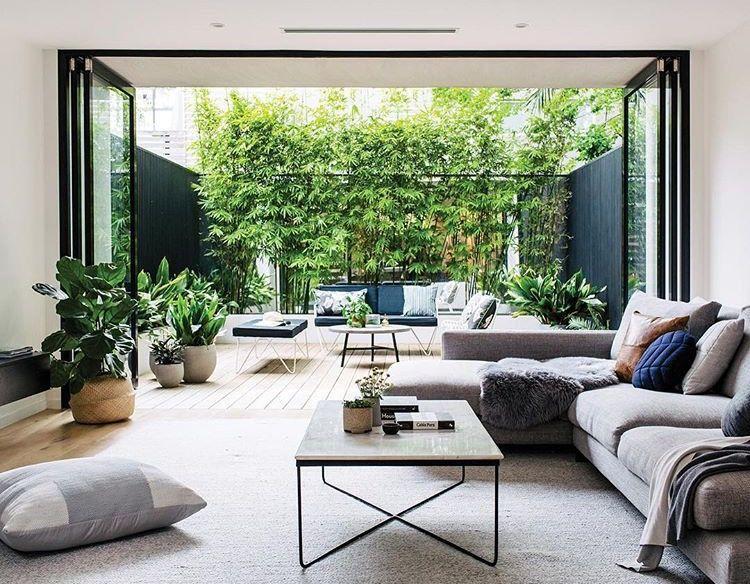
Connecting indoor and outdoor spaces is part of luxury interior design for high-end villas. Large windows and sliding or folding glass doors invite natural light and provide access to outdoor scenes, extending the depth of view from inside or outside.
Increased natural light and unobstructed views create a sense of openness and spaciousness. The large windows are also consistent with the grand entrance and double-height spaces.
Outdoor living areas, gardens, and terraces feel like an extension of interior spaces, resulting in improved aesthetics. High-end villas showcase proper orientation and transition, supporting comfort and usability while maintaining privacy.
Premium Fixtures and Custom Hardware
Luxury villas feature premium fixtures and fittings. Everything, from materials to furniture, appliances, and amenities, reflects the best quality and value. Premium fixtures define the tactile and visual quality of luxury villa interiors.
High-quality cabinet hardware, kitchen and bathroom faucets, lighting, and built-in elements protect design integrity and attention to detail. High-end villas also have custom solutions that support consistency and personalization across rooms. Polished metals, natural stones, and engineered composites elevate functional elements like lavatories to feel intentional and luxurious.
Custom hardware adds distinct character to each room, while tying together different areas with accents like bronze or other aged metal. High-end hardware and fixtures reinforce the luxury identity, highlight craftsmanship, and transform mundane tasks into refined experiences.
Smart Home Technology and Automation
Modern luxury villa interior design is not complete without the latest advancements in technology. Today, villas feature various technologies that enhance convenience, comfort, security, and energy efficiency.
Integrated automation systems help control lighting, climate, and entertainment. Discreet security features keep owners and users informed of breaches and automatically send signals to response teams during emergencies.
Personal assistance systems provide access to instant answers for everyday inquiries. Audio-visual setups support hands-free entertainment, voice instructions, and ambiance settings.
Automation systems simply make it easier to manage daily routines efficiently, reducing manual effort. Discreet, minimalist installations that blend seamlessly with interiors keep smart technology accessible without overpowering the design.
Wellness Spaces: Spas, Gyms, and Retreats
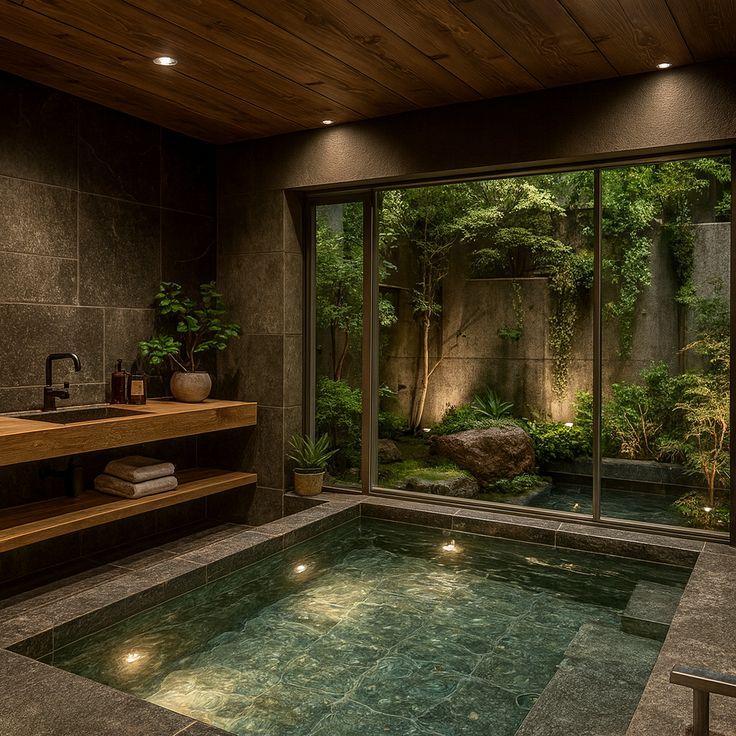
Luxury villas often have restorative spaces with wellness design to provide easy access to private relaxation and physical and mental rejuvenation. They may feature a spa-inspired bathroom, sauna, or steam room to create resort-like experiences.
Fully-equipped gyms and dedicated yoga zones encourage fitness within the home. The spaces are designed with soothing palettes and feature large openings that support ventilation and natural light. Material finishes prioritize comfort, hygiene, and durability.
High-end villas also incorporate retreats into the design to provide daily restorative experiences. Private lounges with calming lighting, ambient sounds, TV screens, fireplaces, and soft palettes support relaxation.
Room-by-Room Design Considerations
Designing a luxury villa interior involves planning each room for purpose, comfort, and aesthetic consistency to create a functional and luxurious space. The design process and hardware are unique for each room, even though the goal is to create a cohesive space that flows seamlessly.
Master Suites and Private Retreats
The master suite is your private sanctuary and is designed with emphasis on comfort, tranquility, and separation from social areas. The layout should offer privacy and support rest and intimate connection.
Bedroom spaces are spacious, optimized for improved airflow, and connected to adjoining bathrooms and dressing areas for luxury and convenience. Materials, lighting, and finishes create a calming atmosphere that supports relaxation and daily routines.
Private retreats like reading nooks and sitting areas offer additional sanctuary within the suite, while thoughtful windows provide views and access to outdoor spaces.
Living and Entertainment Zones
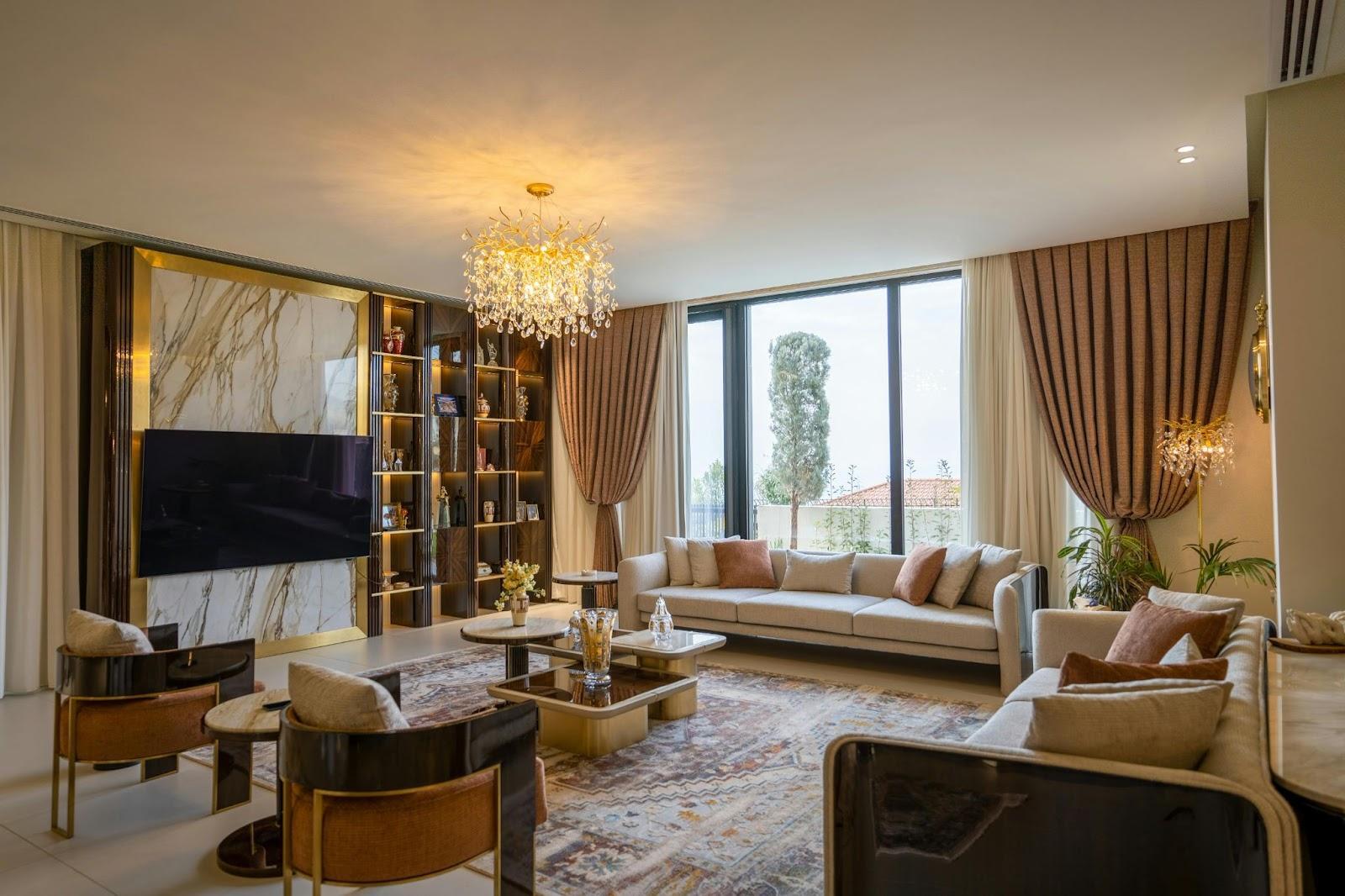
The living and entertainment areas are designed to support comfort and social interaction. Open layouts connect these spaces, encouraging social moments while retaining functional zones through furniture placement, lighting, and architectural elements.
Materials, textures, and finishes offer visual appeal and durability, while strategic focal points add to the atmosphere without overwhelming the space.
Integrated multimedia, sound systems, and storage solutions support modern lifestyles, and flexible zoning allows changes throughout the year. Thoughtful designs also keep zones elegant, functional, and inviting, reinforcing the villa’s overall luxury and cohesion.
Gourmet Kitchens and Dining Spaces
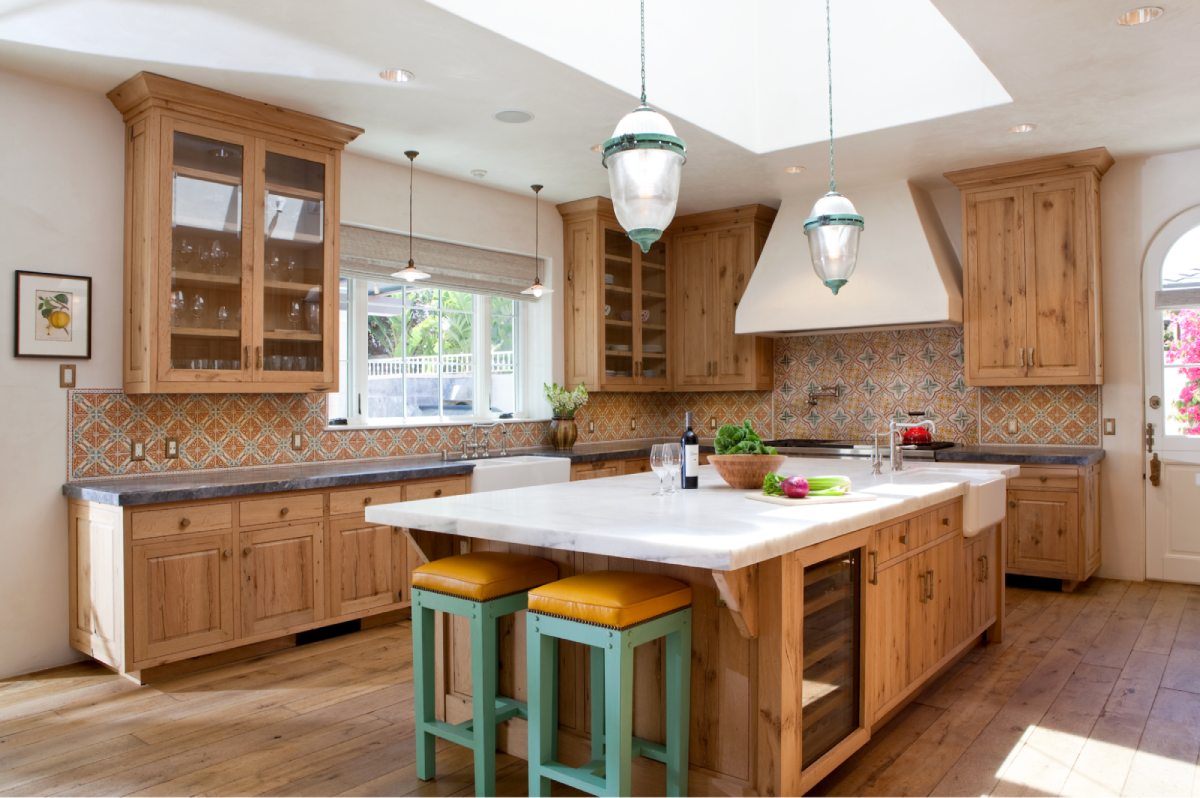
A gourmet kitchen combines functionality, efficiency, and refined design, instantly elevating the value of a luxury villa. The layout prioritizes workflow, efficient storage, and accessibility, supporting social interaction during meal prep and entertainment.
High-quality appliances and durable surfaces maintain a tidy look, while custom cabinetry enhances overall performance, longevity, and aesthetics. Adjacent dining areas offer comfort and style, featuring proportioned spaces, appropriate lighting fixtures, and cohesive finishes.
The color palette and textures complement the overall aesthetics, creating a unified look. Bronze faucets and premium sinks also add character and aesthetic detail, reinforcing the luxurious feel of the bathroom.
Guest Suites and Hospitality Features
The guest suites are designed to be just as comfortable as the master suites, and to support comfort, privacy, and independence. Each suite has well-proportioned bedrooms, ensuite bathrooms, and thoughtful storage, so visitors don’t need to intrude on main living areas.
Hospitality features, such as private entries, accessible lounges, and dedicated amenities, enhance convenience and relaxation. The layout is kept open for increased circulation and optimized to support privacy, noise control, and interaction between hosts and guests.
Room Planning Table: Key Features by Room
| Room | Key Features |
| Master Suite | Spacious layout, ensuite bathroom, walk-in dressing area, private sitting or retreat space |
| Living Area | Open-plan layout, flexible seating zones, statement lighting, premium finishes, strong indoor–outdoor connection |
| Kitchen | Gourmet appliances, custom cabinetry, efficient workflow, durable luxury surfaces, and integrated storage |
| Dining Area | Proportioned seating, feature lighting, cohesive finishes, visual connection to the kitchen and living space |
| Guest Suite | Ensuite bathroom, private storage, acoustic privacy, comfortable finishes, hotel-style amenities |
| Entertainment Zone | Integrated audio-visual systems, sound control, flexible furniture, concealed storage, and ambient lighting |
| Wellness Space | Spa-grade finishes, natural light and ventilation, gym or spa equipment, calming palette, privacy-focused layout |
Budgeting for Luxury Villa Interiors
Creating a luxury villa interior requires careful budgeting that prioritizes key investments, anticipates cost drivers, and allocates resources efficiently. Ultimately, the focus should remain on maintaining luxury and quality consistently throughout the design.
Cost Drivers: Materials, Custom Work, Brands
Materials and customization are the primary cost drivers in luxury villa interior design budgeting. High-quality materials, such as natural stones—marble and granite, hardwood, and high-end finishes, usually cost more due to their rarity and sourcing.
Custom work in the form of bespoke cabinetry, furniture, and architectural detailing also adds craftsmanship costs because it leads to uniqueness and precise fittings within the design.
Brand-name appliances, fixtures, and furnishings may also cost more due to a higher perceived value, performance, or design prestige. Other cost drivers include installation and precision detailing required to achieve custom integrations.
Where to Invest vs. Where to Save
Planning your budget for interior design for villas involves determining where to invest more and where to potentially cut costs. Splurge on elements that define luxury and longevity, such as premium materials, high-end appliances, custom cabinetry, and signature architectural details. These areas shape the villa’s character, usability, and elegance. Allocate more to spaces most visible or most impactful additions, such as door handles, faucets, stylistic hardware, and other accessories.
Save on secondary items, such as decorative accessories, replaceable furniture, and standard finishes in low-traffic areas. Identify essential and non-essential components of the design, and invest first in the essentials.
FAQs About Luxury Villa Interior Design
How Much Does It Cost to Design a Luxury Villa Interior?
The cost of designing a luxury villa interior varies by size and project scope. Materials, custom work, and style all influence how much you’ll spend. Budgets range widely, with factors like craftsmanship, finishes, and technology. High-end projects may exceed six figures.
What Are the Best Materials for High-End Interiors?
Luxury villas with high-end interiors often feature natural stone countertops, hardwood, bronze accessories, and high-quality metals. These options offer durability, timeless appeal, tactile richness, and visual elegance that maintain sophistication over the years.
Can Luxury Design Be Eco-Friendly?
Yes. Luxury designs can be eco-friendly when they integrate durable, sustainable materials, energy-efficient systems, and low-impact finishes. The design should be thoughtful, prioritizing durability and responsible sourcing. Technology can also be used to increase automation and conserve resources like water and electricity.
What Interior Design Style Is Best for a Luxury Beachfront Villa?
Mediterranean or coastal styles are the best for a luxury beachfront villa. These styles emphasize natural light, indoor-outdoor connection, relaxed elegance, and durable materials. They create luxurious interiors that are breezy and blend in with the beachfront surroundings.
How Do I Choose Lighting Fixtures for a High-End Villa?
Choose light fixtures that balance aesthetics, function, and scale. The fixtures should be high-quality, proportional to the room, and in layers that offer ambient, task, and accent lighting. Choose lighting fixtures that enhance brightness and architecture, highlight features, and create flexible, luxurious, comfortable atmospheres.