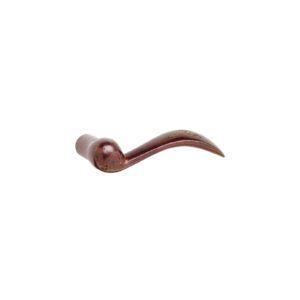
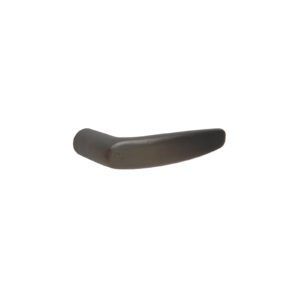
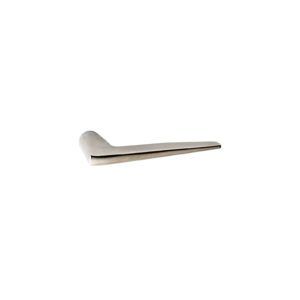
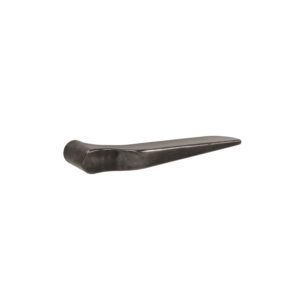
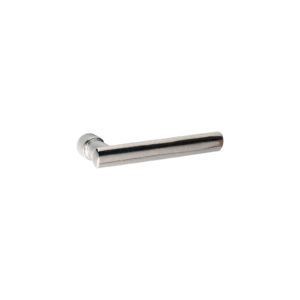
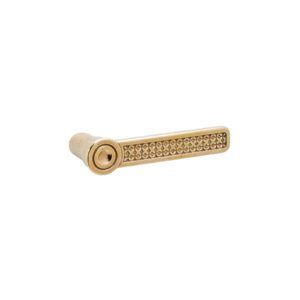
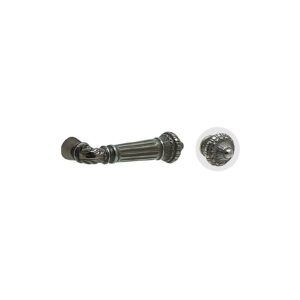
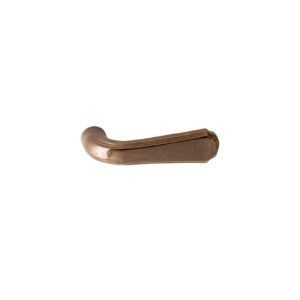
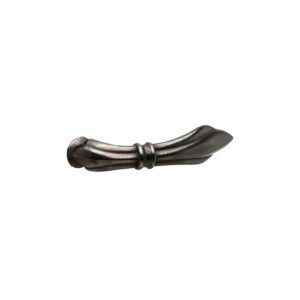
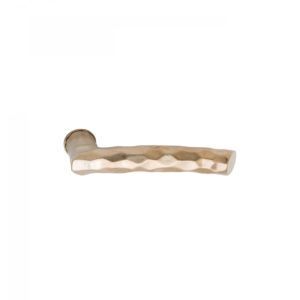
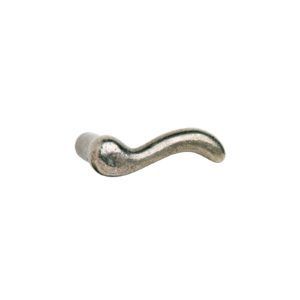
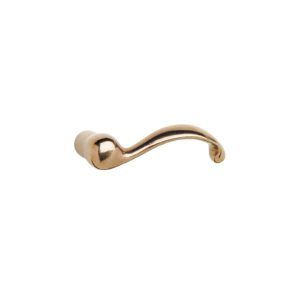
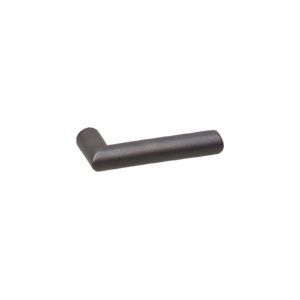
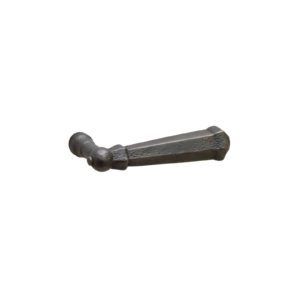
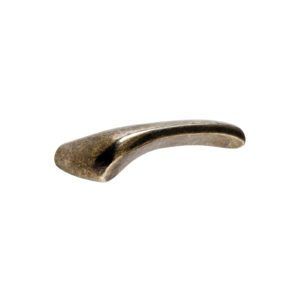
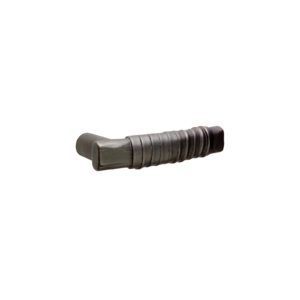
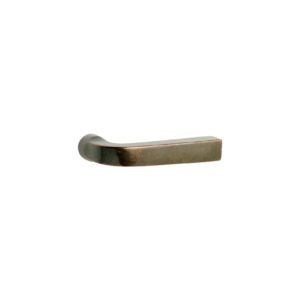
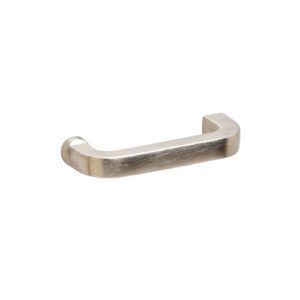
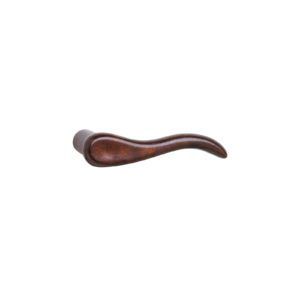
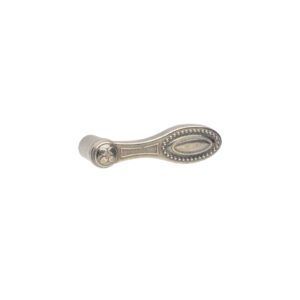
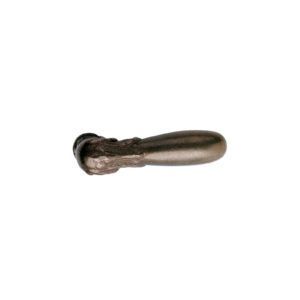
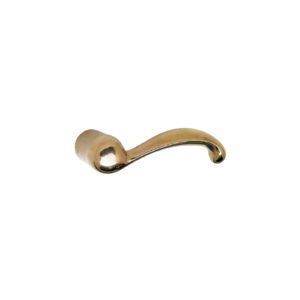
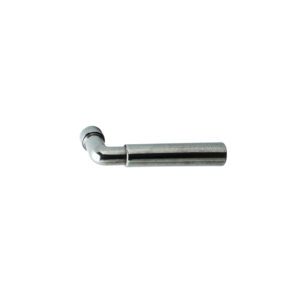
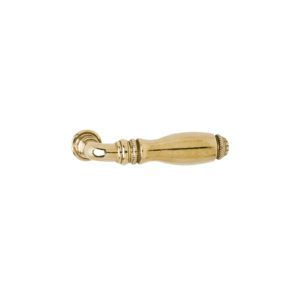
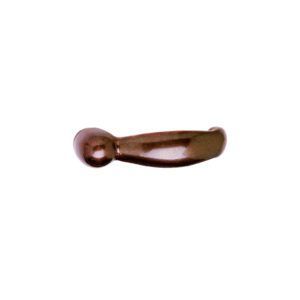
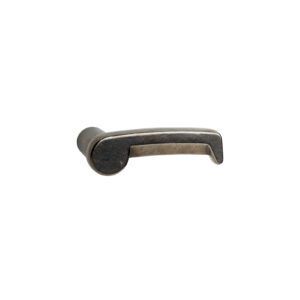
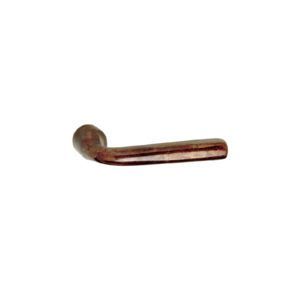
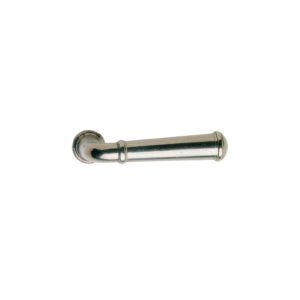
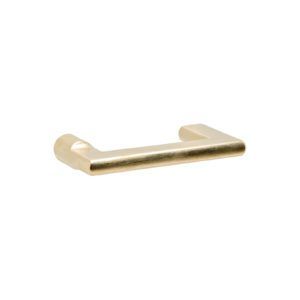
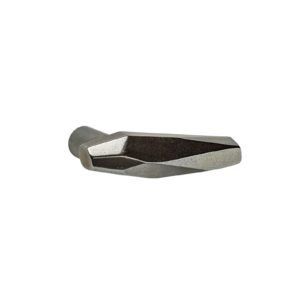
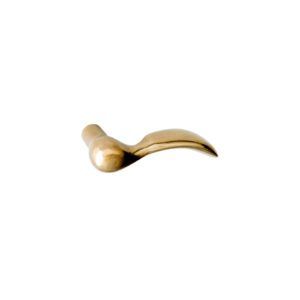
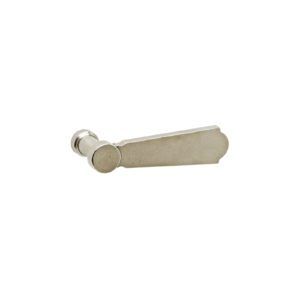
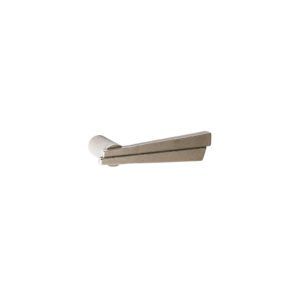
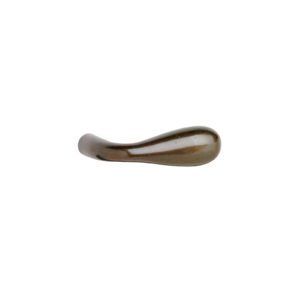
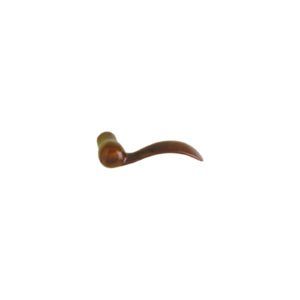
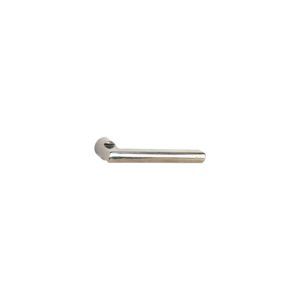
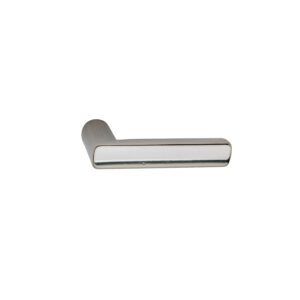
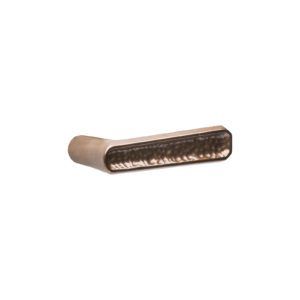
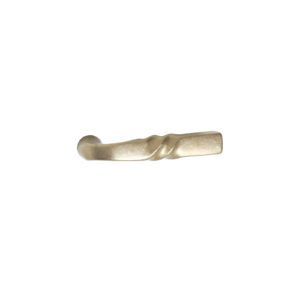
There is more to selecting a door lever than finding a shape you like. The proportions of the handle, the way its end is formed, and its relationship with the escutcheon and the rest of the door hardware will all affect the final design result you settle on.
Lever Designs and Collections
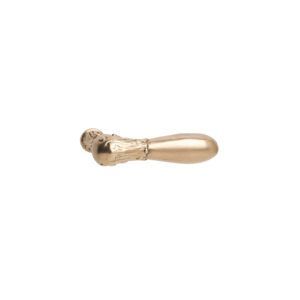
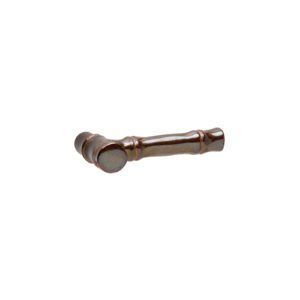
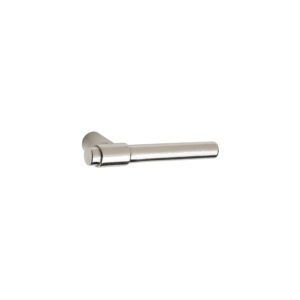
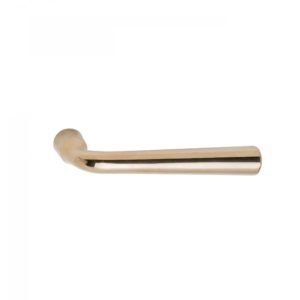
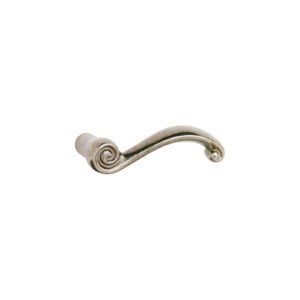
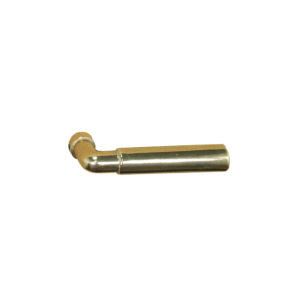
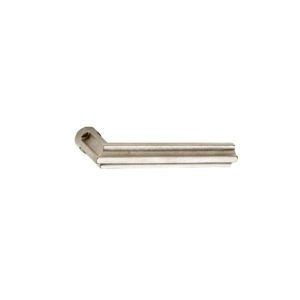
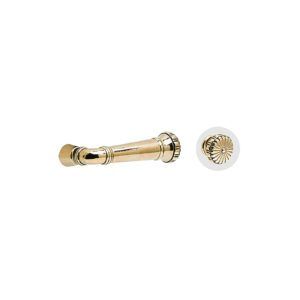
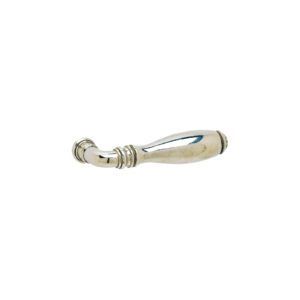
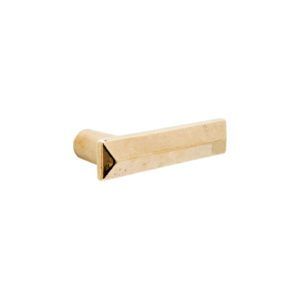
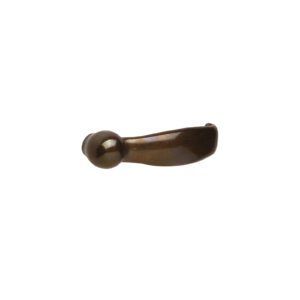
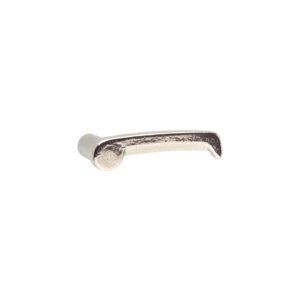
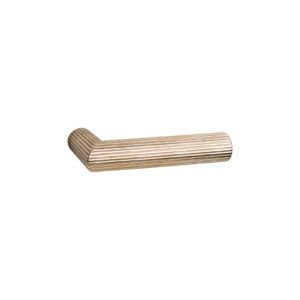
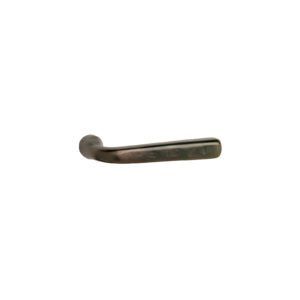
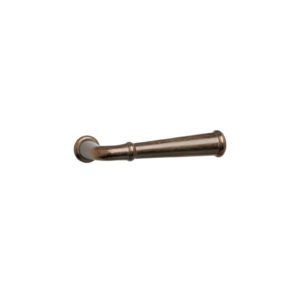
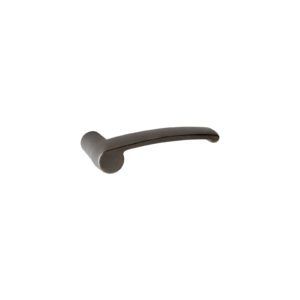
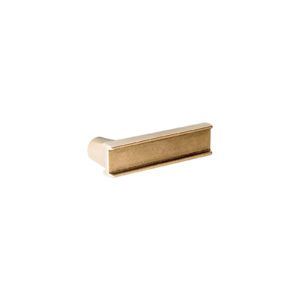
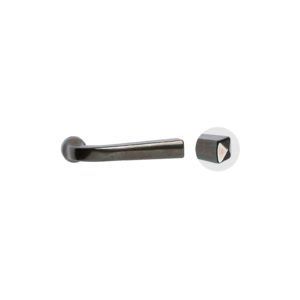
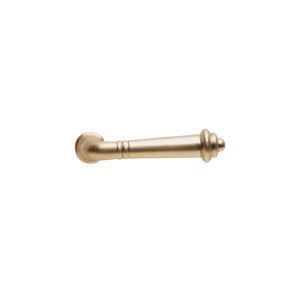
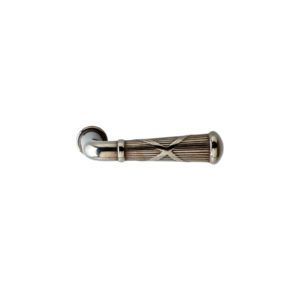
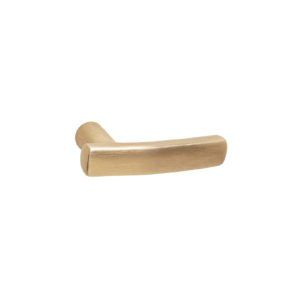
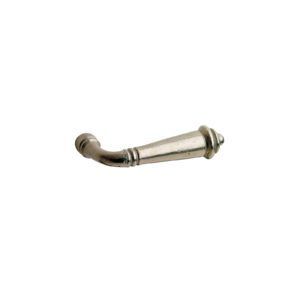
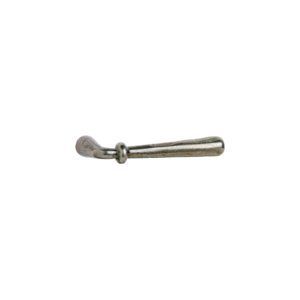
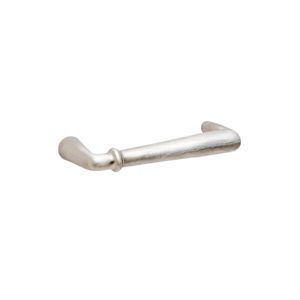
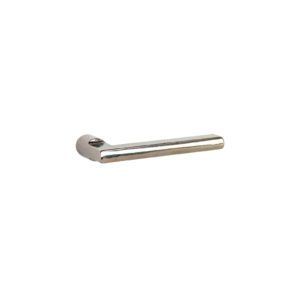
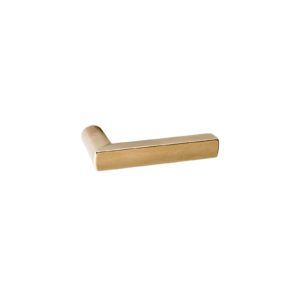
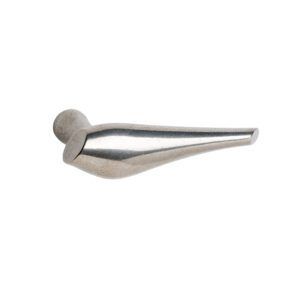
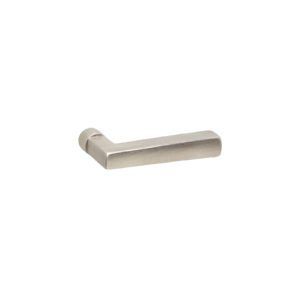
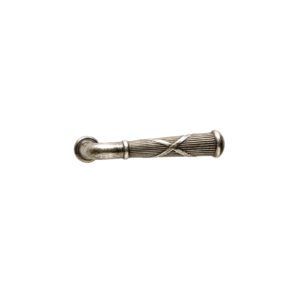
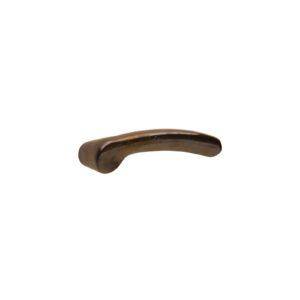
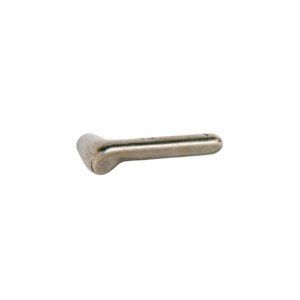
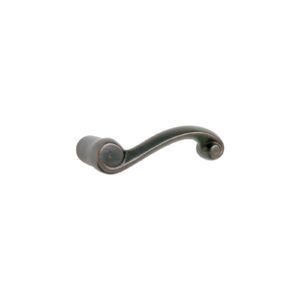
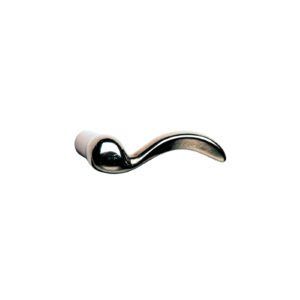
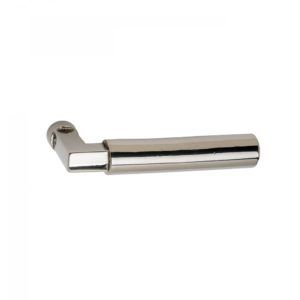
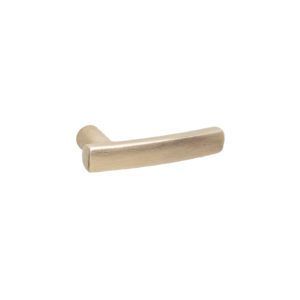
Rocky Mountain Hardware has more than forty collections of lever door handles, giving you a list of shapes and styles to go through. The selection includes simple tube, rail, and blade designs alongside more decorative options such as Acanthus, Ribbon and Reed, Scroll, and Fleur de Lis. You will also find organic, rustic, traditional, and contemporary designs in the collection.
A simple lever can suit a restrained interior, whereas a more sculptural design carries over greater visual detail to a traditional or highly decorated room. We have organized our collection by categories such as Contemporary, Traditional, Rustic, Organic, Ornate, Artisan Collections, and Surface Options.
This is useful if you want to use the appearance of the handle as your starting point, narrowing the field according to the character you want to see on the door. The hardware composer also lets you explore combinations of escutcheons, handles, and finishes, giving you another way to build a door set around a particular design direction.
The precise compatibility depends on the selected configuration, so confirm the available combinations for your chosen set before placing an order.
Choosing the Right Size Lever
Some door lever designs are available in multiple sizes, so you should choose one that fits the scale of the door and the hardware around it. A mini or small lever has a more compact profile, whereas a full-size version gives the same design a larger presence on the door.
Look at the lever beside the escutcheon, the door itself, and the architectural details around the opening, then choose a size that sits comfortably within those proportions. Our catalog has several designs, including Acanthus, Classic, Ellis, Euro, Falcon, French, Harrington, Legacy, Monarch, Ribbon and Reed, Strap, Beaver Tail, Coupler, Olympus, Rail, and Reed.
Some designs also have large or long versions, giving you additional ways to control the visual scale of the hardware. Projection, clearance, and door preparation vary by lever and set, so keep your door’s specifications in mind when looking for an exact product.
Return Levers, and When to Specify One
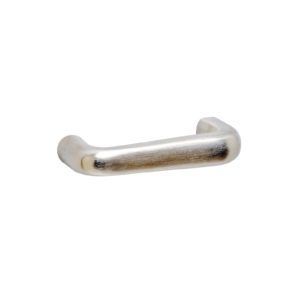
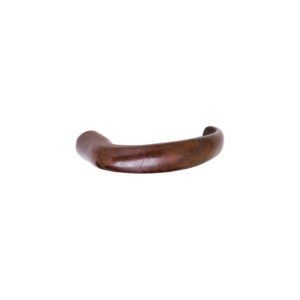
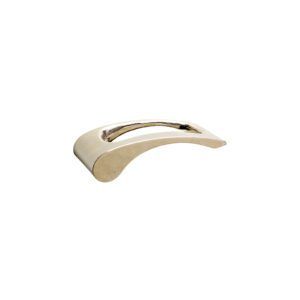
A return lever has an end that curves back toward the door face; it does not finish with an exposed tip. These levers curve back toward the door, so the handle has a closed-off end instead of a free tip that clothing or other objects could catch on.
Return levers are also used on projects where accessibility or building-code requirements apply. If your project has specific requirements, check the selected lever against the applicable product specifications before ordering.
Rocky Mountain Hardware has a list of eight return-lever options, including French, Long Legacy, Old World, Olympus, Talon, Twig, UJ, and Verdura versions. If a project has a specific accessibility or code requirement, confirm the applicable product specifications with your architect, designer, installer, or other qualified project professional.
Pairing a Lever With an Escutcheon or Set
If you want the perfect combination between a lever and your escutcheon or rosette, choose one to merit how the door works. You can select a passage, privacy, entry, multipoint, or sliding door configuration based on the function required for that opening.
Our levers are part of the selected door set, so the handle is included in the set price. This means you choose the lever as part of the complete hardware configuration, alongside the trim and function required for that door.
For an interior bedroom, a privacy configuration may be appropriate. A hallway or room that does not need a locking function may use a passage configuration. Entry and multipoint applications have their own hardware requirements, so the selected lever needs to correspond with that specific set.
See how these combinations work on the interior door sets collection, where individual escutcheon designs are shown with different lever options and functions.
Cast Detail and Hand-Applied Patina
When it comes to solid bronze door levers, fluting, twisting, hammering, leafwork, and other textures give the bronze its character, and the sand-cast process incorporates those forms as part of the finished piece.
Fine surface changes are part of what you see when the handle is inches from your hand and eyes. A simpler lever benefits from the same treatment, since its proportions, edges, and texture are its primary visual details.
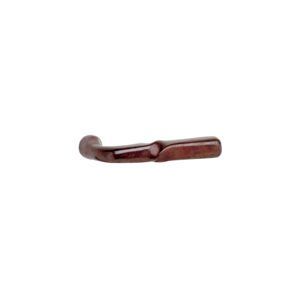
We apply patinas by hand, allowing the finish to settle into the contours and texture of the casting. For example, a brushed finish keeps the bronze lighter and lets the contours of a detailed lever stand out, whereas a darker finish creates stronger contrast across its curves, grooves, and textured areas.
You can choose silicon bronze or white bronze for your lever, with brushed, lighter, darker, and high-polished finishes available across the collection.
Carrying One Lever Design Through the House
Once you find a lever shape for your door’s architecture, you do not have to limit that design to a single room. Using the same lever on other interior doors makes bedrooms, studies, bathrooms, closets, and other openings carry a shared hardware language.
Rocky Mountain Hardware has mini and small lever versions intended for window and faucet applications. We also have a separate selection of lift-and-slide and sliding-door levers and pulls, including long and offset forms.
Why Choose Rocky Mountain Hardware Door Levers
Rocky Mountain Hardware door levers start at its foundry in Hailey, Idaho, where the hardware is sand-cast and finished by hand. The company uses art-grade bronze certified to contain at least 90% post-consumer recycled content.
For a lever, that casting carries the modelling of the handle, so curves, grooves, twists, and other surface details are formed into the bronze itself. With several design families in our lever category, you are spoiled for options if you need a custom piece.
Our website has a door hardware composer that lets you build combinations using existing escutcheons, handles, and finishes. If the catalog does not suit a particular project, you can discuss custom work with us, including casting a lever to a drawing.
For projects that need a shorter lead time, selected lever designs are also available through RMH Express. Current Express listings include Beaver Tail, Coupler, Olympus, Rail, and Reed options, with selected sizes and finishes available through that program. Place your door lever orders through a Rocky Mountain Hardware dealer or showroom.
Frequently Asked Questions About Door Levers
Is a Door Lever Sold With the Escutcheon?
The lever is specified as part of the door hardware set, and Rocky Mountain Hardware includes the handle in the set price instead of pricing it separately.
What Is a Return Lever?
A return lever curves back toward the door face at its end, creating a contained profile that reduces the chance of objects catching on the handle tip.
What Size Door Lever Should I Choose?
Compare the lever’s size with the escutcheon, door, and surrounding architecture, then verify its exact dimensions, projection, and clearances in the product specifications.