Hinges and latches work together to make a door function, but each serves a distinct purpose. Understanding what each one does, along with the available types, sizing, and placement, helps ensure your hardware performs as intended.
Read more
The Types RMH Casts
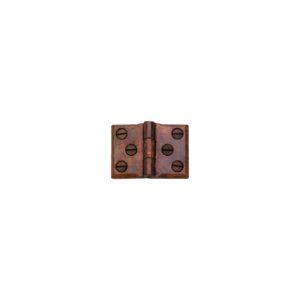
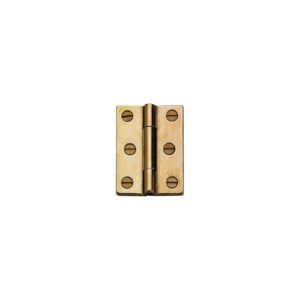
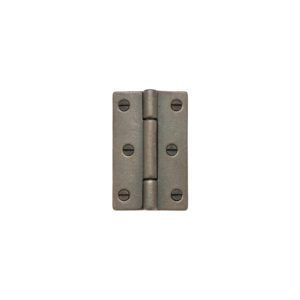
The hinge is a butt hinge, the familiar two-leaf shape that mounts on the edge of the door and the frame. These cabinet door hinges are cast in solid bronze and offered in three sizes, so you can match the hinge to the door rather than force one size onto every cabinet.
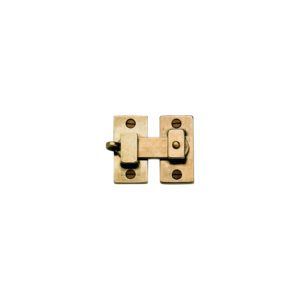
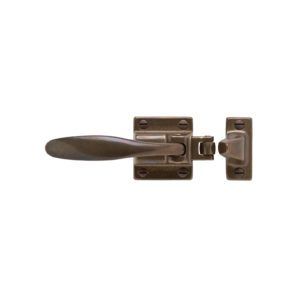
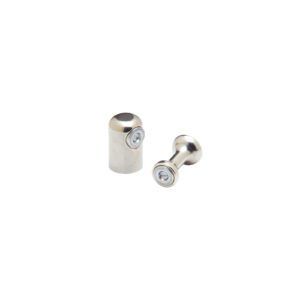
The latch comes in three forms, so you can pick one by how you want the door to hold. The CL100 is a decorative bronze catch that holds a door shut and gives your fingers something to pull on. The CL310 is a larger latch, an oversized design drawn from a vintage refrigerator latch, suited to bigger doors and heavier casework. Lastly, the CL200 magnetic cabinet latch holds the door closed by magnet, with no visible catch, for a cleaner face.
All three come in the full bronze palette and sit alongside the hinges and the rest of your cabinet hardware in one finish.
What Hinges and Latches Each Do
The hinge does the physical work. It bears the full weight of the door and governs how it swings: how far it opens, and how it hangs when closed. Because it is load-bearing, size and quantity matter, which the next section covers.
The latch, on the other hand,does another important thing: it holds a closed door closed. It carries no weight and controls no swing. On an inset door with no self-closing mechanism, it is what keeps the door sitting flush instead of drifting open.
One thing to note is that both of these are exposed hardware, meant to be seen, so appearance does play a key role. That is the line between these and the concealed hinge buried inside a modern cabinet: one is a working part you hide, the other a bronze detail you put on show and match to everything around it. We’d argue that in a kitchen or a bath, that visible bronze does as much decorative work as the pulls.
Size, Quantity, and Placement
You need to match the hinge size to the door. As a general guide, smaller and lighter doors may use two hinges, while taller or heavier doors may need three. Confirm the size and quantity against the product specifications and the weight of the door for accuracy.
Also consider practical considerations. For instance, a larger door naturally requires a larger hinge, while a small cabinet door is likely to be overwhelmed by one.
Placement is equally important. It’s best to place the latch within easy reach, near the edge of the door where a hand naturally lands rather than in a far corner.
At RMH, every hinge and latch is made to order. Need something specific for your door? If we have it in our spec sheet, we can customize it for you. Check your chosen product’s spec sheet for its exact dimensions and available sizes to place an order.
Solid Bronze and Hand-Applied Finishes
A cabinet hinge does demanding work, so material quality matters. Solid cast bronze gives the door a steady, substantial feel while adding a refined visual detail. In designs that use a hinge pin, stainless steel supports smooth, reliable movement. Bronze also has natural antimicrobial properties, an added benefit in kitchens and bathrooms.
Each piece is cast in one of two bronze alloys: warm, copper-toned silicon bronze or cooler, silvery white bronze. Both are available with hand-applied patinas ranging from brushed and high-polished finishes to light, medium, and dark tones. Because these are living finishes rather than plated coatings, their color, sheen, and texture continue to evolve naturally with time, touch, and use.
Coordinating One Finish Across Your Hardware
Hinges and a latch rarely lead a room; they answer to the door hardware already chosen. That doesn’t mean they don’t matter, though–you still need something that looks presentable and blends in with the rest of the decor.
To start, take the finish you set on the cabinet pulls and cabinet knobs and carry the same bronze onto the hinges and latch. When every piece on the cabinet shares one finish, the eye reads the whole thing as solid bronze throughout, which is the point.
Why Choose Rocky Mountain Hardware Cabinet Hinges and Latches
Choose Rocky Mountain Hardware when exposed hinges and latches should contribute to the cabinet design rather than look like ordinary utility hardware. Each piece is individually cast and finished by hand in Idaho from art-grade bronze certified to contain at least 90% post-consumer recycled content.
Available in the same 12 finishes as Rocky Mountain Hardware pulls, knobs, and other cabinet hardware, these pieces help create a consistent look across the project. Every product is made to order, with custom sizes or original designs available when standard options do not meet the project’s needs.
For residential applications, bronze products carry a lifetime guarantee against defects in material and workmanship, while internal mechanisms are guaranteed for 50 years.
Frequently Asked Questions About Cabinet Hinges and Latches
What Is the Difference Between a Cabinet Hinge and a Latch?
A hinge carries the door’s weight and controls its swing; a latch only holds the closed door in place. Many cabinets use both.
How Many Hinges Does a Cabinet Door Need?
As a general rule, two hinges suit smaller, lighter doors and three suit taller or heavier ones. Confirm the size and quantity against the product specifications if you are unsure if it’s the right fit for your door.
Are Rocky Mountain Hardware Cabinet Hinges Exposed or Concealed?
They are exposed, decorative bronze hinges meant to be seen and matched to your other hardware, rather than concealed inside the cabinet.