Hardware may be one of the smallest design elements in a room, but its impact on how a space feels and functions looms large. Keen designers know that specifying hardware early in the interior design process can have as much influence on the finish and overall tone of the space as flooring and millwork. Integrating hardware at the right time allows you to guide your clients’ decisions with confidence and ensure every detail supports the architectural vision.
With over thirty years of experience handcrafting the finest bronze home hardware, we have developed this guide to help design professionals support clients’ needs and decision-making in the interior design process, and keep projects moving forward.
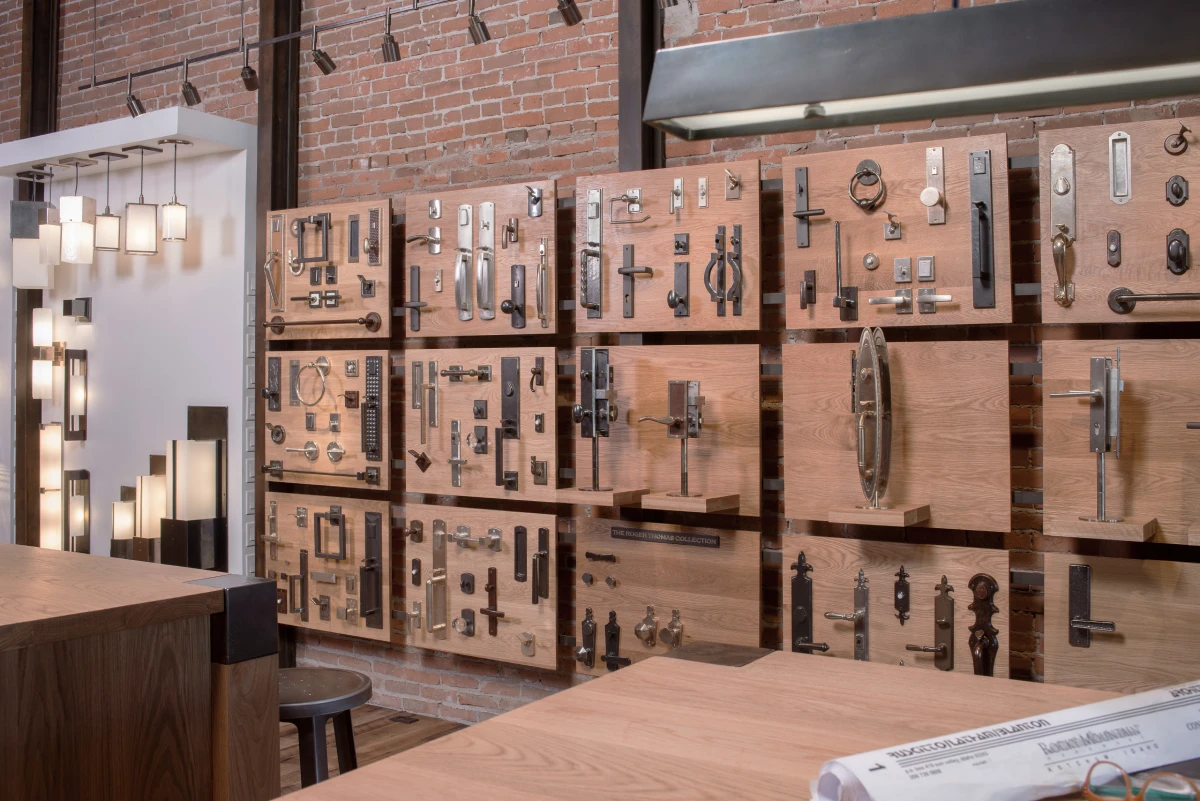
The Interior Design Process is Your Most Powerful Client Management Tool, Here’s Why
A well-defined and replicable process is the glue that holds creative service work together. It sets clear expectations, establishes your credibility, and allows your clients to feel secure throughout each phase of your collaboration. The interior design process steps from discovery to installation are as much about managing your clients’ experiences and emotions as they are about design execution and success.
Builds Trust from Day One
Clients feel most at ease when they understand what to expect. Presenting your process early communicates confidence and transparency. It demonstrates that design decisions, including hardware selections, follow a thoughtful sequence rather than being driven by impulse or guesswork. This kind of clarity will ensure your initial meetings turn into a productive partnership.
Helps Clients Visualize the Design and Their Life in the Space
During early conversations, visualizations help bridge the gap between what your clients imagine and what is possible. When they see how details like fixtures, finishes, and furniture align, it helps them picture how their daily life will feel in the space. Incorporating hardware samples and images into early presentations provides a visual connection to the design story you are trying to convey upfront and demonstrates your experience with the interior design process.
Curates Materials Early to Reveal Client Preferences
Your first mood boards and palettes should reveal more than the basics. They should direct the conversation and expose your clients’ preferences for style, tone, and texture early on. But by introducing hardware materials alongside wood, stone, and textile choices, you can uncover the nuances of what really resonates. This early demonstration will align you and your clients’ visions from the get-go and streamline the later stages of the interior design workflow.
Interior Design Stages to Consider for Buy-In and Better Project Flow
Each phase of design presents an opportunity to refine communication, minimize revisions, and reduce change orders. Recognizing where hardware belongs within the interior design process allows you to keep momentum and secure approvals easily.
1. Discovery and Intake: Meet the Client and the Space
Meeting clients in their space allows you to observe the light, circulation, and flow. You can capture how your clients are currently living in their environment and what challenges they want to overcome. These are critical insights that will provide a foundation for later design and hardware decisions.
2. Concept Development: Establish Mood, Palette, and Materiality
Concept development translates your intuition and skill into imagery. Introduce hardware as part of the story as early as you can. When creating your mood board, include material samples, finish options, color chips, textiles, and textures that complement the overall design concept. Rocky Mountain Hardware has numerous resources you can add to early presentations, including photos, project guides, and insights.
3. Schematic Design: Introduce Finishes, Fixtures, and Hardware Early
Schematic design is where concept becomes reality. Introducing hardware here ensures that scale, finish, and form are accurately represented in drawings. The Rocky Mountain Hardware product catalog offers dimensional data and imagery for door hardware, cabinet hardware, and kitchen and bath fixtures, making it easier to specify confidently.
4. Design Development: Lock in Specifications and Final Touches
Design development is your opportunity to confirm the narrative. Collaborate with showrooms and artisans to secure finish samples, confirm lead times, and finalize selections. The Rocky Mountain Hardware specification and pricing binder streamlines coordination with contractors and ensures that your design intent is carried through to production.
5. Documentation: Create Plans and Schedules
Precision is everything at this stage. Documenting hardware sets, finish schedules, and door details prevents on-site confusion for your contractors and installers. This level of clarity communicates design intent, safeguards the integrity of your vision and keeps your clients in the know. When every hinge, lever, and pull is accounted for, you can focus on flawless execution rather than correction.
6. Implementation: Place Orders, Support Installers, and Stick to the Plan
Accurate ordering and close communication keep projects on schedule. Use our how-to-order resource to verify part numbers and finishes when working with your dealer. During installation, your guidance ensures consistency from drawing to completion, a hallmark of professional design practice.
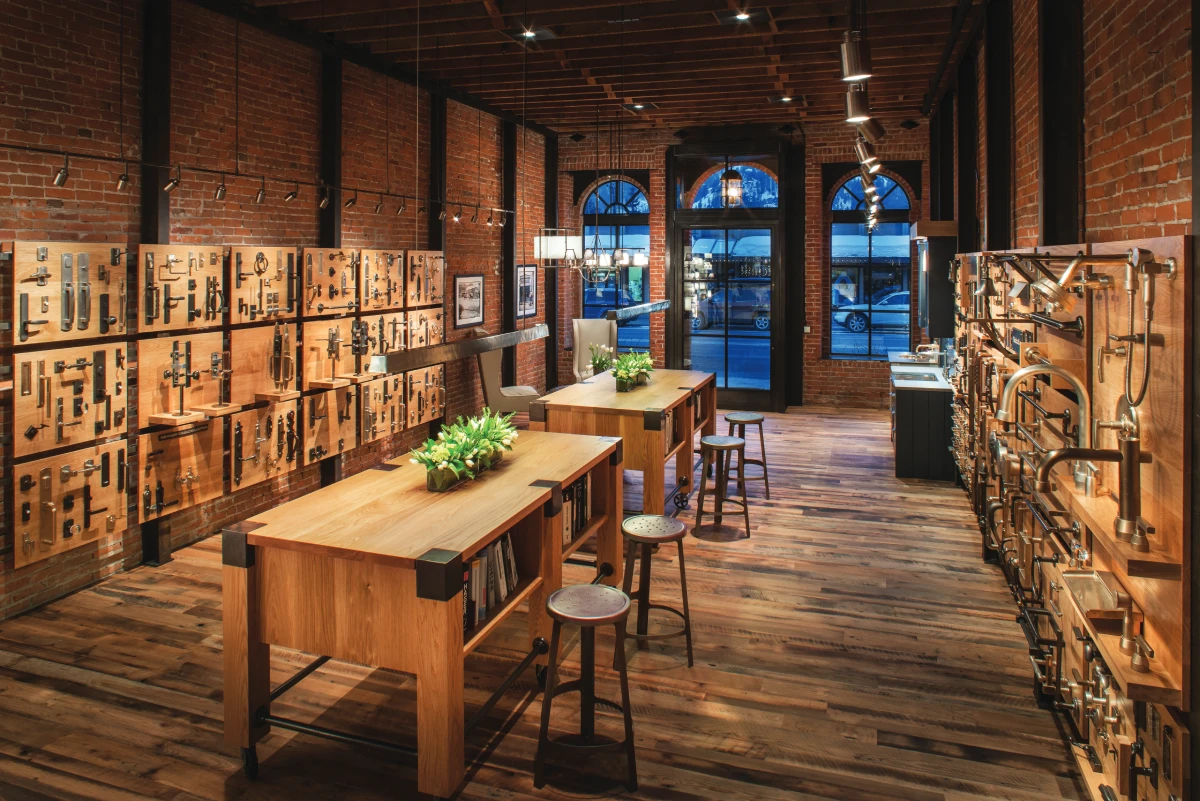
Where Hardware Belongs in the Interior Design Workflow
Putting hardware into your interior design process prevents costly changes down the road and strengthens your credibility as a designer. Treating these details as design elements, not accessories, elevates both the craft and the client experience.
Don’t Wait Until the Final Presentation
Waiting until the end of a project to specify hardware can cause misalignment in color or proportion. Instead, integrate samples and specifications early so hardware informs the palette, not the other way around.
Hardware is Not Just a Line Item
Each piece of hardware is an extension of the architecture it adorns. It adds texture, rhythm, and functionality. By discussing these elements early in the interior design process, you demonstrate to clients that beauty lies in the details and that quality materials are a worthwhile investment.
Present Hardware as Part of the Design Narrative
The feel of a solid bronze lever or the texture of a hand-cast pull communicates craftsmanship in a way no render can. Use samples to position these elements as part of your design narrative and highlight their importance to the overall aesthetic.
Help Clients See Your Vision
Clear communication with your clients is the best way to ensure your collaboration is a success. When clients see how every finish supports the broader story, their decisions come faster and with greater confidence. This section of the process is where your role as designer shifts from artist and creator to trusted guide.
Clients Struggle to Sign Off on When They Can’t See the Whole Picture
Clients need to feel the hardware and visualize how it interacts with cabinetry, millwork, and lighting. Presenting samples on a single board or within a digital rendering helps them perceive proportion and tone more effectively. These visuals clarify intent and reduce hesitation, which keeps your project on schedule.
Give Clients the Confidence to Say Yes
Confidence grows from clarity. When clients understand how each finish contributes to the overall environment, they feel a sense of ownership over the design. Guiding them through every phase of the interior designing process turns uncertainty into trust.
Advice from Interior Designers
Peers in the design community consistently emphasize the importance of craftsmanship, communication, and storytelling when working with luxury clients. These shared insights can help refine your own approach when introducing hardware to clients.
“The best part of my job is seeing a person’s dream come to life that my team and I have created. We strive to make the best hardware in the world, and we want to ensure every customer enjoys their experience with us and our products. Our hardware enhances every room and seeing our customers happy is what keeps us going,”
Christian Nickum—Owner/President, Rocky Mountain Hardware.
Speak to Quality, Customization, and Craftsmanship Early
Experienced designers know the value of setting expectations. Discussing handmade processes, customization options, and finish variation upfront positions you as an expert. Meet your clients at a nearby showroom or dealer where they can experience more than a few samples firsthand.
“If you have never touched Rocky Mountain Hardware, you are missing out. Whenever I open our fridge and put my hand on the fluted pulls, there is a feeling of quality. You can tell it is a custom cast; you can tell it is a solid piece of bronze. I always tell my clients when we choose something like this, you might not think it is the most important thing, but it is something you touch daily in your home,” — Lori Paranjape, founder of Mrs Paranjape Interiors
Create a Narrative Around Hardware Choices
Hardware should never feel arbitrary. Explain how material selection supports architecture or mirrors environmental context. When you articulate why a certain finish complements a client’s stone or millwork, your recommendations carry emotional weight that can move your clients to make decisions confidently.
Win Clients with Detailed Presentations
A detailed presentation is the designer’s most persuasive tool. Include sample boards, photography, and specification sheets to illustrate form and finish. To gather inspiration from other professionals, explore the Insights library, where design stories show hardware integrated seamlessly into every style.

Rocky Mountain Hardware Resources that Support the Interior Design Process
Staying organized is easier with the Rocky Mountain Hardware resources library. Here, you will find technical sheets, installation information, and product data that streamline your presentations.
Hardware Finish Options
Finish options and inlays are the small details that allow custom hardware to really shine. Explore our finish options to ensure effortless communication between your clients, hardware dealer, and our artisans.
Specifications and Pricing
Reliable pricing and technical data allow you to plan accurately. Use our pricing and specifications book to find all of the details you need.
Find a Dealer and Dealer Portal
Design is a collaborative process. Working with an authorized hardware dealer ensures correct ordering, finish verification, and support throughout the installation process.
Trade Shows, Events, and Showrooms
Rocky Mountain Hardware regularly participates in trade shows and showroom events where designers can see new collections, meet our team, and handle our pieces in person.
Clarify Your Vision, Build Client Trust, and Lead with Rocky Mountain Hardware
By integrating hardware early in the interior design process, you connect story, structure, and surface into one cohesive vision. From the first client meeting to final installation, this approach reinforces your expertise and ensures that craftsmanship defines every detail.
Explore more insights from Rocky Mountain Hardware and connect with a dealer near you to bring your next project to life.
Frequently Asked Questions
What are the steps of the interior design process
The interior design process steps include discovery, concept development, schematic design, design development, documentation, and implementation. Following these structured phases keeps communication clear and projects on track from the first meeting to installation.
What is the best way to present hardware options to clients?
Present hardware within the full context of your design narrative. Use finish samples, scaled drawings, and imagery so clients can experience proportion and tone together. This approach illustrates both functionality and artistry.
When should I introduce hardware into my interior design workflow?
Integrate hardware during schematic design when finishes and fixtures are first being coordinated. Early inclusion ensures alignment with material palettes and prevents revisions later in the interior design workflow.