Bronze casting is an ancient art form that has stood the test of time. From historical sculptures to intricate hardware, the bronze casting process transforms molten metal into functional and decorative works of art. But what is the bronze casting process, and how does it work? Find out what it takes to turn raw bronze into a finished piece with this guide.
What is Bronze Casting?
Bronze casting is a metalworking technique that involves pouring molten bronze into a mold to create detailed sculptures, hardware, and other objects. The process dates back thousands of years and is still widely used today. At Rocky Mountain Hardware, we use two primary methods of bronze casting: sand casting and lost wax casting. Each technique offers unique benefits, allowing us to craft timeless and custom designs with precision.
The Steps of the Bronze Casting Process
Creating the Original Model
Every bronze casting begins with an original model. This can be sculpted from clay, wax, or other materials and serves as the foundation for the mold. The detail and craftsmanship in this stage determine the precision of the final piece.
Making the Mold
The next step is to create a mold around the original model. At Rocky Mountain Hardware, we utilize both sand and lost wax molds depending on the design’s complexity. The mold captures every intricate detail of the model to ensure an accurate reproduction.
Producing a Wax Pattern
For lost wax casting, a wax replica of the final piece is created. The wax model is dipped in a ceramic slurry multiple times, with each layer needing to dry completely before the next is applied. This step is time-intensive but ensures a highly detailed final product.
Assembling the Gating System
The wax pattern is fitted with a gating system, which includes wax rods and channels. These pathways allow molten bronze to flow into the mold while letting gases escape during casting. Proper gating is essential to ensure an even and successful pour.
Losing the Wax
The mold is then heated in a kiln, causing the wax inside to melt and drain away. This step, known as “lost wax casting,” leaves behind a hollow cavity in the shape of the original design.
Pouring the Bronze
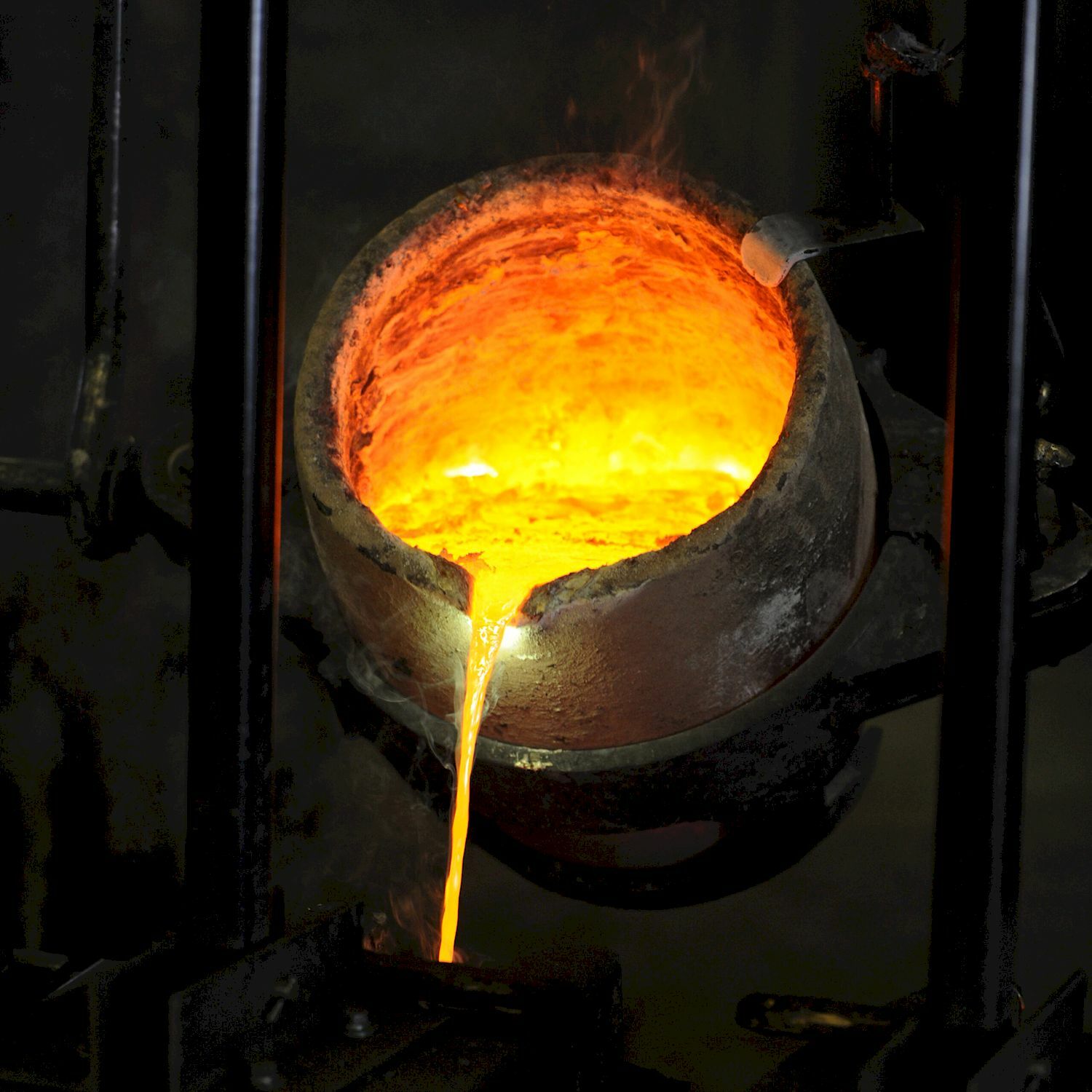
At Rocky Mountain Hardware, we melt 300 pounds of bronze ingots in a crucible, reaching a temperature of 2,200°F. The molten bronze is then carefully poured by hand into the prepared molds. For sand casting, tightly compacted sand forms the mold cavity, while lost wax casting uses ceramic shells. Once the metal fills the mold, it is left to cool and solidify.
Removing the Ceramic Shell
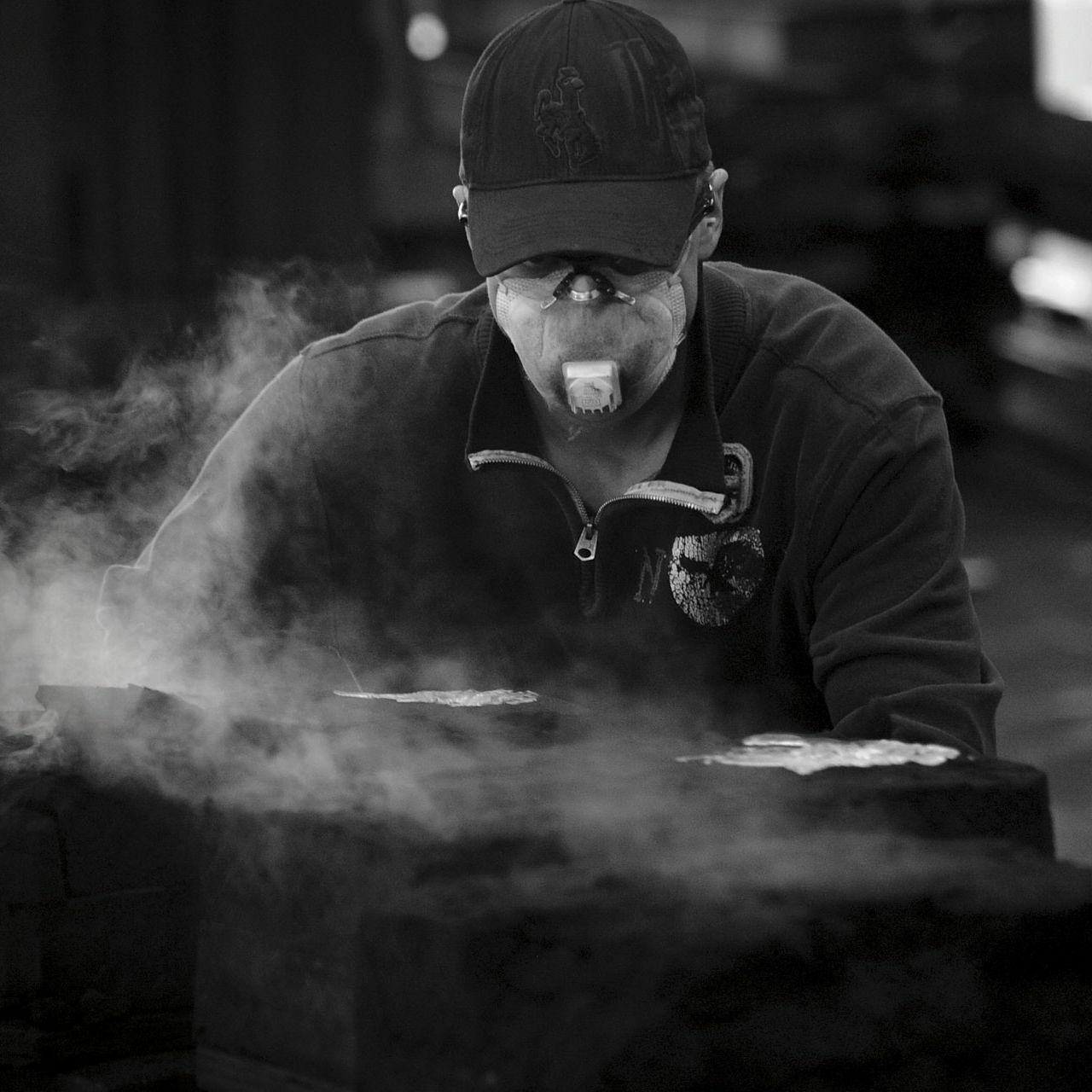
Once the bronze has cooled and solidified, the mold is broken away, revealing the roughcast piece. For lost-wax casting, this means cracking the ceramic shell off by hand to reveal the bronze inside. In sand casting, the hardened bronze is carefully removed from the packed sand.
Chasing and Finishing
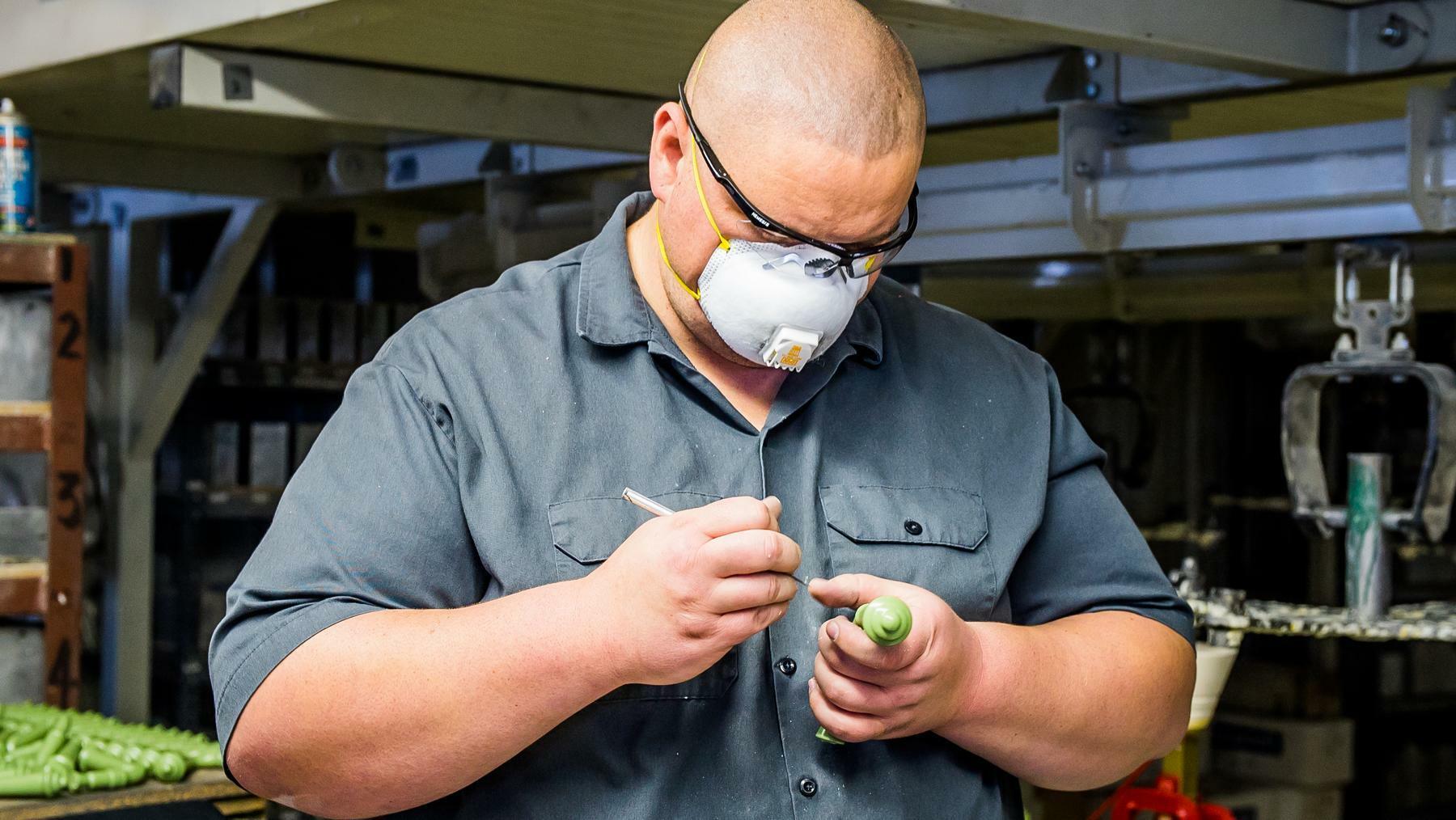
After the bronze has been freed from its mold, artisans refine the surface, smoothing rough edges and perfecting intricate details. This process, known as chasing, ensures the piece meets the intended design specifications.
Precision Machining for Functionality
Once cast, each piece moves through a series of steps to add precise functionality. Rocky Mountain Hardware employs over 20 computer numeric control (CNC) machines to ensure the hardware functions flawlessly for a lifetime. Custom computer programs control these machines, enabling precise detailing and specifications. We also use large lathes for turning specific parts and high-pressure water-jet machines for cutting custom 2D designs. Our advanced technology allows us to create virtually any custom request while maintaining the integrity of our handcrafted approach.
Applying the Patina
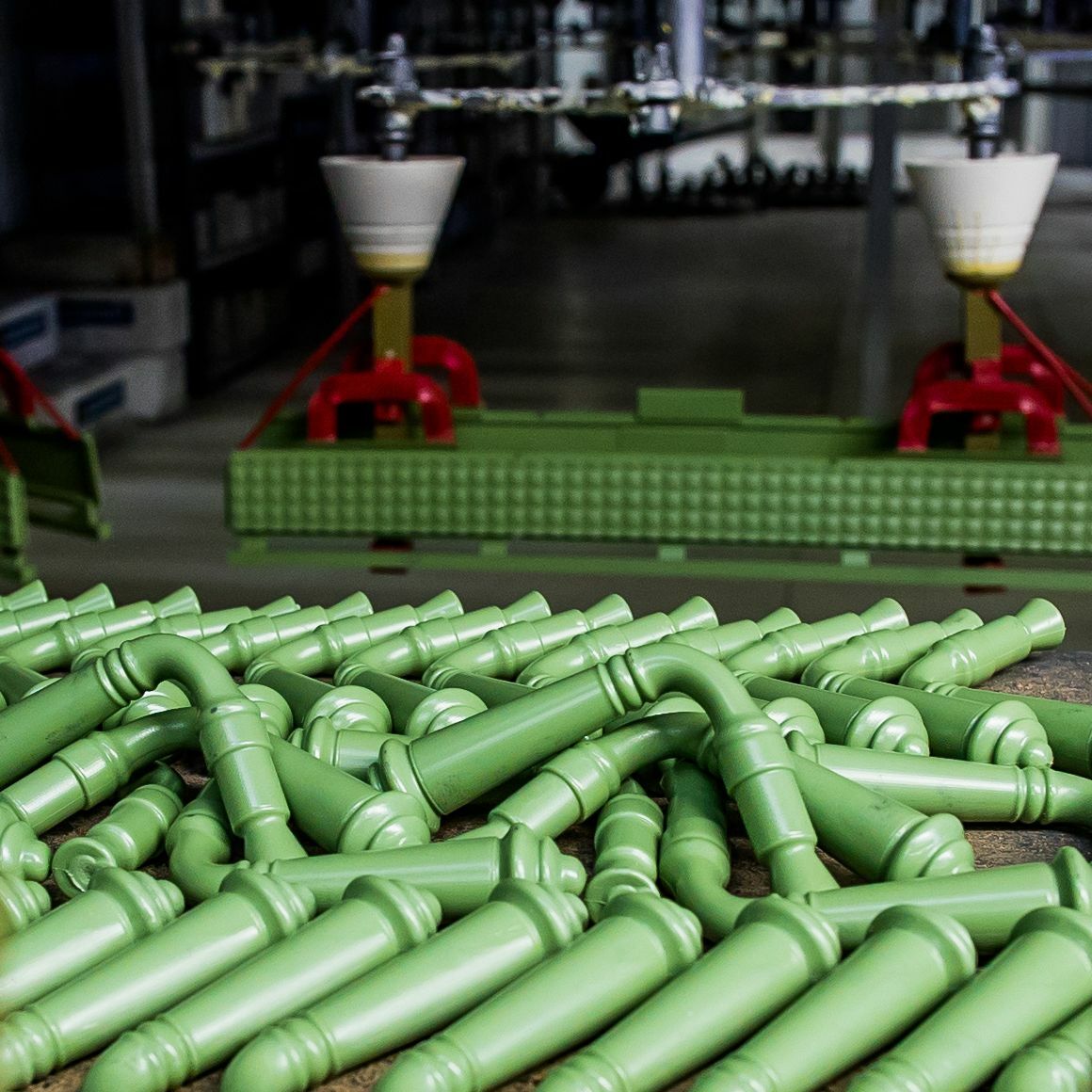
A patina is then applied to the bronze to enhance its color and texture. The patina process involves applying chemicals to the metal’s surface, accelerating natural oxidation to achieve a desired hue or finish.
Art, Craftsmanship and Technology
The bronze casting process at Rocky Mountain Hardware is a remarkable fusion of art, craftsmanship, and advanced technology. Each step, from the original model to the final patina, plays a critical role in transforming raw materials into a finished work of craftsmanship. Whether creating custom door knobs or cabinet hardware, the precision and durability of our bronze casting make it a preferred choice for designers and architects. Browse our collections online and find a dealer near you to begin your custom bronze hardware order.

FAQ
What Are the Techniques Used in Bronze Casting?
Rocky Mountain Hardware primarily utilizes two techniques: sand casting and lost-wax casting. Lost-wax casting allows for intricate detail and smooth surfaces, while sand casting is ideal for larger, more industrial applications.
How to Cast in Bronze Step by Step?
First, an original model is made, followed by mold creation, wax pattern production (for lost-wax casting), gating system assembly, ceramic shell formation or sand mold creation, wax removal (for lost-wax), bronze pouring, mold-breaking, surface refinement, precision machining, and patina application.
What Temperature Is Bronze Cast At?
Bronze is typically cast at temperatures reaching 2,200°F at Rocky Mountain Hardware. This ensures the metal flows properly into the mold and fills every detail of the design.
Is Bronze Difficult to Cast?
Bronze casting requires precision, experience, and the right materials. However, with Rocky Mountain Hardware’s refined processes and advanced technology, we ensure each cast piece meets our quality standards. The combination of traditional craftsmanship and modern machining allows us to create high-quality, long-lasting hardware and decorative pieces.