Kitchen cabinet hardware will define how your kitchen looks and functions. Knobs, pulls, and handles shape the visual rhythm of cabinetry, influencing how surfaces feel and interact with light.
In 2026, the focus is more on selecting refined materials and sculptural forms that elevate everyday spaces. From minimalist bar pulls, such as the Crosshatch Cabinet Pull, to heritage-inspired knobs like the Bamboo Cabinet Knob, hardware choices reflect both architectural intent and personal style.
The right selection should balance durability, ergonomics, and aesthetics. This guide explores 16 kitchen cabinet hardware ideas that will help you elevate your space with pieces that feel intentional, tactile, and aligned.
How Artisanal Cabinet Hardware Elevates Luxury Kitchen Design
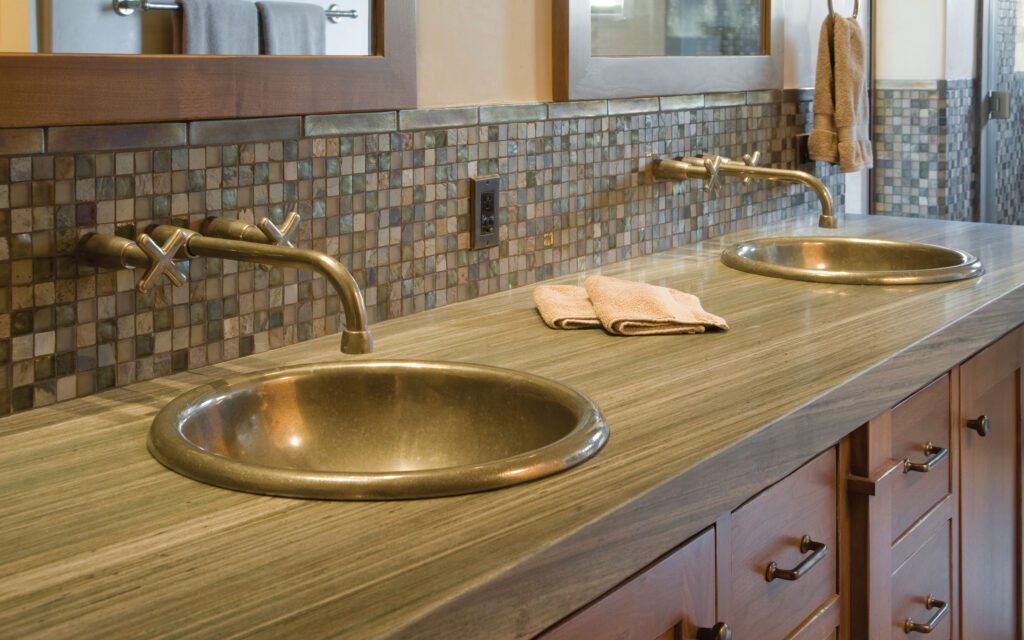
Artisanal cabinet hardware introduces a level of detail and craftsmanship that mass-produced pieces lack. Whether in kitchen cabinet pulls or knobs, hand-cast metals carry subtle surface variations and carefully considered proportions that transform hardware into an architectural element rather than a finishing touch.
In luxury kitchens, these details create depth and character; the weight of a pull or the texture of a knob contributes to the experience of the space. Materials such as bronze develop character over time, reinforcing a sense of permanence.
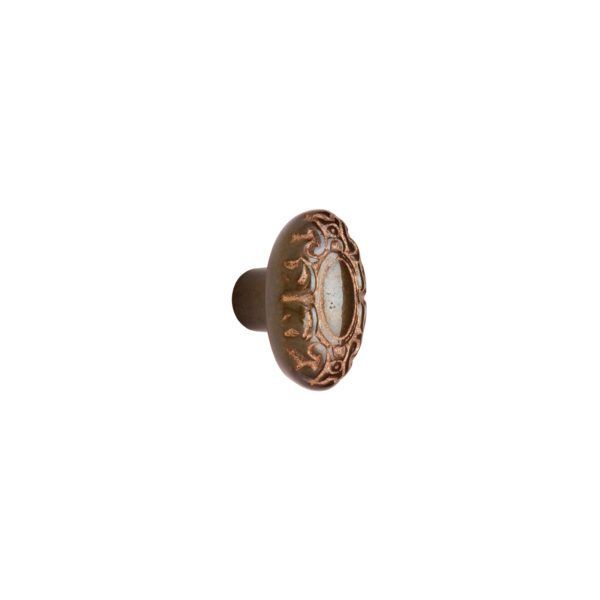
Artisanal hardware, such as the Acanthus Cabinet Knob, also allows for better alignment with custom cabinetry, ensuring each piece feels integrated. Instead of standing out unnecessarily, hardware enhances the overall composition, supporting a kitchen design that feels cohesive, intentional, and refined.
Trending Kitchen Cabinet Pull Ideas for Modern Kitchens
Modern kitchens lean more toward refined designs that balance proportion, ergonomics, and plush materiality while reinforcing clean architectural lines.
1. Sculptural Minimalism: Hand-Cast Bronze Bar Pulls
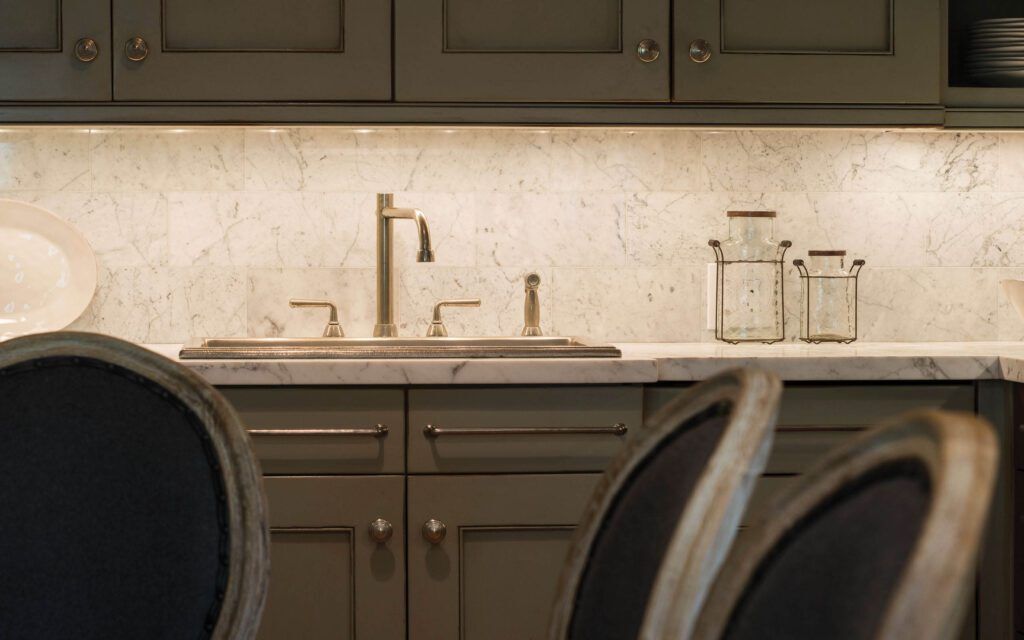
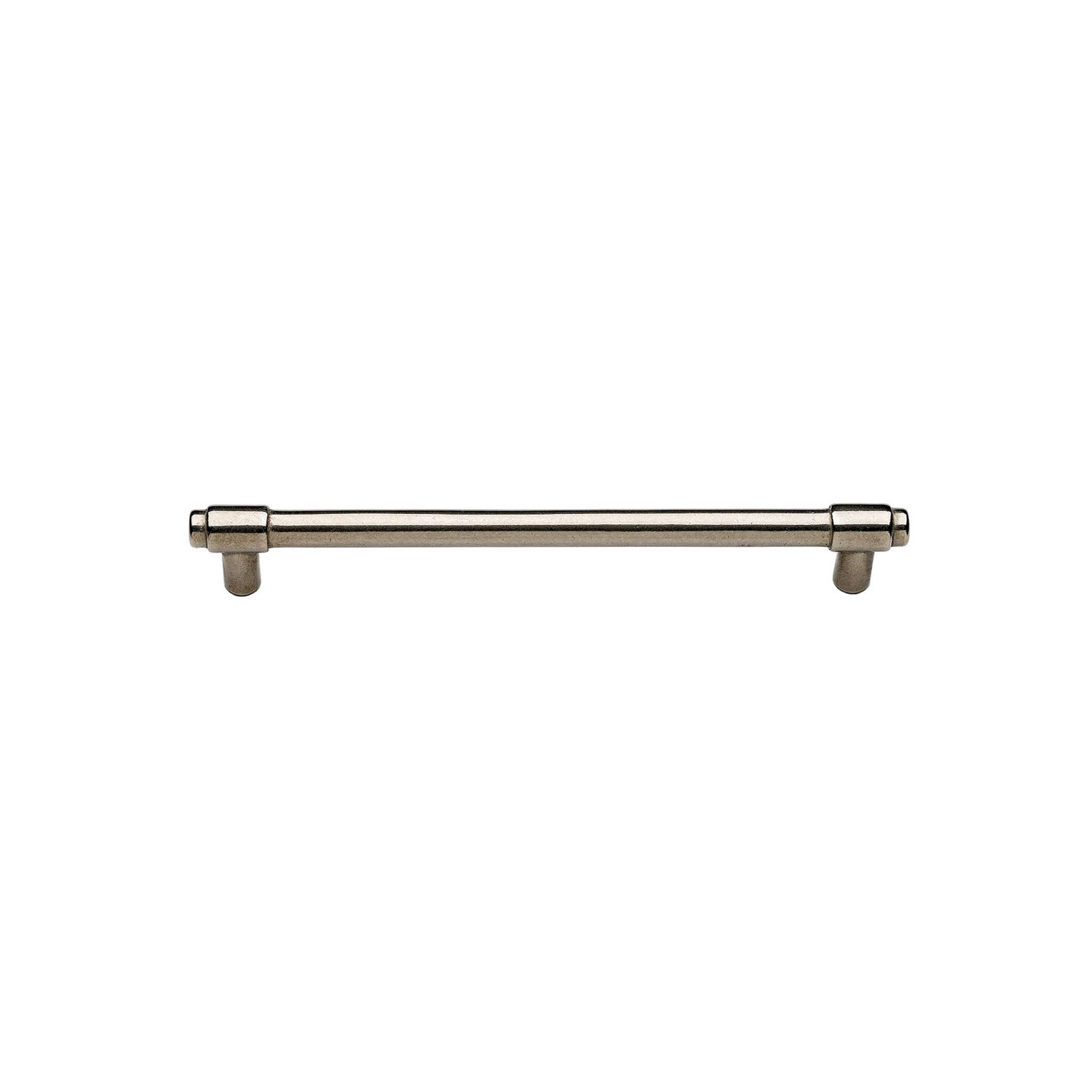
Sculptural bar pulls, such as the Edge Bar Cabinet Pull, are modern kitchen cabinet hardware ideas used to bring subtle dimension to minimalist kitchens without disrupting clean lines. Their elongated forms provide ergonomic grip while reinforcing horizontal alignment across cabinetry.
Hand-cast bronze bar pulls also introduce slight variations in texture, adding depth to otherwise restrained spaces. These pulls work especially well on flat-panel cabinets, where simplicity allows material quality to stand out. The living patina also results in a timeless aesthetic that evolves with time.
To maintain a calm visual tone, choose finishes that absorb light rather than reflect it sharply. Space the bar pulls consistently to create rhythm across drawers and doors, and a modern kitchen that feels precise, balanced, and quietly expressive.
2. Organic Textures: Slim Edge Pulls for Slab Cabinets
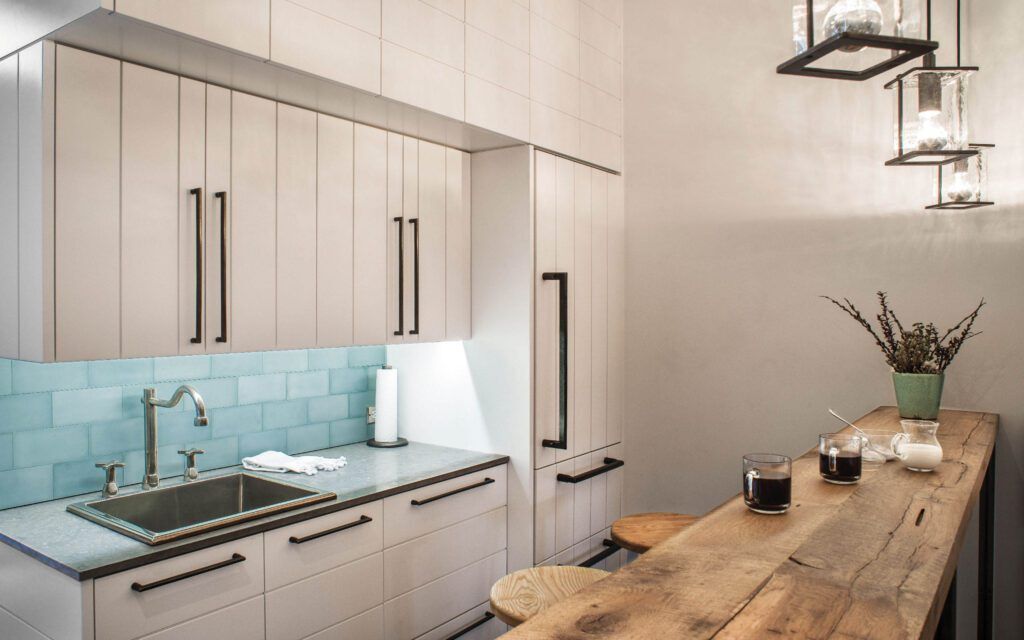
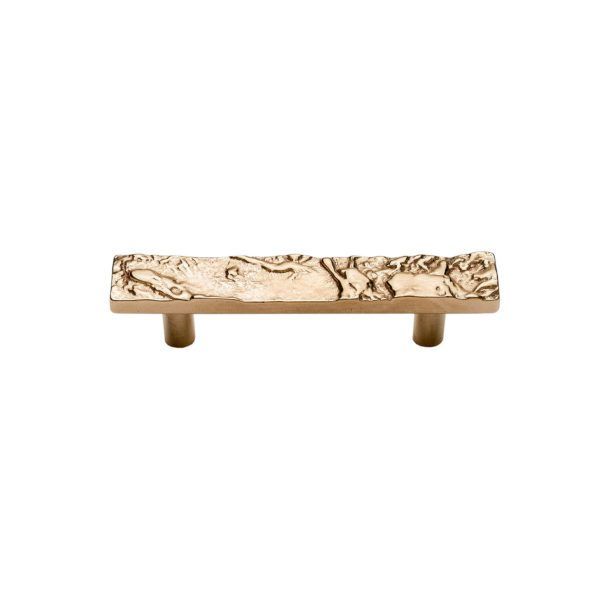
Slim edge pulls offer a discreet solution for slab cabinetry, where they help maintain uninterrupted surfaces and functional access. You can mount them along the cabinet edge without creating protruding hardware, making them ideal for minimalist kitchens.
Organic finish options and subtle textures also add warmth, preventing the design from feeling too sterile. These kitchen and bath hardware work well in spaces that emphasize natural materials, such as wood or stone.
The low-profile design improves safety and movement in tight spaces. Align them carefully to create a seamless, integrated look across the kitchen.
3. Grand Scale: Oversized Appliance Pulls for Large Islands
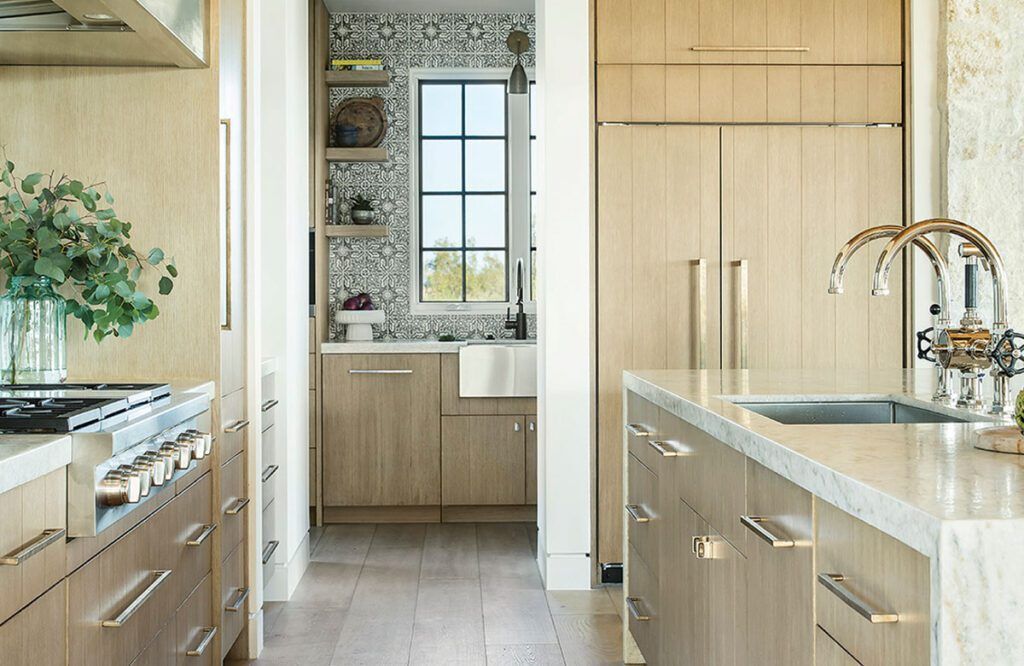
Scale and proportion are important when choosing kitchen hardware; oversized pulls are ideal for large kitchen islands, integrated appliances, and wide drawers. The pulls have extended length, which provides better leverage while visually anchoring expansive cabinetry.
In open kitchens, oversized pulls define focal points, especially when used on statement islands. You can find substantial bronze pulls that match the cabinetry’s visual weight. Place the pulls consistently to maintain rhythm across large surfaces.
Beyond function, oversized pulls contribute to the architectural presence of the kitchen, keeping larger elements grounded and proportionate within the overall layout.
4. Tactile Contrast: Bronze Pulls with Hand-Stitched Leather
Pairing bronze with leather is one of the kitchen cabinet pulls ideas you can use to create interesting tactile variance. The materials and textures offer perfect contrast, with bronze providing structure and durability, while the leather adds softness and warmth.
Bronze is also naturally warm and neutral, so it complements the leather to create a layered tactile experience. Layering bronze and leather is ideal if your kitchen design balances modern and organic elements. Leather grips improve comfort in high-use areas, while bronze bases maintain longevity.
Both materials also develop character over time, enhancing the overall design. Bronze and leather should be used selectively to highlight specific zones, such as an island or beverage station, adding depth without overwhelming the cabinetry or disrupting the kitchen’s visual flow.
Kitchen Cabinet Handle Ideas for Sophisticated Spaces
Handles can introduce structure and direction in modern kitchens, offering refined control over scale, vertical emphasis, and the overall architectural expression of the cabinetry.
5. Integrated Handles for Seamless Slab Cabinets
Integrated handles are built directly into the cabinet design, so there’s no need for applied hardware. This approach creates uninterrupted surfaces, which suits modern kitchens and minimalism.
You can use recessed channels or carved grooves to provide subtle access points without breaking the visual flow. These handles work well with slab cabinetry and continuous material finishes.
Because the hardware is part of the structure, alignment, spacing, and proportion must be precise. The result should be a seamless kitchen that preserves functionality and maintains a clean design.
6. Slim Linear Handles for Tall Pantry Doors
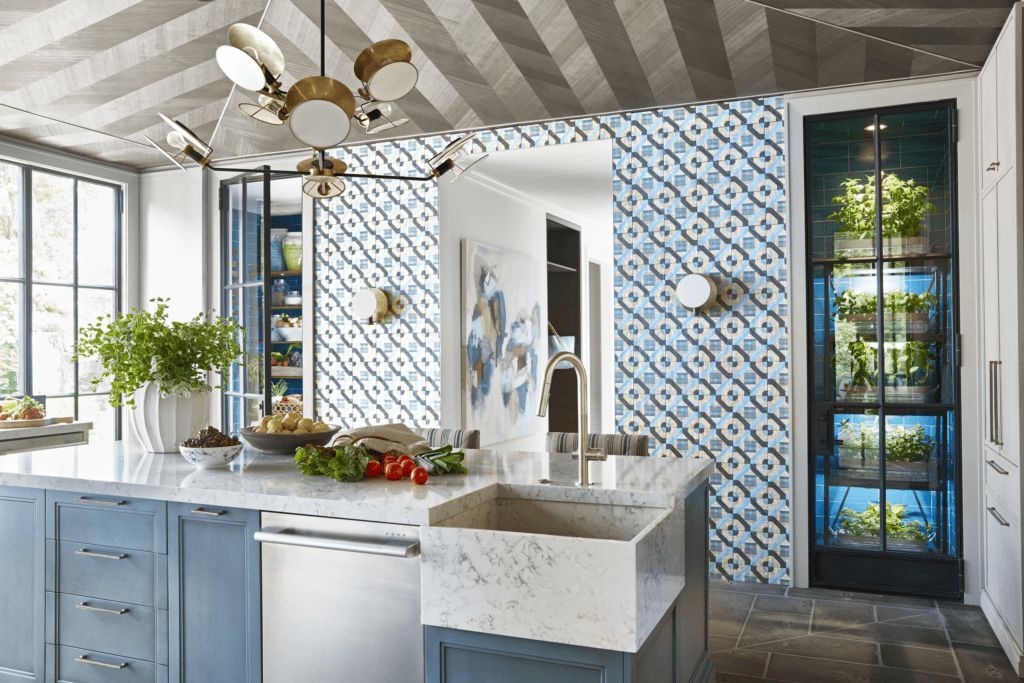
Slim kitchen cabinet handles ideas work well in tall pantry doors. The linear handles emphasize vertical height and proportion using elongated forms that guide the eye upward; this makes the cabinetry feel more architectural and less segmented.
Using slim linear handles, such as the Barre Cabinet Pull Express, gives you a comfortable grip across the full height of the door, improving usability for large storage units. Choose consistent finishes that complement surrounding hardware to maintain cohesion.
Align the handles with adjacent cabinetry to preserve rhythm, using them thoughtfully to transform pantry doors into integrated design elements.
7. Sculptural Handles for Custom Statement Cabinetry
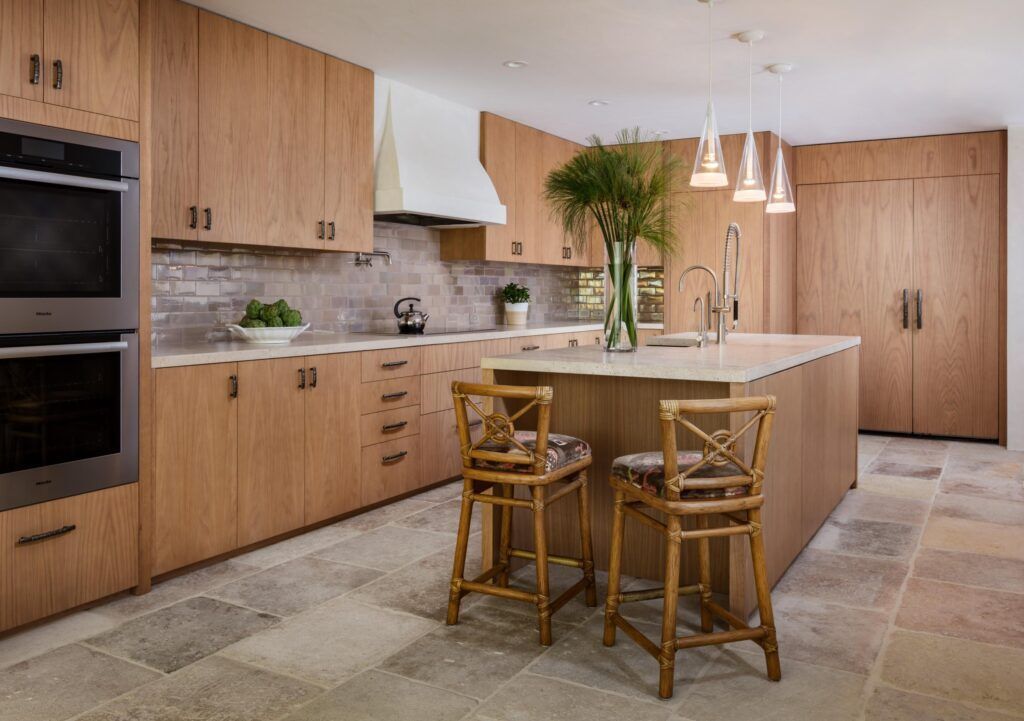
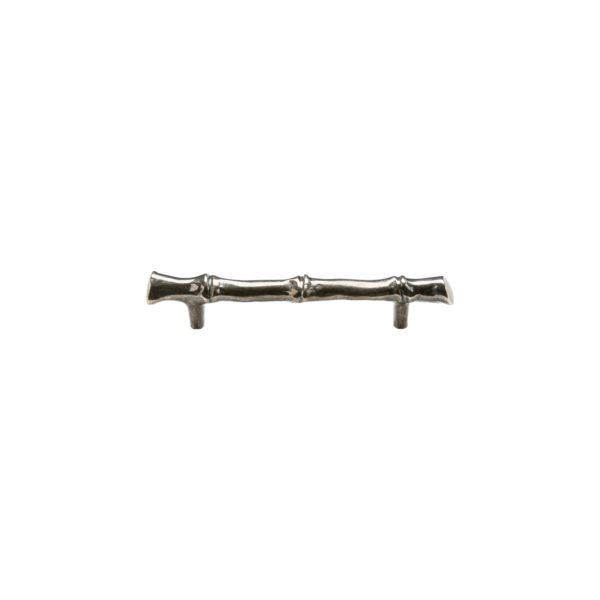
Sculptural handles, like the Bamboo Cabinet Pull, introduce character and individuality into custom cabinetry. Unlike standard hardware, these pieces are designed to stand out, often featuring unique artisanal forms, contours, and hand-finished details.
The handles work best when used selectively on islands, feature cabinets, or display units. Use an approach that prevents visual overload while allowing the hardware to act as a focal point.
Even in expressive designs, practice moderation, focusing on aligning the handles with the cabinetry’s scale and surrounding finishes. Integrate them thoughtfully to add depth and personality while maintaining cohesion.
Timeless Kitchen Cabinet Knob Ideas for Elegant Cabinets
If you want a more refined and balanced feel to your cabinet, start thinking about knobs; they offer subtle detailing and support both traditional and modern kitchen aesthetics, as shown below:
8. Heritage Aesthetics: Classic Round Knobs in Deep Patinas
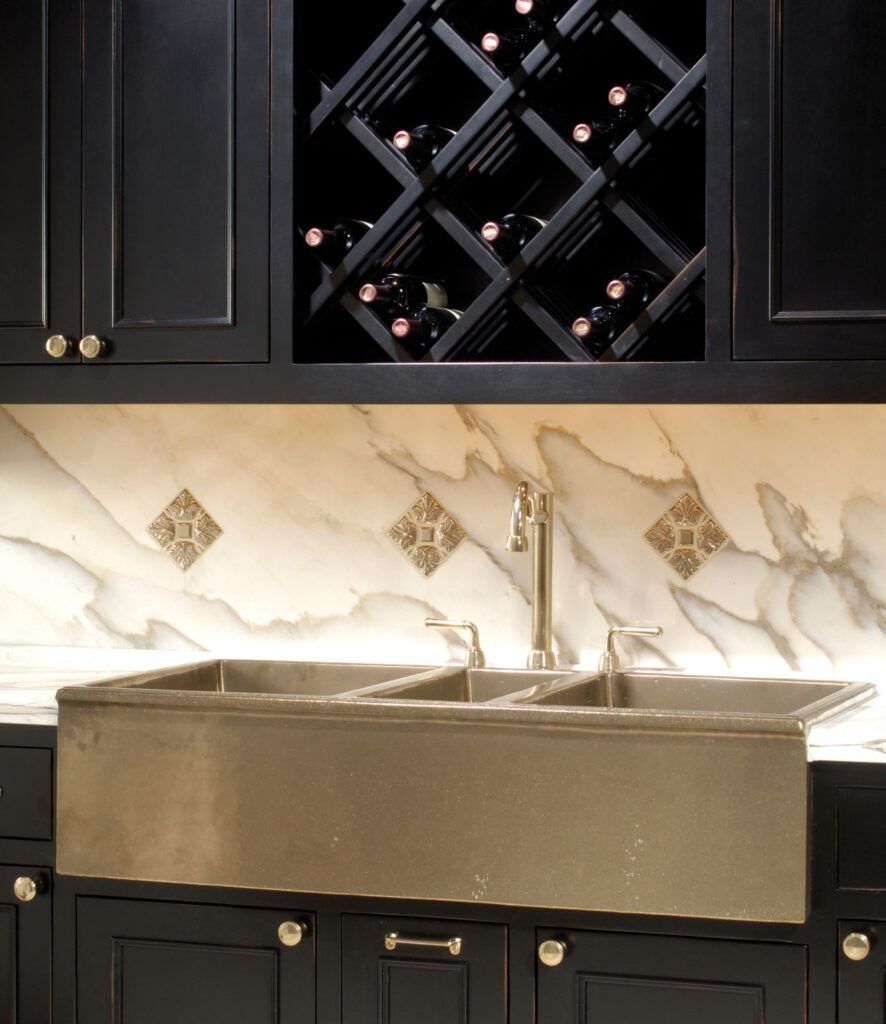
Classic round knobs, such as the Brut Cabinet Knob and Maddox Cabinet Knob, bring familiarity and balance to kitchen cabinetry. Their simple form works across a range of styles, from traditional to transitional, without overpowering the design, making them timeless kitchen cabinet knob ideas.
Choose bronze knobs for deep patina finishes that add richness, allowing the hardware to develop character over time. The tones pair well with natural wood, painted cabinets, or stone surfaces, reinforcing warmth and depth.
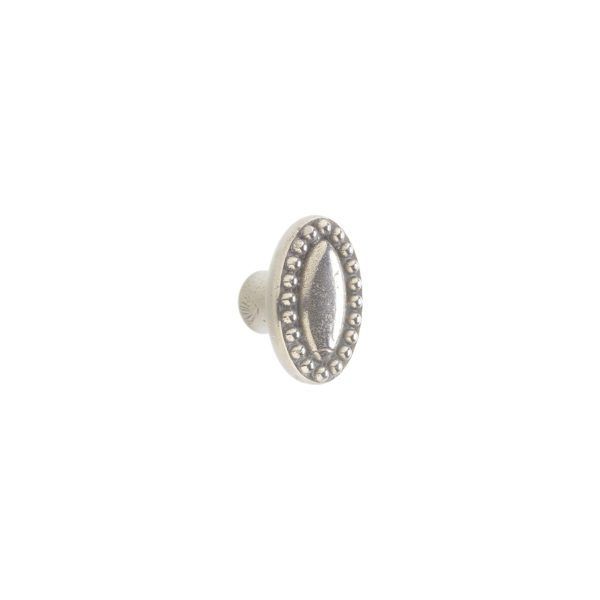
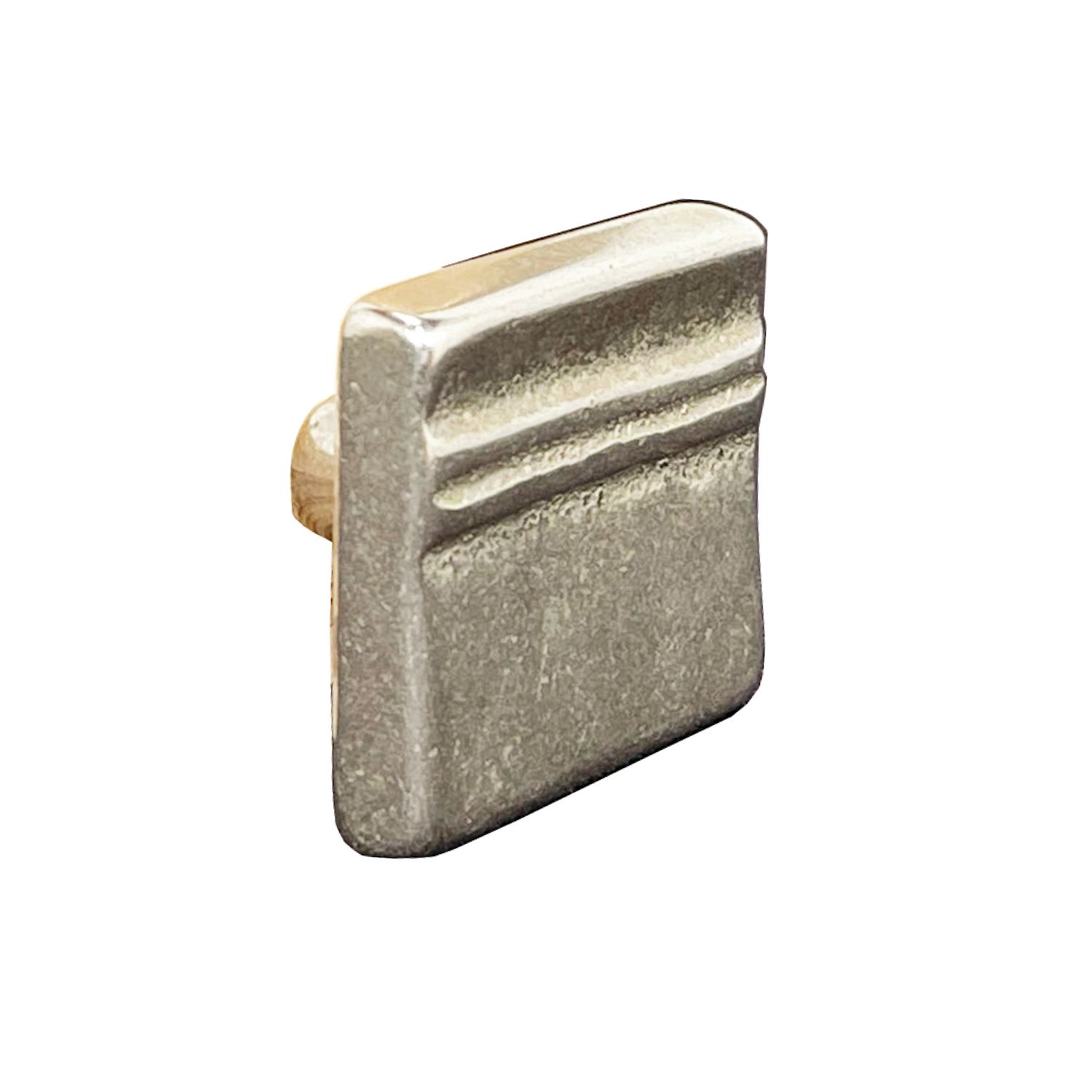
9. Architectural Precision: Geometric and Square Knobs
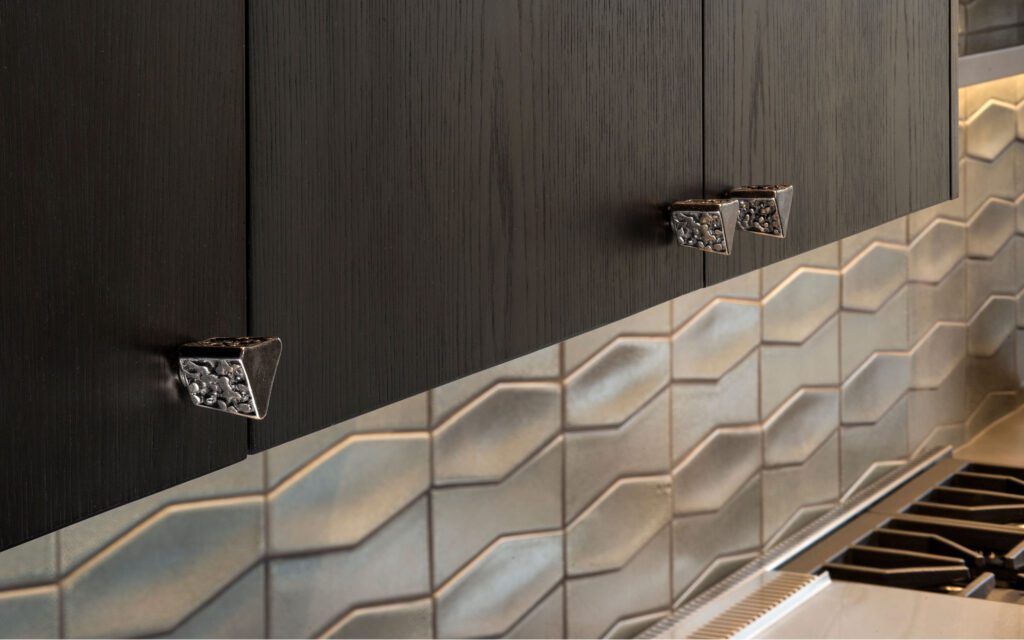
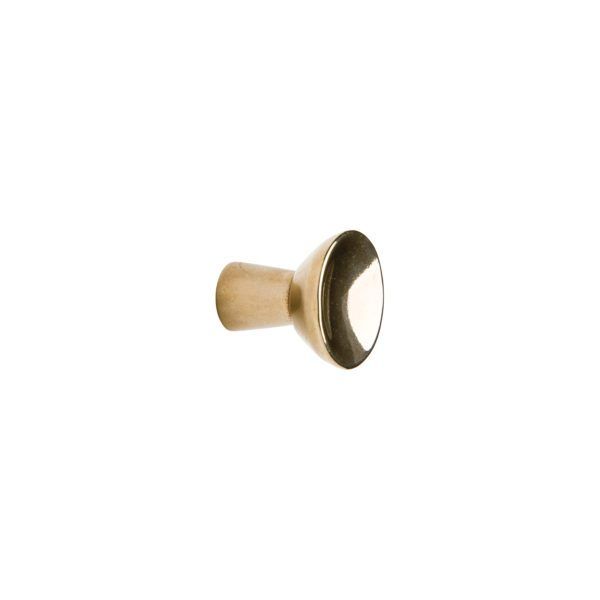
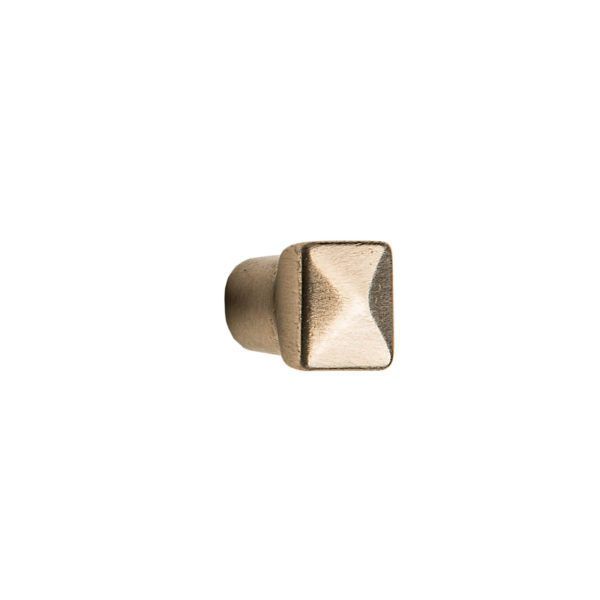
You can use geometric knobs for structure and clarity; square or angular designs reinforce clean architectural lines, making them well-suited for modern and transitional kitchens. The defined edges create contrast against softer cabinet profiles, adding subtle visual interest.
Geometry also adds style without excess ornamentation. These knobs work particularly well on flat-panel doors where their shape can stand out. Consistent spacing and alignment are required to maintain cohesion.
Pair geometric knobs, such as the Square Cabinet Knob, with complementary finishes and materials to create a kitchen design that feels intentional, balanced, and visually controlled.
10. The Artisan’s Touch: Hammered and Distressed Surfaces
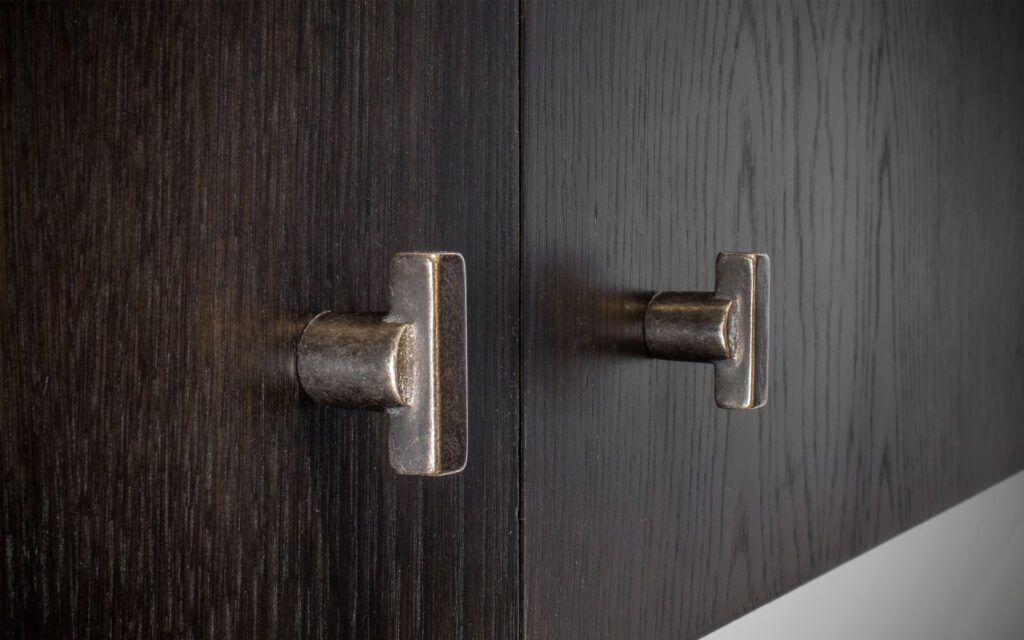
Hammered and distressed knobs like the Marrakesh Cabinet Knob add texture, variation, and depth to cabinetry surfaces. These finishes reflect light unevenly, creating subtle movement that enhances visual interest across the design.
The knobs are especially effective in kitchens that use natural materials or handcrafted elements. Each piece offers a slight variation, reinforcing a sense of individuality and craftsmanship.
To achieve balance, choose textures that complement surrounding finishes. When used consistently, hammered and distressed surfaces bring warmth and tactile richness to cabinetry, creating a kitchen that feels layered and authentic.
Unique Kitchen Cabinet Hardware Ideas for Custom Character
Timeless kitchens usually have a custom character and materials that reflect your unique personality. You can create them using quality bronze cabinet hardware that goes beyond standard solutions.
11. Vintage Utility: Bespoke Cabinet Latches for Pantries
Bronze cabinet latches, like the CL 310 Latch and CL100 Latch, bring a functional, heritage-inspired detail to pantry spaces. Unlike standard knobs or pulls, these unique kitchen cabinet hardware ideas introduce a mechanical interaction that feels intentional and grounded in traditional craftsmanship.
The latches are ideal on large pantry doors or inset cabinetry, where they become part of the visual structure. Choose finishes that complement surrounding materials without appearing overly decorative.
Bespoke latches help turn utilitarian storage into distinct architectural features in your kitchen. Place and align the latches carefully to maintain proper function and visual balance.
12. The Living Finish: Embracing Natural Bronze Patinas
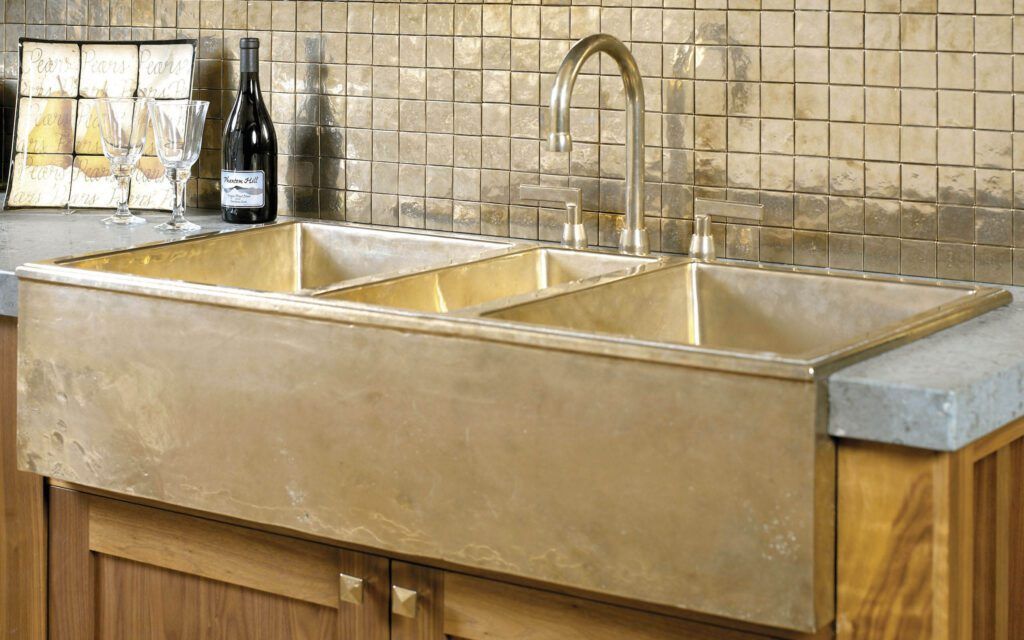
Bronze’s living finish evolves over time, responding to touch, light, and environment. This leads to a natural patina that adds depth and individuality to cabinetry surfaces over time. The gradual change introduces variation, preventing the kitchen from feeling static or overly uniform.
Living patinas complement natural materials and long-term design value. Use consistent hardware and finishes with the same undertone to maintain cohesion even as the patinas evolve. Embracing natural bronze patinas allows the kitchen to mature gracefully, creating a space that feels more personal, lived-in, layered, and connected to daily use.
Kitchen Cabinet Hardware Finish Ideas
Kitchen cabinet hardware finish options define tone and contrast, influencing how cabinetry interacts with light, materials, and surrounding elements within your kitchen.
13. Warmth and Opulence: Brushed Brass and Gold Tones
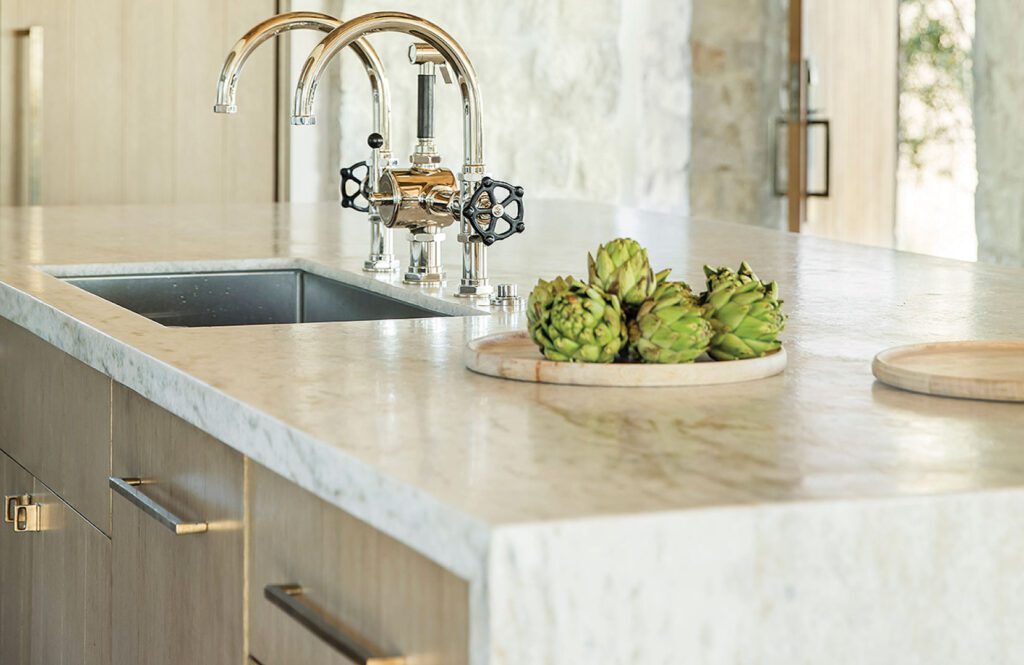
Gold-toned finishes and brushed brass are ideal choices for warmth and refinement in kitchen cabinetry. They have a soft sheen that reflects light without appearing overly polished, making them suitable for both contemporary and classic interiors.
The finishes pair well with darker cabinetry, natural wood, and stone surfaces, creating contrast while maintaining cohesion.
Brushed brass and gold tones also complement warmer color palettes, creating a layered and inviting atmosphere. Use the same finish across primary touchpoints to avoid visual fragmentation.
14. Modern Contrast: Matte Black and Gunmetal Bronze
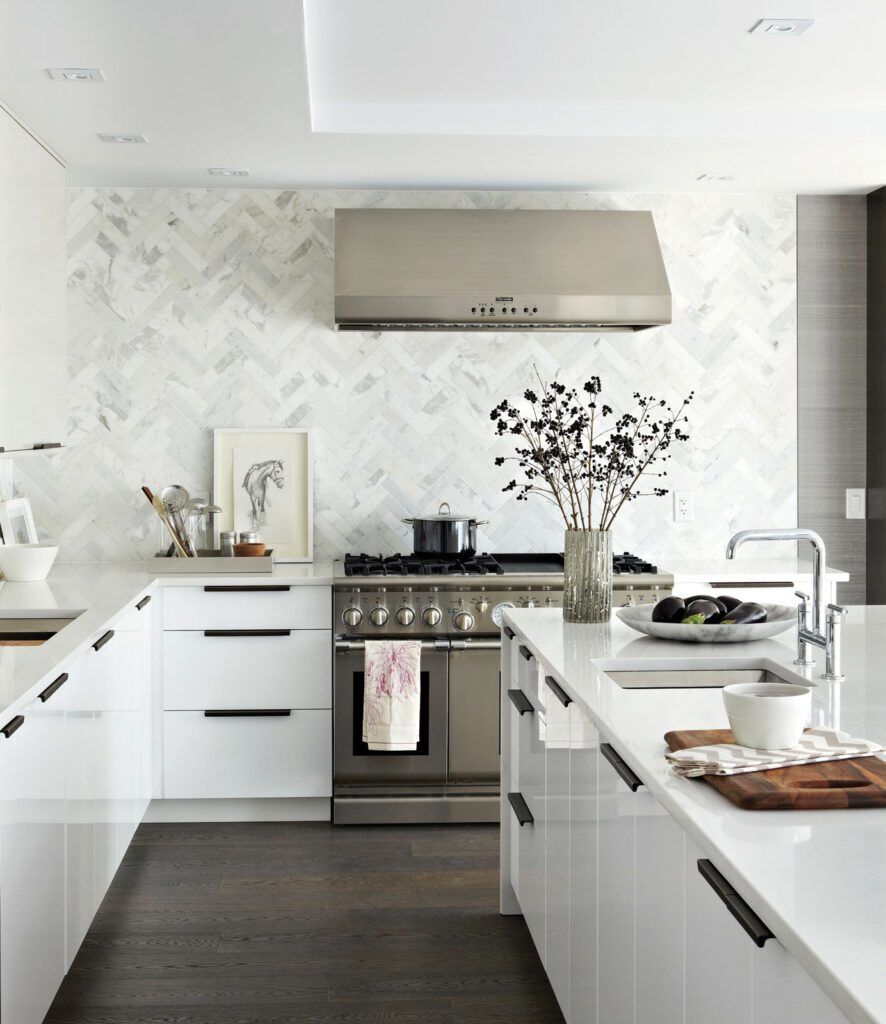
Matte black and gunmetal bronze finishes create a strong visual contrast, particularly against lighter cabinetry or stone surfaces. Their low reflectivity keeps the look controlled, reducing glare while emphasizing form and silhouette.
These finishes are ideal for modern kitchens where definition is key; they highlight edges, lines, and proportions without introducing unnecessary detail. Keep the hardware elements consistent to maintain cohesion.
You can pair matte black and gunmetal bronze with complementary materials, such as marble, concrete, and natural wood, to create a grounded, contemporary aesthetic that feels deliberate and visually structured.
15. Contemporary Polished Nickel and Chrome Accents
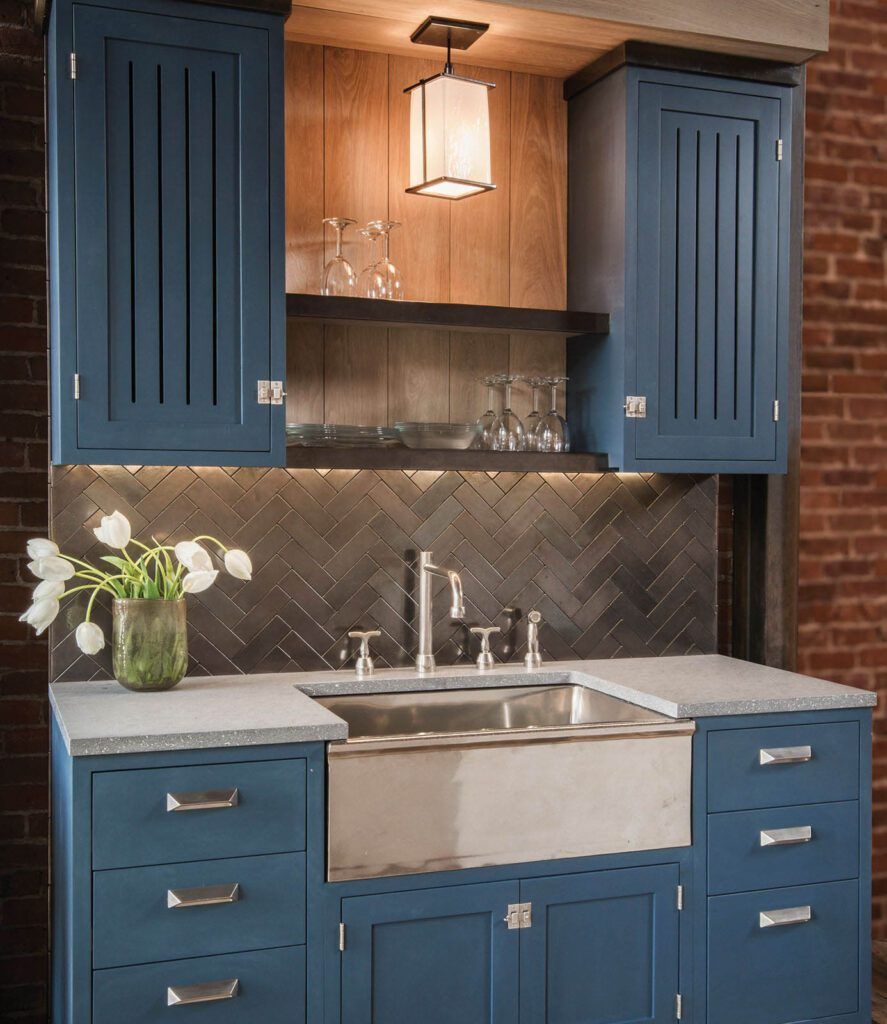
If you’re looking to introduce brightness and clarity through visual accents, go for polished nickel and chrome finishes. These reflective surfaces enhance light, making them effective in smaller kitchens or spaces with limited natural illumination.
They also pair well with neutral palettes, glass elements, and smooth stone surfaces, reinforcing a clean, contemporary aesthetic. Polished nickel and chrome accents work effectively in transitional spaces, creating a balance between traditional and modern styles.
To maintain cohesion, repeat the finish across fixtures and accents. Exercise restraint for a crisp, refined look that supports both function and visual lightness.
16. Refined Contrast: Mixing Bronze with Stainless Steel Appliances
Combining bronze with stainless steel appliances creates a balanced contrast between warmth and coolness, and requires understanding differences, such as cabinet pulls vs appliance pulls.
Bronze introduces depth and texture, while stainless steel maintains a clean, modern baseline. The pairing makes your kitchen feel inviting and contemporary. The key is distribution, so use bronze consistently across cabinetry, while restricting stainless steel to appliances and fixtures.
To preserve cohesion and clarity, avoid overmixing finishes beyond these two. The materials should complement each other, rather than competing for attention.
What Are the Kitchen Cabinet Hardware Trends for 2026?
The 2026 kitchen cabinet handles and knobs ideas are all about restraint, material authenticity, and tactile experience. Instead of overt decoration, designers are prioritizing fewer, better pieces to create hardware that feels substantial and integrates seamlessly with cabinetry.
There is a clear move toward mixed materials, softer finishes, and understated forms that support architectural clarity. Oversized pulls, such as Edge Bow Cabinet Pull, slim linear profiles like the Olympus Cabinet Pull, and integrated solutions continue gaining traction, especially in larger kitchens.
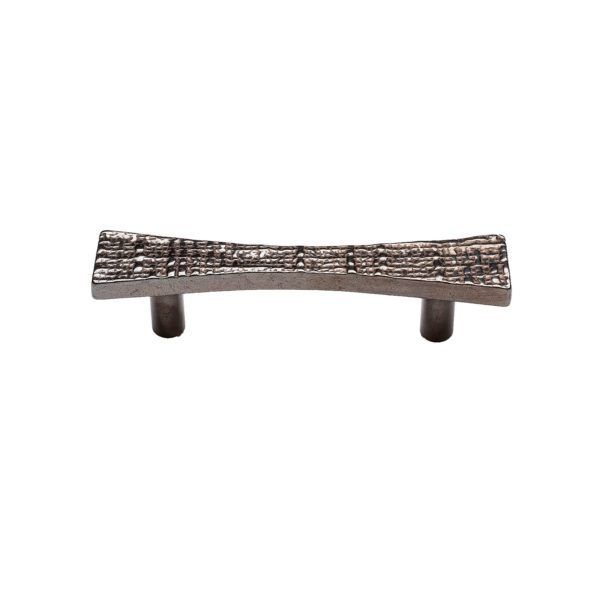
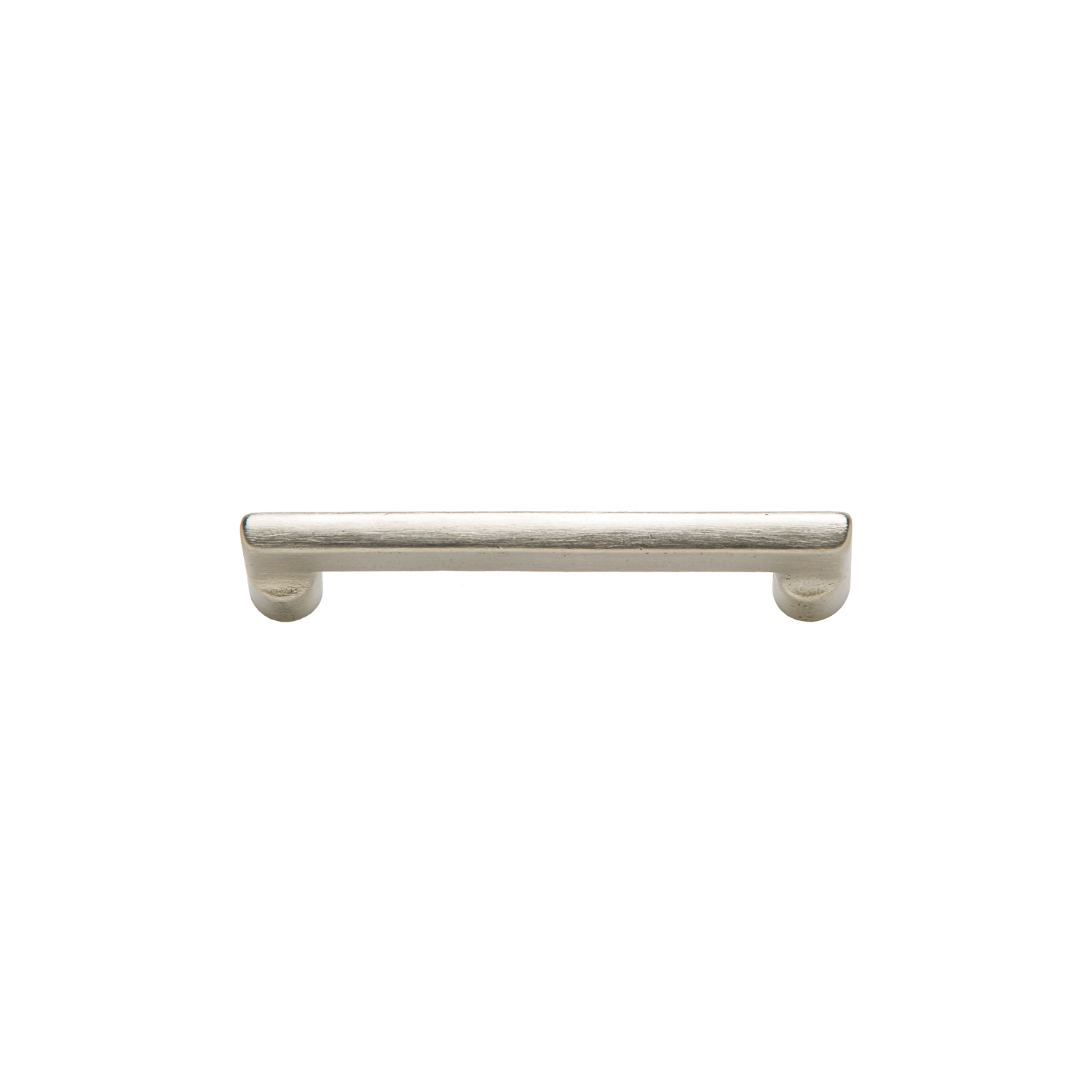
Living bronze finishes are also becoming more desirable, allowing spaces to evolve naturally over time. The emphasis is not on machine perfection, but rather on depth, texture, and artisanal craftsmanship to create hardware that contributes quietly to the overall design.
Expert Guidelines for Choosing Kitchen Cabinet Hardware
Choosing cabinet hardware requires aligning material, scale, finish, and function with cabinetry design to achieve consistency, maintain usability, and enhance visual balance.
Matching Hardware Styles to Your Cabinetry Architecture
Cabinet hardware should reflect the architectural style of the cabinetry. Flat-panel cabinets can benefit from streamlined pulls or minimal knobs, while detailed and raised-panel doors support more expressive hardware.
Keep shapes, lines, and finishes aligned with the cabinetry’s design language, and avoid mixing styles that introduce conflicting visual cues. Use consistency across all cabinets to reinforce cohesion, especially in open kitchen layouts.
The Hardware Size Guide: Sizing for Drawers and Doors
Selecting the right hardware size allows you to maintain functionality and visual proportion. Pulls should generally span a significant portion of drawer width to create balance and allow for a comfortable grip.
Smaller doors can use compact knobs, such as Fleur De Lis, or short pulls, such as Pebble Cabinet Pull, while larger drawers and panels benefit from longer hardware that matches their scale. Avoid undersized pieces that feel disconnected, or oversized hardware that dominates unnecessarily.
The Art of Mixing: Combining Knobs and Pulls Elegantly
In cabinet hardware, mixing knobs and pulls is one way to enhance function and visual layering, but you must handle this thoughtfully. A common approach is to use knobs on cabinet doors and pulls on drawers; this combination creates intuitive interaction points.
Keep finishes, shapes, or design language aligned to avoid visual fragmentation—do not introduce too many variations, as this can disrupt cohesion. Use strategic placement and repetition to unify the look.
Coordinating Finishes with Kitchen Appliances and Fixtures
Cabinet hardware finishes work well when they coordinate with appliances and fixtures to create a unified environment. This does not mean exact matching. Rather, finishes should relate in tone, reflectivity, or material quality. You can use a hardware finishes guide for insights that help you achieve cohesion.
Warmer hardware can soften the look of stainless steel appliances, while cooler finishes reinforce a clean, modern palette. Aim for balance, not uniformity, and limit the number of finishes to maintain clarity.
Why Handcrafted Bronze Hardware Defines Long-Lasting Quality
Handcrafted bronze hardware, such as Brut Cath Pulls and Edge Round Cabinet Knobs, offers durability, consistency, and a level of material integrity that mass-produced options often lack. Each piece is formed through casting processes that create density and structural strength for reliable performance over time.
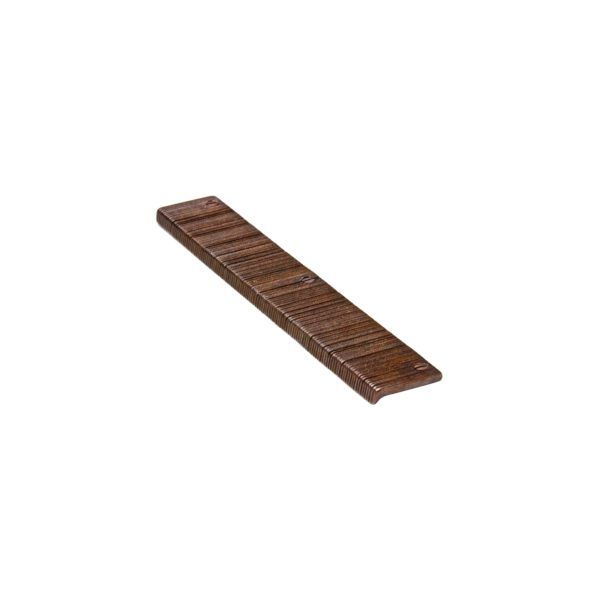
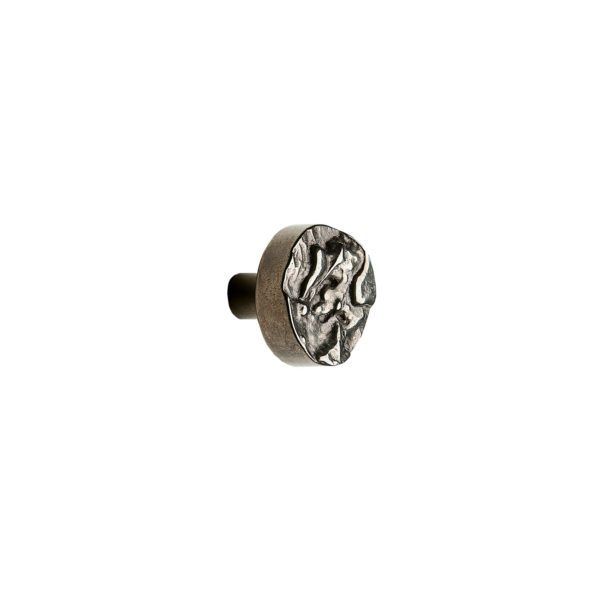
Beyond function, bronze introduces depth through its natural finish evolution. Instead of wearing down, it develops a patina that enhances character and reflects use. This makes it especially suited for kitchens, where hardware is handled daily.
Even in cabinets used less frequently, the finish develops a deep tone that reflects a lived-in, aged appearance. Because of its weight and tactile quality, bronze feels intentional in hand and reinforces the idea that even small details contribute to kitchen design and visual impact.
Final Inspiration for Your Kitchen Cabinet Hardware Design
Selecting cabinet hardware is ultimately about refinement, so aim to harmonize proportion, material, and placement to support the overall kitchen design. Each decision, from finish to size, should contribute to a cohesive and functional space.
Rather than following trends alone, focus on how hardware interacts with cabinetry, lighting, and movement within your kitchen. The goal is not to make hardware stand out unnecessarily, but to integrate it with the architecture.
Use high-quality pulls, knobs, latches, and accessories from Rocky Mountains Hardware. You can find custom hand-cast bronze pieces and standard options that match your project and offer superior longevity. Cabinet hardware is not just a finishing detail; it reinforces quality, enhances usability, and helps create a kitchen that feels balanced, intentional, and complete.
Frequently Asked Questions About Kitchen Cabinet Hardware
How Do I Choose the Right Size Pull for My Kitchen Drawers?
You can use the ⅓ rule, where the pull is a third of the drawer’s width. However, the key is to choose pulls that span a meaningful portion of the drawer width. Larger drawers require longer pulls for balance, while smaller drawers work best with shorter, proportionate hardware.
Can I Mix Different Hardware Finishes in the Same Kitchen?
Yes, but limit finishes to two or three options, preferably those that share undertones or material qualities. Repeat them consistently to maintain cohesion and avoid a fragmented appearance.
Should I Use Knobs or Pulls on My Kitchen Cabinets?
Use knobs for cabinet doors and pulls for drawers to support function. This combination improves usability while maintaining a balanced, organized, and visually cohesive design.
