Imagine walking into your home. The air feels fresh, the light shifts gently throughout the day, and every surface you touch carries a sense of warmth and intention. These are not just aesthetic choices, but design decisions made with wellbeing in mind. Wellness interior design is about shaping spaces that encourage restoration, balance, and connection. From the materials underfoot to the hardware in hand, every detail contributes to a healthier environment and a calmer state of mind. As our homes and workplaces continue to evolve into sanctuaries of both productivity and renewal, wellness design offers a blueprint for creating spaces that are as nurturing as they are beautiful.
As hardware designers and artisans, we understand the significant impact interior design for health and wellbeing can have on your home. Use this guide to better understand the choices you can make to create a home that is comfortable, healthy, stylish, and functional.
What Is Wellness Interior Design?
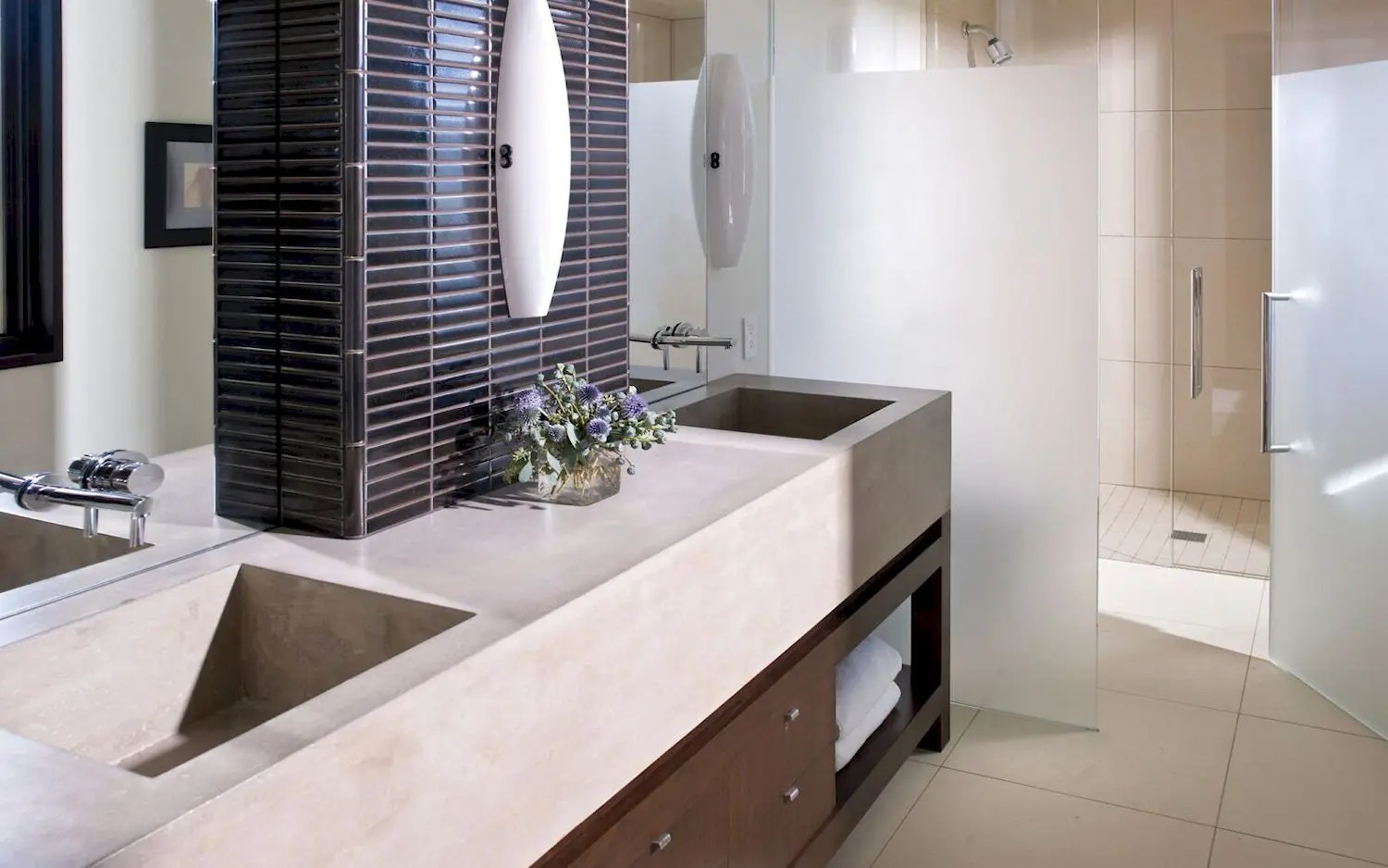
Unlike a style that can be defined by palette or pattern, wellness design is more of a philosophy. It is the recognition that the built environment shapes our mood, our energy, even our sleep. A sunlit kitchen with natural ventilation, a spa-like bath with tactile surfaces, a workspace that quiets the noise of daily life, these are not luxuries but carefully made decisions rooted in wellbeing. Designers approach these choices the way artisans approach materials: with care, purpose, and a long view toward how a space will age and endure.
How Wellness Design Supports Comfort, Calm, and Function
The best wellness-focused interiors feel effortless. Light is layered so mornings feel bright and evenings unwind naturally. Air moves through rooms without heaviness. Hardware fits the hand comfortably and functions smoothly. Storage and flow allow the eye to rest. These small experiences accumulate into spaces that are beautiful, highly functional, and emotionally grounding.
Core Principles of Interior Design for Health & Wellbeing
Wellness-focused interiors begin with a set of guiding principles. Designers consider how light, air, sound, materials, and order influence mood and energy. By weaving these elements into every decision, your home and work environments can become supportive, restorative, and deeply personal.
Incorporate Natural and Layered Light
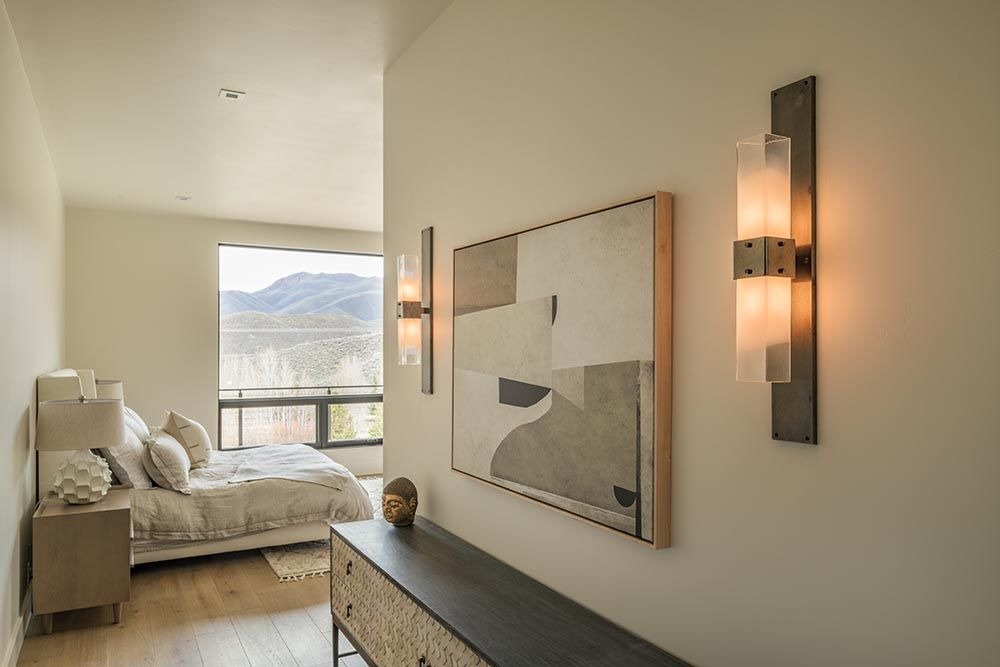
Daylight is one of the most important contributors to health and wellbeing. Wellness design incorporates large windows, skylights, and reflective surfaces, allowing sunlight to penetrate deeper into a space. Layered lighting, which includes warm-toned wall sconces and dimmable light fixtures, creates flexibility. These strategies help support healthy sleep patterns, reduce eye strain, and create calm.
Focus on Ventilation for Fresh Air and Healthy Breathing
Air quality is often overlooked, yet it directly affects comfort and wellness. Proper ventilation, including operable windows and energy-efficient filtration systems, ensures a steady flow of clean air. Materials like low-VOC paints, natural fabrics, and handcrafted bronze hardware also reduce the buildup of indoor toxins. Fresh, well-ventilated air supports lung health and helps the mind stay sharp and focused.
Create Calm With Acoustic Panels or Sound-Softening Textiles
Noise pollution is a hidden stressor in many homes and workplaces. Wellness-focused interior design combats this by incorporating acoustic panels, sound-absorbing textiles, and strategically placed rugs or drapery. These elements reduce harsh echoes, create calm, and improve privacy.
Control Clutter and Flow to Reduce Stress
Clear circulation paths and thoughtful storage contribute to both beauty and wellbeing. Clutter creates visual and mental noise, while order reduces stress. Wellness design favors intuitive layouts that allow people to move with ease through their environments.
Materials That Support Wellness
The materials chosen for an interior speak directly to wellness. Natural finishes such as wood, stone, and bronze carry a sense of permanence and connection to nature. Low VOC paints and finishes protect indoor air quality, while textiles and materials that age gracefully reduce the need for replacement. Bronze hardware is particularly resonant in this context. It is both functional and expressive, offering ergonomic comfort while developing a living patina that reflects time and touch. The following materials and hardware strategies support both comfort and wellness.
Opt for Low-Odor or Low-VOC Paints & Finishes
Paints, stains, and adhesives can emit volatile organic compounds (VOCs) that affect indoor air quality. Opting for low-odor, low-VOC alternatives is essential in wellness design. These products reduce emissions while still providing durability and vibrant color.
Utilize Natural, Durable Materials Like Wood, Stone & Bronze
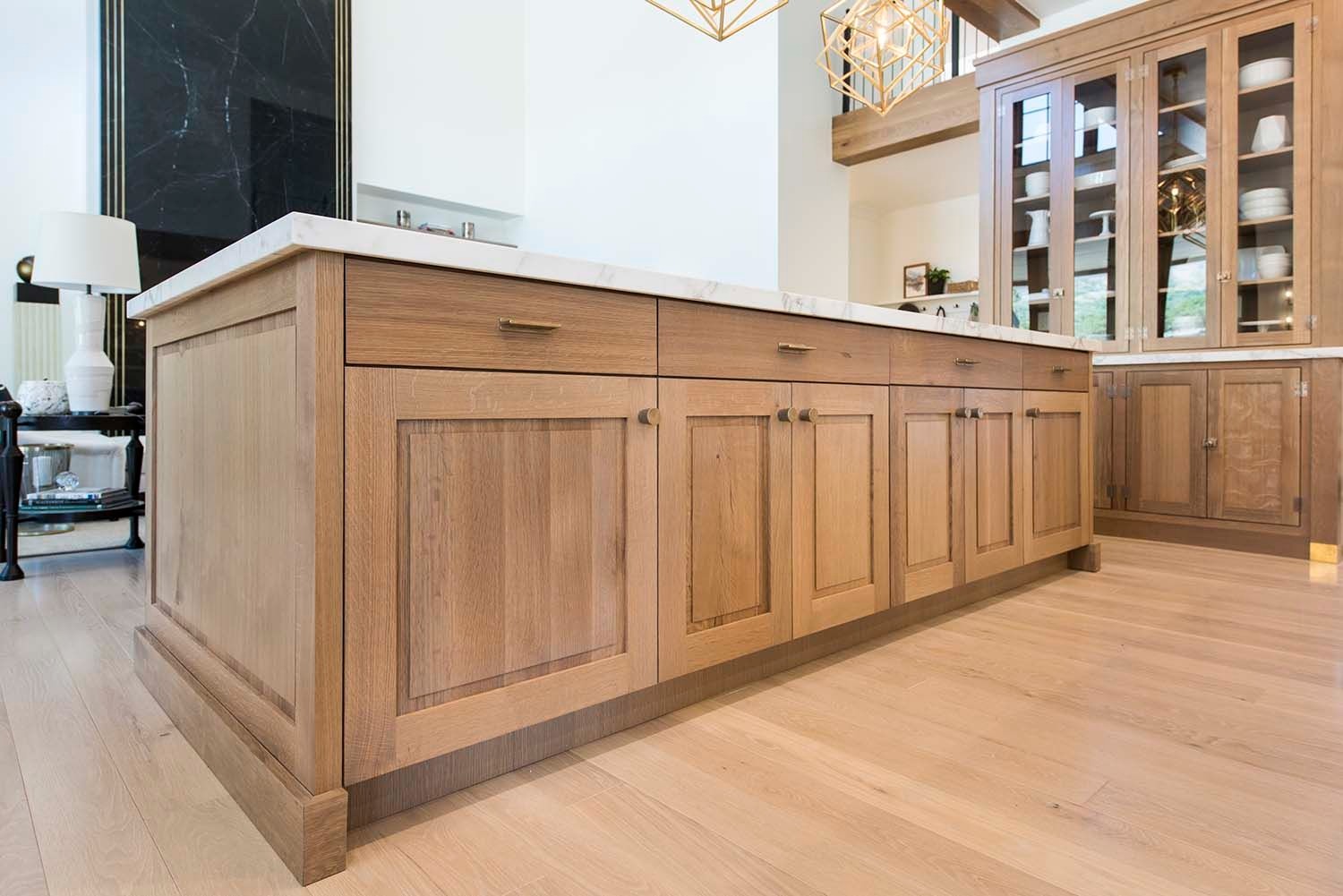
Natural materials have an inherent beauty and grounding effect. Wood floors, stone countertops, and handcrafted bronze hardware not only last for generations but also bring a sense of permanence to interiors. Their tactile qualities encourage connection with the natural world.
Seek Out Handcrafted Hardware
Bronze hardware is functional art for your home. At Rocky Mountain Hardware, every one of our pieces is created by skilled artists who understand the material, its functionality, texture, and style. Each piece we create also evolves with a living patina that reflects its environment. Rocky Mountain Hardware brings warmth and character to interiors that mass-produced alternatives cannot match.
Install Ergonomic Levers & Pulls for Comfortable Use
Wellness interior design recognizes that daily interactions with fixtures, furnishings, and hardware should be effortless. Ergonomic levers and pulls reduce strain on wrists and hands, making them accessible for all ages. A thoughtfully designed handle and well-placed hook combine beauty with ease and comfort.
Coordinate Door, Cabinet & Bath Hardware for a Harmonious Look and Feel
When hardware is cohesive throughout a home, it reduces visual clutter and creates a calming sense of continuity. Coordinated finishes across door sets, cabinet hardware, and bath accessories tie spaces together. This harmony supports the brain’s need for order and contributes to an overall sense of wellbeing.
Make ADA-Friendly Choices for Safety and Accessibility
Accessibility is integral to wellness, especially in corporate and commercial spaces. Doors, appliances, and hardware designed with generous clearance and smooth operation ensure that interiors welcome all users.
Look for Long-Lasting, Repairable Components
Durability and repairability are essential in sustainable, wellness-focused interiors. Handcrafted bronze hardware, unlike disposable alternatives, is built to last for generations. Its strength ensures long-lasting functionality, and its timeless design keeps it relevant.
Room-by-Room Wellness Ideas
A truly wellness-driven interior is not built around one feature but layered room by room. An entry that greets with calm light and a coordinated bronze handle sets the tone for the entire home. Kitchens benefit from natural ventilation, durable surfaces, and hardware that feels substantial in the hand. Bathrooms become restorative when natural elements like stone, water, and bronze converge in a spa-like retreat. Bedrooms support better sleep and enhanced wellness when light is controlled, color is calming, and hardware operates silently.
Even workspaces can feel balanced with layered light, reduced noise, and thoughtful flow. Follow these steps to bring wellness focused interior design to every room.
Make a Calming First Impression in the Entry
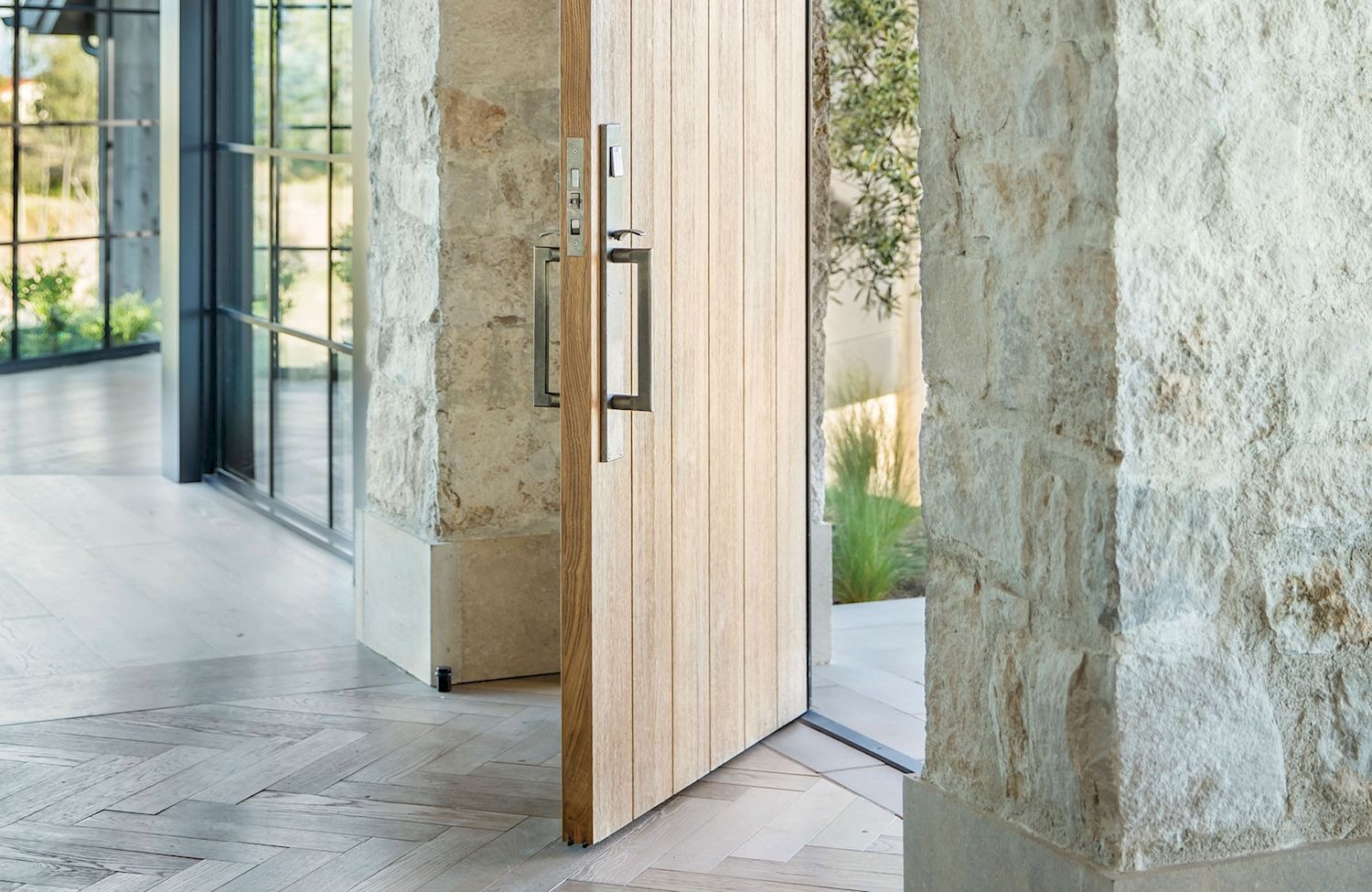
“How a home welcomes you matters, and thoughtful details at the door can make all the difference. Electronic locks unite functionality and craftsmanship, reinforcing a sense of safety while complementing a wellness-driven design.”
Support Wellness Through Natural Materials in the Kitchen
The kitchen is the heart of the home and benefits greatly from natural light, open flow, and durable materials. Incorporating stone, wood, and bronze hardware brings together function and beauty. If you’re updating the sink area, learn how to choose a kitchen faucet that suits your layout and daily use. Fresh air ventilation, non-toxic finishes, and ergonomic cabinet pulls also help ensure that the kitchen feels as healthy as it is beautiful.
Create a Spa-Like Retreat in the Bath
Wellness-focused interior design transforms the bathroom into a retreat. Layers of warm light, natural stone tiles and surfaces, and water-efficient sinks create a soothing spa-like environment. Coordinated hardware and accents bring luxury and comfort to your daily rituals.
Use Calming Color for Restful Sleep in the Bedroom
Bedrooms benefit from calming colors, blackout drapery, and carefully selected cabinet and drawer hardware that reduces noise. The tactile pleasure of bronze bedside pulls or levers adds a sensory layer to winding down at night. Minimizing clutter and maximizing ventilation encourages deep, restorative sleep.
Focus on Balance and Flow in Workspaces
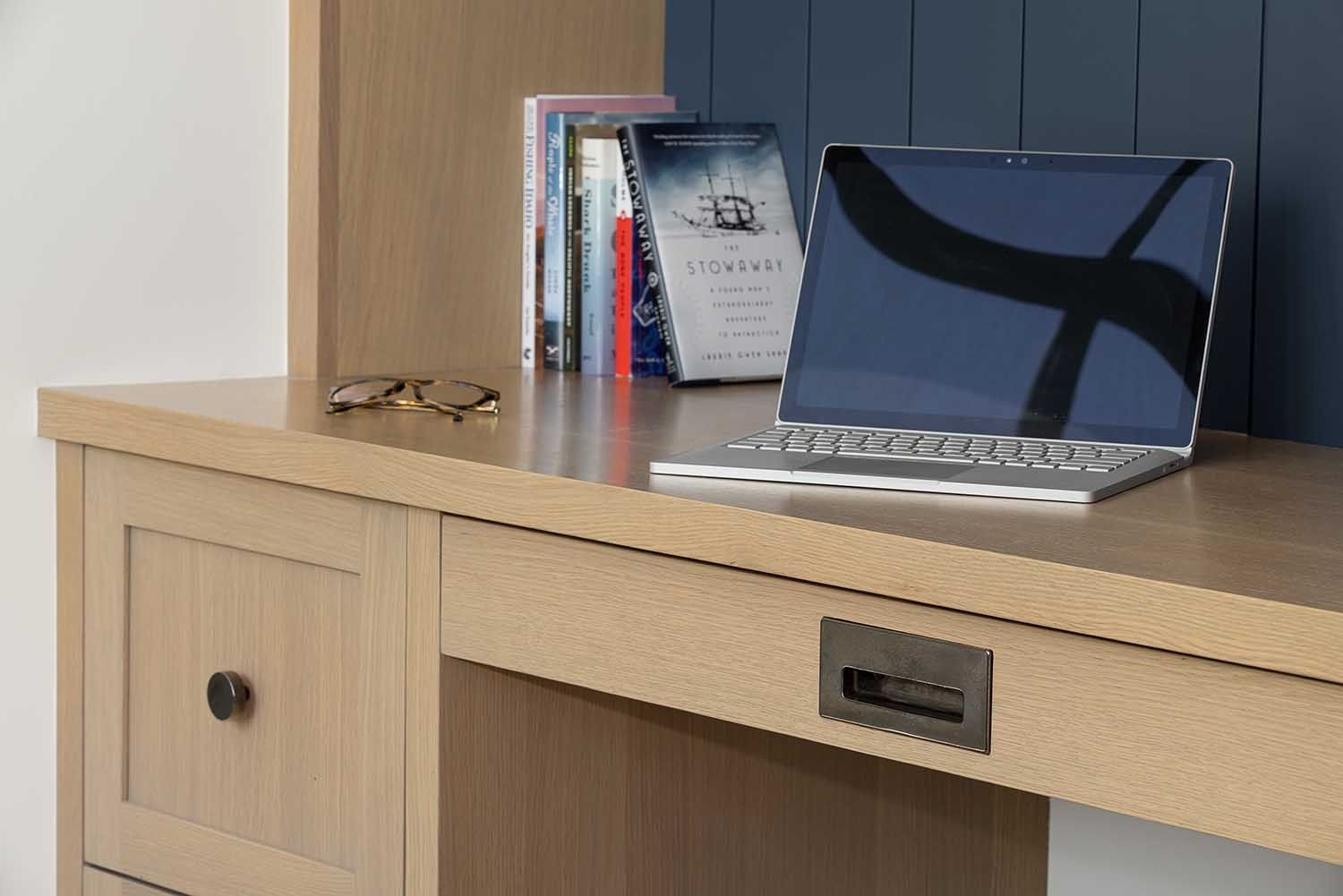
Workspaces in your home and office should be designed to promote wellness and productivity. Soft lighting, noise reduction strategies, and clutter control all contribute to productivity.
Mind-Rest Corners & Restorative Spaces
Beyond the main living areas, smaller spaces designed for stillness or reflection have become a hallmark of wellness interior design. These corners provide a calming retreat within the home or workplace. Use these materials and principles to create mindful and restorative spaces.
Incorporate Biophilic Design to Bring Nature Indoors
Biophilic design strengthens our connection to nature. Natural light, organic patterns, and materials like bronze, wood, and stone help create spaces that feel alive and grounded.
Design with Plants and Natural Materials
Indoor plants purify air and create visual calm. Pairing greenery with natural finishes adds vibrancy and reinforces wellness. Handcrafted bronze planters or hardware details echo the natural tones of leaves and wood.
Utilize Bronze to See Change Over Time
Bronze is a living material. It patinas over time, reflecting every touch and capturing the life and movement within a space. This evolving finish brings authenticity and depth, and reminds us of the natural processes of growth and change.
Optimize Natural Daylight and Outdoor Sightlines
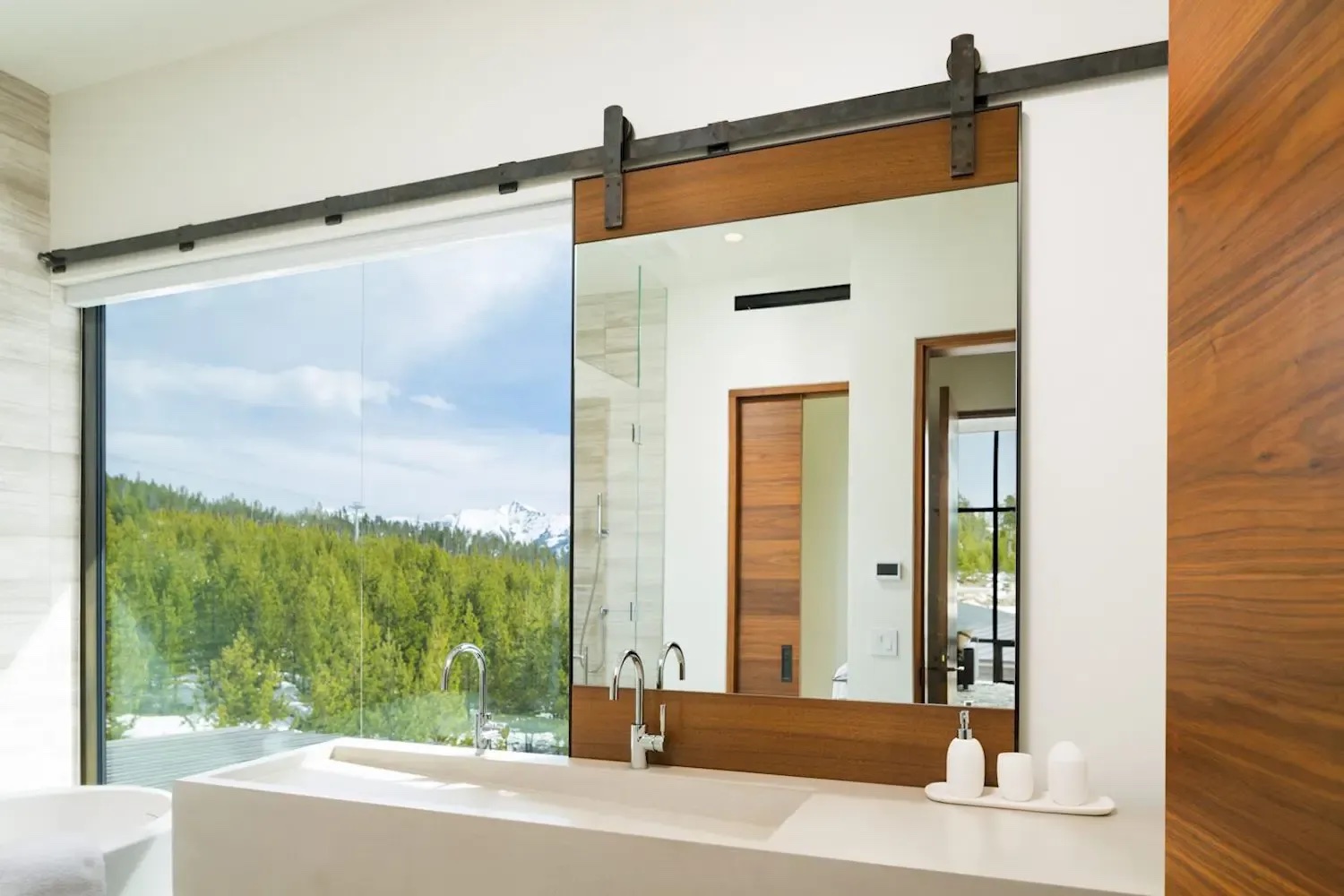
Designing with sightlines to the outdoors is an important feature of biophilic and wellness design. Whether in a living room or office, framing outdoor vistas with large windows and utilizing natural light improves mood and supports relaxation by connecting you with the rhythm of the day.
Wellness Interior Design for Homes, Businesses & Hospitality
Wellness design is not limited to private residences. Hospitality spaces, offices, spas, and wellness centers benefit from clean, comfortable, and calming interiors that enhance relaxation. In workplaces, reduced noise, improved lighting, and ergonomic hardware and furniture create efficient and healthy environments where people feel supported.
Create Clean, Comfortable, and Calm Spaces for Spas and Wellness Centers
Spas and wellness centers rely on interiors that instantly communicate calm. Natural materials, warm light, and tactile details like bronze hardware ensure that visitors feel cared for from the moment they arrive.
Reduce Noise and Increase Comfort and Efficiency in Workplaces
In workplaces, wellness design reduces stress while enhancing productivity. Acoustic finishes, thoughtful circulation, and ergonomic hardware and furniture create environments where collaboration feels natural and concentration is easier to maintain.
Specs, Standards & Accessibility for Design Professionals
Designers and architects achieve wellness through both artistry and technical expertise.
These Specifications, standards, and accessibility guidelines ensure that spaces are not only beautiful but also functional for all users.
Finish & Material Considerations
Durable natural materials support wellness without sacrificing style. Opting for wood, stone and other natural materials also help people stay grounded at home and at work.
Hardware Ergonomics & Clearances
Hardware placement and proportion affect usability. Levers and pulls designed for comfort reduce physical strain, supporting daily function.
Accessibility Guidelines & Hardware Placement
Accessibility standards ensure that interiors welcome everyone. Proper placement and selection of hardware is essential to achieving this goal.
Project Inspiration
Sometimes the best way to understand wellness design is to see it in action. These real interiors and our cabinet hardware guide illustrate how bronze hardware, natural materials, and intentional layouts come together to support healthy living.
A Serene Southern Home
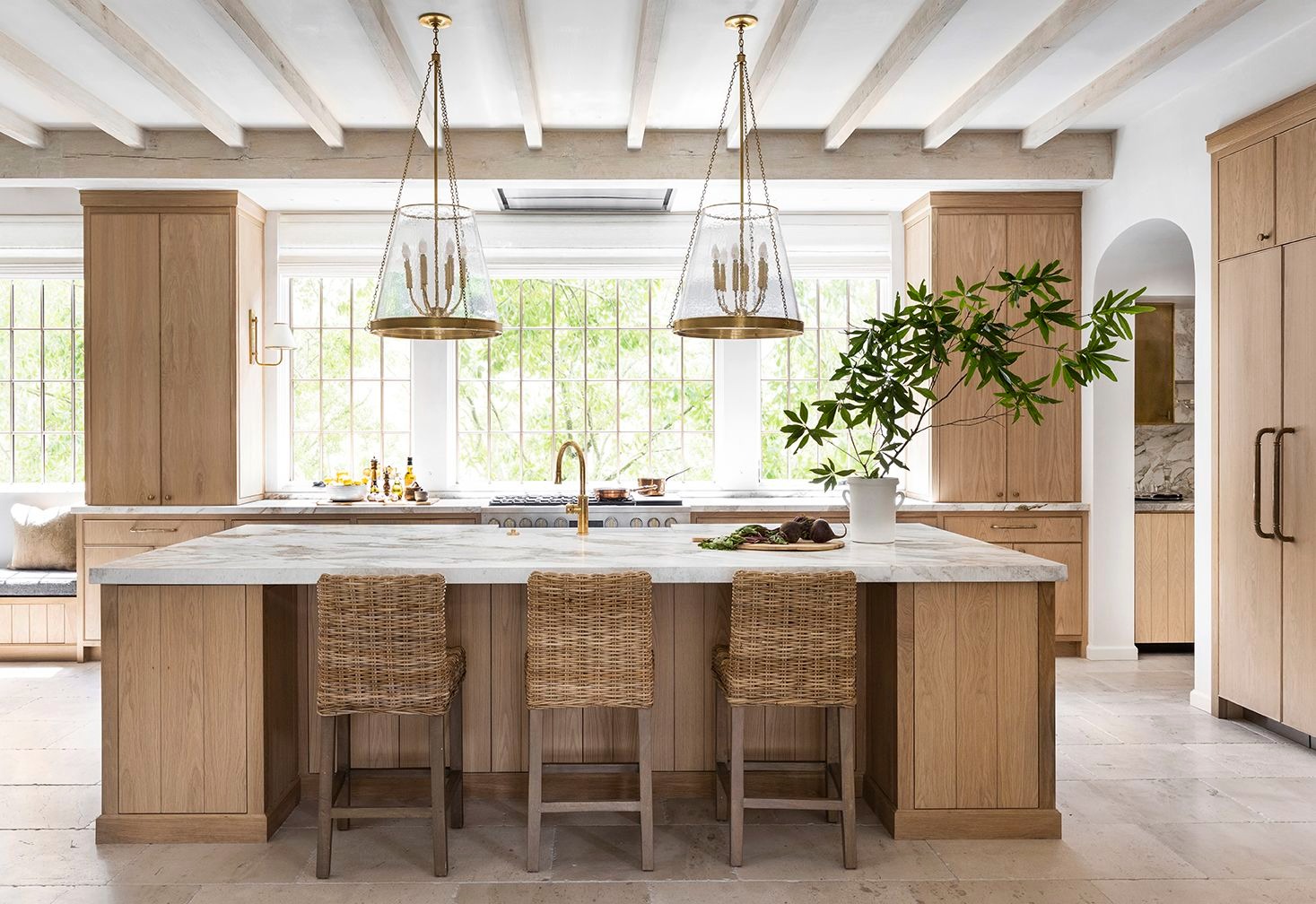
Marie Flanigan is an award-winning, Houston-based interior designer. Her signature style and elevated designs have been featured in Architectural Digest, Southern Living, Vogue, and many other publications.
Marie is one of our favorite designers, and she recently turned the tables on herself, taking on the role of client and designer to complete her “English cottage with a Texas twist” family home. Showcasing natural light and playing with textures are some of Marie’s strong suits, and we were honored to see our cast bronze hardware on her list of favorite features in her personal home.
A Stone Entry That Welcomes with Bronze Warmth
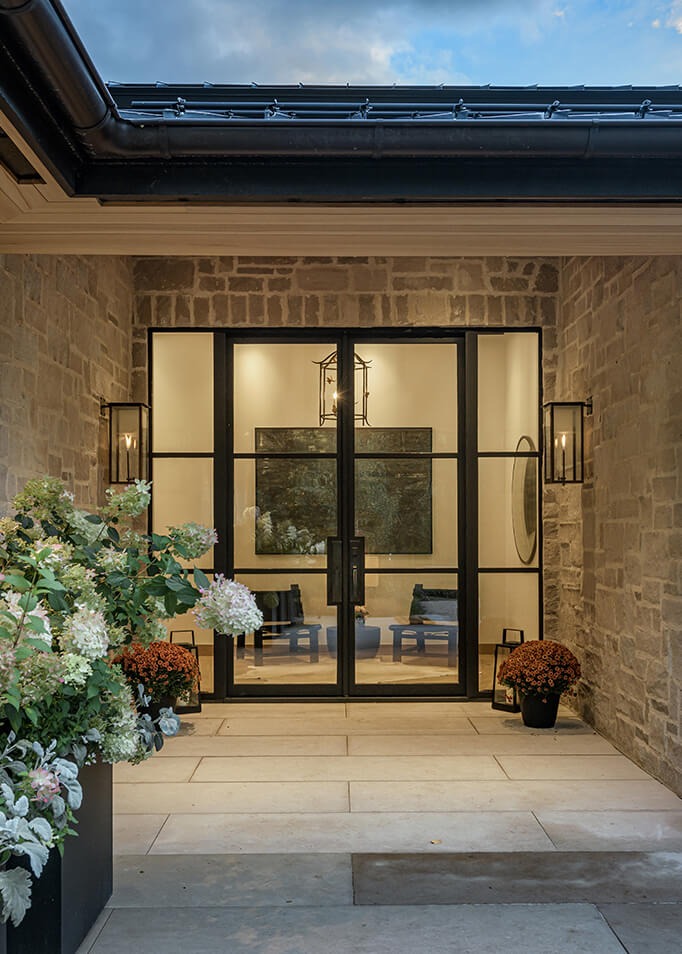
With a bit of help from Rocky Mountain Hardware, this client transformed an Adam’s Gulch residence from an outdated 1980s aesthetic to a contemporary and chic mountain escape. Surrounded by the Boulder Mountains, pristine meadows, and sparkling creeks, Adam’s Gulch is a beautiful location. Capturing and complementing the natural beauty of the environment was a priority that the homeowners aimed to achieve with their design. One of the most striking features of the home is its abundant natural light, which floods every room and the stone entry.
Trends & The Future of Wellness Interiors
A mix of technology, sustainability, and a renewed respect for craft is shaping the future of wellness interior design. What was once considered a niche concern is now a guiding principle in luxury projects around the world. As we look ahead, several directions are emerging that promise to define interiors over the coming years.
Biophilic Layers & Nature-Connected Layouts
Biophilic design has moved far beyond simply adding greenery to a room. The next wave embraces layered strategies that blur the boundaries between indoors and outdoors. Architects are orienting floor plans to capture natural views, designers are specifying materials that echo organic textures, and homeowners benefit from an enhanced connection to nature indoors.
Material Transparency & Low-Odor Finishes
Clients are more informed than ever about the materials that surround them, and they expect transparency. Wellness interior design is responding with finishes and fabrics that disclose their sourcing, ingredients, and long-term impact on health. Low-VOC paints and sealants are now standard, while innovations in textiles and coatings are minimizing off-gassing. This emphasis on honesty elevates trust and ensures that beauty never comes at the expense of well-being.
Bronze Hardware as a Timeless Accent
In an age when so many materials are engineered for quick turnover, bronze stands apart as a timeless choice. Its durability reduces the need for replacement, its texture connects users to craft, and its patina evolves in a way that mirrors the life of the space itself.
Wellness Interior Design is Here to Stay
Wellness interior design is not a passing movement. It is a comprehensive philosophy that recognizes the role interiors play in health, comfort, and wellness. As a homeowner, designer or architect, you can make informed choices that support wellbeing and enhance the overall comfort of your space. If you’re ready to add or update the hardware in your home or project, Rocky Mountain Hardware is an excellent choice for wellness-focused interiors. Connect with a dealer near you to see how Rocky Mountain Hardware can elevate your home today.
FAQs: Wellness Interior Design
What Is Wellness Interior Design?
It is an approach that integrates health, comfort, and beauty through thoughtful choices in light, air, sound, materials, and flow.
What Are the Best Bedroom Colors for Rest?
Muted natural tones such as soft blues, greens, and warm neutrals encourage relaxation and sleep.
Do Hardware Choices Really Impact Wellness?
Yes. Ergonomic, handcrafted hardware improves comfort, reduces strain, and enhances the harmony of a space.
Can I Apply These Ideas in a Small Apartment?
Absolutely. Even compact interiors benefit from wellness principles, including natural light, clutter control, ergonomic hardware, and natural materials.