Kitchen faucets are more than mere fixtures that deliver water; they define how you interact with your kitchen daily and how the space performs under regular use. Choosing the right faucet supports efficiency, complements surrounding materials, and aligns with the overall architectural direction.
Faucets also contribute to visual balance—their scale, finish, and form influence how the sink area integrates with cabinetry, countertops, and appliances. You can match the Bronze Deck Mount Faucet with other hardware like Bronze Cabinet Pulls and Bronze Door Knobs.
Properly matched fixtures help reinforce cohesion, fitting in with the overall kitchen design. Each decision—from configuration to finish—should support both usability and long-term design consistency. This guide explores how to choose a kitchen faucet, covering aspects such as structure, material, and performance.
Kitchen Faucet Buying Guide: What to Look for in a Luxury Faucet
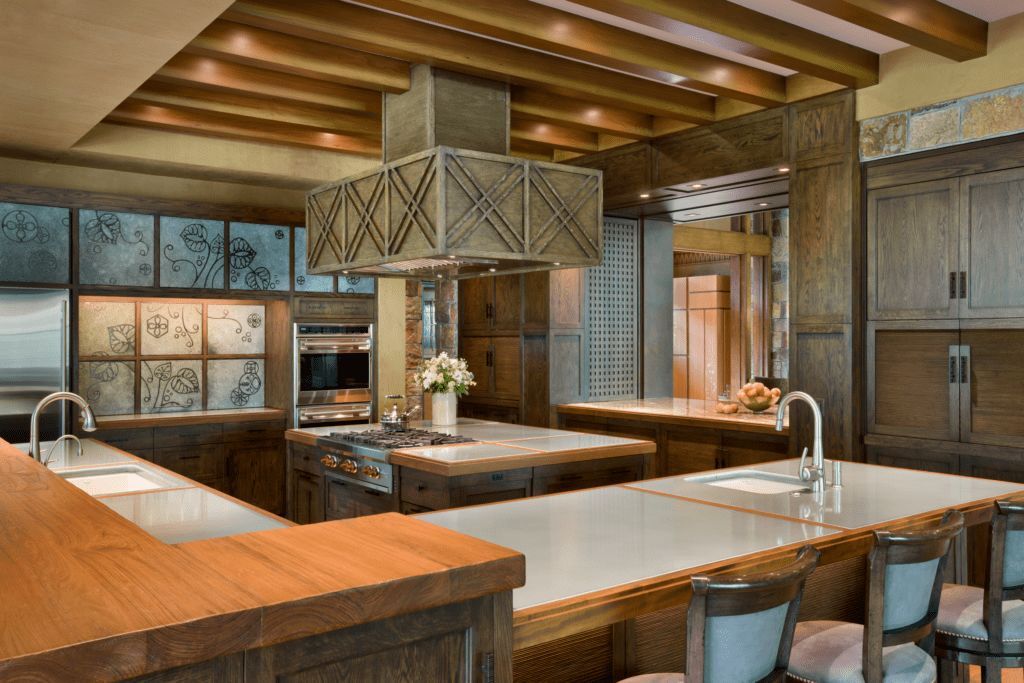
Luxury faucets feature premium materials and are designed to support function, architectural consistency, and long-term performance. Choose configurations that align with your kitchen’s needs, as illustrated below:
Defining Your Kitchen’s Architectural Needs
Start by assessing how your kitchen is used and how the sink area functions within the layout. If you have a high-traffic kitchen, choose a faucet that supports frequent movement; for secondary prep spaces, prioritize simplicity.
Selecting a kitchen faucet often involves reviewing how the faucet interacts with cabinetry, backsplash materials, and surrounding fixtures. The design, material, and finish should align with the architectural language rather than stand apart, complementing other finishes in lighting fixtures, cabinets, and doors.
Also, evaluate spatial constraints, such as clearance, sink placement, and nearby elements—these influence which configurations will function properly in your space. Defining such needs early prevents selecting a faucet that looks appropriate but performs poorly within the actual layout.
Setting a Budget for Longevity and Performance
Budgeting is part of every kitchen faucet buying guide, as it helps you determine where to save and get the most value. Focus on long-term performance rather than short-term cost savings and avoid lower-priced faucets; they often rely on lightweight materials and plated finishes that degrade over time.
Choose higher-quality faucets, such as the Arched Escutcheon Faucet; these choices feature solid constructions of bronze and durable internal components, reducing the likelihood of leaks or mechanical failure. Quality faucets also improve reliability and lower replacement costs.
Factor in installation complexity as well—custom or wall-mounted systems may require additional labor. Set a realistic budget that allows you to align material quality, craftsmanship, and installation requirements, resulting in a fixture that performs consistently over time.
Form and Proportion: Faucet Size, Reach, and Configuration
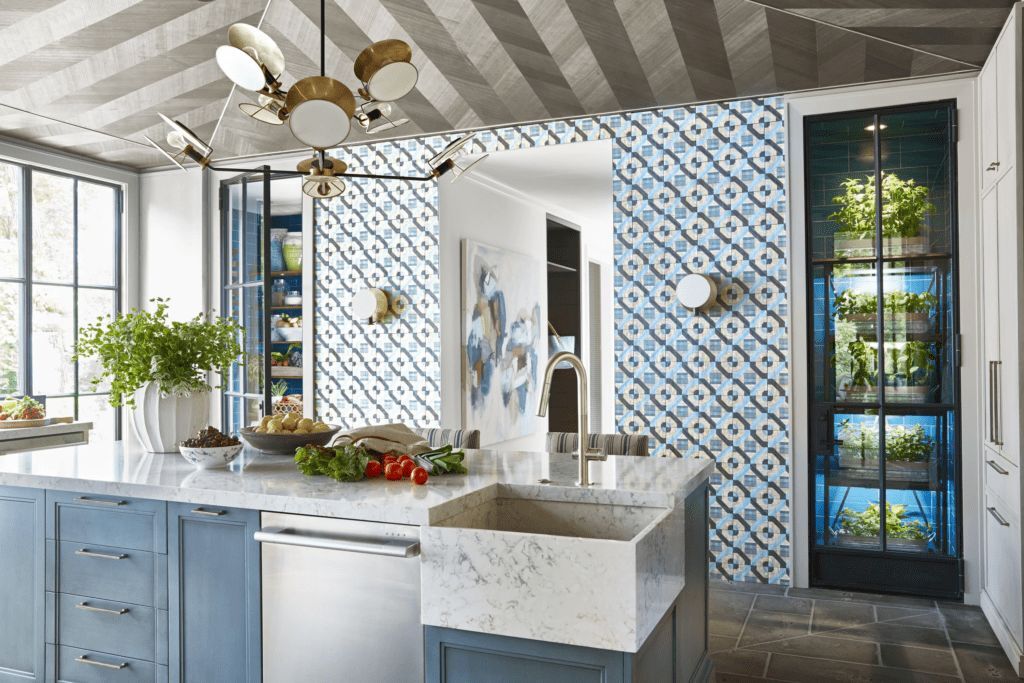
Faucet proportions should align with sink size, cabinetry scale, and user interaction, so as to maintain proper clearance and reach. Aligning these aspects also leads to a balanced visual integration.
Spout Height and Reach: Balancing Scale and Proportion
Spout height determines vertical clearance, while reach defines how far water extends into the sink. Both should align with sink dimensions and usage patterns.
A high spout faucet, such as the Arched Spout Faucet, accommodates large cookware but may cause splashing in shallow sinks. A shorter spout faucet reduces splash but limits functionality.
Reach should center the water flow within the basin. If the spout falls too close to the edge, usability decreases. Proper proportion supports both comfort and efficiency, so evaluate these dimensions together to avoid functional imbalance or visual inconsistency within the overall design.
Mounting Types: Deck-Mounted vs. Wall-Mounted Considerations
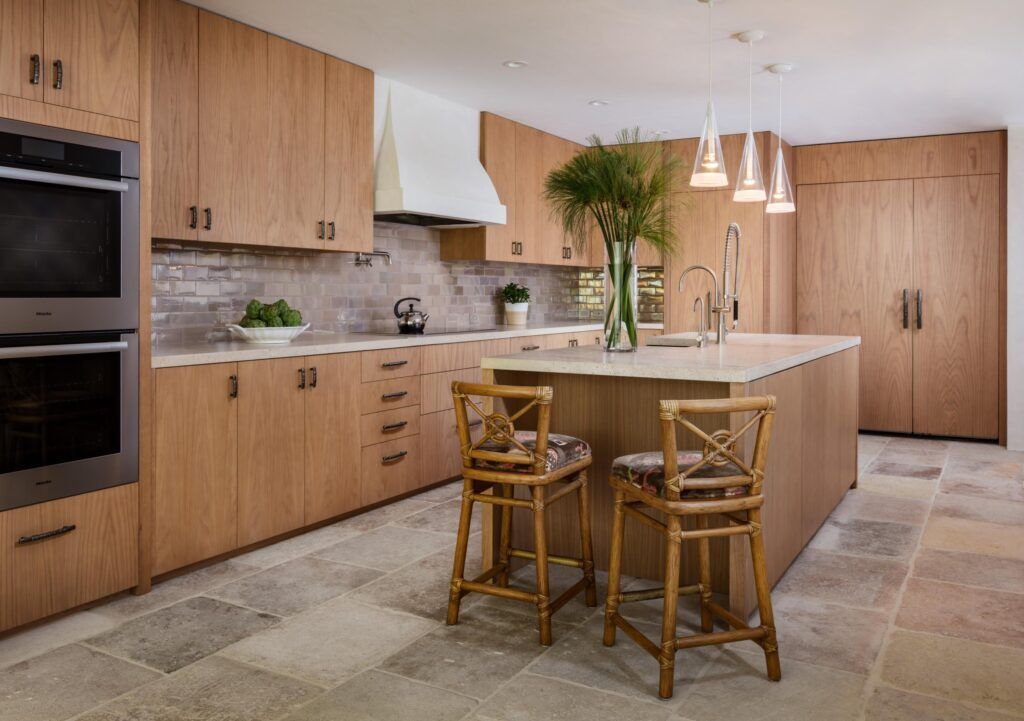
Deck-mounted and wall-mounted designs are the two popular configurations you’ll encounter when researching how to choose kitchen faucet. As the name suggests, deck-mounted faucets, such as Bronze Lavatory Faucet, are installed directly on the sink or countertop; they are widely compatible and easier to install or replace.
On the other hand, wall-mounted faucets, such as the Rectangular Escutcheon Faucet, require plumbing within the wall, creating a cleaner surface around the sink. This configuration reduces clutter but demands precise planning.
Each option affects maintenance and accessibility. Deck-mounted systems allow easier servicing, while wall-mounted designs require careful alignment during installation. Your choice will depend on layout constraints, plumbing access, and the desired level of visual simplicity.
Hole Configuration and Custom Installation Requirements
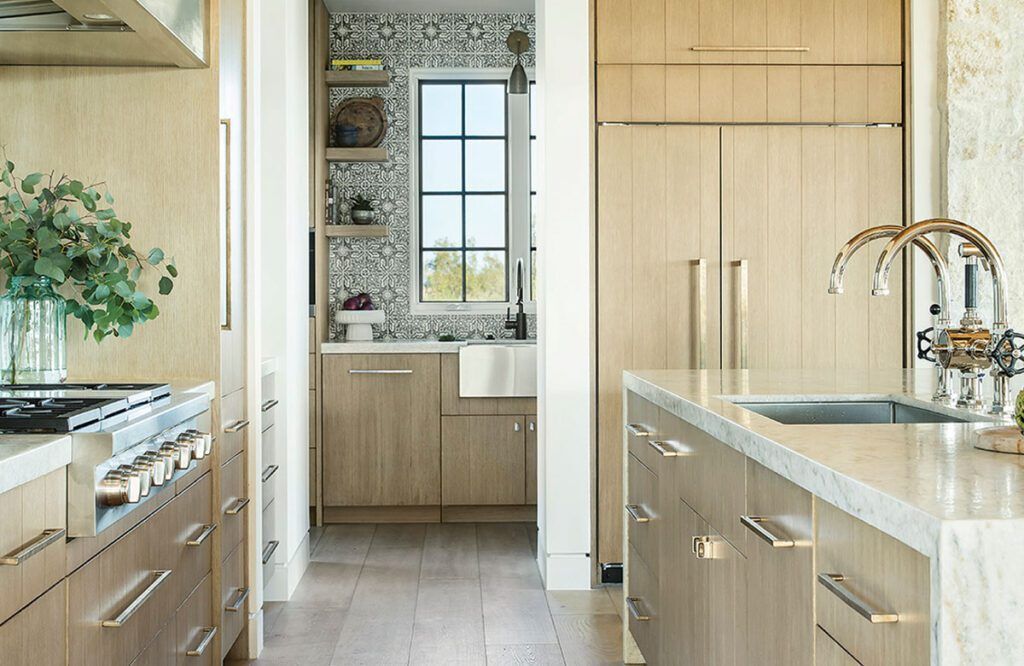
Standard faucets are designed to fit specific hole configurations, typically ranging from one to three openings; these should match the sink or countertop setup. Custom installations may involve additional drilling or modifications, which require planning before selecting hardware.
Review aspects such as accessory integration if you plan to integrate side sprays or soap dispensers. These additions require extra space and alignment. Verify the hole configuration early to maintain compatibility and avoid delays or costly adjustments during installation.
How to Pick a Kitchen Faucet: Decoding Types and Styles
Learning how to pick a kitchen faucet involves understanding the different types for distinctions like farmhouse vs undermount sinks. This helps narrow choices based on function, usability, and how the fixture integrates with the kitchen’s design and workflow.
Single-Handle vs. Double-Handle Functionality
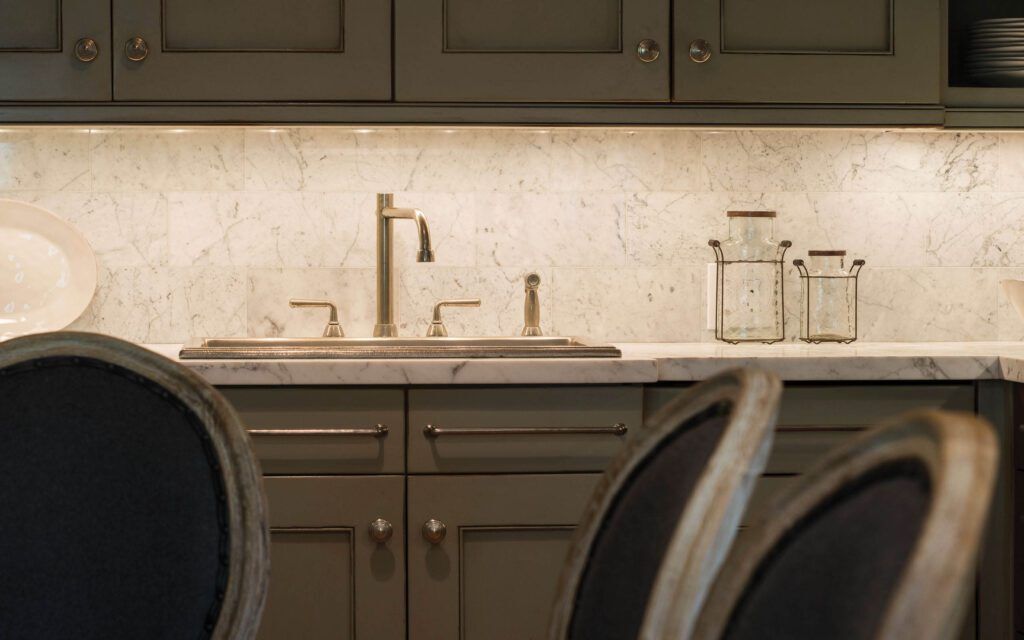
Single-handle faucets control temperature and flow with one lever. They are efficient and take up less space, making them suitable for a compact or modern kitchen.
Double-handle faucets, such as the White Bronze Wall Mount Faucet, separate hot and cold controls, allowing you to achieve more precise temperature adjustment. However, the design requires additional space and coordination during use.
The choice depends on your preference and kitchen layout—both options can perform effectively when matched to the kitchen’s functional needs. Single-handle designs prioritize speed and simplicity, while double-handle configurations emphasize control and traditional aesthetics.
Pull-Down vs. Pull-Out: Which Faucet Type is Better for Your Workflow?
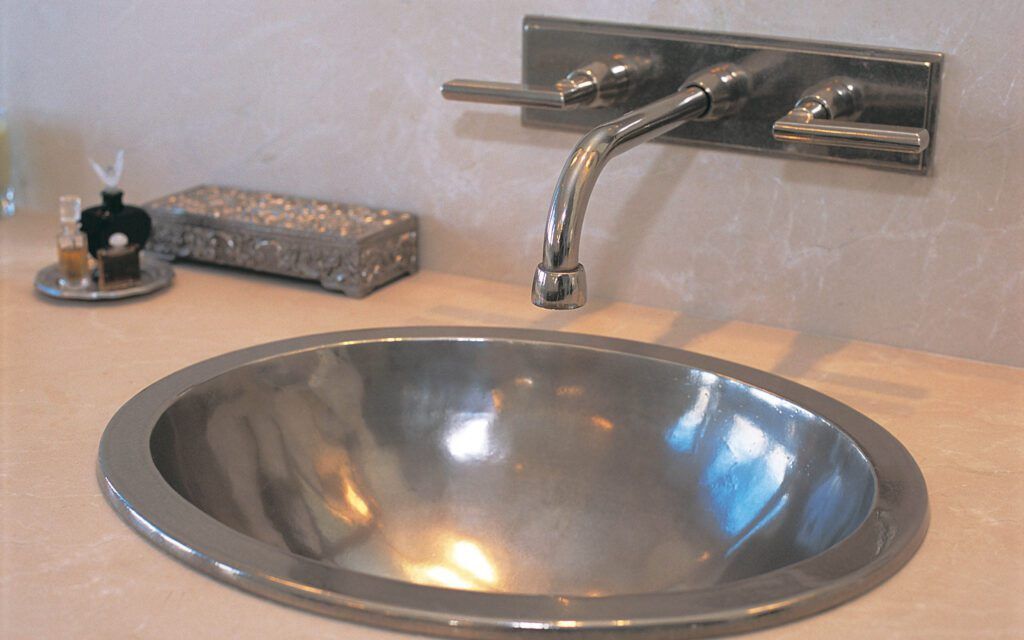
Pull-down faucets feature a spray head that extends downward into the sink. They are suited for deep basins and heavy-duty tasks. Larger kitchens often benefit from the pull-down design, which allows you to use the faucet without interfering with your workflow.
Pull-out faucets extend horizontally, offering greater flexibility for smaller sinks or tighter spaces. They are more adaptable and easier to maneuver in compact layouts.
Workflow determines the better option, so evaluate sink depth and available space before making a decision. Stick to high-quality bronze faucets and choose the right proportions to maintain longevity, functionality, and visual cohesion.
The Key Differences and High-Performance Use Cases
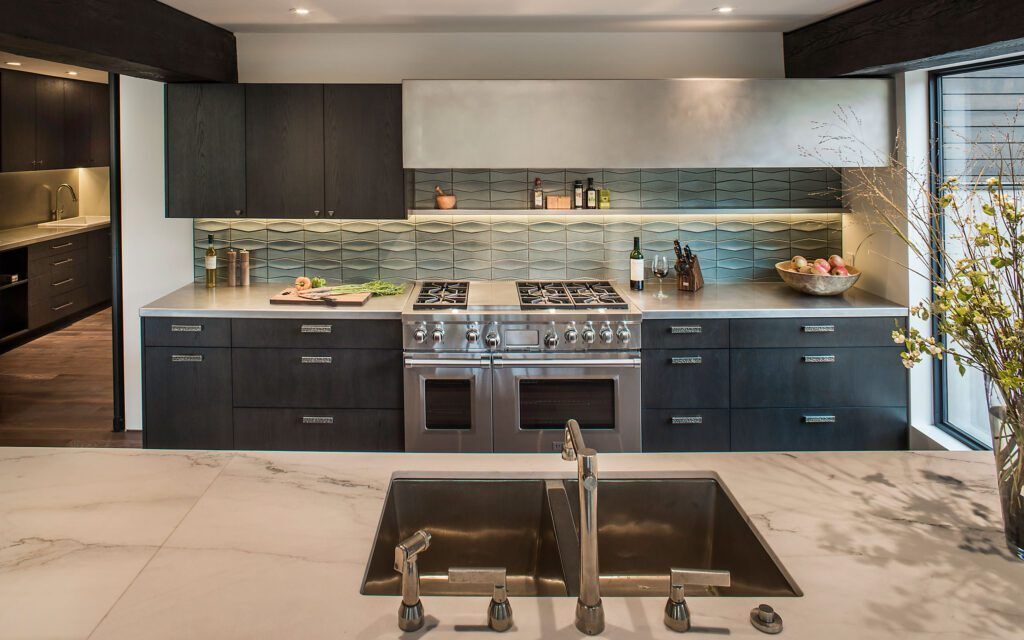
The differences you should be focusing on include material, type, and style. Choose Bronze Kitchen Faucets for long-term performance and reliability. If you plan to wash large cookware, go for pull-down faucets, which provide greater reach and power; their vertical motion supports controlled rinsing.
Pull-out faucets offer flexibility, allowing you to direct water beyond the sink edge when necessary; you may find this useful for filling containers placed nearby. Each type serves specific tasks. High-performance kitchens often favor pull-down designs for efficiency, while multifunctional spaces benefit from the adaptability of pull-out systems.
Handles are all about preference, so you can choose configurations with single or double handles based on your needs. Match faucet type to use case to support consistent performance.
Why Material Matters: The Case for Solid Bronze
Material should be first in line under what to look for in a kitchen faucet. Proper selection affects durability, weight, and long-term performance, and bronze is among the most sought-after materials in luxury kitchens.
Solid Bronze vs. Standard Plated Materials
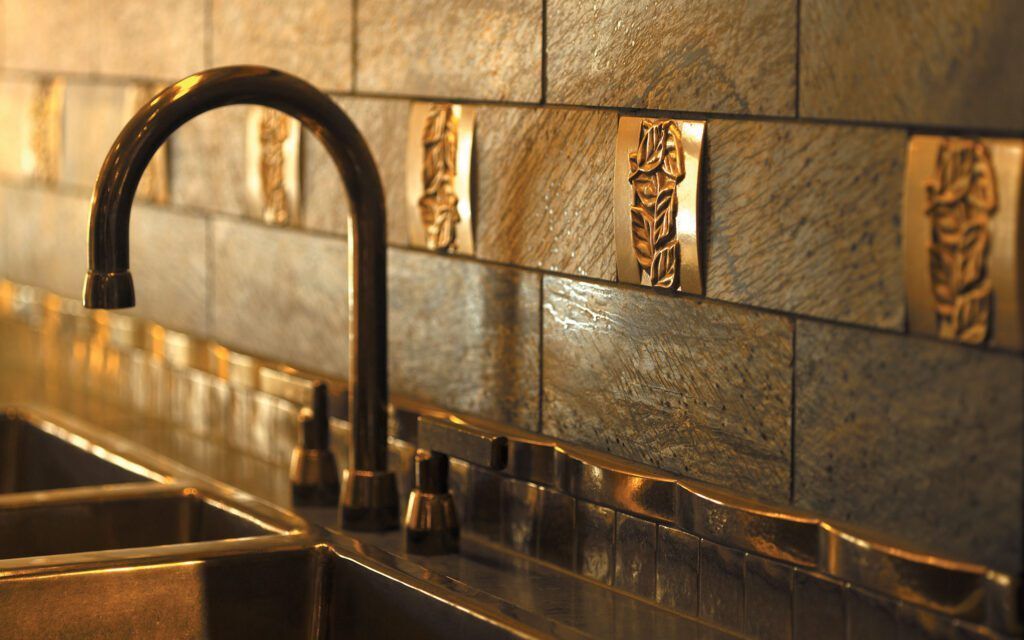
Solid bronze offers structural integrity and density that plated materials cannot replicate. It resists wear without exposing underlying layers because the material runs through the entire construction.
Plated faucets rely on surface coatings that can chip or fade over time. This leads to visible deterioration, which impacts kitchen aesthetics. Plated faucets also have a reduced lifespan.
Bronze faucets, such as the Gooseneck Spout Lavatory Faucet, maintain their integrity through use, making them suitable for high-contact areas. The durability supports long-term performance, reducing the need for replacement.
Hand-Casting and the Artisanal Manufacturing Process
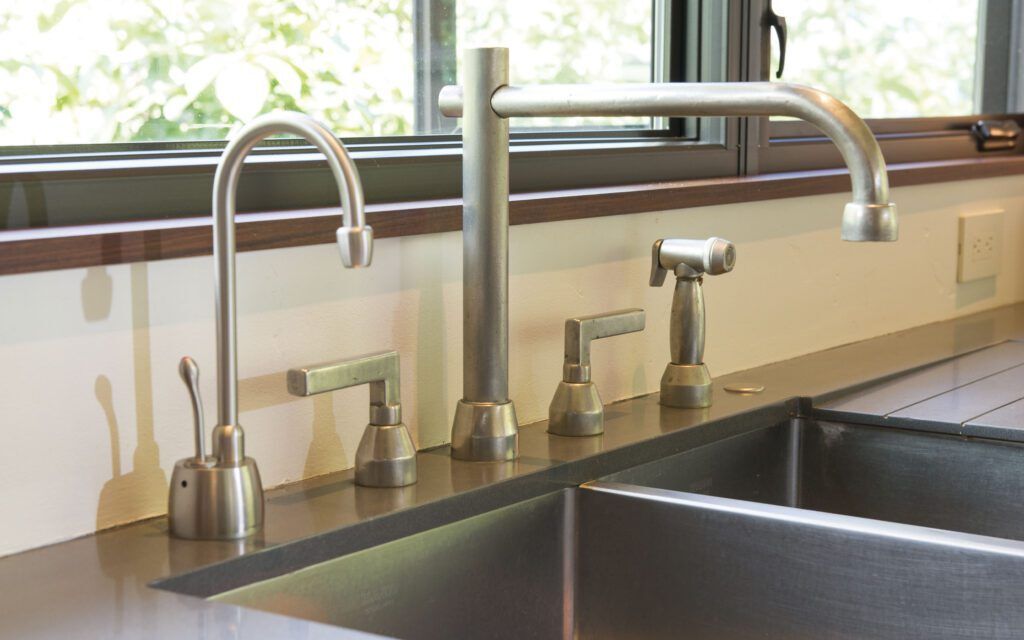
The hand-casting process involves pouring molten metal into molds, creating hardware with subtle variations that result in timeless pieces. This process produces unique pieces rather than uniform outputs seen in factory-manufactured faucets.
Each faucet reflects the casting process, with slight differences in texture and form. These variations add depth and individualism without affecting performance.
Artisanal manufacturing emphasizes precision and material quality so that each component is formed with consistency and care. This approach supports durability while introducing a level of detail that mass production lacks.
Durability: How Quality Impacts Long-Term Value
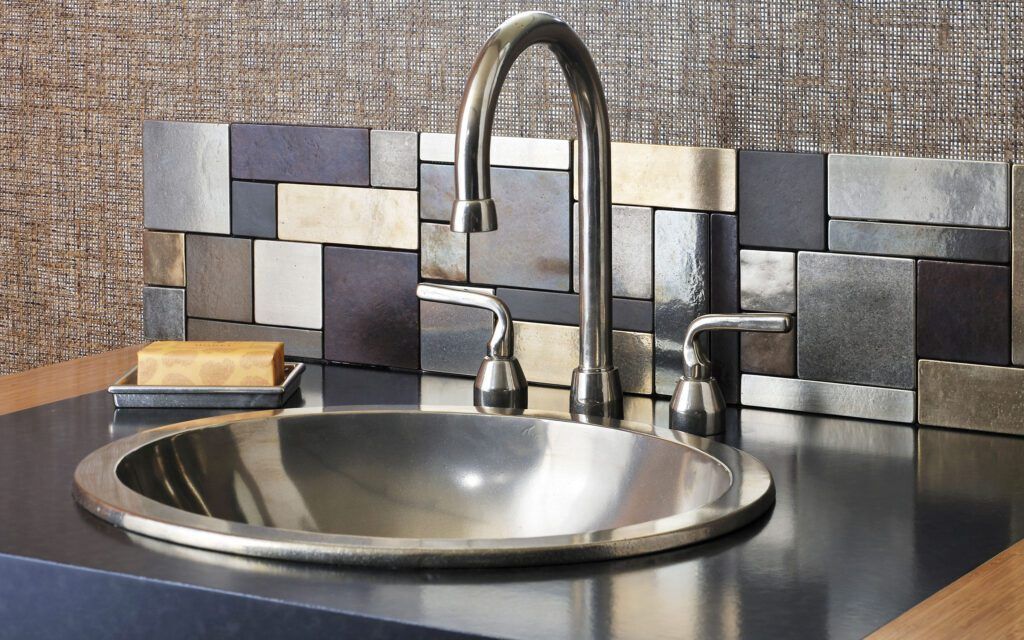
The quality of the material determines how well your faucet will withstand daily use. High-quality materials, such as bronze, resist corrosion, wear, and mechanical failure, leading to long-term performance. Learn the differences between bronze, brass, and copper to choose faucets that align with your overall kitchen design and layout.
Internal components also matter—the valves, cartridges, and seals must perform consistently under repeated use. Lower-quality systems degrade quickly, resulting in leaks or reduced pressure. Investing in durable construction reduces maintenance and replacement costs.
The faucet should remain functional over time to preserve its long-term value. This can only be achieved if you choose faucets made of high-quality materials and constructions that maintain consistent performance.
Selecting a Finish That Evolves: The Beauty of Patina
The finish is another important aspect in your kitchen faucet buying guide. Finish options influences how a faucet ages, determining whether it resists change or develops character through natural interaction over time.
Understanding Living Finishes and Natural Aging
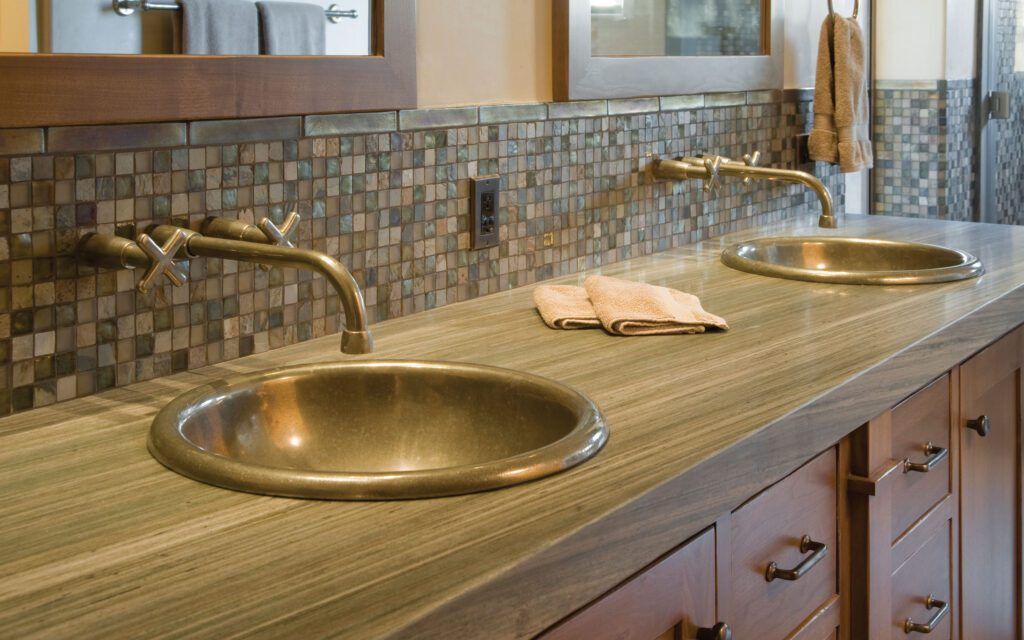
Living finishes change over time through exposure to touch and the environment. Instead of wearing down, they develop variation across the surface; this process creates depth and character.
Areas of frequent contact may darken or polish, while less-used sections retain original tones that deepen over time. This evolution is one of the top reasons why luxury kitchens choose bronze faucets, such as the Round Escutcheon Faucet; the material’s natural patina ages gracefully without deteriorating.
The result is a finish that reflects use rather than damage, reducing the need for refinishing while supporting long-term visual interest. Understanding this behavior allows you to set realistic expectations for how the faucet will evolve within your kitchen.
Coordinating Bronze Finishes with Existing Hardware and Cabinetry
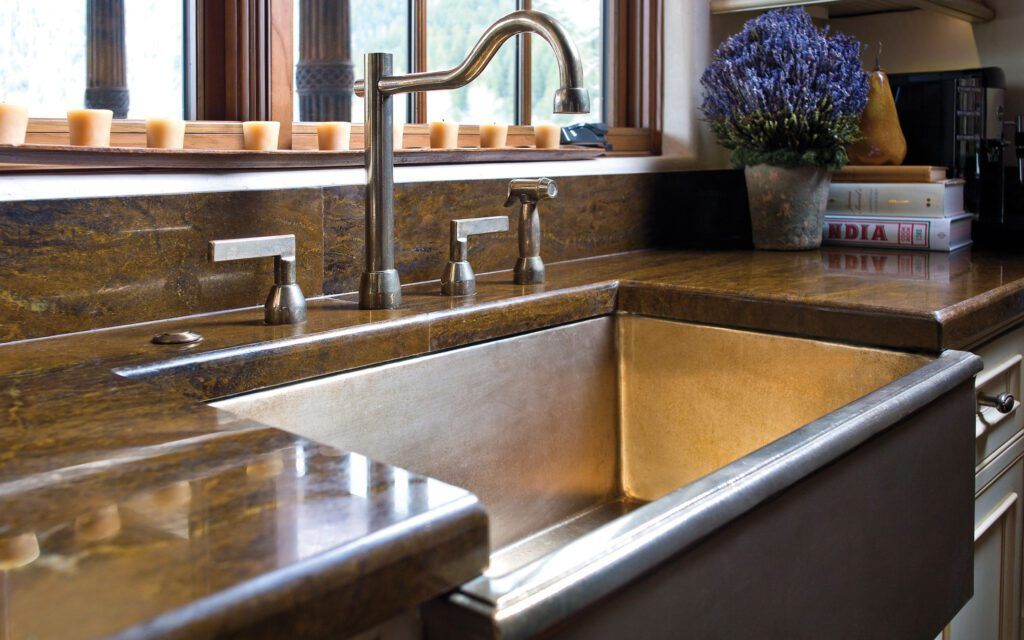
Bronze finishes should align with your kitchen. If you choose bronze faucets, match them with bronze cabinet hardware, such as the Crown Cabinet Knob or Drop Cabinet Pull. You can even match them with cabinet hinges and other visible hardware, like door knobs or lighting fixtures with metal framework.
Coordination integrates the faucet with cabinetry, lighting, and other fixtures. Exact matching is not required—simply focus on tonal compatibility and overall balance. You can use similar undertones to create cohesion without precise uniformity.
Review how finishes interact under different conditions, including with natural light and your best kitchen lighting fixtures. Natural and artificial light can alter perception, so testing samples in the space helps confirm compatibility. Aim to achieve proper coordination to reinforce a unified design.
Performance Features for the Modern Kitchen
Modern faucets include advanced features that improve efficiency, hygiene, and usability, supporting demanding kitchen workflows without compromising design integrity.
High-Arc vs. Low-Arc Spout Profiles
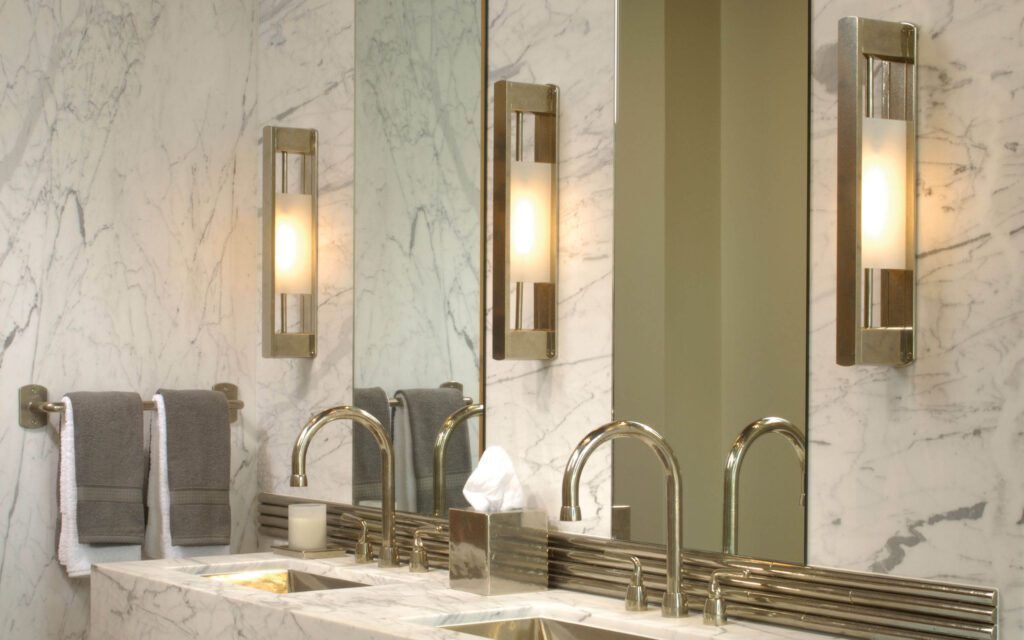
High-arc faucets provide greater clearance, accommodating large cookware and improving access within deep sinks. This makes them ideal kitchen and bath hardware for heavy-duty use and primary cleaning tasks for large households.
Low-arc designs offer a more compact profile, which is practical in smaller kitchens and compact spaces with limited vertical clearance. The design also reduces splashing and suits smaller sinks.
Each profile serves specific conditions, with high-arc designs enhancing flexibility, while low-arc options prioritize control and proportion. Select a profile that is compatible with your sink’s size and usage patterns.
Touchless Technology and Smart Kitchen Integration
Technology plays a role in how to pick a kitchen faucet, with manufacturers continuously looking for ways to align their designs with smart home concepts. Touchless faucets use sensors to activate water flow; this reduces contact and improves hygiene, making the design useful in high-traffic kitchens.
Smart integration also allows for preset temperatures and flow control, which increases efficiency and reduces water waste. However, these systems require power sources and proper installation. While convenient, they can add complexity, so evaluate whether the added functionality aligns with daily use. Technology should enhance performance without introducing unnecessary complications.
Professional-Grade Sprayer Modes and Functionality
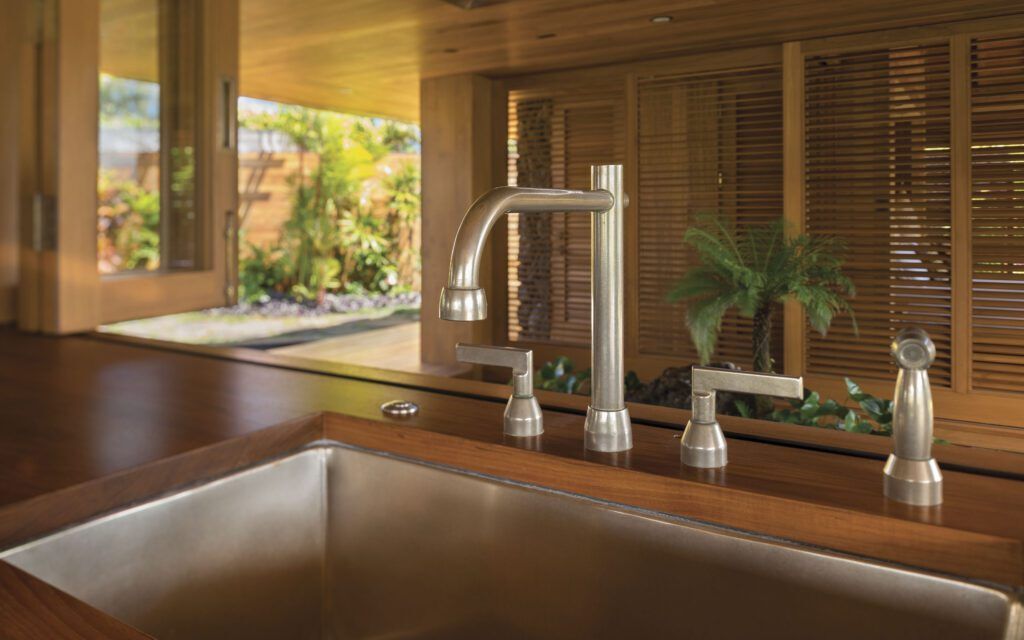
Some advanced faucets include multiple spray modes for different tasks. Standard options include stream, spray, and pause functions, which help improve efficiency. The stream function fills containers quickly, while the spray mode handles rinsing and cleaning tasks.
High-performance systems offer consistent pressure and smooth transitions between modes, supporting reliable operation during demanding tasks. Select a faucet with appropriate functionality to improve workflow without additional tools or attachments.
Common Mistakes to Avoid When Choosing a Faucet
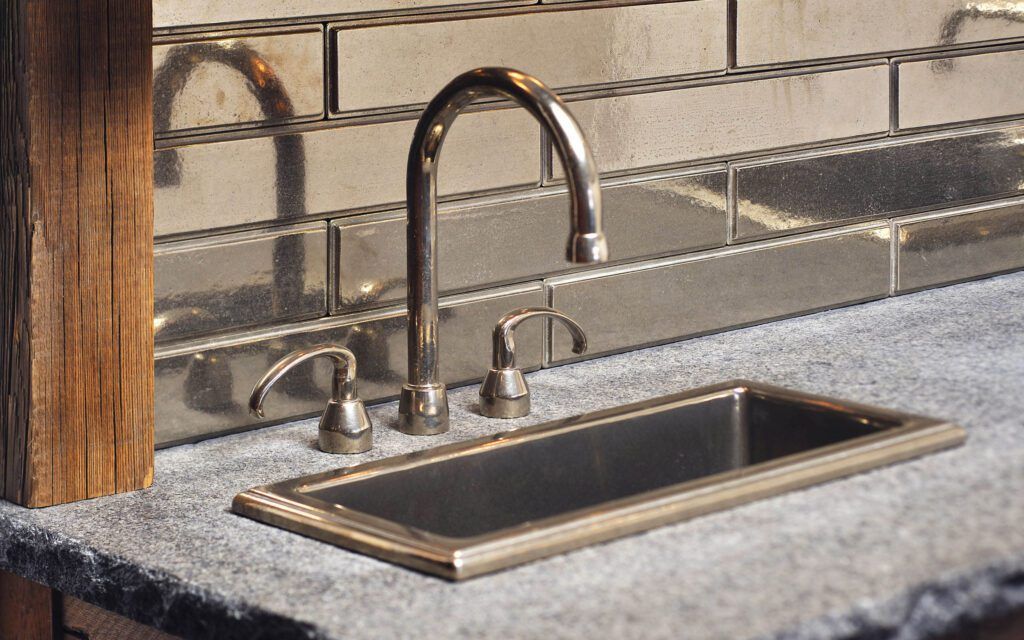
Errors in sizing, material selection, and compatibility are common issues that affect performance, installation, and long-term usability in daily kitchen operations; this is why you should learn how to choose a kitchen faucet.
Overlooking Spout Reach and Sink Depth Compatibility
Incorrect spout reach leads to poor water placement. If the stream falls too close to the edge, usability is reduced, especially for larger utensils. If it is too high, it can lead to spashing.
Sink depth also affects performance. High spouts in shallow sinks, such as the Laguna Sink, will definitely increase splashing, while low spouts limit access even with deep sinks like the Alturas Apron Front Sink.
Evaluate both dimensions together, aiming for proper alignment to maintain efficient use and prevent operational issues. Ignoring these factors results in a faucet that functions poorly despite correct installation.
Choosing Temporary Style Over Structural Integrity
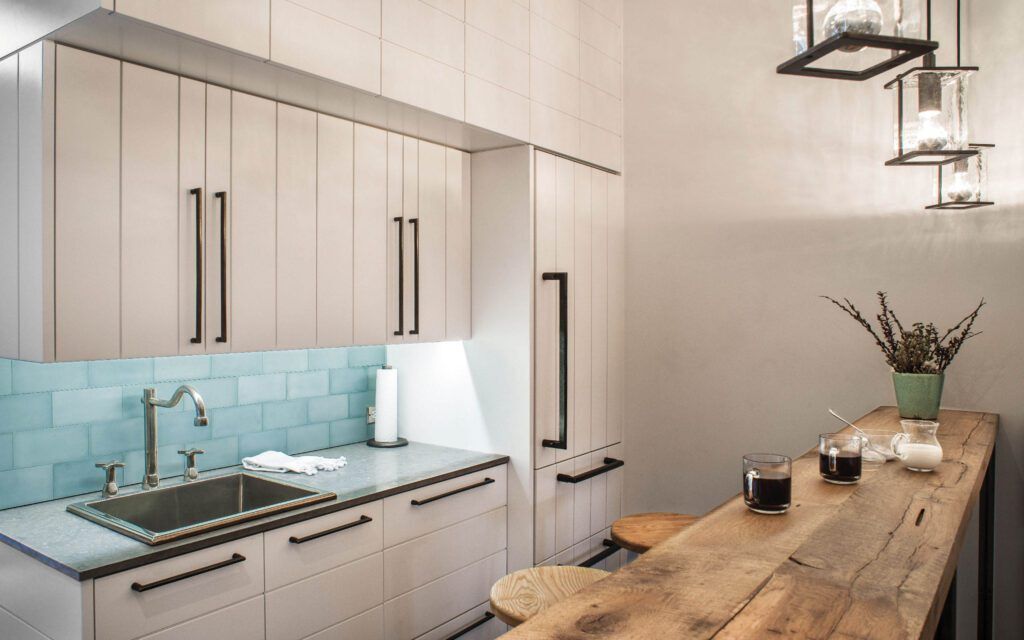
Prioritizing appearance over construction is a bad decision that can lead to short-term satisfaction at the expense of long-term issues. Lightweight materials and decorative finishes may look appealing initially. However, they often lack durability. Frequent use exposes weaknesses, resulting in wear and visible deterioration or mechanical failure.
Avoid focusing on style until you guarantee structural integrity. A well-constructed faucet should maintain performance while supporting design. Even with mixed-metal interior design, the quality of each metal must align with the overall architecture. This approach keeps fixtures functional, durable, and visually consistent over time. Choose reliable materials, such as bronze, to achieve longevity of both function and aesthetics.
Neglecting Maintenance and Care for Natural Materials
Natural materials require specific care, like proper cleaning methods, to protect the finish and appearance. While bronze and similar materials develop patina, they still require regular cleaning and protection. Instead of attempting to maintain a uniform look, which may disrupt this natural process, use basic cleaning methods to remove dirt and grime.
Avoid harsh chemicals—seek to understand maintenance requirements before selecting a faucet. Learn how to clean bronze faucets using appropriate methods as proper care preserves both function and finish, leading to long-term performance without unnecessary intervention.
The Ultimate Checklist for Selecting the Perfect Kitchen Faucet
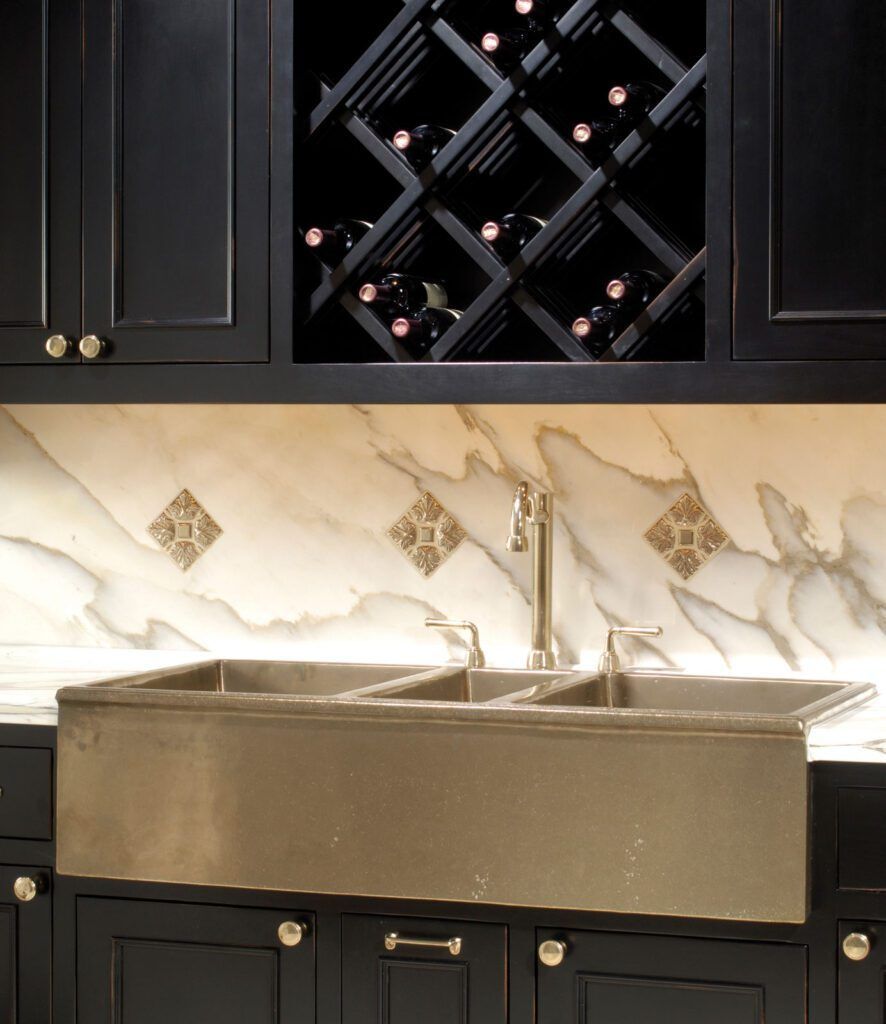
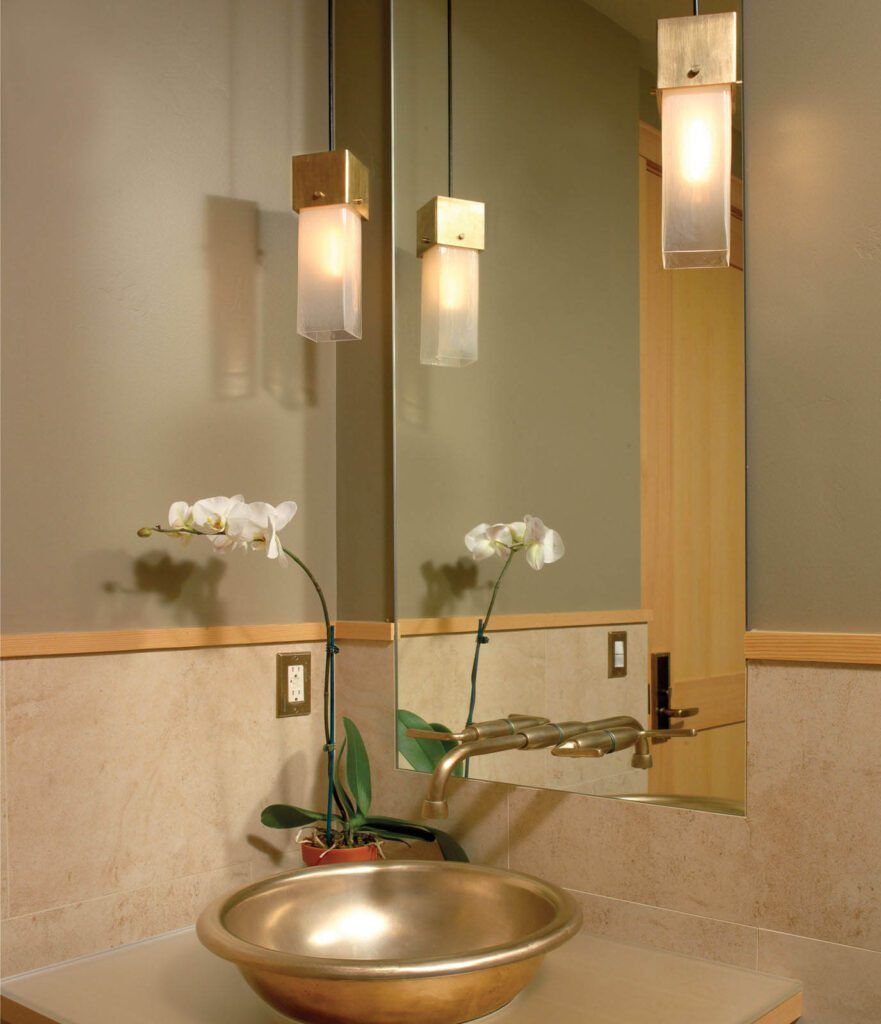
Using a structured checklist is one way to confirm compatibility, performance, and design alignment before finalizing your faucet selection and proceeding with installation; this approach allows you to find custom faucets perfect for your kitchen.
A Step-by-Step Guide to Finalizing Your Hardware Choice
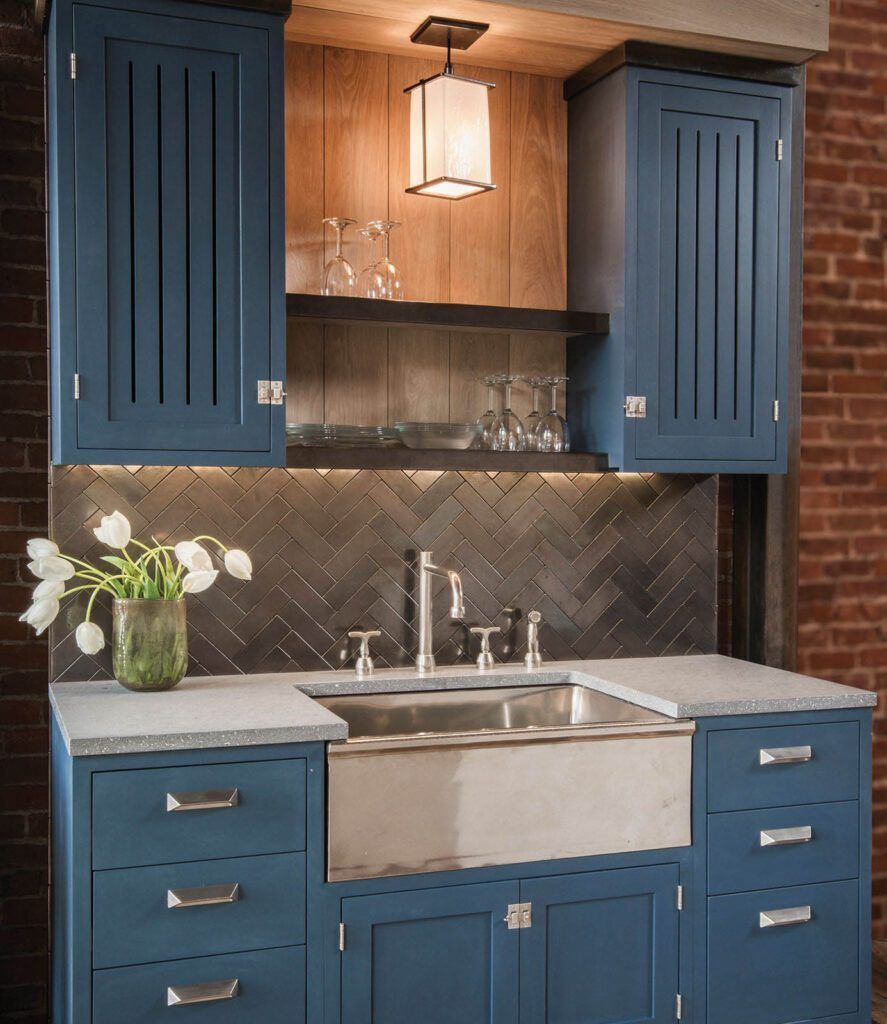
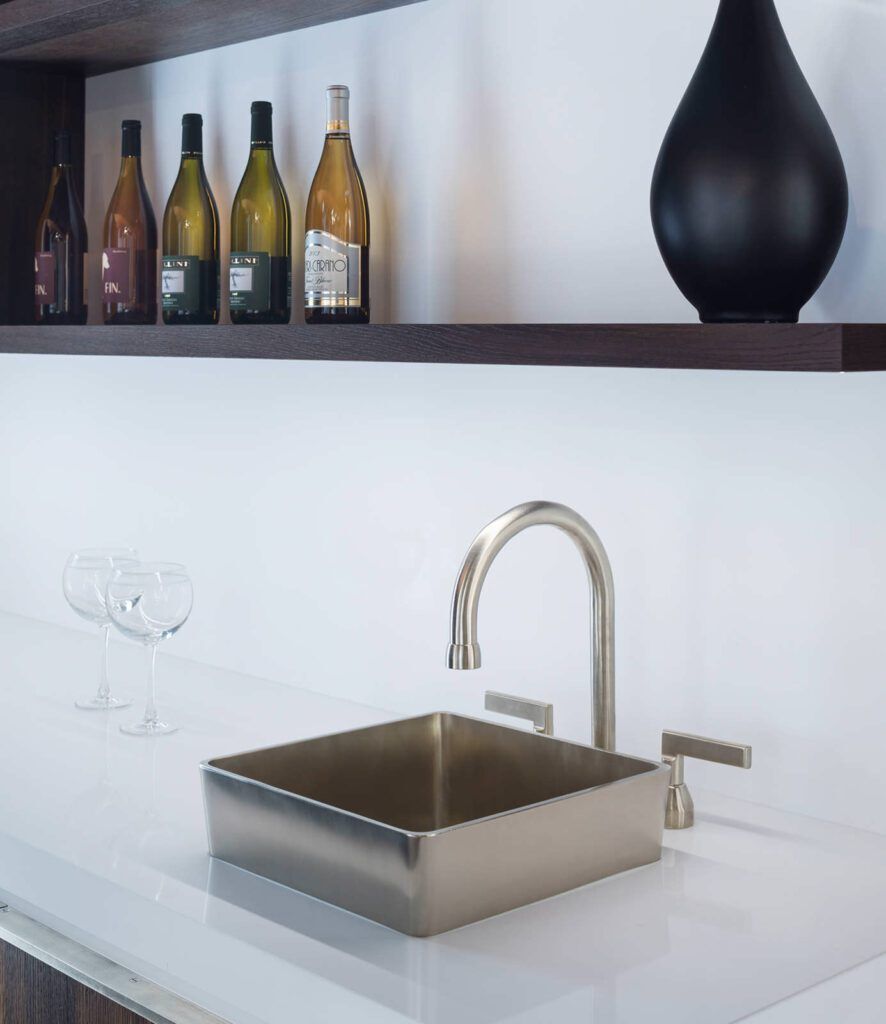
Now that you know what to look for in a kitchen faucet, the remaining bit is to confirm dimensions and other aspects. Follow these steps to finalize your hardware choice:
- Find a reputable kitchen hardware supplier—check if they have multiple types of faucets.
- Confirm sink dimensions, mounting type, and hole configurations. These factors help determine compatibility with available faucet options.
- Evaluate spout height, reach, and handle configuration. They should align with daily use and spatial constraints.
- Select material and finish based on durability and coordination with surrounding elements—choose bronze for longevity and timeless appeal.
- Verify installation requirements and plumbing compatibility.
- Review all specifications to prevent errors and find faucets that meet both functional and design expectations.
Technical Resources for Professionals and Homeowners
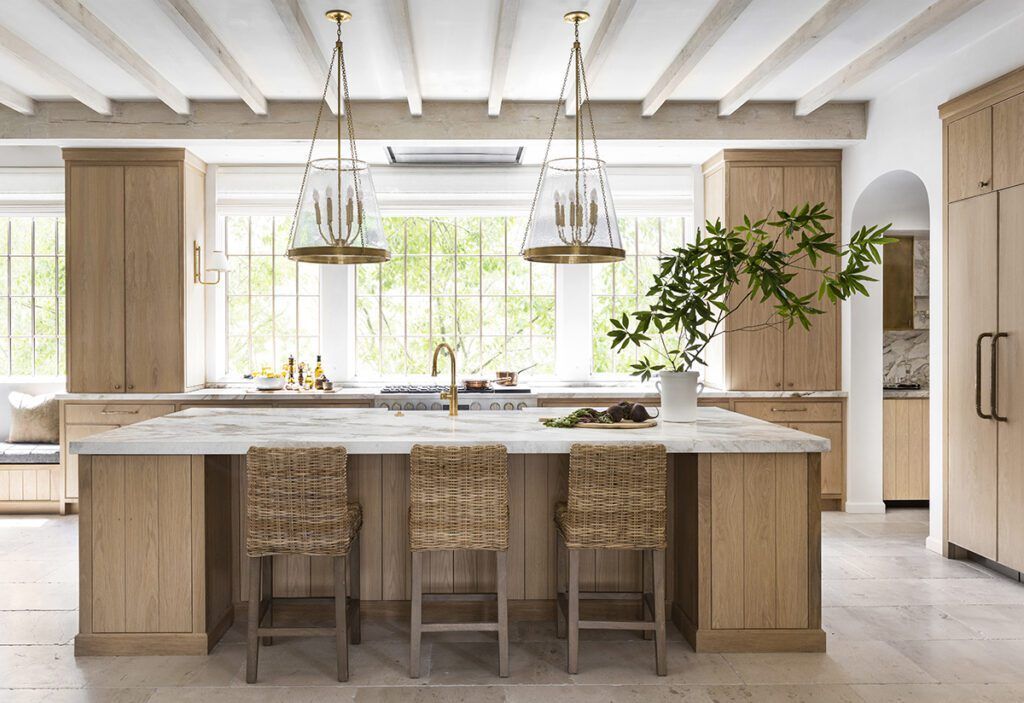
Technical documentation supports accurate selection and installation. You can ask your supplier if they offer manufacturer specifications and other resources that provide details on dimensions, compatibility, performance requirements, and installation.
Use CAD drawings and installation guides to help with layouts and clearance verification. These resources reduce errors and improve coordination during construction. The documentation should also offers insight into maintenance and operation.
Review materials before purchase to align expectations with actual performance. You can find high-quality bronze pieces from Rocky Mountains Hardware, complete with accurate technical information to support informed decision-making and successful installation.
FAQs About Choosing a Kitchen Faucet
What Should I Look for When Choosing a Kitchen Faucet?
Start with material quality, and choose bronze for best results. You should also review spout reach, mounting type, and functionality. Prioritize compatibility with your sink and layout to achieve consistent performance and long-term durability.
How Do I Choose Between a Pull-Down and Pull-Out Faucet?
Choose pull-down for deep sinks and heavy-use kitchens. Select pull-out for compact spaces requiring flexibility and extended reach beyond the basin.
How Do I Maintain a Bronze Kitchen Faucet Finish?
Although bronze requires low maintenance, you still need to clean the faucet regularly to remove dirt buildup. Use mild soap and water, and avoid abrasive cleaners; this allows the natural patina to develop without disruption. The patina protects the surface and adds character over time.
Are Rocky Mountain Hardware Faucets Compatible With Standard Plumbing?
Yes, most Rocky Mountain Hardware faucets are compatible with standard plumbing. However, you should verify specifications before purchase. Custom configurations also exist and reduce the need for extra adjustments.