Hardware is one of those details that seem simple but play a defining role in how your space looks and functions. The right knobs, pulls, and finishes will definitely elevate your cabinetry from appearing purely practical to becoming expressive and timeless. Think living finishes of bronze paired with natural wood and rustic metal accents.
Beyond aesthetics, hardware affects usability—how drawers open and doors feel. In fact, hardware choices can be used strategically to create a seamless transition between kitchens, bathrooms, and built-ins. For instance, Acanthus Cabinet Knobs can be used to complement bronze Farmhouse Kitchen Sinks, creating visual continuity.
Choosing the right hardware involves identifying a style, harmonizing scale and placement, and sticking to quality materials. Contemplate how each piece interacts with surrounding elements to create cohesion. This guide explores how to choose cabinet hardware and create unique luxe interiors:
Why Cabinet Hardware Matters in Interior Design
Cabinet hardware serves the primary function of supporting quick and comfortable operation. The knobs and handles enable you to open and close the drawers and cabinet doors. Hinges support smooth movements, and brackets are required for structural integrity.
Hardware also influences how cabinetry is perceived because it adds rhythm, contrast, and subtle continuity. If you choose quality hardware, such as Cirque Cabinet Knobs or Edge Bar Cabinet Pulls, you’ll enhance usability. Drawers and doors will open comfortably, and the pieces will feel substantial and ergonomic in hand. Hardware also reinforces the overall aesthetic, whether modern, rustic, or transitional.
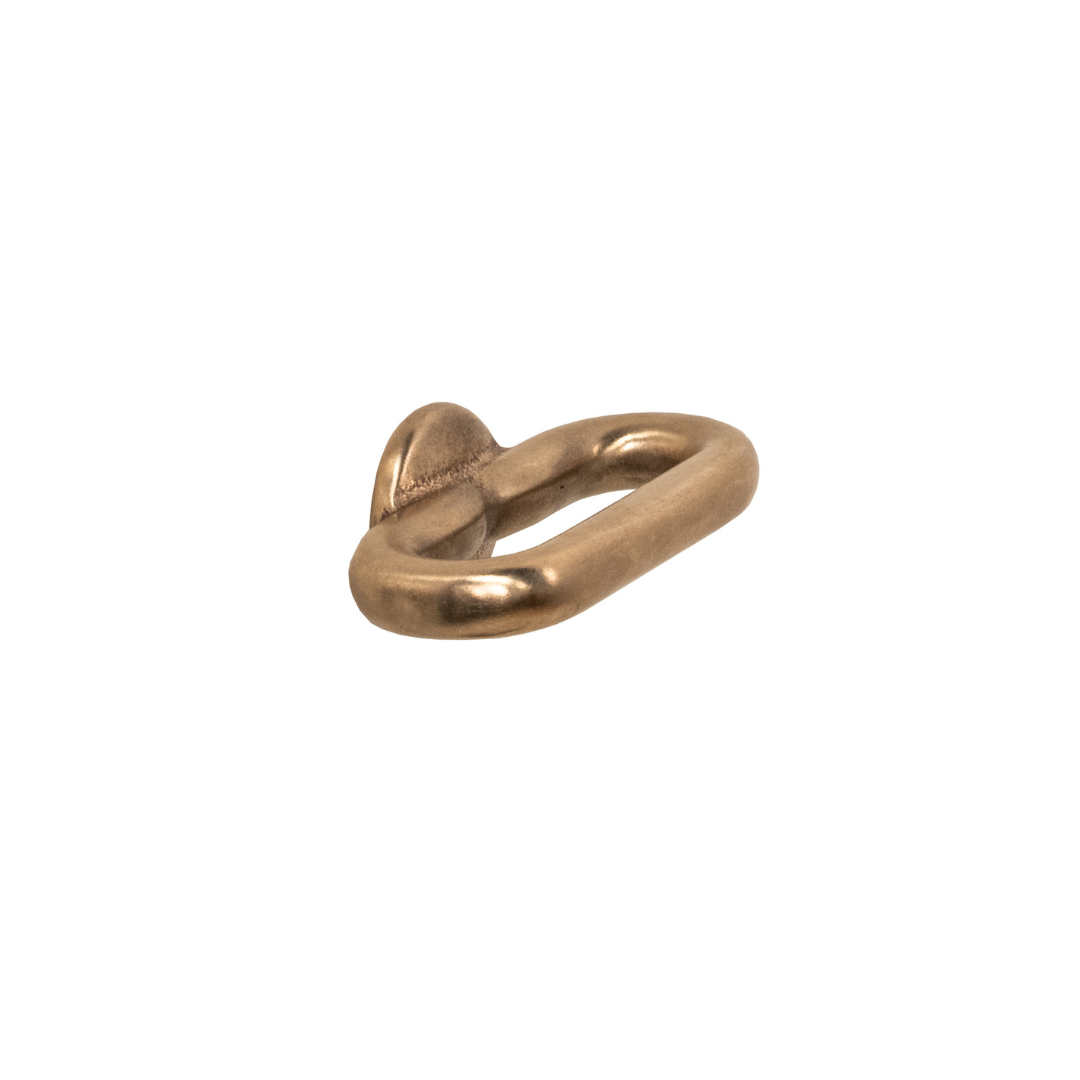
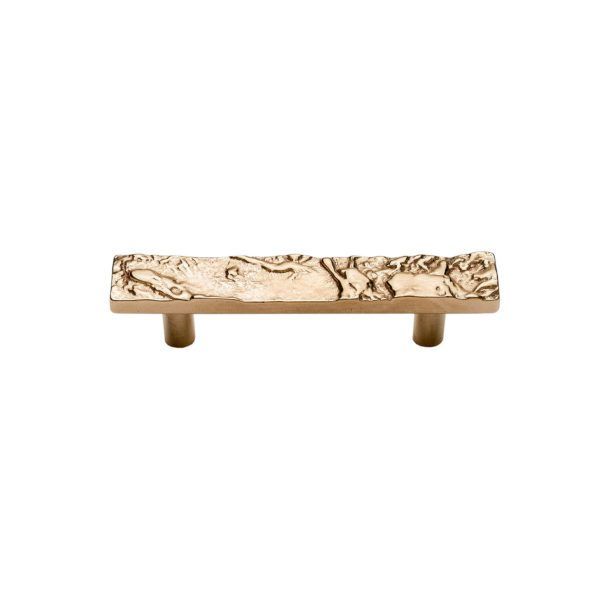
You can repeat hardware throughout a room to create a consistent and cohesive style using similar materials, finishes, and proportions. The hardware pieces connect other structural materials, supporting the architecture and elevating the entire interior without overwhelming it.
Step 1: Selecting the Right Type of Cabinet Hardware
Choosing cabinet hardware starts with assessing function and style to find pieces that are usable and offer visual balance and consistency across cabinetry.
Knobs vs. Pulls: Balancing Form and Function
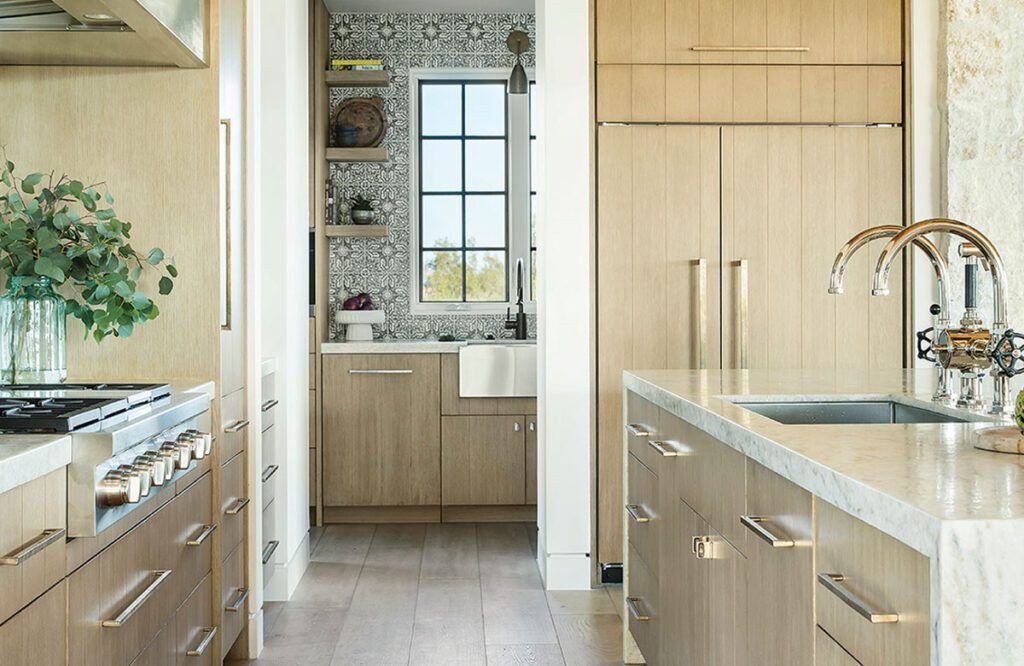
A cabinet knobs vs pulls comparison might lead to using both. Although they serve the same purpose, knobs and pulls offer completely different experiences. Cabinet knobs are compact and typically used on the doors, where they provide a simple grip for traditional and transitional designs.
Pulls offer a longer surface, making them easier to use on drawers or larger doors where more leverage is needed. In terms of design, knobs feel subtle, while pulls create stronger visual lines. Pulls make sense in kitchens with heavy drawers, while knobs are often featured in upper cabinets.
Whether you choose bronze knobs, pulls, or a combination, focus on consistency. Maintain proportions and alignment so the hardware enhances rather than disrupts the cabinetry design. The hardware should be functional while complementing existing lines, architecture, and overall design.
Beyond the Basics: Cup Pulls, Edge Pulls, and Cremone Bolts
Learning how to pick cabinet hardware often involves specialty pieces, such as cup pulls, edge pulls, and cremone bolts. The items introduce function and character.
Cup pulls provide a recessed grip on drawers and are often featured in traditional or farmhouse interiors. Their shape adds depth without extending too far from the surface.
Edge pulls, such as the Bow Cabinet Pulls, offer a minimalist alternative, ideal if you’re looking for a modern or contemporary alternative. They create clean, integrated lines and are typically mounted along the top or side edge of a cabinet.
Cremone bolts add a distinct architectural feature to tall cabinet doors by emphasizing verticality and craftsmanship. When choosing specialty hardware, keep the finishes, materials, and proportions consistent to achieve a cohesive, flowing design.
Mixing Hardware Types: When to Use Knobs and Pulls Together
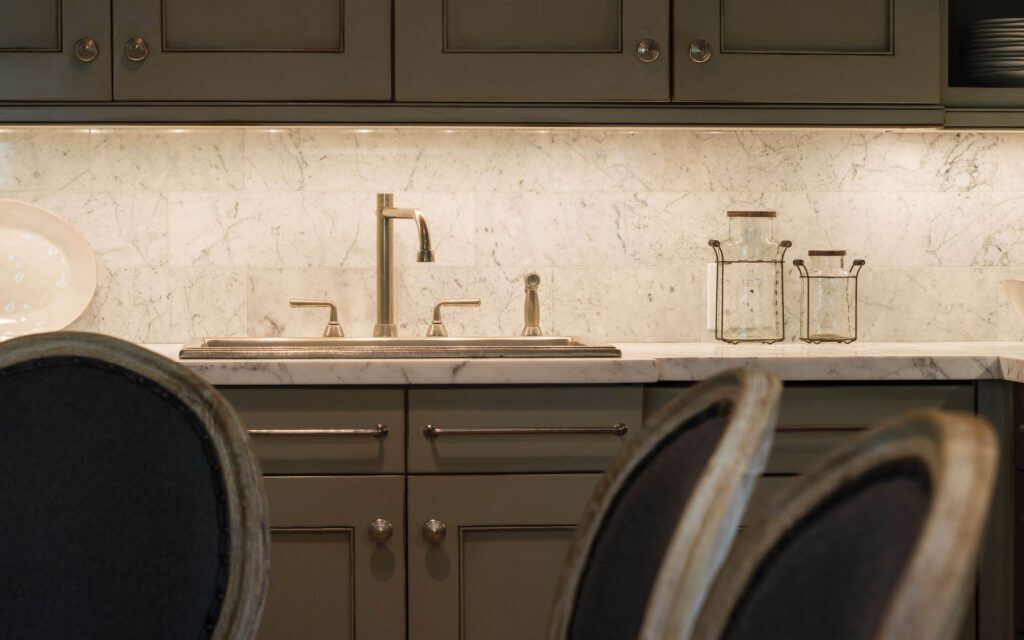
You can use knobs and pulls together or separately, or even mix hardware metals. To use both effectively, add knobs on cabinet doors and pulls on drawers; this is the simple approach.
Align finish options, and choose aged metal hardware, such as pairing bronze knobs and bronze pulls. Use matching proportions for intentional contrast and repetition to unify the design.
You should also balance variation with consistency by introducing subtle interest through warm bronze tones, while preserving the clean, organized cabinetry design.
If the cabinet is more ornamental, go for more decorative hardware pieces, such as the Emerald Cabinet Knob. For straightforward layouts, choose sleek options like Barre Cabinet Pulls.
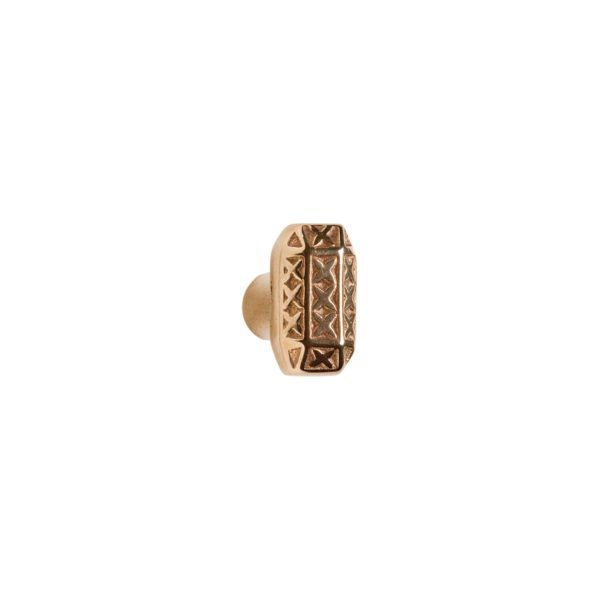
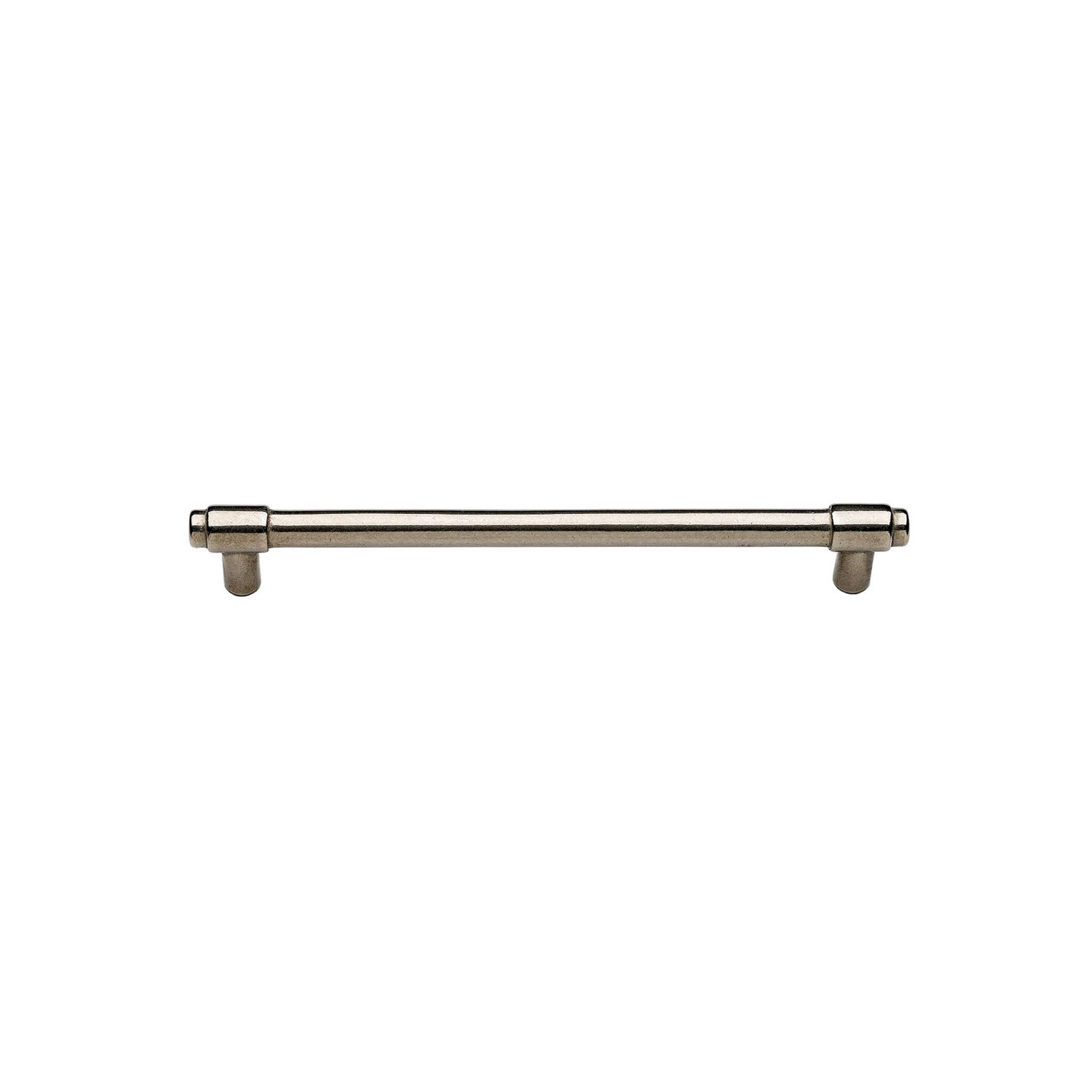
Step 2: The Importance of Material and Finish
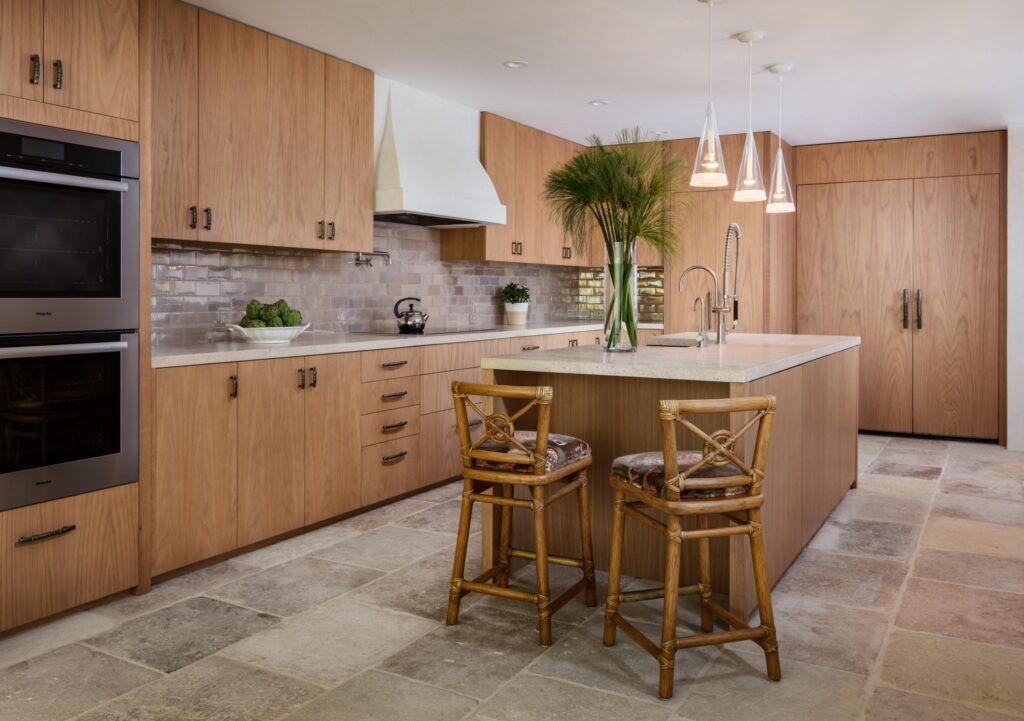
Material and finish choices determine durability, tactile quality, and visual tone, shaping how the hardware blends in with surrounding surfaces over time.
The Beauty of Silicon and White Bronze
Silicon bronze is the finish to choose when looking for warm, golden-brown tones that can develop a rich patina over time. The option pairs well with wood cabinetry, stone surfaces, and neutral palettes.
If you want cooler contrasts, choose white bronze—the silvery tone is ideal for contemporary and transitional interiors, offering a light visual presence that remains subtle.
Both silicon and white bronze are corrosion-resistant and suitable for high-use environments like kitchens and bathrooms. You also get them in many variations and depths that give your cabinetry a more architectural feel.
Understanding Living Finishes: Why Your Hardware Should Age with Your Home
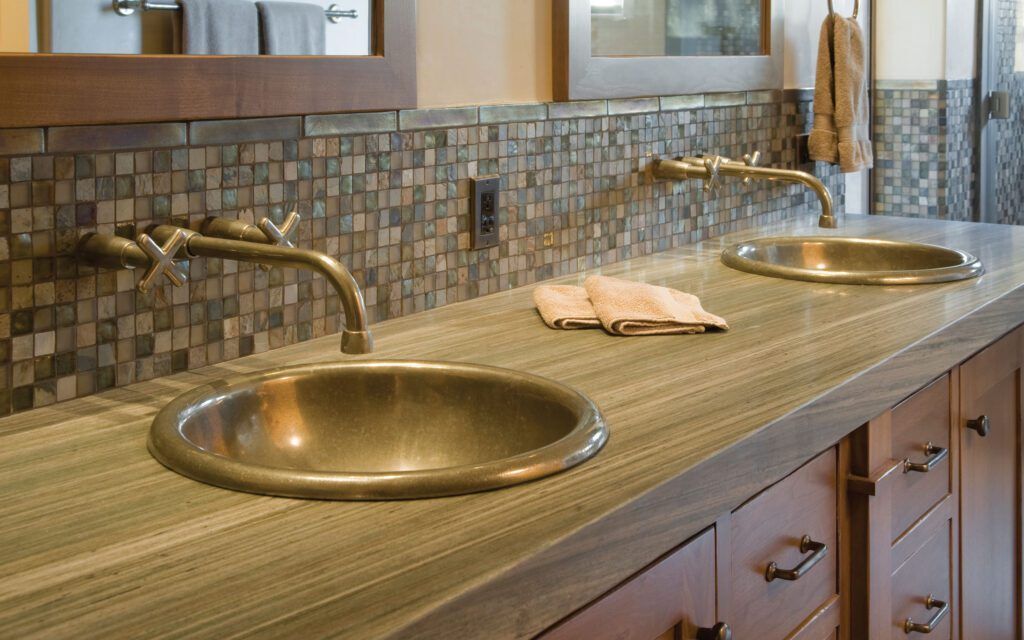
Living finishes, such as those you get from bronze hardware, are designed to evolve. They respond to touch, air exposure, and daily use. Instead of a static appearance that deteriorates, the finish changes its character, developing variations that create depth and individuality.
Mastering how to choose cabinet hardware finish certainly requires understanding living patinas. Finishes may become darker and deeper in tone over time if they’re used less frequently, while surfaces touched more regularly become lighter and more polished.
The gradual change adds character, allowing the hardware to reflect a rich, lived-in appeal. Living finishes reinforce authenticity and material expression. They complement natural woods, stone, and other surfaces that also change subtly over time.
Coordination vs. Matching: Should Cabinet Hardware Match Your Faucet?
No hard rules exist, so cabinet hardware does not need to match the faucet exactly, but it should feel coordinated. Use a hardware finish guide for tested combinations that work. You can match finishes to create a clean and unified look, especially if you want consistency in smaller spaces.
Strict matching is unnecessary. Rather, use subtle variation in tone or texture to add depth without disrupting cohesion. For example, pair warm bronze hardware, such as Crown Cabinet Knobs, with a slightly different finish on the faucet to create a layered effect.
Focus on compatibility, choosing finishes that share undertones or material qualities that connect them visually. Rather than forcing identical matches, go for a balanced composition where each piece complements the others and contributes to the overall design flow.
Step 3: How to Choose Cabinet Hardware Size for Drawers and Doors
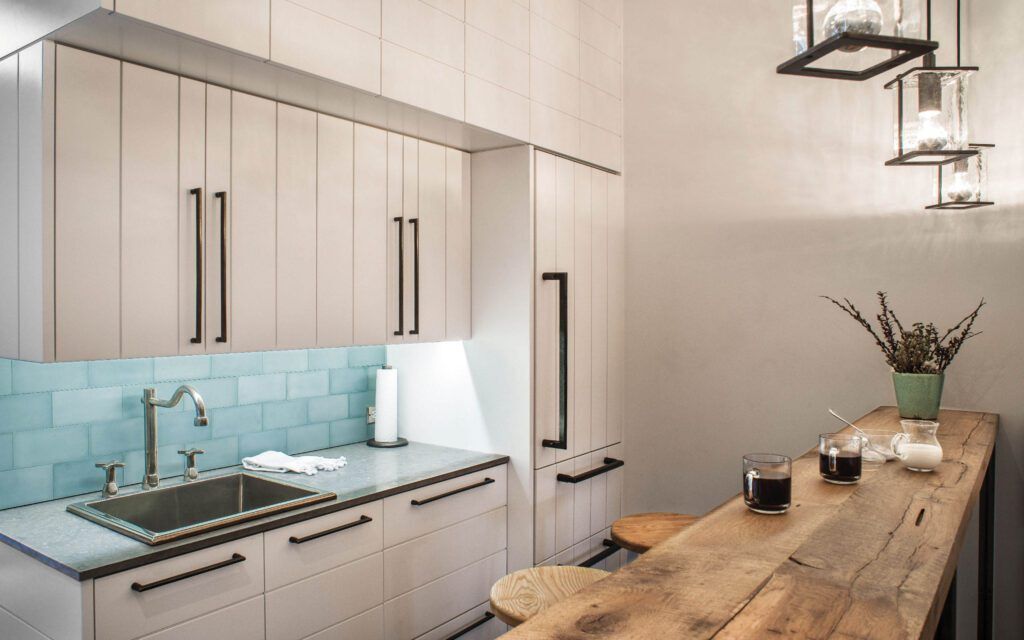
The right hardware size will look visually balanced. Even better, it is more comfortable to use and offers consistency across drawer doors and larger custom cabinetry layouts. Below are some tips for choosing cabinet hardware size for your drawers and doors.
The 1/3 Rule for Cabinet Hardware Explained
The 1/3 rule is a simple guideline that allows you to determine the correct pull length for drawers. As the name suggests, you choose a pull that’s roughly one-third the width of the drawer front. This proportion creates a balanced look without sacrificing grip comfort.
A standard 24-inch drawer will pair well with an 8-inch pull; this ratio works well in kitchens because it maintains consistency without making the hardware feel too small or overly dominant.
The rule is not absolute, so you can use slightly longer pulls on larger kitchens or more modern designs for a cleaner, more dramatic effect while maintaining overall proportion.
Proportions for Over-Sized and Custom Cabinetry
Oversized and custom cabinetry requires a more flexible approach to hardware sizing because standard proportions may be too small on wider drawers, tall pantry doors, and large built-ins. Instead of standard rules, scale the proportions to the size of the cabinetry.
Use longer pulls on wide drawers to distribute visual weight more evenly across the surface. Extended vertical pulls can go on tall cabinet doors to emphasize height and create a more architectural look.
Custom designs don’t have strict requirements; the goal is balance rather than specific measurements. Choose hardware that feels proportionate from a distance and comfortable during everyday tasks while maintaining visual consistency.
When to Use Two Pulls on Wide Drawers
Practicing how to choose cabinet hardware size may involve using two small pulls rather than one large one, especially when working with wide drawers. This approach is often used for drawers that carry pots, pans, and other heavy items.
Using a single pull in the center may look undersized or provide little leverage for comfortable use. Two pulls distribute the visual weight more effectively, creating better balance while making it easier to open heavier drawers.
Keep the two pulls symmetrical, aligning them carefully not to clutter the appearance. Match spaces across similar drawers to maintain consistency throughout the cabinetry for a clean, intentional design.
Step 4: Matching Hardware to Your Cabinet Style
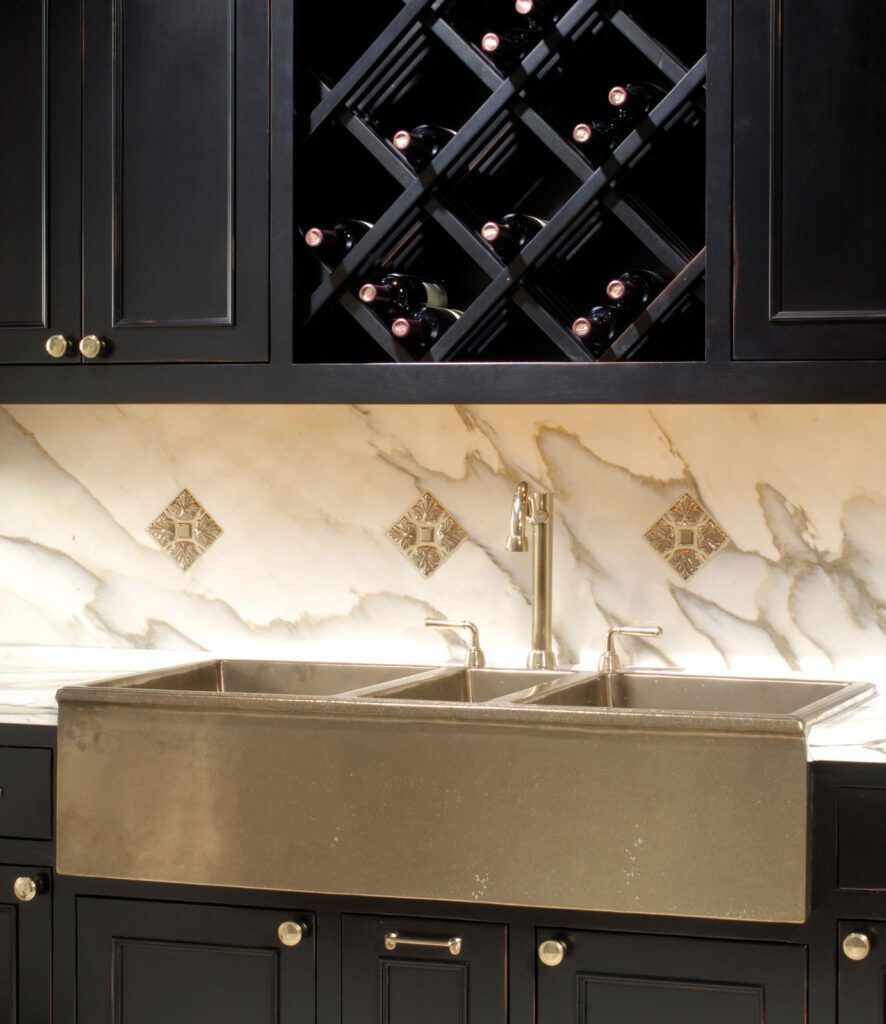
Your cabinet style should guide hardware selection, using forms, finishes, and proportions that align with the overall architectural and interior design direction, as shown below:
Minimalist & Modern: Sleek Lines for Contemporary Spaces
Minimalism is a common modern style and is all about subtlety and clean lines. In cabinet hardware, this means sleek pieces, flat surfaces, and a restrained material palette. Choose hardware that supports simplicity rather than competing with it.
Slim pulls, edge-mounted designs, or low-profile knobs, such as the Ellis Cabinet Knob, work best and help maintain a streamlined and uncluttered appearance. Minimalist and modern finishes lean matte or slightly textured, avoiding excessive shine that may disrupt the visual calm.
Transitional & Traditional: Timeless Bronze Textures
Transitional and traditional cabinetry often features raised panels and detailed profiles. The finishes are layered, requiring hardware that can complement the depth and character of the design.
Look for knobs with slight contours and pulls with classic proportions that reinforce the sense of craftsmanship. Bronze finishes are especially effective in classic styles—they add warmth and a tactile quality that aligns with traditional materials like wood and stone. Bronze’s living patina also ages gracefully, resulting in a timeless appeal that evolves rather than deteriorates.
To achieve consistency across the space, repeat similar forms and finishes that unify cabinetry, even when layouts vary.
Artisanal Hardware for Custom Architectural Projects
If you have custom cabinetry, it’s only right to get hardware that reflects the same level of craftsmanship, and artisanal pieces are the way to go. They introduce texture, variation, and individuality that standard options lack.
Artisanal designs often include hand-finished surfaces with natural irregularities or sculptural forms that add depth to the cabinetry. The hardware pieces are part of the architectural expression, rather than afterthought accessories.
Focus on using the right scale and placement, especially when dealing with distinctive pieces, to align the proportions with the cabinetry.
Step 5: Cabinet Hardware Placement Guide
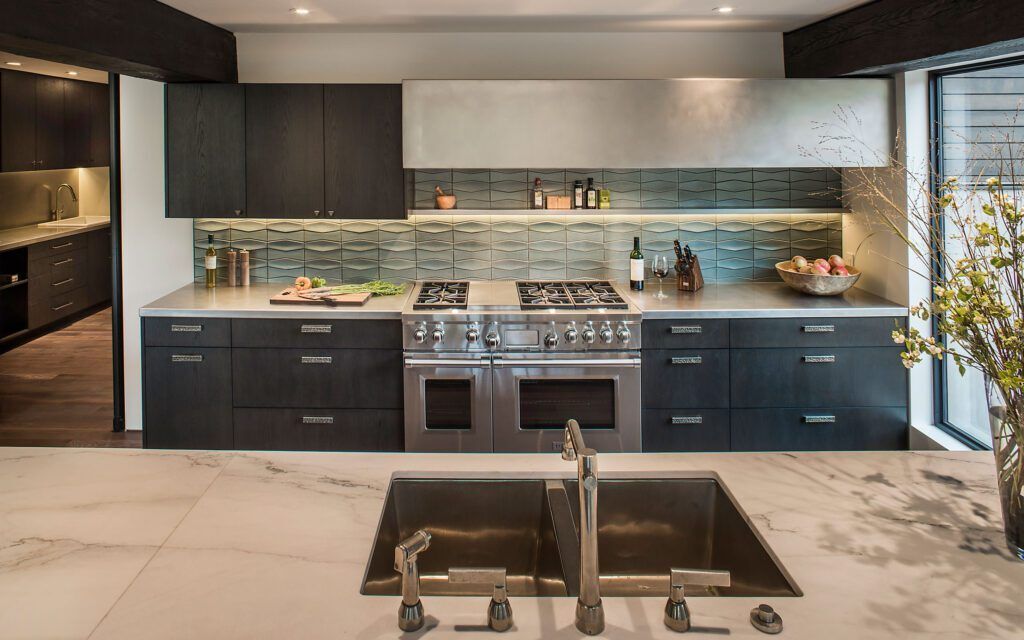
A good cabinet hardware guide includes proper placement, which is tied to consistency, comfort, and visual alignment. Optimizing where to place cabinet hardware results in natural function while complementing the overall design.
Cabinet Hardware Placement for Doors
For most cabinet doors, knobs and pulls are placed on the opposite side of the hinge, typically in the lower or upper corner, depending on whether the door is above or below counter height.
In upper cabinets, you can position the hardware on the lower corner for easier reach, while base cabinets have hardware positioned toward the upper corner for accessibility. The key is consistently aligning the horizontal and vertical placements across all doors to create a clean, organized appearance.
Since there are no strict rules, you can make small adjustments, especially for custom cabinetry, but maintain a clear pattern, support function, and visual appeal.
Cabinet Hardware Placement for Drawers
Drawer hardware is often centered horizontally, but vertical placement may be used, depending on the drawer size and style. For smaller drawers, a single knob or pull, such as the Empire Bin Pull, can be centered both horizontally and vertically, creating a simple and balanced look.
For larger drawers, the pulls are usually centered horizontally but placed slightly higher on the drawer front for ergonomic use. This placement makes it easier to grip and open the drawer without strain.
Keep the knobs and pulls aligned using clean, repeated placement to maintain a cohesive feel and functional consistency across all drawers.
Horizontal vs. Vertical Pull Placement
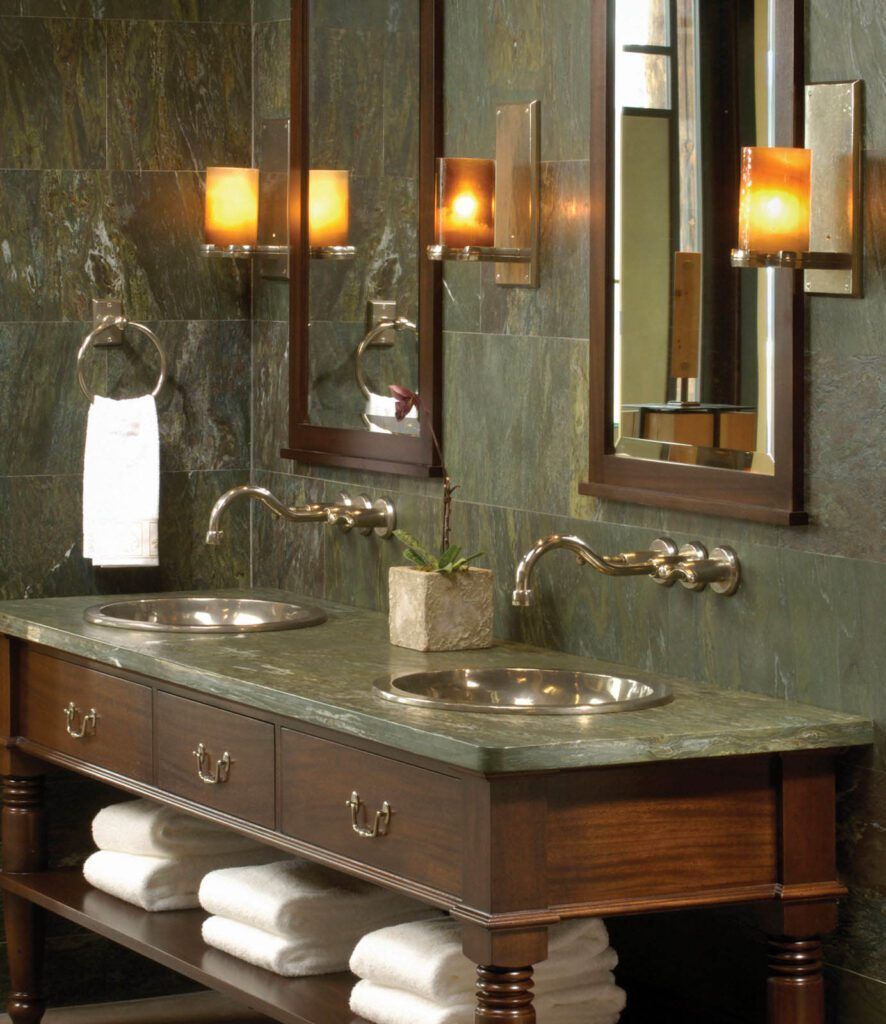
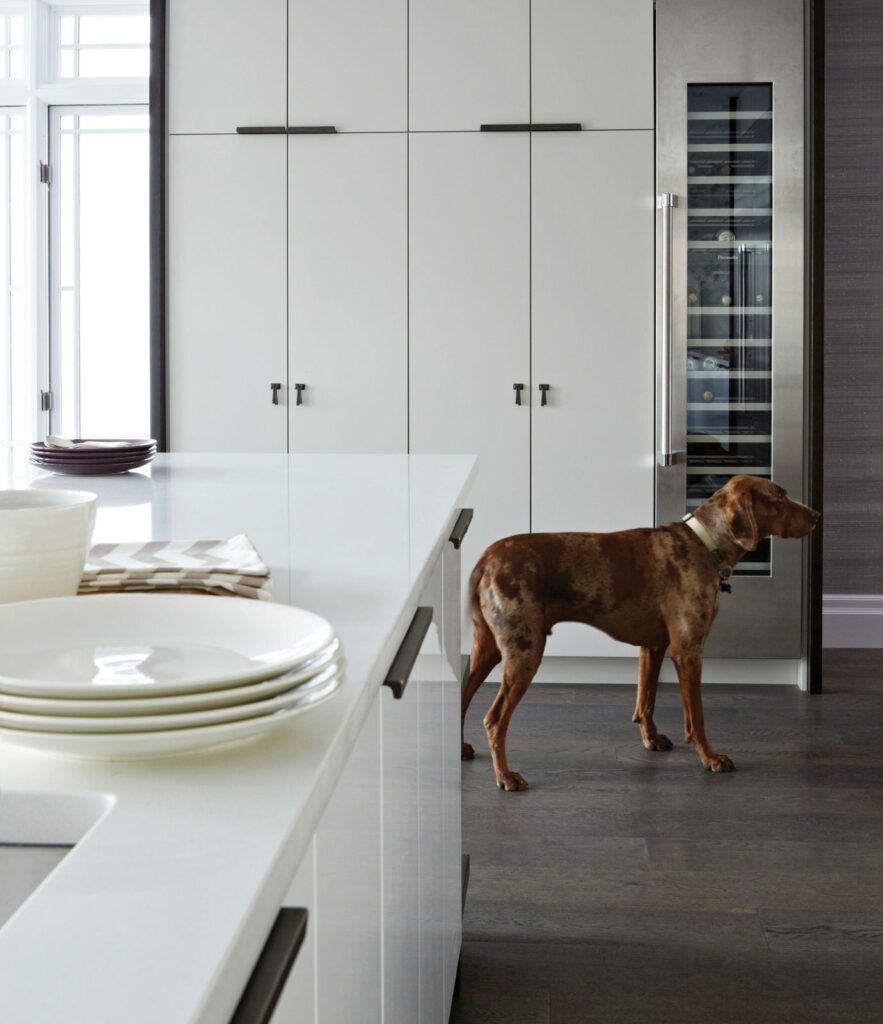
The orientation of cabinet pulls influences both function and visual rhythm, but the decision to use horizontal or vertical placement is preferential. Horizontal placement is ideal for drawers and aligns effortlessly with the natural motion of opening them, creating a grounded, linear look.
Vertical placement is heavily used on cabinet doors, where it reinforces the height of the opening and guides the hand naturally along the door’s movement. In some designs, especially contemporary ones, pulls may be used consistently in one direction to create a unified aesthetic.
Focus on maintaining usability to balance function and design. The hardware should feel natural to use while supporting the overall visual composition.
Common Cabinet Hardware Mistakes to Avoid
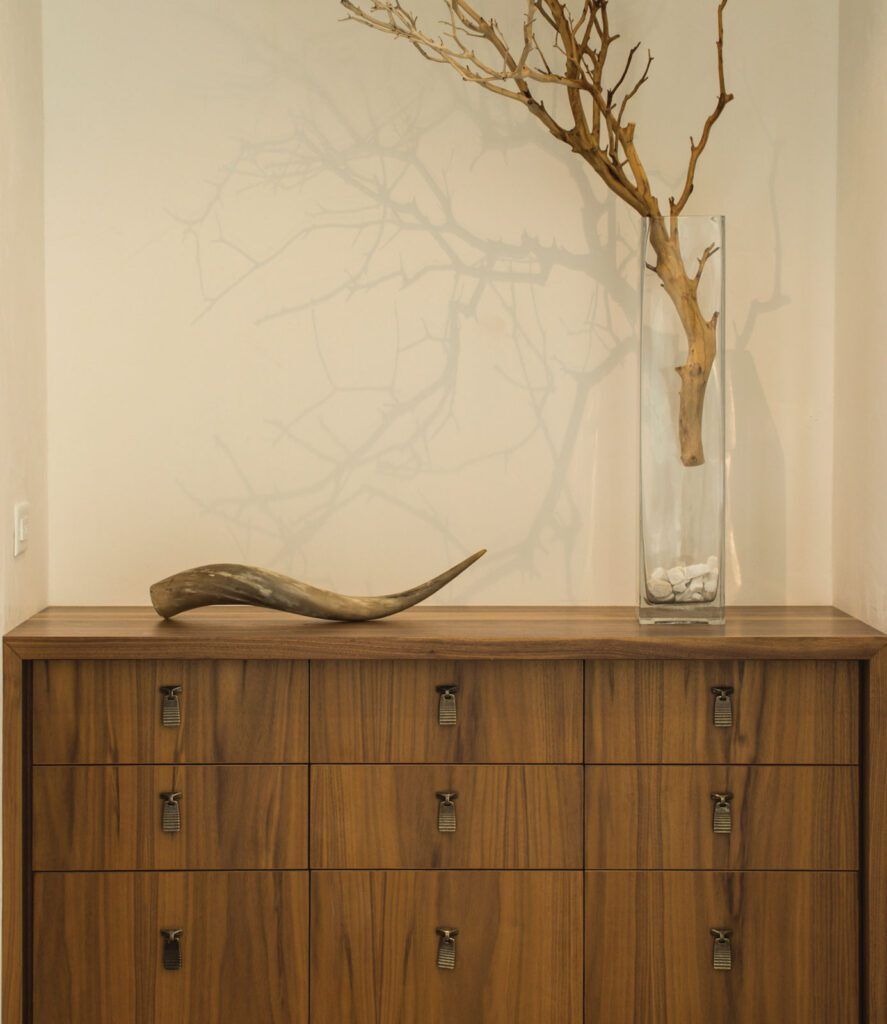
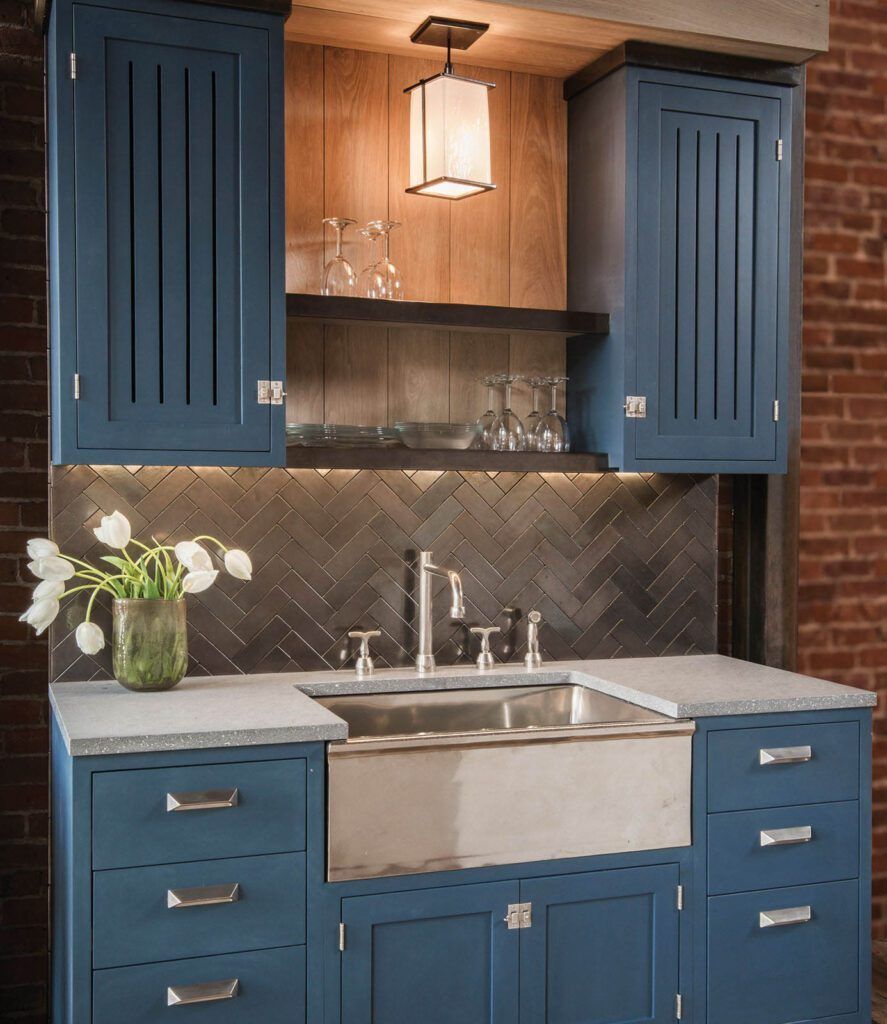
While hardware elevates cabinets, the wrong application is instantly visible as an eyesore. Poor placement and wrong choices can affect not only aesthetics, but also function and even structural integrity. Below are common mistakes to avoid:
Choosing Hardware That’s Too Small
Selecting hardware that is too small for your cabinetry is an obvious mistake since undersized knobs or pulls will feel insignificant, especially on wide drawers or large cabinet doors.
Small hardware can make the entire design appear unbalanced, besides reducing usability on heavy drawers that require more grip and leverage. If you have a large kitchen or custom cabinetry, scale the hardware to align with the overall proportions.
Larger pulls and substantial knobs create a stronger visual presence and also improve function, but should be used on matching doors and drawers.
Mixing Too Many Finishes in One Space
Layering finishes is an effective way to add depth, but overmixing creates visual clutter and weakens cohesion. Too many tones end up competing, so your space may feel disjointed rather than layered.
The professional approach is to limit the palette to two or three complementary colors—preferably finish options that share undertones or material qualities. Finishes that relate visually, even if they differ slightly, will still result in a cohesive look.
Use repetition to have a finish appear consistently across hardware, lighting, and fixtures to help unify the design. Avoid introducing contrast everywhere, and instead focus on controlled variation to keep the space visually balanced.
Incorrect Placement on Inset vs. Overlay Cabinets
Some peoplr treat hardware placement for inset and overlay cabinets the same, which can lead to awkward results. Inset cabinets sit flush within the frame, so hardware placement should account for the tight margins and precise alignment.
Overlay cabinets sit on top of the frame, ao they allow for slightly more flexibility in hardware positioning. Aim to maintain a clean appearance through consistency and avoid placing hardware too close to edges, especially without factoring in the cabinet construction.
Cabinet Hardware Selection Checklist
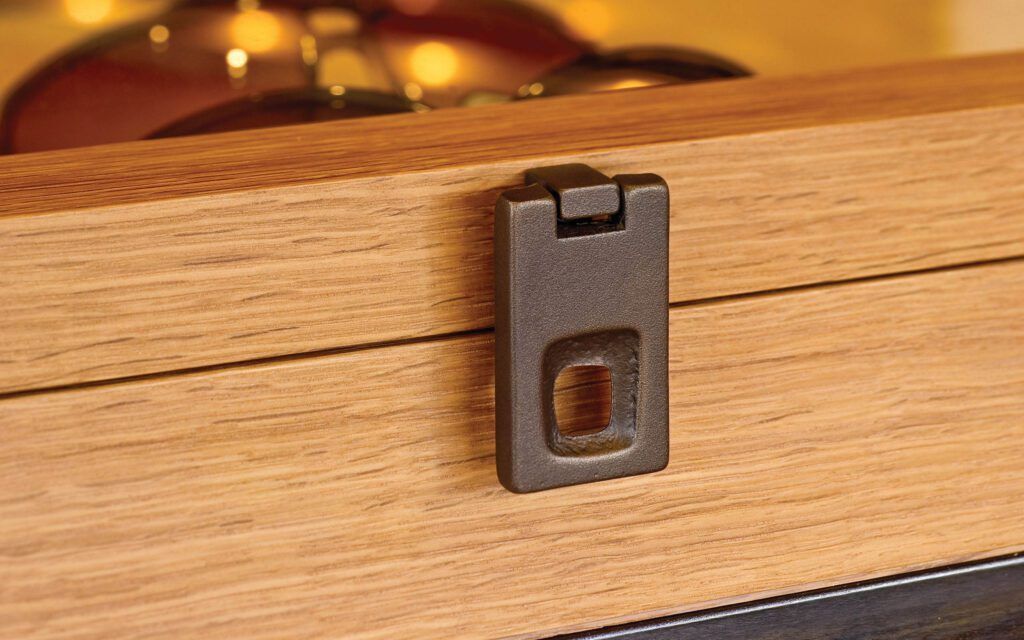
To simplify decisions when choosing cabinet hardware, use the checklist below:
Step-by-Step Checklist for Choosing Cabinet Hardware
- Function: Identify the function of each cabinet—doors, drawers, or specialty storage, then choose a style that aligns with your cabinetry and overall interior direction.
- Material: Select materials and finishes that complement surrounding elements while maintaining durability.
- Aesthetics: Find hardware forms and artisanal options that fit into your interior design style
- Size: Determine appropriate sizing using proportional guidelines, adjusting for larger or custom cabinetry where needed.
- Placement: Maintain consistency across all doors and drawers and test comfort and grip before finalizing selections, especially for frequently used areas.
- Cohesion: Review the entire space to check if the hardware feels cohesive when viewed together. The hardware should support both function and design without drawing unnecessary attention or disrupting the overall visual flow.
The Sustainable Choice: Handcrafted Bronze from Rocky Mountain Hardware
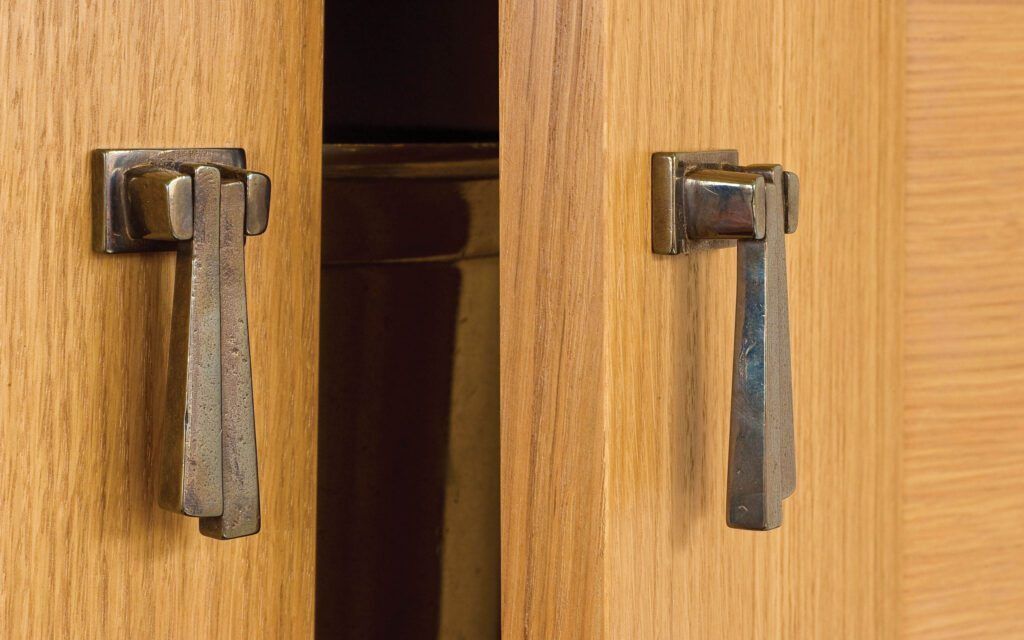
Whether you’re an interior designer or homeowner, mastering how to choose cabinet hardware allows you to find the perfect options for your project. While standard options may work in some cases, custom fittings and handcrafted hardware are the gold standard.
Bronze hardware is also loved for its durability, timeless finishes, refined aesthetics, and natural warmth that work for nearly all interiors. Unlike mass-produced alternatives, each piece carries subtle variations that add depth and authenticity to cabinetry.
The material is resistant to corrosion, making it ideal for kitchens and bathrooms where moisture is present. Its living patina also allows the hardware to evolve with use, creating a finish that feels personal and realistic.
Choose high-quality, handcrafted pieces from Rocky Mountain Hardware to support long-term design integrity and reduce the need for frequent replacements.
Frequently Asked Questions About Choosing Cabinet Hardware
How to Pick the Right Cabinet Hardware?
Choose hardware based on function, cabinet style, and proportion, and go for finishes that coordinate with surrounding elements. Maintain consistent placement for a cohesive and practical overall design.
What Is the 1/3 Rule for Cabinet Hardware?
The 1/3 rule suggests selecting a pull length equal to one-third the width of the drawer. This rule often produces balanced proportions, comfortable usability, and visual consistency.
Should Cabinet Hardware Match Your Faucet?
Cabinet hardware and faucets don’t have to be exact matches. Rather, they should feature coordinated finishes with similar undertones that help create a cohesive look without forcing identical materials throughout.
