The English-bred cottage style windows make a home feel welcoming, lived-in, and deeply connected to their surroundings. Even its newer interpretations have the rhythm, texture, and a sense of permanence that creates that sense of relaxation. Their appeal lies in thoughtful proportions, divided glass, handcrafted materials, and the evolution of details, century after century.
Authentic cottage style windows are ultimately defined by the smaller details like window hardware, finish selection, and craftsmanship. These factors all influence how naturally a window complements stone façades, timber siding, brickwork, and other traditional materials.
A hand-cast bronze casement fastener or an elegantly proportioned sash lift contributes as much to the character of a cottage home as the window itself. In this guide, we will discuss cottage style windows and how different designs, finish options, and handcrafted window hardware can complement how they look.
What Are Cottage Style Windows?
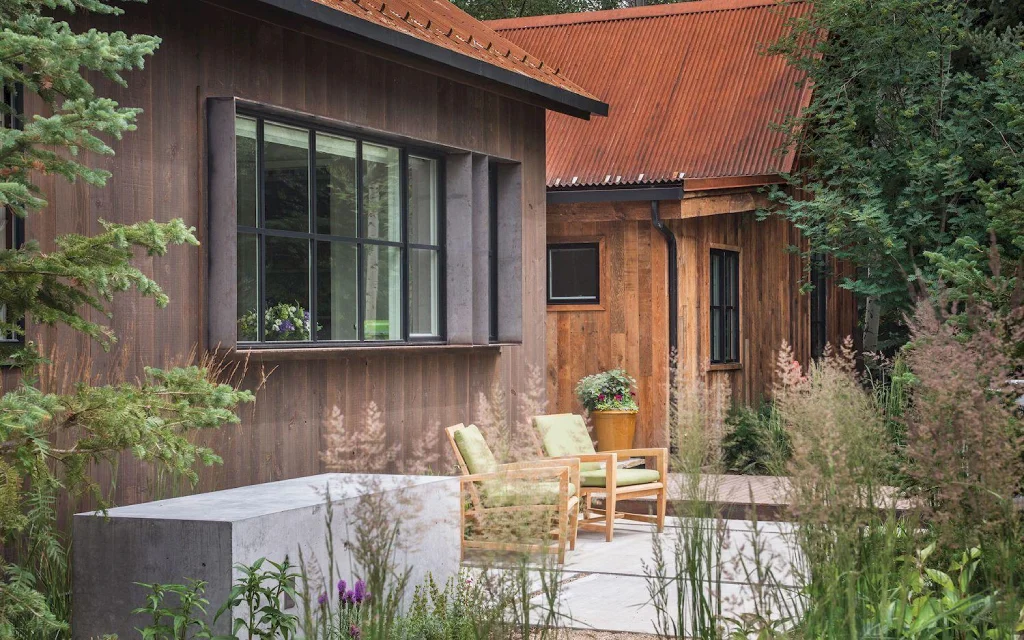
Developed in the 17th century, cottage style windows are characterized by their asymmetrical divided-lite configurations, traditional proportions, and handcrafted appearance. Much different from contemporary windows that have uninterrupted expanses of glass, cottage windows celebrate visual rhythm through muntins, smaller panes, and balanced frames that speak the same architectural language as the home.
These windows, also known as Georgian panes, are a by-product of practical limitations in early glass manufacturing, where producing large sheets of glass was difficult and costly. Smaller panes were assembled into elegant compositions that slowly became one of the defining characteristics of English and European cottages.
Today, those historic proportions are highly desirable because they carry depth, scale, and visual interest that does not shadow the surrounding architecture. Modern manufacturers have adapted these traditional aesthetics to contemporary construction standards, allowing homeowners to enjoy improved energy efficiency while preserving the distinctive charm associated with classic cottage architecture.
What Are English Cottage Windows?
Among the many cottage window styles, English cottage windows are the most recognizable. They are typically distinguished by uneven grille patterns, where the upper sash contains several small panes while the lower sash features fewer or even a single uninterrupted pane. This asymmetrical arrangement creates an immediately recognizable silhouette that is synonymous with traditional English cottages.
The appeal of English cottage windows is in the proportions of softened façades, handcrafted quality, and the subtle variations in light as sunlight passes through individual panes.
That said, we cannot answer the question of authenticity by only using the glass itself. What historians would deem the “appropriate window hardware,” including bronze cremone bolts, traditional sash lifts, and finely crafted casement fasteners, is what defines the architectural integrity of these windows.
Combined with natural materials that develop patina, these design styles are how English cottage windows retain the warmth and character that have made them enduring architectural features for centuries.
What Gives a Cottage Window Its Authentic Character
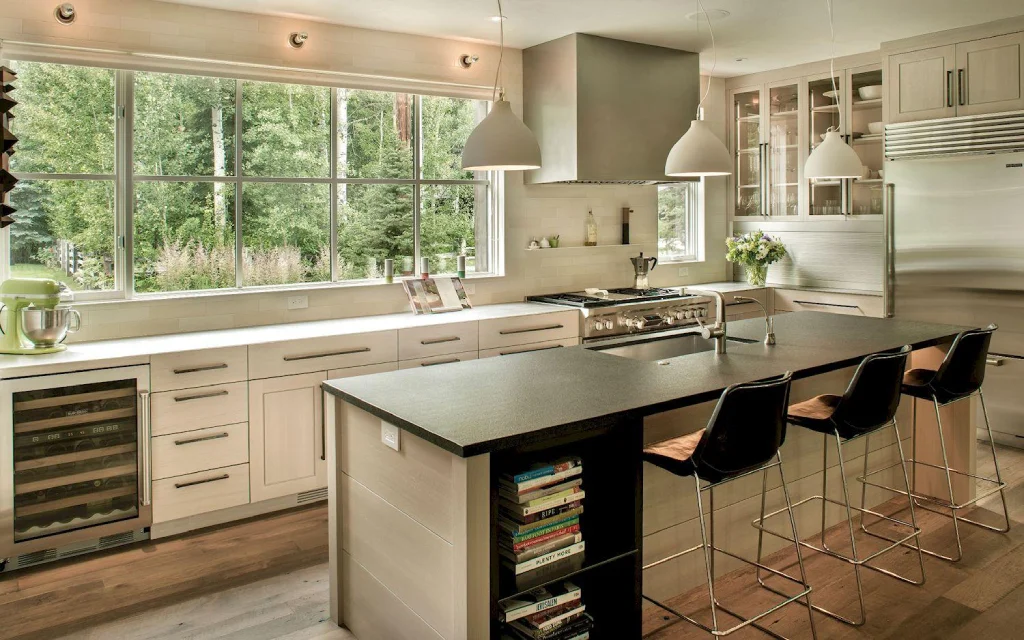
The cohesion of frame proportions, divided glass, finish selection, and hardware create what we see in timeless cottage windows. While individual features may appear subtle on their own, their combined effect establishes the warmth, craftsmanship, and visual richness that makes authentic cottage architecture distinct.
Divided Lites and Grille Patterns
Perhaps the best defining feature of cottage style windows is their divided-lite configuration. They use muntins to organize smaller panes into carefully considered patterns with depth and visual continuity across the façade.
Most traditional English cottages have asymmetrical arrangements, such as six-over-one or four-over-one configurations, where a number of panes occupy the upper sash while the lower sash is comparatively open. These patterns introduce movement without disrupting the simplicity of cottage architecture.
Frame Materials, Paint Colors, and Traditional Finishes
In the preservation of exterior cottage style windows, painted wood is the traditional benchmark because it provides refined profiles, crisp detailing, and the subtle imperfections that complement handcrafted architecture.
Soft whites, muted creams, sage greens, weathered blues, and earthy neutrals are enduring choices, allowing the windows to harmonize naturally with stone, brick, timber, and climbing gardens.
Equally important is the finish applied to the hardware itself. Living bronze, aged bronze, and other handcrafted finishes have tonal variation that evolves through years of use. Heavily polished coatings can feel overly contemporary, but naturally aging finishes have that sense of permanence that defines authentic cottage design.
Why Cottage Windows Feel Warm and Inviting
The welcoming atmosphere we associate with cottage architecture comes through the careful layering of proportion, texture, craftsmanship, and material authenticity. Smaller divided panes soften incoming light, traditional frame profiles create comfortable visual scale, and handcrafted hardware birth tactile richness wherever the window is opened or adjusted.
These subtle interactions encourage the eye to slow down and appreciate the architectural details that modern minimalists sometimes hide. When windows are paired with natural materials such as reclaimed timber, stone masonry, limewashed brick, and handcrafted bronze accents, they mature gracefully and develop character with every passing season.
Popular Cottage Window Styles
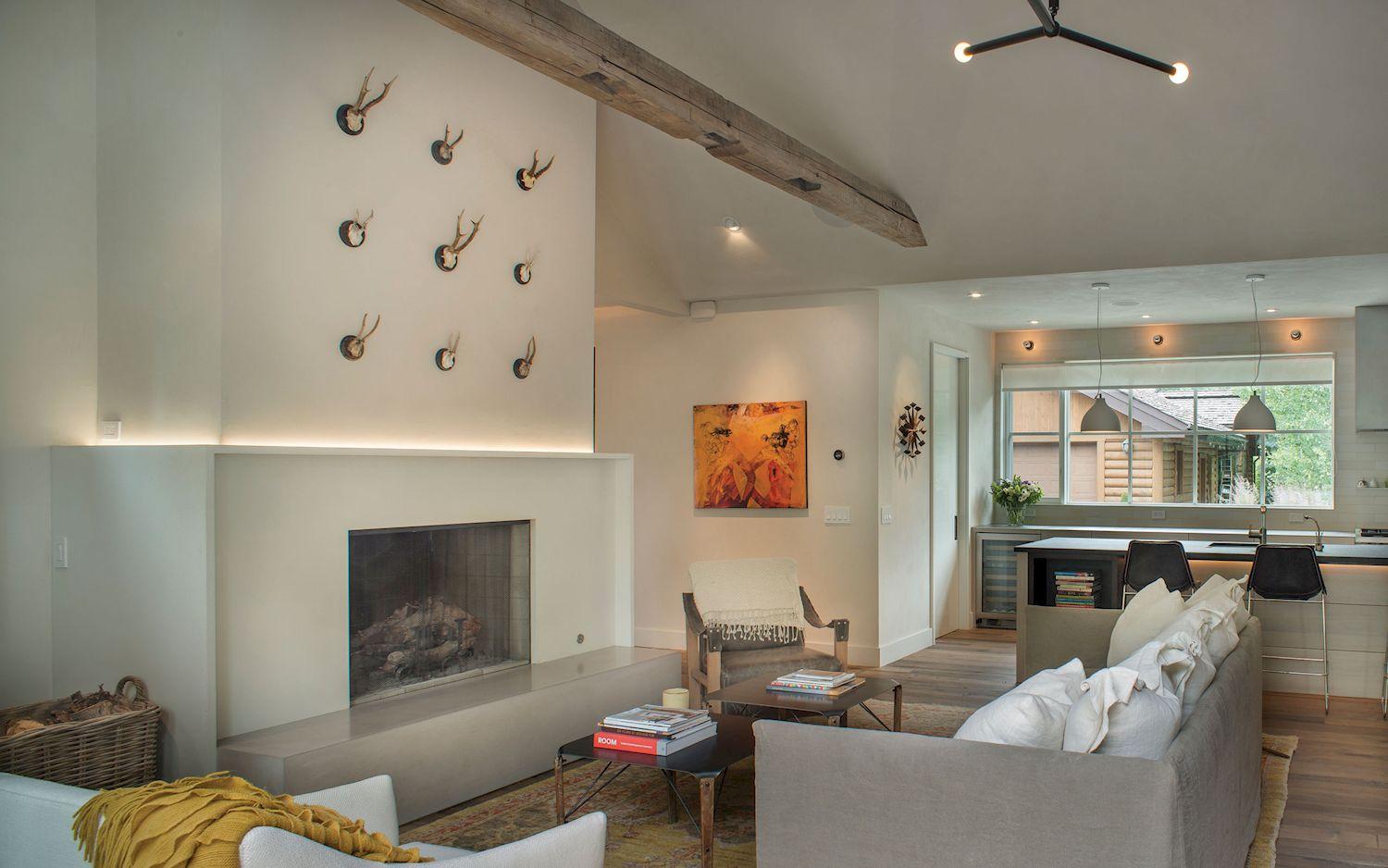
The best cottage window styles share several defining characteristics, including balanced proportions, traditional detailing, and hardware that reflects the home’s architectural heritage. Each style has a distinct appearance, but they all draw inspiration from craftsmanship, natural materials, and timeless design principles.
Cottage Style Double Hung Windows
Among the most recognizable cottage style double hung windows are the classic six-over-one and four-over-one configurations. Several panes across the upper sash paired with a larger lower pane create the asymmetrical composition present in English country homes.
Double hung windows suit cottages because they complement symmetrical façades and provide flexible ventilation throughout changing seasons. Their vertical proportions also pair naturally with stone cottages, Cape Cod homes, Colonial Revival architecture, and many historic renovations.
Traditional sash lifts, sash locks, and solid bronze hardware, such as the Mini French Lever, complete the appearance by introducing authentic detailing that corresponds with the craftsmanship found throughout the home.
Casement Windows
Casement windows have been a defining feature of European cottages for centuries. Hinged at the side and opening outward, they welcome generous airflow and uninterrupted garden views popular in kitchens, breakfast nooks, and garden rooms.
Most English cottage windows incorporate casement designs fitted with traditional stays, fasteners, or cremone bolts that transform functional hardware into architectural details. Slim frame profiles combined with divided lites produce a refined appearance complementing masonry, timber, and stucco exteriors.
Bay and Bow Windows
Bay and bow windows add dimensions to cottage architecture by extending beyond the primary wall plane. Their projecting forms create inviting alcoves indoors and enrich the home’s exterior with greater depth and visual variety.
Traditional cottages combine these larger window assemblies with divided lites and narrower frame profiles that preserve their historic character. Window seats, reading corners, and breakfast spaces benefit especially from this arrangement, allowing daylight to reach deeper into the interior.
Arched and Specialty Windows
Arched windows soften the geometry of cottage homes through graceful curves inspired by centuries of European architecture. Positioned above entryways, staircases, or prominent living spaces, these specialty windows are focal points that add elegance.
Custom grille patterns mirror the window’s curved profile, creating balanced compositions that complement traditional masonry and handcrafted detailing. Bronze hardware selected in matching finishes continues the architectural language across nearby casement or fixed windows.
Dormer Windows
Dormer windows transform upper stories by introducing additional daylight, usable interior space, and architectural interest across the roofline. Cottage homes feature gabled or shed dormers fitted with divided-lite windows that echo the primary façade below.
Maintaining consistent grille patterns, frame proportions, and hardware selections across every dormer preserves architectural continuity throughout the home. Repeating these details creates a composition that appears unified from every viewing angle.
Cottage Window Ideas Around the Home
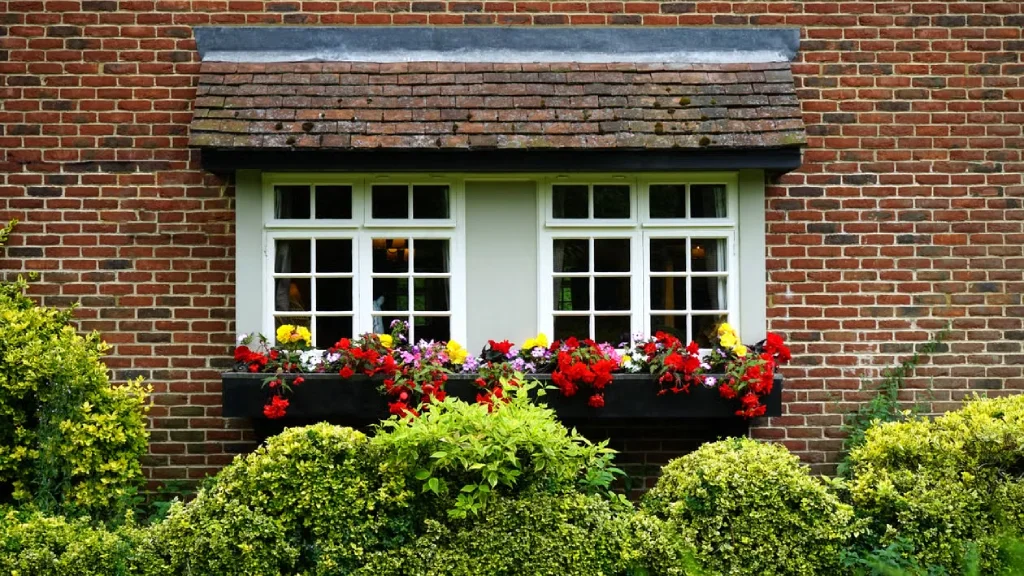
Orientation, surrounding materials, and the intended use of each space all influence which window style delivers the strongest visual impact. Coordinating hardware, finishes, and proportions in the interiors and exteriors of a home will give you a cohesive architectural story.
Exterior Cottage Style Windows for Front Facades
The front façade is the first thing visitors use to judge the home’s architectural identity, so we cannot understate the significance of window selection. Exterior cottage style windows framed by natural stone, brick, cedar shingles, or painted clapboard welcome elevations rich in texture and character.
Window boxes, climbing roses, timber shutters, and handcrafted bronze hardware enrich the look of traditional cottages by adding layers of visual interest rooted in historic design. If you’re looking for inspiration, our guide to Warm Interior Colors, Materials & Hardware has several ideas of coordinating finishes to connect interior and exterior spaces.
Kitchen Cottage Windows
Kitchen windows are gathering points connecting garden views, breakfast patios, or surrounding landscapes. Casement windows positioned above sinks are a good choice here because they provide generous ventilation and simple operation.
Divided-lite patterns soften incoming daylight, creating an inviting atmosphere across natural wood cabinetry, soapstone counters, and handcrafted tile backsplashes. Bronze window hardware brings about artisanal craftsmanship to improve other metal accents in the kitchen.
Bedroom Cottage Windows
A bedroom needs window designs that will allow abundant daylight in the space, while maintaining its privacy and architectural charm. Cottage-inspired double hung windows suit primary bedrooms, guest rooms, and attic spaces by introducing classic proportions and balanced symmetry.
Soft paint colors paired with traditional sash hardware create restful interiors rooted in timeless design. Linen drapery, woven shades, and natural wood furnishings further enhance the relaxed character associated with cottage architecture.
Garden-Facing Cottage Windows
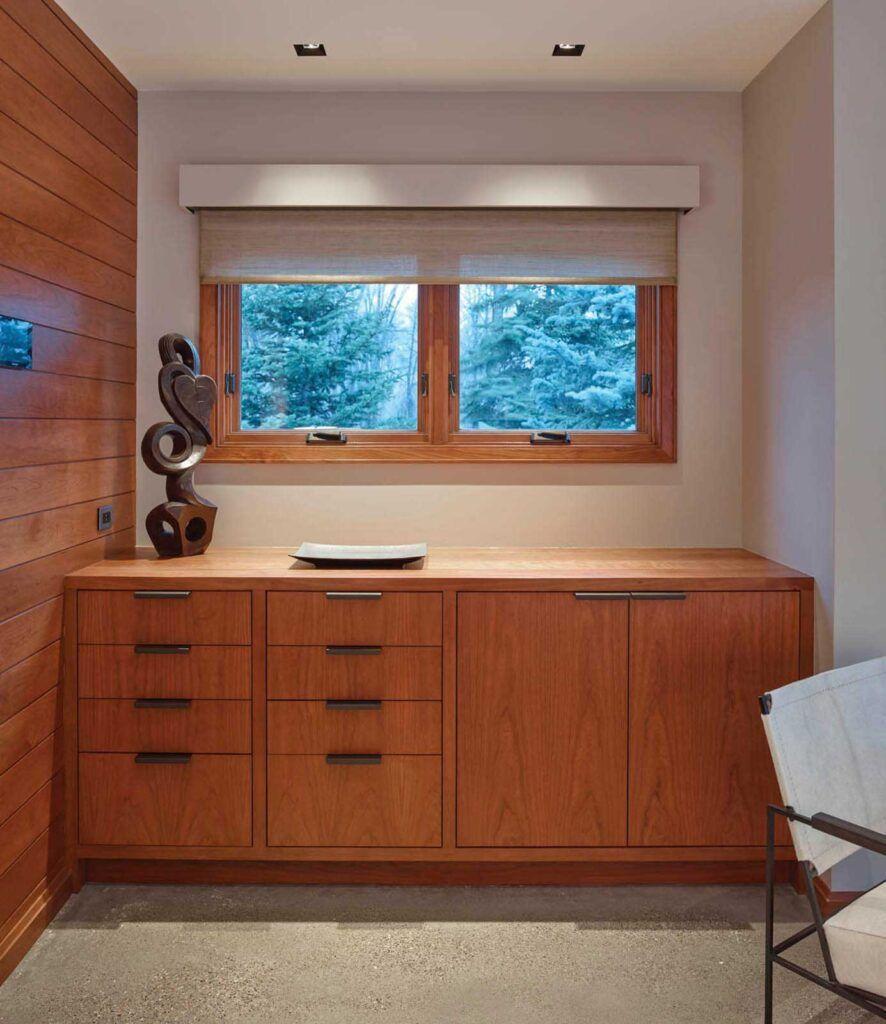
Garden-facing windows are the defining experience of a cottage home. They strengthen the visual connection between interior living spaces and the surrounding landscape. Large casement windows, bay windows, or grouped cottage windows frame seasonal planting, flowering borders, and mature trees as living works of art.
Looking towards the aspect of artisanal interior design, traditional bronze hardware develops additional richness over time as exposure, touch, and natural aging gradually deepen the finish. Handcrafted architectural details create enduring interiors rooted in authentic craftsmanship.
The Hardware That Completes a Cottage Window
Cottage style windows depend on hardware to bring the finishing detail, transforming it from a functional opening into an architectural feature. Historic homes in Britain and Europe used solid metal hardware across generations, giving every latch, stay, and bolt both practical value and visual distinction.
Today, modern reproductions have deepened their focus on the glass and are entirely overlooking these details. A beautifully proportioned casement fitted with generic hardware doesn’t just carry the same sense of authenticity.
Hand-cast bronze window hardware, such as the Small Beaver Tail Lever have sculptural depth, tactile craftsmanship, and finishes that mature naturally over time. They are an ideal companion for period homes and custom cottage designs.
Cremone Bolts and Espagnolette Hardware
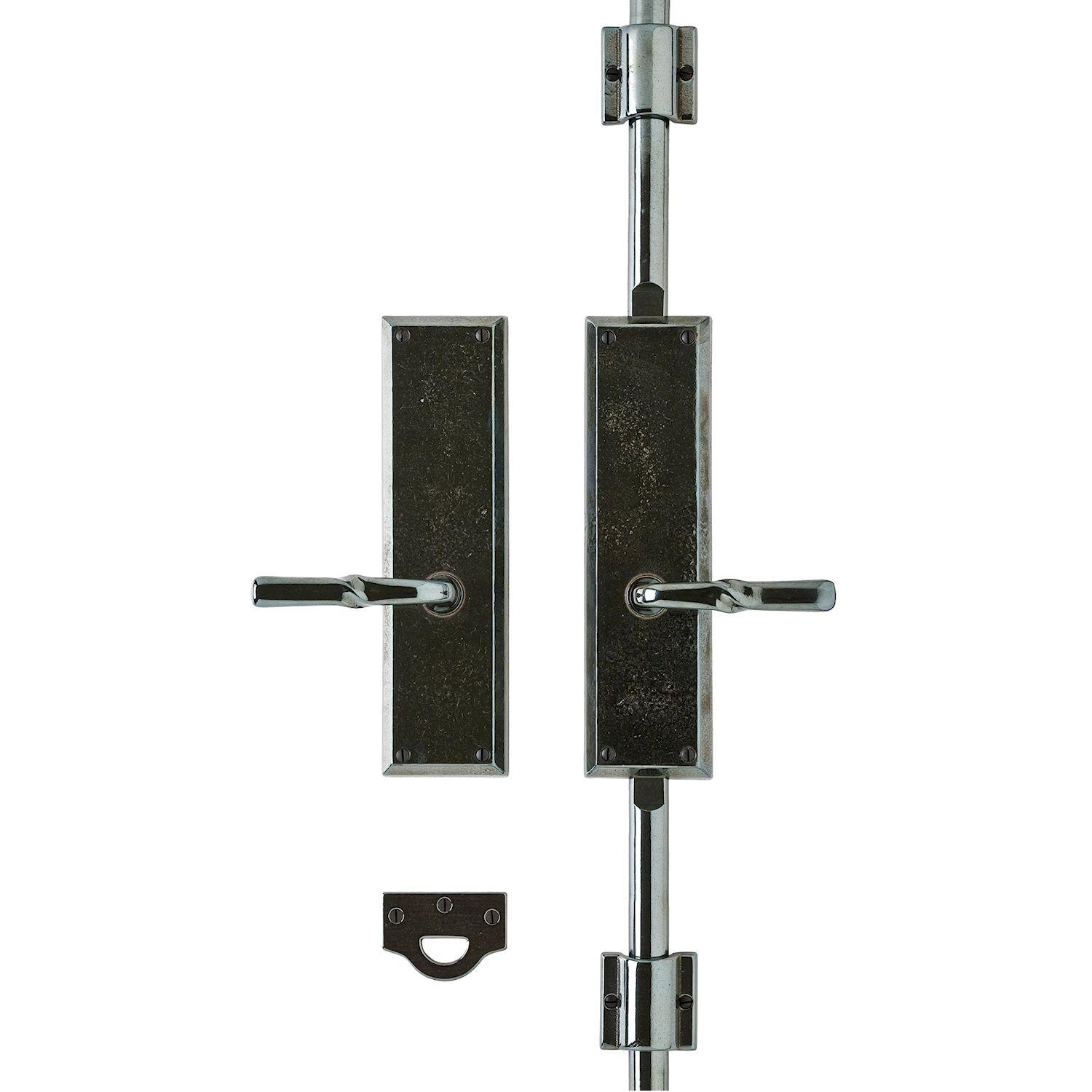
Cremone bolts have adorned European windows for centuries, particularly in French and English country homes. Their tall vertical rods and decorative handles draw attention to the full height of the window, creating a striking focal point across paired casements.
Large garden-facing windows, dining rooms, and living spaces benefit especially from this style of hardware because the elongated silhouette echoes the vertical proportions common in traditional cottage architecture.
Espagnolette hardware, with multiple locking points through a single handle, suits those looking for period-inspired aesthetics with contemporary performance.
Casement Fasteners, Stays, Cranks, and Latches
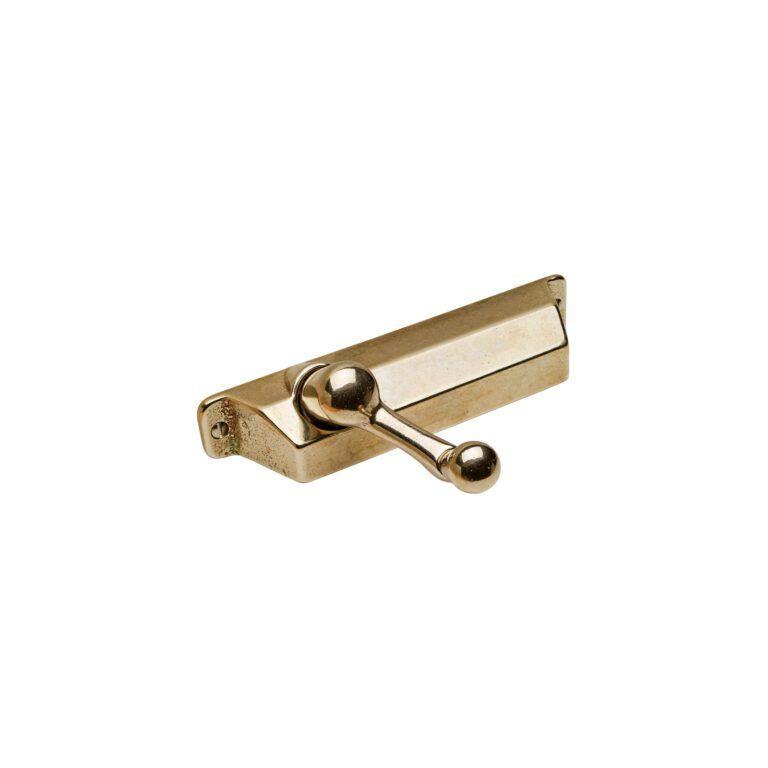
Casement windows require hardware that balances smooth operation with authentic styling. Traditional fasteners, stays, and latches introduce subtle detailing that complements divided-lite windows and painted timber frames.
Window stays hold the sash securely in multiple open positions, encouraging ventilation throughout changing seasons. Fasteners secure the sash tightly against the frame, preserving both comfort and energy efficiency. Decorative cranks and hand-forged latches complete the assembly with forms inspired by centuries of European craftsmanship.
Sash Lifts and Sash Locks for Double Hung Windows
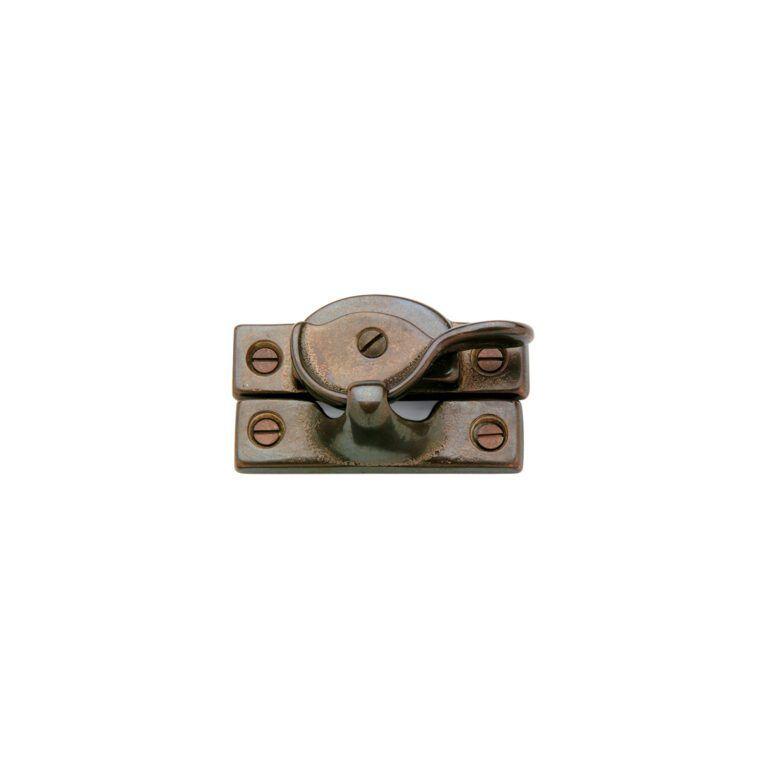
Traditional cottage style double hung windows use understated hardware that complements their balanced proportions. Sash lifts provide a comfortable grip for opening the lower sash, whereas sash locks secure both sashes together when closed.
These smaller pieces get little attention during renovations, but they appear repeatedly throughout the home. Choosing solid bronze sash hardware introduces consistency from room to room and enhances the look of other architectural metals found in the property.
Classic forms with softened edges and hand-finished surfaces suit cottages particularly well because they echo the craftsmanship visible in millwork, staircases, and interior doors. Even a modest sash lift will be an elegant architectural accent when crafted from premium materials.
Bronze Finishes and Patinas for Period Character
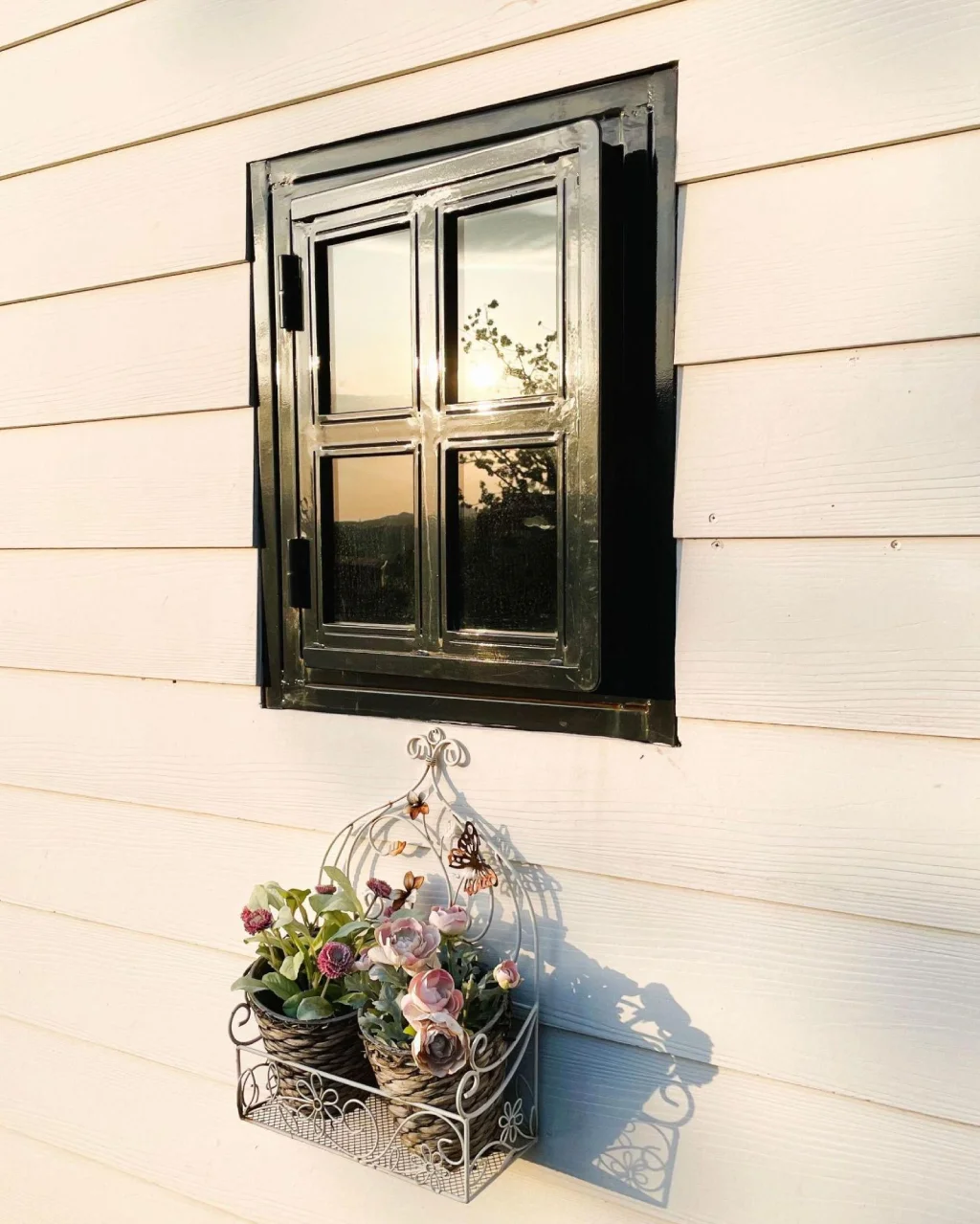
Finish selection influences how window hardware interacts with natural stone, painted wood, brick, and surrounding landscape features. Bronze has long been associated with traditional architecture because the material develops a living patina through handling, changing weather conditions, and natural oxidation.
Unlike factory-applied coatings that maintain a uniform appearance year after year, living bronze gains depth through subtle tonal variation unique to every installation.
Made-to-Order and Custom Configurations
Many cottage homes feature windows that depart from modern standard sizes. Historic restorations, custom residences, and architect-designed homes frequently incorporate unique proportions, specialty arches, or one-of-a-kind casement assemblies that require custom hardware solutions.
Made-to-order hardware provides greater flexibility when selecting dimensions, handedness, finish combinations, and operating configurations. Custom bronze pieces also create continuity in the home by repeating shared finishes and handcrafted detailing on windows, doors, cabinetry, and other architectural elements.
Coordinating Cottage Windows With the Whole Exterior
Windows form one part of a larger architectural composition. Rooflines, trim, shutters, doors, lighting, and hardware all influence how successfully a cottage design culminates.
Match Windows to Rooflines
Rooflines determine much of a cottage home’s visual identity. Steep gables, cross gables, and dormers naturally complement vertically proportioned windows fitted with divided lites and traditional bronze hardware.
Window placement should correspond with the home’s structural rhythm, allowing openings to relate naturally to roof peaks, chimneys, and masonry details. This relationship creates façades that appear balanced from every perspective.
Coordinate Shutters and Trim
Exterior trim and shutters frame each window, adding depth and architectural definition across the façade. Painted wood shutters paired with substantial trim profiles strengthen the cottage aesthetic, particularly when combined with muted paint colors inspired by the surrounding landscape.
Functional shutters sized to cover the window opening maintain historical accuracy and produce stronger proportions than decorative panels attached solely for appearance.
Tie Window Hardware to Doors and Accents
The strongest cottage homes repeat materials across multiple architectural features instead of limiting bronze to a single location. Window hardware, entry doors, exterior lanterns, house numbers, and gate hardware will come together beautifully if paired with a coordinated material palette.
For example, bronze window hardware paired with an artisan-crafted front door set creates continuity as visitors approach the home. Matching finishes across exterior lighting and garden gates extends that visual connection even further.
Cottage Windows vs Farmhouse Windows
Cottage and farmhouse architecture share a love for natural materials and timeless craftsmanship, but the two styles express those qualities in very different ways, as discussed below:
Key Architectural Differences
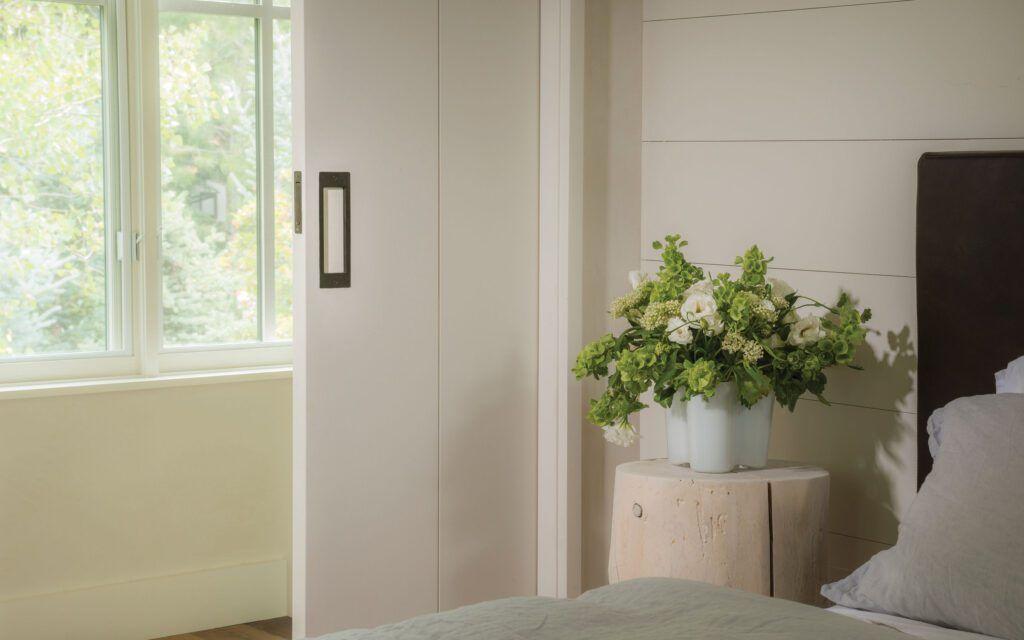
Traditional cottages are big on intimacy, asymmetry, and decorative detailing. English cottage windows feature divided lites, smaller openings, arched forms, and handcrafted hardware that reference centuries-old European architecture.
Stone walls, timber framing, climbing plants, and steep rooflines strengthen that historic character.
By comparison, farmhouse homes embrace simpler geometry and broader expanses of glass. Black-framed windows, larger openings, and restrained detailing tell the practical origins of agricultural buildings. Decorative elements exist, though the overall appearance is more of clean lines and functional simplicity.
Moreover, cottage homes are more likely to have bronze sash lifts, cremone bolts, and casement fasteners with sculptural detailing. Farmhouse designs favor streamlined hardware profiles to add to the architecture’s understated appearance.
Choosing the Right Style for Your Home
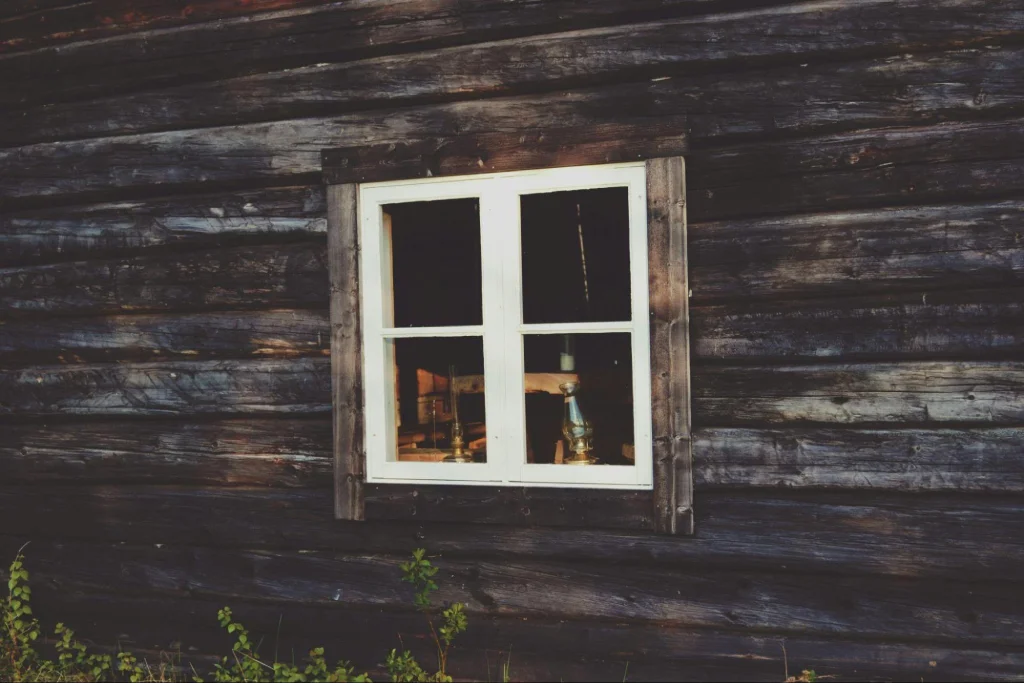
Before you make the choice between cottage and farmhouse windows, have a peep at your home’s existing architecture. Roof pitch, exterior materials, and structural proportions should give you the most valuable direction before you do a window replacement.
A stone cottage, Tudor-inspired residence, or historic renovation best works with traditional divided-lite windows paired with living bronze hardware. Contemporary farmhouses look better with larger panes, simplified trim profiles, and restrained hardware selections.
If your project involves both traditional craftsmanship with modern construction, borrow architectural cues from the home itself instead of following current trends.
Common Cottage Window Design Mistakes
It won’t matter if you have premium windows; they will be out of place if key architectural details are overlooked. We have seen several design decisions mistakes during renovations and new construction projects, but here are the most common ones:
Oversized Modern Frames
Slim muntins and traditional frame proportions define classic cottage architecture. Replacing those elements with oversized contemporary frames changes the entire appearance of the façade by reducing visual detail and disrupting the home’s original scale.
Frame dimensions should correspond with the surrounding architecture, particularly in historic homes or custom cottages inspired by traditional English precedents. Narrower profiles preserve the elegance associated with divided-lite windows and allow architectural detailing to be the focal point.
Mismatched Grille Patterns
Mixing unrelated configurations from one elevation to another produces visual inconsistency that distracts from the architecture. For example, pairing six-over-one windows on the front façade with large picture windows featuring simulated divided lites on the side elevation interrupts the design language.
Window replacements should also respect neighboring dormers, bays, and specialty windows so every elevation is a piece of the same architectural puzzle.
Overlooking Hardware and Exterior Details
Many renovation projects focus almost exclusively on glazing, insulation, and frame materials, leaving hardware as a last-minute decision. That approach overlooks one of the most visible architectural details on the window.
Bronze sash lifts, casement stays, cremone bolts, and traditional fasteners introduce craftsmanship that uplifts the surrounding architecture. Pairing those pieces with matching exterior lighting, entry hardware, shutters, and house numbers creates a unified composition from curb to front entry.
Bringing Your Cottage Window Vision to Life
Beautiful cottage style windows are a product of combining authentic proportions, timeless materials, and handcrafted architectural details. Divided-lite patterns, painted wood frames, living bronze finishes, and traditional hardware each shape the home’s character, creating windows that celebrate craftsmanship in every elevation.
Whether you’re restoring a historic residence or designing a custom home inspired by the English countryside, handcrafted bronze hardware provides the finishing touch that brings authenticity to every window. Rocky Mountain Hardware has the best design ideas and Bronze hardware products crafted to complement homes designed for generations.
Cottage Style Windows FAQs
Are Cottage Style Windows More Expensive?
Cottage style windows can be expensive or affordable, although it depends on the materials, customization, glazing options, and hardware selection in question. Custom wood windows with handcrafted bronze hardware generally cost more than standard vinyl products, though they also deliver greater architectural authenticity, longevity, and craftsmanship.
Can Cottage Style Windows Work On a Modern Home?
Yes, cottage style windows can work on a modern home. Many contemporary homes incorporate cottage-inspired windows to introduce warmth and architectural detail. Divided-lite casements, traditional bronze hardware, and muted exterior finishes soften modern architecture.
What Grille Patterns Are Common on Cottage Windows?
Some of the most recognizable patterns include six-over-one, four-over-one, eight-over-one, diamond grilles, and custom divided-lite arrangements inspired by historic English cottages. The ideal configuration depends on the home’s architectural style and window proportions.
Do Cottage Windows Need Shutters or Window Boxes?
Cottage windows do not necessarily need shutters or window boxes, though both strengthen the traditional cottage aesthetic. Functional wood shutters, flower-filled window boxes, climbing vines, and natural landscaping create additional depth across the façade when proportioned appropriately.
What Hardware Finishes Work Best With Cottage Style Windows?
Living bronze ranks among the most authentic finish selections for cottage architecture because it develops a natural patina through everyday use and environmental exposure. Rich bronze tones also complement painted timber, natural stone, brick, and cedar.