Bathroom Hardware Ideas: Pulls, Fixtures, and Finishes That Define a Space
Bathroom hardware is the determinant of how well the individual design elements can come together to create the perfect space. Cabinet pulls, towel bars, faucets, robe hooks, and finish selections directly impact a bathroom’s visual continuity, usability, and the overall architectural character of the room.
The most successful bathroom hardware ideas cover both durability with visual integration. Since oversized pulls establish structure within a contemporary vanity, handcrafted bronze fixtures come with warmth and depth that fit naturally through use. Even the minutiae details like towel rings or paper holders add a bathroom functionality and how the space connects with surrounding finishes, lighting, and cabinetry.
Peeping through the most sought-after premium kitchen and bath hardware collections, we can see how material quality and craftsmanship brings more than appearance to the table. Hand-cast hardware has the weight, texture, and dimensionality that plated alternatives may never achieve, particularly in bathrooms where moisture, constant movement and contact, and changing light conditions interact with surfaces.
In this guide, we’ll have a look at how bathroom cabinet hardware and fixture ideas, coupled with bathroom hardware finishes define a space.
Bathroom Cabinet Hardware Ideas That Transform a Vanity
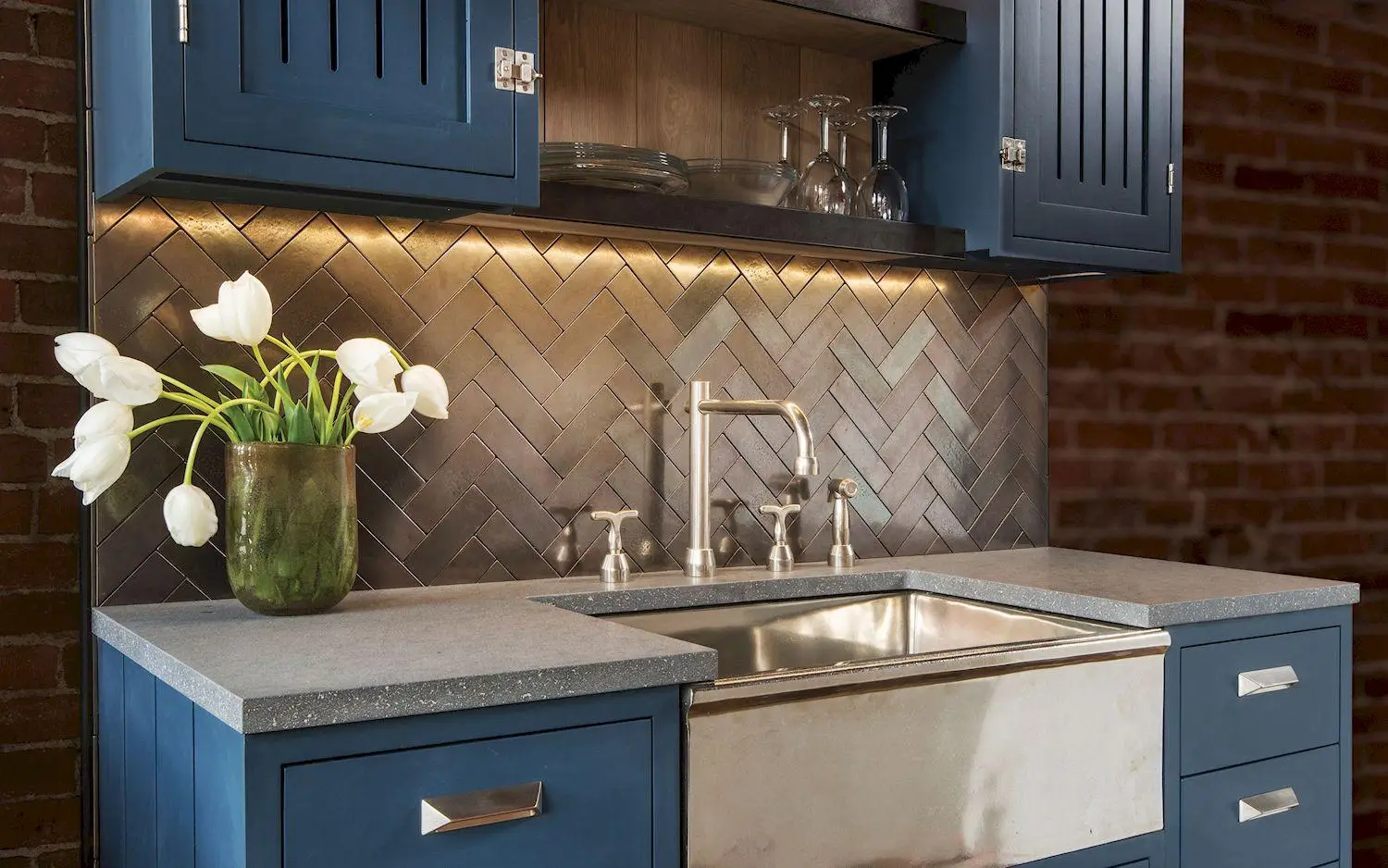
Vanity hardware is one of the strongest visual anchors within a bathroom because cabinetry occupies substantial visual space and interactions. The scale, finish, and form of cabinet hardware affect how the vanity integrates with mirrors, countertops, faucets, and lighting fixtures. Thoughtfully selected bathroom cabinet hardware ideas create cohesion with the intended architectural direction of the space as explained below:
Oversized Cabinet Pulls for Modern Vanities
Oversized cabinet pulls introduce structure and visual rhythm that complement large-format vanities and expansive drawer fronts. Contemporary bathrooms depend on clean geometry and uninterrupted surfaces, which means elongated pulls are particularly effective for reinforcing horizontal lines and balanced proportions.
Long cabinet pulls also improve functionality because they provide a more substantial grip while distributing visual weight evenly across larger cabinetry.
Bronze oversized pulls add depth that softens modern bathrooms without disrupting their restrained appearance. Hand-cast textures and living finishes define the subtle tonal variation that prevents minimalist spaces from feeling overly sterile or flat under artificial lighting.
Mixing Knobs and Pulls for Visual Interest
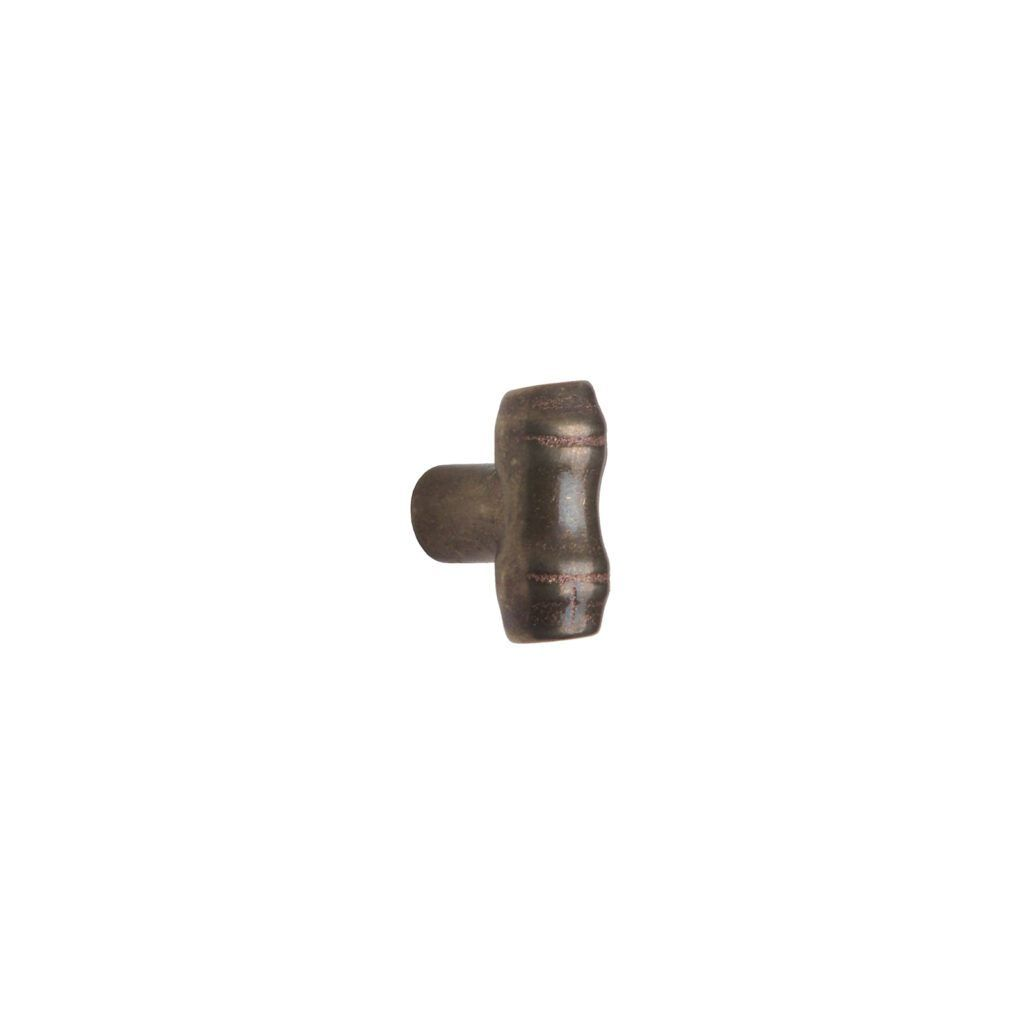
Combining knobs and pulls introduces variation that helps break visual repetition across larger vanity configurations. Many bathroom cabinet pulls and knobs ideas lean more towards strategic placement than randomness. Pulls typically suit drawers because they support horizontal movement naturally, while knobs create a more compact and tailored appearance for cabinet doors.

Consistency is important when mixing hardware types. Shared bronze tones, complementary silhouettes, or repeated handcrafted detailing help in the arrangement and architectural continuity throughout the bathroom.
Minimalist Cabinet Hardware for Sleek Bathrooms
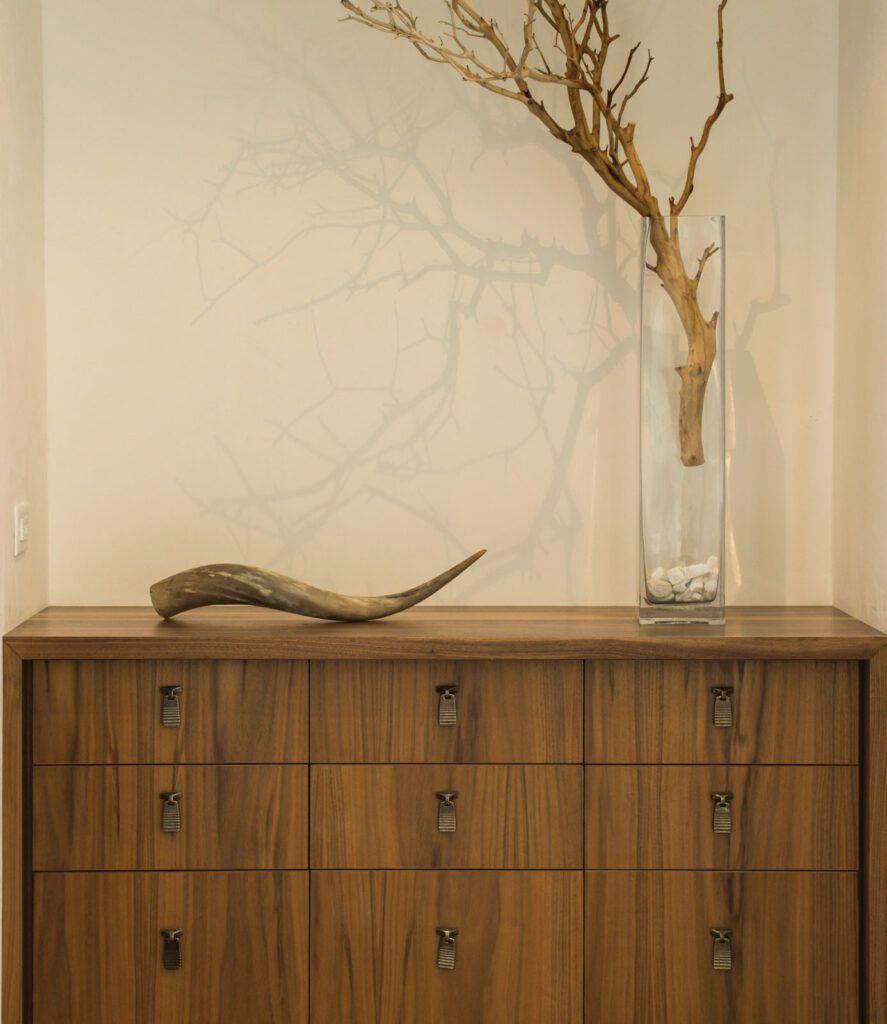
Minimalist bathroom cabinet hardware ideas are characterized by restraint, proportion, and clean integration with surrounding surfaces. Slim edge pulls, recessed hardware, and understated linear forms contribute to bathrooms where cabinetry and materiality is the primary visual focus.
A minimalist’s hardware ideas are successful when proportions are in tandem with vanity dimensions. Hardware that is too small can feel visually disconnected, while oversized minimalist forms may overpower refined cabinetry. Balanced scaling allows the hardware to support the design quietly without disappearing entirely.
Bathroom accessories look much better alongside natural stone, integrated sinks, or frameless mirrors. They benefit particularly from restrained hardware selections because the simplified detailing allows textures and material transitions to be visually uninterrupted.
Vintage-Inspired Pulls and Knobs With Character
Vintage-inspired hardware introduces depth and familiarity through rounded forms, aged finishes, and decorative detailing rooted in traditional craftsmanship. These bathroom cabinet pulls and knobs ideas work especially well in transitional bathrooms where classic architecture meets updated fixtures and finishes.
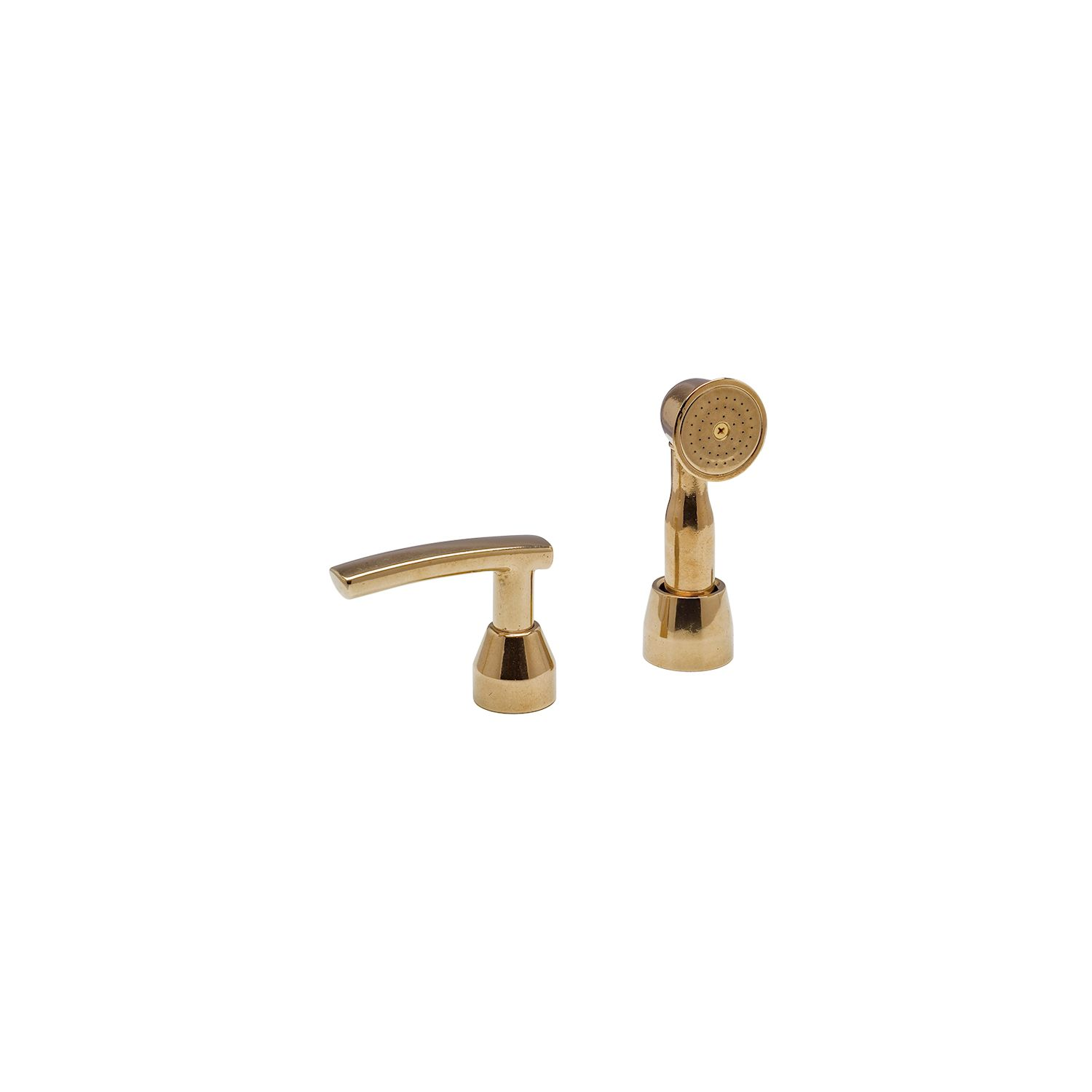
A deck hand shower with unlacquered bronze finishing enhances vintage-inspired hardware because the surface develops the tonal variation that exudes authenticity. Subtle patina has the sense of permanence and material richness that mass-produced hardware simply cannot deliver.
Statement Hardware for Double Vanities
Double vanities need conscientious hardware planning because without thoughtful variation in scale and spacing, the space will not be visually appealing. Statement hardware introduces focal points that help organize larger cabinetry layouts while reinforcing symmetry.
Long pulls, sculptural forms, or textured bronze surfaces create visual structure that complements expansive vanity installations. Bathrooms with double sinks have hardware that carries enough visual weight to balance out the larger mirrors, wider countertops, and substantial lighting fixtures.
Sculptural Hardware With Handmade Detail
Sculptural hardware transforms cabinetry into a more tactile architectural feature by introducing dimensional surfaces, handcrafted irregularities, and artistic detailing. Handmade bronze pulls and knobs develop subtle variations through the casting process, giving each piece a slightly individualized appearance.
This level of craftsmanship introduces authenticity and texture that factory-produced hardware rarely replicates successfully. Moreover, sculptural forms are the perfect fit for bathrooms designed with restrained palettes because the hardware itself contributes visual complexity through shadow, depth, and changing surface character under different lighting conditions.
Bathroom Fixture Ideas That Complete the Look
Bathroom fixtures establish the continuity between the vanity, surrounding architecture, and the smaller functional details used every day. Faucets, towel bars, hooks, and paper holders may seem like negligible accessories, but they reinforce the bathroom’s material palette and overall design direction.
The strongest bathroom fixtures ideas are those that are integrated into the room as part of the design, not added afterward as isolated accessories. Coordinated bronze hardware, for example, progresses the cabinetry, lighting, mirrors, and plumbing fixtures. Here are other bathroom fixture ideas that will complete the space’s overall look:
Faucets That Anchor the Vanity

The faucet is arguably one of the most visually dominant fixtures within a bathroom because it’s the most interacted with.
Arched faucets have the softness that complements transitional and traditional bathrooms, while geometric forms reinforce cleaner contemporary spaces. The most successful bathroom fixtures ideas proportionally balance faucet height, sink dimensions, and vanity scale to prevent the fixture from looking disconnected or oversized.
When selecting faucets, such as the Lavatory Deck Mount Faucet, material quality is just as important as the visual appearance. Solid bronze faucets develop character through natural aging and repeated contact, allowing the finish to evolve gradually. Thoughtfully coordinated fixtures also pair naturally with surrounding accessories and cabinet hardware, complementing the room’s visual continuity.
Towel Bars, Rings, and Hooks That Feel Integrated
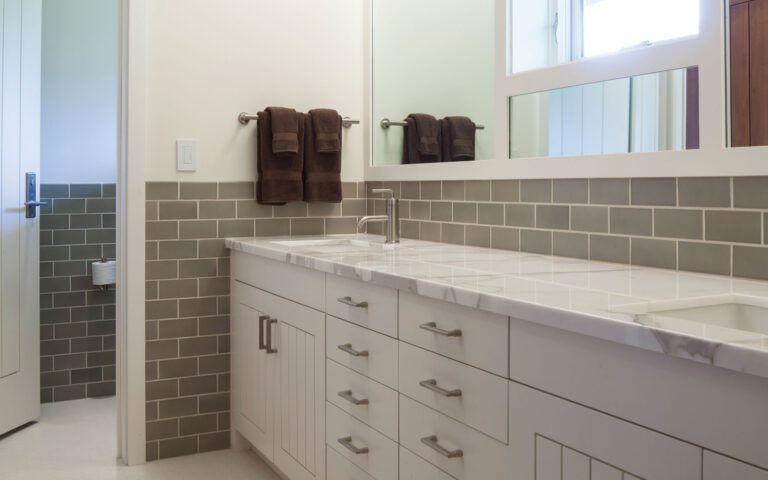
Accessories such as towel bars, rings, and hooks are architecturally more important than their size might seem; repeated metal accents throughout the bathroom unify the space visually and support practical daily use.
Integrated accessories maintain continuity when their finishes and proportions align with nearby fixtures and cabinetry hardware. Coordinated bronze pieces create a layered appearance that feels more purposeful.
In bathrooms with minimalist detailing, even a simple towel bar is enough to improve clean lines and spatial rhythm. The right selection of bathroom hooks and towel bars also improve functionality by distributing storage naturally throughout the room and reducing visual clutter.
Paper Holders and Small Fixtures With Intentional Detail
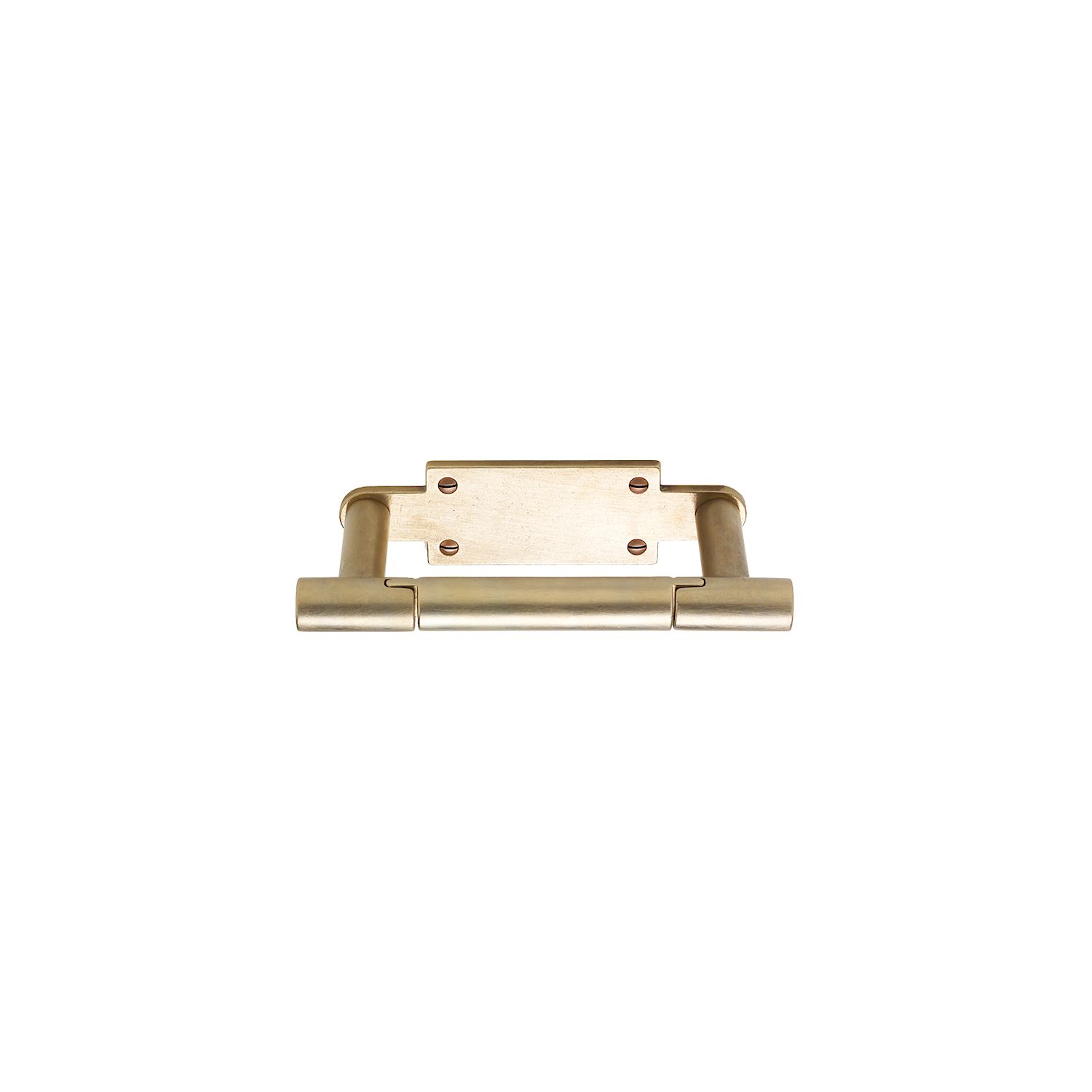
Smaller fixtures within a bathroom’s design may appear repeatedly within close visual range, which is why choosing the right ones is imperative. Robe hooks, drawer pulls, and smaller accessories improve the room overall finish palette and consistency.
Handcrafted solid bronze fixtures like paper holders have the tactile depth that improves even utilitarian details. Slight tonal variation, hand-finished textures, and sculptural forms add the noticeable range in bathrooms with restrained material palettes and simplified cabinetry.
Fixture Styles for Modern, Rustic, and Transitional Bathrooms
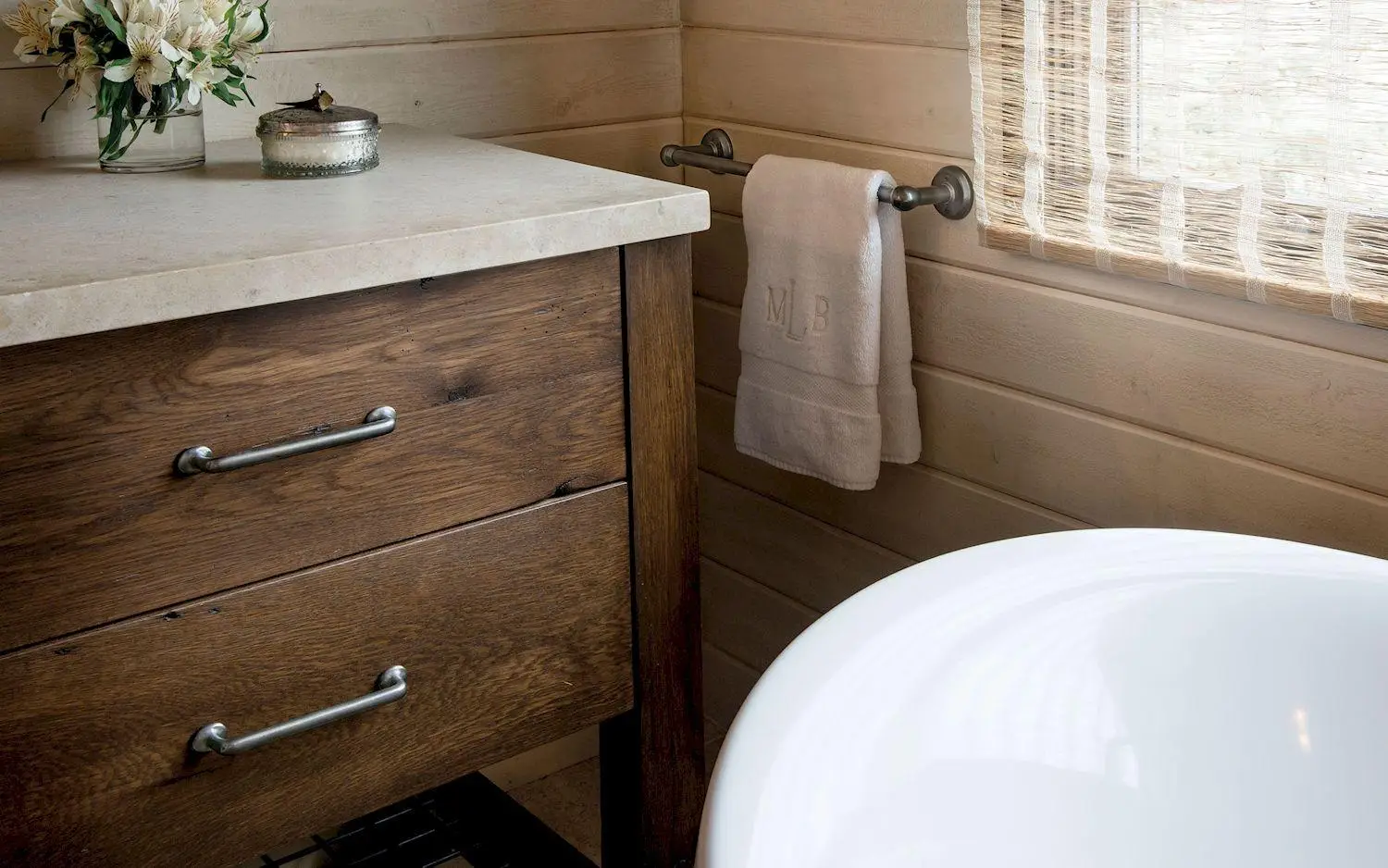
Modern bathrooms typically have streamlined forms, restrained ornamentation, and simplified geometry with minimal visual interruption.Rustic bathrooms get their soothing look from textured surfaces and aged bronze finishes; these elements complement natural stone, exposed wood, and layered material palettes.
The best bathroom fixtures ideas are less strict on style categories and more on maintaining proportional consistency and finish coordination throughout the room.
Finishes That Change the Mood of a Bathroom
Finish selection affects how light moves throughout the bathroom, how textures are perceived, and how different architectural elements interact visually. Bathroom hardware finishes are significant to the room’s atmosphere because metal surfaces appear repeatedly in faucets, cabinet hardware, lighting, mirrors, and accessories.
Bronze, matte black, polished nickel, and mixed-metal combinations each introduce different levels of contrast, warmth, and visual softness depending on the surrounding palette.
Using Matte Black for Bold Contrast
Matte black hardware’s sharp visual definition works particularly well in bathrooms with lighter cabinetry, natural stone, or minimalist detailing. The finish creates strong contrast with a reflective glare-free appearance.
Black fixtures’ darker finish visually outlines cabinet edges, mirrors, and plumbing fixtures, which suits contemporary bathrooms. Pairing black hardware with softer materials such as wood vanities or textured stone prevents the bathroom from feeling overly stark or visually rigid.
The Warmth of Brushed Bronze Fixtures
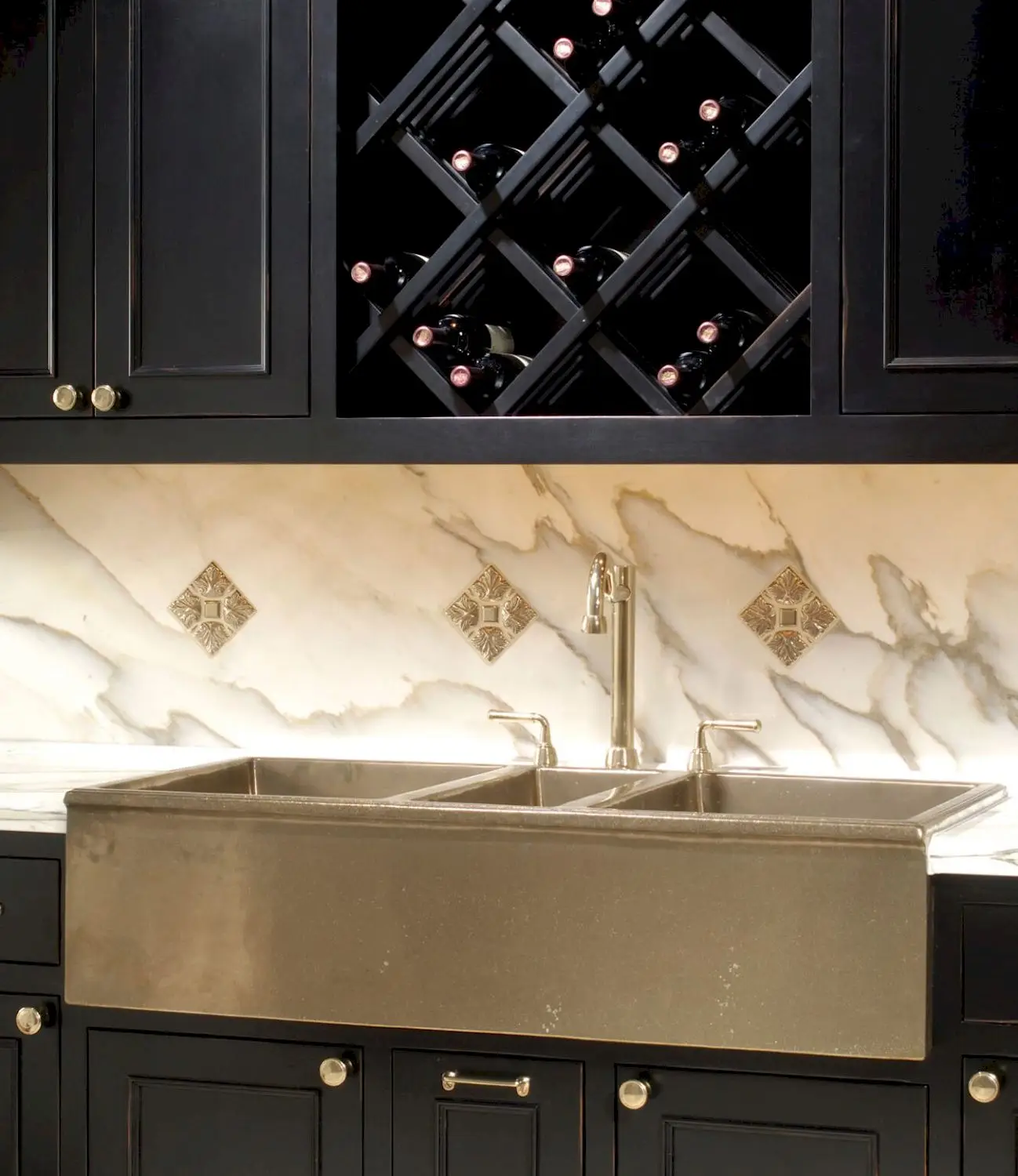
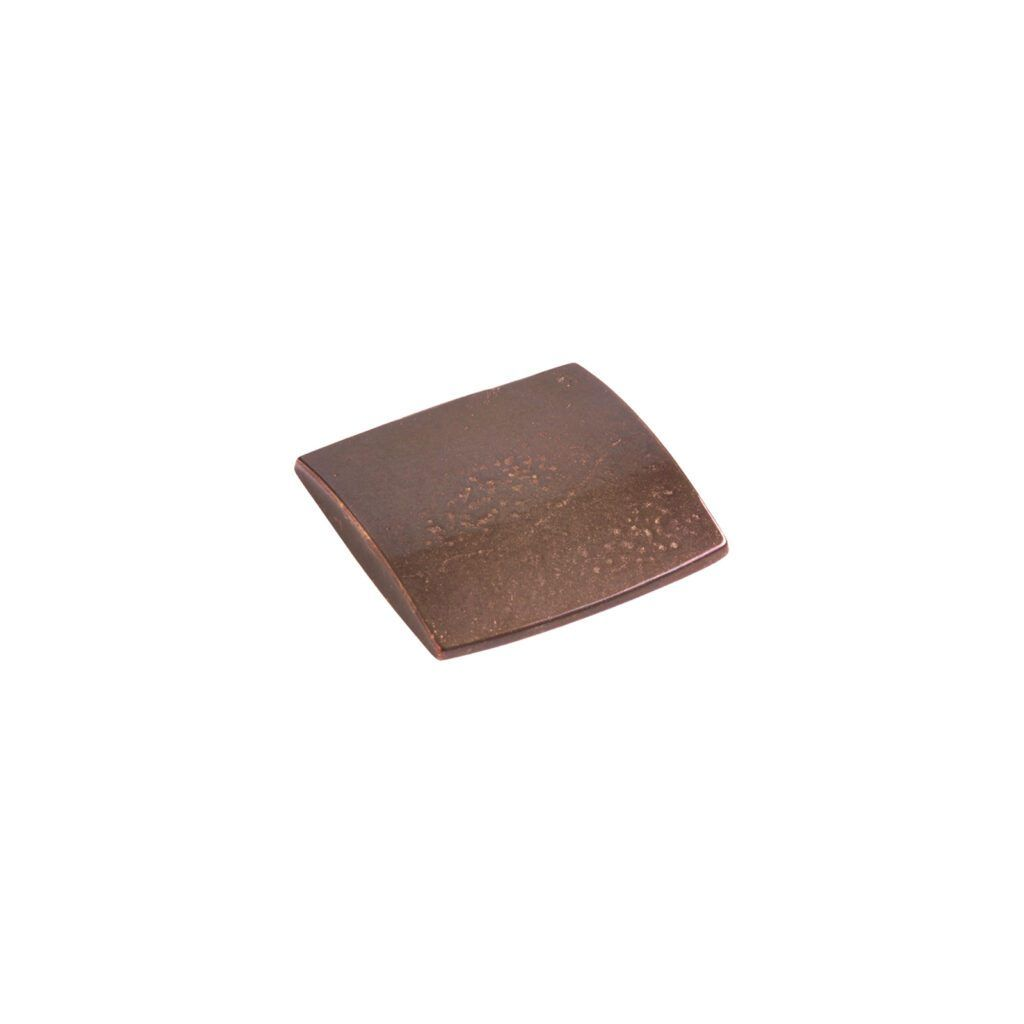
Brushed bronze introduces warmth that softens bathrooms while adding depth through subtle tonal variation. Unlike highly reflective finishes, brushed bronze absorbs and diffuses light more gently, creating a layered appearance that evolves throughout the day.
Bronze also develops character through natural aging, creating variation through use and environmental exposure. The hardware will have a more organic and individualized appearance over time, so homeowners should look through different bathroom hardware finish options.
Polished Nickel for Soft Elegance
Polished nickel is a much softer alternative to chrome; it reflects light with greater warmth and depth. The finish is best suited for bathrooms with marble surfaces, transitional cabinetry, or layered neutral palettes.
Nickel fixtures also come with a subtle reflectivity that helps brighten smaller bathrooms without the sharper visual contrast associated with chrome or matte black finishes. This quality of hardware finishes allows polished nickel to integrate naturally into both traditional and modern interiors.
Bathrooms with softer metallic finishes like nickel bronze are best paired with coordinated lighting, because warm illumination enhances nickel’s reflective depth while preserving its tonal consistency with the surrounding.
Mixed Metal Bathroom Hardware Ideas
Mixed metal bathroom hardware ideas, including complementary finishes like bronze paired with matte black or polished nickel, can create a curated layered contrast through undertones and repeated accents. One finish generally serves as the dominant material, while secondary finishes appear selectively through mirrors, lighting fixtures, faucets, or cabinet hardware.
Hardware Ideas for Powder Rooms and Guest Bathrooms
Powder rooms and guest bathrooms are the best opportunity to use more expressive bathroom hardware ideas because the spaces should look differently from primary bathrooms. Smaller footprints mean the hardware, finishes, and fixtures stand out more prominently, so every design element carries weight in how the room looks and feels.
Statement Hardware in Smaller Spaces
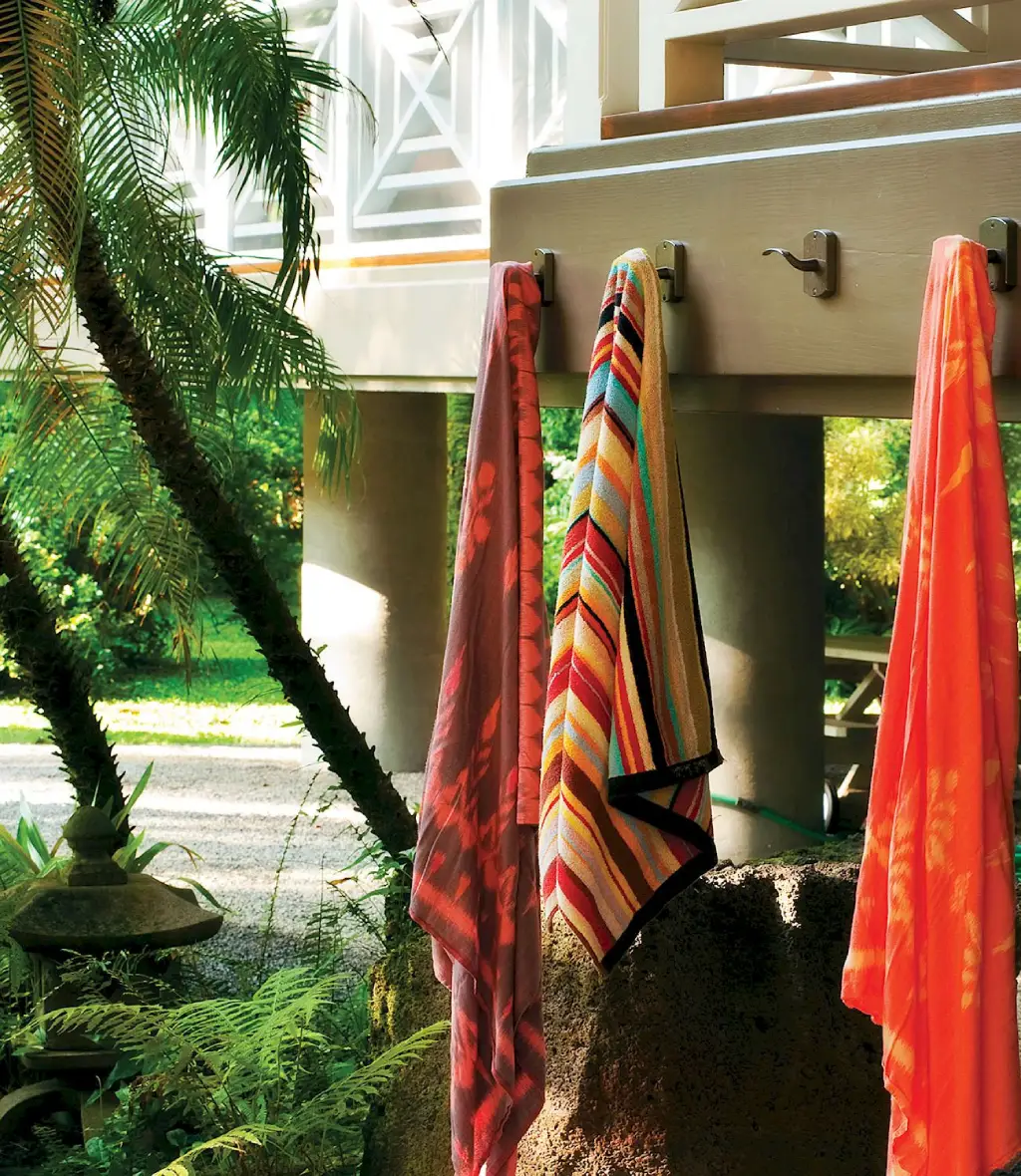
Statement hardware determines a bathroom’s personality and architectural presence. In compact bathrooms, even a single oversized pull, a Whale Tail Robe Hook, or sculptural faucet is a visual focal point that defines the room.
Powder room hardware must have artisanal detailing; these spaces consist of concentrated sightlines and fewer competing design elements. Hand-cast bronze pulls, geometric knobs, and sculptural towel rings can also add sophistication to the grounding of lighter stone surfaces or floating cabinetry.
Finishes That Add Warmth and Depth
Finish selection is important in smaller bathrooms because reflective surfaces, lighting conditions, and tighter layouts amplify the visual interaction of materials. Warm finishes such as brushed bronze help soften compact spaces and prevent the room from feeling sterile.
Bathrooms with limited natural light require finishes with tonal variation such as bronze and aged metallic surfaces, which create depth through subtle texture and changing undertones. Living bronze surfaces develop variation through touch and environmental exposure.
Compact Fixtures With a Custom Feel
Smaller bathrooms require fixtures that balance proportion while still contributing visual impact. Compact hardware should never feel undersized or generic because limited square footage makes every detail more noticeable.
Custom-feeling fixtures rely on thoughtful proportions, coordinated finishes, and material integrity rather than excessive ornamentation. A refined paper holder, slim towel bar, or tailored cabinet pull can elevate the room significantly when the hardware feels cohesive with the vanity, lighting, and surrounding architectural elements.
Bathrooms designed with compact yet substantial fixtures also maintain stronger visual clarity because the hardware reinforces intentional spacing and balanced composition rather than introducing unnecessary visual clutter.
How to Match Bathroom Hardware
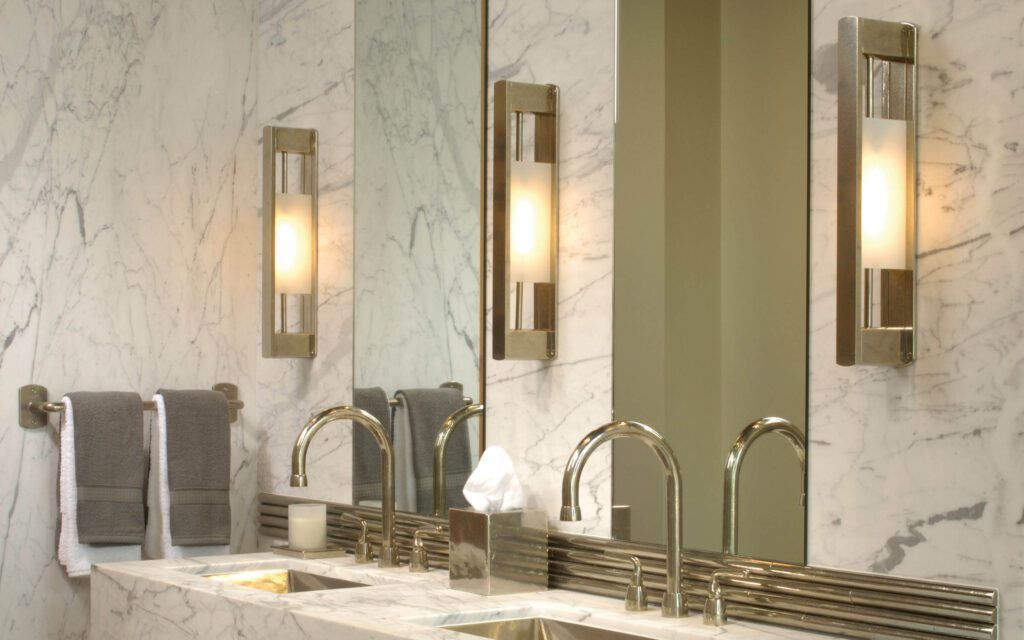
Matching bathroom hardware involves more than selecting identical finishes for every fixture within the room. Successful coordination depends on proportion, tonal consistency, material compatibility, and how each fixture contributes to the broader architectural language of the space.
The strongest bathroom hardware ideas create relationships between cabinetry, faucets, lighting, mirrors, and accessories, as discussed below:
What Hardware Should Match in a Bathroom?
Bathrooms are well put together when cabinet hardware, faucets, shower fixtures, and accessory finishes share a related material language. You don’t necessarily need to exactly match everything, but using similar undertones and finishing families preserves the space’s continuity.
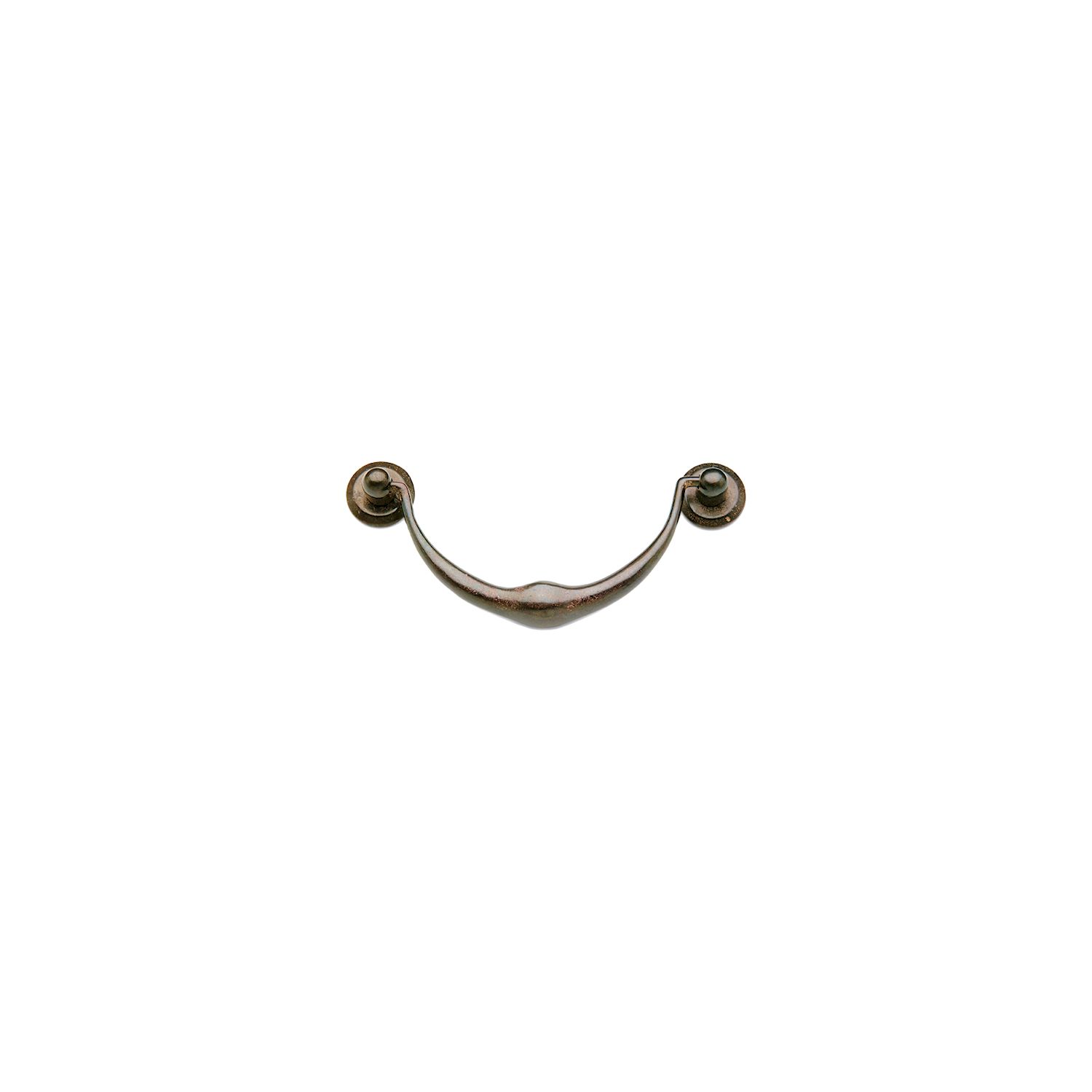
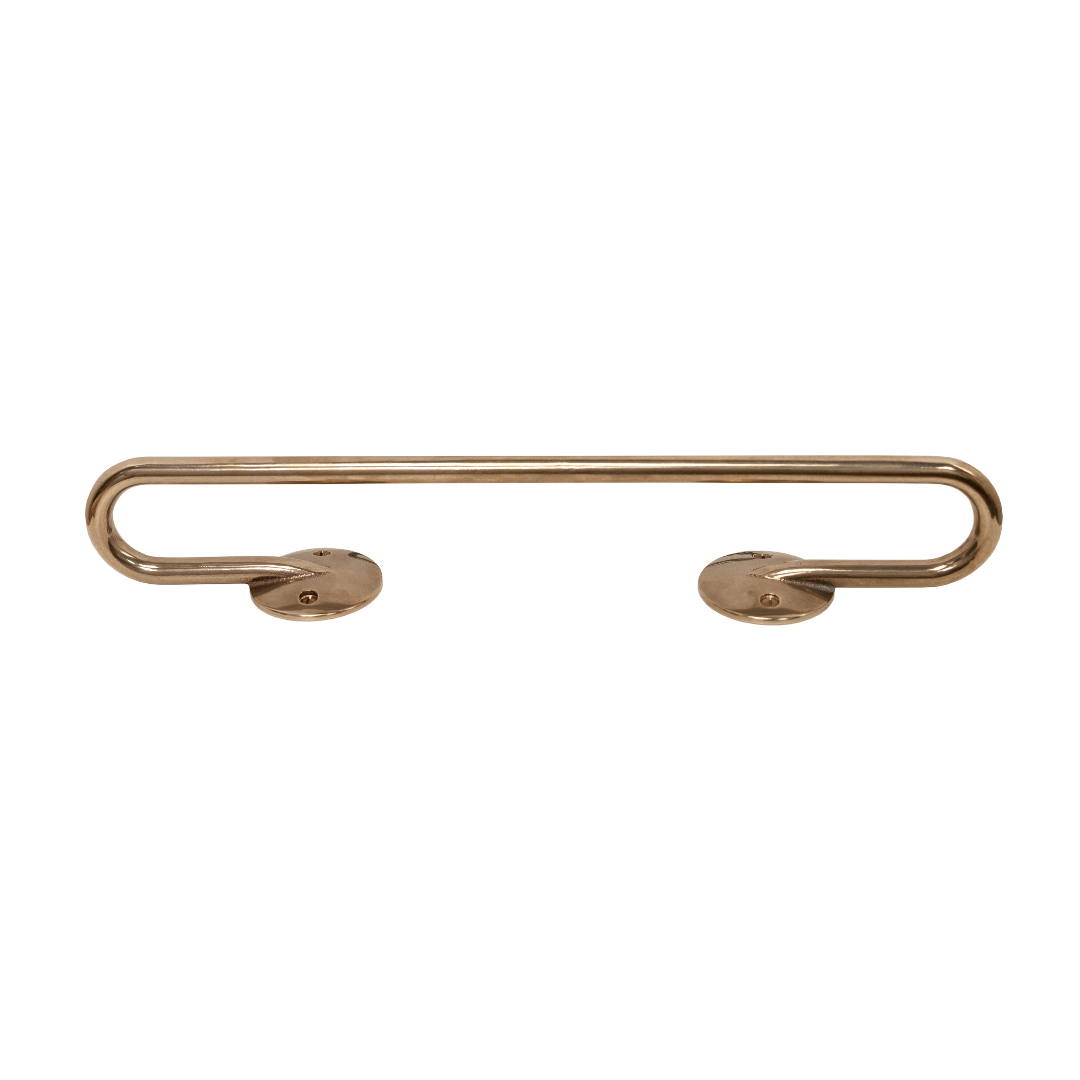
Repeating one dominant finish throughout the bathroom establishes structure, while secondary accents can introduce contrast and variation selectively. For example, Cabinet pulls like the Drop Cabinet Pull ck380 paired with matching towel bars such as the Cirque Towel Bar, have a unified appearance but a different metal detail.
Coordinating Faucets, Lighting, and Cabinet Hardware
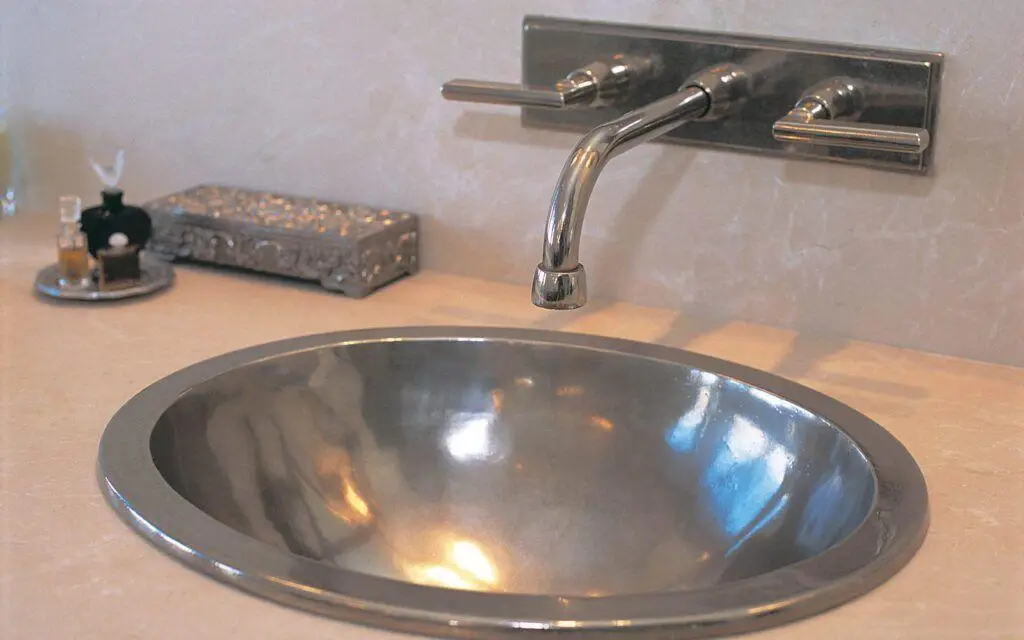
Lighting fixtures and plumbing hardware should feel connected through scale, finish tone, and overall design direction. Bathrooms with competing metal surfaces feel fragmented, regardless of the quality of individual fixtures.
Warm metallic finishes pair naturally with softer lighting temperatures because the illumination adds to the room’s tonal range. Cabinet hardware should also relate proportionally to nearby sconces, mirrors, and faucets so the room feels balanced rather than unevenly weighted.
Choosing Hardware for Different Vanity Colors
Vanity color significantly influences how bathroom hardware finishes appear under varying lighting conditions. Dark cabinetry allows lighter or warmer metals to stand out more prominently, while lighter vanities create opportunities for stronger contrast through matte black or aged bronze finishes.
Natural wood vanities generally pair well with textured metals because both materials emphasize depth and organic variation. Countertops, mirrors, flooring, and wall tile should support the hardware visually, not competing with it through conflicting undertones or excessive contrast.
Style Matching Checklist
Bathrooms feel more refined when hardware selections follow a consistent visual framework. Before finalizing hardware choices, you should look for the following parameters:
- Steady undertones in faucets, cabinet hardware, and accessories.
- Matching hardware scale to vanity size and drawer proportions.
- Repeat finishes intentionally throughout the room instead of clustering them in isolated areas.
- Couple decorative hardware with the architectural complexity of the bathroom.
- Coordinate lighting fixtures with plumbing and cabinetry finishes.
Common Bathroom Hardware Mistakes to Avoid
With the wrong hardware selections, even well-designed bathrooms can become the worst spaces. Since hardware appears repeatedly throughout the space, inconsistencies will be highly noticeable once installations are complete.
Using Too Many Finishes
Introducing too many finishes is the easiest way to create visual fragmentations that disrupt the tonal depth of the bathroom. When bronze, chrome, black, brass, and nickel all compete simultaneously, the space will look visually unsettled.
Bathrooms are better off with one dominant finish supported by a secondary accent used sparingly. Repetition creates rhythm and consistency, and limiting the palette supports bathroom hardware material quality because the eye focuses on texture and proportion.
Choosing Style Over Function
Bathroom hardware should satisfy two criterias; comfortable daily use and the overall architectural character. Visually striking fixtures may be pleasing to the eye, but without usability, the room is an inconvenience.
Uncomfortable to grip cabinet pulls, towel bars placed awkwardly within the layout, or oversized fixtures that interfere with circulation will cause frustration during everyday use. Bathrooms function best when its hardware selection integrates naturally into movement patterns and spatial requirements.
Ignoring Scale and Proportion
Scale is one of the most overlooked aspects of bathroom hardware selection. Fixtures that appear too small can feel visually disconnected from larger vanities and mirrors, while oversized hardware may overwhelm compact cabinetry or restrained architectural detailing.
Balanced proportions help unify the bathroom visually because hardware reinforces the room’s overall geometry and spatial rhythm. Double vanities, tall mirrors, and expansive drawer fronts generally require more substantial hardware for visual stability.
What Sets Handcrafted Bronze Hardware Apart
Bathrooms experience constant exposure to moisture, touch, temperature variation, and changing light conditions, so material integrity determines their long-term appearance and functionality. Bathroom hardware ideas that include handcrafted bronze are meant for permanence, but the material has other benefits that we will cover in this section.
Living Bronze Finishes That Develop Character
Living bronze finishes have a tonal variation that show how frequently the space is used and what parts have the most interactions. Areas of repeated contact naturally darken or polish over time. According to our bathroom hardware finish guide, coated finishes chip or fade unevenly, while living bronze changes organically across the surface.
This gradual evolution seamlessly integrates the bathroom hardware finishes into the architecture. Moreover, bronze is best for luxury bathrooms because it preserves the warmth and dimensionality of the space.
Why Solid Bronze Ages Beautifully
Solid bronze keeps its structural consistency because the material extends through the entire fixture, which improves its durability. The material can last for more than three decades in wet environments because they resist corrosion, moisture exposure, and internal deterioration more effectively than many plated or lower-grade alternatives.
Bathrooms with natural stone, wood cabinetry, or layered textures are the perfect fit for solid bronze because it has visual softness and tonal complexity. Bronze faucets and cabinet hardware also interact differently with light throughout the day, creating subtle variation in surfaces.
Artisan-Crafted Hardware as a Design Detail
Artisan-crafted hardware’s individuality and subtle irregularities are created during the hand-casting and finishing process. These small variations contribute texture and authenticity, as each piece retains evidence of its fabrication.
Sculptural cabinet pulls, textured towel rings, and cast bronze faucets contribute to a bathroom’s dimensionality through shadow, depth, and tactile variation. Through artisan craftsmanship, the hardware becomes part of the architectural composition itself, reinforcing the room’s material richness and overall visual flow.
Made-to-Order Finishes and Custom Configurations
Luxury bathroom trends such as tailored proportions have cabinetry, mirrors, and lighting chosen specifically for the space. Made-to-order bronze finishes create stronger continuity because undertones and surface textures can coordinate more naturally with faucets, cabinet hardware, hooks, accessories, and even the bathroom door.
This level of customization helps prevent the visual inconsistency that may happen when fixtures are sourced from unrelated collections.
Bringing Bathroom Hardware Ideas Together
The most effective bathroom hardware ideas are mindful of proportion, material integrity, and finish coordination to create spaces that are visually appealing and function in the right way . Throughout the bathroom, cabinet pulls, faucets, towel bars, hooks, and smaller accessories all contribute to how comfortable the room is and how the architecture ages.
Successful bathroom cabinet hardware ideas are also consistent; repeated undertones, balanced fixture proportions, and coordinated bathroom hardware finishes help unify cabinetry, lighting, mirrors, sinks, and surrounding materials.
When selecting bathroom fixtures ideas, choose durable materials since moisture exposure and constant use demand long-term performance. Bathrooms with handcrafted bronze hardware ultimately have greater depth, visual continuity, and lasting character because the materials develop naturally over time.
Frequently Asked Questions About Bathroom Hardware Ideas
What Bathroom Hardware Is Trending Right Now?
Living bronze finishes, sculptural hardware forms, and integrated accessories continue gaining attention because they are functional and fit perfectly with the room’s architectural character.
What Is the Best Hardware for Bathrooms?
The best bathroom hardware balances durability, moisture resistance, proportional design, and material integrity. Solid bronze hardware is a good choice because it resists surface deterioration and coordinates visually with surrounding cabinetry, lighting, mirrors, and plumbing fixtures.
Should Bathroom Hardware Match Exactly?
Bathroom hardware does not need to match perfectly. Many successful bathroom designs have one finish that generally works best as the dominant material, while secondary finishes introduce controlled contrast through lighting fixtures, mirrors, or accent hardware.
How Do You Mix Metals in a Bathroom?
Mixed metal bathroom hardware ideas work best when the finishes share compatible undertones and appear intentionally throughout the room. Balancing warmer and cooler tones carefully helps preserve harmony between cabinetry, fixtures, and surrounding materials.
