The colonial revival interior design is an interesting reinterpretation of early American architecture with a more refined lens. The style emphasizes symmetry, craftsmanship, and durable materials, such as bronze door hardware, rather than excessive ornamentation and changing trends.
The design gained popularity by adapting historic influences to modern living needs. Its structured layouts, layered millwork, elegant bronze hardware, and balanced proportions create spaces that feel orderly without appearing rigid or formal.
Colonial revival remains relevant because of its versatility. It can preserve historic authenticity or be simplified for contemporary homes. This guide explores the style’s defining characteristics, room-by-room applications, architectural details, and the materials and hardware that help create its trademark cohesion and flow.
What Is Colonial Revival Interior Design?
Colonial revival interior design is an architectural and decorative style that emulates early American colonial homes with greater refinement and modern functionality. It prioritizes symmetry, proportion, traditional materials like bronze and copper, and craftsman interior design hardware details.
The style emerged between the 1880s and 1950s as Americans renewed interest in historical architecture. Rather than replicating original colonial interiors exactly, colonial revival adapts historical elements to suit evolving lifestyles while preserving their sense of order and permanence.
Characteristics of Colonial Revival Interior Design Characteristics
Colonial revival interiors rely on balanced architecture, traditional craftsmanship, and restrained decorative details that create timeless, structured spaces. Think bronze hardware, such as the Acanthus Lever and Door Knob.
Symmetry, Balance, and Proportion
Symmetry is the foundation of colonial revival interiors. Doors, windows, furniture, and architectural elements are arranged around central axes to create visual order. This balanced approach gives your rooms a calm and intentional appearance.
Proportion is equally important, and furniture sizes, ceiling moldings, decorative elements, and hardware should be scaled appropriately to the room to avoid competing for attention. Even when incorporating modern updates, maintain a balanced relationship between architectural features to preserve the style’s defining sense of structure and cohesion.
Refined Millwork and Molding
Colonial revival homes use millwork to define transitions between walls, ceilings, and openings. Crown molding, chair rails, wainscoting, and substantial door casings and hardware, such as the Arched Patio Sliding Door Set, introduce depth without excessive decoration.
Profiles tend to be elegant with layered trim, paneled walls, and carefully proportioned moldings reinforcing architectural hierarchy throughout the home. Consistency is key, as repeated details through hardware and finish options establish continuity between rooms and strengthen the overall design language.
Fireplaces, Mantels, and Focal Points
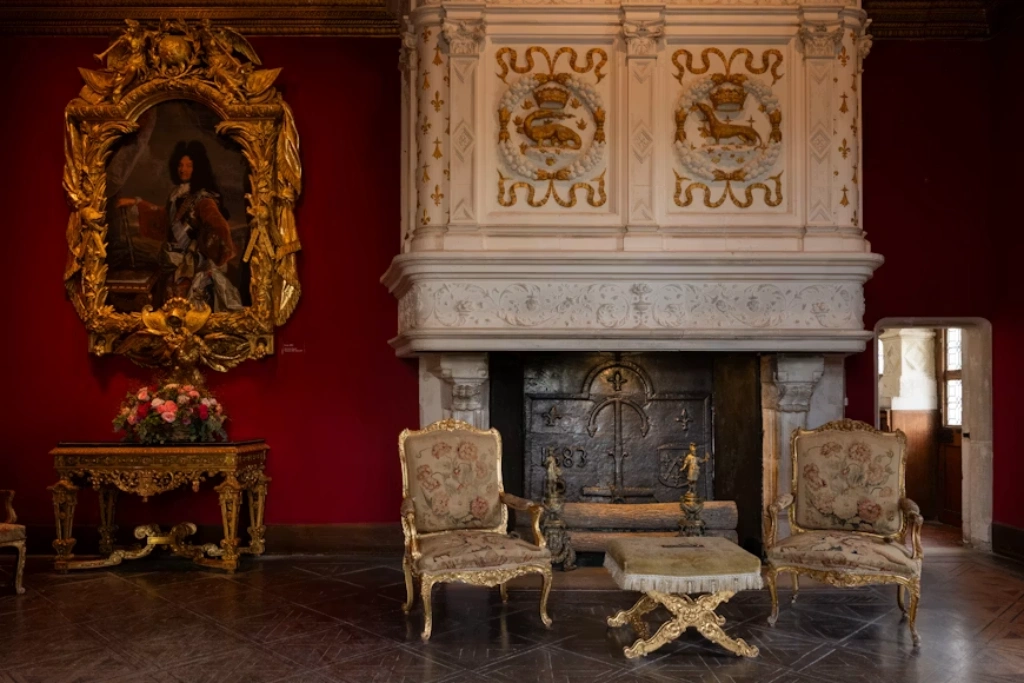
Fireplaces often serve as the primary focal point in colonial revival interiors. Mantels also offer symmetrical and substantial features with restrained detailing that adds to the room’s architectural framework.
Focal points can include staircases, large windows, or built-in cabinetry with luxe bronze hardware, such as Bamboo Cabinet Knobs. These features anchor the room and guide furniture placement. Decorative elements further support these architectural features, maintaining a sense of order that defines the mixed classic-contemporary style.
Traditional Materials and Refined Finish Palettes
A typical colonial revival characteristics checklist includes:
- Symmetrical room layouts
- Layered millwork and moldings
- Paneled doors and traditional casings
- Natural wood flooring
- Brick or stone fireplaces
- Muted, heritage-inspired colors
- Brass or bronze hardware
- Balanced furniture arrangements
- Traditional textiles
- Architectural focal points
Colonial Revival vs Colonial Style Interiors
| COLONIAL STYLE | COLONIAL REVIVAL STYLE |
| Built during the Colonial period | Reinterprets Colonial architecture later |
| Prioritizes necessity and function | Adds refinement and decorative detail |
| Simple millwork | More elaborate trim and moldings |
| Limited room flexibility | Adapted for modern lifestyles |
| Historical construction methods | Updated materials and systems |
| Strict historical accuracy | Blends tradition with contemporary living |
Colonial Revival Room-by-Room Ideas
Each room in a colonial revival house should reinforce symmetry, material consistency, and architectural structure while adapting to contemporary lifestyles.
Entryway and Staircase
Entryways establish the home’s architectural language immediately. In a historic colonial revival interior, centered layouts, paneled walls, and substantial staircases create a sense of arrival while reinforcing symmetry.
Stair railings often feature traditional balusters and handrails, while lighting fixtures remain understated. Console tables, mirrors, and runners provide function without cluttering circulation paths. Elegant bronze hardware, such as Fleur De Lis Entry Set, also helps usher you into the room in style, initiating the visual flow. The goal is to create an organized transition into the home.
Modern Colonial Living Room
Modern colonial living rooms preserve architectural details but go for simpler furnishings. Furniture arrangements often center around a fireplace, creating a balanced composition that encourages conversation.
Contemporary upholstery may be used to create contrast; simplified lighting and layered textures also help update the space. Rather than filling every surface, decorative pieces are selected carefully to maintain openness while preserving the home’s traditional character.
Kitchen and Dining Room
In a modern colonial revival interior design, the kitchen balances historical references with modern functionality. Shaker-style cabinetry, natural stone surfaces, and substantial islands create a practical foundation for classic meal prep and hangout.
Dining rooms often incorporate traditional tables, symmetrical lighting, and built-in storage. Materials remain warm and restrained, allowing craftsmanship and proportion to become the dominant design elements rather than decorative excess. Bronze hardware such as the Brut Cabinet Pull, are used to enliven the cabinetry and create a unified appearance.
Bedroom and Bathroom
| ROOM | IDEAS |
| Bedroom Foundations | Paneled headboards, layered bedding, traditional nightstands |
| Primary Bedroom | Marble surface, framed mirrors, bronze handles, knows, and lighting fixtures |
| Guest Bedroom | Simple furnishings, heritage textiles, muted colors |
| Powder Room | Wallpaper accents, classic sconces, and refined bronze hardware |
| Bathroom | Built-in shelving, symmetrical layouts, bronze sinks, lavatories, and hardware |
Colonial Revival Style in a Modern Home
Modern interpretations simplify traditional details while holding on to the symmetry, craftsmanship, and architectural structure that define the style.
How to Modernize the Look
Modernizing colonial revival interiors involves reducing visual heaviness without eliminating defining architectural elements. The idea is to preserve original moldings, trim profiles, and room symmetry while simplifying furniture selections and decorative accessories. Start by introducing cleaner silhouettes with fewer decorative layers and updated lighting fixtures.
Use neutral palettes to help freshen traditional spaces and classic Victorian interior design without making them feel historically rigid. Aim to create a lighter environment that respects the original architecture while supporting contemporary living patterns and your everyday functionality. Maintain aging hardware through the use of bronze and brass instead of stainless steel or chrome. You can opt for white, silver, or silicone bronze, such as Crown Cabinet Knob or Crosshatch Cabinet Pull, to maintain a light palette.
Mixing Antiques With Contemporary Pieces
Combining antiques with contemporary furnishings prevents colonial revival interiors from feeling like period reproductions. Antique pieces provide historical context, while modern furniture introduces sleek simplicity and practicality.
The trick is to maintain balance. Pair one or two heritage pieces with streamlined upholstery, contemporary lighting, or simplified tables. Avoid overcrowding spaces with collectibles. Instead, allow each item to contribute individually to the room’s composition while maintaining visual harmony between old and new. Use matching door and cabinet hardware to unify spaces.
Choosing Modern Updates That Still Feel Classic
Modern colonial revival interior design requires updates that complement the home’s architectural framework rather than compete with it. Built-in storage, updated fixtures, and energy-efficient systems can be integrated without altering the character of the space. Choose materials with timeless qualities. Natural stone, wood, bronze, and linen adapt well to both traditional and contemporary applications.
Avoid trend-driven finishes that may quickly feel outdated. Consistent materials help preserve continuity throughout the home while allowing for subtle modernization. Bronze is particularly efficient due to its natural aging patina that creates a lived-in feel over time without deteriorating.
Colonial Revival Furnishings and Decor
Choose your furniture, textiles, and decorative layers carefully to reinforce balance and support the design’s architectural structure and material palette.
Traditional Furniture Silhouettes
Historic colonial revival interior design emphasizes traditional furniture with scaled proportion and artisanal interior design and craftsmanship over ornamentation. Wingback chairs, pedestal tables, ladder-back chairs, and four-poster beds are common examples. Furniture arrangements should also remain symmetrical and practical.
You can position pieces around fireplaces, windows, or central rugs to maintain order. Choose well-crafted furniture with restrained detailing to allow architectural features to remain the primary focus; excess ornamentation can overwhelm the room.
Timeless Textiles and Patterns
Textiles introduce softness without getting rid of the style’s sense of structure. You have many choices in linen, cotton, wool, and velvet, which offer durability and an understated appearance. Keep patterns subtle and traditional, using stripes, florals, plaids, and small geometric motifs.
The goal is to add interest without dominating the space. Layering multiple textures creates depth while maintaining the restrained atmosphere associated with colonial revival interiors. Since textiles can be changed, you have more freedom to work with unique colors that suit your interior design palette.
Wallpaper, Rugs, and Drapery
Decorative layers in colonial revival interior design support architectural details. You can use wallpaper as an accent, especially in dining rooms, powder rooms, or entryways, where they tend to work best. Area rugs help define seating arrangements and soften wood flooring.
Drapery is often full-length and tailored, with simple pleats and substantial fabrics. Stay with consist color palette and scale to allow all elements to enrich the room without creating visual clutter or competition.
Heritage-Inspired Color Palettes
Colonial revival house interior palettes draw inspiration from natural materials and historical pigments. Warm whites, creams, sage greens, muted blues, deep reds, and soft browns are all usable, depending on your interior design. Deeper tones and dark bronze in modern homes also work well and can be incorporated through hardware.
Modern interpretations often simplify combinations by relying on lighter neutrals. Introduce accent colors through textiles, artwork, cabinetry, or hardware, and create depth through layering. Avoid using highly saturated colors throughout the room to reduce competition for visual dominance.
Colonial Revival Architectural Details and Hardware
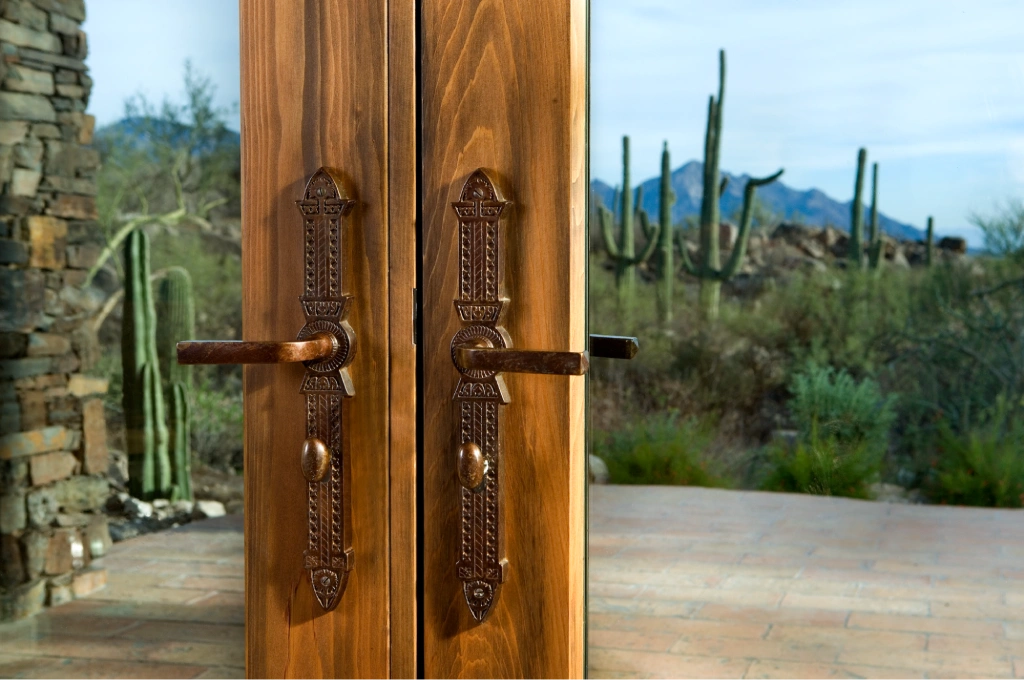
Architectural details and hardware help make your interior design authentic; they emphasize craftsmanship, material quality, and informed proportions.
Wood Flooring and Paneling
Wood flooring is one of the defining characteristics of modern colonial revival interior design. The style is all about wide planks, medium-width boards, and natural finishes that create warmth and visual continuity throughout the home. Wood also works well with bronze hardware, such as the Acorn Grip Pull, as well as stone and other earthy tones and textures.
Paneling introduces additional architectural depth, with wainscoting, raised panels, and built-in cabinetry establishing hierarchy within rooms. Keep these features proportionate to ceiling height and integrate them consistently throughout the house to maintain visual cohesion.
Historic Bronze and Brass Hardware
Bronze and brass have long been associated with traditional American architecture because of their durability, warmth, and timelessness. Their finishes develop character over time without compromising structural performance. Bronze hardware and historic homes go together, with handles and knobs adding character to any colonial or classic interior.
Select hardware with classic proportions and restrained detailing. Decorative elements should support surrounding millwork rather than become focal points themselves. Living finishes are particularly effective because they introduce subtle variation that complements natural materials. Instead of deteriorating, the finish evolves with use, developing rich detail and character that defines its placement.
Door Hardware for Colonial Revival Homes
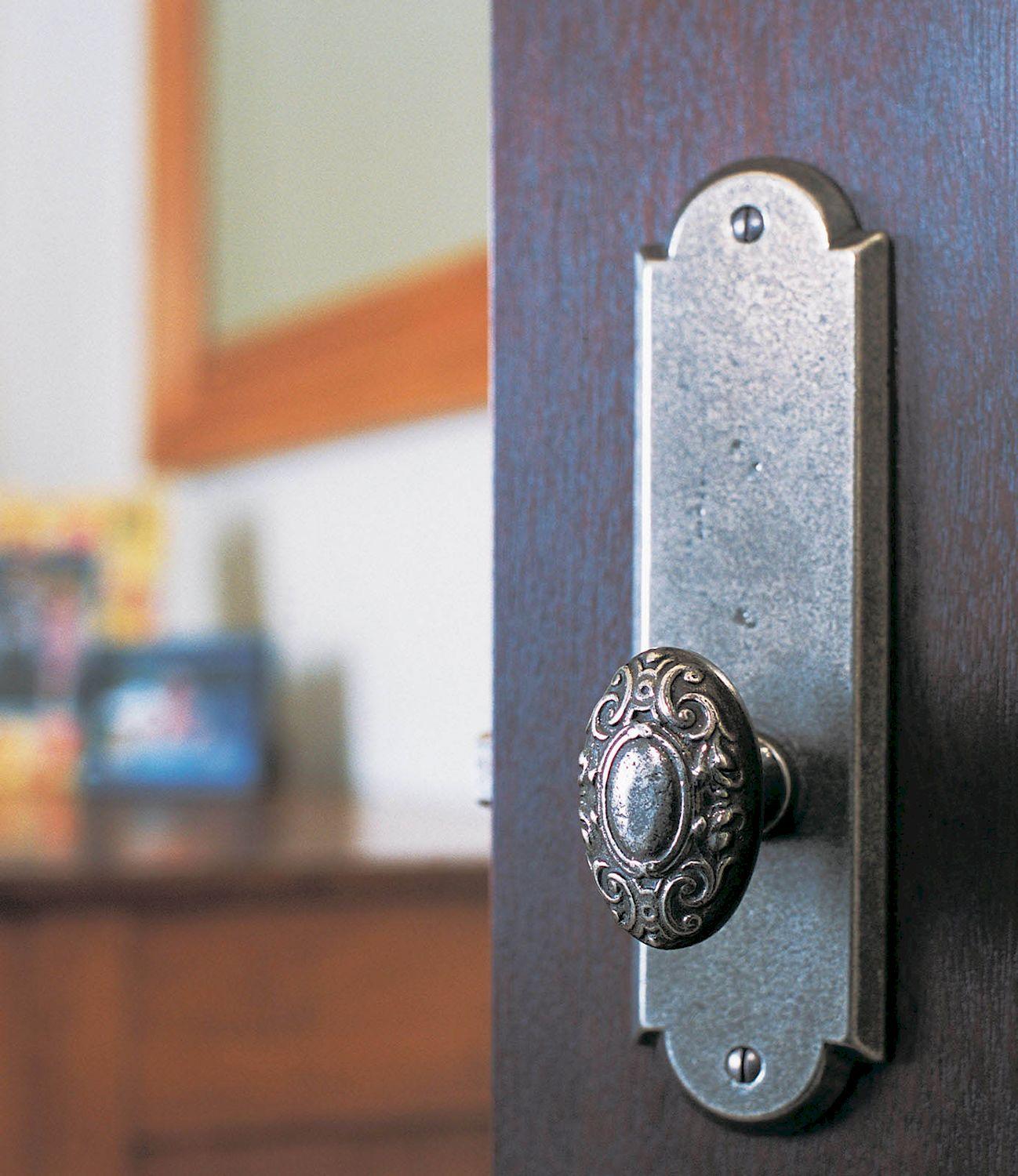
Colonial revival door hardware should align with your home’s architectural scale. Arched entry sets and substantial backplates reinforce historical references without appearing overly decorative.
Maintain consistency throughout the home. Entry doors may use more substantial hardware, while interior spaces can adopt simplified versions of the same finish and profile. Repetition creates continuity and strengthens the overall design language. Keep the finishes and decorative elements similar to create flow.
Cabinet Hardware for Traditional and Modern Colonial Spaces
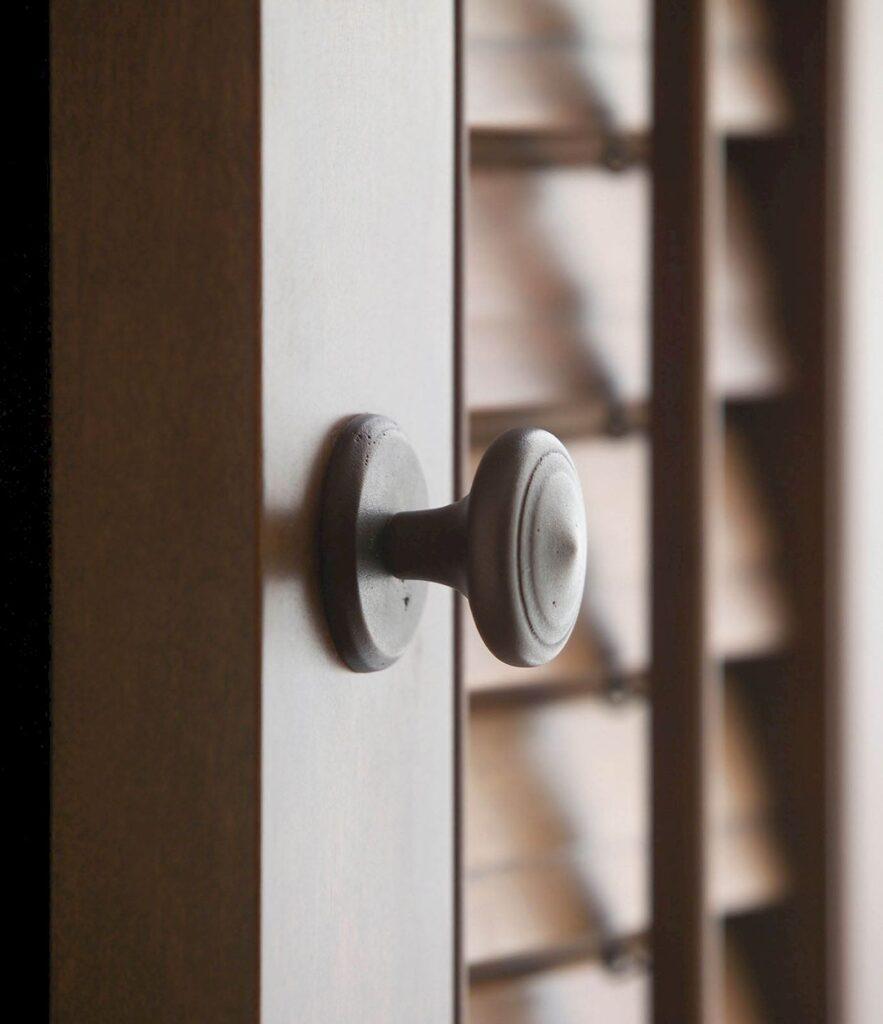
Cabinet hardware should coordinate with surrounding architectural details in a colonial revival house interior. Bin pulls, round knobs, and understated handles, such as the Boiler Grip, integrate naturally into classic kitchens and bathrooms.
If you prefer modern interpretations that simplify profiles while retaining traditional materials, go with bronze hardware. Bronze works especially well because it provides warm interior color, material hardware, complementing wood cabinetry and stone surfaces. This helps to maintain consistency across rooms to unify both traditional and contemporary spaces.
Custom Finishes and Patinas
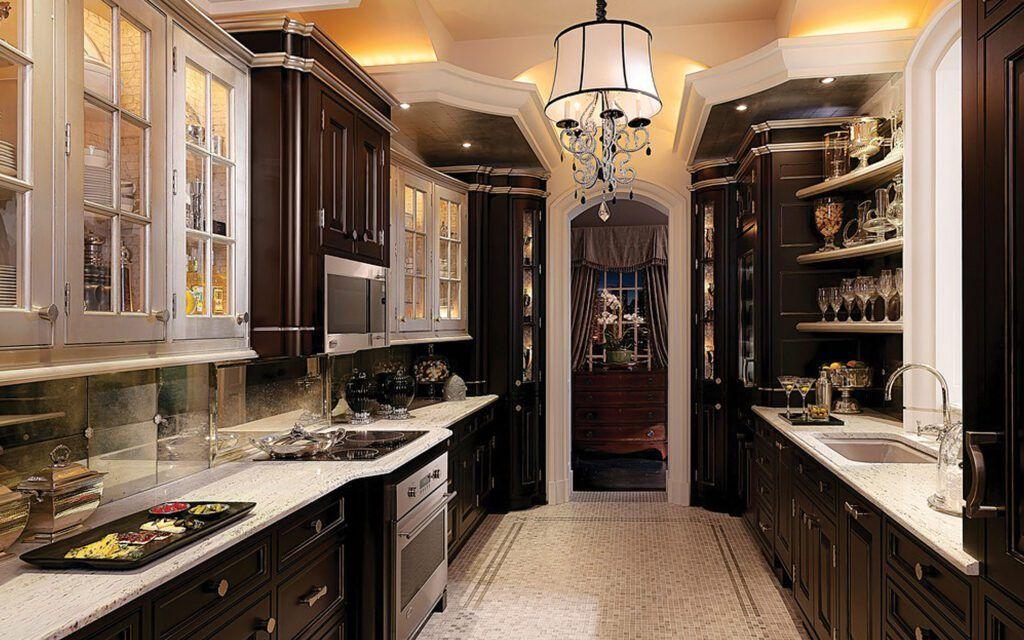
Custom finishes allow hardware to develop character over time. Bronze living finishes gradually respond to touch, moisture, and environmental exposure, creating subtle variations across surfaces. You can embrace these changes to give your home an authentic lived-in appearance that fits the style and past era.
Patina introduces authenticity and depth that factory-applied coatings cannot replicate. The finish evolves naturally, supporting the long-term character that colonial revival interiors are designed to achieve. Chrome, composite, and other modern alternatives often show visible deterioration or simply provide a static finish that doesn’t align with natural aging.
Common Colonial Revival Design Mistakes
One common mistake you may make with colonial revival interiors is mixing too many conflicting styles within the same space. Colonial revival relies on consistency in proportion, millwork, and material selection, and introducing unrelated design languages disrupts that structure.
Another issue is over-decorating interiors with excessive furnishings or accessories. Since the style depends on architectural clarity, overcrowded rooms weaken the sense of balance and symmetry that defines the design approach. Keep furnishings and decorations minimal and intentional.
Ignoring scale is another mishap that will lead to visual imbalance regardless of the style. Oversized furniture in small rooms or undersized lighting in large spaces breaks proportion and throws off the visual balance. Maintain correct relationships between architecture, furniture, and finishes to preserve cohesion throughout the home.
Bringing Colonial Revival Style Home With the Right Details
Achieving colonial revival style begins with architectural fundamentals. Focus on symmetry, balanced layouts, and consistent millwork before introducing furnishings or decorative elements. Use the right materials to reinforce authenticity.
Wood, stone, bronze, and brass provide a grounded palette that aligns with traditional design principles while remaining adaptable to modern needs. These materials should appear consistently across rooms to strengthen visual continuity. You can match door hardware with cabinet hardware, lighting fixtures, and other accent metals within your rooms.
Finishing details help complete the composition. Select hardware, lighting, and textiles with restraint, prioritizing proportion and craftsmanship over ornamentation. When you combine these elements correctly, they create a cohesive environment that reflects both historical influence and contemporary livability.
Colonial Revival Interior Design FAQs
Is Colonial Revival Still in Style?
Yes. Colonial Revival has remained relevant for decades because it emphasizes symmetry, proportion, and timeless materials, while adapting well to modern homes yet maintaining its traditional architectural foundation. You can also customize and personalize the interior.
Can Colonial Revival Work In Modern Homes?
Yes. Modern homes can incorporate colonial revival through millwork, balanced layouts, and traditional materials. The style adapts easily when proportions and architectural details are maintained, and this can be achieved in modern homes.
What Colors Fit Colonial Revival Interiors?
Colonial revival interiors use muted, heritage-inspired colors such as creams, soft whites, sage greens, navy, and warm earth tones that support architectural balance. You can also use deep and dark tones from bronze hardware and metallic accents.
How Is Colonial Revival Different From Colonial Style?
Colonial style refers to original historical interiors, while colonial revival reinterprets those designs with refined detailing, updated materials, and adaptations for today’s living.
What Flooring Works Best in a Colonial Revival Home?
Wide-plank wood flooring is most common. Natural finishes, medium tones, and consistent grain patterns support the symmetry and warmth typical of colonial revival interiors. You can use tiles, laminate, and other flooring options if the finishes are adapted to mimic natural wood and vintage patterns.
What Hardware Finishes Suit Colonial Revival Interiors?
Bronze and brass finishes are the best picks for colonial revival interiors. They offer warmth, durability, and a traditional character that complements millwork, cabinetry, and architectural detailing. They also age well, developing a natural patina that evolves with your home.