Craftsman interior design grew from the American Arts and Crafts movement at the beginning of the twentieth century. Interiors feature strong lines, framed openings, and wood details built for support rather than decoration. Each room feels grounded and balanced, showcasing the relationship between material and form.
A Craftsman home interior draws its beauty from purpose-built features. Joinery, trim, and built-ins are integral to the structure, not added ornamentation. Natural materials such as wood, stone, and bronze bring warmth and texture without excess.
At Rocky Mountain Hardware, we share a deep appreciation for this enduring style. Our hand-cast bronze hardware works well in spaces where craftsmanship and construction are equally important.
An Enduring American Design
Craftsman interiors emerged from an American movement that placed honest construction at the center of design. Rooms feel composed and calm because structure, proportion, and material choices work together intentionally.
Origins of the Craftsman Movement
The movement began in the early 1900s, influenced by the English Arts and Crafts philosophy of William Morris and John Ruskin. In the United States, Gustav Stickley and architects Charles and Henry Greene gave those ideas form through visible joinery and human-scaled rooms.
Early examples appeared as bungalows in California and the Midwest, featuring broad porches, generous trim, and layouts designed for daily life. Builders used native woods, hand-fired tile, and forged metalwork, connecting each home to its environment.
The result was a design defined by integrity rather than ornament, and is a foundation that still shapes Craftsman style interior design today.
Purpose and Precision
A Craftsman-style home interior reveals its structure clearly. Framed openings, substantial molding, and symmetrical built-ins create rhythm and proportion. Every element serves a purpose while enhancing beauty through balance and craft.
Why the Craftsman Interior Style Still Resonates Today
Designers continue to draw inspiration from Craftsman style interior design for its grounded simplicity. The architecture adapts easily to modern living, blending open plans, lighter finishes, and updated fixtures with timeless millwork. The result is a home that feels cohesive, comfortable, and connected to its past.
How to Recognize Craftsman Interior Design
Craftsman interiors are easy to identify through their structure, proportion, and materials. Every feature contributes to a sense of order and balance.
Proportions and Architecture
In a Craftsman interior design, architecture defines the aesthetic. Ceilings are moderate in height, openings are framed, and trim outlines the structure. Fireplaces often anchor living spaces and are flanked by built-in shelving or seating.
Woodwork, Joinery, and Built-In Features
Woodwork defines a Craftsman home interior. Built-in cabinetry, benches, and window seats showcase visible joinery and natural finishes. Oak, walnut, and fir remain traditional choices, prized for their grain and character.
Natural Materials and Warm Color Palette
Natural materials are at the heart of Craftsman interior design. Stone, wood, and tile create texture, while earth tones like clay, olive, and wheat create harmony. Bronze accents add a subtle sheen that evolves with use, gaining patina and richness over time.
How to Adapt Craftsman Design to Today’s Luxury Home
Modern interpretations of the Craftsman style build upon its timeless principles of structure, craftsmanship, and comfort while introducing lighter palettes and open layouts.
Layer Traditional and Contemporary Elements
Updated interiors combine exposed beams and built-ins with modern materials and flow. Bronze hardware provides a natural bridge between eras, uniting texture and tone across spaces.
Select Lighting and Fixtures that Reflect Craftsman Traditions
Lighting sets the tone for a Craftsman style home interior. Fixtures with metal frames, opaque glass, or geometric details echo early twentieth-century designs. In kitchens and baths, bronze fixtures complement stone and wood, bringing visual warmth and continuity.
Be Intentional with Balance and Texture
Successful Craftsman interiors balance texture and tone. Designers pair smooth plaster with grained wood and metal finishes with matte surfaces, creating a sense of visual comfort and harmony.
Hardware Details that Bring the Craftsman Interior Design to Life
Hardware connects hand and architecture, completing the style’s sense of proportion and purpose.
Textures and Inlays that Complement Craftsman Architecture
Cabinet hardware with simple shapes and subtle texture enhances millwork without distraction. When selecting pieces for built-ins, choose details that reflect the same care and integrity as the woodwork itself.
Finishes that Coordinate with Wood and Stone
Bronze is an excellent choice for Craftsman interiors because of its wide range of colors and finishes that pair beautifully with natural materials. Bronze’s depth and variation allow each piece to blend seamlessly with wood, tile, and stone.
Size, Shape, and Placement
Scale and alignment matter. Larger handles and door sets suit paneled doors, while smaller knobs complement drawers or furniture. Consistent placement across rooms creates visual calm and continuity.
Craftsman Interior Design Demands Handcrafted Quality
True to its name, craftsmanship is the foundation of this design tradition. Every finish and fixture should reflect care, skill, and authenticity.
The Art and Process of Casting Rocky Mountain Hardware
Each piece of door hardware is hand-cast in the USA using time-honored methods. From the first mold to the final polish, artisans shape bronze with precision and artistry, in an approach that mirrors the values of Craftsman interior design itself.
Hand-Applied Finishes Age Gracefully
Just as Craftsman interiors grow more beautiful over time, bronze develops a living patina. Its surface deepens in tone, reflecting years of use and care, revealing a visible story of craft and a life well lived.
Custom Hardware
For bespoke projects, Rocky Mountain Hardware collaborates with leading designers to create one-of-a-kind bronze pieces. Custom work ensures each element complements your home’s architecture and finishes.
Craftsman Inspiration for Every Room
Scale, placement, and consistent materials unify Craftsman spaces from entryway to bath.
Gathering Rooms
Living rooms often center on a stone or brick fireplace surrounded by built-in shelving. Bronze accents on cabinetry or furniture add texture and warmth, subtly echoing other metal details throughout the home.
Kitchen, Dining, and Bar
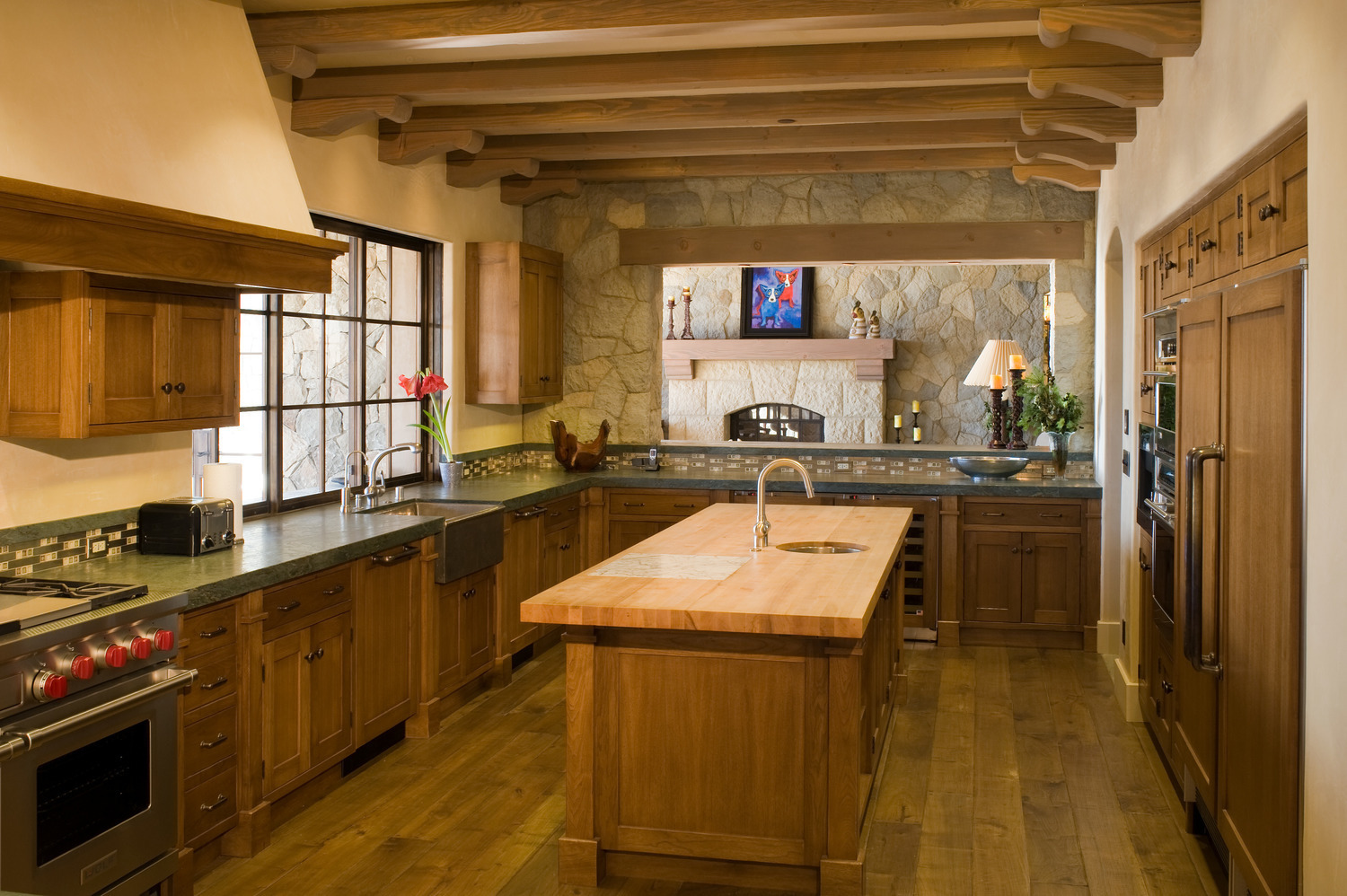
Cabinetry takes center stage in these areas, with refined pulls and fixtures enhancing both function and form. Coordinated finishes tie connected spaces together. A patinated bronze pendant over a wood table adds timeless charm.
Warm and Inviting Baths
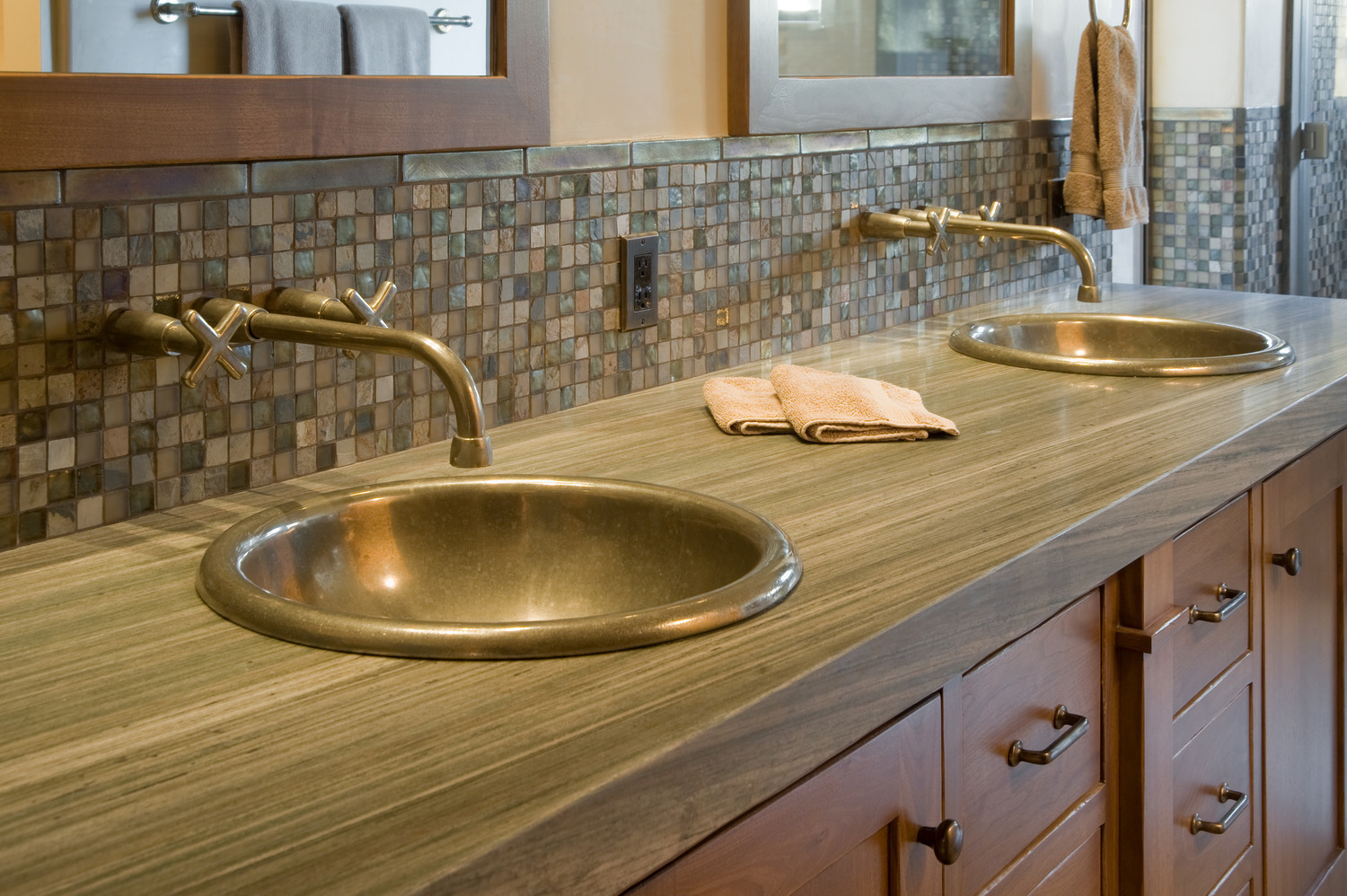
Stone and tile surfaces paired with bronze fixtures create a grounded, restorative retreat. Over time, the bronze sheen softens to complement the natural materials and gentle light, embodying the comfort of Craftsman style interior design.
Entryways and Outdoor Spaces
Entryways set the tone for the home. Solid wood doors with divided-light panels and handcrafted artisanal design hardware establish warmth and permanence from the first touch. Matching bronze lighting and hinges outdoors continues the architectural language, uniting the home and its surroundings.
Continuing the Tradition of American Craft
The Craftsman movement continues to influence how we build and live. Its emphasis on proportion, material honesty, and workmanship defines both architecture and the details that support it.
At Rocky Mountain Hardware, we honor those principles in every bronze piece we cast. From finish options to custom collaborations, our hardware helps designers and homeowners preserve the integrity of the Craftsman style.
To begin your next project, specify handcrafted bronze that reflects the same values of precision and permanence. Find a dealer and discover how Rocky Mountain Hardware keeps the legacy of American craftsmanship alive.
FAQ
What defines modern Craftsman interior design today?
Modern Craftsman design keeps the architectural integrity of the style while introducing open layouts, light finishes, and custom metalwork suited to contemporary life.
What are the best Craftsman interior design ideas for a cohesive home?
Maintain continuity across spaces with consistent materials and finishes. Bronze hardware, natural wood, and stone establish balance and connection throughout the home.
How do you create Craftsman interior design in a small space?
Use built-ins to save space and highlight structure. Choose scaled hardware and warm finishes to preserve comfort and proportion in compact rooms.