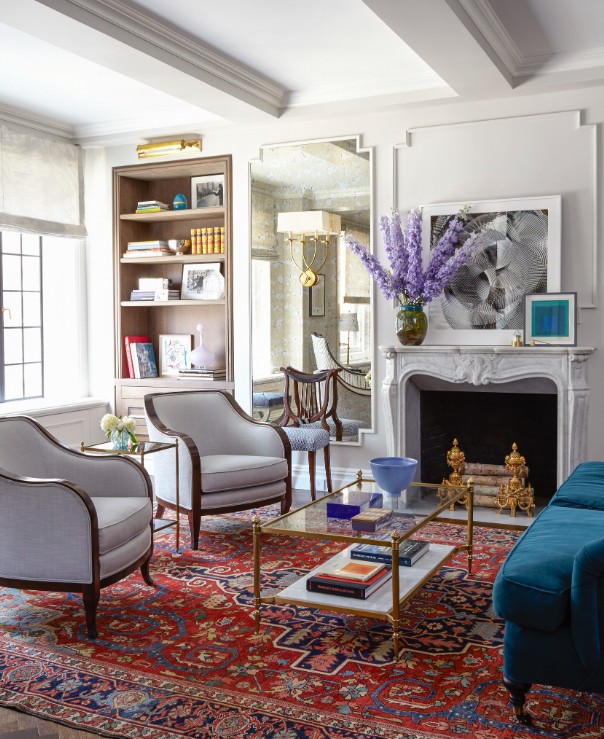
Regal. Opulent. Completely unforgettable. These are just some of the words that come to mind when one thinks of Victorian interior design—much like the iconic British queen who’s the inspiration behind it.
While it’s a style rooted in the 19th century, its influence endures to this day. It’s the perfect counter to the modern obsession with Ikea-style fast furnishings and excessive minimalism.
In today’s homes, Victorian-style interiors take new form: rather than replicating the past, they borrow elements from it to create a modern space that marries grandeur with contemporary sophistication. This allows ornate forms and luxe finishes to shine in a way that feels both timeless and freshly imagined.
Wondering how to bring this aesthetic home? Keep reading. We discuss everything from the style cues to the hardware, finishes, and small touches that deliver its signature richness.
At a Glance: What Is Victorian Interior Design and Why It Still Matters
Unlike what its name suggests, Victorian-style house interiors don’t refer to a singular aesthetic. It’s a term for various aesthetic traditions that emerged during Queen Victoria’s reign, from 1837 to 1901.
More than six decades of rapid industrial innovation, global influence, and shifting tastes shaped this period’s distinct style. These include early Gothic Revival and Rococo-inspired romance styles, as well as more eclectic blends of Eastlake, Arts & Crafts, and global ornamentation that emerged in later years. There’s one thing they all have in common, though: their devotion to detail, richness, and exquisite craftsmanship.
If this style has caught your fancy, you’ll be able to create a modern home that feels curated, storied, and effortlessly refined. Think rooms layered with depth and personality: polished hardwoods, sculptural statement lighting, jewel-toned textiles, and hardware that feels more like heirloom jewelry than a simple finishing touch.
The Victorian Era: History, Architecture & Interiors
The Victorian era overlapped with a period where the British Empire spanned the whole world. Through their worldly explorations, travelers and merchants brought back exotic materials, intricate patterns, and decorative motifs from Asia, the Middle East, and Africa—weaving these influences into architecture and interiors in ways that added nuance and distinction without losing the era’s signature style.
While the nobility set the era’s tastes and used ornamentation to signal prosperity, the growing middle class also shaped the trajectory of Victorian-era interior design. As new manufacturing methods became available, previously exclusive materials were made more accessible to them. This made the Victorian style interior design aspirational for everyone, and touches like deep cornices, embellished door frames, and generous window openings became the standard.
Signature Elements of Victorian Style Interiors
The Victorian house interior design is characterized by distinct features that come together to create a timeless look. Let’s take a closer look at those so you can borrow inspiration for your own space.
Architectural Features: High Ceilings, Mouldings & Bay Windows
Nothing says grandeur like high ceilings crowned with sculpted plasterwork and bay windows that pull light deep into a room.
These elements brought height, presence, and a sense of occasion to Victorian homes, but they are evergreen elements that fit seamlessly into modern homes as well. They instantly make the place seem more airy and add a sense of quiet drama, while creating natural focal points that allow furnishings, art, and lighting to feel more intentional.
To bring this look into a contemporary home, let the architectural features take center stage. Maintain substantial window trims and let the bay area stand on its own with a seat, reading corner, or a sculptural table. Can’t undertake major changes? Even modest changes to cornices and casings can add character.
Source: Pinterest
Rich Materials, Patterns & Textiles
Back in the day, Victorian interiors leaned into elaborate patterns like damask, chintz florals, and jacquard weave, so much so that these motifs became almost symbolic of Victorian wealth and refinement.
While such fabrics may look dated today, there are ways to use rich statement fabrics in a contemporary fashion. Focus on a few well-chosen statement pieces like a velvet accent chair, a patterned fabric panel, a richly woven cushion, or a statement wall with textured wallpaper to create interest. Pair these with modern, clean surfaces for perfect balance.

Source: Pinterest
Color Palettes and Layering for Depth
The dramatic effect that Victorians coveted was made possible by deep jewel-toned colors like emerald green, sapphire blue, gold, and burgundy. These hues still work wonderfully in key areas like living rooms or home offices as feature walls or painted ceilings.
For a balanced look that aligns with contemporary preferences, opt for soft textiles or warm metallic accents that complement these bold colors without standing out like a sore thumb.
Another popular choice is to layer shades within the same palette for extra dimension. For instance, Victorian-style dark green bathrooms often feature moss and olive accents as well. And if we may, the result is usually breathtaking.
The Role of Hardware & Detail in a Victorian Interior
In Victorian spaces, nothing was just functional. Everything had ornamental value, including all the hardware. Patrons used to handpick hardware that was opulent yet crafted with extraordinary craftsmanship, setting it apart. Today, the same rules apply with some contemporary touches.
To echo this in a modern home, choose hardware that introduces texture and silhouette to the space. Prioritize pieces with weight, visible detailing, and finishes that age gracefully like a warm-toned silicon bronze. A few well-placed hardware pieces like cabinet pulls or elegant lighting can add Victorian depth, even when you opt for more contemporary or eclectic furnishings. If you’re not sure where to start, learn which hardware to pair with historic homes.
If you’re a designer looking to guide your clients, check out our when to introduce the right hardware during the interior design process guide.
Victorian Interior Design Room-by-Room
Let’s get into some practical tips on how to interpret Victorian charm in each room of your home using thoughtful details and hardware to build a look that feels rich but cozy.
Entry, Hallways & Staircases
An entryway sets the first impression of your home interiors—Victorian style commands that we make it count.
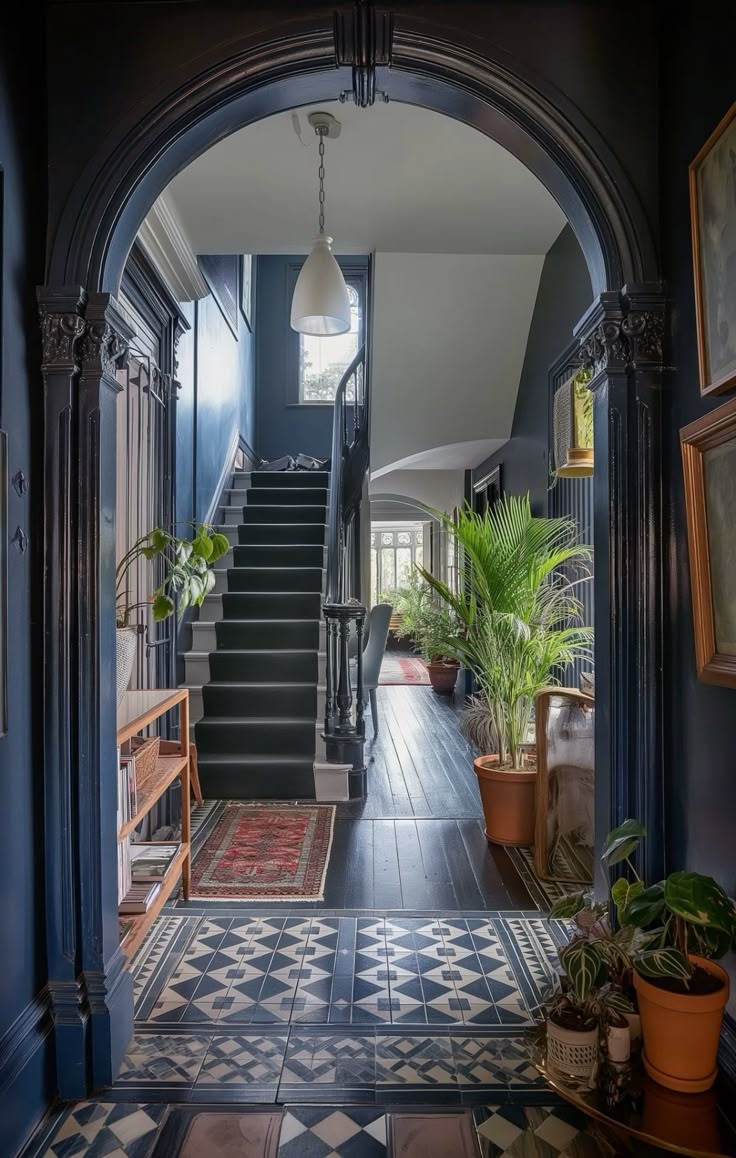
Victorian style uses doors, staircases, and wall details to create a sense of ceremony in these transitional spaces. Tall paneled doors with substantial bronze door hardware can work wonderfully. Touches like stained glass can add a more vintage feel. For the ultimate sense of drama, nothing beats grand staircases that curve or split, lined with dark mahogany or walnut.
If your home has straight stairs, that can be the modern element and you’ll need to go more ornate with other touches, like decorative railings. Use lighting fixtures like our Cargo Pendant with unique detailing as a perfect design contrast to tall ceilings, or the Luna Pendant for a soft ambient glow along hallways or stair landings.
For a more layered aesthetic, add luxe rugs with patterns or line up the hallways with antique mirrors or vintage-inspired artwork.
Source: Pinterest
Living Rooms and Parlours
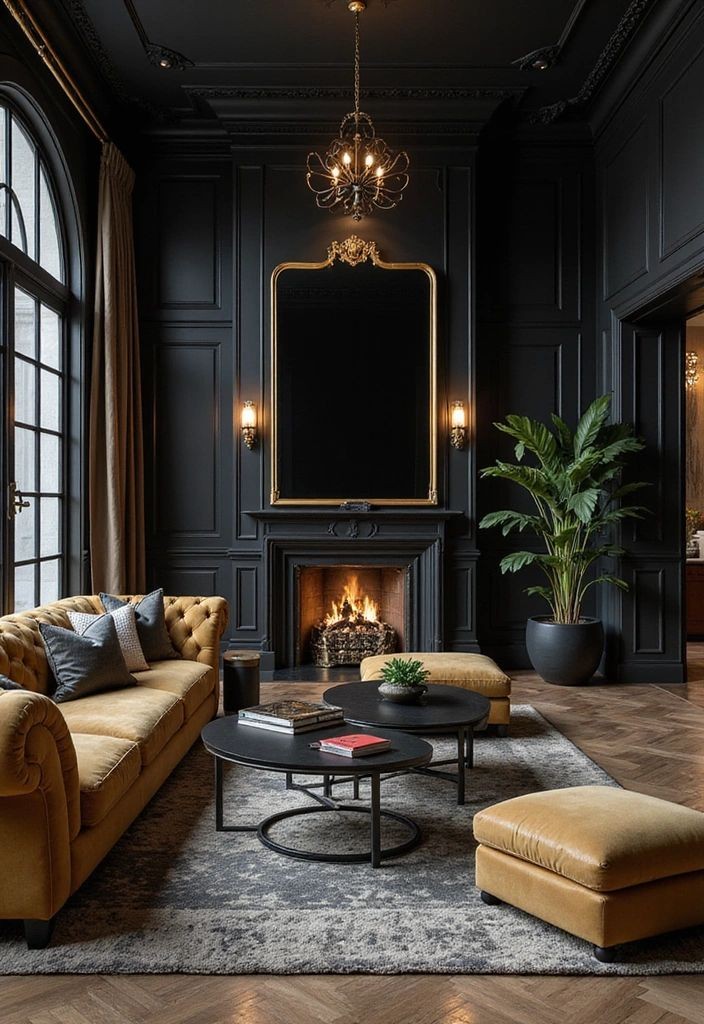
Modern Victorian living rooms can be curated for conversation and comfort while maintaining the vintage maximalism that is quintessential for this aesthetic. You have to pair rich materials and ornate detailing with modern furnishings that blend in for a regal but functional appearance.
For instance, this image below pairs a modern couch with statement lighting for perfect contrast. Our Five Arm Towne Chandelier and Towne Wall Sconces in Bronze Light or bronze high polished finish can be used to achieve a similar look in your home. Complete the look with wooden desks, cabinets, bookshelves, or silk rugs with decorative accents.

Source: Pinterest
Bedrooms and Private Spaces
Your bedroom needs to be a private sanctuary, so the design has to feel intimate but approachable. That can be tricky with a style that traditionally focuses on decorative touches and bold colors.
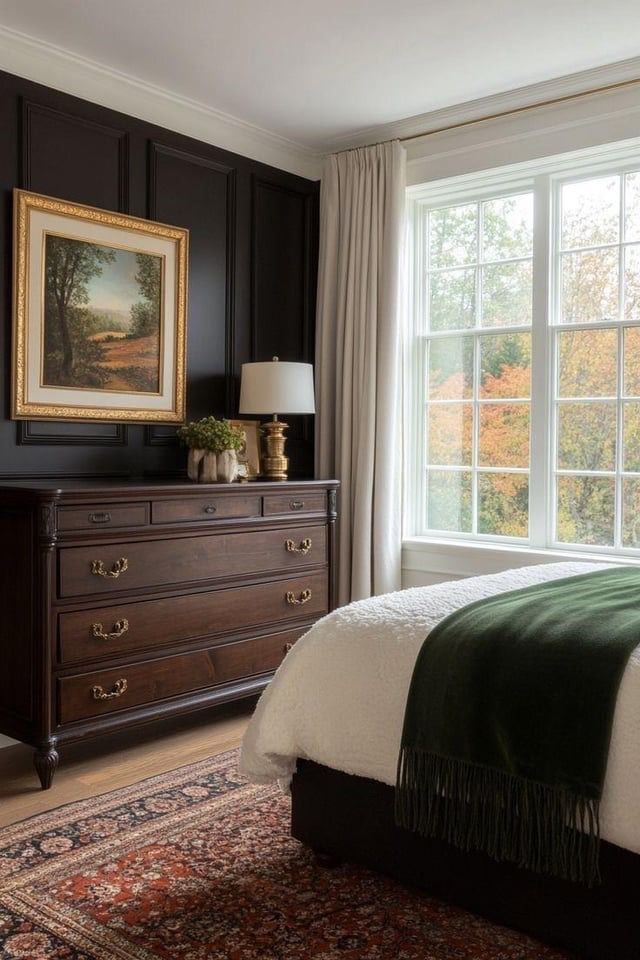
To adapt a Victorian-style interior for the bedroom, you’ll need to learn the fine art of balancing textures. Here’s a good rule: For every bold element, include one or two subtle ones. For instance, the image below features a modern bed with bedding that resembles the urban boho aesthetic. It still feels Victorian with the addition of solid wooden cabinetry and heavily decorative cabinet pulls. Light fixtures in the gold finish add the ultimate final flourish.
Choose our handcrafted cabinet hardware products with unique textures to curate this look in your home. Bring a touch of artistry to your dressers, storage, or bedside tables with the Bamboo Cabinet Pull, Edge Round Cabinet Knob, or Acanthus Cabinet Knob.
Source: Pinterest
Kitchens, Baths & Service Areas
Victorian style interiors can elevate your kitchen, bathroom, or service areas, like laundry rooms, from functional to magnificently striking spaces.
For smaller spaces, one way to do this is through color drenching, i.e, covering walls, cabinetry, or even ceilings in deep jewel tones like emerald green, sapphire blue, or rich burgundy to create an immersive effect and balancing it with white countertops or more modern fixtures like bronze in brushed tones.
Full color not your style? You can achieve the same impact with a single statement piece instead. A freestanding clawfoot tub, a vibrant backsplash, or a boldly painted island can provide drama without overwhelming the room. For the fixtures, opt for metallic fixtures in bronze light or bronze medium finishes that look regal. Flora Sink, Ellipse Sink, and Deck-Mounted Faucet with Arched Spout are among our designers’ favorite picks for this aesthetic.
Find more of our decorative kitchen and bath hardware products here.

How to Create a Victorian Style Interior
Victorian interiors are full of detail and personality, but you don’t need to recreate the past to make them work in your home. With a few key strategies, you can curate this style to fit your modern space.
Start With Core Architectural Features
If you have the option to renovate architectural structures to resemble that of the Victorian aesthetic, that’s half the job done. Think high ceilings, bay windows, mouldings, and grand staircases.
A big renovation not an option? Highlight what’s already there instead of hiding it. Even small touches, like layered cornices or detailed window trim, can add presence. Use lighting to draw attention to these features and make them feel intentional rather than decorative for decoration’s sake.
Mix Periods Smartly: Historic Meets Contemporary

You want the space to be functional, so touches like modern furniture or appliances are inevitable. Luckily, Victorian aesthetic thrives on a mix-and-match approach as the whole style is based on multiple experimental styles from that era.
To do this seamlessly, pair ornate rugs or patterned fabrics with simple furniture and neutral walls. Pick just one or two statement features: a bold wall, a dramatic light fixture, or a sculptural piece of furniture. This is your nod to the past. You don’t need to overdo it.
Choose Authentic Materials & Finishes (Including Hardware)
Wood, marble, bronze, and iron are staples in Victorian-style interiors for their warmth. You’ll likely also find rich fabrics like velvet or silk with patterns. For a modern appeal, you can keep the fabrics more practical and light, including cotton and linens and balance those with decorative hardware.
For hardware finishes, choose metals that feel lived-in or lightly polished. Our Silicon Bronze Dark (BD), Silicon Bronze Dark Lustre (BDL), and Silicon Bronze Medium (BM) finishes can give that warm, timeworn look that’s typical of period fixtures. Silicon Bronze Light (BL) can work better with marble or white tiles. For the ultimate formal touch, you need the Bronze High Polished (BHP) finish.
Why Premium Hardware Elevates a Victorian Interior
As you’d have gathered, every piece of the story matters in Victorian interiors. It’s all about turning practical aspects into objects of admiration and beauty—and beautiful hardware is a big part of it.
Artisan Bronze Hardware: A Design Detail That Anchors Style
While traditionally, Brass and Copper hardware defined the Victorian aesthetic, Bronze has a distinct warmth that feels both vintage and modern. Highly versatile as a material, bronze hardware fits every piece of the room when you select the right finish for it. Refer to the earlier section about finishes for more information.
How RMH Bronze Hardware Complements Victorian Detail
In a Victorian-inspired interior, quality fixtures bring a sense of warmth and texture that mass-produced hardware can’t match. Rocky Mountain Hardware keeps the Victorian spirit alive through handcrafted bronze elements that suit luxury homes looking for a distinct touch. Browse our complete selection of hardware on our website.
Summary & Next Steps for Your Victorian Interior Project
Creating a Victorian-style home is all about balance. You’ll need to know which pieces will be modern and which will be more ornamental. If you’re making any structural changes, start there. Otherwise, make a list of furnishings, artwork, or statement lighting and hardware that you’ll incorporate.
Working with a designer who can bring your vision to life can save you the effort of planning every little detail.
Designer’s Checklist: Key Actions
Want to be more involved in the design process? Keep this list handy to discuss with your contractors for alignment:
- Highlight Architectural Features: Identify staircases, mouldings, bay windows, or other original details and make them a focal point.
- Layer Textures and Patterns: Mix rich fabrics, patterned rugs, and decorative finishes with simpler surfaces to balance the room.
- Pick Statement Pieces: Choose a bold light fixture, sink, or freestanding tub to anchor the space visually.
- Incorporate Handcrafted Hardware: Use pulls, knobs, and levers from Rocky Mountain Hardware to bring authenticity and subtle luxury.
- Balance with Modern Touches: Add contemporary furniture or neutral surfaces to keep the home functional and comfortable.
- Plan Lighting Thoughtfully: Use sconces, pendants, and ambient lights to highlight features and create mood.
Final Thoughts: Crafting a Home That Feels Both Historic and Livable
Victorian interiors are defined by detail and character, but with thoughtful choices, you can capture that richness in a way that feels functional and livable. After all, it can be hard to relax in a completely opulent house—you don’t want to feel like you live in a museum.
FAQs About Victorian Interior Design
How Do I Choose the Right Hardware for a Victorian-Inspired Home?
Opt for hand-finished bronze or brass pieces that echo period materials. Rocky Mountain Hardware offers a wide selection of authentic, artisan hardware for doors, cabinets, and built-ins.
What Materials Were Commonly Used in Victorian Interiors?
Wood, marble, bronze, iron, and rich textiles like velvet, damask, or patterned fabrics were staples for adding warmth and texture.
Is Victorian Interior Design Suitable for Small Spaces?
Yes, it can be if you don’t overwhelm the space with too many details. Focus on a few Victorian touches, like hardware, lighting, or a single statement wall, and keep the other elements contemporary to make it work.