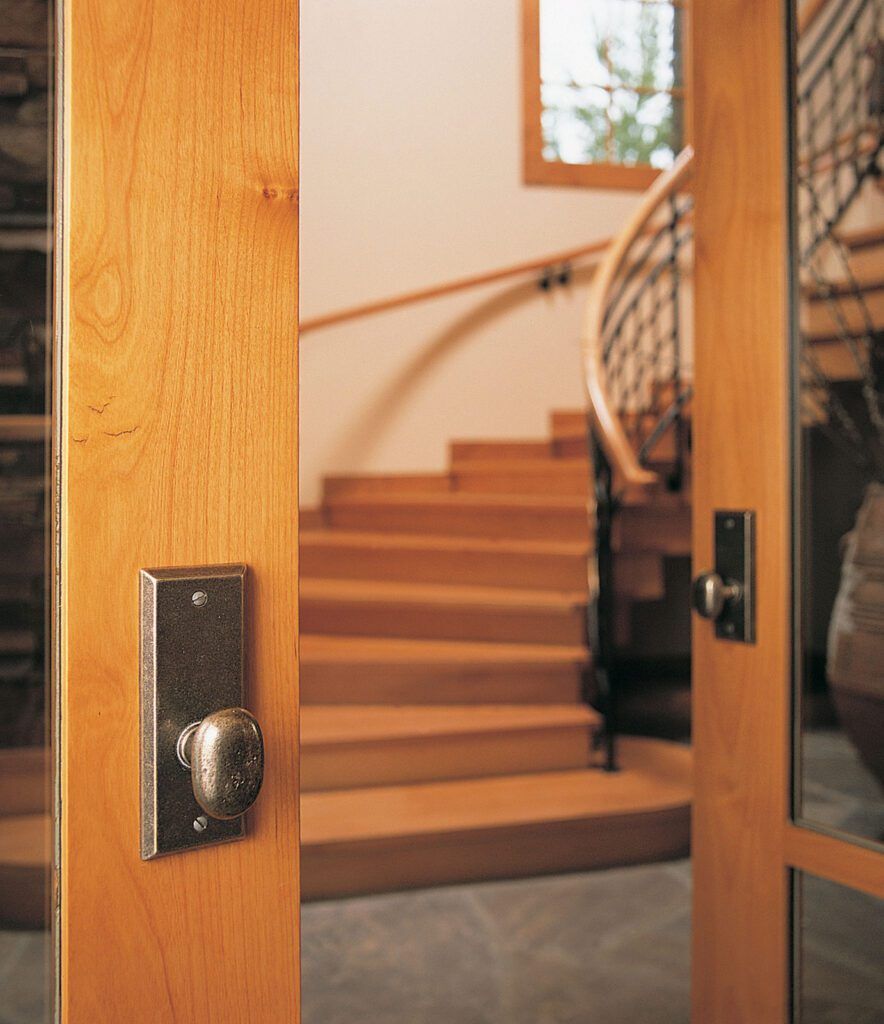
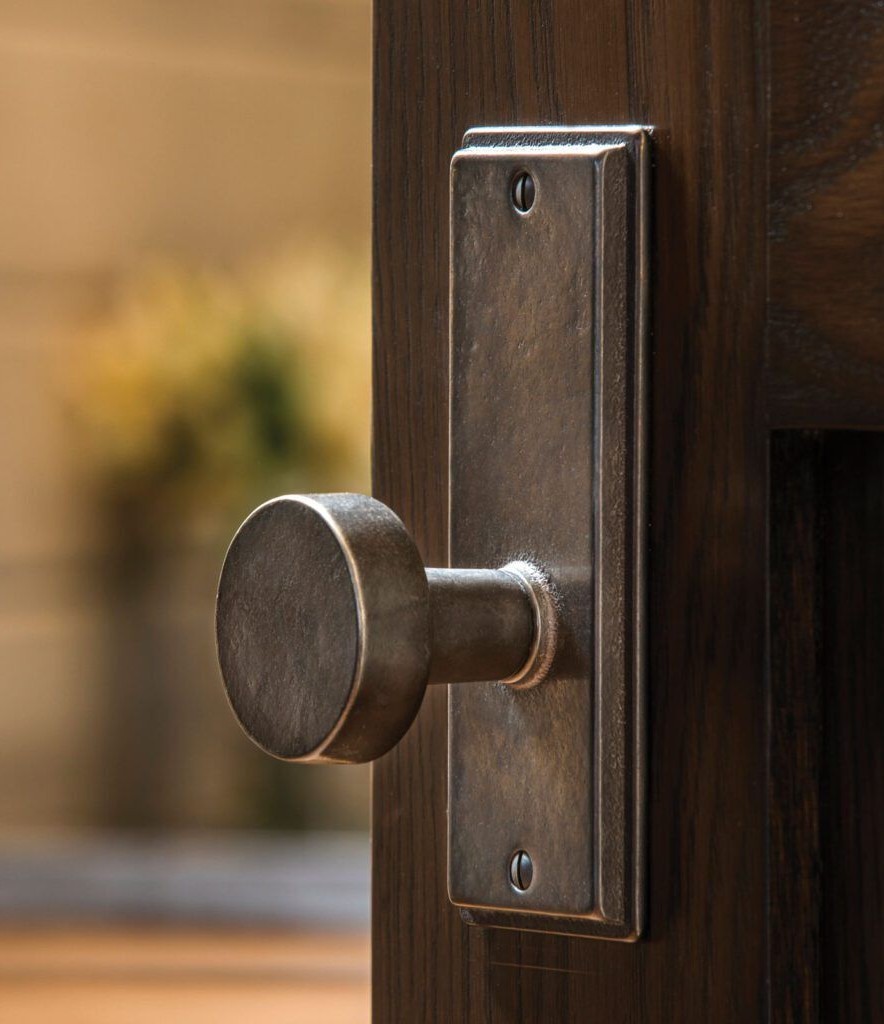
Looking to elevate the look and feel of your entryways? One place to give more thought is the hardware. Door knobs, handles, and levers quietly shape movement, while providing opportunities to add character, elegance, and visual appeal.
With metals such as bronze and aged metals, you can get a timeless patina that evolves with the woodwork and overall architecture. Try the Quatrafoil Door Knob or Sundial Door Knob to complement your hand-cast privacy lock for a majestic entrance.

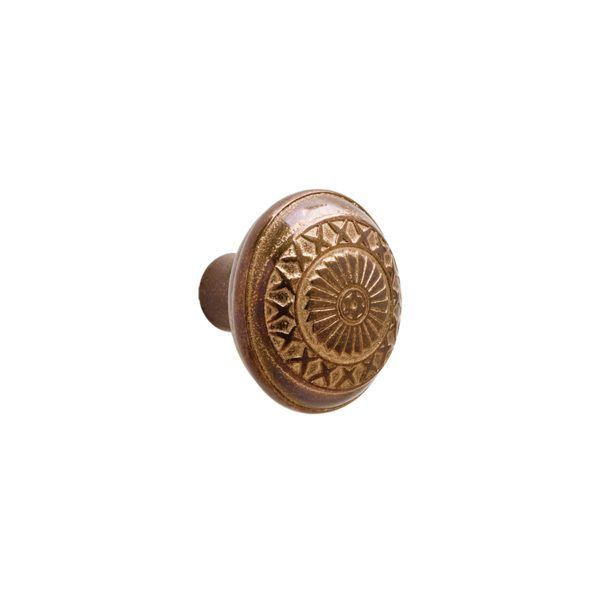
Although passage knobs don’t feature privacy locking mechanisms, they play a unique role without which your door would appear unfinished. Adding these knobs allows you to freely open the door from either side, supporting smooth movement between connected spaces.
So, what is a passage door knob? More importantly, what’s their role, and how do they function? This guide is all about passage door knobs, including their design, function, flow, and artistry, as well as their comparison to dummy and privacy knobs and locks.
The Quick Answer: What Is a Passage Door Knob
A passage door knob is a non-locking door knob primarily designed for interior doors. These knobs are ideal when you need easy access from both sides of the door without a locking mechanism.
Passage door knobs operate with a simple spring-loaded latch that retracts when the knob turns and releases when the door closes. Privacy knobs usually lock the door, while dummy knobs neither latch nor lock, and are purely for aesthetics and ergonomics. Passage knobs sit somewhere in the middle.
You can use them in areas where doors divide spaces but do not require security or privacy—think hallways, closets, pantries, laundry rooms, and living areas. Since the function is simple, all the focus is on design and durability.
High-quality passage knobs, such as the Roswell Knob, help elevate the overall architectural character of your home while keeping doors reliable for everyday movement. Design possibilities are unlimited, giving you access to a wide range of materials, finishes, and craftsmanship that transform basic door hardware components into a subtle architectural feature.
How Passage Knobs Work & Create Flow
What is a passage door handle? Is the handle different from the knob? Answering these questions provides more insight into how passage knobs work, which is with the help of a simple spring latch that opens doors from either side. Here’s the basic operation:
Why the Internal Spring Mechanism Matters
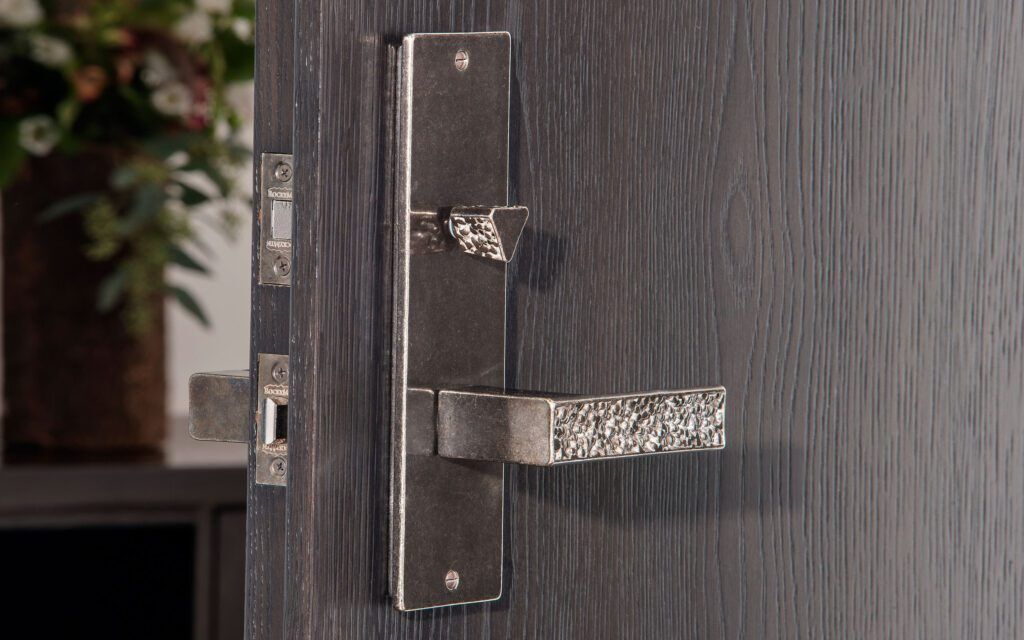
The primary difference in passage door knob vs dummy knob is the internal spring mechanism. Inside every passage knob is a spring-loaded latch that controls how the door opens and closes.
When the knob turns, the spring compresses, retracting the latch so the door can move freely. Once released, the spring pushes the latch back into place. Look for a well-engineered spring mechanism that delivers quiet, consistent operation.
High-quality internal components maintain smooth movement, allowing doors to close securely without slamming, sticking, or feeling loose over time.
The Significance of Weight and Resistance
The general assumption is that a substantial door knob has higher-quality materials and internal components. Weight reinforces durability and refinement, but light knobs may also function adequately, even though they don’t deliver the same tactile satisfaction. Your choice depends on personal preferences.
Resistance also plays a role—the knob should turn smoothly with gentle, noticeable tension that creates a sense of controlled movement. However, it shouldn’t be too rigid to feel forced. Look for the right balance between weight and resistance.
Connecting Communal Spaces Seamlessly
Passage knobs support fluid movement between shared areas of a home or building. They’re ideal in kitchens, hallways, living rooms, and dining spaces, which often connect through doors and need to open easily from either side.
Since these areas are used frequently, choose door hardware that feels intuitive and dependable, such as the Prairie Knob. Passage knobs remove unnecessary barriers while allowing doors to close when separation is needed.
Best Rooms for Passage Knobs
You typically use passage knobs in spaces where privacy locks would be unnecessary or inconvenient. Hallways and closets are common examples, as doors may need to open frequently without restriction.
Pantries, laundry rooms, and storage areas also benefit from passage door hardware because you’ll more often carry items through the doorway. If you have a larger home, passage knobs may connect secondary living areas or reading rooms. They enable doors to function smoothly without adding complexity.
Passage vs. Privacy vs. Dummy Knobs: What’s the Difference?
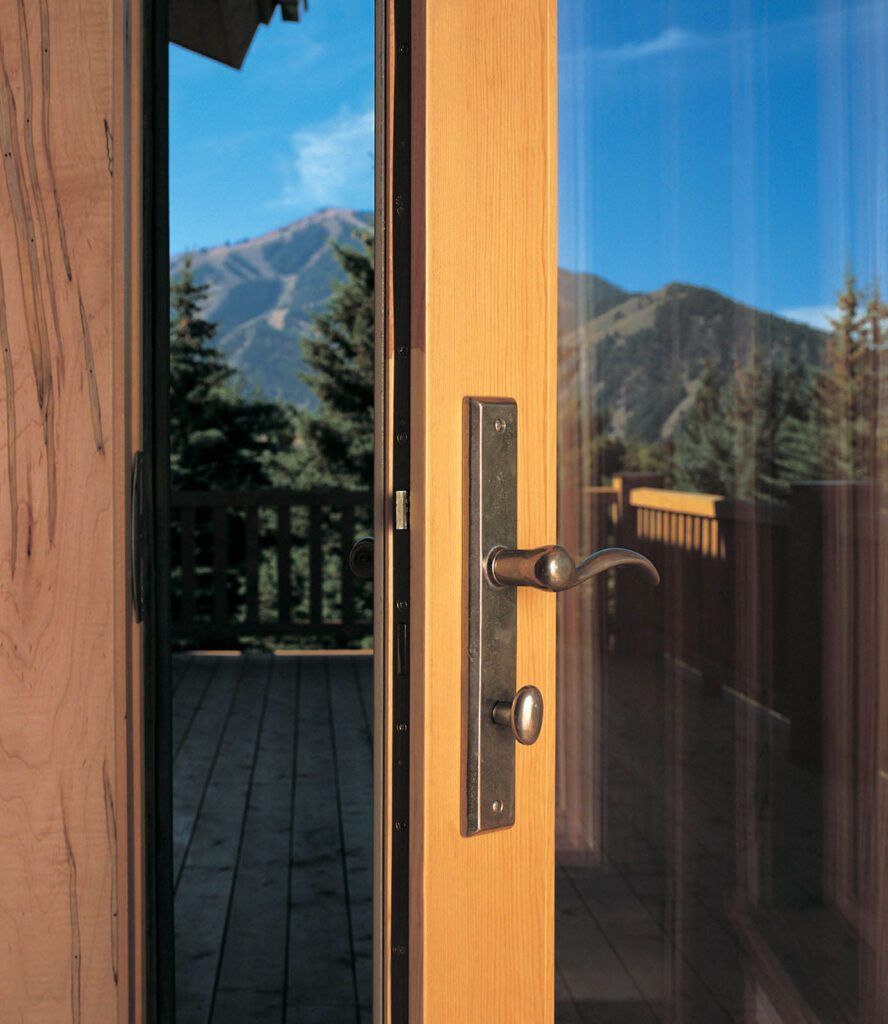
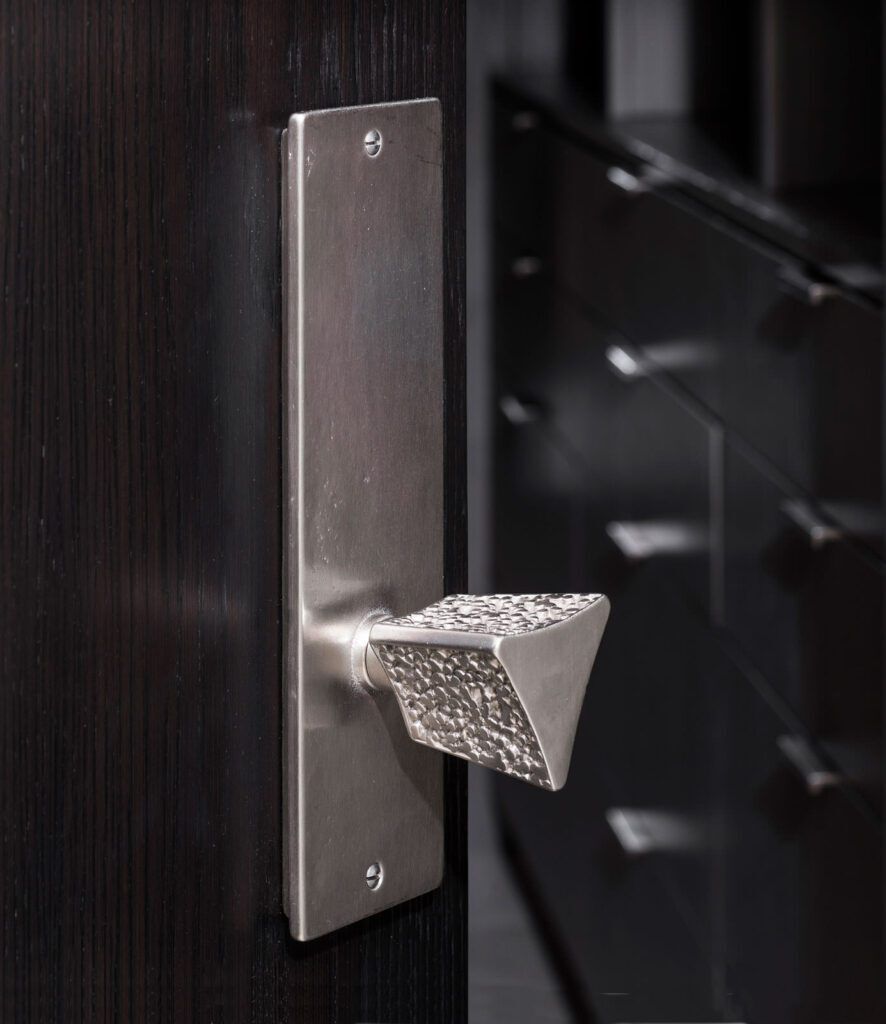
The three common categories of door knobs—passage, privacy, and dummy—play distinct roles and fit specific areas, as shown below:
Comparison Table: Functions at a Glance
Although these knob types may look similar at a glance, their internal function and ideal placement are very different. The table below highlights what each one does and the role it plays in the home.
| Door Knob | Function | Role |
| Passage | Has a latch with no lock, allowing doors to open freely from either side. | Smooth movement and separation, visual appeal, and ergonomics. Ideal for hallways, closets, and connecting rooms where unrestricted access is preferred. |
| Privacy | Includes a simple locking mechanism to provide temporary privacy. It can be opened from the outside in emergencies. | Full privacy and separation, visual appeal, and ergonomics. Typically used in bedrooms and bathrooms. |
| Dummy | Lack latch and lock mechanisms, functioning purely as pulls. | Aesthetics, uniformity, and ergonomics. Often mounted on closet doors, double doors, or decorative panels, where a latch is unnecessary. |
Passage vs. Privacy: When to Lock
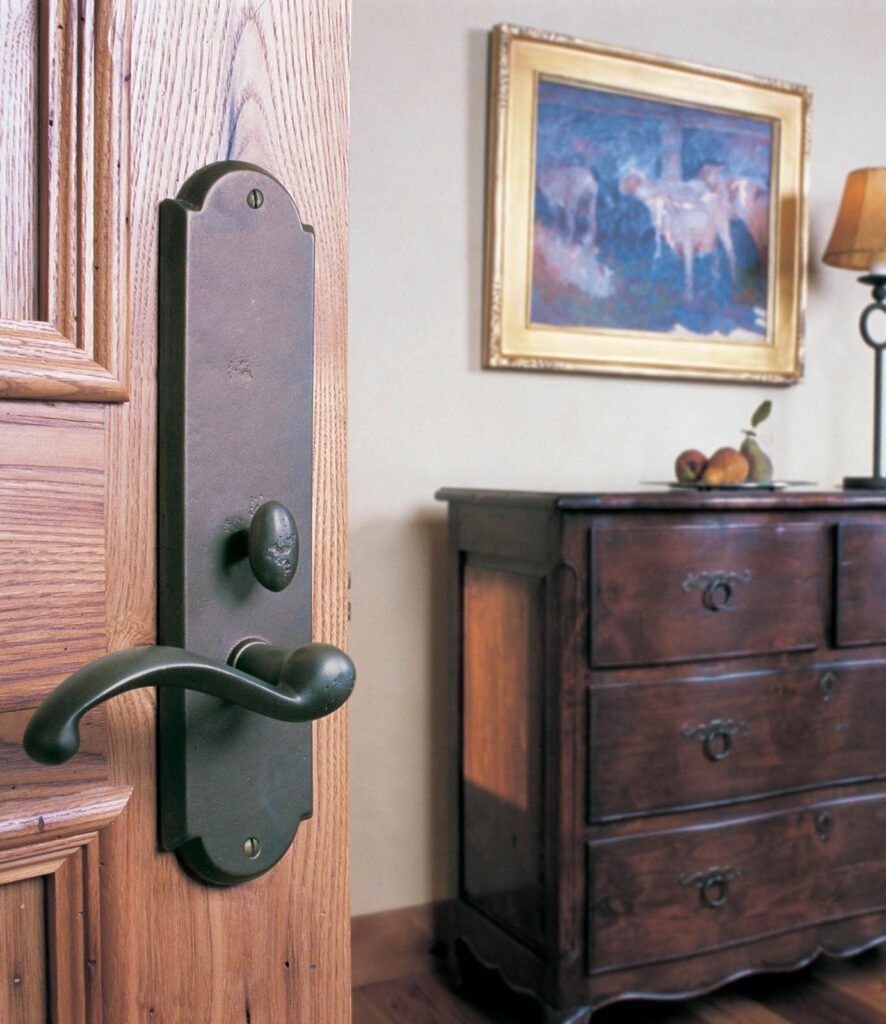
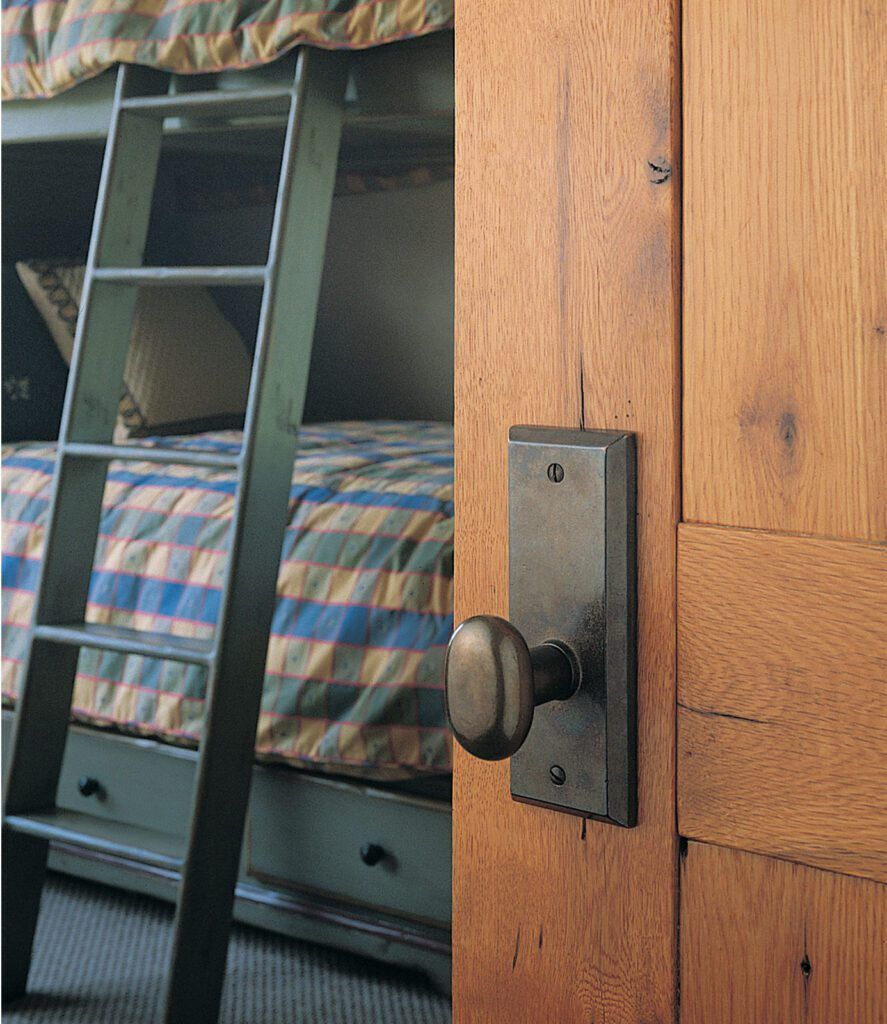
The big difference in privacy vs passage door knob comes down to whether a door needs to lock. Passage knobs are designed for transitional and shared spaces where unrestricted access from either side is the main target.
Privacy knobs include a locking feature designed for rooms where temporary privacy is important. Bedrooms and bathrooms typically use privacy hardware, allowing you to secure the door while inside.
Functionally, both knob types operate with a spring latch that keeps the door closed. The difference is the addition of an interior locking button or turn mechanism on privacy sets. In home design, passage knobs dominate common areas, while privacy knobs are reserved for personal spaces.
Achieving Symmetry with Dummy Knobs
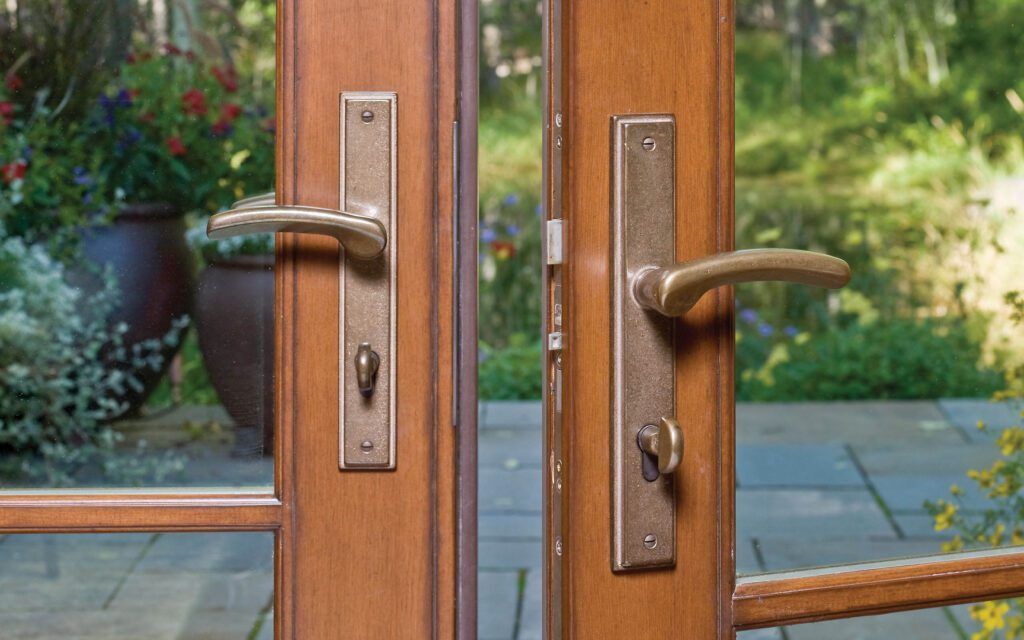
Sometimes a door needs the appearance of a knob without the function of a latch or locking mechanism—that’s when dummies come in handy. A dummy door knob is mounted directly on the door and does not rotate or control any internal mechanism.
With no extra internal components or hardware, dummy knobs are perfect for shallow closets, pantry doors, or decorative double doors that open only on one side. You can also install them on inactive panels to maintain visual balance across paired doors.
Door and cabinet hardware contribute to architectural rhythm, whether in formal or home settings. Adding matching dummy knobs alongside functional passage or privacy sets helps preserve design continuity and uniformity, giving each door the same visual language.
Matching Different Functions Across the Home
When designing your home’s interior, you’ll most likely use various types of knobs, depending on the types of doors you have. The trick is to maintain a consistent design and select the correct function for each entryway.
For a hallway closet, add passage hardware to support easy movement. Keep privacy sets for nearby bedrooms to maintain discretion. If you have double doors leading to a study, combine an active passage knob, such as the Large Luna Door Knob, with a dummy knob on the inactive panel.
Focus on keeping the finishes, shapes, and scale consistent throughout the house. The different functions will blend seamlessly through your home, but the design must be optimized to maintain visual flow. Aim to achieve a unified look that reinforces a thoughtfully planned design.
Which One Should You Choose?
Understanding the difference between privacy and passage door knobs enables you to choose the door knob that fits the intended function.
If the room requires locking capability, use a privacy set. For transitional spaces where movement is convenient but latching is still needed, install passage door knobs. If it is a matter of decoration and uniformity alone, dummy sets may work.
Bedrooms and bathrooms are often the spaces where you need privacy knobs—use options with simple interior locks, without the complexity of keyed-entry hardware. For closets and decorative doors, use handcrafted and ornamental dummy knobs, especially if latching is unnecessary.
Your decision should balance convenience, safety, and visual consistency. Choosing bronze door hardware from the same design collection to give you knobs that share a common aesthetic, even if the functions differ.
Match function to purpose while maintaining consistent materials and finishes to create interiors that feel practical and architecturally cohesive.
Material Matters: Why Choose Bronze Passage Knobs?
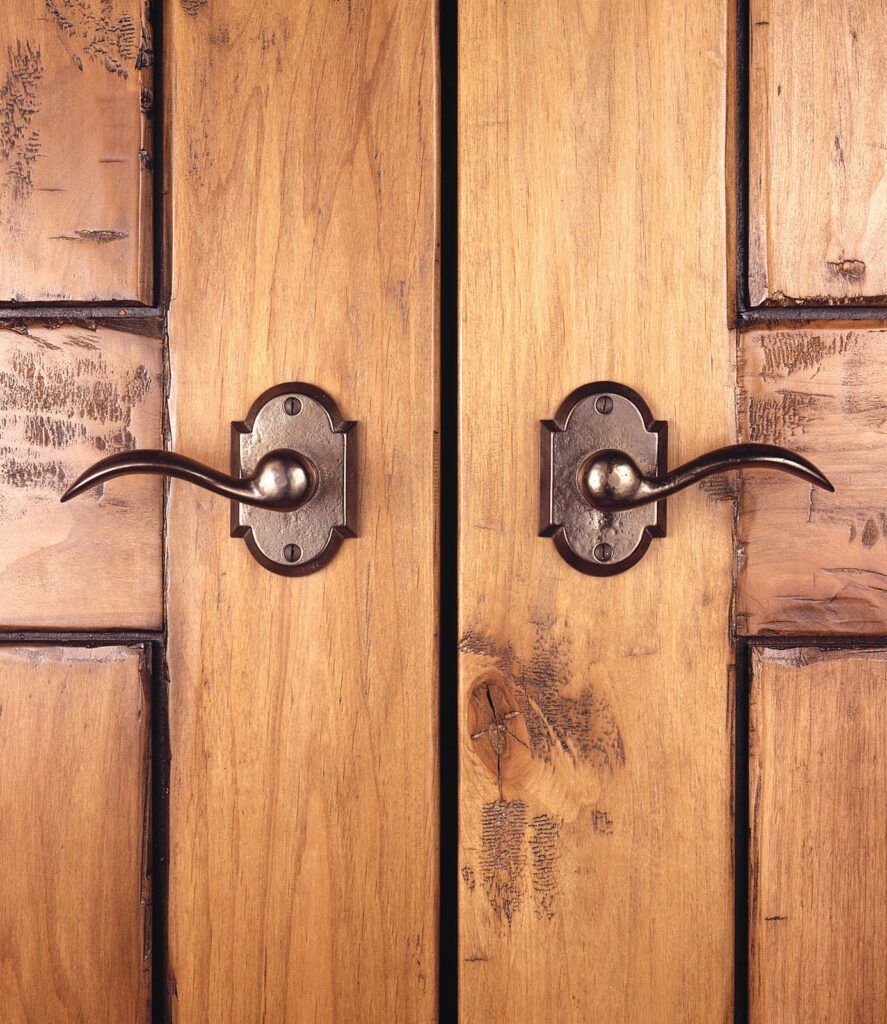
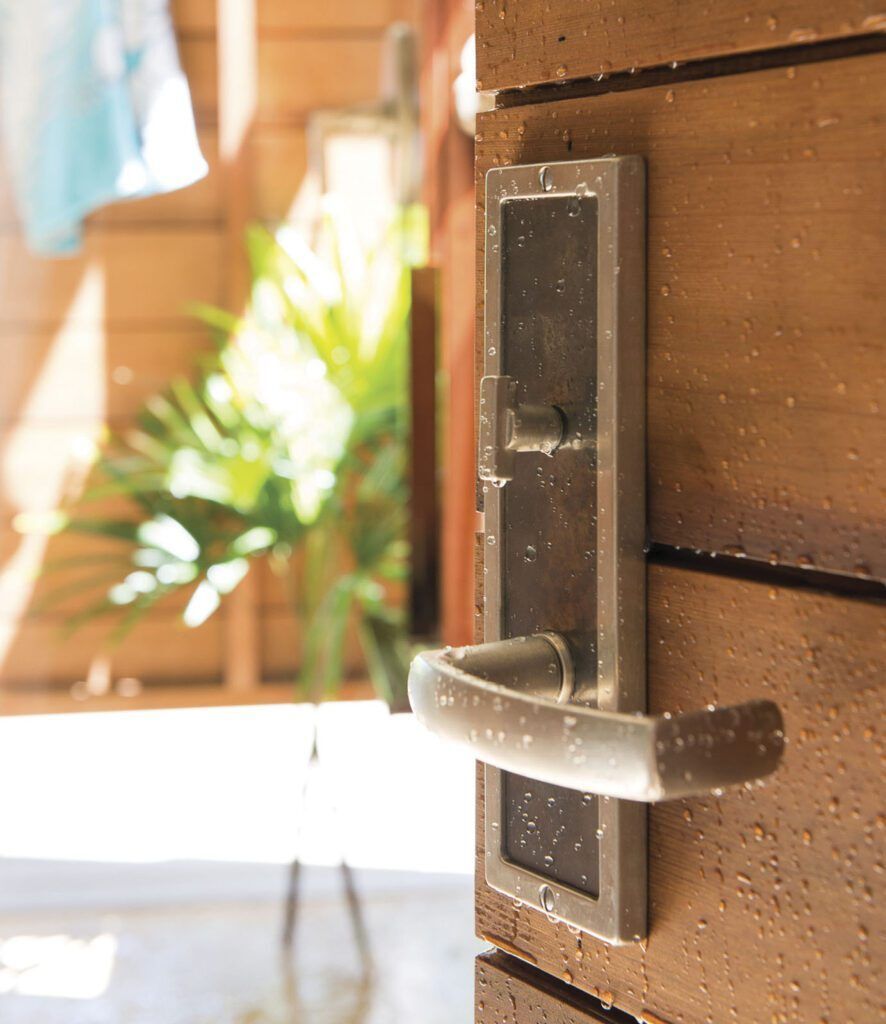
The material you choose directly impacts aesthetics, ergonomics, and long-term performance of your knobs. Bronze is still the preferred choice for artisanal interior design hardware for its many qualities—living patina, longevity, and visual harmony.
Living Finishes and Patina Development
Bronze’s living finish is its defining characteristic and the reason behind its timeless appeal. Unlike plated metals that remain static, bronze gradually develops a patina as it reacts with air, touch, and environmental conditions.
This natural aging process can lead to a darker shade or more polished appearance, among other subtle variations in tone, giving each piece a distinct appearance. Areas that receive frequent contact may become slightly brighter, while less-touched surfaces deepen into richer shades.
Over time, the finish creates a lived-in feel, telling a visual story of how the space is used. This evolving character is part of bronze’s appeal, reducing the need for constant polishing to maintain a uniform look—the material simply becomes more expressive with age.
With bronze passage knobs, you get functional hardware featuring a design element that contributes to depth.
The Unique Texture of Hand-Casting
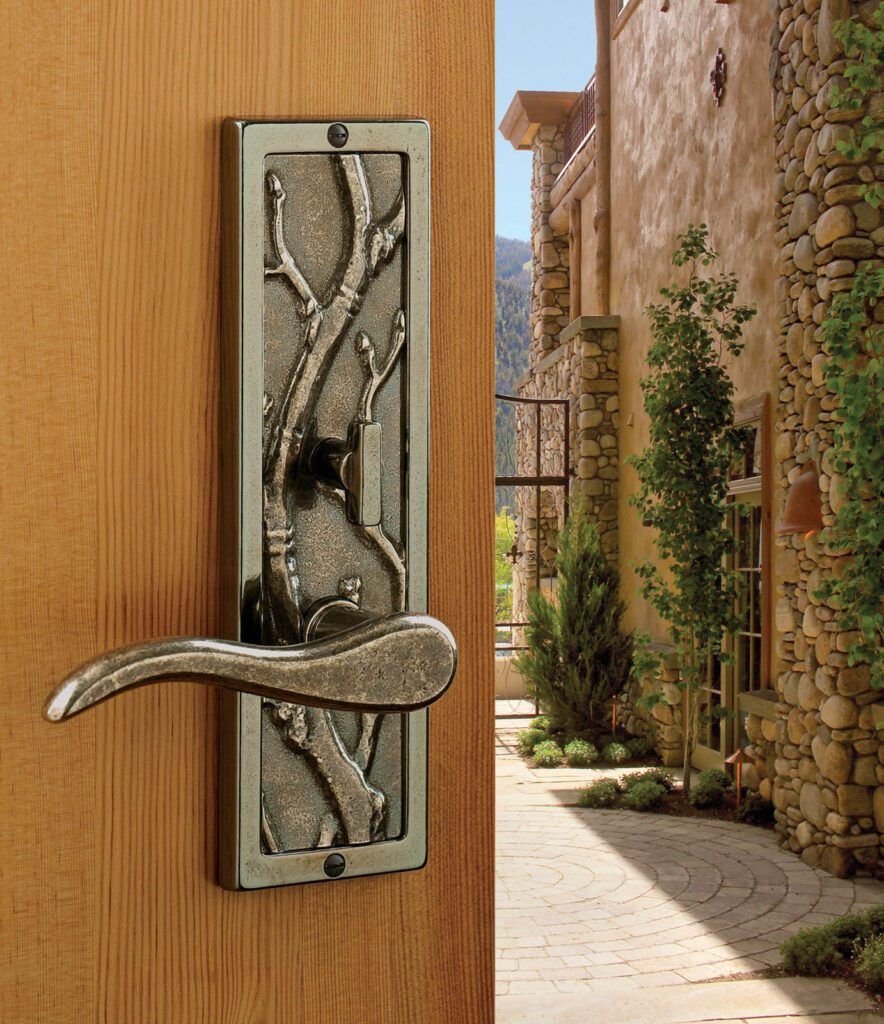
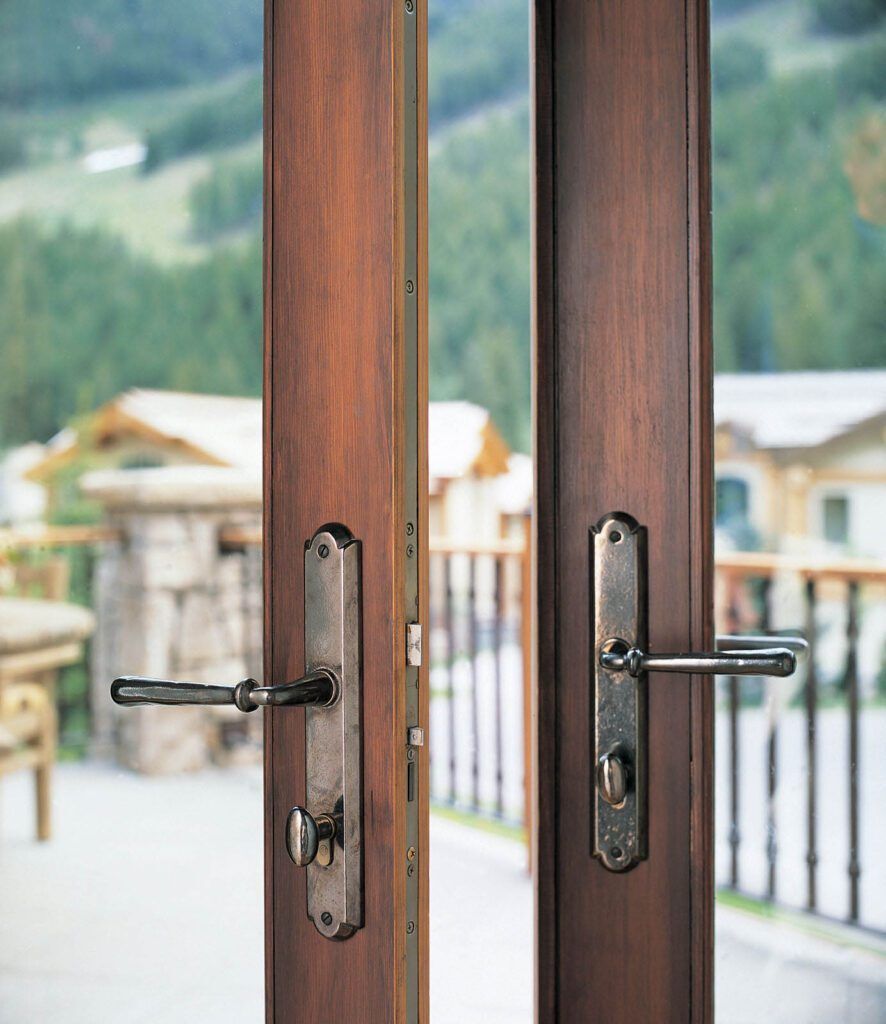
If you’re choosing premium door hardware, go for designs produced through a hand-casting process. These pieces emphasize craftsmanship and material authenticity.
Molten bronze is poured into molds, then cooled, finished, and assembled by skilled artisans. The production process allows subtle variations in surface texture, resulting in unique pieces—machine-made hardware often looks very similar.
Hand-casting gives you slight imperfections in the metal, creating depth, character, and a tactile quality that feels substantial in the hand.
Hand-casting also preserves the integrity of the material, allowing the knob to maintain durability and visual richness. Edges remain crisp, and surfaces feel solid and balanced.
If you appreciate craftsmanship and artistry, choose hand-cast bronze passage knobs that transform your functional components into meaningful architectural detail.
Selecting Escutcheons for Architectural Harmony
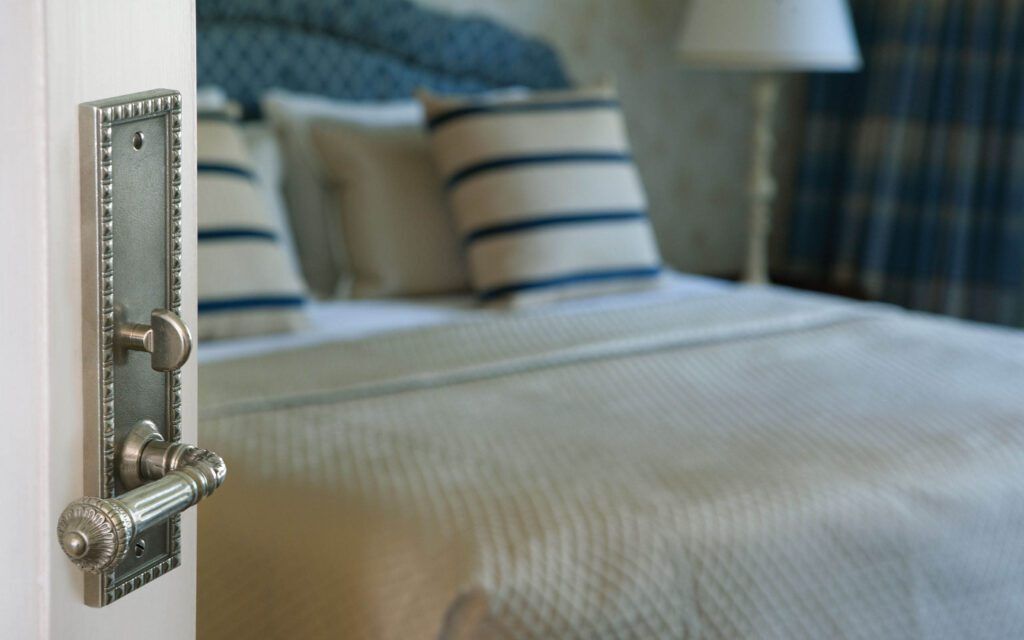
The answer to what are passage door knobs isn’t complete without mentioning escutcheon sets, especially when seeking to establish architectural harmony. For most passage door knobs, a decorative plate is needed behind the knob.
Also known as an escutcheon, this plate’s design plays an important role in the overall appearance of door hardware. The right escutcheon integrates the knob with surrounding trim, panels, and architectural styles.
If you have a traditional home, try elongated plates with subtle ornamentation, such as the Maddox Door Knob. For modern interiors, go with smaller round or square rosettes like the Mushroom Door Knob. Match the escutcheon scale to the door proportions and the knob.
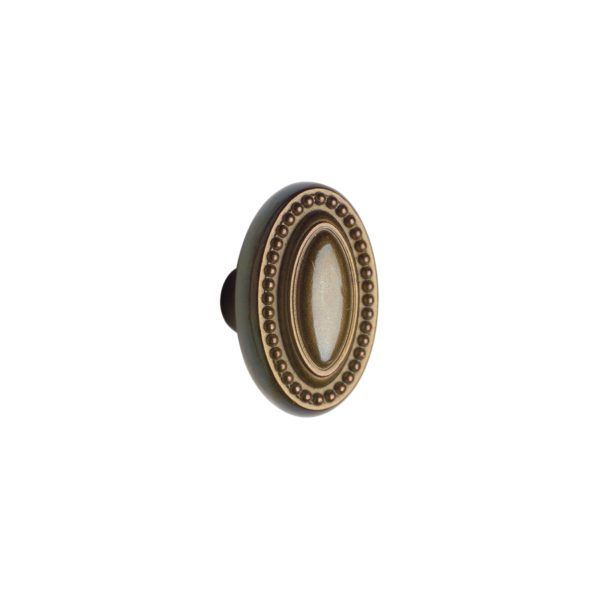
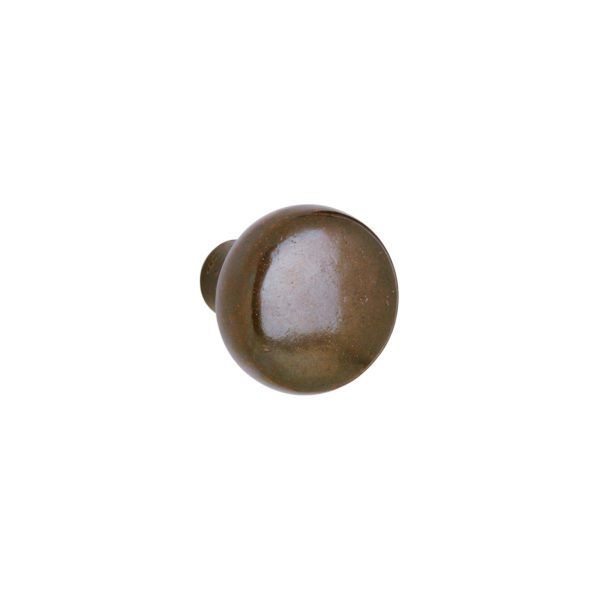
Choosing escutcheons crafted from the same bronze alloy ensures material consistency—color and patina should develop evenly across the hardware set.
Will It Fit? Installation & Compatibility Guide
If you have standard interior doors, you can find passage knobs with fitting bore sizes and backsets. However, custom sizes and sets are usually the recommended choice when looking for bespoke installations and intentional compatibility.
Bore and Backset: What You Need to Know
The bore size and backset are the two measurements to start with when installing a new passage door knob. A bore is a circular hole drilled through the door to accommodate the knob assembly, and the diameter can be standard or custom.
Backset refers to the distance between the edge of the door and the center of the bore hole. Passage door knob sets are designed to accommodate a range of sizes and include adjustable latch mechanisms.
You simply want flexible options that simplify installation and make it easier to replace older hardware without modifying the door. Designers usually confirm the measurements before purchasing hardware to achieve smooth installation and proper door alignment.
Standard vs. Custom Door Prep Requirements
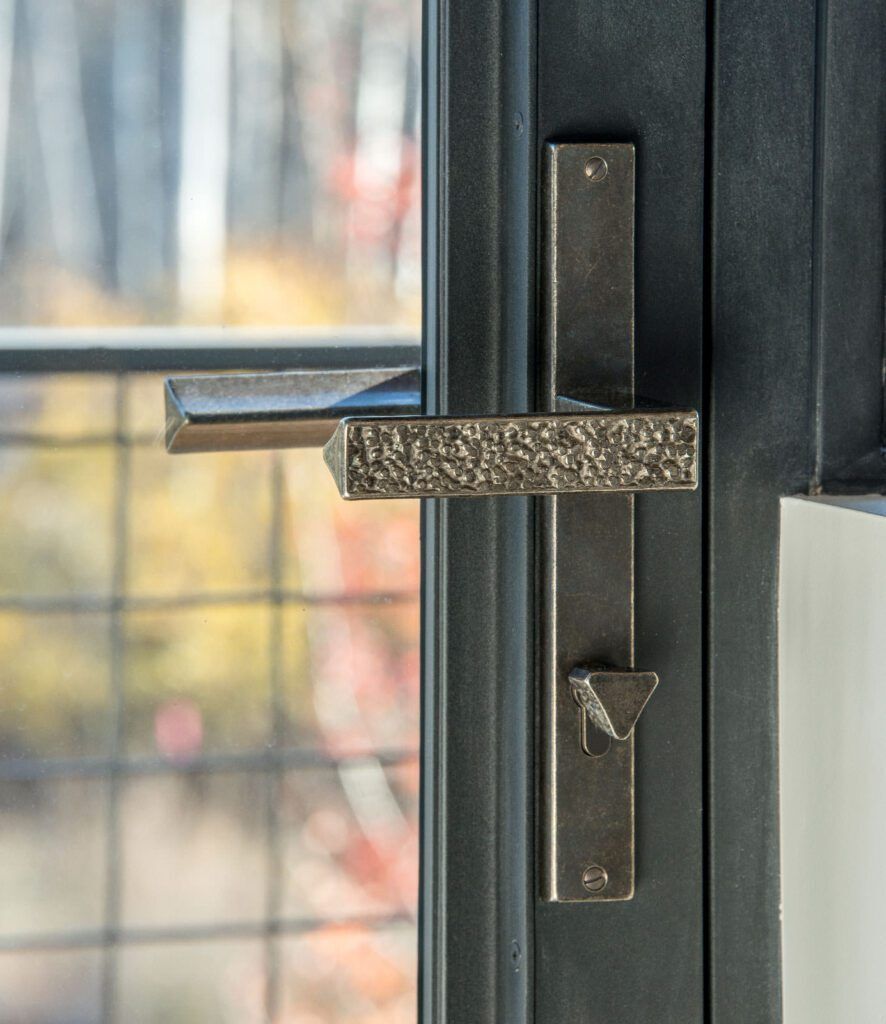
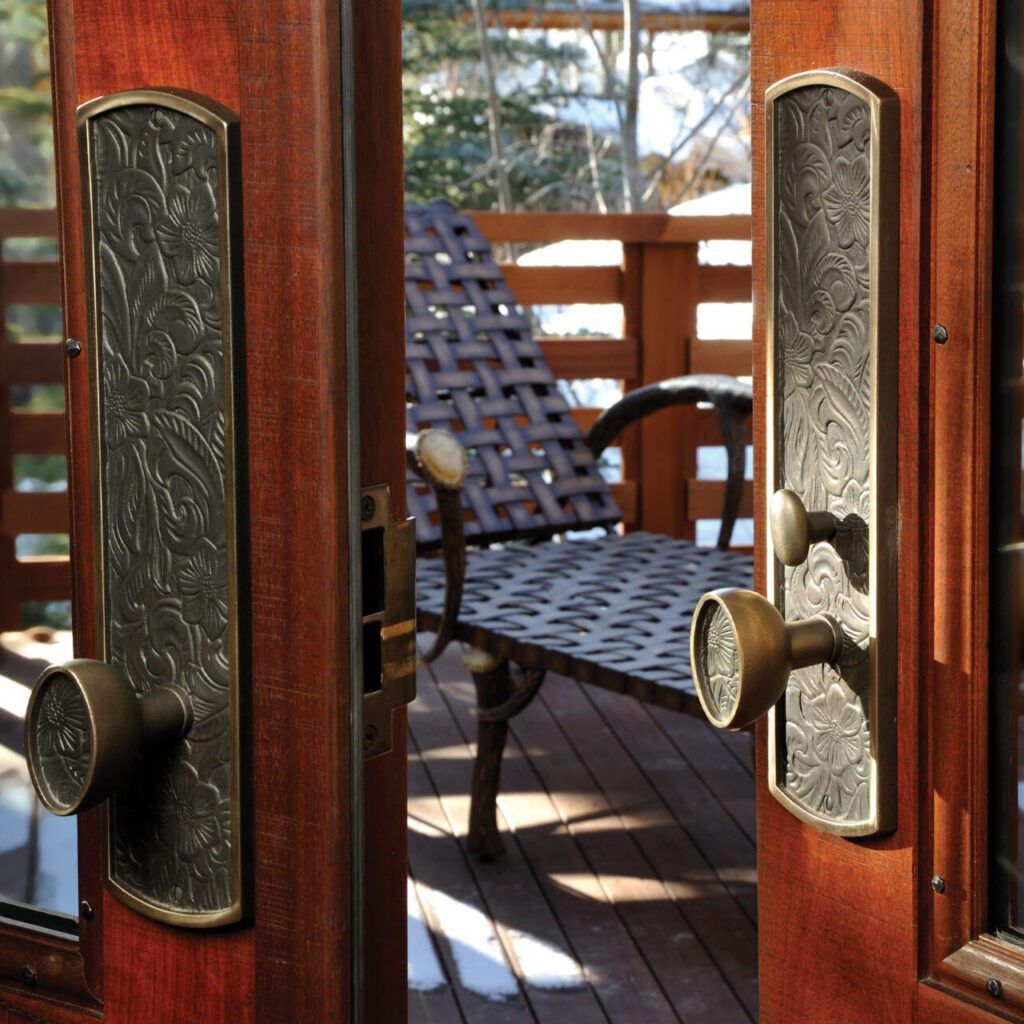
If your interior doors are manufactured with standard hardware preparation, you can install passage knobs without special modifications. Standard preparation typically includes the bore hole, a latch bore on the door edge, and pre-cut spacing for common backset measurements.
However, for custom doors, especially those in older homes or high-end architectural projects, you need specific measurements. Using larger plates, specialized escutcheons, or historic hardware designs will most likely require unique door preparation.
Even if you’re working with custom bronze hardware, verify measurements before installation. Door thickness, plate dimensions, and latch requirements should all be consistent. Verifying the details supports the right hardware selection, proper integration, and design integrity and preservation.
Retrofitting Standard Knobs with Luxury Bronze
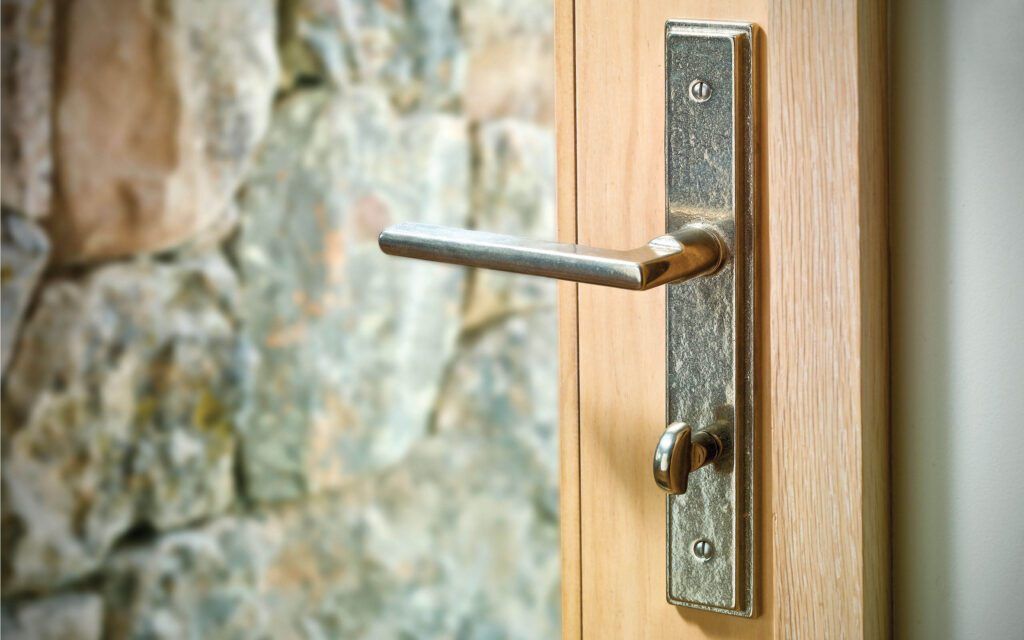
Upgrading standard door knobs and rings to high-quality bronze passage hardware is a straightforward improvement if you can find bronze knobs that fit your door preparations. In such projects, no further alteration to the existing door structure is necessary.
The process involves removing the existing knob assembly, inserting the new latch mechanism, and securing the new knobs or plates with mounting screws. Choose sets with adjustable components that align with standard bore and backset dimensions.
A bronze upgrade can change the feel of your interior door, especially if you choose high-quality, heavier materials and refined finishes. You don’t need to go through the cost of installing a new interior door. Simply look for knobs with improved internal mechanisms that create smooth, substantial experiences.
Don’t just retrofit, introduce craftsmanship and material richness.
What If My Door Isn’t Standard?
Doors in historic homes and custom-built residences may not align with modern hardware standards. You’ll notice that the bore holes are smaller, backsets vary, or the door thickness exceeds typical measurements.
In that case, there are various solutions. Use specialized latch assemblies that adapt to different backsets, or custom escutcheons or plates that cover non-standard bore sizes. Work with a professional to preserve the door’s original structure and integrate the new hardware.
Selecting premium bronze passage knobs that feature options for alternative configurations. This flexibility allows you to maintain architectural authenticity without sacrificing modern functionality and design integrity. Non-standard doors can accommodate refined passage hardware if you follow the right prep.
Can Passage Knobs Be Used on Exterior Doors?
After answering what is a passage lock, it goes without saying that these designs are meant for easy access, not locking security. Passage locks and knobs are rarely used on exterior doors alone, but they can complement other hardware systems.
Pairing Passage Sets with Deadbolts
Passage knobs do not include locking mechanisms, but you can pair them with a separate deadbolt in exterior setups. In this configuration, the passage knob controls the latch that opens and closes the door, while the deadbolt provides the security you need.
The combination is ideal for front and side entrances that see frequent traffic but still require a stronger locking system when the home is secured. The knob allows smooth operation for everyday use, while the deadbolt adds security.
Pair the passage knob with a matching bronze deadbolt to keep the hardware visually cohesive. Use consistent finishes and proportions, and stick to quality hardware and accessories that offer durability and reliable functionality.
Grand Entrances for Patio and French Doors
Patio doors and French doors are great places to install a passage door knob. These exterior-style applications usually rely on separate types of locks, allowing the passage knob to operate the door latch while additional hardware, such as multipoint locks or surface bolts, provides security.
French door pairs may also include an active door and an inactive panel. The active door can have a passage knob, while the inactive door uses flush bolts or concealed hardware to remain secured until needed.
Use matching bronze passage knobs across both doors to maintain visual symmetry when viewed from interior living spaces. Coordinate the knobs with complementary bronze door accessories, including hinges, bolts, locks, and final caps, to create an elegant grand entrance without sacrificing practical security.
FAQs About Passage Door Knobs
Do Passage Door Knobs Turn?
Yes. Passage door knobs turn freely from either side of the door. The turning motion retracts a spring-loaded latch, allowing the door to open and close easily.
Can I Convert a Passage Knob to a Privacy Function Later?
No. Passage knobs lack internal locking components. To convert them to a privacy function, replace the knob set with a privacy version designed with the proper locking mechanism.
What Is the Difference Between a Passage Lock and a Passage Latch?
A passage latch holds the door closed using spring tension, while a passage lock also includes the latch mechanism and may latch automatically. However, it still lacks any locking feature.
How Do I Maintain the Finish on a Bronze Passage Knob?
Clean the bronze hardware gently and regularly with a soft cloth to remove dust. Use mild soap when needed and avoid harsh chemicals to preserve the natural patina and living finish.