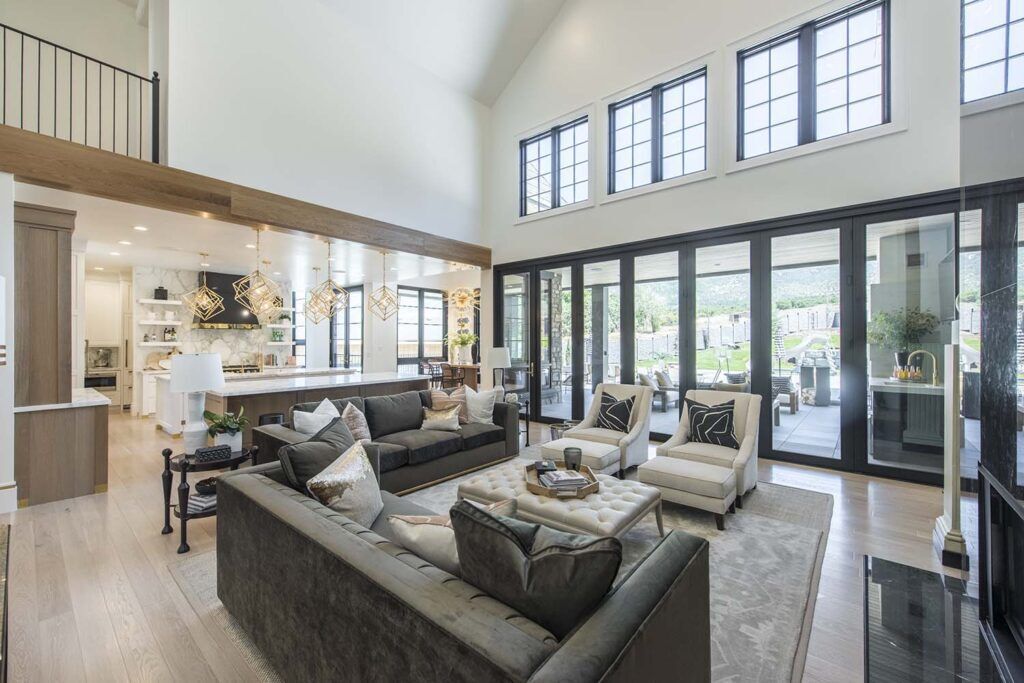
Penthouse interiors let modern luxury truly breathe. You’ve got the space, the light, the views—now it’s about making it all feel intentional. It’s not about filling a big space, but more about shaping it with purpose.
When creating a luxury penthouse interior, every detail matters. The materials, finishes, and even the hardware on a cabinet all contribute to that polished, cohesive look.
For example, installing the 19-inch Empire Grip Solid Bronze Door Handle or the textured Emerald Cabinet Knob can instantly elevate entryways and built-ins with a subtle but unmistakable sense of quality.
You’re always balancing open and airy with grounded and tactile. Think beautiful textures, warm metals, and pieces that feel crafted rather than mass-produced.
In a true luxury penthouse, craftsmanship shows up quietly. It might be a living patina that deepens over time. Sculptural hardware that doubles as art. Textiles that feel rich the moment you touch them.
This guide explores how to elevate luxury in penthouse interior design by harmonizing materials, finishes, layouts, and hardware through thoughtful craftsmanship and detail.
Quick Answer: What Defines Modern Penthouse Luxury?
Modern penthouse luxury is less about making a dramatic entrance and more about how a space feels once you’re inside it. Yes, it’s expansive. Yes, it’s open. But what really defines it is the layering—rich materials, bespoke finish options, and artisanal details that give the space depth and refinement without overwhelming it.
The Shift from “Showy” to “Substantive” Design
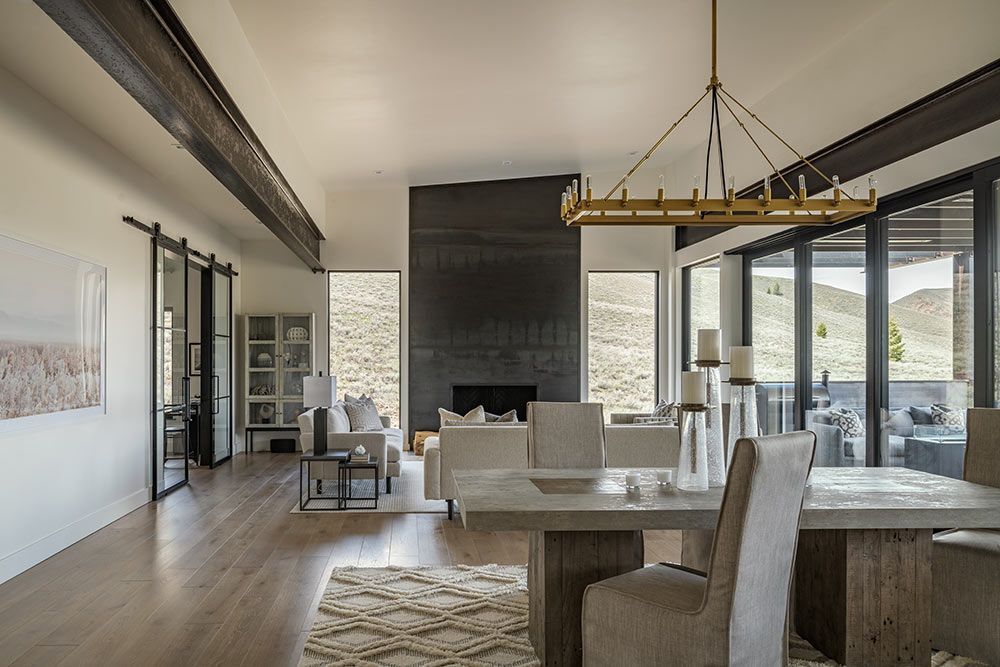
Luxury penthouse interior design has quietly evolved. It’s no longer about heavy ornamentation or obvious displays of excess. Instead, the interior design process and hardware have shifted to authenticity, real materials, tactile finishes, and proportions that feel balanced and intentional.
In a penthouse, the experience of the space matters more than decorative statements. You notice how rooms flow into one another. Furniture feels anchored rather than floating. Lighting, hardware, and textures speak the same language.
Every piece contributes to the overall story, and nothing feels added just to impress. The sophistication comes from restraint. Craftsmanship and subtle detailing help communicate permanence, and the space feels open yet intimate, visually rich, and always functional.
Texture, Weight, and Touch in Large Spaces
In a large penthouse, space alone isn’t enough. Without the right layers, it can start to feel a little too open and almost untouchable. That’s where texture and luxury interior ideas come in.
Soft textiles, natural stone, warm metals, and real wood bring warmth back into the room. They give your eye somewhere to land. A thick rug underfoot, upholstery with substance, even a subtly textured wall treatment can make soaring ceilings feel more grounded and inviting.
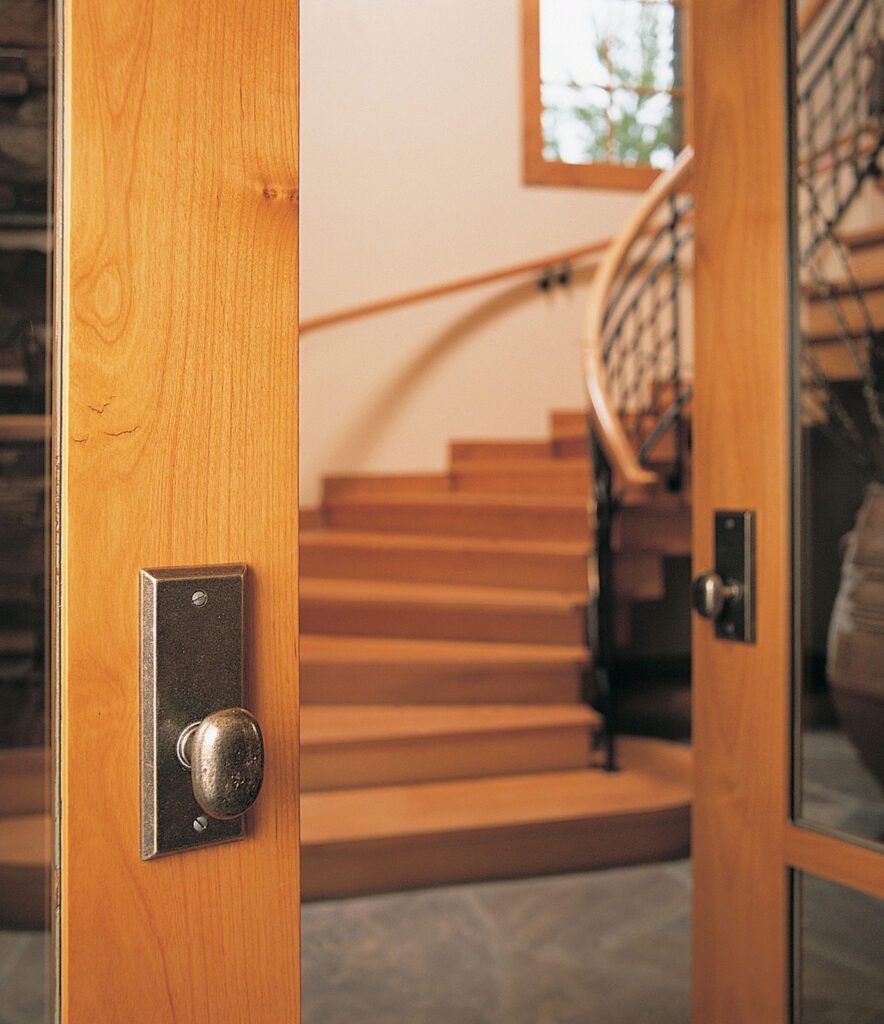
Scale matters here too, so find hardware and forms that match the architecture. Oversized doors call for hardware with presence, such as the large Button Bronze Door Lever, or the large Luna Door Knob.
High ceilings also need materials that hold their own. Nothing should feel delicate or undersized in a space this generous. It’s also about contrast. Smooth marble against woven fabric or reflective metal beside hand-finished wood. These quiet shifts in texture keep the space interesting.
Integrating Art and Artisan Details
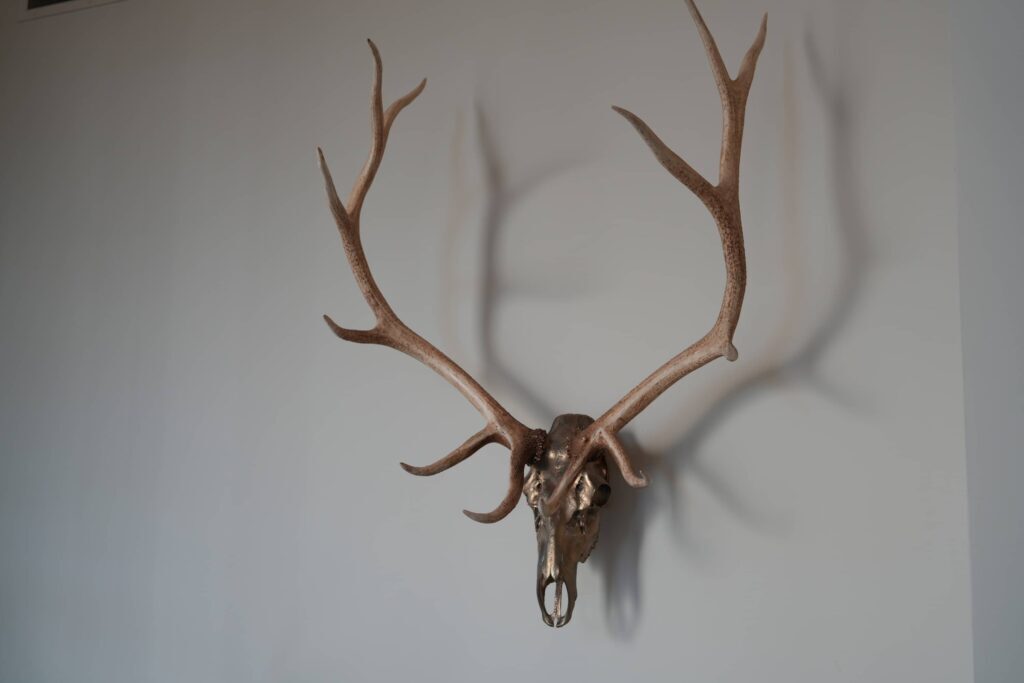
Art is considered part of the penthouse’s architecture, and the right piece can anchor a room. Bespoke artworks, sculptural lighting, custom metalwork, and hand-finished furniture all add personality to your home. They add depth and even help create reflective moments.
These details are seamlessly integrated using cohesive hardware, trims, and textiles that carry the same level of artistry as a statement sculpture. The goal is to create a subtle rhythm, with repeated curves, familiar colors, and shared materials that connect rooms.
Use aged bronze, copper, or hand-textured glass to showcase craftsmanship and add elegance to artwork. You can also collaborate with skilled artisans to bring originality into the space.
The Foundation of Permanence: Materials and Finishes
Durable, high-quality materials anchor the luxury penthouse interior. Materials are chosen with longevity, texture, and visual cohesion in mind.
The Resurgence of Bronze and Living Finishes
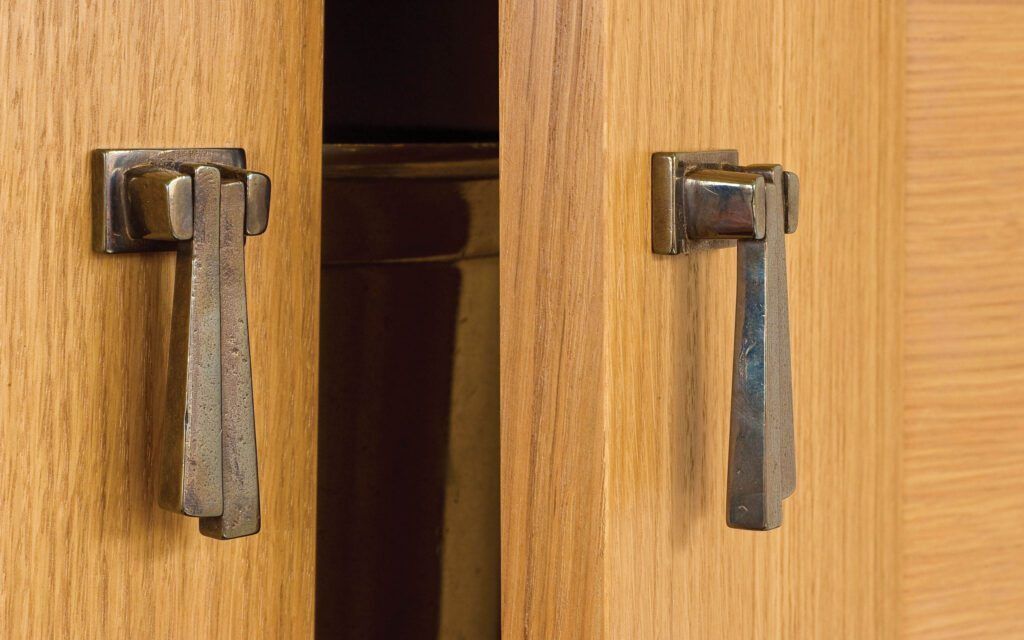
Bronze hardware and hand-applied finishes add warmth and a sense of authenticity. A living patina can catch the light in different ways throughout the day, giving surfaces a quiet, ever-changing personality. They also work beautifully alongside wood, stone, and glass, tying the interior together while showcasing artisanal skill.
Think of sculptural bronze door or cabinet handles, custom light fixtures, or aged metal accents that feel deliberate in their placement. Using bronze consistently across spaces creates visual continuity, while variations in tone and texture prevent the environment from feeling too uniform or sterile.
Balancing Cold Glass Walls with Warm, Earthy Metals
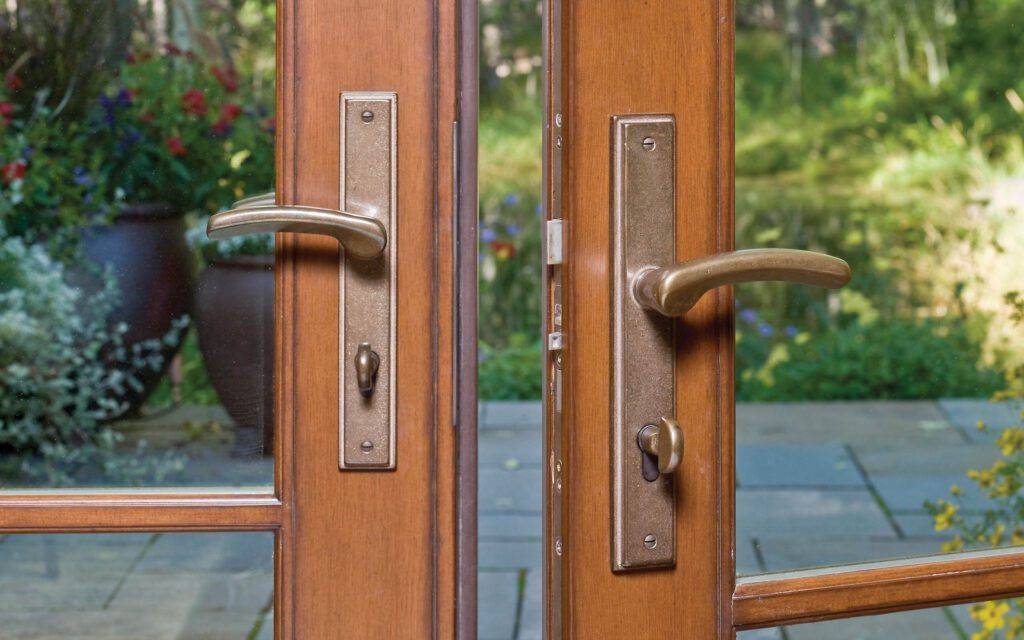
Expansive glass walls are stunning, but they can feel stark if left unbalanced. Warm metals like bronze act as counterpoints, adding tactile contrast to the openness. Architectural trims, railings, and hardware can become physical anchors that help the eye navigate expansive spaces.
Layering warm metals into furniture, lighting, and fixtures also softens reflective surfaces. You can pair them with natural woods or stone to reinforce a feeling of warmth and permanence.
Repeating these warm accents subtly throughout rooms delivers a cohesive experience while maintaining the warm, airy, modern interior that makes a penthouse interior design feel expansive rather than cold.
Using Patina to Add Depth to Contemporary Interiors
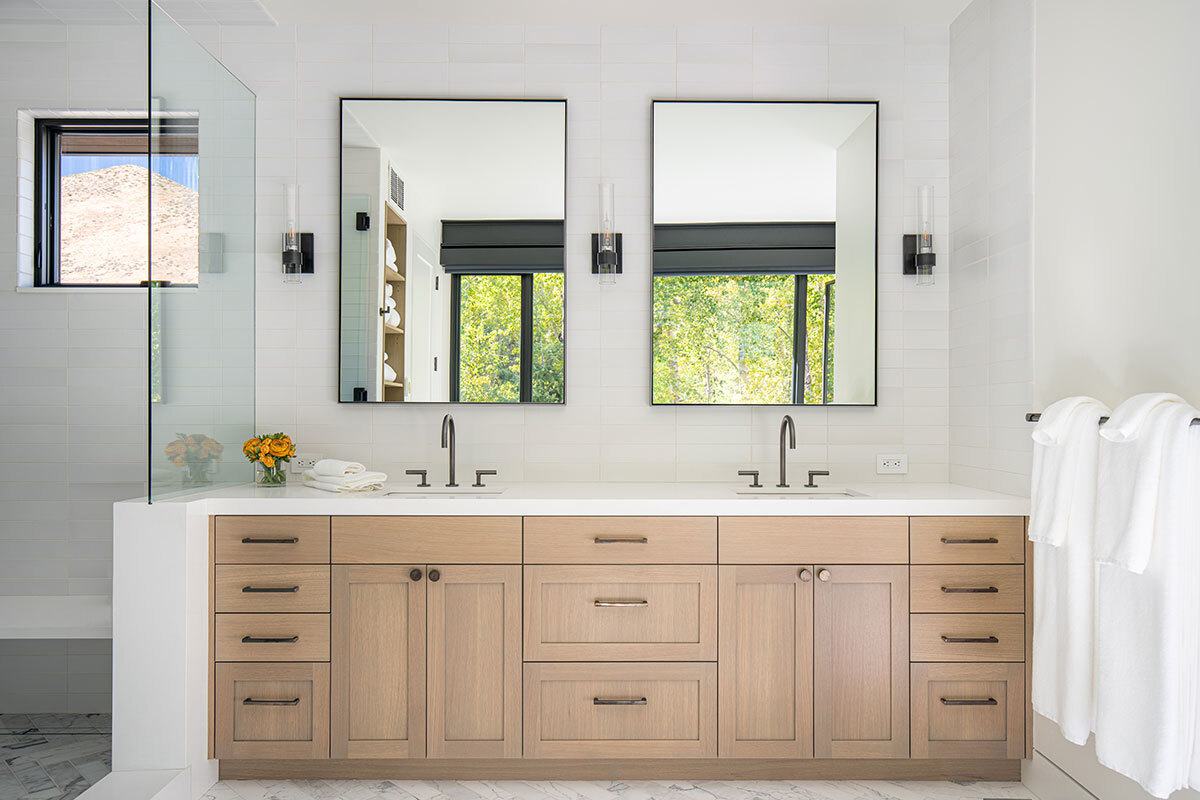
Patinas and hand-aged surfaces are a story written over time. Bronze and copper develop natural variations over time, making every piece feel unique and visually interesting.
With living patinas, surfaces don’t have to look overly polished or sterile in large interiors. Natural aging also adds texture and depth without cluttering the space.
The beauty of patina is its versatility—it can be achieved on hardware, lighting, or statement furniture. Patina also bridges historic inspiration and contemporary minimalism, letting a space feel timeless while remaining modern.
Designing Signature Penthouse Interior Design
To design your signature penthouse interior design, tackle each section individually while harmonizing them into a unified space. See each room and space as part of the overall design, allowing seamless flow without sacrificing distinction.
The Grand Entry: Making the First Impression Count
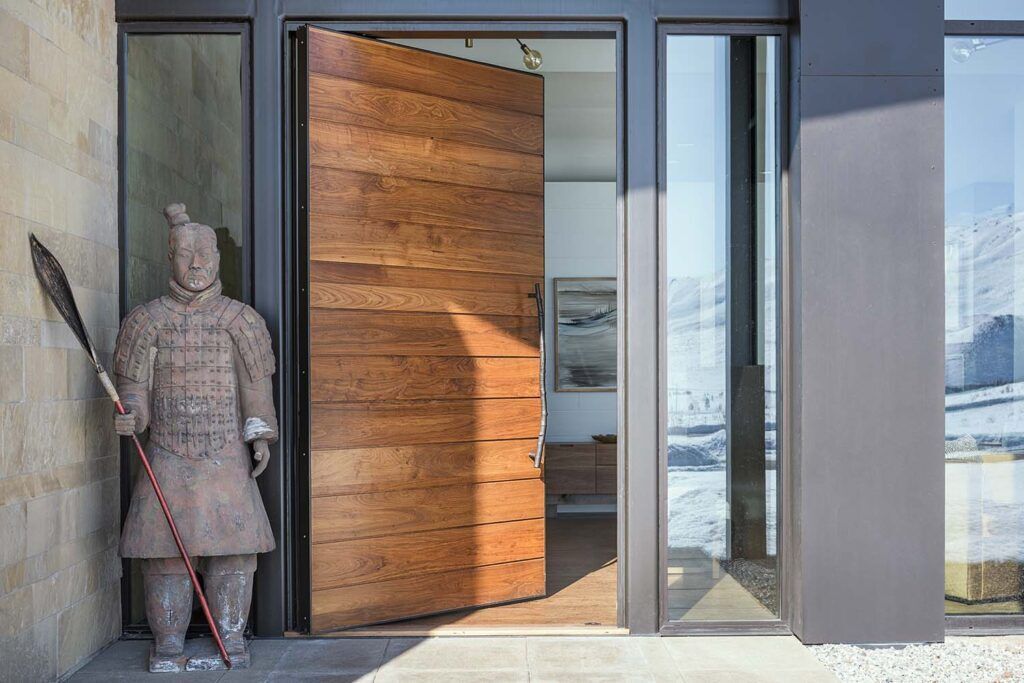
The entryway is the first impression of your penthouse aesthetic, so make it count by learning how to decorate your front entrance without overdoing it. Statement doors, sculptural lighting, and flowing materials immediately set the tone.
Oversized bronze hardware can help signal quality craftsmanship, while custom inlays and hand-applied finishes give warmth and subtle elegance.
Mix textures using stained glass, stone, and wood to make the space feel alive. Highlight patinas and surface detail by maximizing natural light and strategic use of ambient and accent lighting.
You can add furniture and rugs, scaled for proportion, to balance the open volume with a sense of intimacy. Think of your entry as a gentle introduction, with every element designed to support movement, sightlines, and rhythm without feeling staged.
Living Areas: Open Plans Anchored by Architectural Details
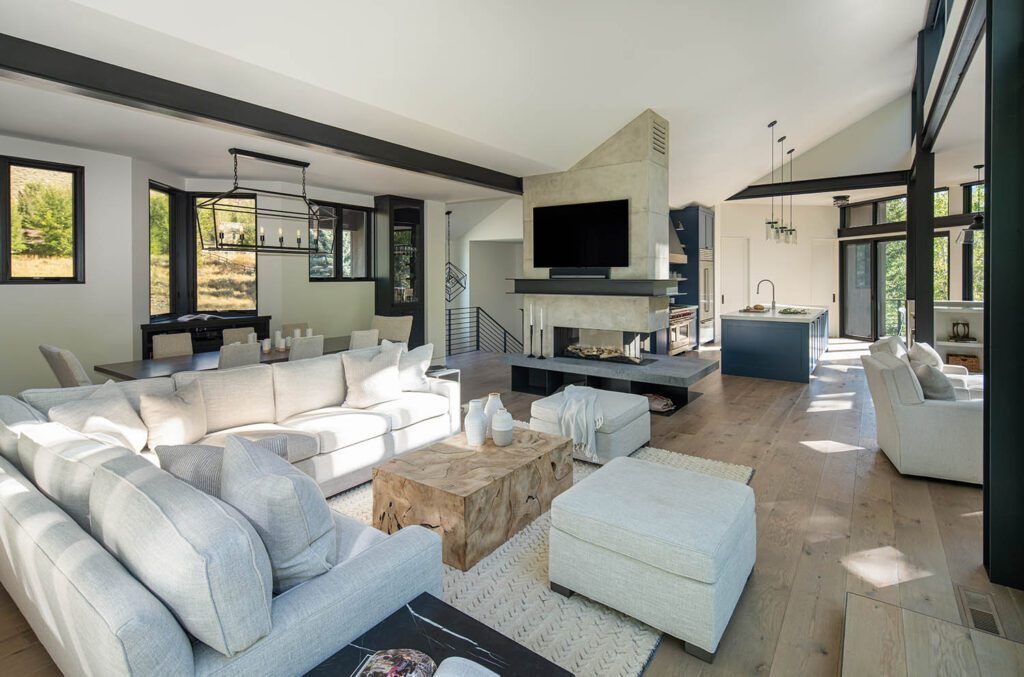
Open living spaces need anchors, such as integrated shelving, a fireplace, or a sculptural metal feature, to give the room focus. Curved furniture and rich textiles also help create tactile balance and soften large volumes.
You can use subtle repetition, such as motifs in hardware, lighting, or surface textures, to guide the eye from one area to the next. Natural stone floors and warm metals like bronze cabinet hardware help offset the expanse of glass, keeping spaces inviting.
Use layered lighting in your penthouse living room to support mood and function, and add rugs, panels, or screens to define zones without breaking the openness.
The Master Suite: Creating Bespoke Retreats with Custom Fittings
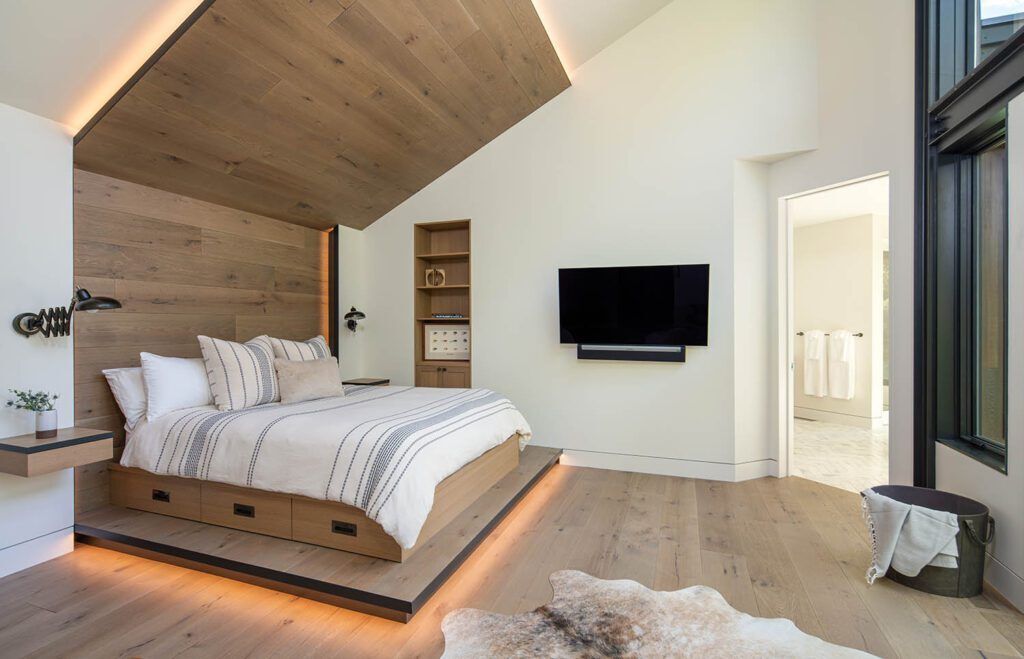
Your penthouse master suite is a personal retreat. Use curved headboards, layered fabrics, and custom cabinetry add sensory richness. Choose hardware, lighting, and fixtures that balance scale, proportion, and tactile quality—every touchpoint should be intentional.
Layer lighting by balancing ambient glow, task needs, and accent detail, and leverage materials like wood, bronze, and stone to bring natural warmth. You can use custom furniture to support comfort while keeping surfaces clean and uncluttered.
Even though a luxury penthouse bedroom is often spacious, you can install built-ins, dressing areas, and concealed storage to preserve space if needed. Complement patinas with motifs elsewhere in the penthouse to tie the suite to the rest of the home.
Spa-Bathrooms: Transforming Utility into Sanctuary
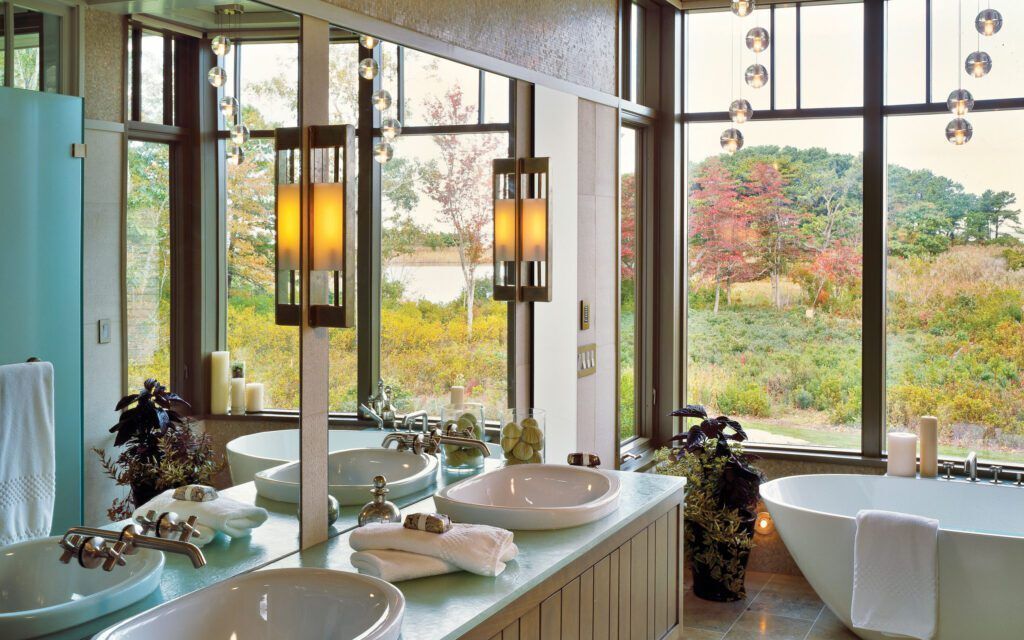
While functionality is key, bathrooms are a chance to create calm and luxury. Stained glass, patinated metals, and textured stone create visual depth, while custom lavatories and fixtures support ergonomic comfort.
For your interior palette, use bronze-finish tiles, wood, and metal selections—these are also tactile surfaces that invite interaction. Other spa bathroom ideas include layering lighting to balance practical needs with mood, highlighting sculptural hardware and accents, reducing clutter to preserve the style’s openness, and using thoughtful storage and flow make the space effortless to use.
Rooftop Terraces: Weathering the Elements with Marine-Grade Durability
Outdoor spaces need durability without sacrificing style, so go for marine-grade metals, treated woods, and resilient textiles that withstand the elements while keeping design consistent.
Use curved railings, sculptural furniture, and lighting to maintain a penthouse aesthetic. Add textured surfaces for safety and tactility. Patinas and aged finishes that evolve gracefully outdoors also help add subtle character.
You can use planters, water features, and seating zones that invite lingering. The detailing should balance openness with comfort, connecting the terrace visually to the interiors while letting it feel alive and usable.
Function & Flow: Architectural Planning for Large Spaces
A penthouse gives you lots of room to work with, and while you don’t want the room to feel empty, you may still end up cluttering the space with unnecessary items. Proper architectural planning keeps each room functional and enhances traffic flow and visual movement.
Zoning the Open Plan: Using Hardware to Define Transitions
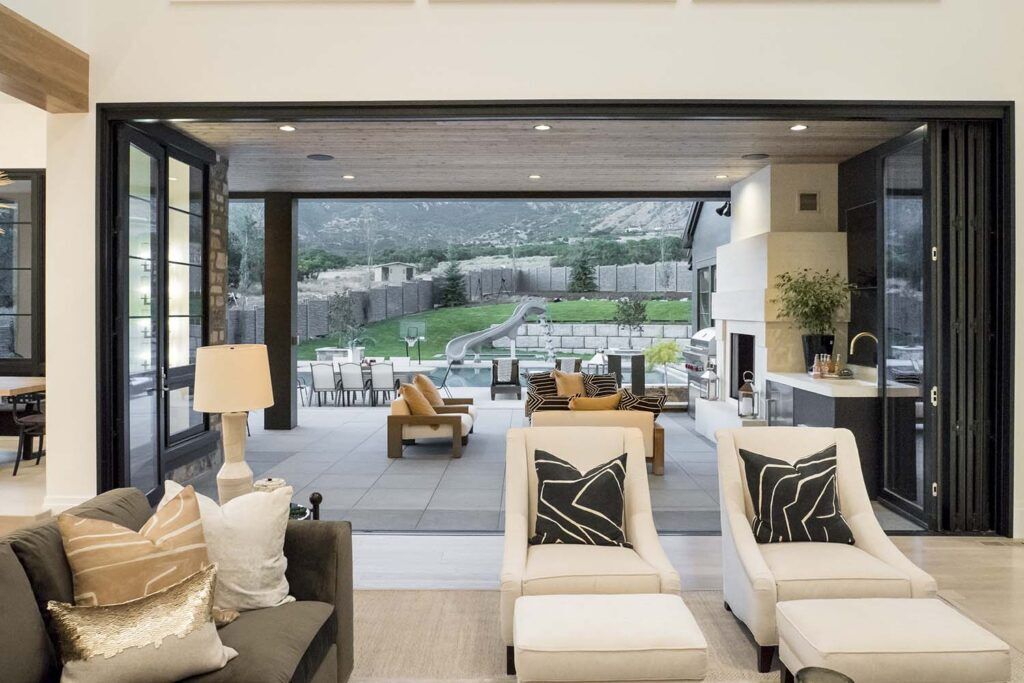
Open layouts are liberating but can feel overwhelming in a penthouse. To work in such generous spaces, choose door hardware, cabinet knobs, railings, and partitions that guide movement and mark transitions without breaking the flow.
Subtle changes in finishes, textures, or materials can help define zones naturally. Install door sets, handles, and fixtures that feel in proportion to the space, preferably oversized.
Use curved lines and tactile finishes to soften transitions, and lighting, cabinetry, and flooring to anchor each area. Try to keep the space open but human-scaled—this makes large rooms intuitive to move through and interact with.
Smart Home, Soulful Touch: Integrating Tech without Losing Warmth
Technology can remain subtle without stealing all the attention. Touchscreens, automated lighting, and climate systems blend easily into a penthouse interior design, but the textures and scale need to be coordinated with surrounding elements.
For instance, a control panel set into a custom wood cabinet or a discreet metal interface feels more like part of the room rather than a gadget on display. Use concealed wiring and minimalist designs to preserve clean sightlines.
Add tactile materials, such as bronze accents, stone, and wood, to keep the space grounded and inviting. The tech systems should enhance function and comfort while contributing to the visual aesthetics.
Hardware as a Design Statement
Hardware is not only functional—it provides decorative accents that add texture, tactile experience, and depth. You can find custom bronze pieces that make a bold statement, announcing doors, cabinets, and other fixtures in elegant fashion.
Selecting Hardware for High Ceilings and Oversized Doors
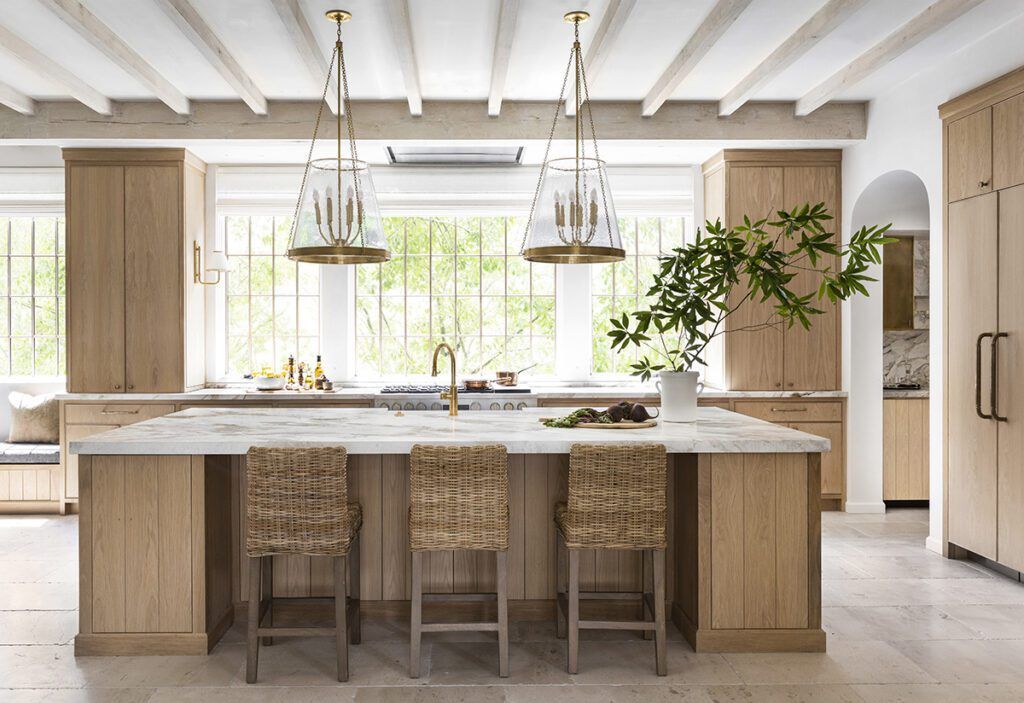
High ceilings benefit from statement lighting fixtures, with warm metal constructions and decorative, handcrafted designs. Installing a Cross Arm Chandelier with square glass and bronze accents can draw eyes and anchor a penthouse living room.
Oversized doors also need high-quality hardware that feel substantial without dominating the space. Choose bronze or copper, pairing them with custom finishes to provide weight and presence. Bronze pulls, knobs, hinges, and locks come in various sculptural and sleek designs—find one that matches your style.
Install an ergonomic lever or knob that feels good in your hand and complements the scale of the room. Use curved lines to soften visual weight, and coordinated palettes with patinated elements across the penthouse.
Collaborating with Artisans for One-of-a-Kind Pieces
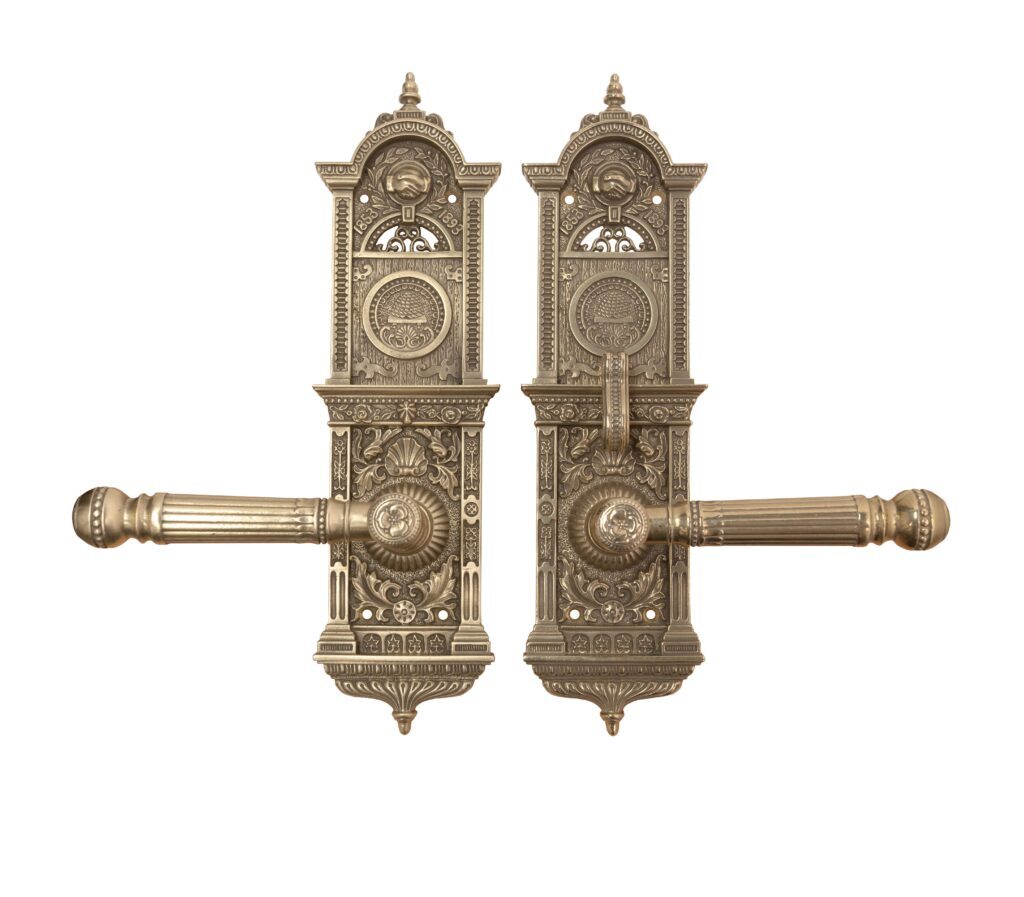
Working directly with artisans is a way to bring originality and tactility into your penthouse. They can help you leverage hand-forged metals, carved wood, and custom glass create signature hardware that can’t be replicated.
Artinanal pieces also offer scale, patina, and form, carefully considered so each piece interacts harmoniously with cabinetry, lighting, and furniture. Such collaborations offer experiential interior design tips, and help bring a human touch and narrative into the space.
Whether you need a unique door lever or hinge that carries a story and reinforces cohesion and longevity, artisans can help you create one that’s unique to your penthouse.
Consistency vs. Contrast: Mixing Metals in Open Layouts
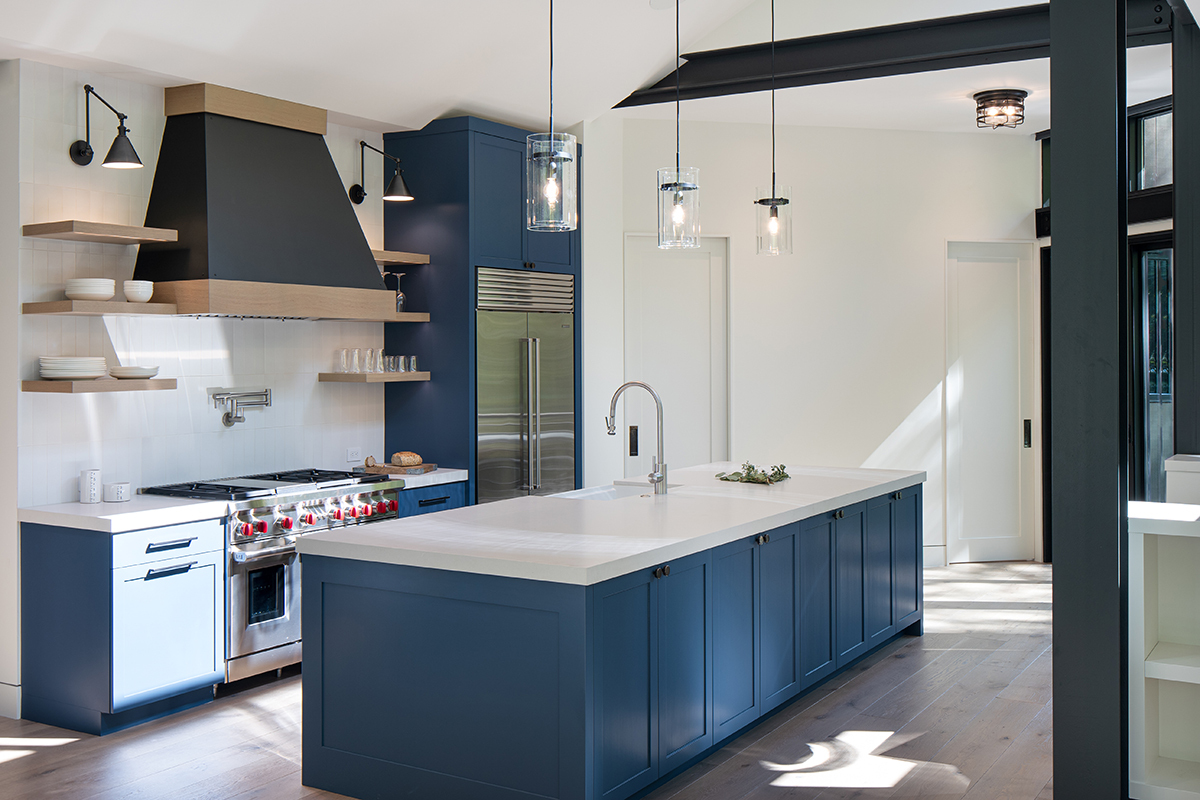
Mixing metals adds visual depth and interest, but it’s all about balance. Warm bronze and dark copper can coexist if repeated thoughtfully. Aged and polished surfaces also contrast each other, define zones, and highlight details without feeling jarring.
Coordinate texture, scale, and finish to create consistent and cohesive spaces. The hardware and lighting should feature materials and finishes that blend in seamlessly into the overall design.
Aim for a natural transition through curated color palettes and subtle contrast. Keep the eye moving to make open layouts layered but unified and tactile.
Matching Hardware to Penthouse Aesthetics
Your penthouse apartment design requires hardware that matches the intended aesthetics. Whether you’re going for minimal luxury or industrial chic, find pieces that fit right into the style.
Minimal Luxe: Clean Lines and the “Edge” Collection
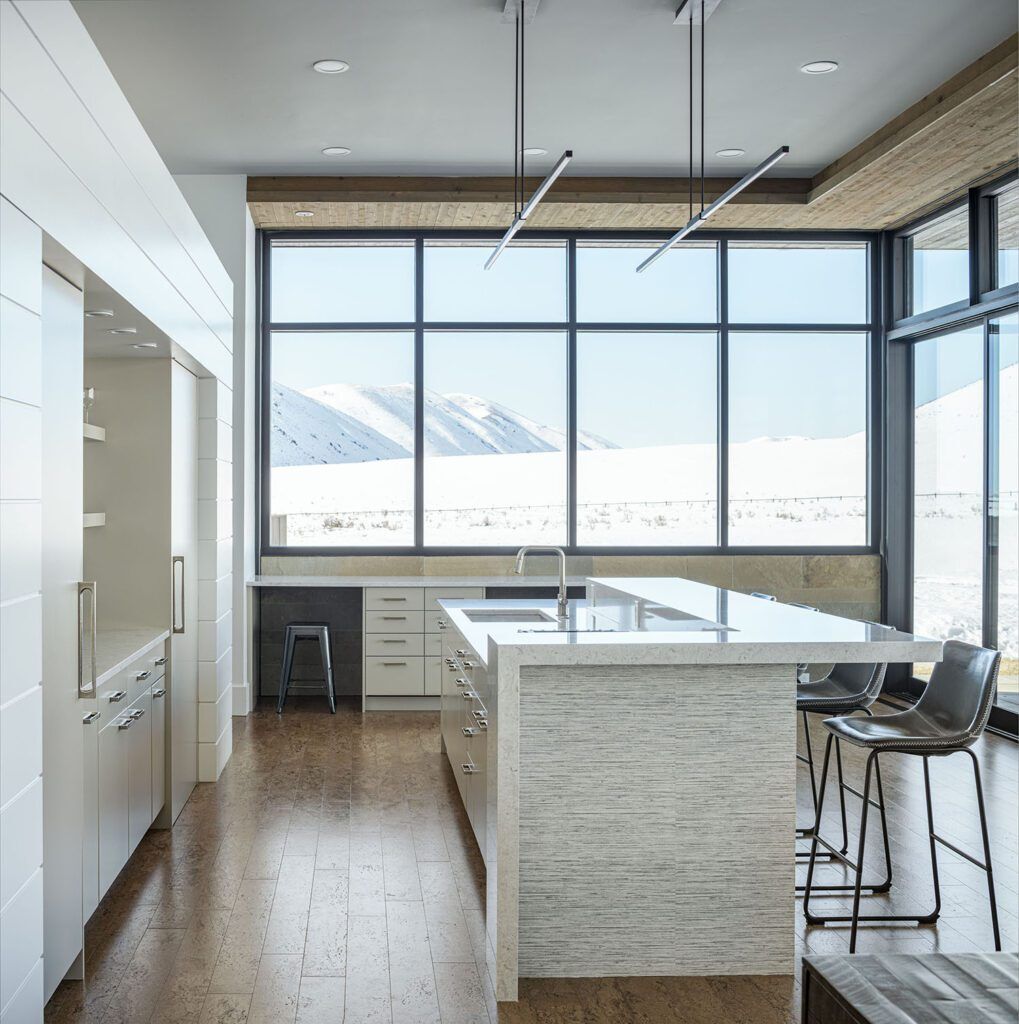
The highlights of a minimalist penthouse include sleek, intentional hardware—think linear handles, hidden hinges, and polished surfaces. These choices support understated elegance without drawing attention away from the architecture.
Repetition across cabinetry, doors, and lighting creates subtle rhythm, while materials like stainless steel, glass, and stone complement the clean lines. Bronze adds a hint of texture or patina, creating warmth that keeps the space from appearing too cold.
Minimalist hardware is used to add a satisfying touch and create seamless continuity between expansive spaces. Modern light fixtures and wall sconces reinforce clean lines and sleekness, while accessories may feature light curves and slightly aged appearances for a much-needed contrast.
Japandi & Wabi-Sabi: Embracing Imperfection with Living Patinas
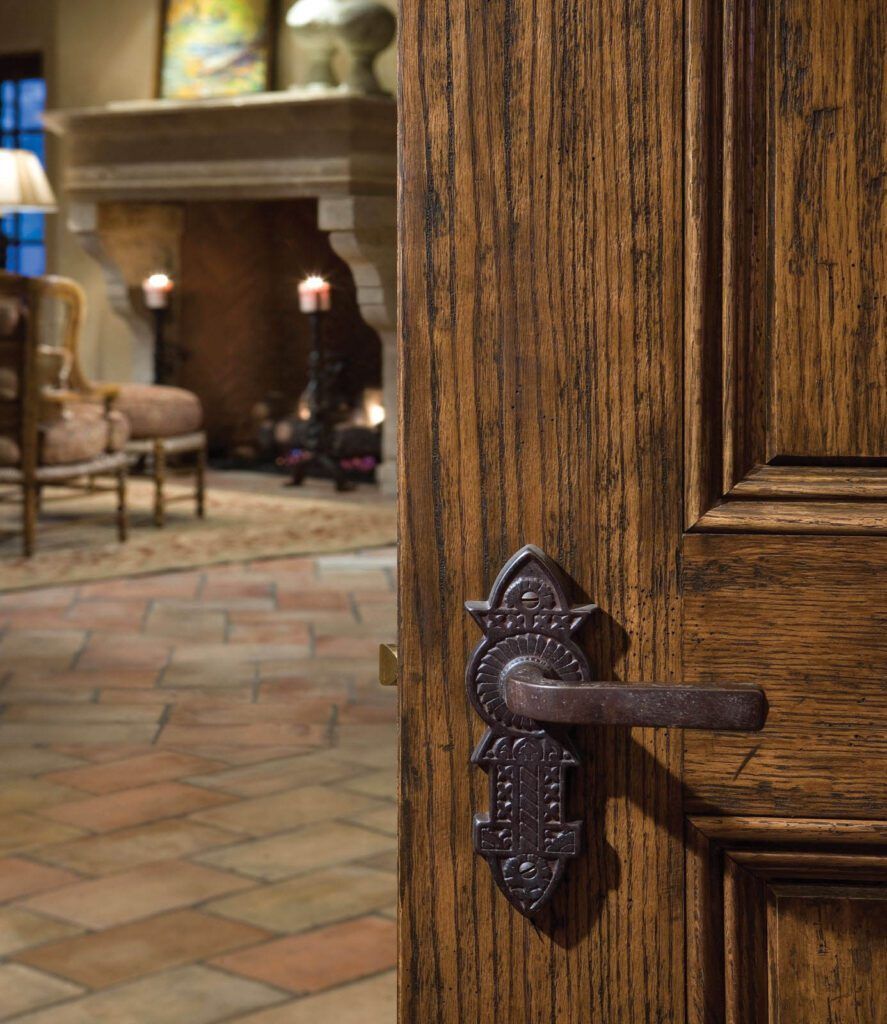
Celebrating the Wabi-Sabi and Japandi interiors celebrate the beauty of natural variation. Patinated metals, such as bronze, deliver warmth, which hand-glazed ceramics and textured woods reinforce the natural style, turning human imperfections into features.
Hardware follows the same ethos, featuring tactile, organic forms that provide harmony and smooth, flowing lines. Minor repetition of materials maintains cohesion, while soft finishes create depth without cluttering the space.
Natural textiles and muted palettes are also used, resulting in interiors that feel human-centered, calm, and soulful.
Industrial Chic: Raw Texture and Dark Bronze Finishes
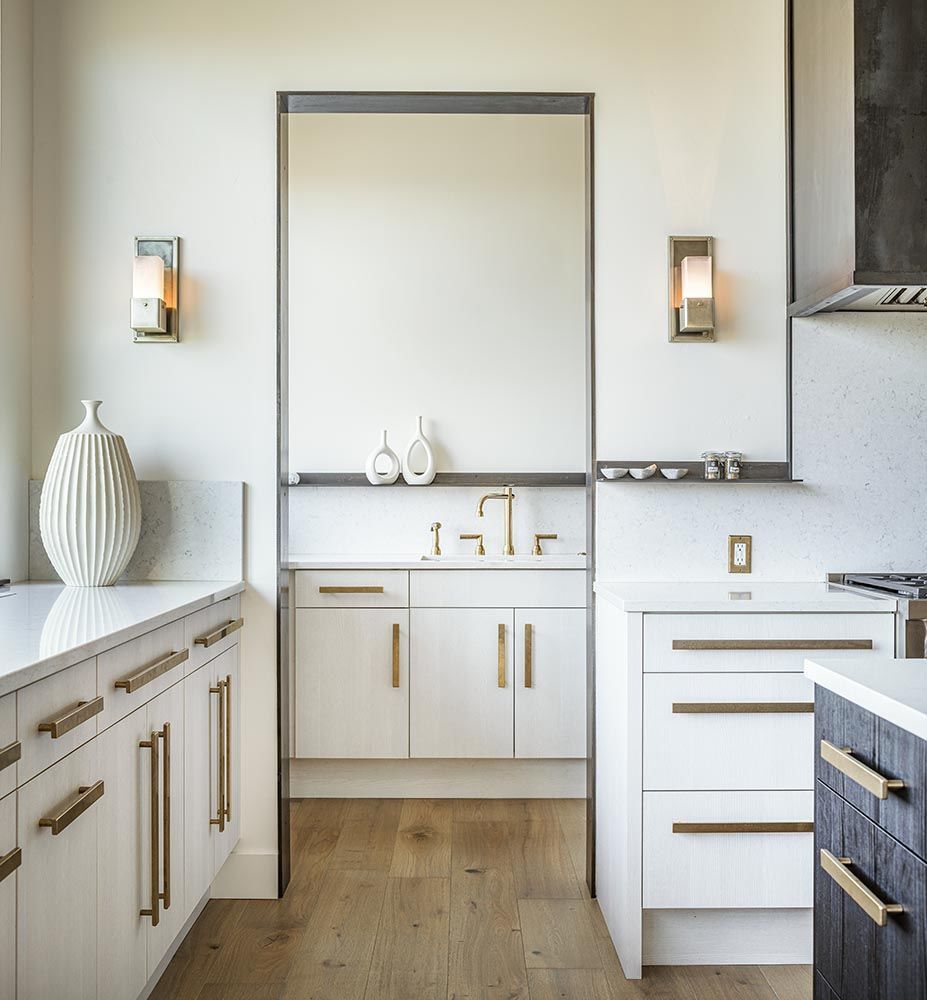
To create an industrial chic penthouse, the priority should be bold texture. Choose raw metals, exposed concrete, and dark bronze hardware that make a bold statement immediately while remaining tactile and approachable.
For the hardware, lead toward robust, sculptural designs that echo the architectural lines. Balance open volumes and use curved or textured elements to soften hard surfaces. Aged finishes and bronze patinas also help add sensory richness.
Use thoughtful integration with lighting, cabinetry, and decorative metals to establish a space that feels warm, layered, and purposeful.
Frequently Asked Questions on Penthouse Interior Design
How Do You Add Warmth to a Glass-Heavy Penthouse?
Introduce warm metals, such as bronze, which develops a patina over time, and offer opportunities to integrate warm materials like textured woods and layered textiles. Use patinated finishes to balance light and reflective surfaces, and layer your textures carefully.
Why Is Custom Hardware Recommended for Luxury Properties?
Custom hardware factors in scale, finish, and tactile experience to deliver options that match interior design intent. They help create a cohesive, refined aesthetic, and are often high-end if you work with experienced artisans and suppliers.
What Are “Living Finishes” in Interior Design?
Living finishes refer to those that develop variation over time through patina, oxidation, or hand-applied processes. The finish gradually evolves, producing an aged, lived-in appearance that’s still luxe and quality. They help enhance texture, warmth, and visual depth in interiors, and age naturally, retaining a timeless aesthetic.
How Do You Maintain Privacy in an Open-Concept Penthouse?
You can maintain privacy through frosted or textured glass, screens, curtains, and strategic furniture placement. These hacks define zones without obstructing light or flow, while providing just enough obstruction to keep your spaces private and intentional.