Luxury bedroom interior design is not defined by the excess of elegance; the most refined bedrooms achieve their impact through restraint, thoughtful material selection, and a strong sense of visual continuity.
In a truly luxurious bedroom, layered textiles soften the space, natural materials add depth, and curated details set the tone of permanence that transcends changing design trends. Architectural features, artisanal finishes, and custom furnishings work together to establish a room that is both sophisticated and deeply personal.
What Makes a Bedroom Feel Truly Luxurious?
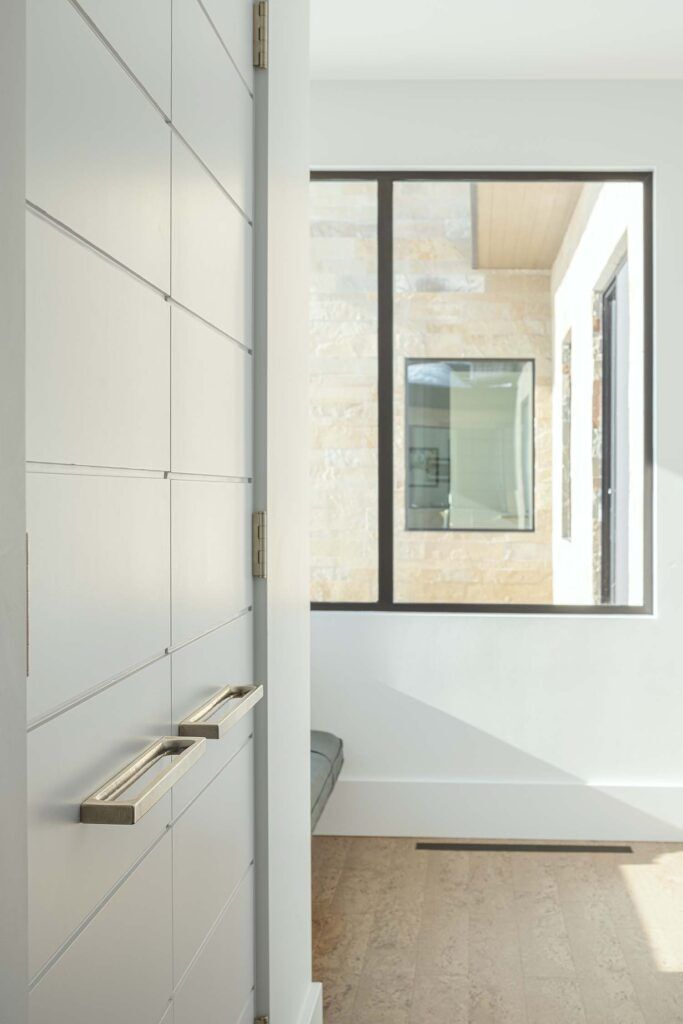
You might be tempted to splash your luxury bedroom interior with expensive furnishings and elaborate finishes. Even though you want the place you spend the most time in your home to be extra cozy and flashy, we believe that is the wrong way to visualize a broad and flexible concept. The most memorable bedrooms derive their character from something more fundamental.
A luxurious bedroom is composed, comfortable, and visually balanced as every element serves a purpose within the overall design. For instance, natural stone, solid wood, premium textiles, and handcrafted metalwork respond differently to light, develop character through use, and contribute a sense of authenticity that elevates the room.
Luxury bedroom ideas build interest through layers of complementary materials, textures, and forms. Most importantly, luxury bedrooms must have a comfortable space without sacrificing sophistication.
Luxury Bedroom Ideas by Interior Design Style
You’re not wrong to think different design styles interpret luxury in unique ways. However, the strongest bedrooms share an emphasis on craftsmanship, material richness, and thoughtful composition. These luxury bedroom ideas demonstrate how various aesthetic approaches can make a space refined, welcoming, and enduring.
Quiet Luxury Bedroom
Quiet luxury is the understated refinement that completely eliminates the obvious displays of opulence. The palette is typically restrained, uses warm neutrals, natural materials, and subtle variations in texture to create depth away from visual noise.
Layered linens, upholstered furniture, natural wood door hardware finishes, and handcrafted accents have a sense of comfort that comes out effortless. When decorative elements are limited, material quality and craftsmanship can become the focal points of the room.
Architectural details within quiet luxury interiors like tailored millwork, artisanal hardware, and carefully selected lighting contribute visual interest while preserving the calm atmosphere that defines the style.
Modern Hotel-Inspired Bedroom
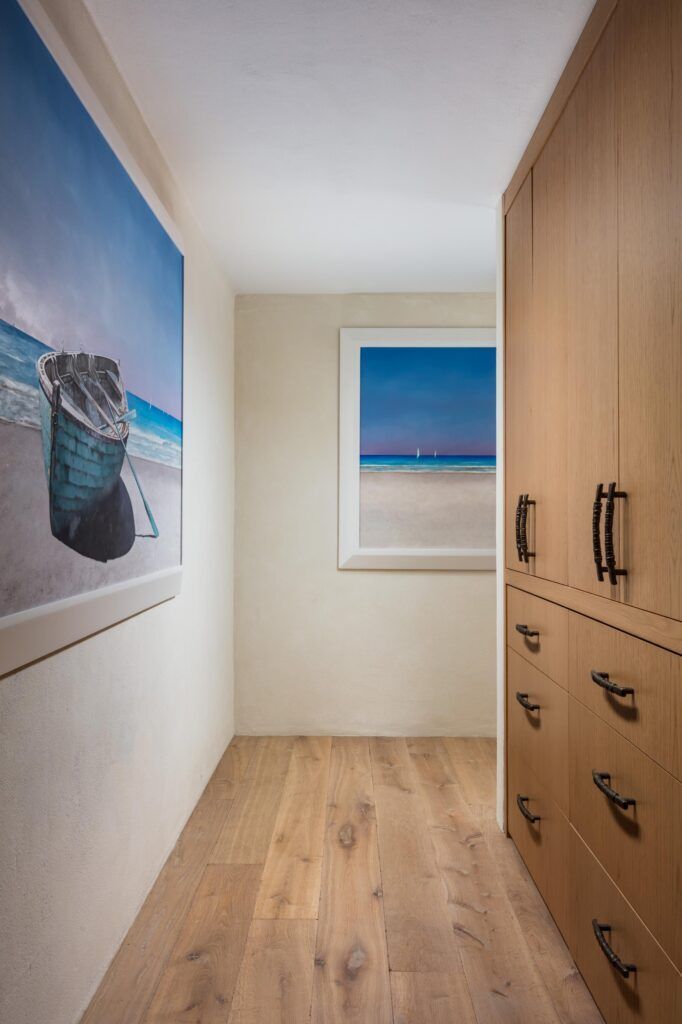
Luxury hotels are meant to have an immediate sense of comfort, which makes them a natural source of inspiration for sophisticated residential bedrooms. Hotel-inspired spaces major on symmetry, generous proportions, and an uncluttered layout that promotes relaxation.
In this luxury bedroom design, you may see large upholstered headboards anchor the room as coordinated nightstands and lighting fixtures balance its visuals. High-quality bedding layered with textured throws and accent pillows contributes to the polished appearance associated with luxury hospitality environments.
The success of this style relies on consistency. Matching materials, coordinated finishes, and integrated lighting help create the seamless experience far beyond those of ordinary accommodations.
Elegant Neutral Bedroom
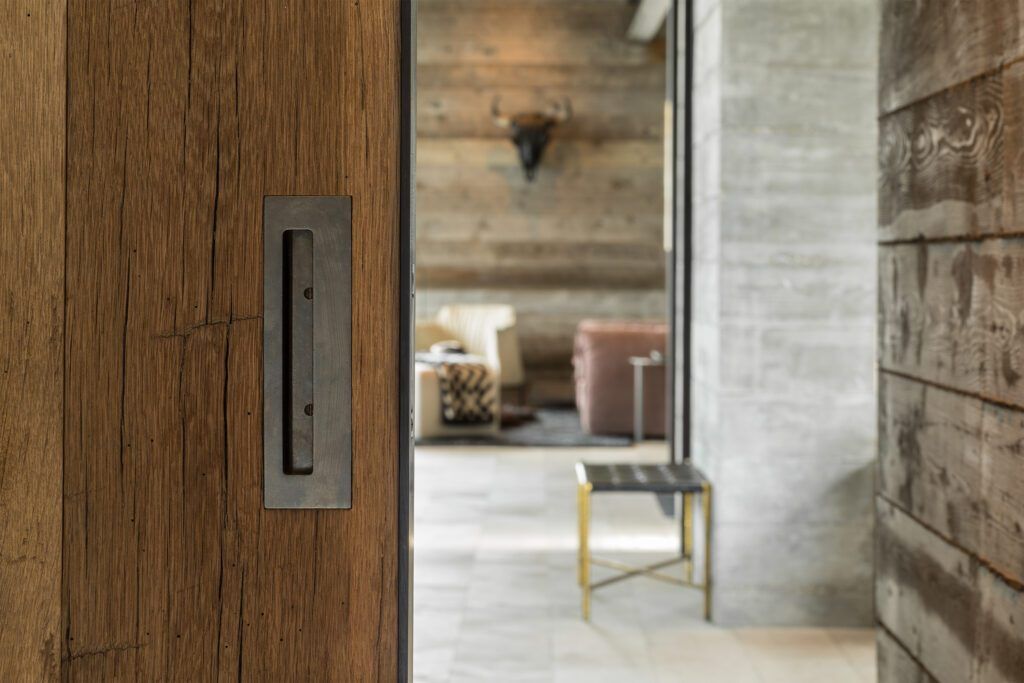
Neutral palettes have long been associated with timeless luxury because they allow texture, craftsmanship, and material variation to take center stage. Soft ivories, warm taupes, muted grays, and natural wood tones bring up the sophistication in the layered environment.
Within a neutral bedroom, the attractive visuals are developed through contrast in texture. Bouclé upholstery, woven textiles, natural stone surfaces, and hand-finished metal accents preserve the palette’s overall restraint.
The right choice of lighting can improve the richness of neutral interiors by emphasizing subtle shifts in texture and tone. This layered approach allows the room to feel warm, inviting, and visually complex despite its limited color range.
Moody Bedroom
A moody bedroom obtains the luxury feel through depth, contrast, and atmosphere. Dark wall colors and richly stained woods can enhance architectural features and highlight the room’s furnishings.
Bronze hardware, textured wall treatments, and tailored upholstery are more pronounced against deeper backgrounds, creating a stronger sense of dimensionality. Warm illumination softens darker finishes while creating visual layers that prevent the space from looking heavy or enclosed.
Nature-Inspired Bedroom
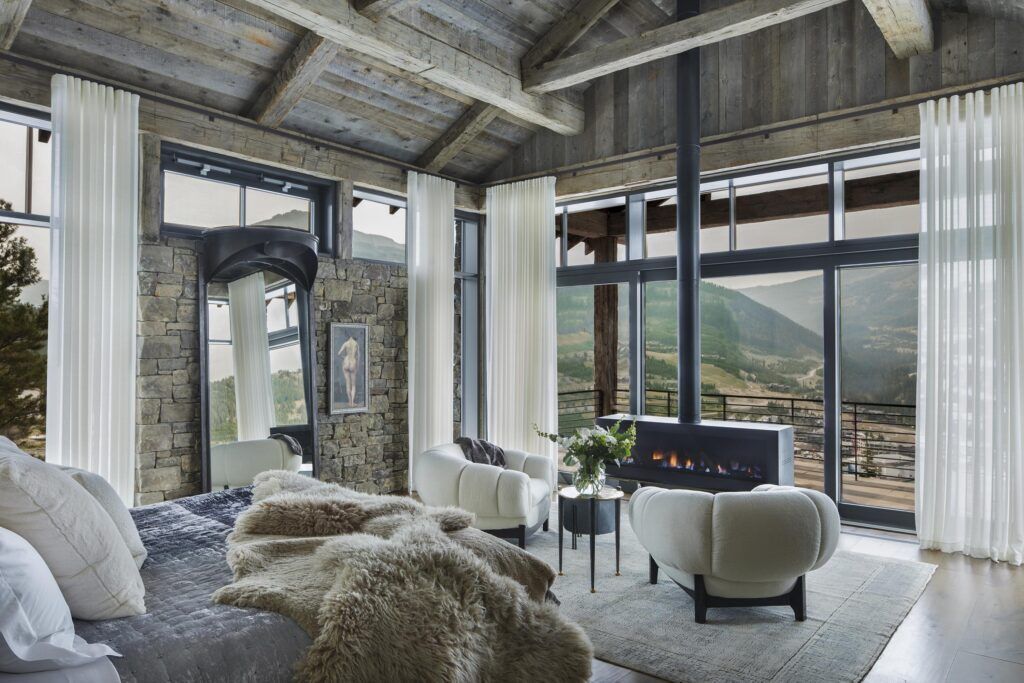
Nature-inspired luxury bedrooms are characterized by organic materials, earthy color palettes, and a strong connection to the surrounding environment. Natural wood, stone, linen, wool, and handcrafted details draw warmth and rope in a subtle visual variation.
Here, large windows, natural light, and views of the landscape are integral design elements and should not be considered as secondary considerations. Furnishings tend to emphasize natural textures and honest materials to create a sense of calm. The result is a bedroom that is restorative, grounded, and deeply connected to its environment.
Old World Bedroom
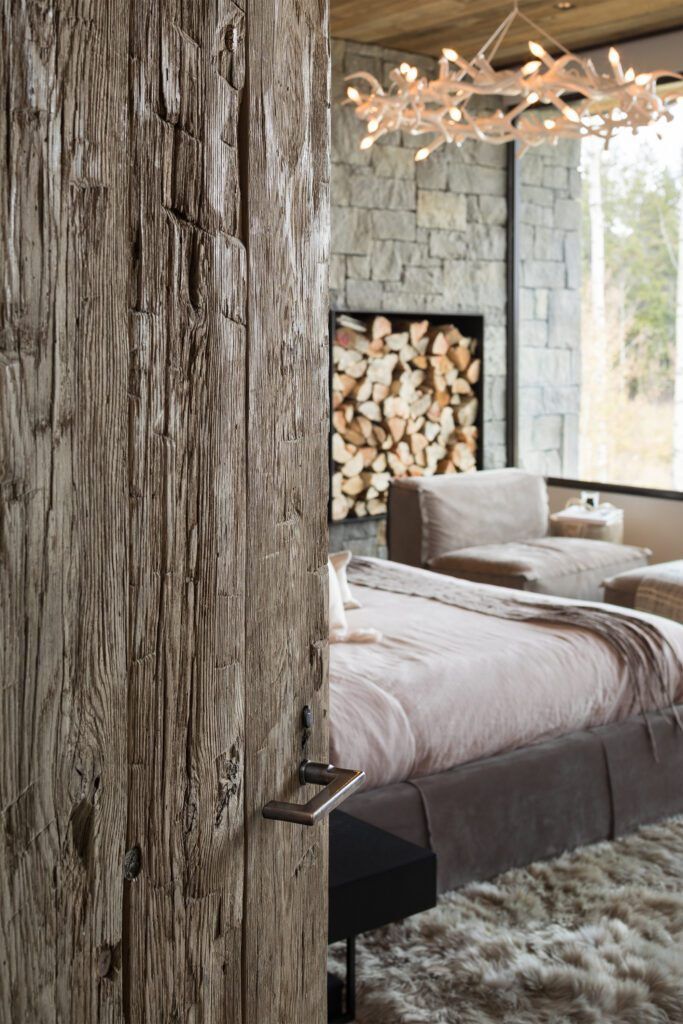
Rich wood tones, carved furnishings, decorative moldings, and layered textiles create an atmosphere rooted in tradition and historical influence. Hand-finished woods, natural stone surfaces, aged metal finishes, and artisanal textiles contribute authenticity and the room’s sense of heritage.
The most successful Old World bedrooms have a traditional detailing sprinkled in restraint because excessive ornamentation can overwhelm the space and make it seem more theatrical.
Coastal Bedroom
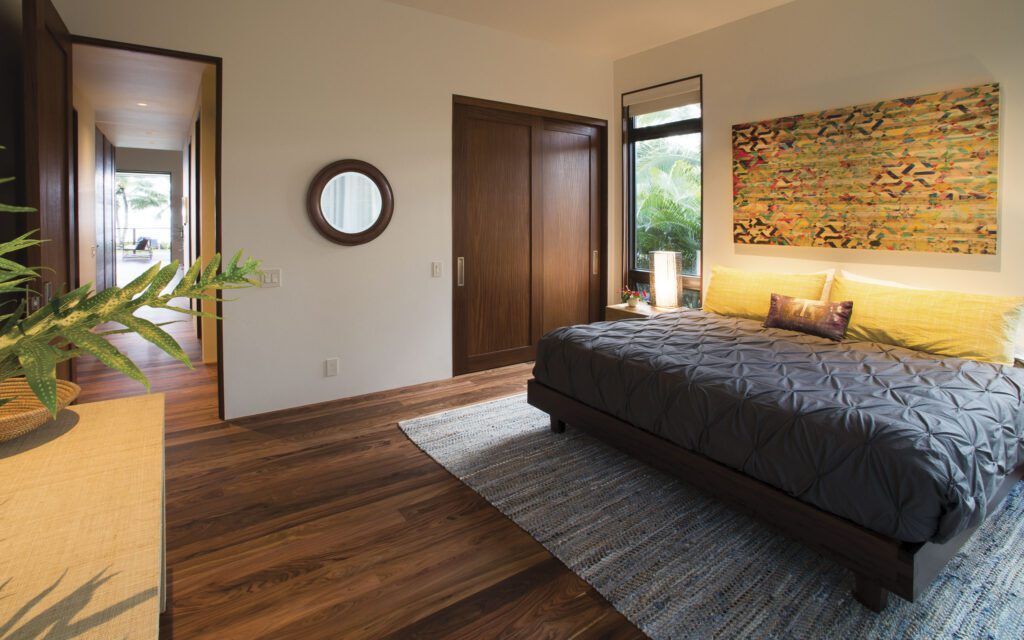
Luxury coastal bedrooms focus on creating a light-filled environment inspired by natural surroundings. Soft blues, sandy neutrals, driftwood tones, and natural textures establish a relaxed and sophisticated atmosphere.
The material palette in this luxury bedroom idea includes linen upholstery, woven accents, light woods, and subtle metallic finishes which reflect natural light throughout the room.
Japandi Bedroom
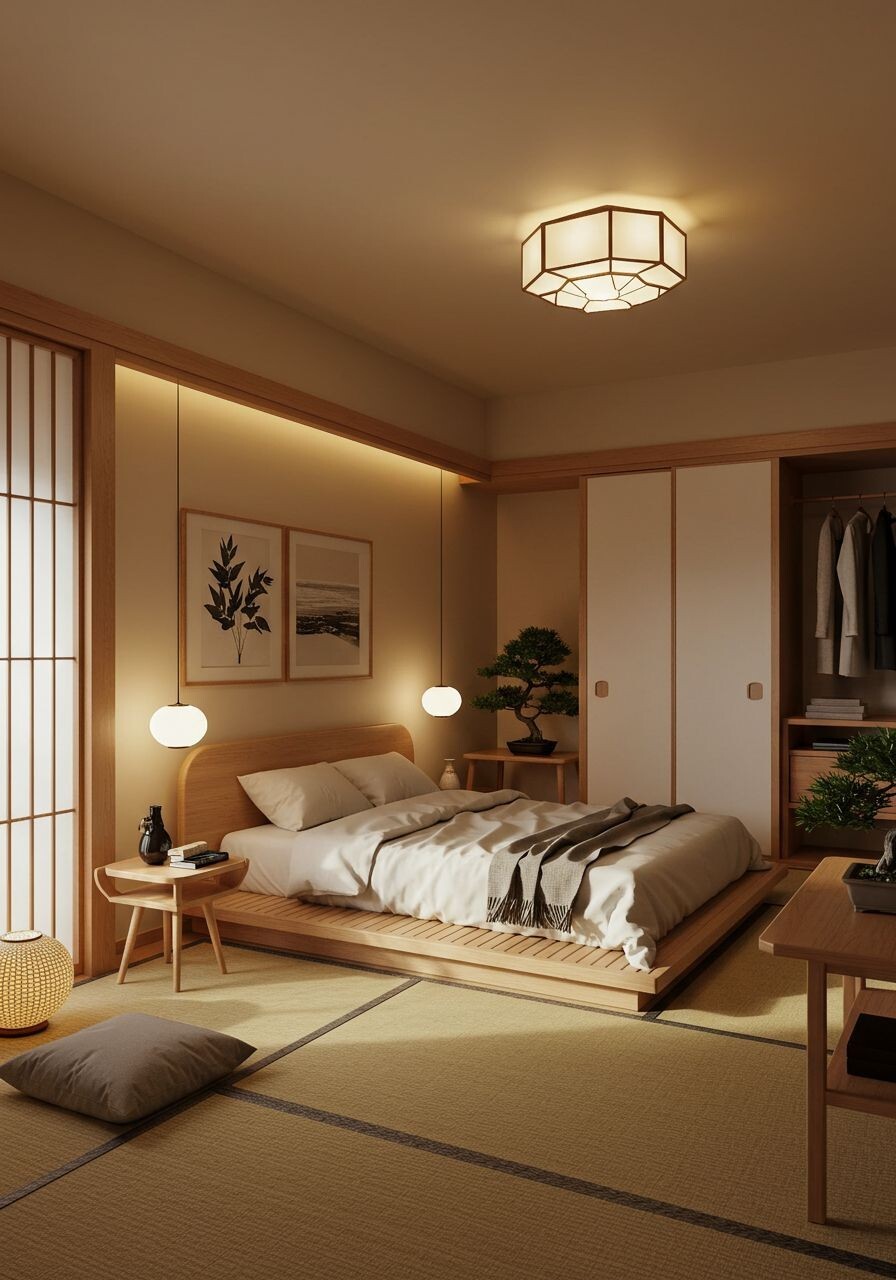
A combination of Japanese minimalism with Scandinavian warmth creates bedrooms centered around simplicity and intentional living. Every furnishing serves a purpose and contributes to the room’s general visual appeal.
Natural materials dominate the palette, including wood, stone, linen, and handcrafted ceramics. Decorative elements are limited to allow texture and proportion to become the highlight of the bedroom
Mid-Century Modern Bedroom
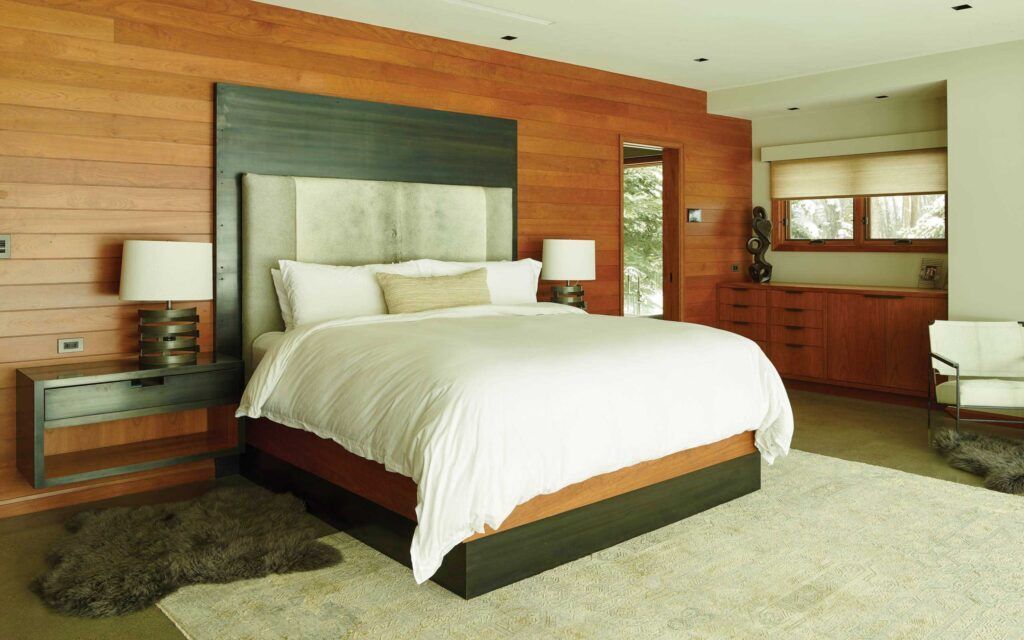
Mid-century modern bedrooms are arguably one of the most selected idea designs because they make the space functional with strong architectural forms. Clean lines, organic curves, and furnishings such as walnut furniture, sculptural lighting, and understated decorative elements define much of the style’s visual language.
When paired with contemporary textiles and artisanal details, mid-century modern design creates luxury bedrooms that are timeless and have a distinct sense of personality.
Luxury Master Bedroom Ideas by Space and Layout
Luxury master bedroom ideas entail good furniture selection and decorative styling. That said, the most refined bedrooms are planned around the space’s functionality, movement flows in, out and through the room, and how individual areas support daily routines.
A layout decision may positively or negatively impact the bedroom’s comfort just as much as materials or finishes. A well-designed luxury master bedroom should have sitting areas that encourage relaxation, dressing spaces for daily rituals, and custom storage solutions that do not take away from its breathtaking visuals.
Private Sitting Area
A dedicated sitting area introduces a level of sophistication which is part of the luxury suites and private residences we see everyday. They are an additional destination within the room where homeowners can read, unwind, or enjoy quiet moments away from the home’s more active areas.
The best sitting areas may have their own identity and still fit in with the rest of the master bedroom seamlessly. Upholstered lounge chairs, a small sofa, or a pair of tailored armchairs arranged around a coffee table can create a natural gathering point that complements the sleeping zone.
You can use rich textiles, natural wood tables, and handcrafted lighting to establish warmth in tandem with the overall architectural language of the room.
Dressing or Vanity Zone
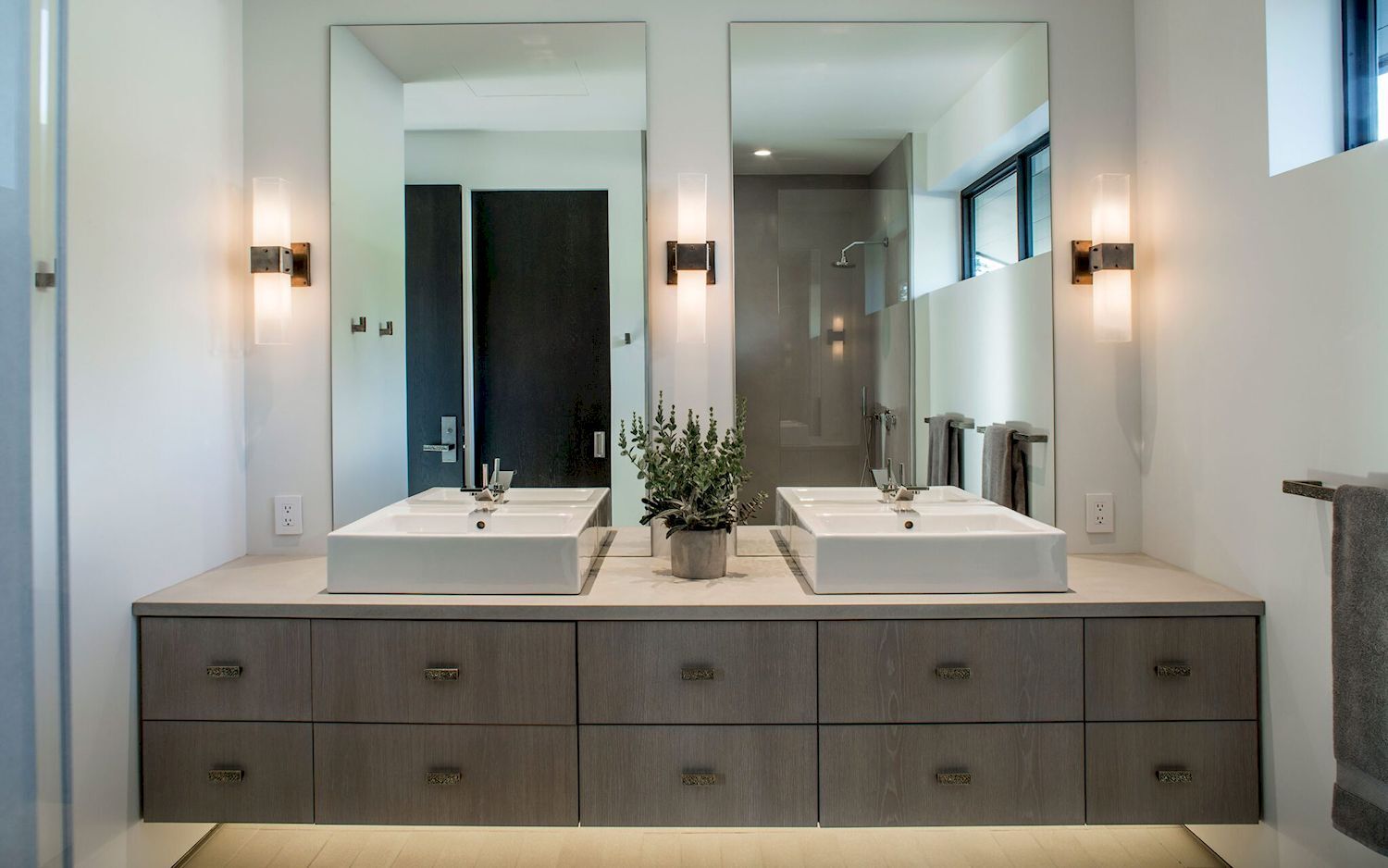
Luxury bedroom interior design incorporates dedicated dressing areas because of their convenience within the space’s daily routine. A good vanity zone creates a transition between personal preparation and relaxation, allowing each activity to occur within its own defined space.
Custom millwork, upholstered seating, and well-placed mirrors contribute to a master bedroom’s functionality and visual refinement. When integrated into the room’s architecture, a vanity area feels less like an added furnishing and more like an extension of the bedroom itself.
In matters of lighting, layered illumination may help support grooming tasks during evening hours. Decorative sconces, integrated lighting, and mirrors make the room practical and luxurious.
Custom Storage and Closets
One of the defining characteristics of luxury bedroom designs is the absence of visual clutter. Custom storage solutions support this by creating dedicated places for clothing, accessories, and personal belongings within the room’s sense of calm and order.
Built-in wardrobes, tailored cabinetry, and integrated closet systems are advantageous since custom solutions maximize available space and create architectural continuity between storage elements and the surrounding design.
Handcrafted cabinet hardware brings texture, material richness, and subtle visual detail to custom millwork, from statement pulls to refined drawer accents.
Luxury modern bedroom ideas are defined by concealed storage because uninterrupted surfaces have a cleaner visual experience. Integrated cabinetry, hidden compartments, and tailored closet systems improve the accessibility of personal items.
Framed Views and Window Treatments
Natural light is among the most valuable design elements available within a bedroom. In luxury bedroom interior designs, views are architectural assets that position furniture and layout elements to celebrate connections with the surrounding landscape.
Large windows create visual expansion and add changing light conditions throughout the day. Whether overlooking gardens, mountain ranges, coastal scenery, or urban skylines, these views are part of the room’s design composition.
Layered drapery systems, tailored shades, and carefully selected fabrics provide privacy while preserving the elegance of the architecture. Full-height draperies are particularly effective because they emphasize ceiling height and contribute a greater sense of scale..
Spa-Style En Suite Connection
There are very few features that can automatically make a modern luxury bedroom interior design showcase a seamless relationship between the bedroom and its adjoining bathroom. A spa-inspired en suite is undoubtedly one of them; it creates the continuity between spaces while extending the sense of comfort beyond the sleeping area itself.
Repeating stone surfaces, wood tones, metal finishes, and color palettes are the perfect visual flow that can make both spaces intentionally connected. Open transitions, wide doorways, and aligned sightlines strengthen this relationship, together with freestanding tubs, natural materials, soft lighting, and handcrafted details.
The Principles Behind Timeless Luxury Bedroom Design
A luxury bedroom interior design has more success when aesthetic decisions are coupled with comfort, longevity, and craftsmanship in equal measure. The most admired bedrooms may have extravagant furnishings and popular trends, but their appeal comes in balanced proportions, premium materials, and ideas that are relevant across decades of changing tastes.
Each finish, furnishing, and architectural detail should strengthen the overall design narrative, creating a space that is refined, cohesive, and enduring. These foundational principles guide many of the world’s most sophisticated bedrooms, regardless of style preference or architectural setting.
Balance Comfort With Sophistication
A bedroom serves a practical purpose first, so comfort is one of the defining characteristics of successful luxury bedroom designs. The ideas should include plush bedding, supportive seating, soft textiles, and inviting materials suited to rest and restoration.
Upholstered headboards with tailored detailing, custom millwork, natural stone accents, and artisanal metalwork bring refinement through substance instead of ornament. Many luxury modern bedroom ideas achieve this balance by pairing clean architectural forms with rich textures and natural materials.
Choose Timeless Over Trendy Details
Design trends cycle through interiors at a rapid pace, which is why longevity is a valuable consideration when planning a luxury bedroom. Bedrooms grounded in enduring materials and classic forms generally retain their visual appeal far longer than spaces built around highly specific trends.
Natural wood furniture, handcrafted hardware, neutral color palettes, and architectural detailing possess lasting relevance across several design eras. These elements provide flexibility as furnishings, artwork, and decorative accessories change decade after decade.
Elegant modern luxury bedroom design draws inspiration from historical precedents because traditional craftsmanship carry lessons in durability, proportion, and material selection. Investing in pieces with enduring character creates a stronger foundation and walks away from seasonal aesthetics that may lose appeal within a few years.
Layer Texture, Light, and Materials
Luxury rarely comes from a single statement feature. Depth emerges through the interaction of surfaces, finishes, and light sources that create visual richness all around the room.
Textural layering adds complexity through linen bedding, woven rugs, upholstered furnishings, natural wood grains, stone surfaces, and handcrafted metal accents. These combinations create subtle contrast and dimensionality that enrich the overall composition.
Ambient lighting fixtures provide general illumination, task lighting supports reading and daily routines, and accent lighting highlights architectural details or artwork. When you add materials like bronze, stone, wood, glass, and textiles, they each interact differently with natural and artificial light, producing variation in the space.
When texture, lighting, and materials work together cohesively, the bedroom has depth, character, and visual permanence.
How to Design a Luxury Bedroom: Step by Step
When creating a luxurious bedroom, you should start with a clear design framework that includes comfort, proportion, material quality, and visual cohesion. Each decision builds upon the previous one and will eventually design a timelessly sophisticated room. Follow these steps to transform your bedroom into a refined retreat:
Step 1: Make the Bed the Focal Point
Every luxury bedroom interior design begins with a strong focal point, and the bed naturally serves this purpose. As the largest piece of furniture in the room, the bed anchors the entire composition and influences surrounding design decisions.
Positioning the bed on the primary wall creates visual balance and helps organize the room’s layout. Symmetrical nightstands, coordinated lighting, and a substantial headboard strengthen this central arrangement and create a greater sense of order.
Step 2: Start With High-Quality Bedding
Luxury bedrooms use bedding materials such as linen, cotton percale, cashmere, and wool because these textiles provide texture, durability, and year-round comfort. Layering multiple materials creates dimension across the bed and adds visual depth to the room.
Step 3: Add a Statement Headboard
A generously sized headboard draws attention upward, emphasizing ceiling height and creating a stronger connection between furniture and architecture. Upholstered headboards add the soft touch, wood installations come with the warmth, and integrated panels create a tailored appearance suited to contemporary interiors.
Step 4: Use Layered Lighting Strategically
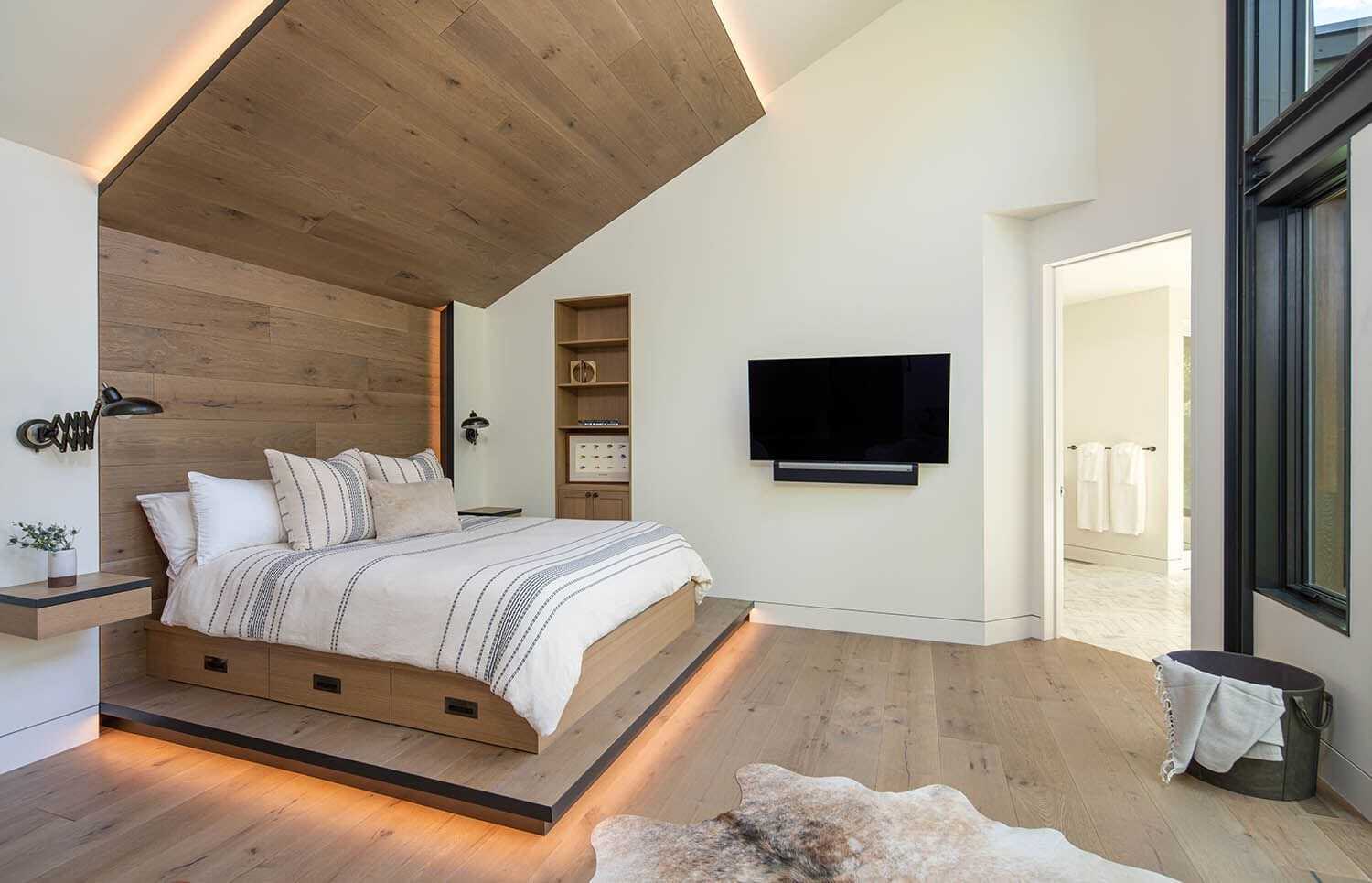
A single overhead fixture may not provide the flexibility required for a luxury environment. This is why layered lighting is one of the defining characteristics of sophisticated bedroom design.
Ambient lighting provides general illumination, task lighting supports reading and personal activities, and accent lighting highlights artwork, millwork, or decorative features. Sculptural pendants, refined sconces, and handcrafted fixtures from a curated lighting collection add material richness to the room.
Step 5: Select Premium Furniture and Finishes
Luxury is not about quantity; a smaller collection of exceptional pieces generally have a stronger impression than a room crowded with furnishings.
Natural wood case goods, upholstered seating, stone accents, and handcrafted details provide depth and authenticity. Bronze hardware, natural wood grains, hand-applied textures, and artisanal detailing create subtle distinctions for the room.
Step 6: Improve Flow and Define Zones
Sleeping, dressing, reading, and relaxation activities can coexist comfortably when each zone has adequate space and a clear purpose.
Furniture placement should support movement through the room and prevent congestion around key pathways. Sitting areas, vanity spaces, and storage zones perform best when integrated into the overall layout from the beginning of the design process.
Step 7: Keep Clutter Visually Hidden
A luxury bedroom should have built-in cabinetry, custom closets, concealed storage compartments, and tailored millwork to provide dedicated spaces for organization. Refined cabinet pulls and handcrafted hardware slot in texture and craftsmanship to cabinetry, transforming functional storage into an integrated design feature.
Artisanal Materials in a Luxury Bedroom
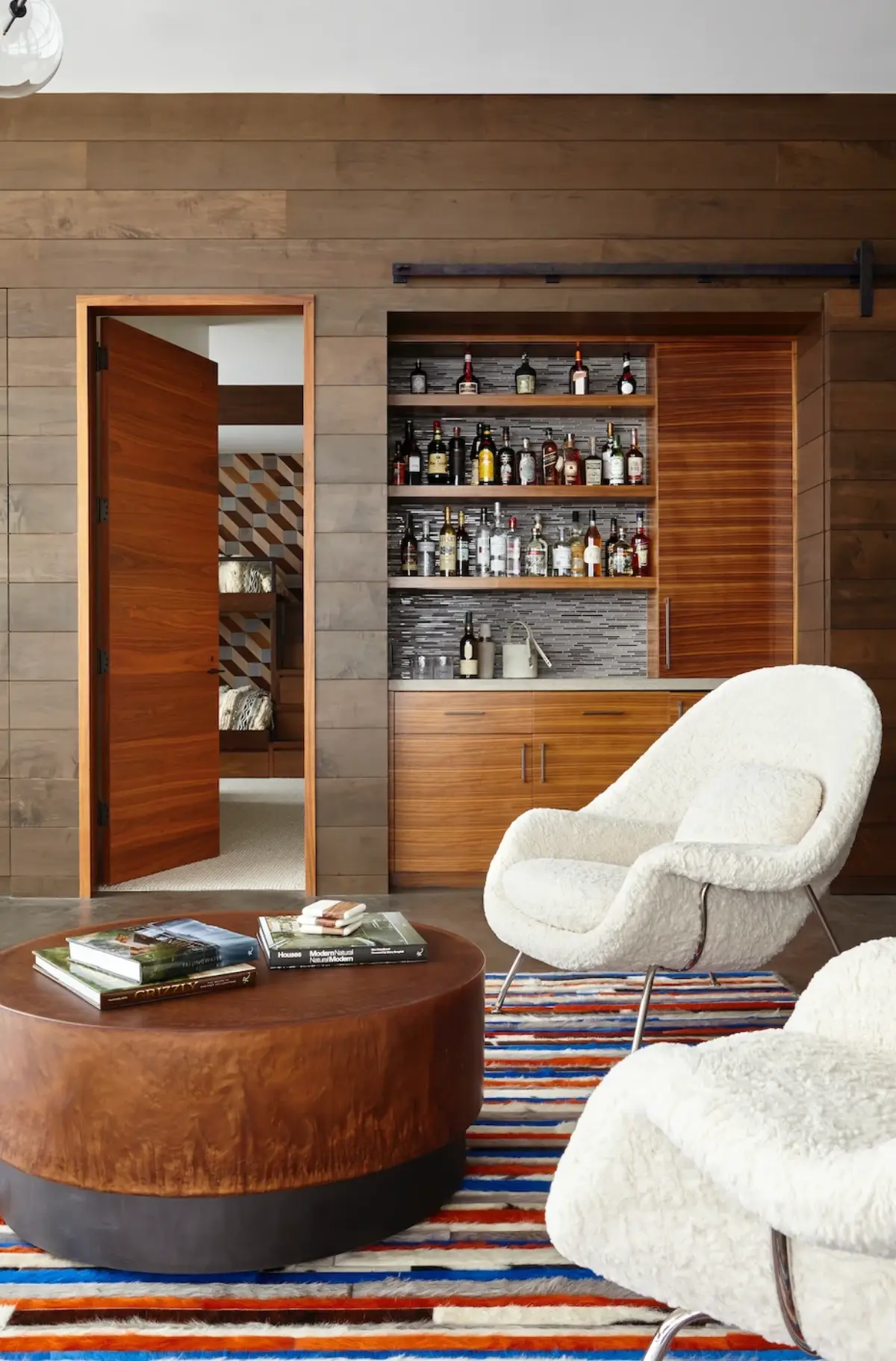
The foundation of luxury bedroom interior design lies in material selection. Premium materials create visual depth, tactile richness, and a sense of permanence. Artisan-created bedrooms tend to age more gracefully because natural materials develop character through use and interaction with their environment..
Natural Wood and Stone
Natural wood and stone are considered luxurious because of their durability, visual complexity, and connection to traditional craftsmanship. No two slabs of marble share the same veining pattern, and no two pieces of wood display identical grain characteristics.
Wood has many forms, including flooring, ceiling treatments, custom millwork, bed frames, and furniture. Walnut, oak, and other premium species have a natural variation within each piece that creates depth that manufactured surfaces simply cannot replicate.
Stone surfaces like marble, limestone, travertine, and quartzite provide texture, movement, and natural patterning that enhance architectural features. Stone in fireplace surrounds, accent walls, tabletops, and decorative accessories, create moments of visual appeal around the room.
Soft Upholstery and Textiles
Textiles represent much of the sensory experience within a bedroom. Upholstered furnishings, layered bedding, area rugs, and drapery can influence a bedroom’s comfort and acoustics.
Luxury bedroom ideas include linen, wool, cotton, cashmere, silk, and bouclé because these materials offer richness through texture and craftsmanship. Layering several textiles creates dimension and variation, giving the room greater depth than a single material could achieve on its own.
Wallcoverings, Art, and Mirrors
Wallcoverings, artwork, and mirrors transform blank walls into architectural features that support the room’s overall character. Textured wallcoverings create depth through subtle patterns, woven fibers, grasscloth surfaces, and handcrafted finishes.
Artwork is the personal expression of style and taste. Large-scale pieces can anchor a room visually, whereas curated collections create layers of interest through color, texture, and composition. Good selections complement the bedroom’s architectural language and material palette.
Mirrors provide both practical and decorative value. Oversized mirrors expand visual perception and reflect natural light. Framed designs crafted from bronze, wood, or other premium materials strengthen the connection between furnishings, finishes, and architectural details.
How Hardware and Finishes Define a Luxury Bedroom
According to a Houzz research, luxury bedroom interior design is judged by the details. Furniture, textiles, and architectural features define the broader aesthetic, but hardware and finishes determine how those elements connect visually across the room.
In many luxury homes, hardware functions as jewelry for the architecture. Cabinet pulls, door levers, and decorative metal accents provide opportunities for material continuity and artisanal expression.
Cabinet and Drawer Pulls for Dressers and Built-Ins
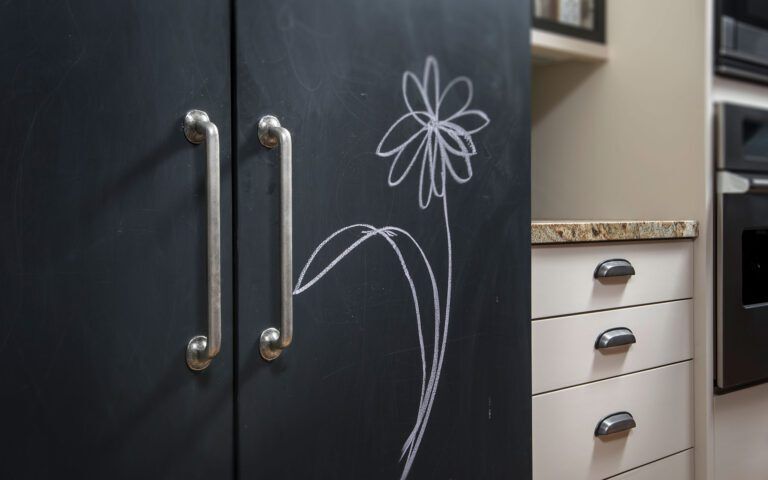
Dressers, wardrobes, bedside tables, and built-in cabinetry occupy significant visual real estate within a bedroom, so you need to make the right hardware selection. Handcrafted pulls have sculptural qualities that transform storage pieces into refined design features. Bronze hardware, in particular, brings warmth and character through its depth of color and natural aging process.
Interior Door Hardware as a Design Statement
Interior doors are the points of transition between spaces, so the hardware attached to them have a significant visual impact. Door levers, escutcheons, and decorative plates provide opportunities to introduce craftsmanship into everyday interactions.
Mass-market hardware often prioritizes uniformity and efficiency. Handcrafted door hardware has a different experience, featuring subtle variations in texture, form, and finishing options that upholds the artisan’s process.
Coordinating Bronze Finishes Across the Room
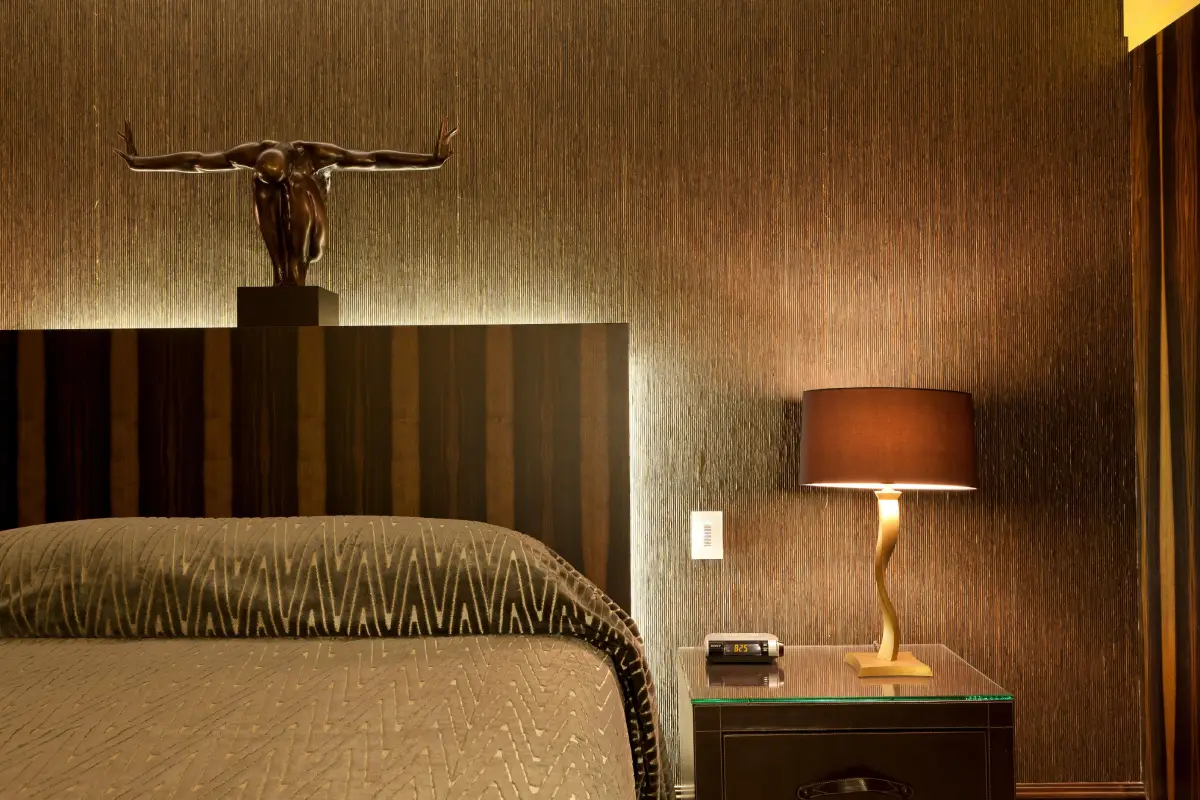
Bronze is one of the most enduring materials in luxury interiors because of its visual depth and evolving character. Its surface develops a natural patina through use and environmental exposure, creating variation that turns more distinctive over time.
Using bronze in several applications creates continuity throughout the bedroom. Cabinet pulls, door hardware, lighting accents, and decorative objects can share similar finish families, creating a unified material palette.
Why Handcrafted Hardware Beats Mass-Produced
Handcrafted hardware has a level of artistry and material integrity that factory-produced alternatives may not achieve. Each piece carries subtle distinctions created during casting, finishing, and fabrication, resulting in hardware with individuality and depth.
Solid bronze provides durability, longevity, and a substantial presence that is immediately apparent through touch and daily use. In a luxury bedroom, these details communicate quality through every interaction, transforming ordinary functional elements into meaningful design features.
Luxury Bedroom Design Mistakes to Avoid
Even well-appointed bedrooms can lose their sophistication if key design principles are overlooked. Many common mistakes are caused by excessiveness, inconsistency, or decisions driven primarily by short-term trends. Some common mistakes designers make include:
Over-Decorating the Space
Excessive decorative objects, furniture, and accessories can overwhelm a bedroom and diminish the impact of premium materials and architectural details. Each furnishing, artwork selection, and decorative object should serve a purpose within the broader design composition.
Mixing Too Many Finishes and Metals
Material variety can enrich a space, but excessive mixing will lead to visual fragmentation. Mixing several metal finishes competing for attention can disrupt continuity and weaken the overall design narrative.
Bronze, aged brass, polished nickel, or blackened steel can work beautifully together when relationships between finishes are intentional and controlled. If you are combining metals, you should focus on complementary undertones, consistent levels of formality, and repetition throughout the room.
Choosing Trend-Driven Pieces Over Timeless Ones
Trend-focused furnishings could be exciting initially, but highly specific aesthetics lose relevance as design preferences evolve. Large furniture investments deserve greater consideration because these pieces are part of the home for many years.
A strong foundation built on enduring materials provides flexibility for future updates through accessories, artwork, and textiles.
Neglecting Lighting Layers
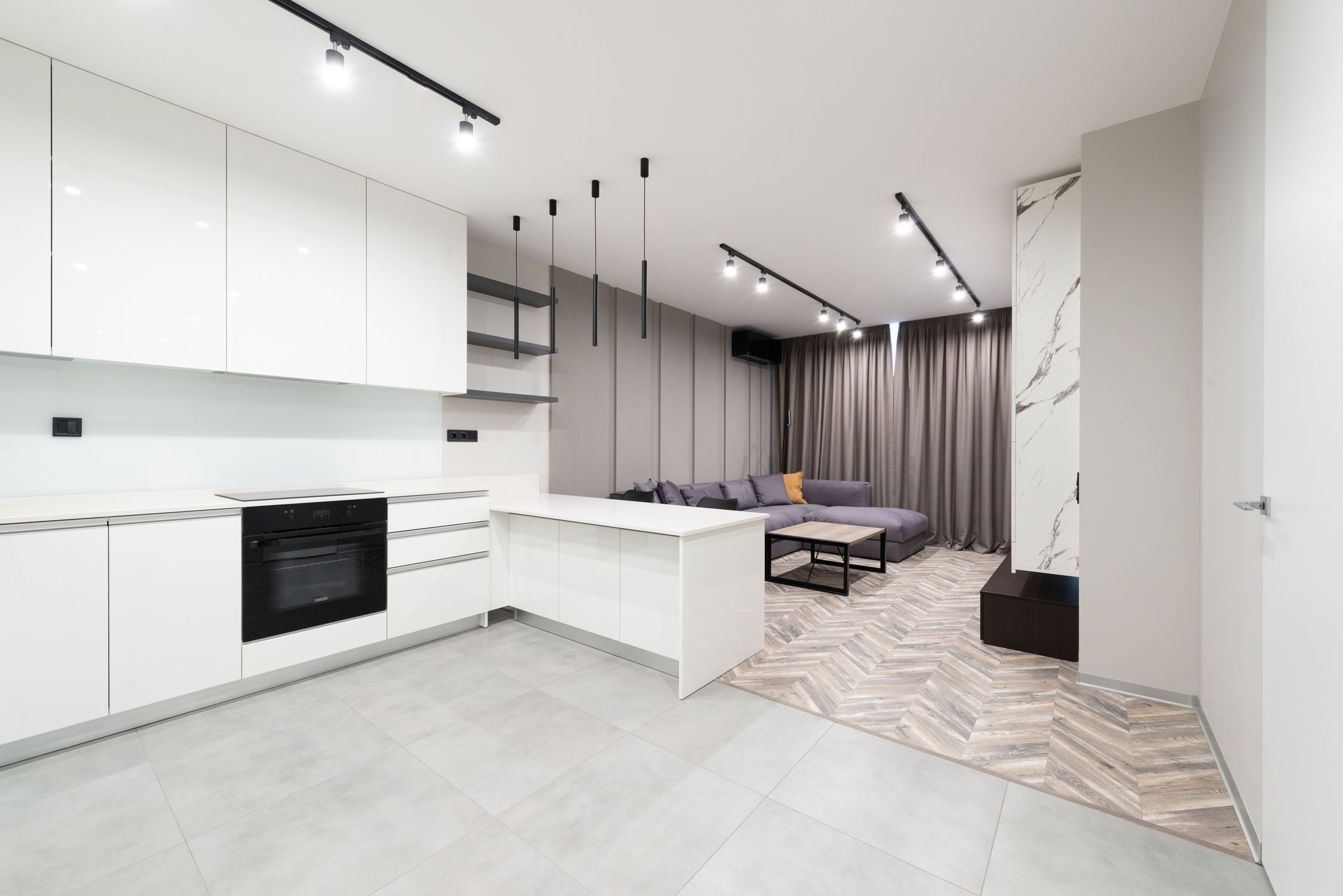
A comprehensive lighting idea includes ambient, task, and accent lighting distributed across multiple levels within the room. Table lamps, sconces, decorative pendants, and architectural lighting create flexibility and add atmosphere.
Bring Timeless Luxury Bedroom Design Into the Details
The most memorable bedrooms are defined by more than furniture and color palettes. Every element, from upholstered furnishings and natural stone surfaces to handcrafted hardware and decorative lighting, influences the overall experience.
Luxury bedroom interior design succeeds when each decision supports a unified vision rooted in authenticity and lasting quality. Timeless materials, artisanal craftsmanship, and carefully curated details design a bedroom that oozes comfort and sophistication long after trends have faded.
Luxury Bedroom Interior Design FAQs
How Do I Make My Bedroom Look More Luxurious?
You can make your bedroom look more luxurious by choosing the right material quality, layered lighting, premium bedding, and cohesive finishes. Use natural materials, custom details, and handcrafted hardware because they are decorative and functional.
What Do Luxury Bedrooms Usually Include?
Luxury bedrooms include high-quality bedding, substantial headboards, premium furniture, layered lighting, custom storage, artisanal materials, and refined hardware finishes. Many also incorporate sitting areas, dressing zones, or spa-inspired connections to adjoining bathrooms.
What Colors Make a Bedroom Look Expensive?
Neutral palettes make a bedroom look expensive because they highlight texture and craftsmanship. Warm whites, soft taupes, charcoal tones, muted greens, deep blues, and earthy browns are frequently used in luxury bedroom designs due to their timeless appeal and versatility.
What Is Quiet Luxury in Bedroom Design?
Quiet luxury in bedroom design can be developed through premium materials, exceptional craftsmanship, and restrained design. The aesthetic favors subtle elegance, natural textures, and enduring quality over bold statements or highly decorative features.
What Is the Most Luxurious Bedroom Style?
There is no single luxury style that surpasses all others. Quiet luxury, elegant modern luxury bedroom design, Japandi, Old World, and contemporary hotel-inspired interiors can all achieve exceptional results when executed with premium materials, strong proportions, and artisanal craftsmanship.