Antique furniture is arguably one of the best ways to tell the story of how far hand-crafted furnishings have come since the Neolithic period. Due to their sustainability, we know far more about wood species, decorative carvings, or overall form.
These types of hardware display the clearest clues about when a piece was made, which design movement influenced its construction, and whether original components are intact. Drawer pulls like the escutcheons, backplates, and fasteners carry with them details that might otherwise go unnoticed.
Whether examining a Colonial chest, a Victorian dresser, or an Arts and Crafts sideboard, hardware is the most useful starting point for identifying antique furniture.
Antique Drawer Pull Types and the Styles They Signal
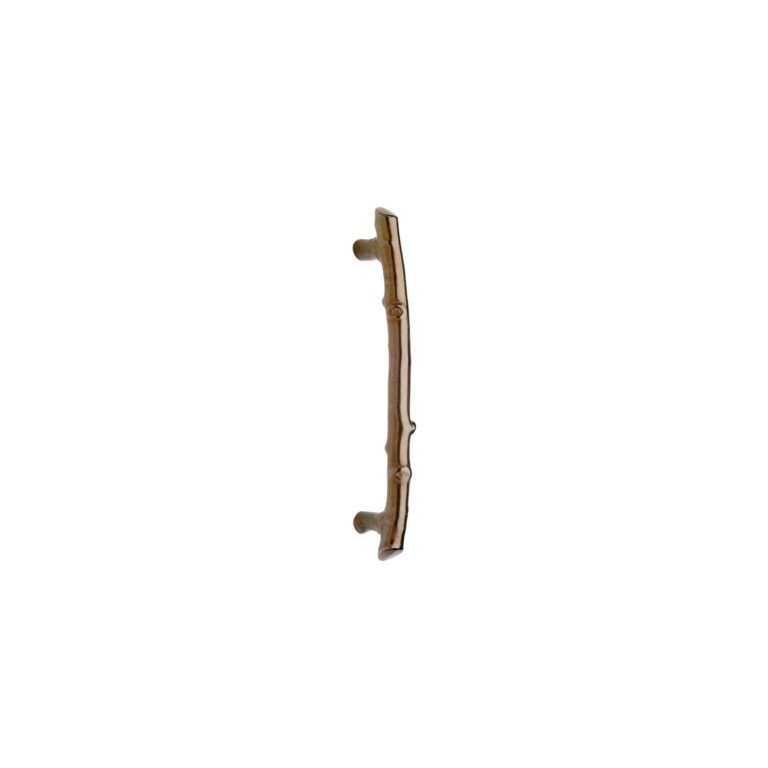
A single drawer pull may not provide enough evidence to date furniture with complete certainty. However, when hardware is evaluated alongside construction methods, materials, and decorative details, you’ll have a much clearer image of what times a piece of furniture was made.
Furniture makers in different centuries favored distinct hardware forms that had prevailing design preferences and available manufacturing techniques. Certain pull styles like the Branch Appliance Pull are associated with particular furniture periods, making them valuable reference points during identification.
Although variations existed between regions and workshops, many antique drawer pulls display characteristics that correspond closely with specific historical styles.
Bail Pulls and Early Furniture Styles
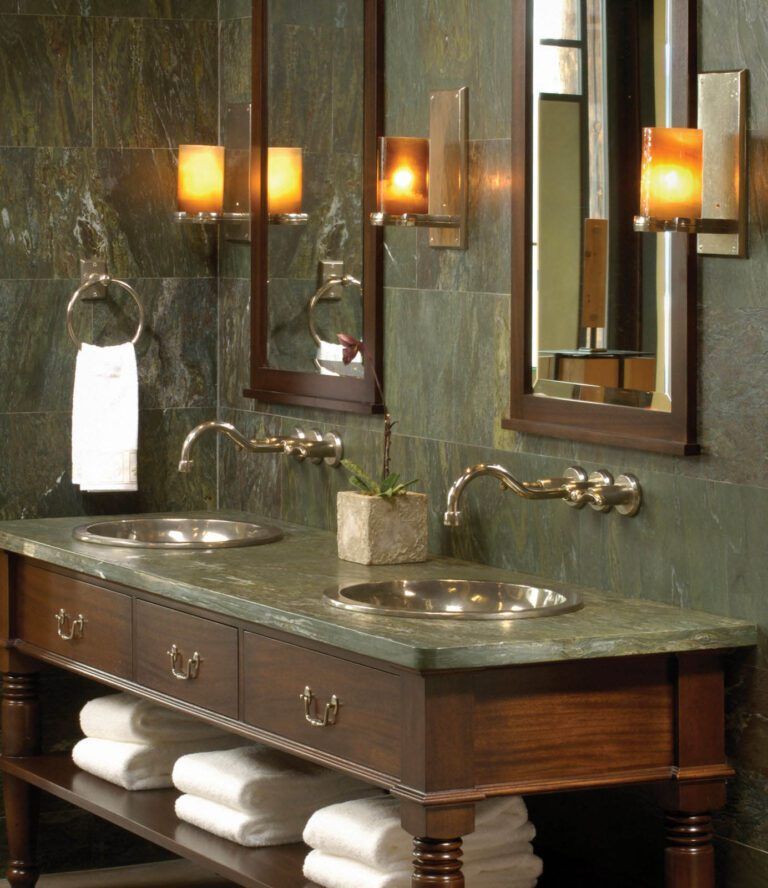
Bail pulls consist of a curved handle suspended between two attachment points. This design appeared in several furniture eras and is one of the most recognizable forms found on antique case goods.
According to the Herald Times, early examples of ball pulls featured hand-cast construction and decorative backplates inspired by European influences. For instance, Georgian and Chippendale furniture ideas majorly incorporated bail pulls with pierced designs, ornamental motifs, and shaped escutcheons.
When dating bail pulls, collectors examine the proportions, decorative details, and method of construction. Handcrafted examples may have a slight asymmetry or surface variation that show the manufacturing techniques available at the time.
Ring Pulls on Federal and Colonial Dressers
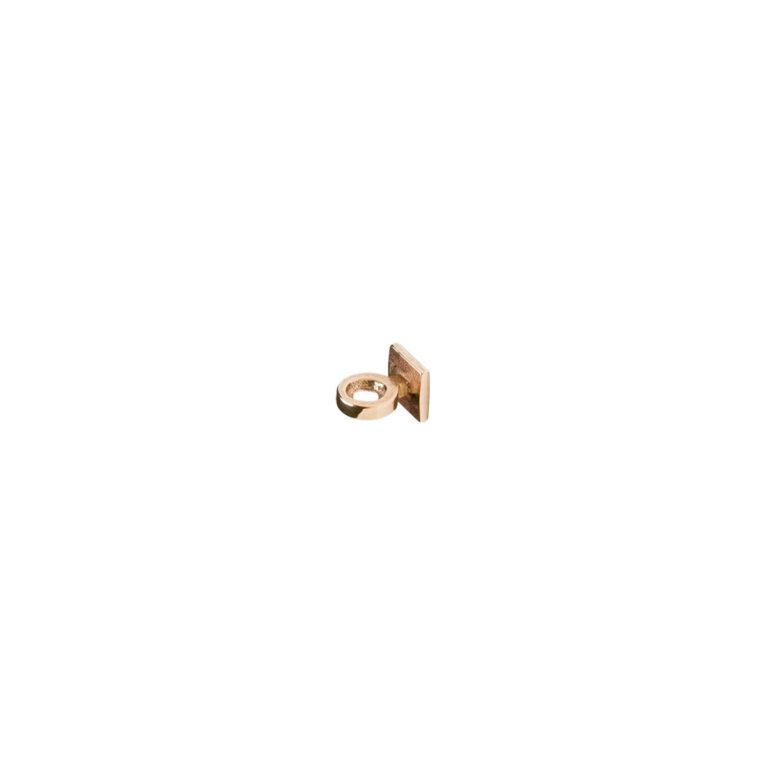
Ring pulls feature a circular or oval ring attached to a fixed plate. Their restrained appearance made them particularly popular during Federal and Colonial periods, where furniture design doubled down on symmetry, balance, and classical influences.
Federal furniture included delicate ring pulls paired with oval backplates, eagle motifs, urn designs, or neoclassical decorative elements. The hardware generally complemented the furniture’s refined proportions instead of dominating the overall design.
Many antique dressers from the late eighteenth and early nineteenth centuries paired ring pulls with corresponding construction details and wood selections.
Drop Pulls on Victorian Furniture
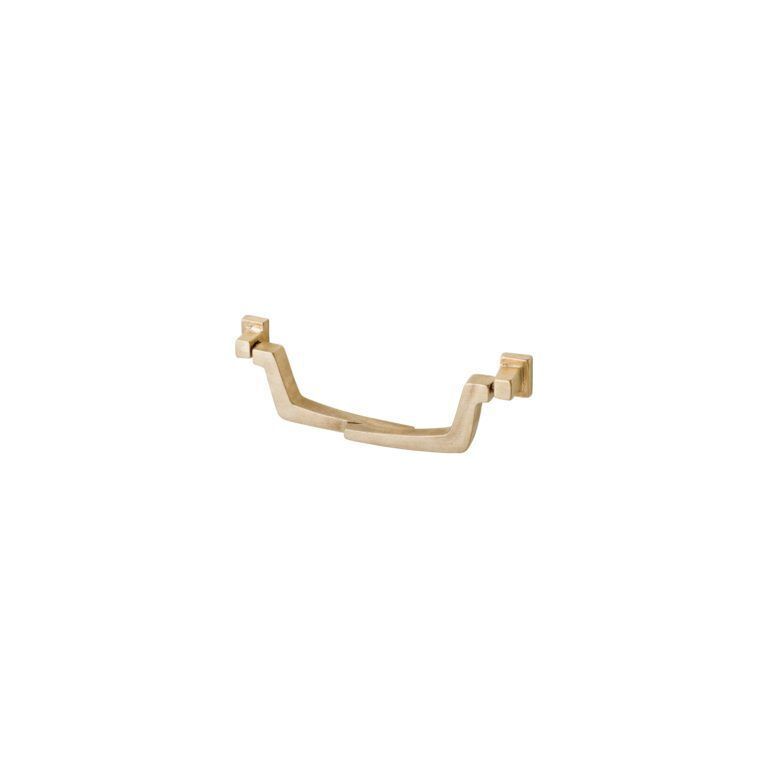
The industrial revolution-backed Victorian furniture embraced ornamentation, and hardware that came in increasingly decorative forms. Drop pulls were common during the nineteenth century and appeared on dressers, washstands, wardrobes, cabinet finishes, and other case pieces.
These pulls featured elaborate backplates, floral motifs, scrollwork, embossed details, and highly decorative silhouettes. Industrial manufacturing advancements expanded production capabilities and birthed a wider variety of hardware designs.
Victorian brass drawer pulls are among the most collected hardware styles today because of their decorative character and historical significance.
Bin and Cup Pulls on Kitchen and Hoosier Cabinets
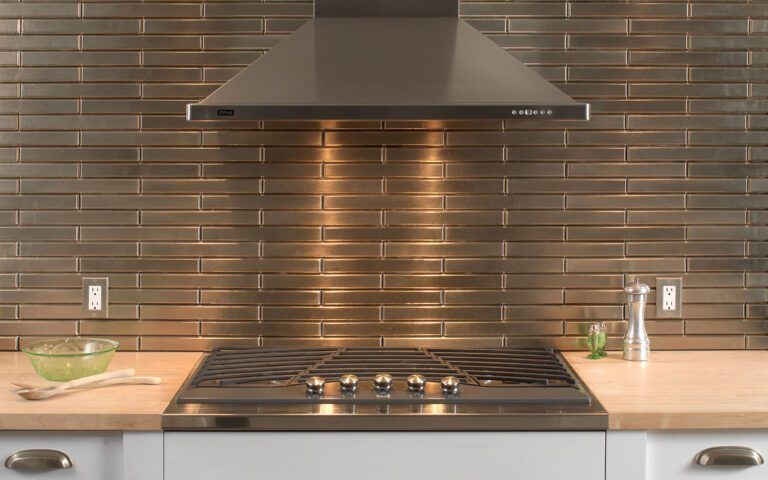
Bin pulls, also known as cup pulls, gained popularity during the late nineteenth and early twentieth centuries. Their semi-circular profiles have practicality and visual simplicity, well-suited characteristics for kitchen cabinet hardware, Hoosier cabinets, and utility furniture.
Arts and Crafts furniture incorporated simpler hardware forms that emphasized functionality and craftsmanship. Cup pulls fit naturally within this aesthetic and were closely associated with furniture designed during that period.
Wooden Knobs and Hand-Carved Pulls
Before metal hardware became widely available and affordable, many furniture makers used wooden cabinet knobs and hand-carved pulls. These simpler solutions appeared on primitive furniture, rural pieces, and handmade storage chests throughout the eighteenth and early nineteenth centuries. Here’s a quick comparison between cabinet knobs and pulls to understand when to use each of them.
Some examples featured turned forms created on lathes, whereas others displayed hand-carved shapes that varied from piece to piece. Among the many types of antique drawer pulls, wooden examples can be particularly informative because they reveal regional building traditions and workshop practices that influenced the furniture’s construction.
Antique Dresser Eras and Their Signature Drawer Pulls
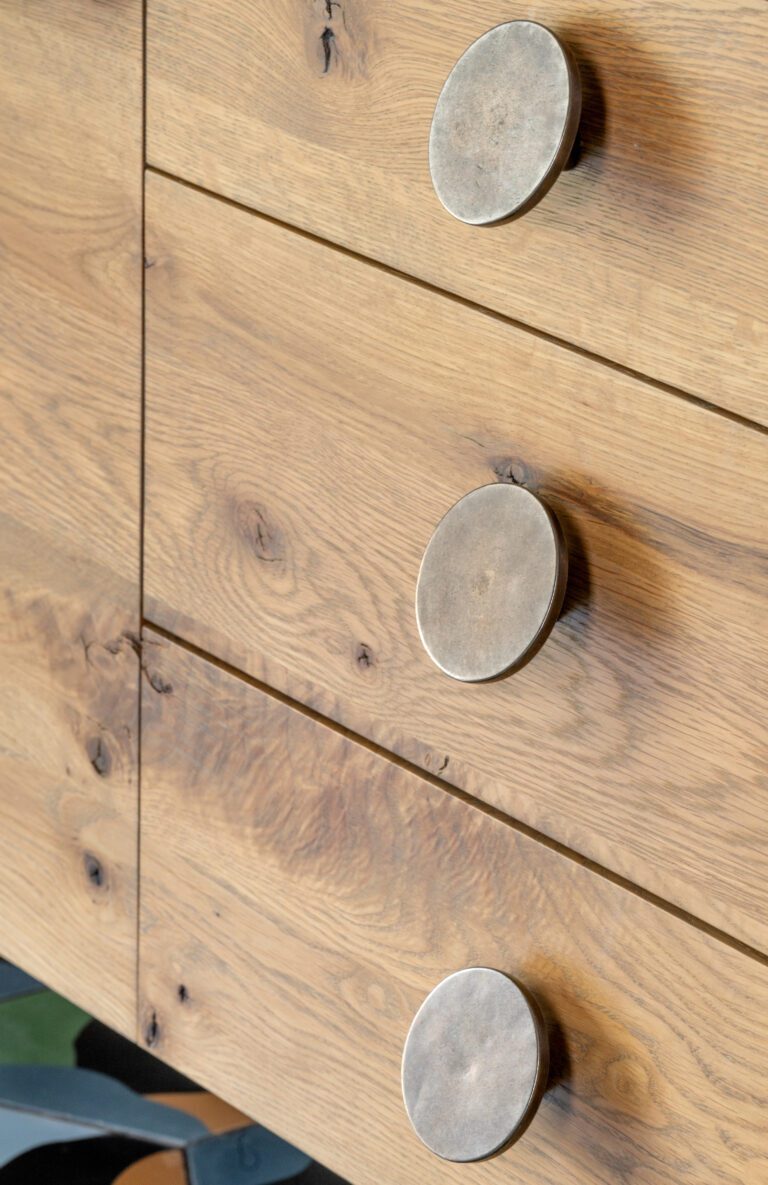
Identifying drawer pulls and antique dresser styles is easy when viewed through the lens of specific furniture periods. Hardware designs changed alongside architectural tastes, decorative movements, and manufacturing methods. If you can recognize the characteristics associated with each era, narrowing down the age of a dresser is easier.
A single piece of hardware cannot provide an exact date on its own, so you need to compare drawer pulls with wood selection, joinery methods, and carvings, and overall furniture form. This section will discuss how dressers looked in different furniture eras.
Early 1700s Primitive Hardware
During the early eighteenth century, furniture manufacturers favored practicality over ornamentation. Many rural craftsmen worked with locally available materials and hand tools to create functional storage pieces intended for everyday use.
Hardware from this period consisted of simple iron pulls, wooden knobs, hand-forged latches, and basic escutcheons. Even though decorative details existed, they were generally modest compared to styles that emerged later in the century.
If you encounter a dresser featuring handmade hardware with visible hammer marks, irregular shaping, and signs of individual craftsmanship, you may be looking at a piece connected to early American or Colonial furniture traditions.
Chippendale Drawer Pull Styles
The Chippendale period, which flourished during the mid-eighteenth century, brought greater sophistication to furniture design. Influences from English cabinetmaking brought over more elaborate forms, richer ornamentation, and increased attention to decorative detail.
Chippendale furniture drawer pulls have bail-style handles paired with shaped backplates. Taking a closer look at the symmetry and craftsmanship, you will see Rococo-inspired curves, pierced metalwork, and decorative motifs.
Hepplewhite and Federal Hardware
The late eighteenth century saw a shift toward lighter forms and neoclassical inspiration. Hepplewhite and Federal furniture moved away from some of the heavier ornamentation associated with earlier styles and embraced cleaner lines influenced by classical architecture.
Some cabinet hardware elements in this era included oval backplates, ring pulls, urn motifs, eagles, and other decorative elements inspired by ancient Greek and Roman design. The overall appearance was more restrained and symmetrical than hardware from the Chippendale era.
If you discover delicate ring pulls paired with tapered legs, inlaid veneers, and balanced proportions, the furniture may trace its origins to the Federal or Hepplewhite period.
Victorian Brass Drawer Pulls
Victorian furniture was developed on the back of advances in manufacturing technology that expanded the variety of hardware available to furniture makers. The development resulted in highly ornamental designs that became hallmarks of the nineteenth century.
Victorian brass drawer pulls feature embossed surfaces, floral motifs, scrolling patterns, and intricate backplates. Highly decorative brass hardware combined with dark wood finishes, curved silhouettes, marble tops, or elaborate carvings, signals Victorian influence.
Arts and Crafts Hardware Styles
The Arts and Crafts movement grew during the late nineteenth and early twentieth centuries as a response to growing industrialization. Designers and craftsmen in this era paved the way for most of the traditional workmanship, honest materials, and straightforward designs we see today.
Hardware in this movement featured simpler forms, geometric shapes, hammered textures, and visible evidence of handcraft. You will find drawer pulls, knobs, and latches made of copper, bronze, iron, and other metals used in hardware from this period, alongside exposed joinery, quartersawn oak, rectilinear forms, and hardware with a handcrafted appearance.
Craftsmanship Details That Date Antique Drawer Pulls
Once you have identified a likely furniture style, the next step is finding out how the hardware was made. Construction methods, casting techniques, surface aging, and fastening systems can reveal valuable information about a piece’s age and authenticity.
You may not be wrong to exclusively use visible design of a drawer pull to determine its year of manufacture, but the best clues are on the back, underside, or mounting components. These details can help you distinguish period hardware from later reproductions and determine whether a dresser still retains its original fittings.
Hand-Forged Marks and Casting Variations

Before modern manufacturing processes standardized hardware production, craftsmen created drawer pulls using hand-forging, sand casting, and other labor-intensive methods. As a result, antique hardware has subtle variations that would not be found in modern factory-made pieces.
When dating antique drawer pulls, look for irregularities in shape, thickness, and decorative details. Slight differences between matching pulls may indicate individual craftsmanship. For example, in Art Nouveau, casting seams may seem softer and less precise than those found on contemporary reproductions.
Natural Bronze and Brass Patina
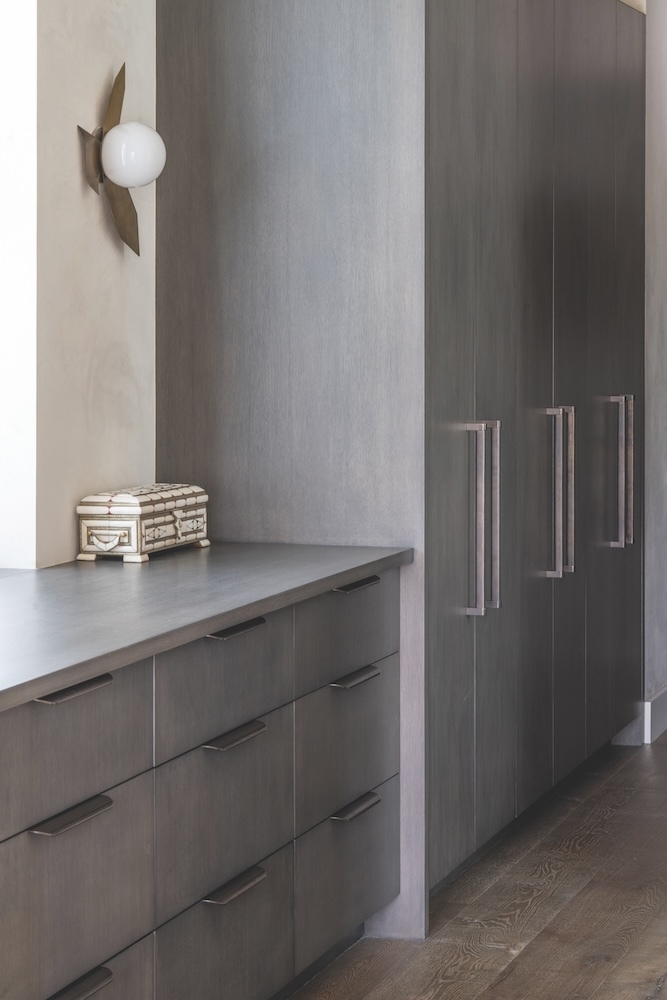
Bronze and brass develop patina through decades of exposure to handling, air, moisture, and environmental conditions. Authentic patina generally appears uneven and develops gradually across raised and recessed areas.
High-contact points may show lighter wear patterns, whereas recessed details have a darker coloration from years of use and interaction. Many modern reproductions attempt to imitate aged surfaces through chemical treatments or artificial distressing techniques.
Historic Backplates, Fasteners, and Finishes
Some of the most revealing details in antique drawers are behind the visible hardware. Backplates, screws, mounting methods, and original finishes can provide insight into the period during which a piece was produced.
Early screws, for example, are significantly different from modern fasteners. Hand-cut and machine-made screws from earlier centuries have certain characteristics that determine a furniture’s age, like uniform modern screws attached to eighteenth-century hardware.
Quick Visual Guide: Match Your Drawer Pulls to an Era

The chart below provides a simplified reference for matching common types of antique drawer pulls with furniture periods.
| Drawer Pull Type | Common Era | Typical Characteristics |
| Wooden Knobs | Early 1700s to Early 1800s | Simple forms, handmade construction, local materials |
| Bail Pulls | Georgian and Chippendale | Curved handles, decorative backplates, ornamental detailing |
| Ring Pulls | Federal and Hepplewhite | Oval backplates, symmetrical designs, classical motifs |
| Drop Pulls | Victorian Era | Floral patterns, embossed details, elaborate ornamentation |
| Bin and Cup Pulls | Late Victorian and Arts and Crafts | Functional forms, cleaner lines, practical construction |
| Hammered Metal Pulls | Arts and Crafts | Geometric shapes, handcrafted appearance, visible texture |
How to Tell Original Drawer Pulls From Replacements
Many antique dressers have undergone repairs, restorations, or hardware changes during their lifetime. Original pulls may have been lost, damaged, or replaced to suit changing design preferences. Determining whether hardware belongs to the piece requires a closer examination of installation details and wear patterns.
A replacement pull does not necessarily diminish a dresser’s beauty or usefulness. However, identifying later modifications can help you develop a more accurate understanding of the furniture’s history.
Compare Hole Spacing and Hardware Fit
One of the quickest ways to identify replacement hardware is looking at how the pull fits the drawer front. Original hardware generally corresponds closely with the dimensions and mounting points intended by the furniture maker.
Look for unused screw holes, patched openings, or signs that mounting locations have shifted over time. These indicators can suggest that another pull occupied the space previously.
Backplates that extend beyond original outlines or hardware that is disproportionately large or small compared with the drawer front may also indicate later modifications.
Check Wear Patterns Around Pulls
Wear patterns can reveal a surprising amount about a dresser’s history. Hardware used for decades leaves behind subtle evidence on the surrounding wood surface.
You may notice darkened areas beneath backplates, impressions in the finish, slight discoloration, or wear patterns that correspond with repeated use. These marks develop gradually through years of contact between hardware and wood.
If the hardware appears significantly newer than the surrounding drawer front, or if wear patterns do not correspond with the current pull, further investigation may be necessary.
Watch for Reproduction Hardware Signs
Reproduction hardware has an important purpose in restoration projects, but it can sometimes complicate the identification process. Perfectly uniform casting details, machine-perfect symmetry, modern fasteners, and artificially aged finishes breed the need for closer examination.
When evaluating antique dresser styles, it is helpful to view reproduction hardware as one piece of a larger puzzle. Hardware, joinery, wood selection, construction methods, and decorative details should all support the same conclusion before you assign a piece to a specific era.
Beyond the Hardware: Joinery, Wood, and Construction Clues
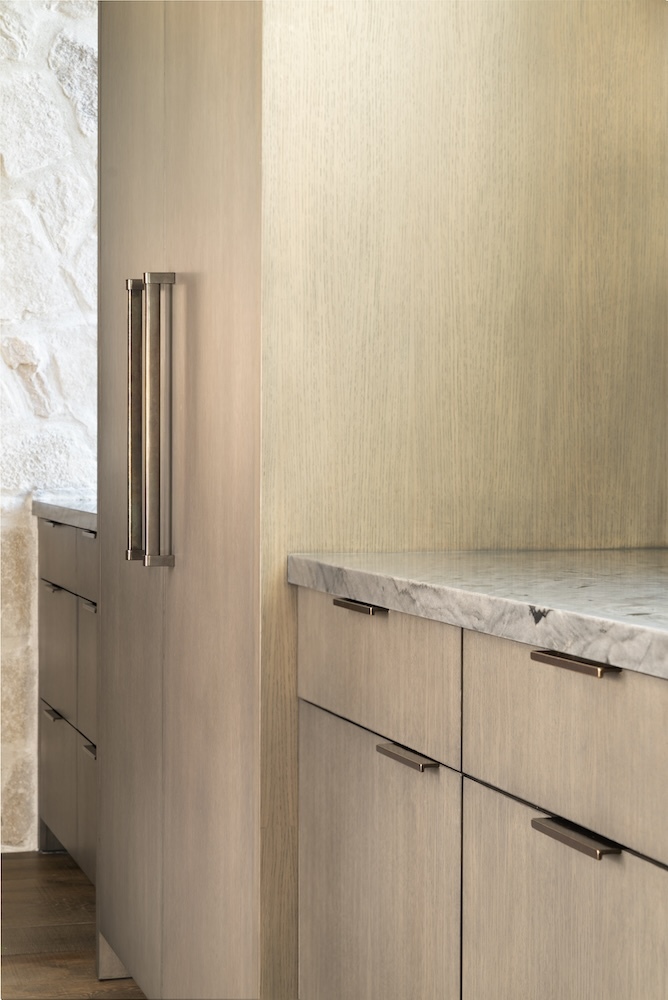
Hardware may have valuable evidence when identifying antique furniture, but it should not be the only factor in your assessment. Furniture makers left clues throughout the entire piece, from the way drawers were assembled to the materials selected for visible and hidden surfaces.
The characteristics below may give you a stronger foundation for identifying antique dresser styles accurately.
Drawer Joinery and Construction
Drawer construction can tell you more about its age than decorative details. Cabinet manufacturers used different joinery techniques in various eras, alongside patterns that can help pin down a dresser’s likely era.
Early furniture designs like hand-cut dovetails have slight variations in size and spacing because craftsmen cut them individually using hand tools. You may notice pins and tails that differ subtly from one another, which can indicate traditional workmanship.
As manufacturing technology advanced during the nineteenth century, the more uniform machine-cut dovetails replaced them. Materials, saw marks, and assembly techniques can provide additional evidence that supports or negates conclusions drawn from the hardware.
Wood Species and Veneers
American furniture in the federal era incorporated local hardwoods such as maple, cherry, walnut, and oak. Many cabinetmakers selected species that were readily available in their region, resulting in noticeable differences across geographic areas.
By the eighteenth and nineteenth centuries, decorative veneers became increasingly popular among furniture makers. Mahogany veneers, satinwood inlays, and other decorative treatments appeared on many higher-end pieces. These materials allowed craftsmen to create intricate visual effects that would have been difficult or costly using solid wood alone.
Feet, Carving, and Overall Shape
The overall silhouette of a dresser has clues that are just as valuable as hardware and joinery. Bracket feet, bun feet, cabriole legs, tapered legs, and ogee shapes all appeared during different eras.
For example, Chippendale furniture had ornate carving and flowing forms, whereas Arts and Crafts pieces favored simpler lines and restrained decoration. Victorian furniture featured more elaborate ornamentation and decorative flourishes.
Preserving Antique Drawer Pulls and Their Character
Once you have identified antique hardware, you should have a good idea of how to preserve its condition. Many collectors make the mistake of treating antique pulls like modern hardware, which can unintentionally remove valuable evidence of age and use.
Patina, wear patterns, and subtle surface variations form part of a piece’s history, so preserving these characteristics helps maintain both authenticity and historical value.
Cleaning Without Damaging Original Patina
One of the most common mistakes in persevering antique drawers is aggressive polishing. Antique brass and bronze hardware develop surface coloration through decades of handling and environmental exposure. Removing that aging entirely can alter the hardware’s appearance and diminish historical character.
In many cases, gentle cleaning is all that is necessary. Dust, dirt, and surface residue can be removed using mild cleaning methods that do not strip away aged finishes.
Before applying any cleaning product, inspect the hardware closely. Areas of darkened coloration, tonal variation, and surface aging may represent original patina rather than dirt or corrosion. If you are uncertain about how to proceed, consulting a furniture restoration specialist can help prevent irreversible damage.
When to Replace Versus Restore
Not every piece of antique hardware requires replacement. In many situations, restoration allows you to preserve historical character and keep a stronger connection to the furniture’s original appearance.
However, severe damage, missing components, or previous repairs may justify replacement. The decision depends on the hardware’s condition, the goals of the restoration project, and the dresser’s intended use. The table below outlines common considerations:
| Antique Hardware Condition | Restoration | Replacement |
| Original hardware is intact | Excellent option | Usually unnecessary |
| Surface patina and age-related wear present | Recommended | May reduce authenticity |
| Minor bends or loose components | Is repairable in most cases | Not required |
| One or more pulls missing | Possible if matching pieces can be sourced | Sometimes necessary |
| Severe cracking or structural failure | Can become a hassle | The most practical solution |
| Previous replacement hardware already installed | If in need of maintaining its historical accuracy | Period-inspired replacements may be appropriate |
| Functional furniture used daily | Restoration is preferred | Replacement could improve usability in certain cases |
If replacement is necessary, look for hardware that respects the dresser’s original style and period characteristics. Similar proportions, compatible finishes, and historically appropriate forms can help preserve the furniture’s visual integrity even when original components are no longer available.
Choosing Replacement Hardware That Respects Antique Style
There are several situations where you might need replacement hardware, such as when original pulls are missing, damaged beyond practical repair, or replaced decades ago with pieces that bear little resemblance to the dresser’s original design. In these cases, selecting the appropriate replacement hardware can help preserve the furniture’s historical character and visual balance.
You should look for hardware that complements the dresser’s era, proportions, and craftsmanship. The best replacements acknowledge the furniture’s history and support its overall design language.
Hand-Forged and Sand-Cast Details Inspired by Historic Hardware
Many hand-made antique drawer pulls originated through processes that produced subtle variations from one piece to the next. Hardware inspired by traditional craftsmanship fits more naturally within period furniture because it shares similar visual qualities.
When looking for replacement hardware, you can’t go wrong with hand-forged and sand-cast details inspired by traditional manufacturing methods. Slight surface variation, sculptural depth, and nuanced detailing can create a closer visual relationship with antique furniture than highly uniform alternatives.
How Living Finishes Develop Patina Over Time
Many antique drawer pulls display coloration and tonal variation that developed through years of use. These changes form part of the furniture’s visual story and often distinguish antique hardware from newly manufactured pieces.
Living finishes develop as they interact with their environment and regular handling. Areas that receive more contact may change differently than recessed sections, creating variation across the surface.
For restoration projects, this characteristic can be appealing because the finish takes up its own character as the furniture is used. If maintaining a period-inspired appearance is important to you, finishes that mature naturally can provide a more convincing long-term solution than heavily coated surfaces.
What to Look For: Weight, Shape, and Finish
When selecting replacement hardware, start by comparing the shape of the original hardware with potential replacements. Curves, silhouettes, backplates, and mounting configurations should correspond closely with the dresser’s period and design.
Oversized or undersized hardware can disrupt the furniture’s proportions and draw attention for the wrong reasons. Comparing measurements from original mounting locations can help guide your decision.
Finish selection should also support the furniture’s age and character. Antique-inspired hardware looks most convincing when the finish complements surrounding materials and existing signs of age.
Identifying Antique Dressers Takes More Than One Clue
Drawer pulls identifying antique dresser styles may be an excellent starting point, but a single feature is not enough to reveal a furniture piece’s complete history.
Joinery methods, wood species, construction techniques, carvings, proportions, feet, finishes, and decorative details all help build a stronger understanding of when a dresser was made and how it evolved over the years.
A ring pull, a dovetail joint, or a worn backplate may seem insignificant on its own, but each detail is a piece to the story. The more evidence you gather, the clearer that story becomes.
FAQ About Antique Drawer Pull Identification
Can Drawer Pulls Help Date a Dresser?
Yes. Drawer pulls can help date dresser’s age because certain hardware styles. Bail pulls, ring pulls, Victorian drop pulls, and Arts and Crafts hardware all correspond with distinct furniture movements. For the most accurate assessment, compare hardware with joinery, wood selection, and overall construction details.
What Are the Most Common Types of Antique Drawer Pulls?
Some of the most common types of antique drawer pulls include bail pulls, ring pulls, drop pulls, cup pulls, wooden knobs, and hand-forged iron hardware.
Are Antique Drawer Pulls Usually Brass?
Many antique furniture pieces, particularly those produced during the Federal and Victorian periods, were crafted using brass. However, antique hardware was also made from iron, bronze, wood, copper, and other materials depending on the era, region, and intended use of the furniture.
What Hardware Was Used on Victorian Dressers?
Victorian dressers featured decorative brass hardware with embossed patterns, floral motifs, scrollwork, and ornate backplates.
How Do I Know if My Dresser Is Chippendale?
A dresser is Chippendale if it has characteristic hardware like bail pulls, carved ornamentation, cabriole legs, bracket feet, and proportions associated with mid-eighteenth-century furniture.