Choosing cabinet knobs and pulls is all about balancing function and style. Knobs offer simplicity and flexibility, making them suitable for smaller doors and subtle design accents. However, you can find oversized options, such as the Zeppelin Cabinet Knob, for larger sets.
Pulls provide leverage and ergonomic grip, ideal for drawers and heavy cabinetry. When deciding between knobs and pulls, review things like cabinet size, room traffic, and overall design.
High-quality materials, such as hand-cast bronze, support aesthetics and longevity while maintaining superior tactile satisfaction. This guide explores cabinet knobs vs pulls, focusing on distinctions, placement, and design considerations to help you determine the best choice for your project.
Cabinet Knobs vs Pulls: What Is the Difference?
Knobs are small, rounded handles, often attached at a single point; pulls span two points and allow more leverage for opening drawers or doors. Pulls can also be installed vertically or horizontally.
Cabinet Knobs: Compact, Versatile Hardware
Cabinet knobs, such as the Gem Knob or Emerald Knob, are versatile hardware that suit a variety of applications. With their single-point attachment, you can install them ideally on doors, small drawers, and spaces that need a minimalist touch.
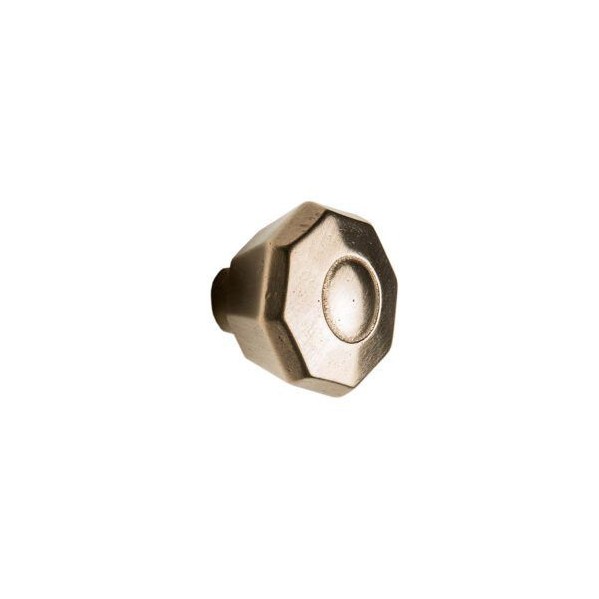
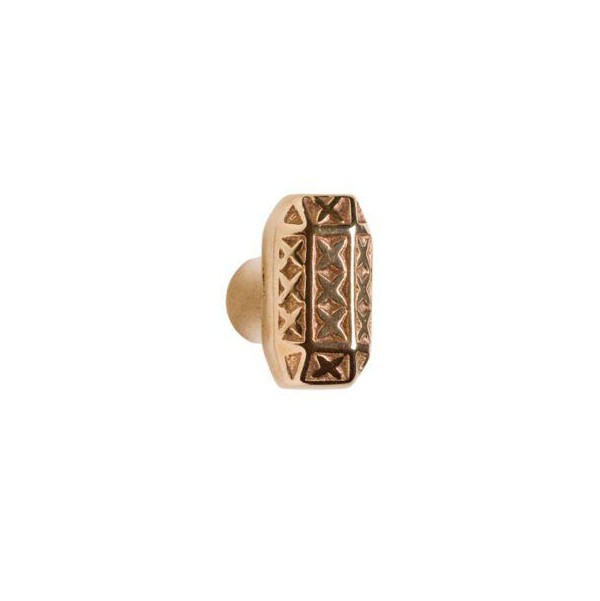
Knobs can be round, square, or sculptural, and help add a subtle accent without dominating the design. They allow flexibility in placement and can be used consistently across multiple cabinet types.
In kitchens or bathrooms, knobs enhance grasp, provide tactile satisfaction, and pair seamlessly with other decorative finishes; they can complement both traditional and modern interiors. Choose high-quality materials, such as bronze or aged metals, to add visual warmth and durability.
Cabinet Pulls: Linear Design and Ergonomic Grip
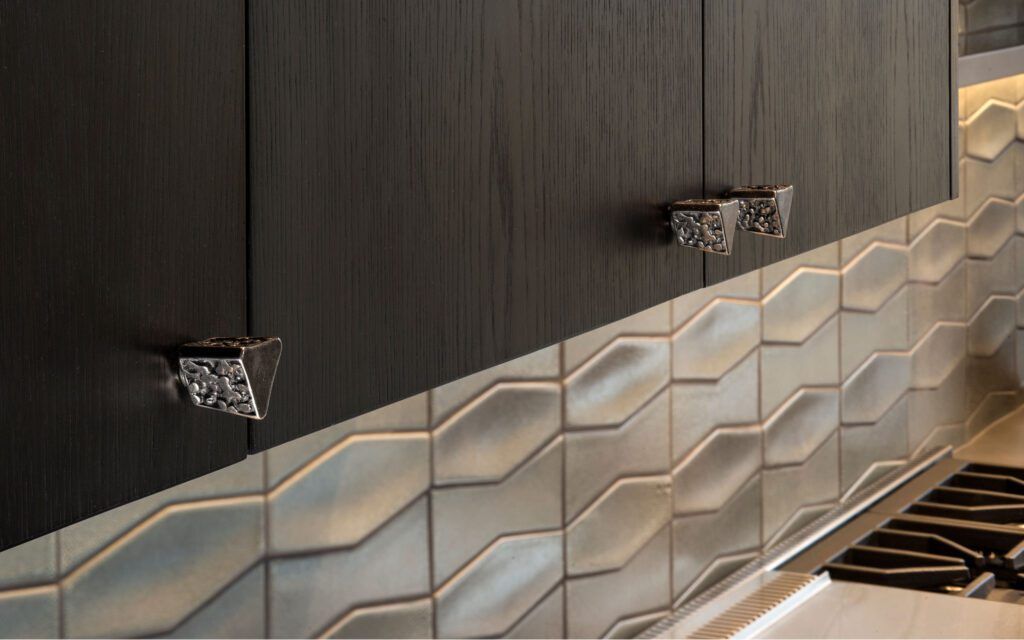
Pulls are elongated handles designed for ergonomic gripping and tend to be used more on larger drawers or cabinets with heavy doors. Their two-point attachment distributes leverage evenly across a wider area, improving functionality in high-traffic areas.
Pulls come in many profiles, including sleek, modern bars and ornate, traditional designs; you can also get custom, handcrafted options to match your overall style. Pulls also reduce strain on cabinet faces and make accessing storage effortless. They can be used alone or paired with complementary knobs to create rhythm, hierarchy, and balance in cabinetry design.
When to Use Knobs vs Pulls
Mastering when to use knobs vs pulls allows you to achieve a functional, cohesive, and aesthetic placement. Knobs often go on doors and small drawers, while pulls are ideal for larger drawers and heavy cabinetry.
The Case for Knobs on Cabinet Doors
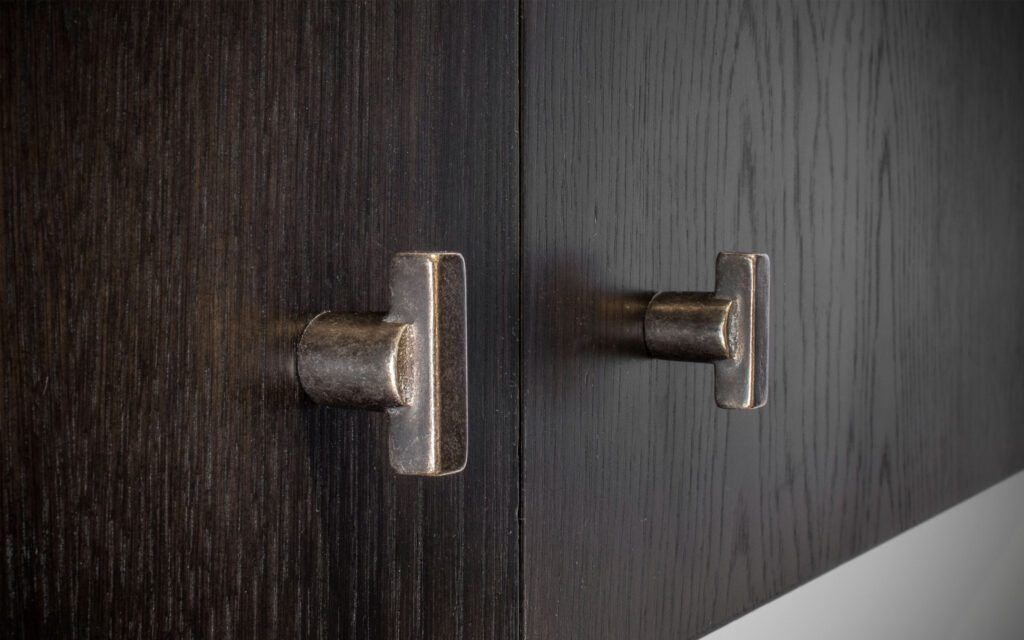
Because of their simple, unobtrusive design, knobs are ideal for cabinet doors and suit various door sizes and styles. Their single-point installation allows flexible placement and works well in symmetrical layouts as well as minimalistic designs.
Smaller doors benefit from knobs that don’t overwhelm the panel visually, keeping the space feeling balanced. Whether you prefer round, square, or decorative knobs, look for high-quality bronze or brass finishes that enhance tactile experience and longevity.
The option is perfect for kitchens, bathrooms, or pantries, where knobs provide easy access while reinforcing continuity and uniformity between spaces. Using knobs consistently across multiple door types establishes visual cohesion. Knobs also allow other elements, such as drawer pulls, lighting, or faucets, to stand out in a layered, intentional design.
Why Pulls Work Best for Drawers and Heavy Cabinets
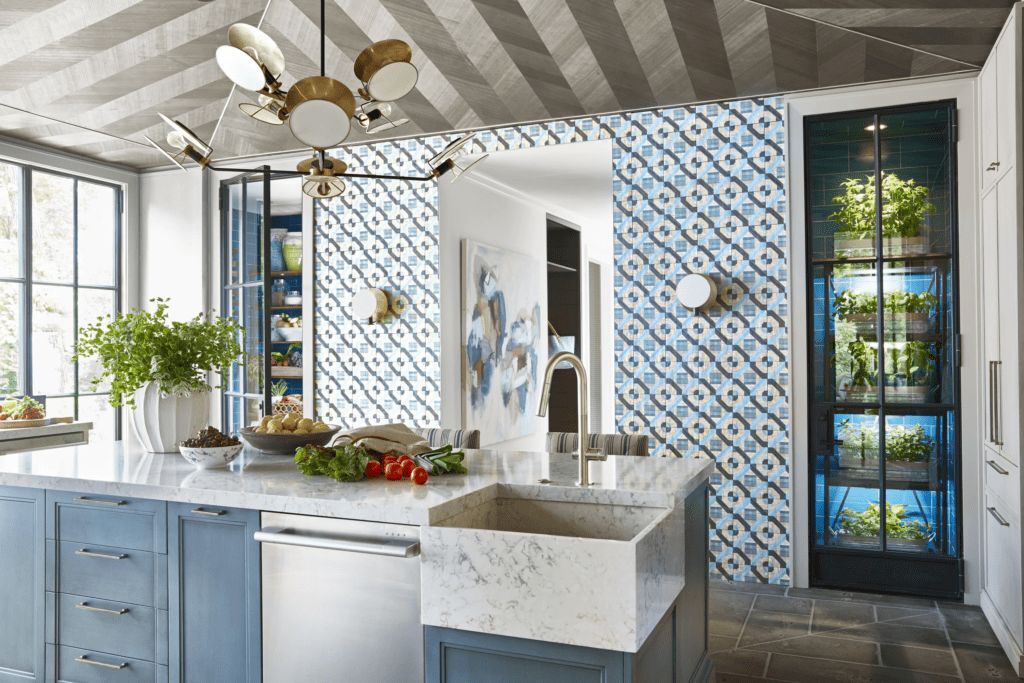
Pulls are designed for efficiency and ease of use, especially on drawers and heavy cabinet doors that need more leverage and ergonomic handles. Their elongated, two-point installation distributes force, reducing strain on the cabinet face, minimizing wear over time.
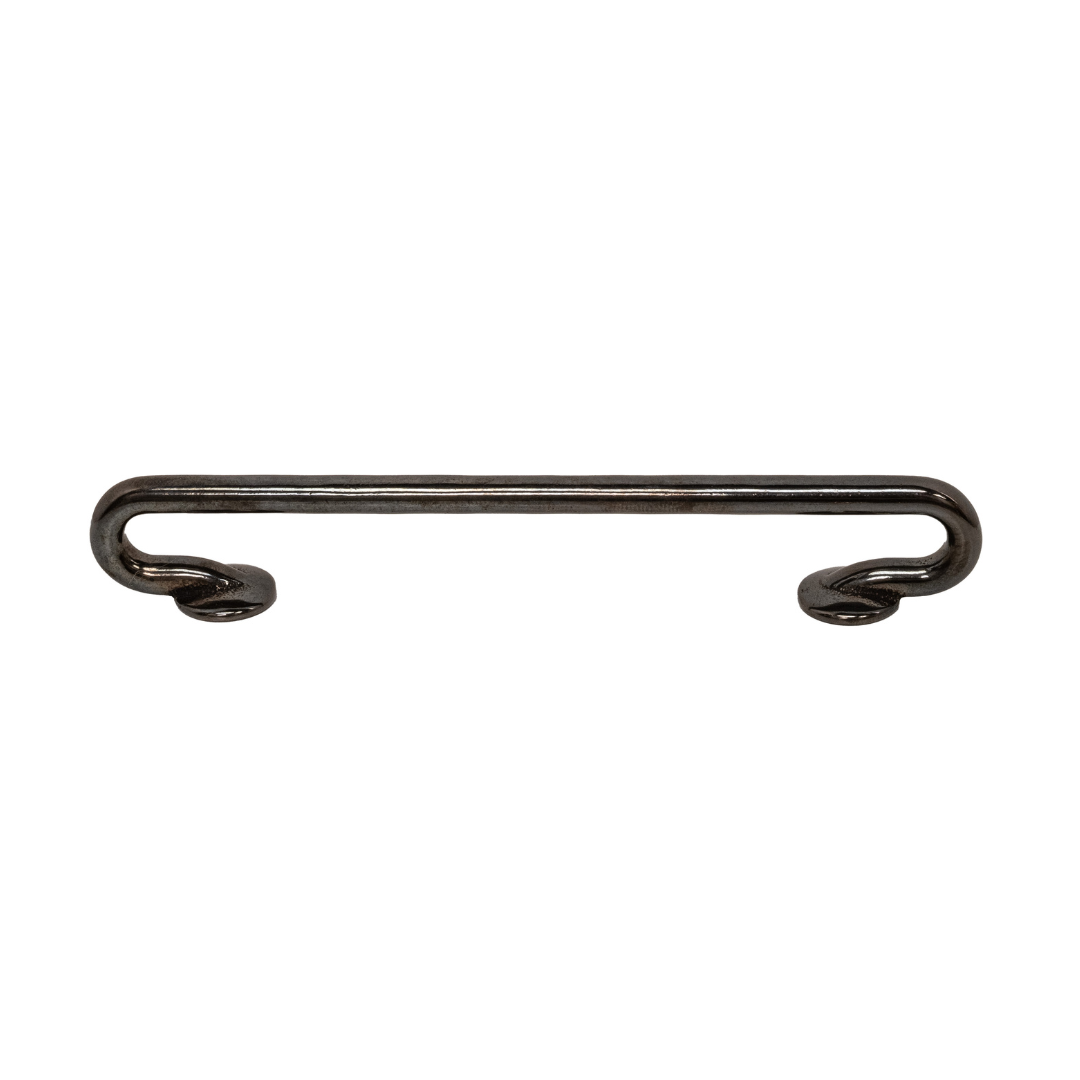
Large drawers, deep pantry units, and tall storage cabinets all benefit from pulls because of the added leverage. Handling pulls is easier, especially when using ergonomic designs, such as the Brut Silicon Bronze Pull. They also come in various designs, from minimal linear bars to decorative options.
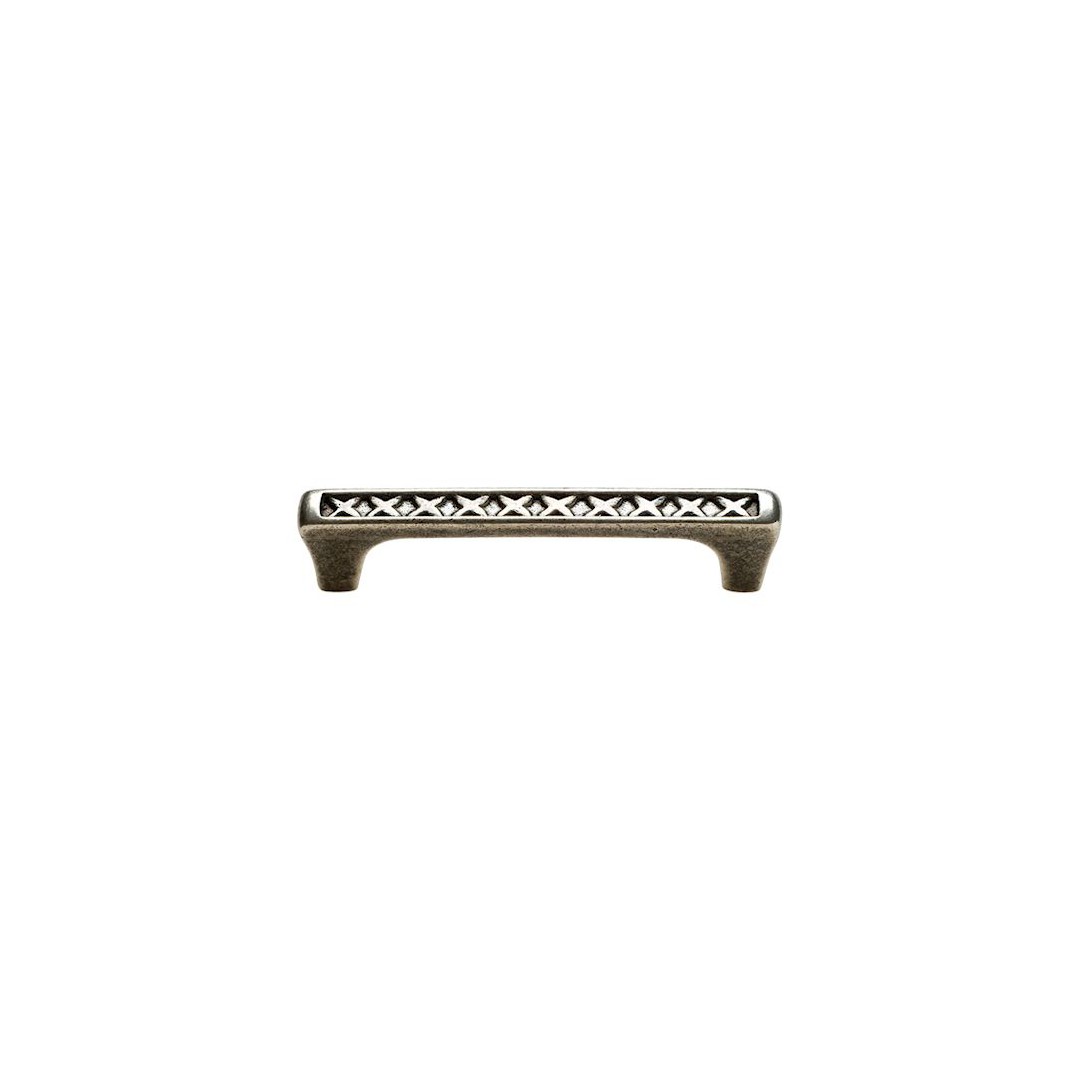
You can tailor them to the overall style of your cabinetry using durable materials like bronze and neutral finishes that fit into the existing palette. Size options are also customizable, so you can choose large pulls, such as Cirque Cabinet Pull, or smaller options like the Crosshatch Pull.
Understanding Scale and Proportion in Cabinet Hardware
Understanding knobs vs pulls selection requires proper scaling. The right-sized hardware maintains a balance between functionality and aesthetics. Small knobs on oversized drawers will feel lost, while large pulls on compact doors may overwhelm the design.
Review cabinet height, width, and thickness when selecting hardware to achieve proportional placement; proper scaling enhances visual flow and usability, especially in kitchens and bathrooms with repeated hardware draws.
Measure drawer and door dimensions, then apply principles like spacing pulls evenly, the 1/3 rule, and centering knobs for a consistent rhythm. Balance the weight of hardware with trim, countertop edges, and surrounding finishes. You can mix shapes and sizes, but use consistent style, finish, and proportion for a cohesive, intentional design.
Knobs vs Pulls in Kitchen Cabinets
Kitchen cabinet knobs vs pulls have many considerations, such as design style, function, material, and placement. Even though knobs suit cabinet doors and pulls work better on drawers, the choice is more nuanced, as shown below:
Kitchen Design Style Considerations
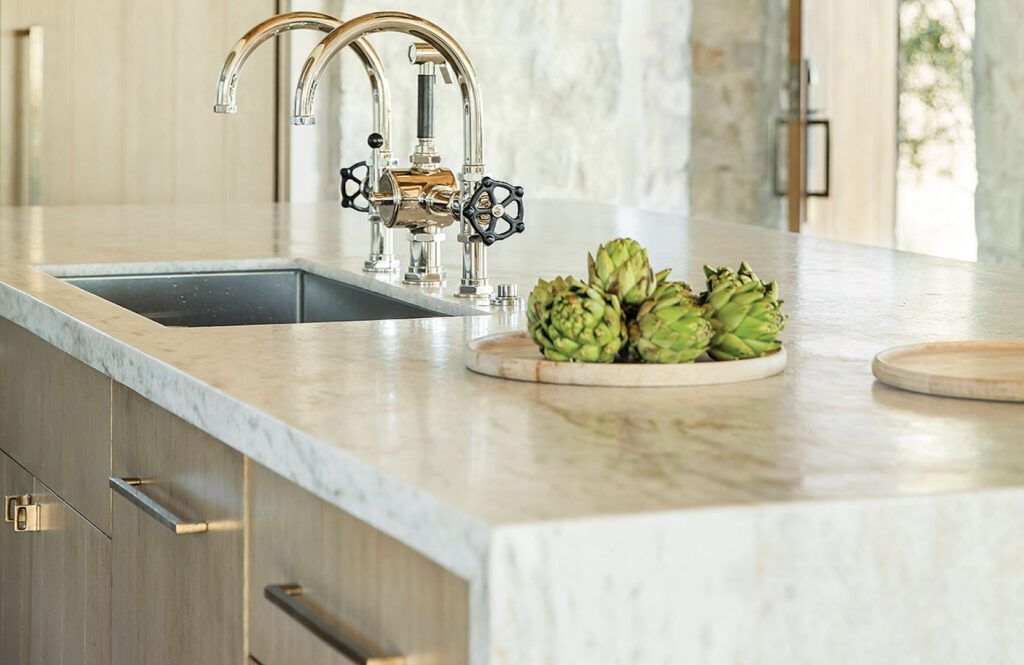
You should select kitchen cabinet hardware that complements the overall kitchen style, besides supporting daily function. Modern kitchens usually feature streamlined pulls and geometric knobs that reinforce clean lines, integrated panels, and minimalist detailing.
Traditional kitchens are more likely to favor rounded knobs, such as the Medallion Cabinet Knob, as well as cup pulls and bronze finishes that harmonize with wood tones, crown moldings, and layered trims.
In transitional kitchens, you’ll see a mix of elements, including small knobs on upper cabinets and pulls on lower drawers to maintain rhythm. The hardware can complement countertop and backsplash materials and metals in sinks, faucets, or lighting fixtures without creating visual clutter.
Keep the hardware ergonomic and accessible, especially in work zones, using decorative handles to highlight islands, feature cabinets, and other focal points. Aim to create a cohesive style and maintain functional placement.
Functionality and Ease of Use in High-Traffic Kitchens
High-traffic kitchens demand hardware that can withstand frequent use while remaining comfortable and visually pleasing. Practical kitchen hardware ideas include using pulls on drawers to allow quick access to utensils and cookware, and reduce stress on joints during repetitive tasks.
Knobs can go on upper cabinets to provide simple, unobtrusive access without protruding into walkways. Use durable materials such as bronze to resist wear from moisture, heat, and repeated handling. Hardware should also be placed within natural reach; orient pulls horizontally on drawers and keep knobs centered on doors for consistency.
Follow proper spacing to prevent collision and maintain visual harmony. Ergonomically designed hardware, like the Double-Hung Sash Lift, combined with smooth installation, is what results in timeless aesthetics, longevity, and comfort. The hardware layout should improve workflow efficiency while reinforcing style continuity across cabinetry.
Mixing Knobs and Pulls in the Same Kitchen
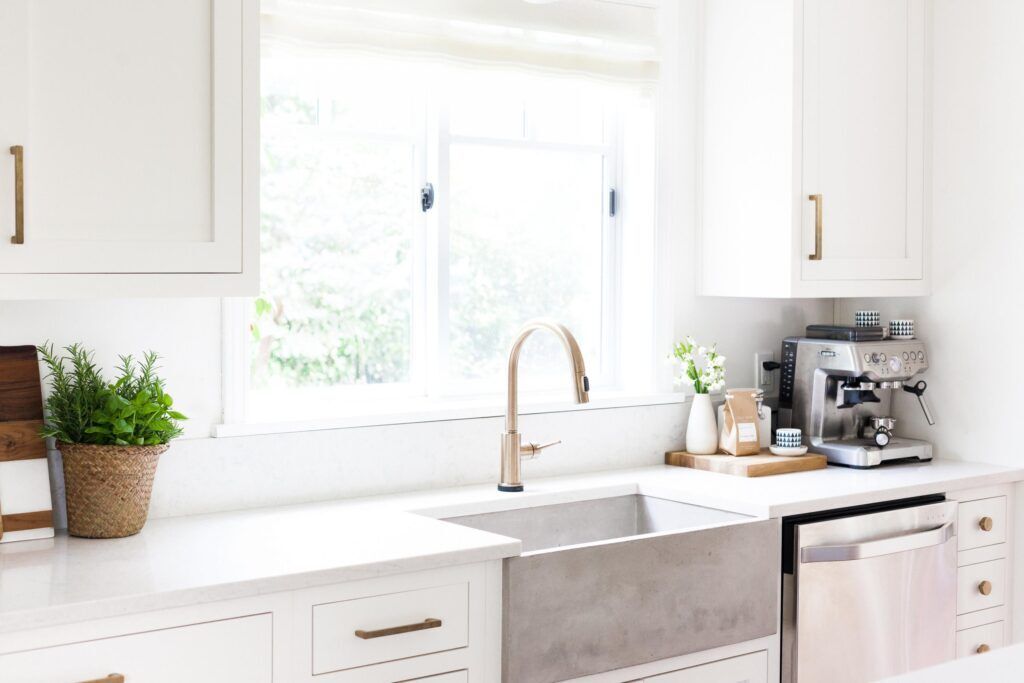
Comparing knobs vs pulls in kitchen layouts doesn’t always imply choosing one or another. In fact, combining knobs and pulls can create visual interest while maintaining functionality. A common approach places knobs on upper cabinets and pulls on lower drawers.
This strategy emphasizes workflow because drawers accessed more often benefit from linear pulls, while doors opened less frequently can feature smaller knobs. Optimize proportions, finishes, and shapes when mixing knobs and pulls, opting for options that complement each other and the overall cabinetry style.
Excessive variation in size or material can disrupt cohesion, so focus on strategic mixing that highlights architectural features, such as islands or glass-front cabinets. Use hardware that preserves uniformity in larger runs of base or wall cabinets.
Design Rules for a Cohesive Look
Design rules help you maintain a unified appearance when selecting cabinet hardware. The first rule is to keep finishes consistent across major cabinetry runs. You can use one primary metal or patina to anchor the design.
Maintain shape repetition to reinforce continuity. If you choose rounded, square, or geometric knobs, stick to the same shape with subtle variations where necessary.
Next up is scale; large knobs should go on wide doors and larger pulls on drawers, but aim to keep things proportional. Focus on visual rhythm by aligning pulls and knobs at consistent heights and distances to create harmony.
You can balance modern and traditional elements carefully in mixed styles, but keep the tactile feel comfortable. In islands and feature cabinets, highlight with slightly more decorative pieces, avoiding overemphasis. Complementing surrounding countertops, backsplashes, and lighting fixtures using finishes of the same undertone.
Balancing Shapes, Sizes, and Finishes
Hardware selection should harmonize with cabinet proportions and interior design. Round knobs, such as the Mushroom Cabinet Knob, pair well with soft, organic cabinetry lines, while linear pulls, such as the Dilemma Cabinet Pull, suit modern, rectilinear profiles.
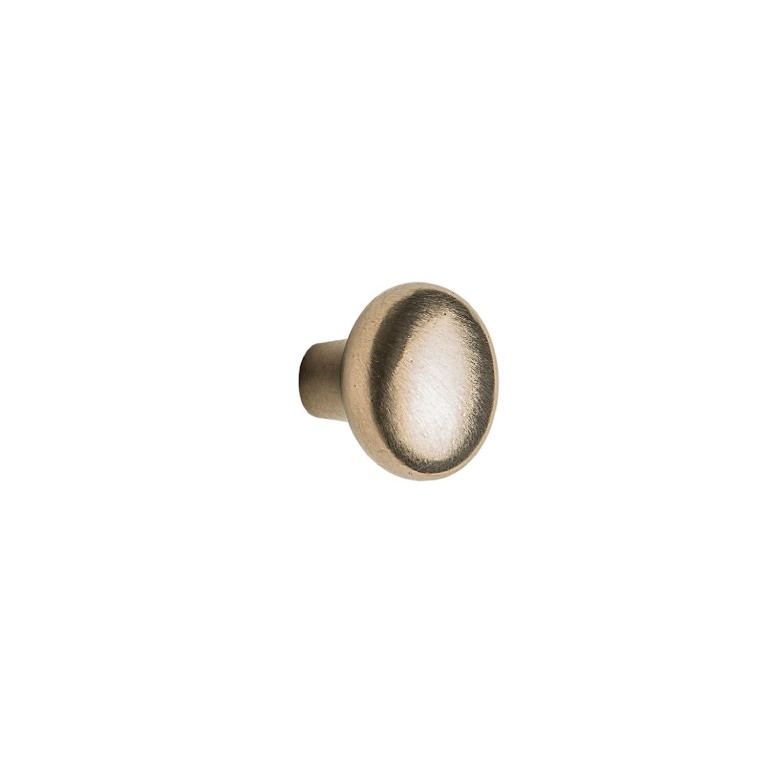
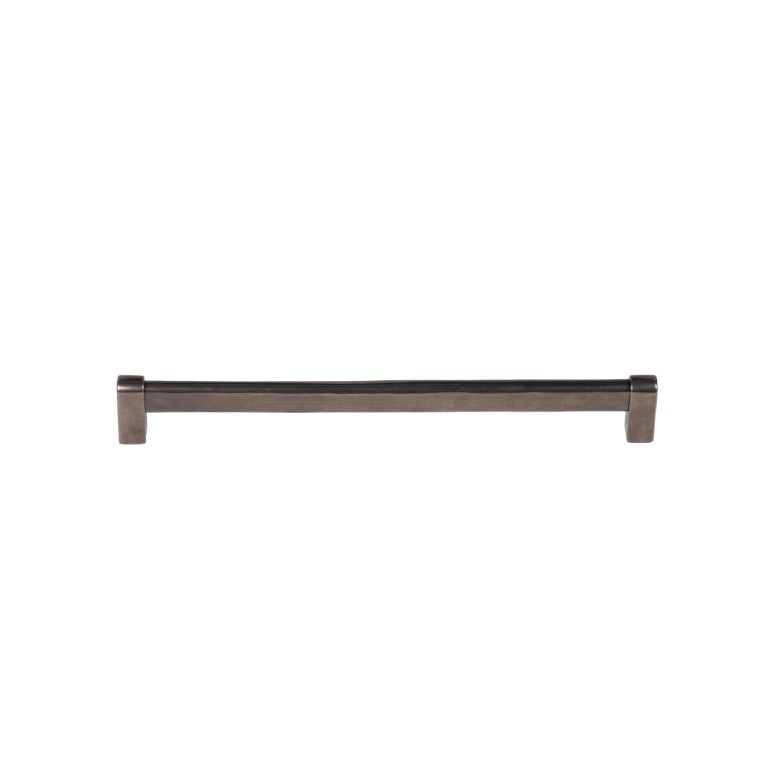
Oversized drawers benefit from longer pulls that provide leverage and visual balance, whereas small doors require more sleek, modest hardware to prevent overpowering. Finish options also impact aesthetics and cohesion. Brushed, matte, or living bronze often adds depth, while polished metals highlight contemporary elegance.
You can use a cabinet finishes guide to help you mix options while maintaining subtlety; avoid high contrast in the same cabinetry run. Use texture and weight to influence perceived quality, complementing countertops, sinks, and lighting. The variation in shape and size should maintain interest without disrupting flow, allowing each piece to feel purposeful.
Proper Placement for Cabinet Knobs and Pulls
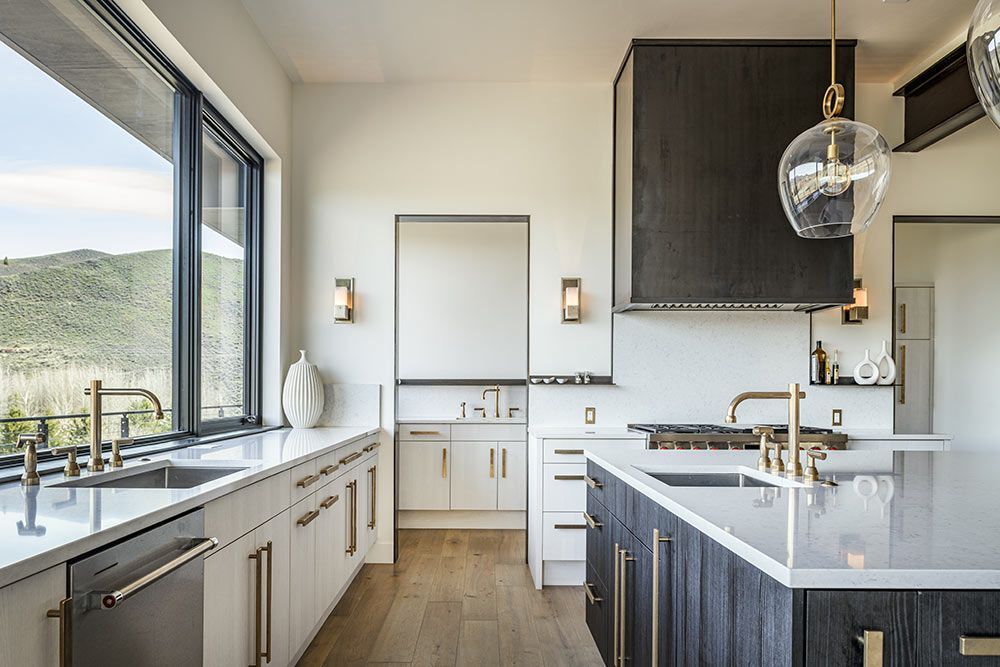
Identifying where to place cabinet hardware is key in cabinet pulls vs knobs because it affects comfort, efficiency, and aesthetics. Drawers and doors should be aligned for ergonomic use and consistent visual flow.
Placement on Cabinet Doors
Knob are typically centered vertically on narrow cabinet doors, positioned horizontally near the latch or edge for accessibility. For tall or double doors, the knobs are aligned across panels to maintain symmetry and provide consistent spacing.
Upper cabinets may have knobs slightly higher to accommodate reach, while lower cabinets maintain standard positioning to avoid conflict with countertops or appliances. No hard rules exist, so the focus is on optimizing function and flow.
Review door height and trim, including casing and inset panels, which may influence knob location. Space hardware consistently across all doors for a cohesive look. Align placement with surrounding cabinetry hardware for rhythm and flow.
Don’t forget tactile experience; knobs should offer a secure grip, especially in wet and greasy bathroom and kitchen conditions.
Placement on Drawers
In drawer hardware placement, the emphasis is on usability and proportion. Pulls are horizontally centered along the top third of the drawer face, maintaining ergonomic access and smooth leverage.
For wide drawers, two pulls can be used to distribute effort evenly and reinforce visual symmetry. Deep drawers require longer pulls to provide a comfortable grip across the span.
Consistency is important, so use repeated placement across kitchen runs to establish rhythm and make the operation intuitive. Compare overlay versus inset drawers and determine the right hardware location to accommodate reveal or frame.
Align pulls with nearby cabinetry or doors to maintain balance, and account for countertop edges and adjacent appliances to avoid obstruction. Proper alignment should enhance function and aesthetics, and contribute to the overall organization of the kitchen.
What Is the Difference Between Knobs and Pulls in a Bathroom?
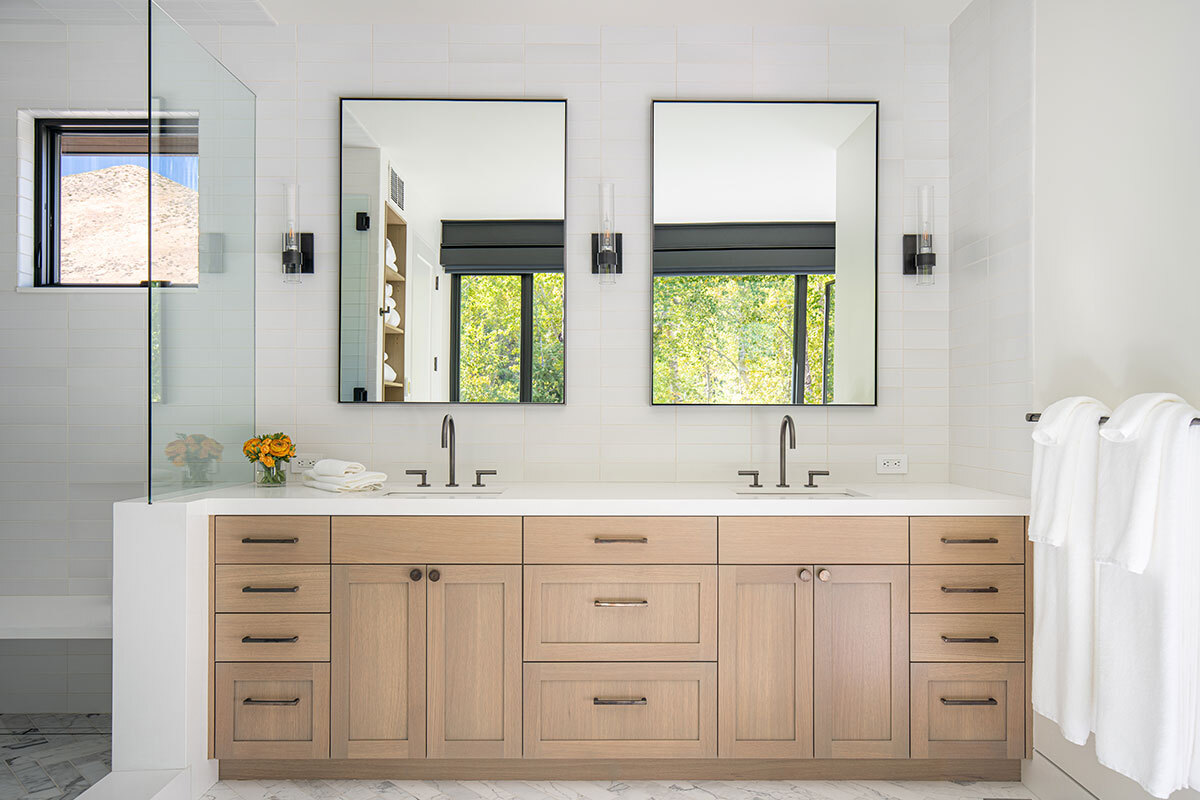
Bathroom cabinet pulls vs knobs present unique challenges due to moisture, frequent use, and often compact spaces. Knobs may work better on vanity doors or narrow cabinets, where they provide a compact, unobtrusive grip.
Pulls, with their linear design, are ideal for drawers or larger storage units. They allow smooth operation even with wet hands, but the design should be ergonomic.
Knobs tend to maintain a traditional or minimalist aesthetic, while pulls create a modern, elongated look. Material selection is straightforward; go for moisture-resistant finishes like solid bronze to enhance longevity.
You can also align size and placement with vanity dimensions and mirror reflections to maintain harmony and functionality in the bathroom environment.
Why Material Matters: Solid Bronze Cabinet Hardware
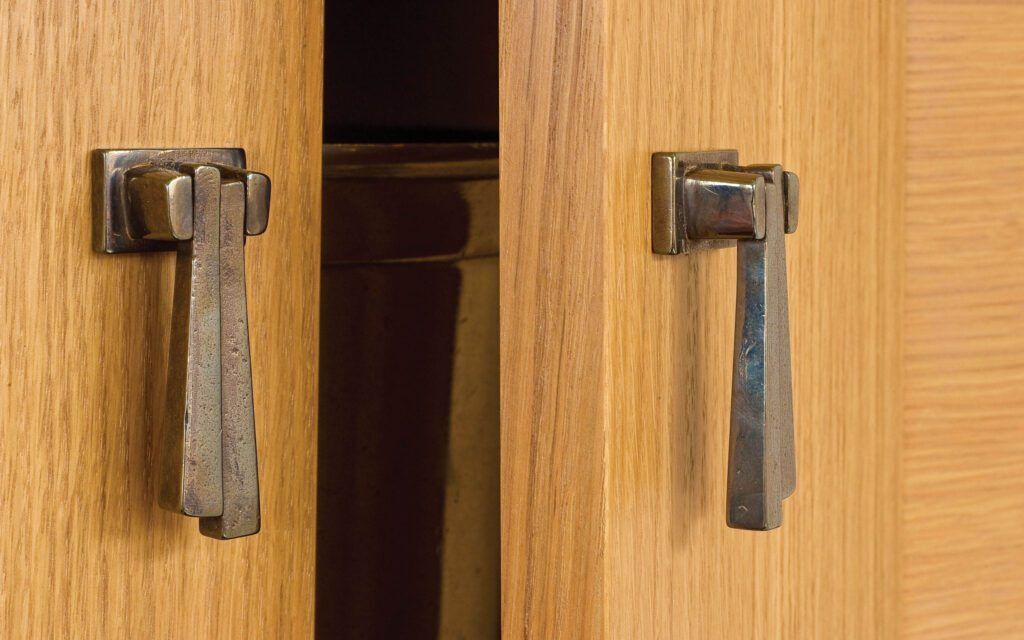
Bronze is the common choice in artisanal designs, known for its superior durability, tactile warmth, and aesthetic depth. The material also develops a natural living patina that evolves with daily use.
The Tactile Experience of Hand-Cast Bronze
Hand-cast bronze cabinet hardware is prized for its weight, texture, and distinctive artisanal feel. Each piece has its unique yet subtle variations, creating a tactile experience that enhances interaction with cabinetry.
The density provides satisfying resistance when pulled or turned, while the contours feel deliberate under the hand. Unlike stamped or mass-produced hardware, hand-cast bronze features nuanced edges, gentle curves, and slight irregularities that reinforce the bespoke quality.
The natural, intentional imperfections and elements pair beautifully with wood grain, stone countertops, and layered finishes, contributing to a holistic design narrative. The material’s longevity also gives timeless hardware that remains functional for decades, while its visual richness complements both traditional and modern interiors.
How Bronze Hardware Develops a Living Patina
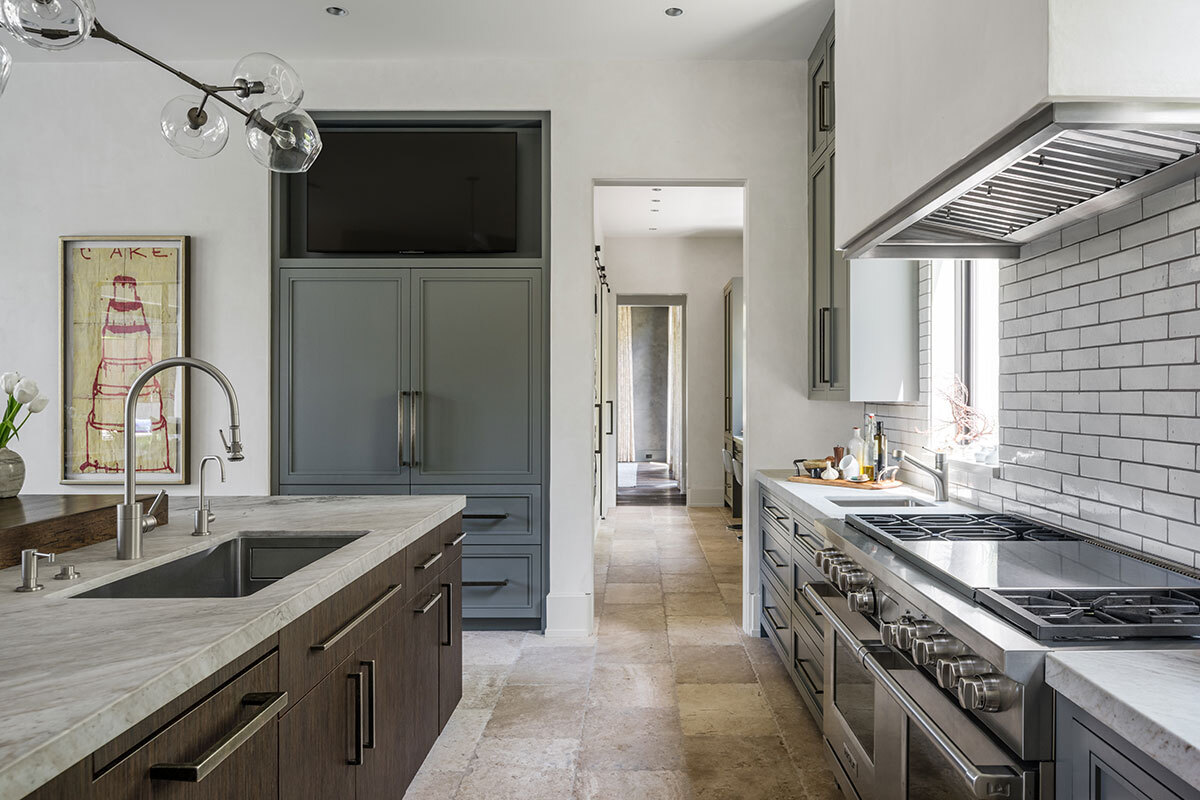
Bronze hardware ages gracefully, mainly because it develops a living patina that adds character over time. When exposed to air, oils from handling, and occasional moisture, bronze subtly darkens or warms the surface, producing unique color variations.
This evolving finish creates depth and authenticity, resulting in natural luxury perfect for kitchen and bathroom hardware. Patina development can be encouraged through regular use, while careful cleaning preserves the beauty of natural changes.
Highly touched surfaces appear slightly polished, while less-used areas darken. Unlike painted or plated finishes, bronze responds organically to the environment, making each piece distinct; the lived-in feel looks more like an upgrade, rather than a deterioration.
Choosing bronze hardware gives your cabinets personality over time, complementing wood tones, stone surfaces, and other metal accents.
Rocky Mountain Hardware Cabinet Knobs and Pulls
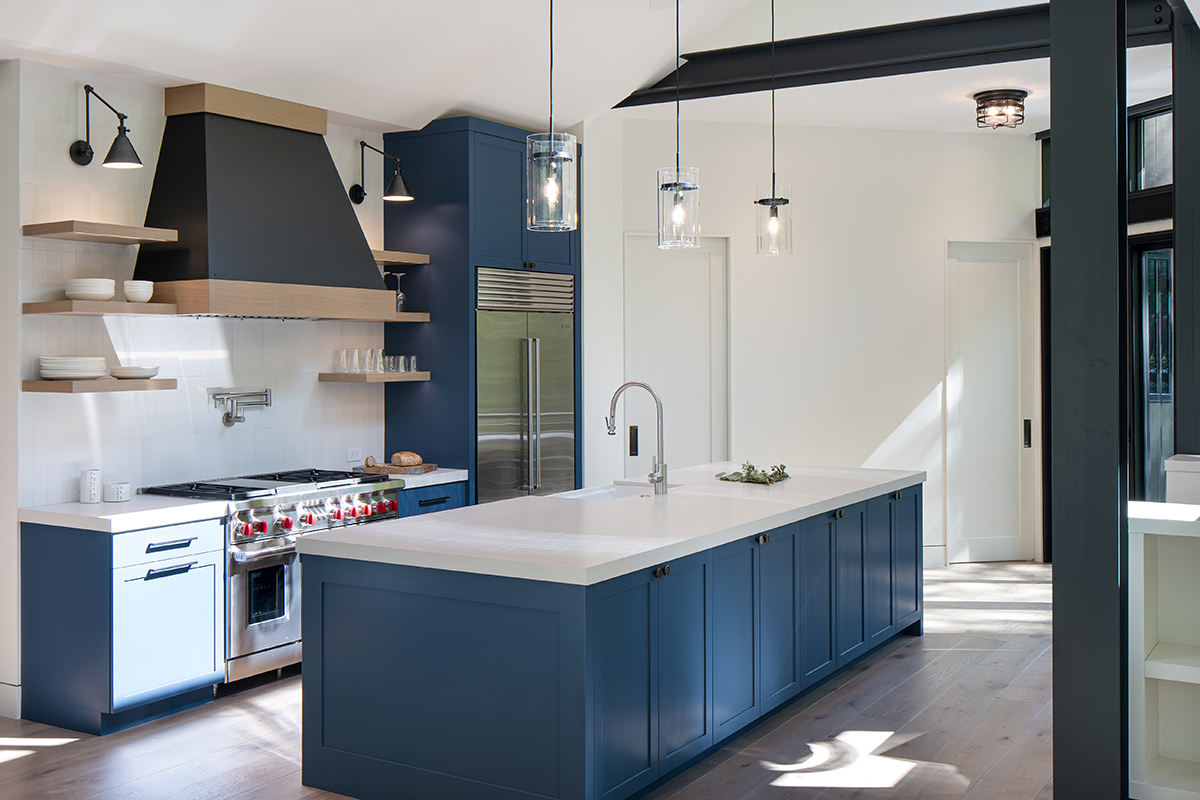
Handcrafted bronze knobs and pulls from Rocky Mountain Hardware reflect quality, longevity, and luxury. Each piece is designed to offer functional excellence and artisanal impact.
Handcrafted Bronze Cabinet Knobs
Rocky Mountain Hardware provides bronze knobs designed for beauty and durability. Each knob is hand-cast, producing a unique texture that feels natural in the hand and complements a range of cabinetry styles.
Hand-casting results in small variations that make your piece unique from every other knob. The knobs also have a satisfying tactile feedback, with subtle imperfections highlighting the artisanal craftsmanship. The warm tones of bronze harmonize with wood, stone, and painted surfaces, enhancing both traditional and contemporary interiors.
Sizes and profiles are customized to allow precise pairing with small doors, large panels, or feature cabinets. Finishes are also designed to age gracefully, developing a timeless, living patina that evolves with use, adding character and individuality.
Designer Cabinet Pulls
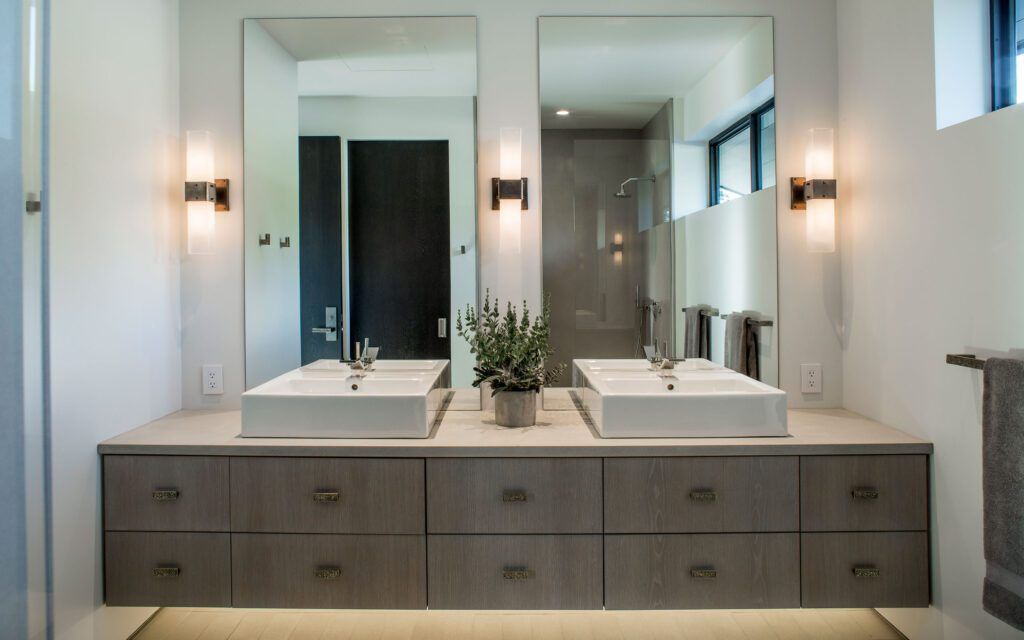
Whether you’re pondering when to use pulls vs knobs, or comparing different materials and finishes, RMH has you covered. With designer cabinet pulls, such as the Drop Pull, you can enjoy ergonomic functionality and refined visual presence.
Hand-cast in bronze, these pulls offer a comfortable grip for drawers of any size, supporting frequent use in kitchens, bathrooms, or custom cabinetry. Linear, curved, or angular designs complement a wide range of interior styles, from minimalist modern to traditional or transitional.
The subtle weights and textures also create a tactile experience while reinforcing architectural lines and material choices. Choose designer pulls sized proportionally to your cabinetry to achieve balance and rhythm across multiple drawers.
Pair with coordinated knobs for a complete and cohesive hardware system that not only elevates daily interaction with cabinets but also combines practicality with longevity and refinement.
Knobs vs Pulls: Which Option Is Best for Your Cabinets?
The knobs vs pulls selection conundrum is all about aligning hardware with function, style, and proportion. Knobs are for doors, smaller drawers, and traditional or minimalist interiors, where they offer subtle elegance without overpowering the design.
Pulls are perfect on larger drawers and high-use surfaces, providing ergonomic grip and supporting modern or transitional styles. However, these are not strict rules. In fact, you can use both knobs and pulls and optimize the selection based on your personal style.
Harmonize material, finish, and scale with cabinetry, countertops, and surrounding architecture to unify the look. Choose RMH’s solid bronze to add durability and tactile warmth. The right selection enhances both aesthetics and functionality, creating a cohesive, enduring, and intuitive interior design.
Frequently Asked Questions About Knobs vs Pulls
Are Cabinet Pulls More Modern Than Knobs?
Not really. While pulls often read as modern due to their linear form and ergonomic design, style depends on material and finish. Bronze, aged, or sculptural pulls can suit traditional interiors.
Should Kitchen Cabinets Have Knobs or Pulls?
They can have both. Use knobs on doors and smaller cabinets for subtlety, and pulls on drawers for functionality.
Can You Mix Knobs and Pulls in the Same Kitchen?
Yes, if you do it strategically. That is, knobs on doors and pulls on drawers. Mixing types also adds functional clarity and visual interest, but maintains consistent finishes and scale for cohesion across the kitchen design.
Are Cabinet Pulls Easier to Use Than Knobs?
Not really. Pulls provide more grip, especially for large drawers or wet hands, but knobs work well for smaller doors. Ultimately, ergonomics and material choice determine ease of use for every use case.
