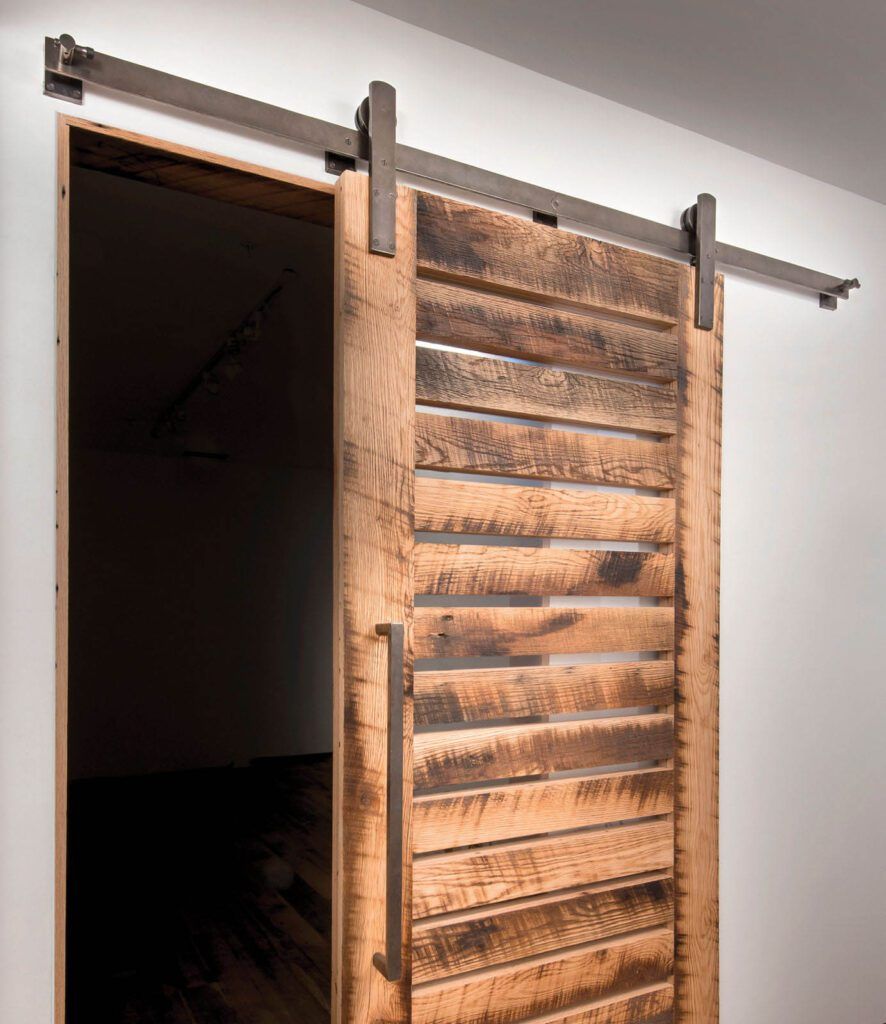
Choosing barn door hardware involves more than selecting a style that looks appropriate. The system should support the door’s weight, operate smoothly, and integrate with the surrounding architecture. Properly matched hardware leads to stability, noise reduction, and longevity.
Whether you fancy oversized door pulls, such as the 42-inch Brut Grip Pull, or sleeker options like the D Grip Pull, stick to premium options, preferably bronze hardware, which is known for its durability and timeless appeal.
Barn door systems also affect spatial flow. Unlike hinged doors, they rely on lateral clearance and visible mounting components; this makes proportion, placement, and finish important to both function and appearance.
Each decision should align with the door’s size, the wall’s capacity, and the intended use. This guide explores how to choose barn door hardware, providing a comprehensive guide that focuses on types, components, structure, measurements, materials, installation requirements, and more.
What to Check Before Buying Barn Door Hardware
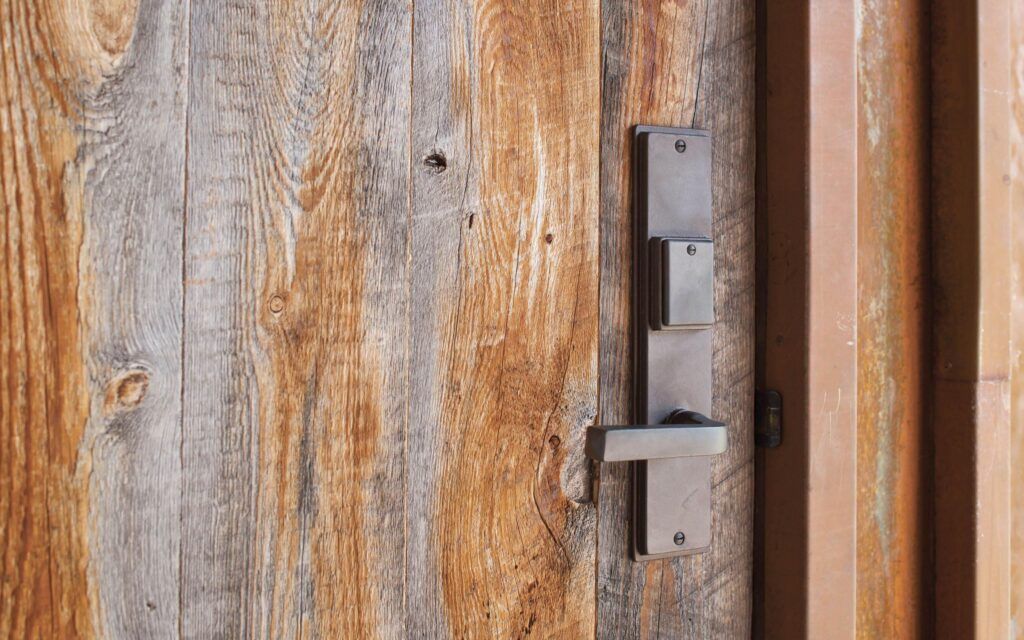
With so many hardware options to choose from, finding one that matches your project should be effortless. Simply verify door weight, wall structure, mounting clearance, and hardware compatibility to achieve safe installation and consistent long-term performance.
Determining Door Type, Size, and Weight
Start by identifying the type of door you plan to install—solid wood, glass-paneled, and composite doors all vary in weight and structural demands. Each requires unique barn door components and hardware rated to support its load without strain or deflection.
Measure the door’s height, width, and thickness accurately because these dimensions determine track length, roller size, and mounting placement for bronze door handles. Accurate measurements result in proper alignment or movement.
Barn door hardware systems are rated for specific load capacities, making weight an important factor. Exceeding this limit affects performance and increases wear on rollers and tracks. Always confirm manufacturer specifications before selection.
Door thickness also influences hardware compatibility; some rollers and brackets are designed for standard thickness ranges, while others require customization. Match the hardware to the door’s physical characteristics to achieve stability, smooth operation, and long-term reliability under repeated use.
Assessing Your Wall Space and Mounting Requirements
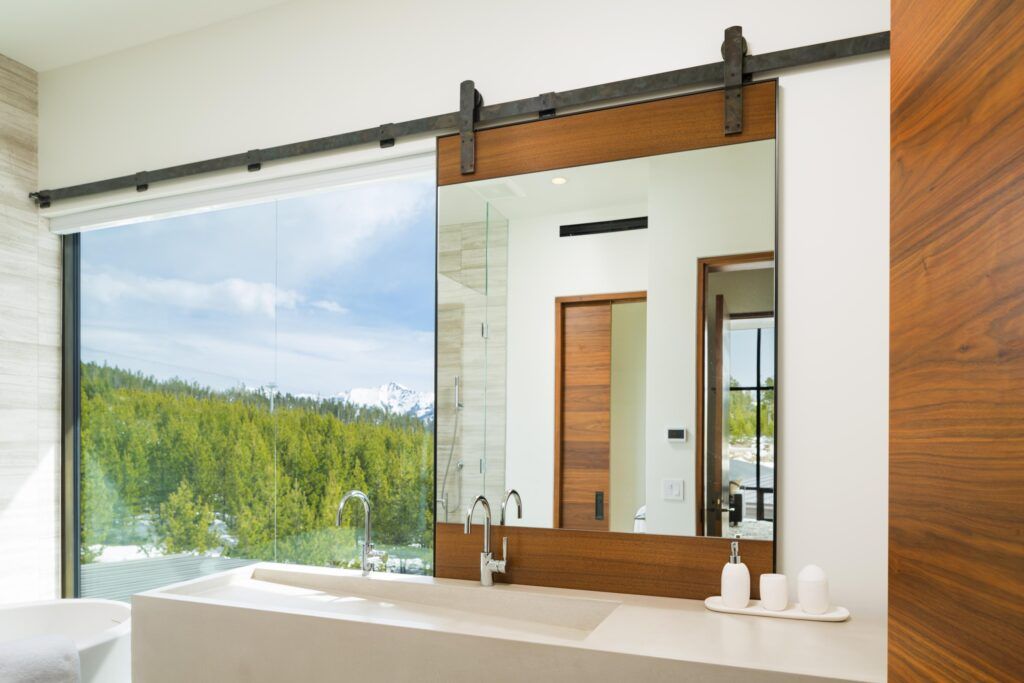
Barn doors require sufficient horizontal wall space to slide open fully, so measure the adjacent wall area to check if the door can clear the opening without obstruction. Limited space restricts usability and affects placement options, making barn doors suitable for expansive layouts.
Check for structural support within the wall. Hardware must anchor into studs or reinforced backing to handle the door’s weight, since drywall alone cannot support a loaded track system safely.
Header installation may be necessary when studs are misaligned. Use a continuous mounting surface to distribute weight evenly and improve stability when the door is being used; this is especially relevant for wider or heavier doors.
Evaluate vertical clearance as well—track systems require space above the door for mounting brackets and rollers. Insufficient clearance can limit door hardware choices or require modifications. Confirm these conditions early to prevent installation challenges and support proper system performance.
Balancing Functionality with Interior Style
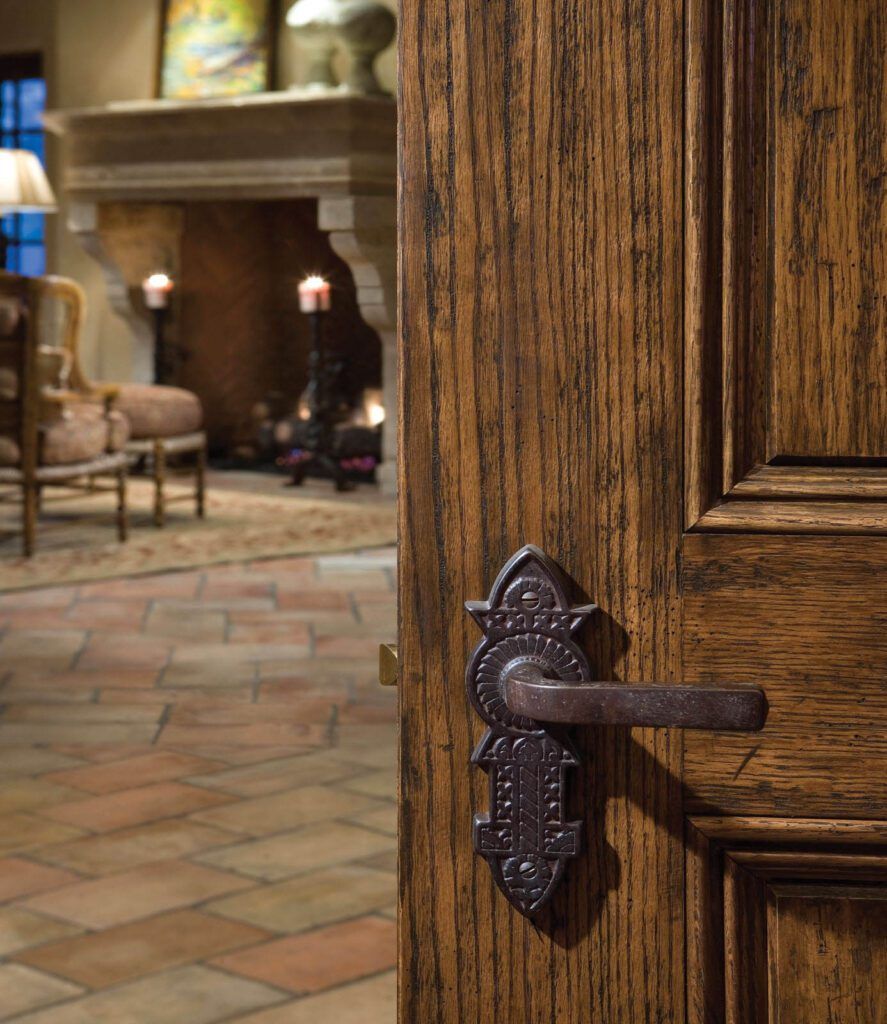
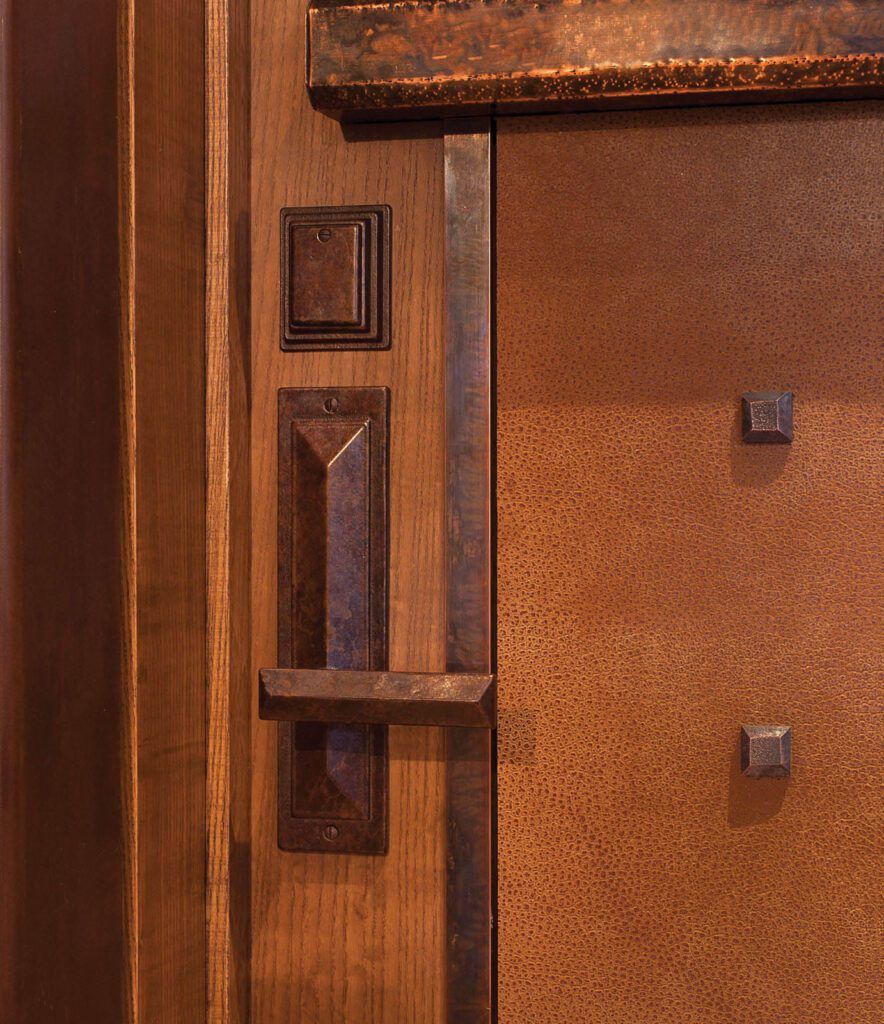
Barn door hardware is visible and contributes to the overall interior design. Bronze levers, such as the Baton Lever, have unique finishes, scales, and forms; these should align with the surrounding materials and architectural style.
Functional requirements come first, so prioritize systems that operate smoothly and support the door consistently. However, visual integration is equally important in maintaining design cohesion and flow between spaces.
Review how the hardware interacts with nearby elements, such as cabinet hardware and finishes, lighting, and flooring materials—all these influence which finish options and forms feel appropriate. Avoid mismatched hardware that can disrupt visual continuity.
Scale also plays a role, so oversized hardware, such as Extra Long Hook Lever, requires larger doors, while sleeker options, like the Blade Lever, work well with smaller doors. Select hardware that aligns with both functional demands and design context to install a door system that performs effectively and reinforces the overall architectural language.
Choosing the Right Barn Door Hardware Types
You’ll encounter different types of barn door hardware used for sliding, bypass, and hinged systems. The mounting chosen—top or side—also influences hardware choice, so select carefully based on your door’s configuration and intended movement.
Sliding, Bypass, and Hinged Hardware Systems
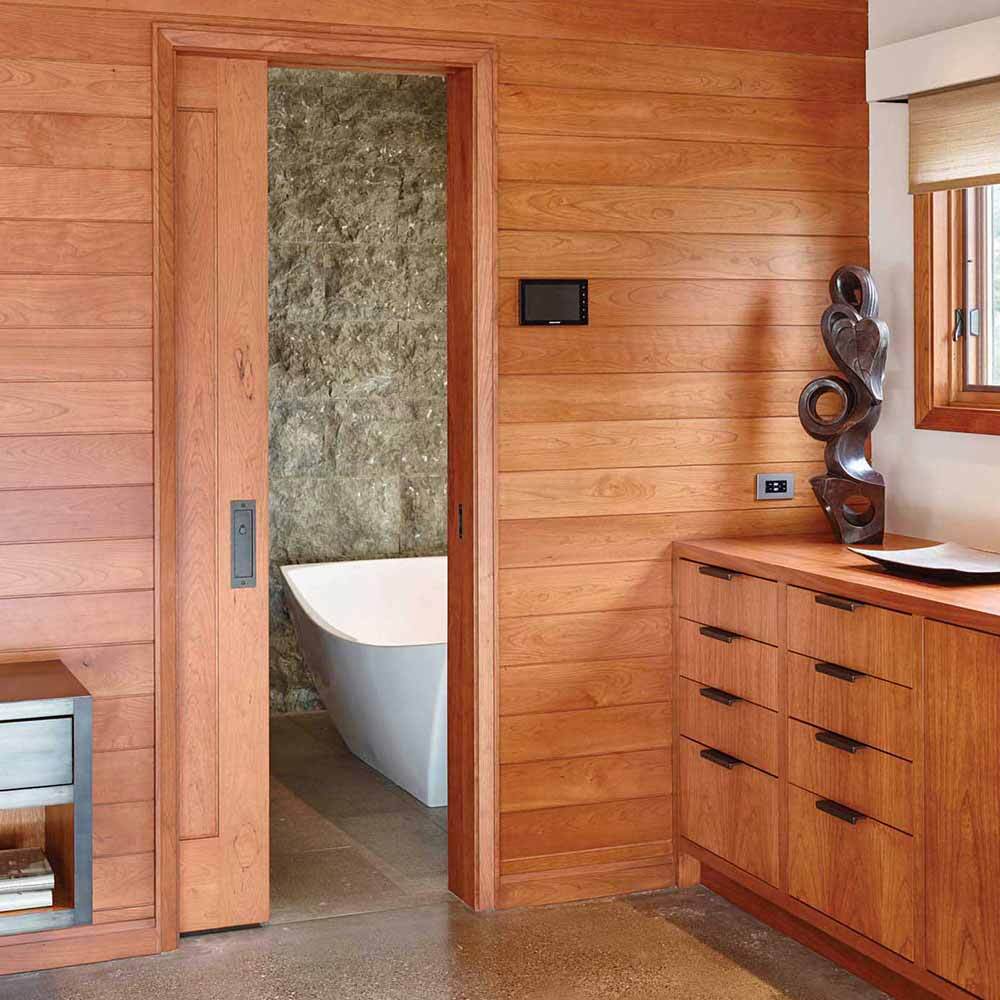
Sliding systems are the most common barn door configuration, and feature a single door that moves along a track; this requires clear wall space on one side, a setup that suits standard openings and straightforward layouts. The door can be opened and closed using standard pulls and handles, such as the Flute Grip Pull.
Bypass systems use two or more doors that slide past each other on parallel tracks. They are ideal for wider openings or areas with limited wall clearance. This configuration allows access without requiring full lateral space.
Hinged barn door systems combine sliding aesthetics with pivot functionality. While less common, this configuration is useful where wall space is restricted. You can choose from various types of door hinges, each requiring unique mounting considerations compared to traditional sliding systems.
Each system affects movement, accessibility, and installation complexity, which is why you must select the appropriate type. This decision depends on available space, door size, and how the opening will be used daily. Proper alignment between system type and layout supports consistent operation and efficient use of space.
Top-Mount vs. Side-Mount: Fit, Function, and Style
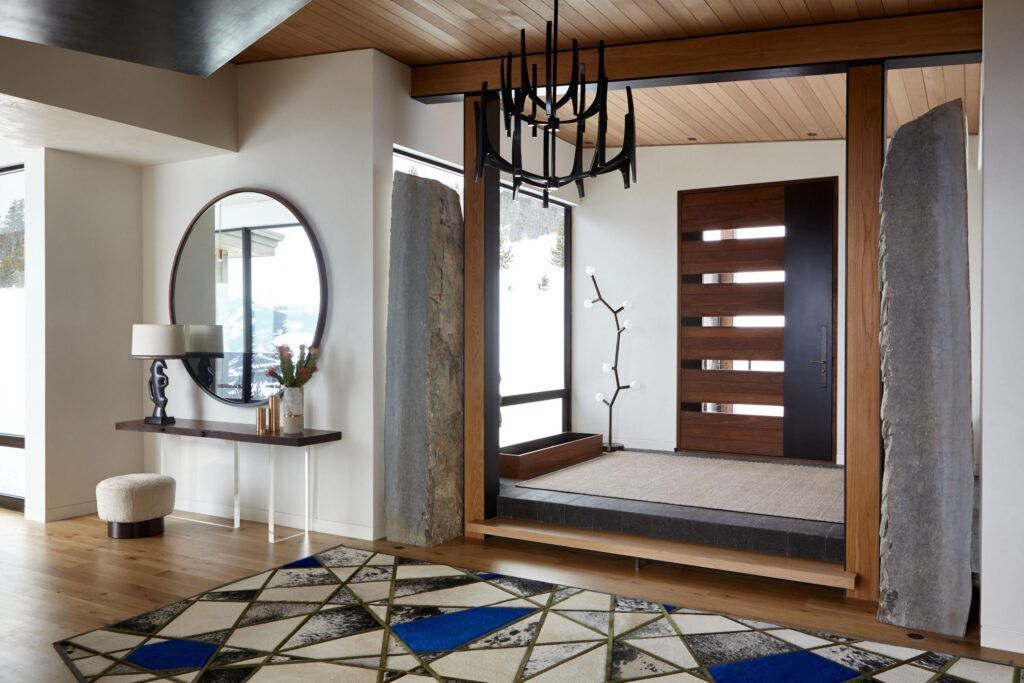
Top-mount systems attach rollers above the door, which helps create a clean and minimal appearance; the hardware is less dominant visually, making it suitable for modern or restrained interiors.
Side-mount systems attach rollers directly to the face of the door, resulting in exposed hardware; this can contribute to a more industrial or traditional aesthetic. The fit also allows for different structural configurations and more visible coordination with door sets, such as the Arched Flush Pull.
Functionally, both systems perform similarly, provided they are properly installed. The difference lies in visual impact and compatibility with door design. Some doors cannot accommodate top-mounted hardware due to thickness or construction.
Installation requirements also vary; top-mount systems may require additional clearance above the door, while side-mount systems rely on precise alignment across the door surface. Choosing between the two depends on design preference, door construction, and available mounting space.
Essential Barn Door Hardware Components
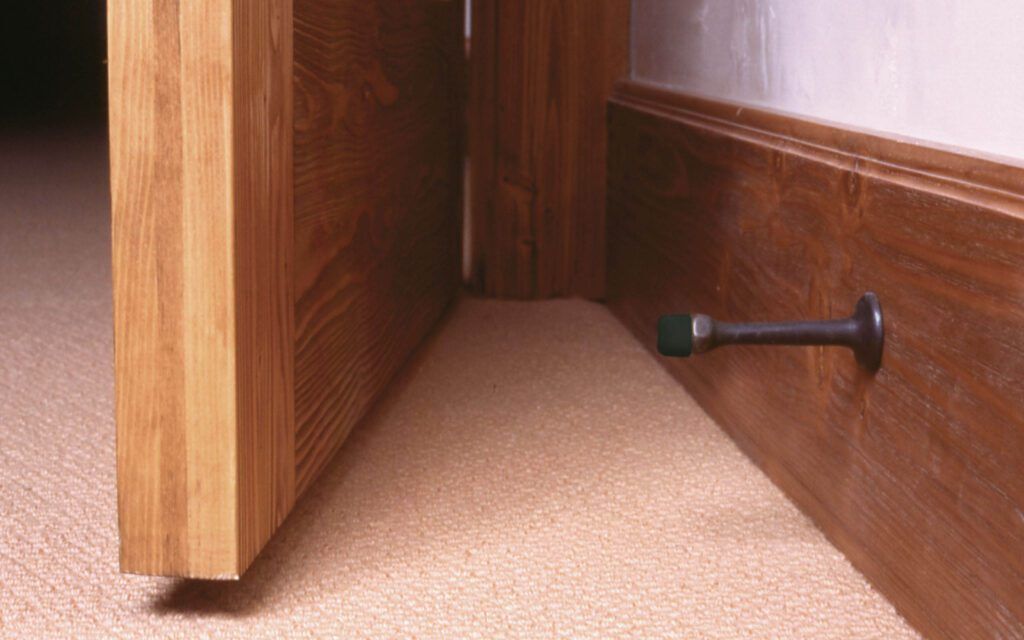
A complete system includes various barn door components, including tracks, rollers, guides, and stops, all working together to support movement, stability, and controlled door operation. Barn doors also rely on complementary hardware, such as latches, locks, and pulls, as shown below.
Hardware Checklist: Tracks, Rollers, and Mounting Parts
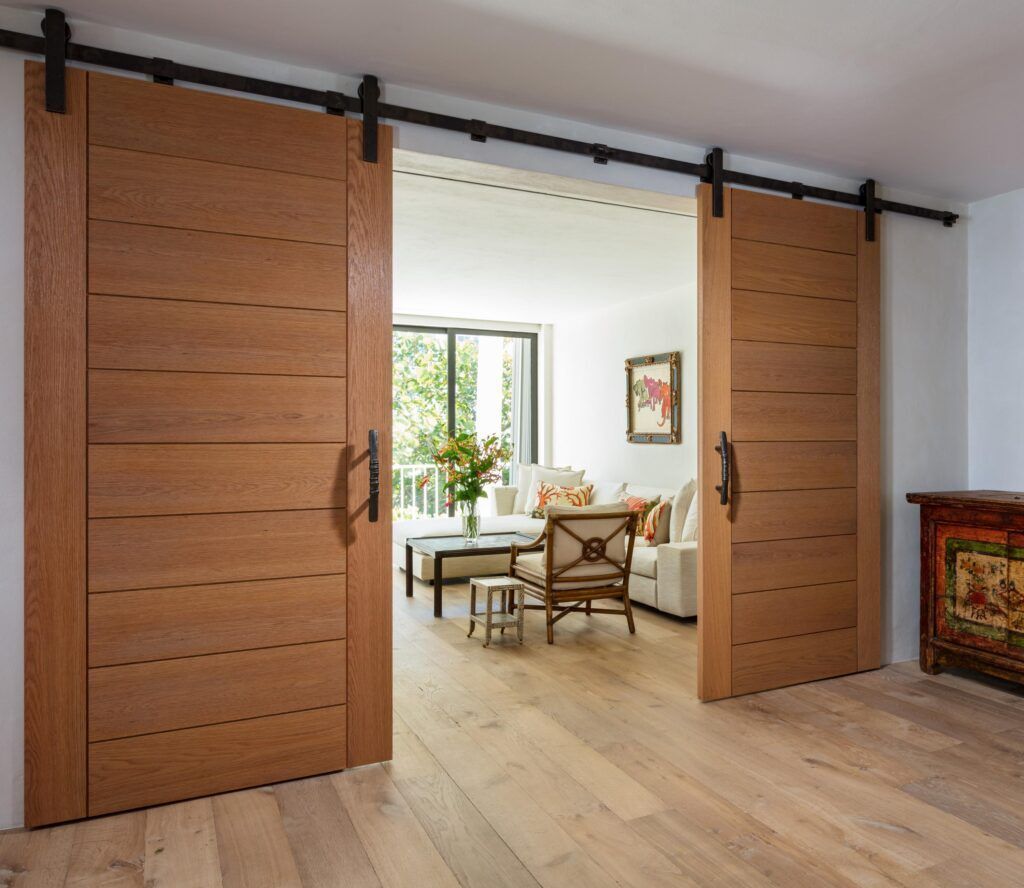
The barn door track is the primary structural component of a barn door system, and its work is to support the door’s weight and guide movement across the opening. Tracks must be straight, securely mounted, and rated for the door’s load capacity.
Rollers attach to the door and glide along the track; their quality determines how smoothly the door operates. High-grade rollers reduce friction, minimize noise, and maintain consistent alignment over time.
Mounting brackets secure the track to the wall or header. These components must anchor into structural framing to distribute weight properly, as weak mounting will lead to instability and failure.
Installers use fasteners, spacers, and connectors, which complete the bard door system. Each part plays a role in maintaining alignment and supporting safe operation. Components should be compatible to support long-term performance. Review the full hardware set before installation, verifying that all elements function together as a unified system.
Floor Guides, Stops, and Soft-Close Options
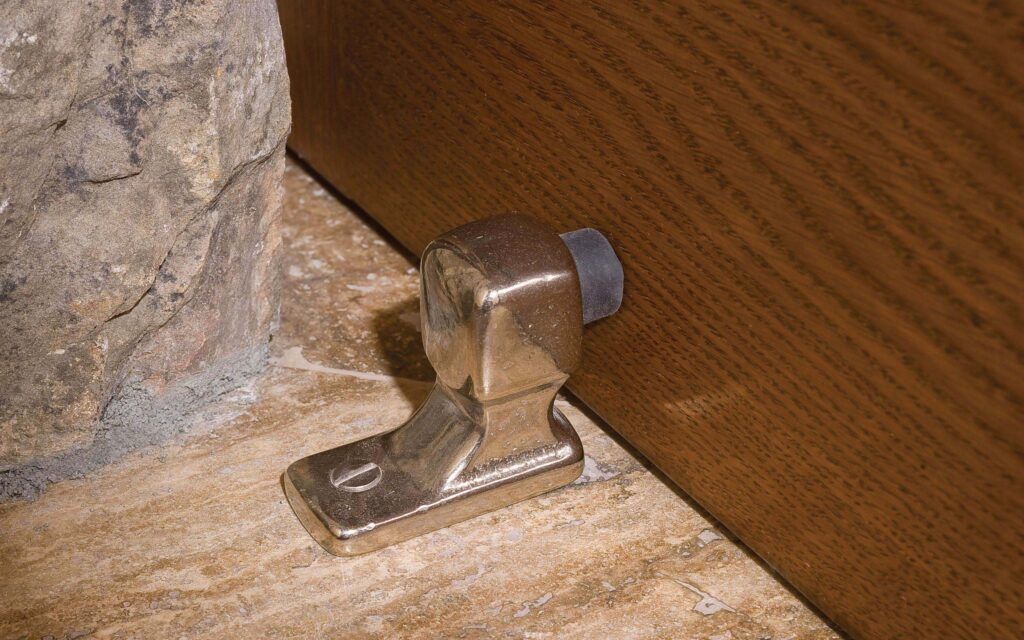
Floor guides stabilize the bottom of the door, preventing lateral movement during operation. They keep the door aligned with the wall and reduce swinging, especially in high-traffic areas, supporting long-term function.
Stops are installed along the track to control how far the door travels; this helps prevent the door from sliding beyond its intended range and protects both the wall and hardware from impact and damage.
Soft-close mechanisms add controlled deceleration at the end of travel, so the door doesn’t slam onto the stop. These systems also reduce noise and prevent abrupt contact, improving both safety and user experience.
Without guides and stops, the door may feel unstable or unpredictable, and the different types of barn door hardware may wear out faster. Adding soft-close features enhances usability, particularly in residential environments where smooth, quiet operation is expected.
Each component contributes to controlled movement, complementing quiet, luxe settings. Select high-quality alternatives and hire professional teams to achieve proper installation that supports balance and system reliability.
Selecting Complementary Pulls, Latches, and Locks
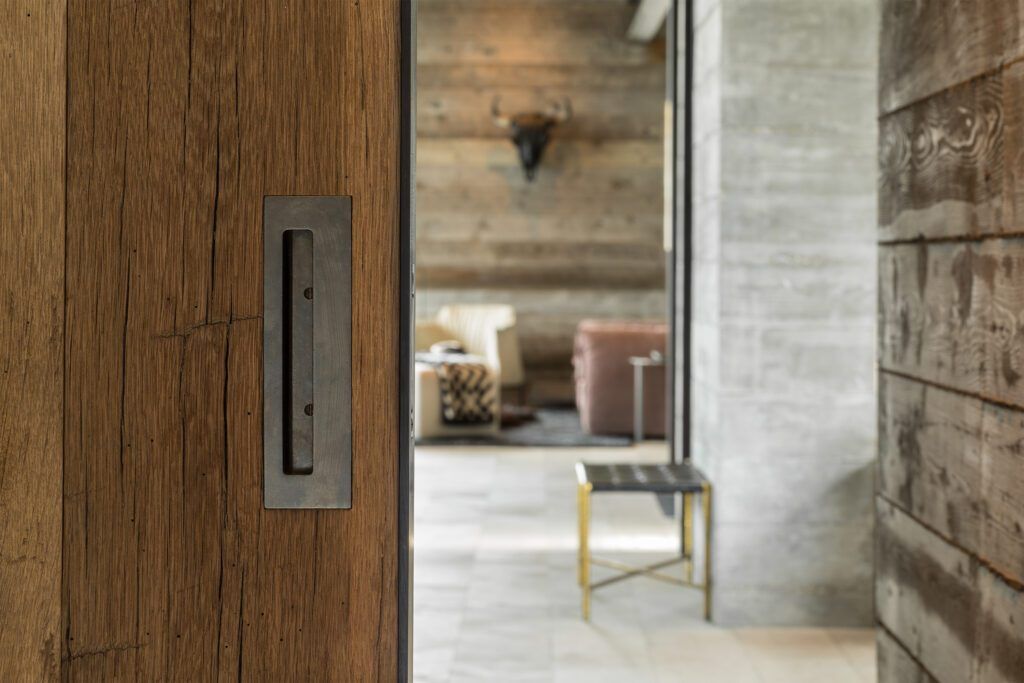
Barn door hardware extends beyond the track system and includes pulls, latches, and locks that influence how the door is used and how it integrates with the space. You can choose a bronze door set, such as the Bordeaux Lift & Slide, which offers a timeless appeal due to its evolving finish.
Use pulls that match the scale of the door. Larger doors require longer or more substantial handles, such as the Dilemma Grip, to provide adequate grip. Smaller doors benefit from more compact designs, like the Braided Grip, to maintain proportion.
Latches and locks depend on the level of privacy required. Sliding doors do not seal tightly like hinged doors, so hardware must compensate for limited contact points. Options include hook latches and recessed locking systems.
Finish coordination is also important, and components should align with the primary hardware to maintain visual consistency. Select complementary pieces that help maintain functionality and design cohesively, supporting both daily use and overall architectural intent.
Barn Door Hardware Measurements and Sizes

Accurate barn door hardware measurements help you achieve proper fit, smooth movement, and safe installation; this prevents alignment issues and keeps the system functioning as intended.
How to Calculate Track Length for Your Door Width
Track length should exceed the width of the door to allow full clearance when open. A standard rule is to use a track at least twice the door width; this ensures the door can slide completely past the opening without obstruction.
Watch out for insufficient track length, which limits access and reduces functionality. Track calculations differ for double doors or bypass systems; each panel requires adequate space to move independently, and some need extended or dual-track systems.
Also account for end stops and mounting space. These components reduce usable track length slightly, so measure them accurately and provide sufficient allowance for these factors. The door should open fully and operate without restriction, maintaining both accessibility and proper system performance.
Measuring Clearance for Headers and Floor Gaps
Vertical clearance is required above the door to install the track and rollers; this space varies depending on the hardware design and mounting method.
Measure from the top of the door to the ceiling to confirm compatibility. If the clearance is limited, use a lower track position or hardware options designed for compact installations.
Header placement affects overall clearance because it raises the mounting point. Proper measurement allows you to find components that fit correctly without interference, leading to doors that operate consistently across the full range of motion.
Floor gaps—small gaps often left between the door and floor—are also important and help prevent dragging. The gaps allow smooth movement, but excessive gaps can reduce privacy and visual alignment.
Material Quality: The Hand-Cast Bronze Difference
Material comparison is part of any good barn door hardware guide for obvious reasons; different materials affect durability, weight, and long-term performance. You should learn how to choose hardware that withstands repeated use and environmental exposure.
Comparing Solid Bronze to Standard Metal Finishes
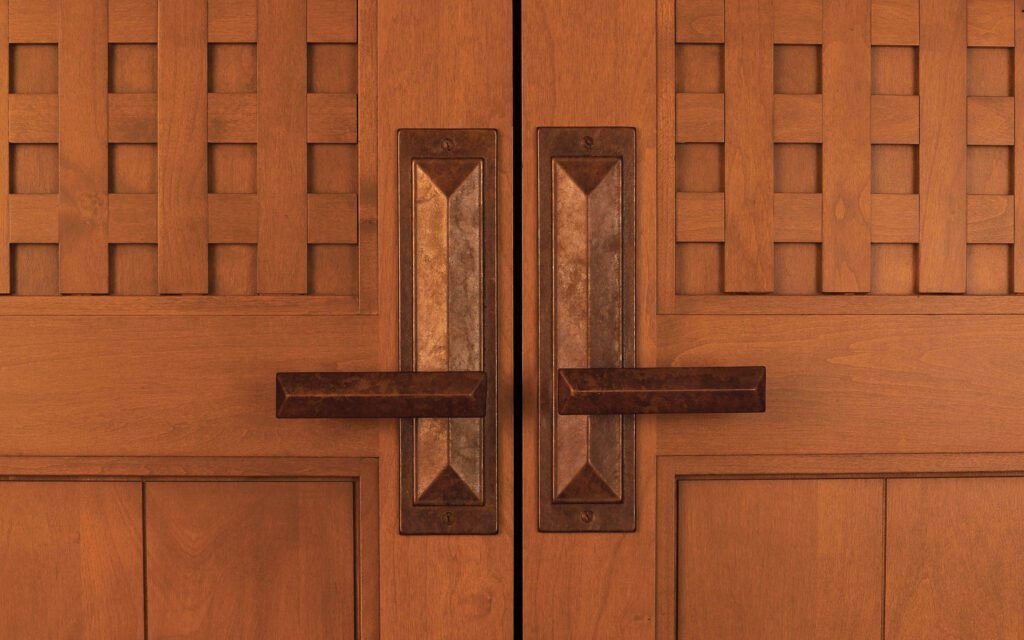
Solid bronze offers density and structural strength that lighter metals cannot match. It resists wear without relying on surface coatings that may degrade over time. The material runs through the entire construction, so your hardware won’t chip or peel to reveal another element underneath it.
Standard metal finishes often involve plating over a base material; these coatings can chip, fade, or expose underlying layers with repeated use, affecting both appearance and longevity.
Bronze hardware, whether Coupler Levers or Arched Flush Pulls, maintains its integrity throughout its lifespan. Its composition allows it to withstand environmental factors like humidity and temperature changes without significant deterioration.
Weight also contributes to performance—heavier materials provide a more stable and controlled feel during operation. Choosing solid bronze ensures that the hardware performs consistently while maintaining its appearance, supporting both functional reliability and long-term design value.
Understanding the Living Finish and Patina
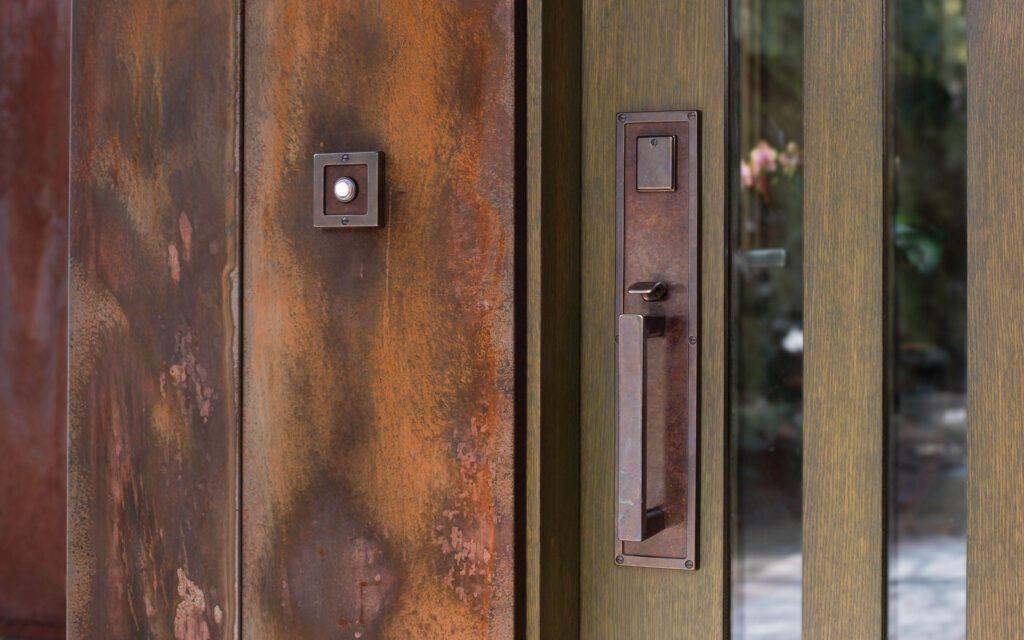
Bronze hinges, door sets, and pulls develop a living hardware finish through exposure to touch and environment. The process creates a patina that evolves naturally over time. Instead of wearing down, the surface changes in tone and texture.
Areas of frequent contact may darken or polish, while less-used sections retain their original finish or become deeper in tone. This variation adds depth and character, reflecting how the hardware is used rather than showing signs of damage.
The finish becomes part of the overall design rather than a static surface seen in chrome-plated hardware. Understanding the bronze aging process is important when selecting bronze hardware. It requires acceptance of change rather than uniformity.
Living finishes age with the space, maintaining structural integrity while developing a distinct visual identity through continued use. The patina is responsible for bronze’s timeless aesthetic.
Common Problems with Barn Doors and How to Avoid Them
Barn doors can develop noise, instability, or misalignment issues if improperly installed or specified without considering weight, structure, and movement requirements. Some common problems and their solutions are mentioned below:
Troubleshooting Noise, Stability, and Alignment Issues
Barn door noise is not only unbearable; they may signal bigger structural problems. The noise often results from low-quality rollers or debris within the track.
Worn components also increase friction, causing grinding or uneven movement during operation. To troubleshoot noise, clean the tracks to remove debris and inspect components for signs of wear or loose fixtures.
Stability issues usually stem from inadequate mounting, such as brackets that are not secured into structural framing, which may cause the track to shift under load, affecting alignment and safety.
Misalignment can occur when the track is not level. Even slight deviations cause the door to drift or resist movement, leading to uneven wear on rollers and mounting components.
Regular inspection helps identify early signs of failure. Clean the track, tighten hardware, and maintain proper alignment to support consistent performance. Address issues promptly to prevent further damage and maintain a system that operates smoothly under repeated use.
Top Mistakes to Avoid During Installation
One common mistake people make during installation is failing to specify door hardware for the intended configuration. While standard pieces may work, it’s important to match hardware to the door.
Another mistake is failing to anchor hardware into studs or reinforced backing. This compromises structural support and increases the risk of system failure, especially for larger, heavier doors and components.
Incorrect measurements also create problems, so barn door hardware sizes must be measured and verified before installation. Misjudging track length, clearance, or door dimensions will lead to improper fit and restricted movement.
Another issue is ignoring manufacturer specifications. Each system is designed with specific load limits and installation requirements; deviating from these guidelines affects performance and durability.
Rushing installation without verifying alignment is also bound to cause long-term issues. Installers should confirm measurements, secure mounting points, and follow proper procedures without haste to determine with certainty that the system functions correctly and remains stable over time.
Designing with Custom Barn Door Hardware

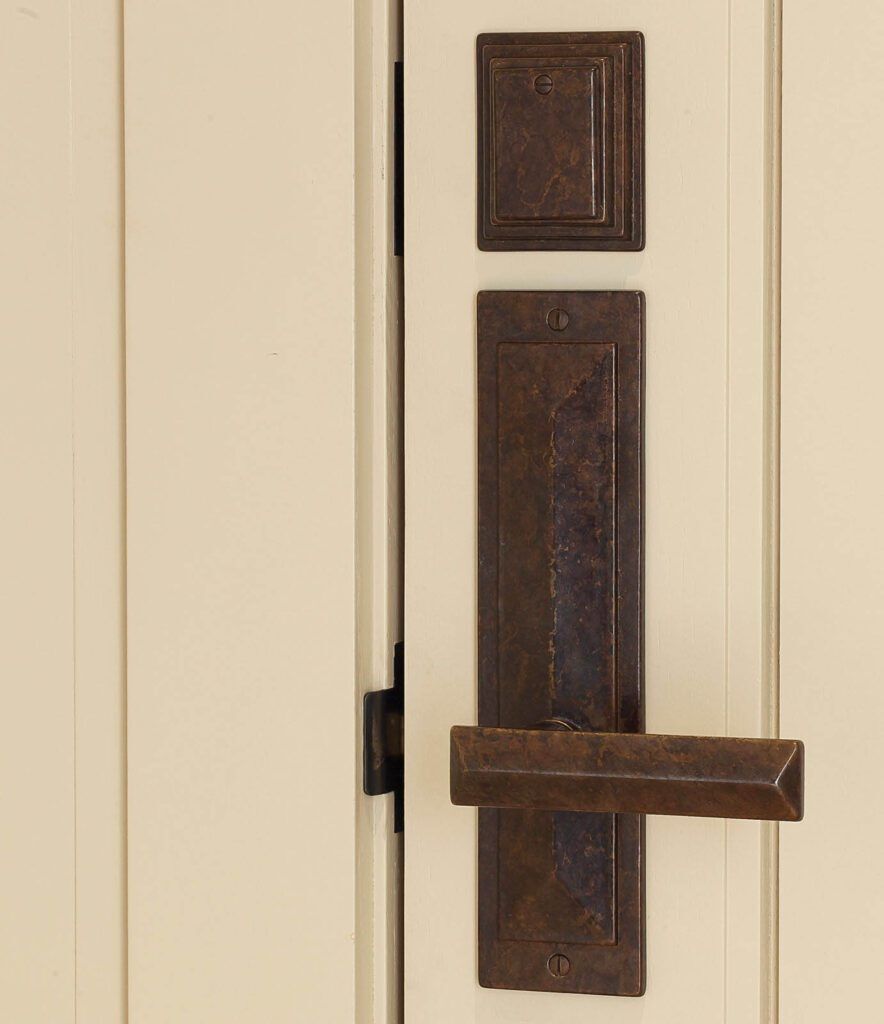
Using custom barn door hardware allows precise alignment with architectural intent, resulting in a system that meets functional demands and reinforces the overall design language.
Artisan Craftsmanship and Professional Design Support
Custom barn door hardware is developed with attention to detail and material integrity, each component designed to meet specific project requirements rather than standard configurations.
Artisan craftsmanship results in proportions, finishes, and structural elements aligned with the intended design. This level of control supports both performance and visual consistency. You can use hand-cast bronze pieces, such as Cleat Grip Pulls, instead of mass-produced hardware.
Professional design support helps refine these decisions. Specialists evaluate measurements, usage patterns, and architectural context to recommend appropriate solutions. This collaborative approach reduces errors and improves outcomes.
Custom hardware, when properly specified, integrates seamlessly into your space while maintaining reliable operation. The tailored approach maintains functional and aesthetic requirements with precision, giving you unique installations.
Why Custom Hardware is Worth the Investment
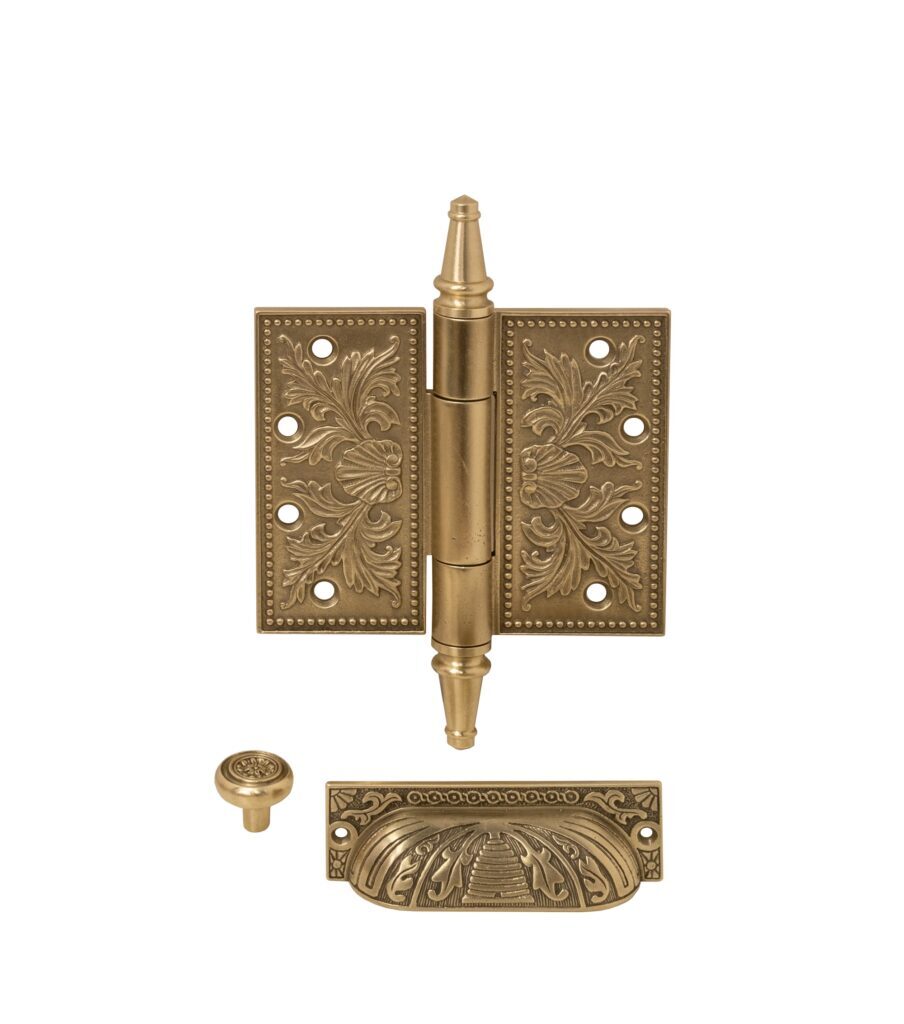
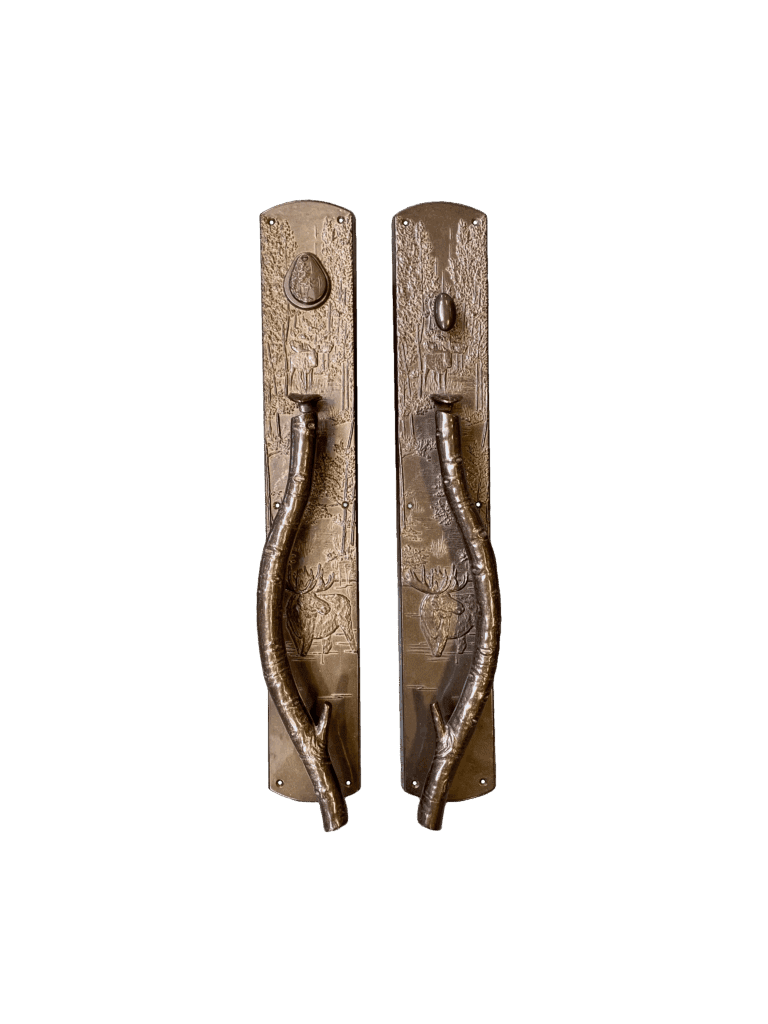 Custom hardware provides long-term value through durability and tailored performance. It is designed to meet specific requirements, eliminating the need to adapt standard components to fit your unique project.
Higher-quality materials are used to improve lifespan and reduce maintenance requirements; this lowers replacement costs and supports consistent operation over time.
Customization also allows for better integration with architectural elements. Door handles, such as Brach Grip Pulls, and other hardware can be scaled, finished, and configured to align with surrounding materials and proportions.
While initial costs may be higher for premium materials and selections, the benefits extend beyond appearance. Reliable performance, reduced maintenance, and cohesive design contribute to overall value.
Bronze hardware also lasts several years without showing visual deterioration, thanks to its living patina. Investing in custom hardware creates barn door systems that meet both functional demands and long-term design expectations.
Frequently Asked Questions About Barn Door Hardware
What Is the Maximum Weight Capacity for Barn Door Tracks?
Most standard tracks support 150 to 400 pounds, and heavier doors usually require reinforced systems. Always verify manufacturer ratings to maintain safe operation and prevent premature hardware failure; that’s the ideal way to determine proper weight capacity.
Can You Put a Lock on a Barn Door for Privacy?
Yes. You can put a lock on a barn door, and options vary, depending on aspects such as door thickness and wall configuration. Use hook latches, sliding locks, or recessed systems. These provide basic privacy, though they do not seal as tightly as hinged doors.
Do Barn Doors Need a Bottom Track or Floor Guide?
A floor guide is recommended for stability as it prevents swinging and keeps the door aligned. Without it, movement becomes less controlled, especially in high-traffic areas. The bottom track also reduces stress on the upper joints.
How Do I Maintain and Clean Solid Bronze Hardware?
The recommended way is to clean with mild soap and water and avoid abrasive chemicals. This allows the natural patina to develop, protecting the surface and enhancing the material’s long-term appearance.