When designing a mountain retreat, comfort, practical use, and beauty are among the top priorities. You can blend modern hardware finishes with rustic charm to create a warm, inviting space throughout the year. Cabin interior designs are also fully customizable, allowing you to reflect your style across all aspects without sacrificing functionality.
Whether you’re updating an existing log cabin or starting from scratch, there are various ways to go about creating a warm, modern mountain retreat with interior design alone. It also suits multiple interior designs, from forest-like greenery to lakeside vibes, that can all fit into your weekend getaways.
And while the possibilities are endless, knowing where to start might be a hassle. This guide explores some exciting cabin design ideas to help you create a warm, modern mountain retreat.
What Defines a Cabin Interior?
Cabin interiors can evoke a vintage, modern, or distinctly era-specific aesthetic. Various features, including materials, layout, color palette, design concept, and arrangement, collectively define the style. You can choose between vibrant and neutral palettes, closed and open concept layouts, or natural and synthetic materials.
Core Elements of Cabin Style
Cabins are designed to blend in with the surroundings and feature interiors that showcase a strong connection to nature. All design choices, from building materials to furniture, hardware, and decor items, are carefully selected to create a cohesive space that reflects its surroundings. Core elements of a cabin interior design include:
- Simplicity: Cabins avoid overly complex layouts and decorations, allowing the space to feel more natural and open. A simple design involves optimizing furniture placement, lighting, and decor pieces to work together harmoniously.
- Comfort: Cabins usually feature cozy seating, soft textiles, and inviting rugs that encourage relaxation and interaction. These touches make the cabin feel like a retreat more than a functional shelter. Comfort is also achieved through thoughtful circulation, which supports daily living without feeling cramped.
- Character: Cabin designs feature specific details, including exposed structural elements, handcrafted touches, and subtle textures. These details give the space its unique personality, connecting it to nature and history.
Rustic vs. Modern Cabin Aesthetic
A rustic cabin interior emphasizes natural warmth and celebrates imperfections, such as the marks of manual work and the signs of aging. Each space is given a unique history and appeal using natural materials.
The homes feature exposed beams, rough-hewn wood, and craftsman’s hardware details that help establish visual texture and warmth. Accessories, including woven textiles and handmade pottery, reinforce the cabin’s connection to tradition. Rustic cabins are cozy, grounded, and unmistakably linked to their mountain surroundings.
In contrast, a modern cabin interior blends contemporary designs with rustic charm, focusing on natural elements, clean lines, and sleek silhouettes.
Materials utilized in this style are lighter, smoother, and uniform. The focus is on simplicity and versatility, which differs from classic, log-heavy designs that tend to be darker in tone.
Materials, Colors, and Layout Considerations
Cabin materials are often natural and include wood, stone, metal, and fibers that help provide texture and authenticity. Durable, high-quality materials lead to longevity, allowing the cabin to maintain its connection to the environment for years.
In modern cabins, warm, neutral colors are the top choice, allowing architectural elements and furniture to stand out. Warm earth tones, soft whites, and muted neutrals create harmony and depth, influencing mood and perception. Strategic use of softer, whiter colors also enhances light reflection and visual flow.
The layout is almost always open, maximizing usable space and promoting social interaction. Clearly defined zones support daily tasks, while efficient furniture and fixture placements improve circulation and traffic.
Modern Cabin Interior Styles to Inspire Your Design
Modern cabin interior designs are trendy because they seamlessly blend contemporary and classic elements, creating a harmonious blend of styles. The styles focus on comfortable, functional, and sustainable designs in addition to neutral palettes, open-concept layouts, and natural materials. Here are a few styles to inspire your design:
1. Scandinavian Minimalism
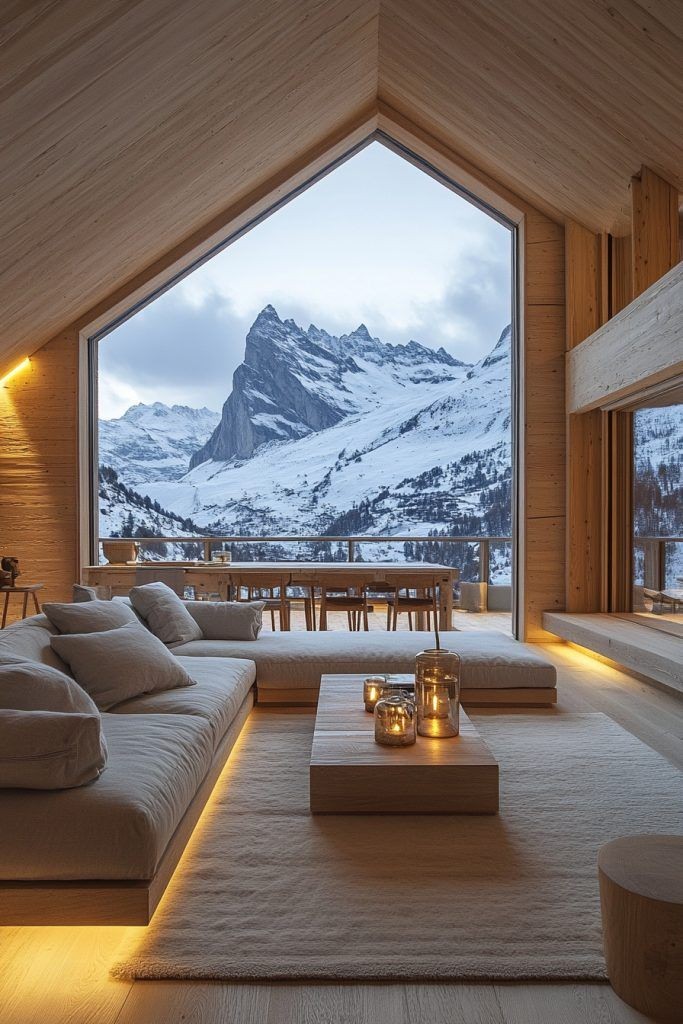
Simplicity, functionality, and light-filled spaces define Scandinavian minimalism cabins. Pale woods complement white walls and natural textiles to create an open, airy space. The color palette features light monochromatic hues, and decor items are minimalistic to tone down the elaborate pieces found in classic log cabin interiors.
Wool throws, linen upholstery, and subtle wood grain contribute to the minimalist cabin aesthetic, while also providing comfort. Oversized windows maximize daylight, connecting the interior to surrounding nature, while clean-lined, low-profile furniture reinforces simplicity. Each element serves a unique purpose, preventing unnecessary decoration and clutter.
The minimalist style also results in a cabin interior that feels calm, organized, and modern. Scandinavian minimalism. It is perfect for small and medium-sized cabins as it prioritizes openness and efficiency. Focusing on simplicity, light, and tactile contrast also creates interiors that feel timeless and inviting.
2. Rustic-Modern Fusion
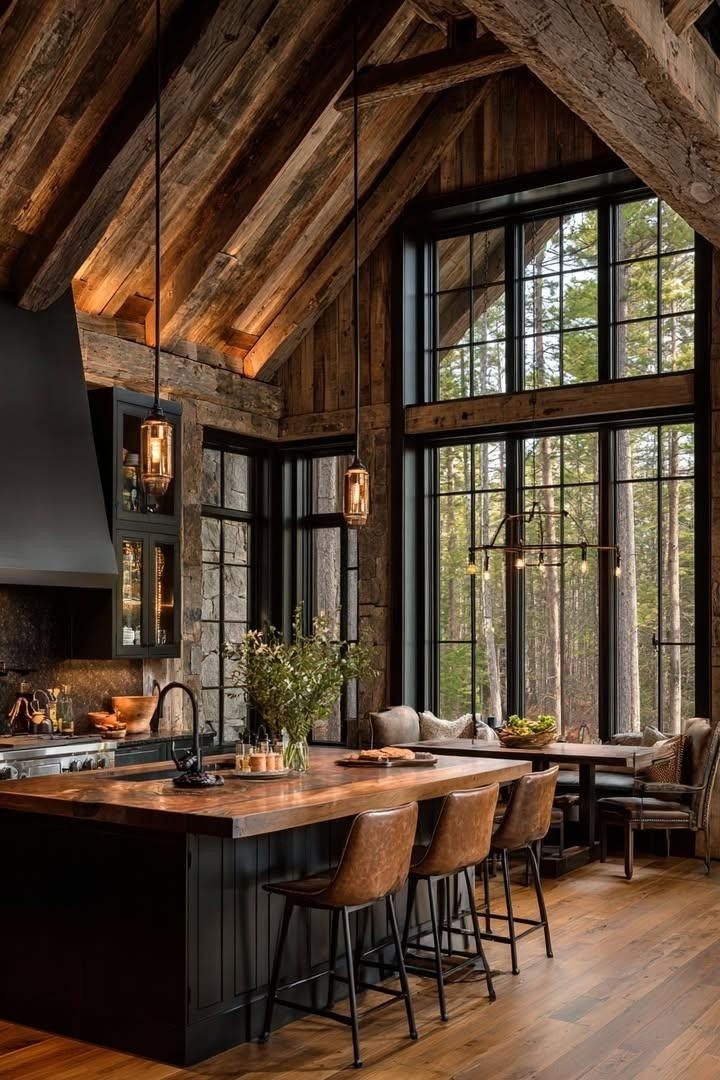
Fusing rustic and modern interiors creates a beautiful contrast. It involves combining traditional cabin warmth with contemporary elegance. Exposed beams, reclaimed wood, and stone accents reinforce the rustic roots, while streamlined furniture and soft finishes offer a modern, refined touch. You can modernize your cabin to resemble a contemporary farmhouse.
The rustic-modern fusion is founded on effective contrast. Rough textures meet smooth surfaces, natural imperfections are housed within clean lines, and warm tones balance neutral shades.
Use bronze barn door hardware to contrast the door’s deep wooden tone without losing the minimalist look. Place a cozy, modern rug underneath distressed wood furniture, or blend a vintage artwork into a contemporary accent wall. The fusion approach produces cabin interiors that retain authentic charm while benefiting from modern comforts and visual interests.
3. Contemporary Mountain Retreats
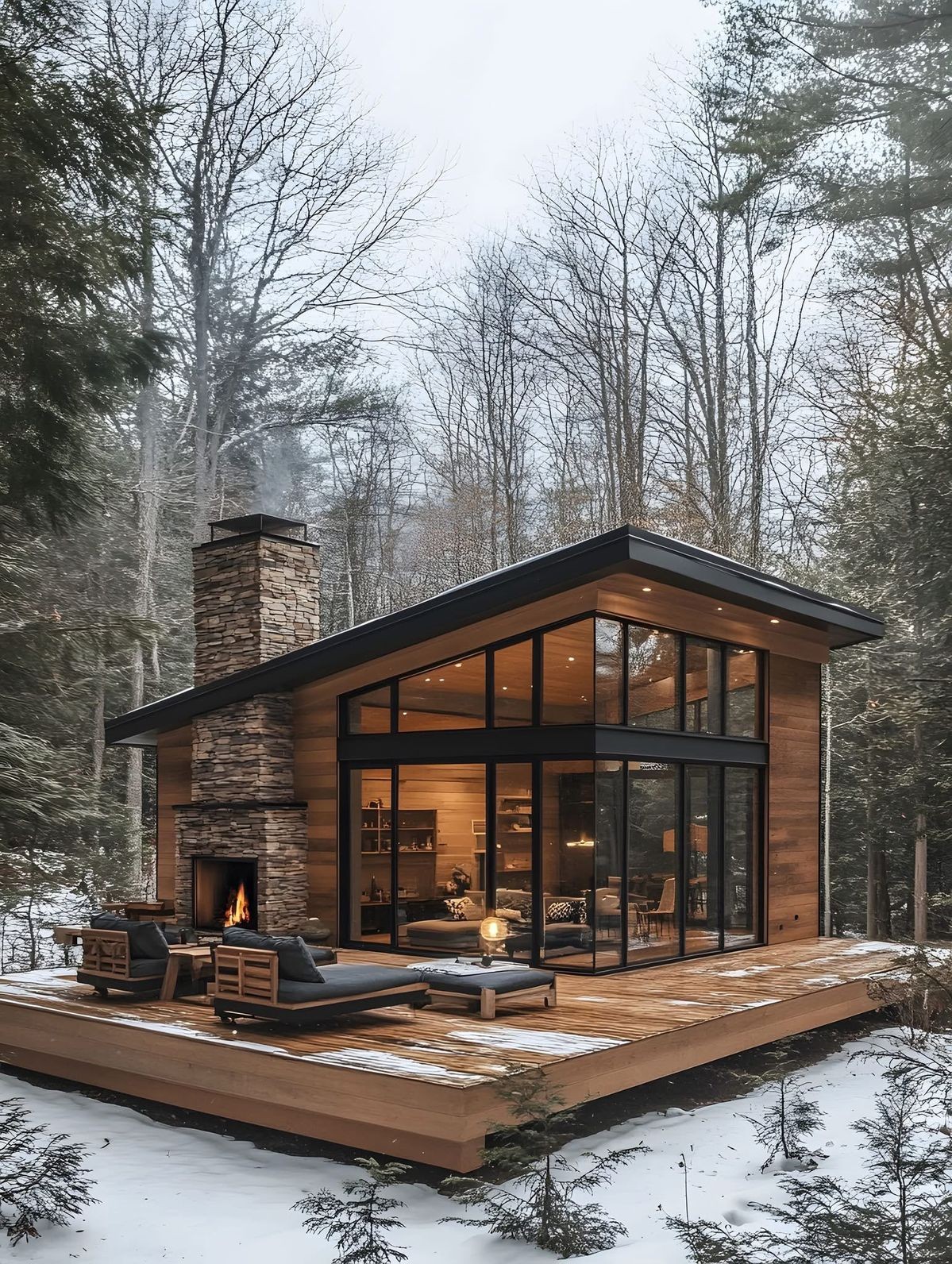
Creating a contemporary mountain retreat uses basic cabin home ideas that prioritize openness, light, and architectural clarity. Large windows offer scenic views, while open layouts integrate living, kitchen, and dining areas. Straight lines, minimal ornamentation, and uncluttered surfaces create a sense of calmness.
Materials are natural, but refined, with stone and wood featuring smooth, polished surfaces. Metals and glass are integrated into the design for contrast and sophistication, while functional and comfortable furniture and decor help strike a balance between style and practicality.
Views, natural light, and outdoor access are also key elements in contemporary mountain retreat design.
Offering an increased depth of view, created using mirrors and glass partitions, is also ideal in this style. Interiors are serene and deeply tied to their environment, with a focus on connecting indoors with the outdoors. There’s also a growing lean toward eco-friendly materials and energy efficiency to enhance design sustainability.
4. Farmhouse Cabin Blends
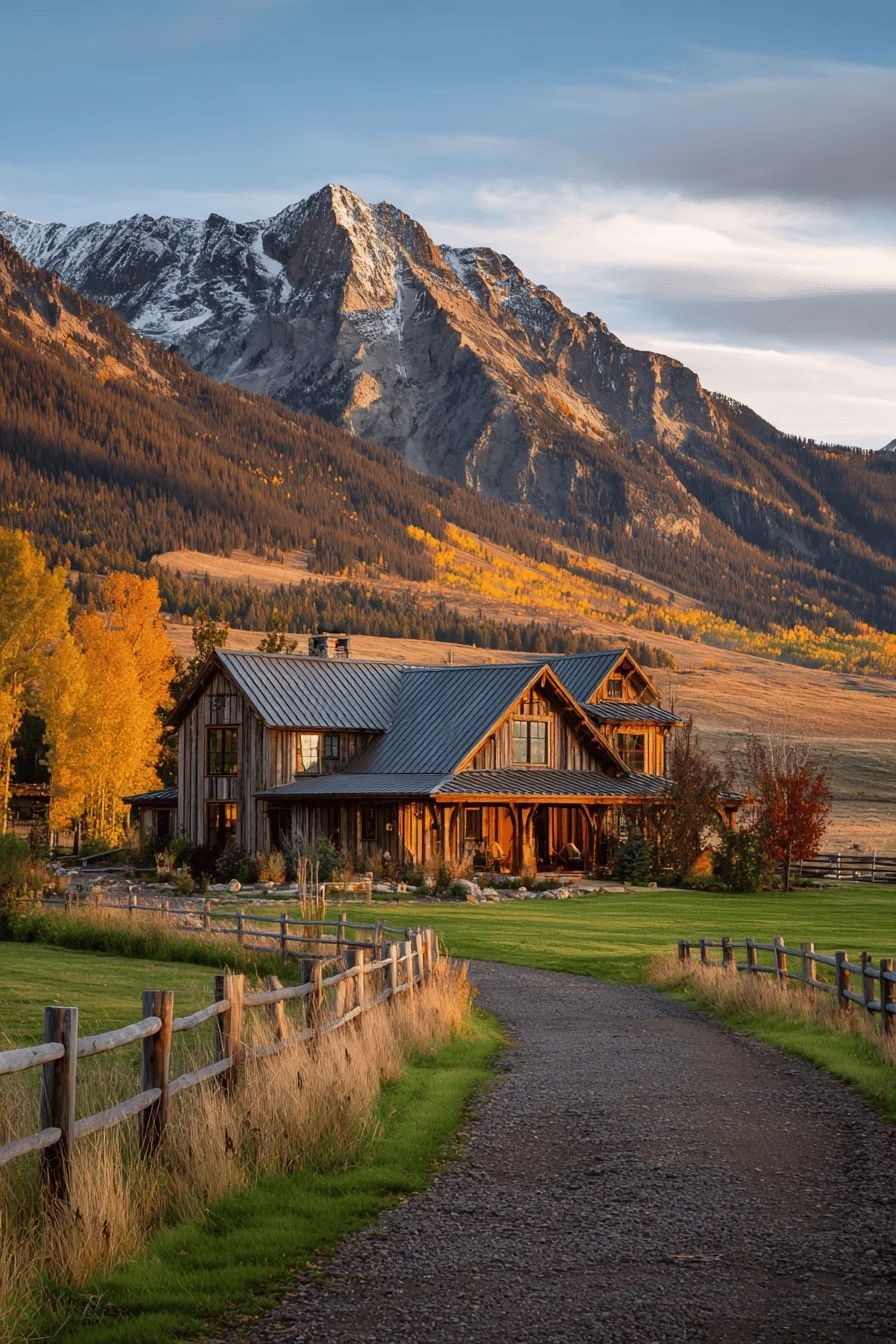
A farmhouse cabin blend is another fusion style that combines rustic design elements with modern practicality, creating interiors that are warm and welcoming. This style features shiplap walls, classic wood furniture, and simple forms that help introduce warmth and familiarity.
Neutral palettes emphasize texture and shape, keeping colors and decorations minimal. Authentic vinyl plank flooring complements the wood accents featured throughout the space. Vintage-inspired pieces, such as antique lighting and distressed cabinets, help add character and rustic charm, while layered textiles and cozy seating enhance comfort.
The spaces feel lived-in and practical, offering modern farmhouse retreats that support gatherings and daily activities. Farmhouse cabin blends feature timeless, relaxed interiors that suit family and social retreats. The layouts are both functional and aesthetically pleasing, and the design seamlessly merges tradition and comfort, creating cozy, inviting, and stylish mountain retreats.
Small Cabin Interior Ideas That Maximize Space
A small cabin interior requires innovative, functional layouts and effective storage and organization to achieve a clean, practical, and clutter-free environment that provides comfort and warmth.
5. Smart Layout Tips for Compact Cabins
Compact cabins work well with open-plan designs that remove unnecessary walls and partitions, allowing you to move freely between living, dining, and kitchen spaces. Open layouts also result in spaces that serve multiple purposes and blend seamlessly, while maintaining their individual zoning. Use optimal furniture placement to define pathways and create visual balance.
6. Space-Conscious Design With Premium Custom Solutions
Custom solutions are an integral part of all cabin home ideas, as they enable you to tailor everything, from storage to seating and lighting. Premium solutions offer aesthetic appeal and dependable durability.
You can also create designated workspaces. Still, use modular and multipurpose platforms you can leverage for different purposes. This approach eliminates the need for independent fixtures for each of these functions.
To further maximize space, consider incorporating built-in appliances, security systems, audio systems, and other features to minimize clutter.
7. Space-Saving Storage Solutions
The proper storage solutions can transform a compact cabin into a functional home that feels airy and more spacious.
Utilize multifunctional furniture, such as foldable tables and benches with built-in storage, as well as modular seating, to minimize clutter and increase adaptability.
Add wall-mounted shelves to utilize the corners and vertical space. Add under-seat compartments to large furniture and wall-mounted units to utilize previously unused space.
Hidden storage compartments keep items out of sight, maintaining an open floor, while open shelving provides easy access to frequently used items.
For your walkways, kitchen, and bathrooms, consider Rocky Mountain Hardware bronze hooks as a storage solution.
Lighting and Color Schemes to Brighten Your Cabin
Creating a warm, modern retreat involves maximizing daylight and using functional and accent lighting efficiently to make your cabin bright, safe, and welcoming.
8. Using Light Wood and White Tones
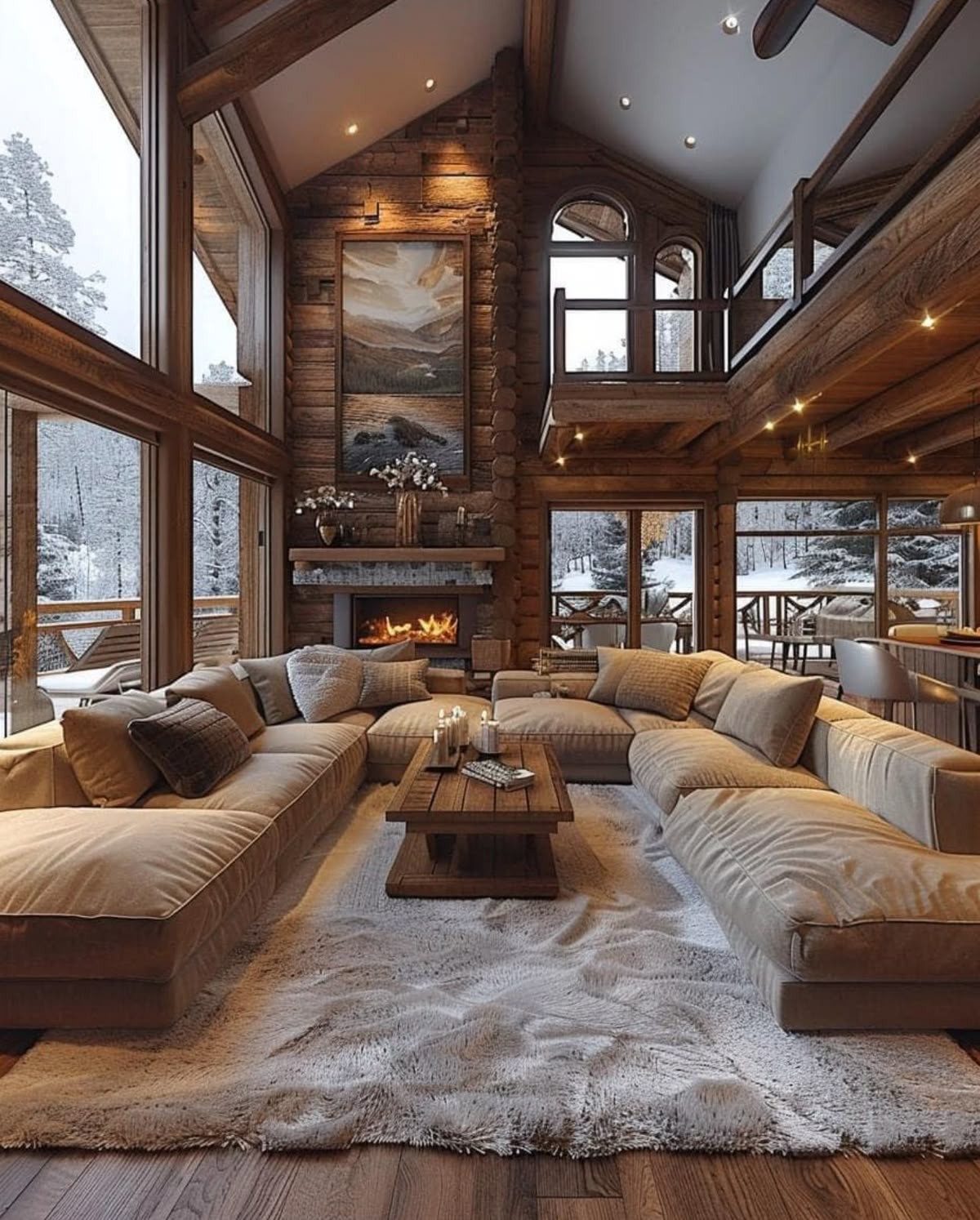
The tone of your timber and wooden surfaces can maximize or diminish brightness. Light wood and white tones brighten cabin interiors naturally because white walls reflect light. The surfaces also add warmth, texture, and color. Dark wood absorbs light, which may make your cabin interior feel snug or smaller than it actually is.
Choose whitewashed wood or add accent wooden features, such as clad walls, exposed beams, and carved artwork. Use pale wood to create a sense of continuity between the flooring, cabinetry, and furniture.
White walls provide a neutral backdrop that allows accent colors to stand out, creating room for natural views to take center stage.
9. Mirror Placement and Natural Light Strategy
Using mirrors strategically can increase the brightness of a space and significantly alter the perception of the room’s size. Mirrors amplify natural light because of their reflective surfaces. They can also reflect outdoor scenery, and come in various options, including frameless or minimally framed designs that offer clean lights that work well with modern cabins.
Larger pieces are both functional and aesthetically pleasing, providing focal points that enhance brightness and effectively double the perceived size of the space. Place mirrors near or opposite windows to reflect sunlight deeper into the room and brighten dark corners.
Combine large mirrors with smaller decorative and framed options that highlight specific areas, artwork, or fixtures.
Use glass ceiling-to-floor windows and glass doors to let in more sunlight into your space, or substitute the panes with clear glass and treatments that maximize daylight.
10. Layered Lighting for Ambience
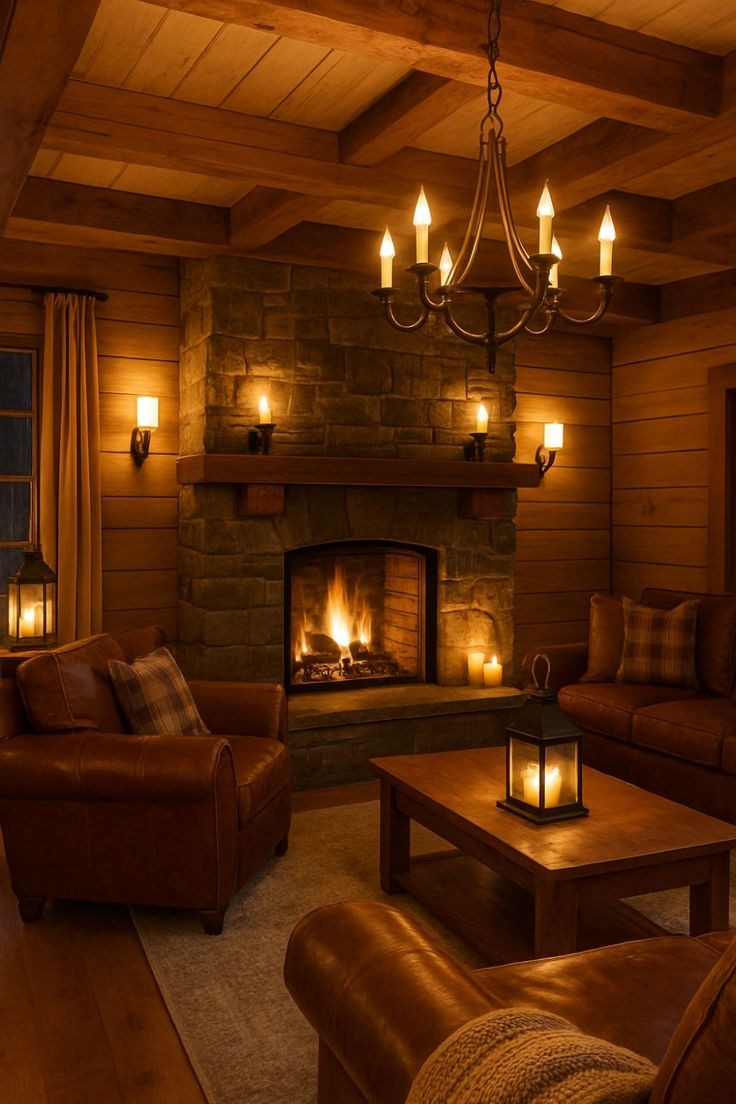
Layering different types of lighting allows you to create unique atmospheres for specific functions, such as reading, cooking, or entertainment. Combine ambient, task, and accent sources to create depth in your cabin. Ambient lighting provides general illumination, making your space feel evenly lit.
You can choose from various light fixtures, ceiling and wall-mounted LEDs, pendants, and chandeliers. Task lighting focuses on functional areas, such as kitchen counters and reading nooks, while accent lighting highlights artwork, textures, and architectural features. Using different lighting options should be among your cabin decor ideas if you want flexibility in mood, function, and visual interest.
Dimmable overhead lights with adjustable brightness are ideal for ambience, while wall sconces or under-cabinet LEDs create warmth and intimacy. Layered lights also compensate for shorter daylight hours in winter, enhancing comfort and usability in mountain cabins. Prioritize proper planning to harmoniously integrate each layer with interior design, furniture placement, and natural light.
Decor and Finishes That Define Cabin Character
Cabin decor and finishes give each room its special personality and style. Simple elements, such as door and cabinet handles, frames, and surface accents, contribute to the visual spectacle and overall ambiance of the interior space.
11. Choosing the Right Hardware for Your Cabin Look
Cabin hardware, including knobs, pulls, and hinges, significantly influences the feel of cabinetry, drawers, and doors. The proper hardware complements your style, whether it’s modern, rustic, or a fusion of the two.
Focus on the finish options, material used, and proportion to find the right hardware for your cabin look. These details help you connect furniture pieces, finishes, and the overall style more seamlessly, creating a cohesive and curated interior.
Bronze Finishes for a Warm, Timeless Feel
Some designers specify bronze, matte black, or other finishes, but generally opt for aged materials. The bronze vs black choice is a matter of preference, but bronze offers a slight edge as a natural, neutral, and sustainable material.
It retains its color over time, developing a patina that complements both wood and stone, blending seamlessly with rustic and modern styles. Bronze hardware is also durable and elegant, creating timeless aesthetics that fit design changes throughout the years.
Modern Pulls and Knobs in Rustic Spaces
Introducing modern pulls and knobs into rustic spaces creates a contrast and adds refinement, making it one of the most favorable cabin decor ideas to implement in rustic-modern fusion interiors. This approach involves adding sleek, minimalist hardware to update traditional wood surfaces while preserving natural warmth.
Modern door hardware strikes a balance between character and style, keeping interiors fresh, functional, visually appealing, and authentic.
Trending Cabin Interior Ideas for 2026
Cabin design ideas are cyclical, meaning trends come and go, even though some styles are timeless. Here are a few trending ideas for 2026 you can try in your mountain retreat:
12. Biophilic Touches and Indoor Plants
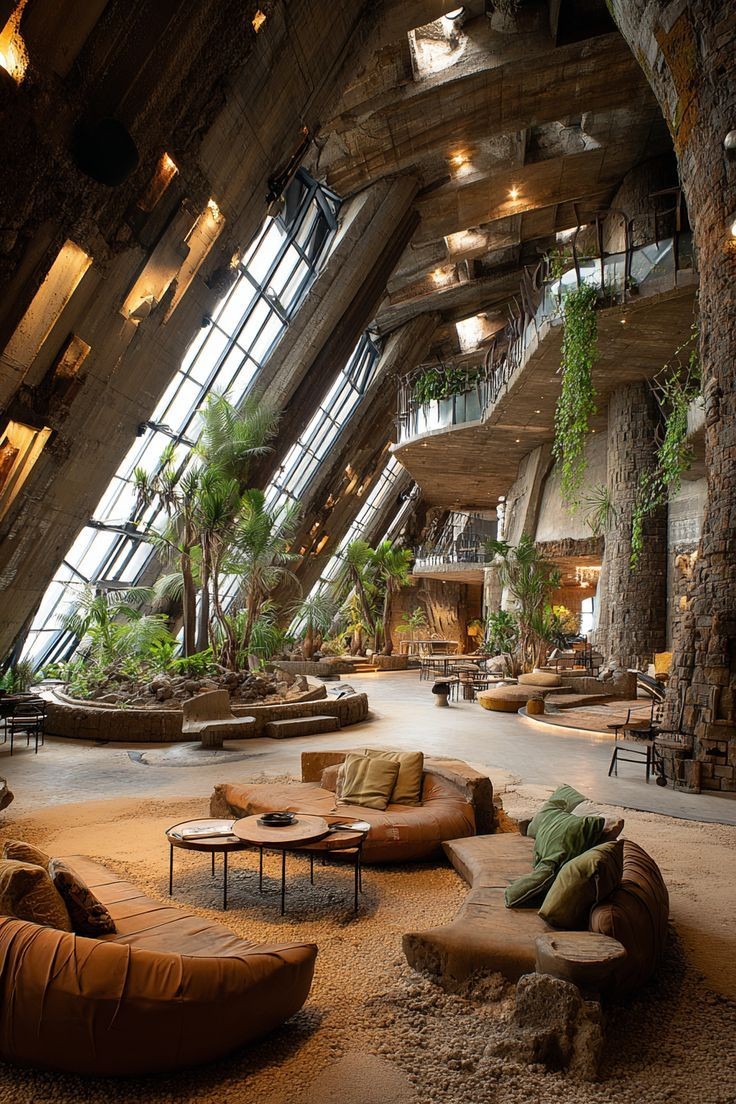
Biophilic elements connect your cabin interior to nature through the use of indoor plants, living walls, organic forms, and natural fibers and textures. They create fresh, calming atmospheres that enhance comfort and well-being, while providing visual harmony.
Plants help filter air and introduce new colors and textures. They also soften hard surfaces by enhancing tactile and visual appeal.
Biophilic choices, such as woven baskets, water features, and stone accents, also deepen sensory engagement in your cabin. This choice is popular among those seeking a balance between human and natural environments in cabins.
13. Bold Accent Walls and Statement Decor
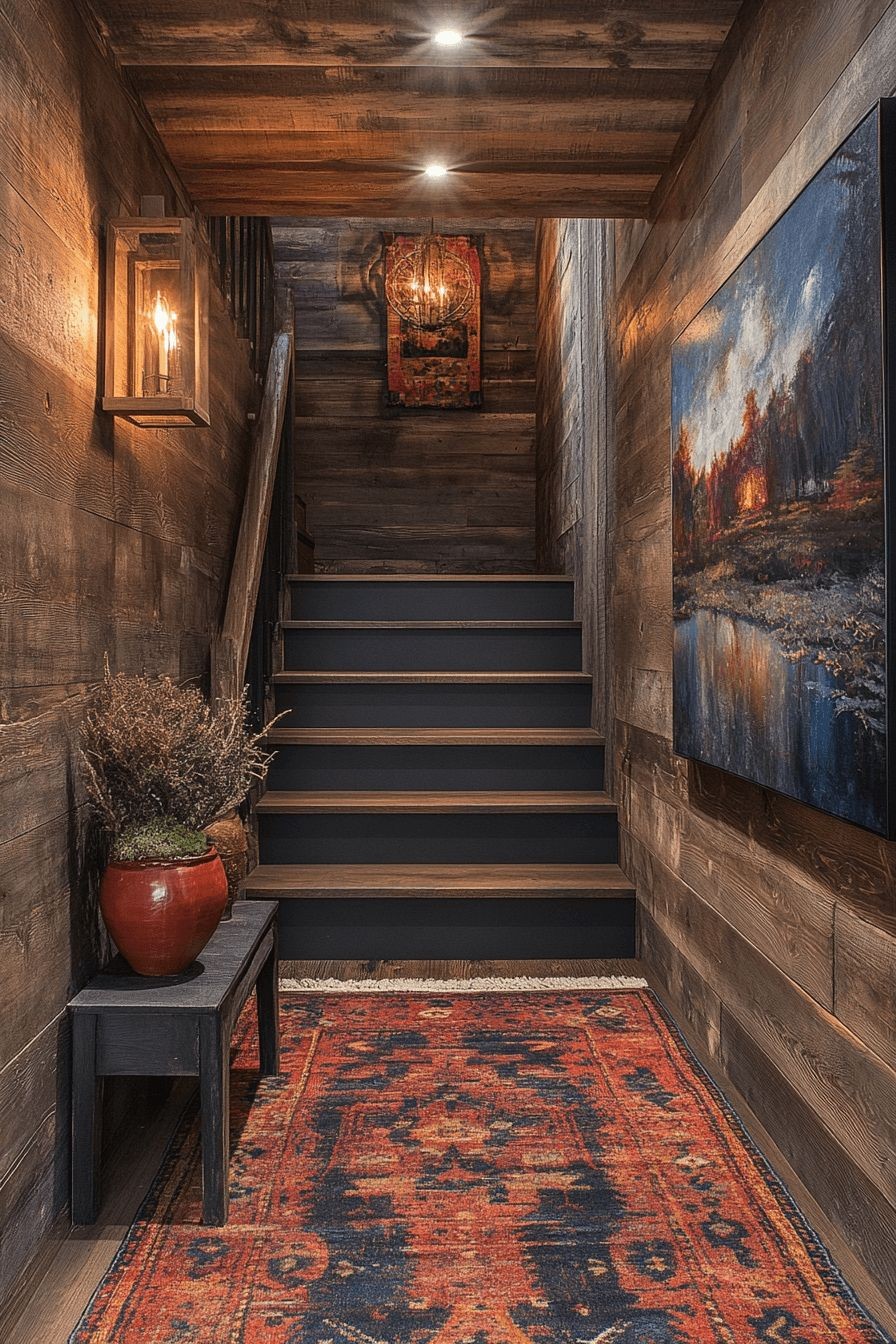
Add personality to your cabin interiors using bold accent walls. This trend gives your space deep, saturated colors and textured finishes that create focal points and anchor your rooms. They highlight architectural detail and work well with neutral surroundings.
Statement decor also complements the walls, and comes in various forms, from large artwork to sculptural pieces and reclaimed wood panels. They allow bold personalization while maintaining clean, uncluttered interiors.
Work with various colors, pieces, textures, and arrangements to create a lively and welcoming vibe in your cabin.
14. Vintage Meets Modern: Fusion Styling
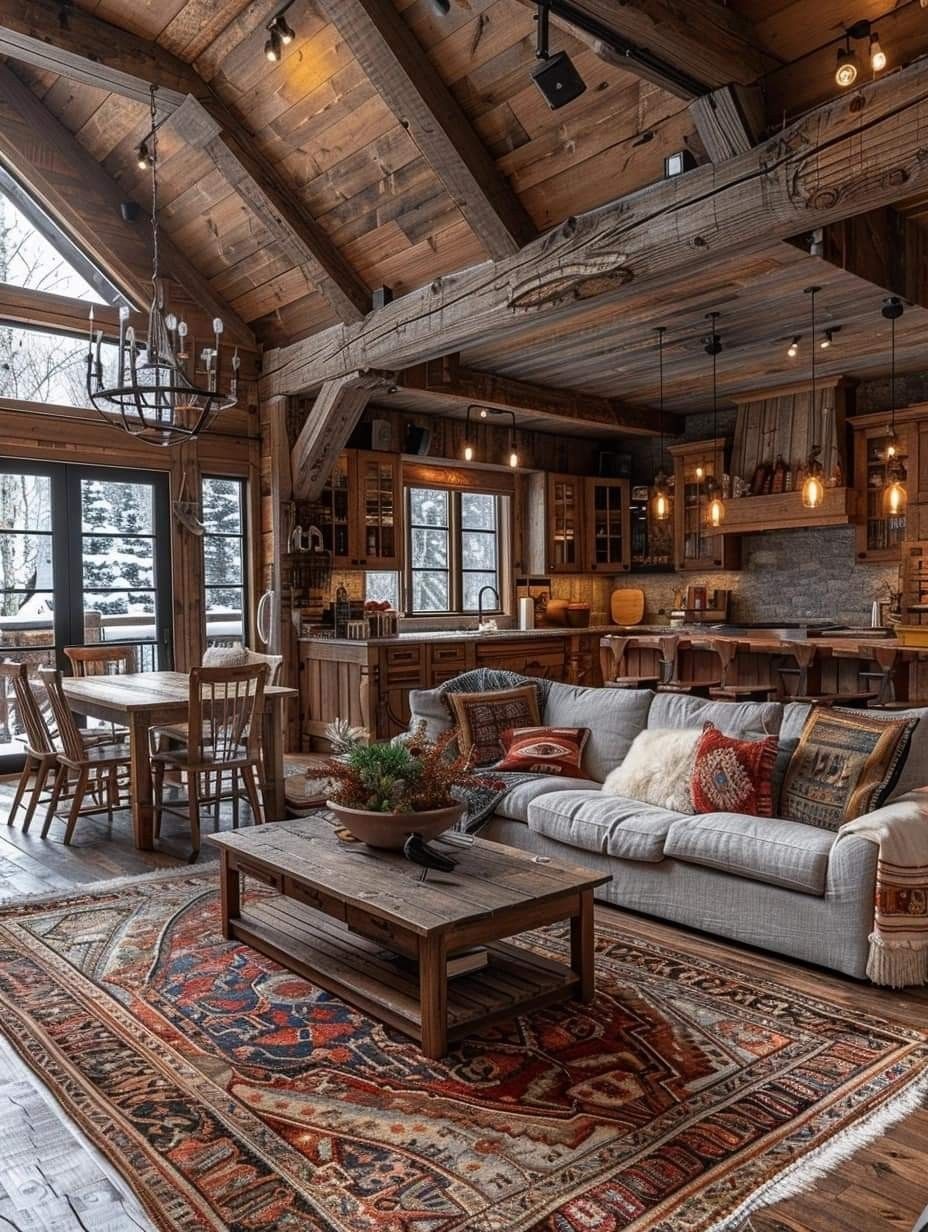
You don’t always have to choose between vintage and modern cabin interior design options. Fusion allows you to implement both within your cabin, merging vintage charm with modern functionality.
Use antique or reclaimed pieces in your space to introduce character and history, and contemporary pieces for refinement and practicality. This approach results in a layered, intentional design where the two concepts complement each other, as shown in these examples:
- Restored wooden chests with a sleek sofa.
- Classic chandelier with minimalist cabinetry.
- Distressed wooden chairs around a streamlined, modern table.
Remember that ‘vintage’ does not mean worn out, and ‘modern’ doesn’t mean new. Find the right balance to avoid an ununified space.
Craft Your Mountain Retreat With Lasting Details
Cabin interior design options are limitless and fully customizable. You can balance warmth, style, and functionality in a way that works for how you want to use the retreat. Optimizing lighting, storage, and decor enables you to create a practical and visually engaging interior that can be used throughout the year.
Cabin hardware also helps add character and visual elements that make the difference between standard and sophisticated designs. Find out more about our durable Rocky Mountain cabin hardware today to start customizing your mountain retreat with elegant touches.
FAQs About Cabin Interior Design
How to Design the Interior of a Cabin?
Focus on simplicity, comfort, and efficient layout. Lean more toward natural materials and connect the space to its surroundings.
How Do I Mix Modern and Rustic in a Cabin?
Use raw textures with sleek, minimalist furniture, contemporary finishes alongside traditional materials, and character balanced with refinement. Maintain harmony and avoid clutter.
What’s the Best Lighting for Small Cabins?
Layered lighting is the ideal approach for small cabins. Utilize ambient, task, and accent lighting to create distinct vibes and atmospheres in various spaces. Maximize natural light by utilizing windows and mirrors to enhance brightness, visual depth, and openness.
What Are the Best Finishes for Cabin Hardware?
Bronze and matte black are the ideal picks for cabin hardware. Aged materials complement natural wood and stone, which are the hallmarks of cabin constructions. Choose warm finishes and durable options that match the intended style.
How Can I Make a Small Cabin Feel Bigger?
Use light colors, open layouts, and smart storage solutions. Maximize natural light and increase brightness and depth of view using mirrors. Minimize clutter and invest in multipurpose items that take up less space.