Designing a kitchen is about more than choosing countertops and cabinetry. It is the heart of your home and should be designed with care and detail. Along with the layout, storage, and fixtures, the right hardware can elevate a space from simply functional to truly exceptional.
While the practice of mixing metals has become more mainstream, the idea of mixing cabinet hardware is a clever design choice that results in a one-of-a-kind kitchen. At Rocky Mountain Hardware, we know you don’t follow trends; you set them. That is why we’re here to help you master the art of mixing knobs and pulls like a professional designer.
From finish and function to proportions and personality, this guide walks you through everything you need to know to bring balance, beauty, and a touch of custom craftsmanship to your kitchen project.
What is the Difference Between Cabinet Knobs and Pulls?
At first glance, knobs and pulls serve the same purpose. They help you open your cabinets and drawers. But in a well-designed kitchen, each offers a unique feel and function.
Knobs are smaller, more compact, and attach to cabinets with a single screw. They’re commonly used on cabinet doors and are ideal for upper cabinets where less force is needed to open the door.
Pulls are longer and typically affixed with two screws. They provide a wider grip and greater leverage, making them ideal for heavy drawers, appliances, or base cabinetry.
Why Mix Cabinet Knobs and Pulls?
The decision to mix knobs and pulls is as much about aesthetics as it is about usability. Blending these two forms of cabinet hardware allows you to:
- Create visual interest by varying shapes and proportions across your cabinetry.
- Enhance usability by pairing the right tool with the right function, pulls for weighty drawers, and knobs for quick access doors.
- Elevate your design with a custom, curated look that reflects thoughtful attention to detail.
When done well, mixing knobs and pulls communicates an intentionality that distinguishes high-end kitchens from the basics.
-

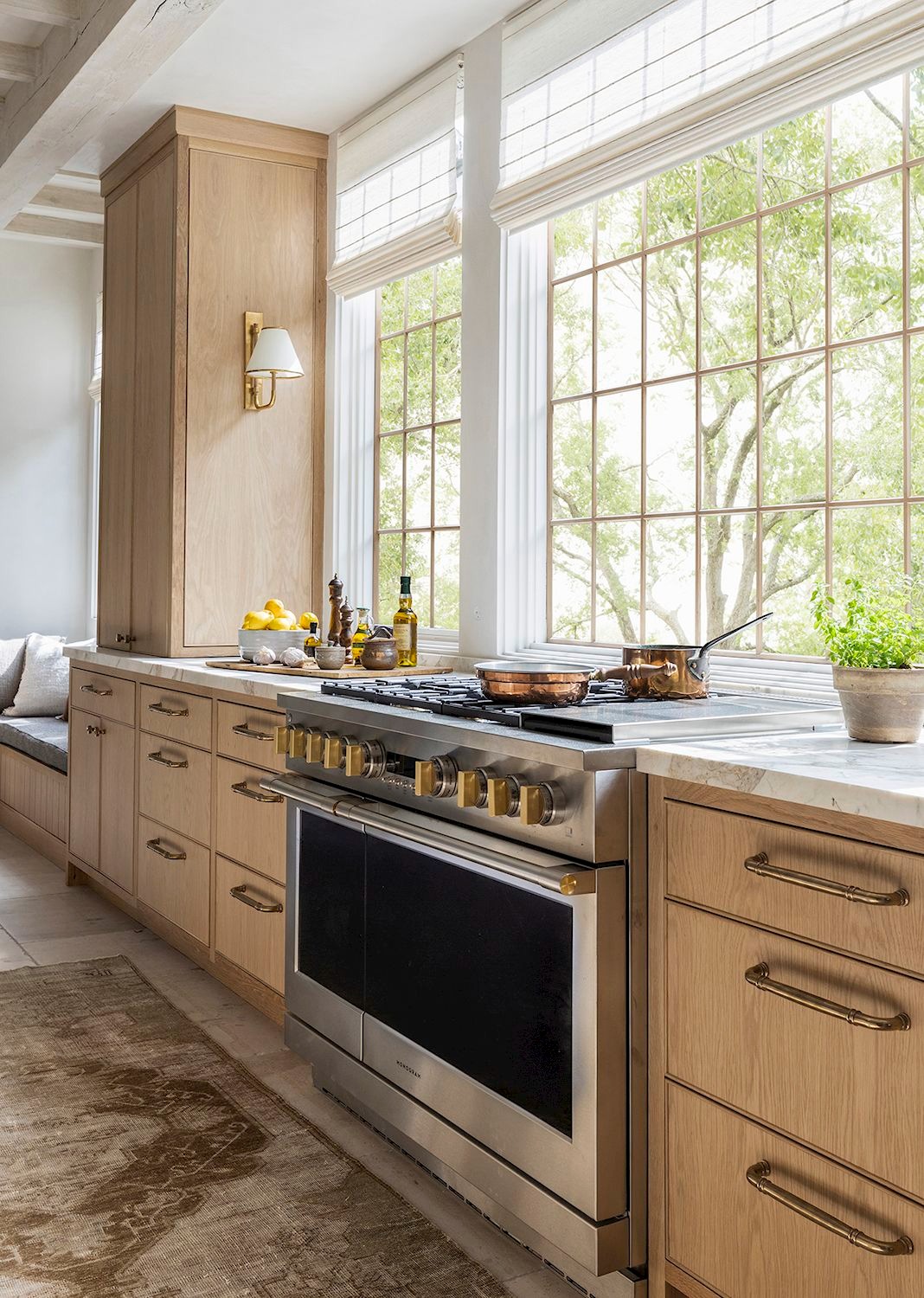
- This serene kitchen features a combination of the Maddox Cabinet Pull (CK594) and Maddox Cabinet Knob shown in silicon bronze light.
-
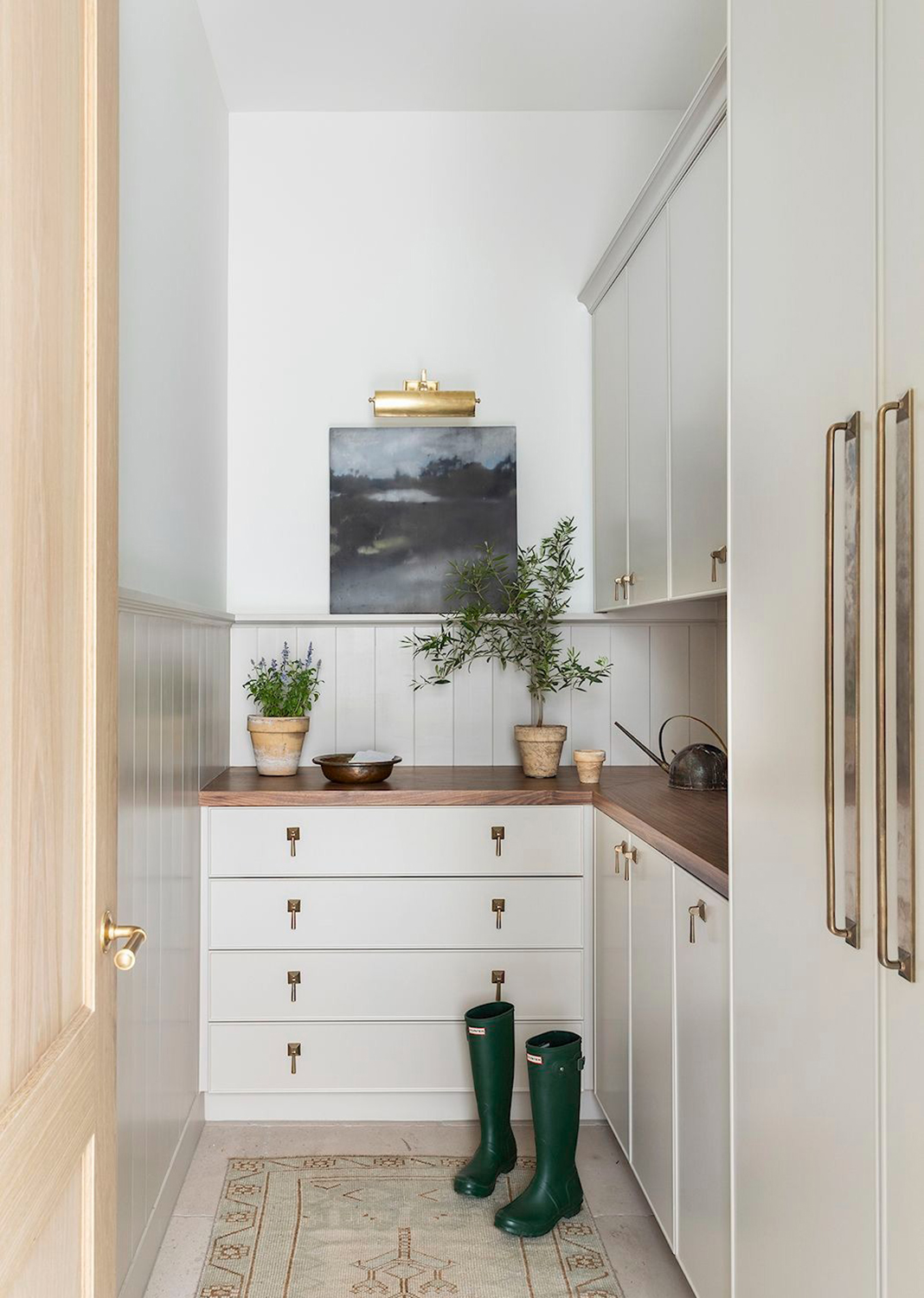
- Pantry featuring Empire Pendant Cabinet Pull (CK20320) on lower drawers and Empire Cabinet Pull (CK467) on the cabinet doors all in silicon bronze light.
7 Rules for Mixing Knobs and Pulls on Kitchen Cabinets
These seven rules will help you get the mix just right.
Keep Finishes Consistent
Whether you love the depth of a dark black finish or the warmth of a brushed bronze, consistency is key. Mixing shapes is a sophisticated choice, but mixing finishes on top of shapes is a recipe for visual chaos. Stick to one finish across knobs and pulls to create cohesion and allow the sculptural forms to speak for themselves.
Use Knobs on Uppers, Pulls on Lowers
This is a go-to strategy for many designers because it balances form and function. Uppers are typically lighter and easier to open, making knobs a graceful solution. For base cabinets and deep drawers, pulls offer the grip and leverage necessary for ease of use.
Match Style to Cabinet Design
The character of your cabinet doors should guide your hardware choices. On minimalist slab fronts, streamlined pulls emphasize clean lines. On more traditional or Shaker-style doors, a classic knob may feel more at home. At Hardware Company, we offer handcrafted pieces that complement every cabinetry profile, from timeless to ultra-modern.
Don’t Mix Too Many Shapes
Combining knobs and pulls works best when one of the two takes the lead. Choose a dominant shape and let the secondary form support it. This keeps the design from feeling cluttered or disjointed.
Consider the Visual Weight
A slim tab pull and a chunky round knob can feel mismatched, even if they share a finish. When mixing, look at size, scale, and how much visual weight each piece carries. Aim for a balanced distribution across the room.
Test with Samples Before Committing
A mix that looks beautiful online may not work with your cabinetry’s scale or style. Order samples to test proportions, spacing, and hand-feel. This small step can save you from costly mistakes and help you land on a combination that feels tailored and luxurious.
Think About Longevity and Cleaning
Remember that the kitchen is a hardworking space. Choose pieces that are not only beautiful but also easy to clean and comfortable to use daily. Our art-grade bronze hardware is handcrafted for durability and finished to age gracefully, developing a rich patina over time.
Professional Tips from Interior Designers
Interior designers often follow these next-level strategies when mixing knobs and pulls. Their techniques combine visual balance with deep attention to detail.
Choose a Lead Hardware Style
Start by selecting your anchor, usually the pull. Choose one statement-making shape or silhouette, and let the accompanying knobs echo or complement it.
Harmonize with Fixtures and Finishes
While your knobs and pulls don’t need to match your faucet or lighting precisely, they should be in the same family. Pairing cool tones with cool tones, like polished nickel with pewter, or warm with warm, like brass with bronze, creates a layered but harmonious look.
Create Balance Across the Room
Consider how your hardware will look from every angle. In open-concept kitchens visual balance matters. Repeat your hardware choices in a way that creates symmetry and flow, even across varied cabinet styles.
Know When to Break the Rules
Some of the most memorable kitchens come from bending the rules just enough to spark interest. A single run of oversized pulls on tall pantry doors or mixing in a specialty knob on a statement cabinet can introduce a curated, collected feel.
Common Mistakes to Avoid When Mixing Cabinet Hardware
- Mixing too many finishes
- Choosing trends over timelessness
- Overlooking function
- Ignoring cabinet proportions
- Skipping the layout review
How to Mix Knobs and Pulls for Shaker-Style Cabinets
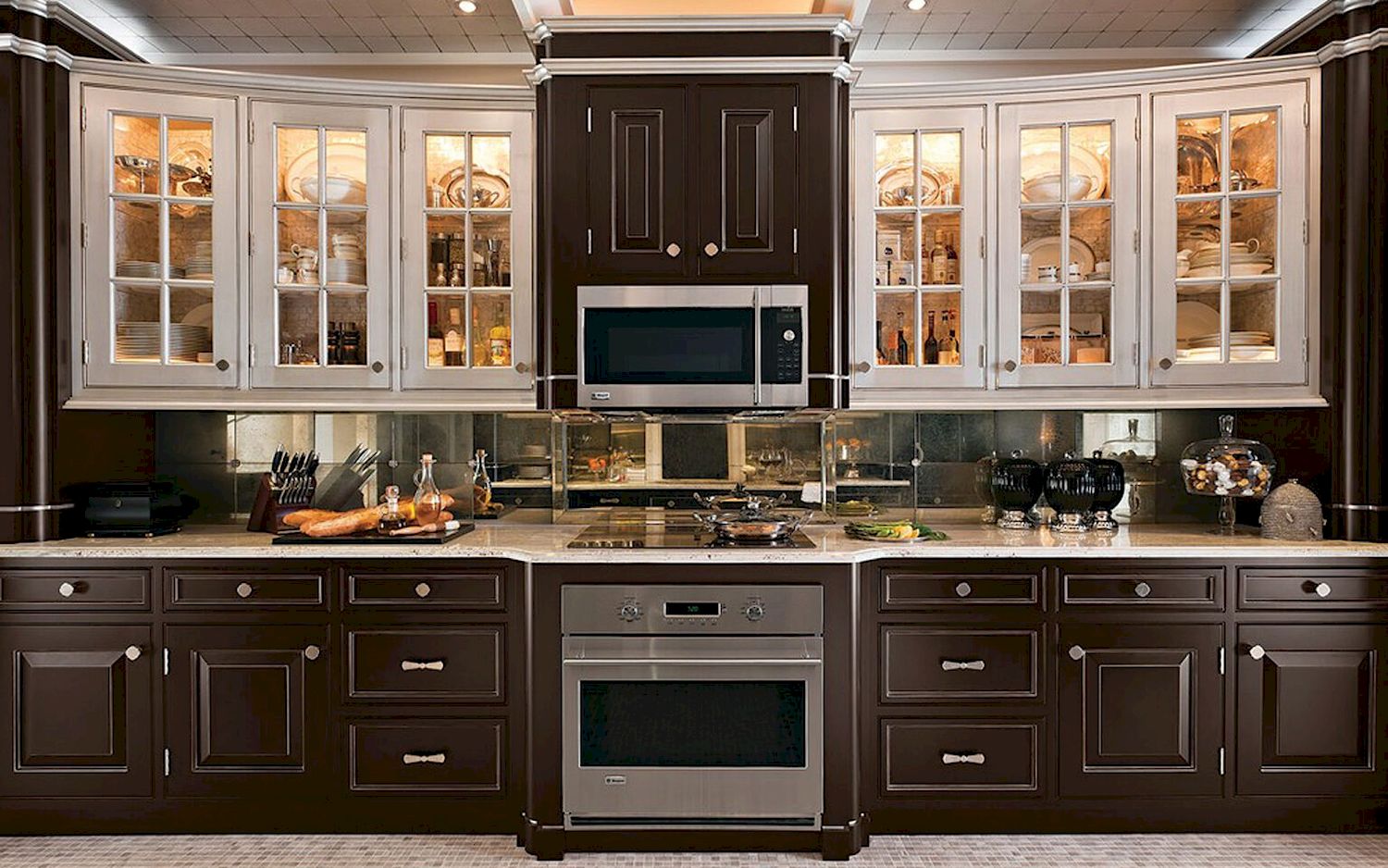
Shaker-style cabinetry is beloved for its versatility. It is neither too modern nor too traditional. It’s a natural canvas for mixing knobs and pulls.
- Use simple round knobs on upper cabinets to emphasize the clean lines of Shaker doors
- Pair with sturdy rectangular pulls on drawers and base cabinets for a balanced, functional design
- For a modern touch, try an arched or tubular pull with subtle detailing
- Opt for a warm bronze finish to bring richness and timeless character to the otherwise understated cabinetry
Rocky Mountain Hardware’s handcrafted bronze adds depth and texture to Shaker kitchens, blending seamlessly with the cabinetry while elevating the overall space.
Mix and Match with Confidence
Blending knobs and cabinet pulls is a signature of refined design. By following these guidelines and trusting your eye, you can create a kitchen that feels both polished and personal.
Rocky Mountain Hardware partners with leading designers and discerning homeowners to create hardware that is as functional as it is artful. Our products are made in the USA by skilled artisans who understand that luxury lives in the details.
Explore our full collection of art-grade bronze hardware and see the range of finishes and styles available online and find a dealer near you and begin your order.
FAQ: Mixing Knobs and Pulls on Kitchen Cabinets
Can You Mix Knobs and Pulls in the Same Kitchen?
Absolutely. In fact, mixing is encouraged when done with intention. The key is maintaining consistency in finish and balance in placement.
Do You Put Knobs or Pulls on Upper Cabinets?
Knobs are typically used on upper cabinets, but it’s not a hard rule. Slim pulls can also work beautifully, especially in more contemporary designs
Should the Finish Always Match?
Yes, for most luxury kitchens, a single finish across all hardware elements helps unify the design. That said, layered metals can work if you’re experienced or working with a designer.
What’s the Best Style for Shaker Cabinets?
Shaker cabinets pair well with both classic round knobs and clean-lined pulls. Choose hardware with a timeless silhouette and a handcrafted finish to enhance the cabinet’s simplicity.
Is Mixed Hardware Still in Style?
Very much so. Mixed hardware reflects a curated, designer-level approach to kitchen design that emphasizes form, function, and individual style.