Looking to design a media room? You’re in the right place. Luxury media room ideas revolve around balancing immersive performance with architectural refinement.
You must think beyond the large screens and surround sound—true luxury lies in calibrated lighting, acoustic control, and hardware accents that add elegance and unify spaces.
Adding a dark bronze Bamboo Cabinet Pull or a Round Glass Truss Sconce can be the difference between a standard and high-end media room. Doors, wall treatments, seating layouts, and finishes all work together to heighten focus and eliminate distraction.
This guide offers 12 media room design ideas to help you elevate entertainment and transform your space into an intentional environment built for cinema-quality viewing, social events, and everyday use.
What Defines a Modern Luxury Media Room?
A modern luxury media room is designed and engineered for high-end performance above everything. Aesthetics come second, but are well beyond standard entertainment rooms. Acoustic insulation prevents sound bleed, preserving quality and interior clarity.
The walls are often treated with fabric panels, millwork, or specialized board that help manage reverberation. Solid-core doors with precision door hardware to seal the perimeter and eliminate light and noise intrusion.
Lighting is layered and dimmable, so you can easily shift from full illumination to low-glow cinema mode without glare. Speaker locations and viewing angles determine how seating is positioned, and materials are selected to absorb light, not reflect.
The result is an immersive space with deep contrast on screen and finishes that feel tactile. Every detail, from hinges to sconces, supports durability, immersion, and spatial cohesion.
The Three Pillars of Media Room Design: Light, Sound, and Hardware
What is a media room? More importantly, what defines its setup? A luxury media room setup boils down to three main pillars—performance-driven lighting, controlled acoustics, and architectural hardware. Balancing these three leads to an immersive, distrac, distraction-free environment perfect for cinematic clarity and comfort.
Acoustic Control and the Importance of Solid Doors
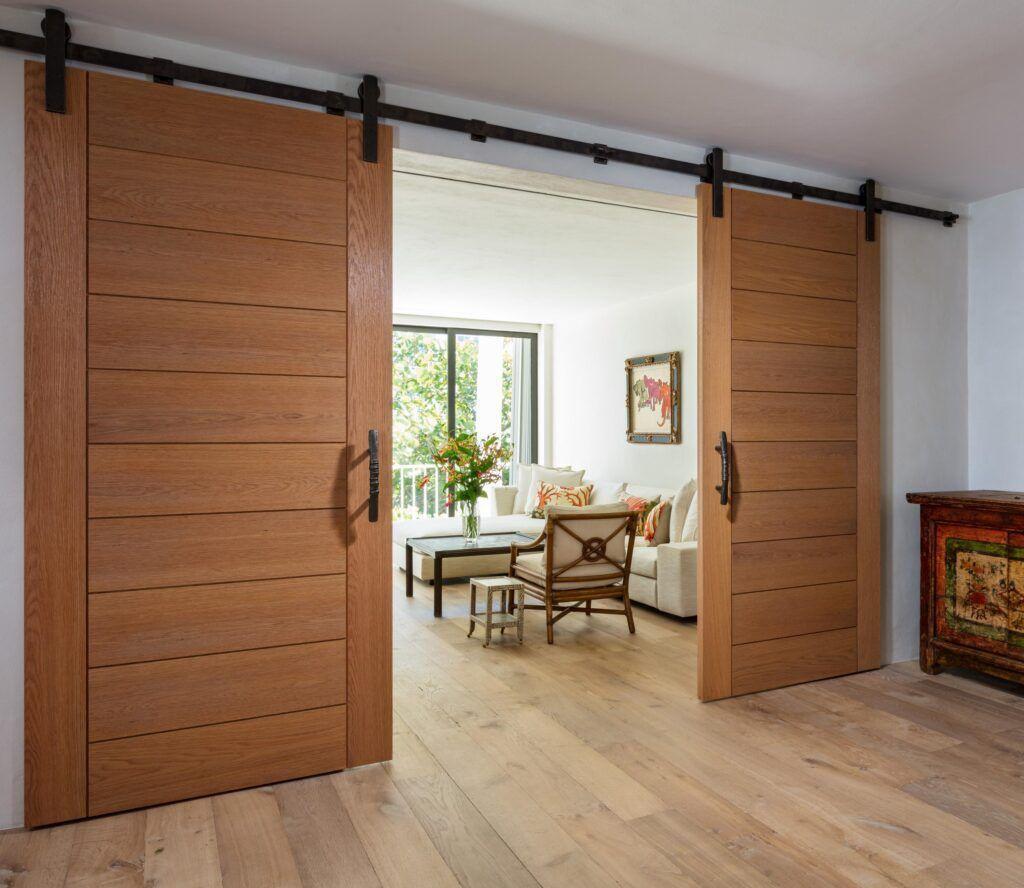
Sound quality is inseparable from the media experience, and just because you have premium speakers doesn’t mean you’ll achieve premium acoustics. The insulation, placement, and other assemblies must all be optimized.
You can use acoustic insulation, dense drywall assemblies, or sound-dampening panels to reduce vibration transfer. Carpeting or large area rugs also help prevent echo and high-frequency reflection. Ceiling treatments further soften reverberation without altering aesthetics.
Solid-core doors are essential in acoustic control. Unlike hollow doors, they block sound leakage and maintain interior depth. Use precision seals, drop-down thresholds, and heavy-duty hinges to maintain tight closure.
High-quality bronze door hardware prevents rattling and contains the sound inside, while reducing airborne noise from outside or adjacent rooms. Proper acoustic planning will enhance dialogue clarity, bass control, and overall immersion, reducing the need for excessive volume levels.
Layered Lighting for Cinema and Socializing
Lighting must adapt to multiple uses. Recessed ceiling fixtures can provide ambient coverage during entry and cleaning. Elegant wall sconces contribute to space aesthetics while introducing low-level illumination without casting glare on the screen. LED strip lighting beneath risers or seating creates subtle guidance during dark viewing.
Layering your lighting is one of the modern media room ideas you can implement with ease. Simply choose striking light fixtures that complement hardware, whether pendants, sconces, or LEDs. Go for dimmable systems with programmable scenes and brightness levels.
Avoid direct light facing the screen. Instead, use indirect or shielded fixtures that wash walls gently. Choose warm color temperatures to prevent harshness and support eye comfort during extended sessions. Plan the placement thoughtfully to eliminate reflection on glossy surfaces.
Architectural Hardware: The Defining Detail
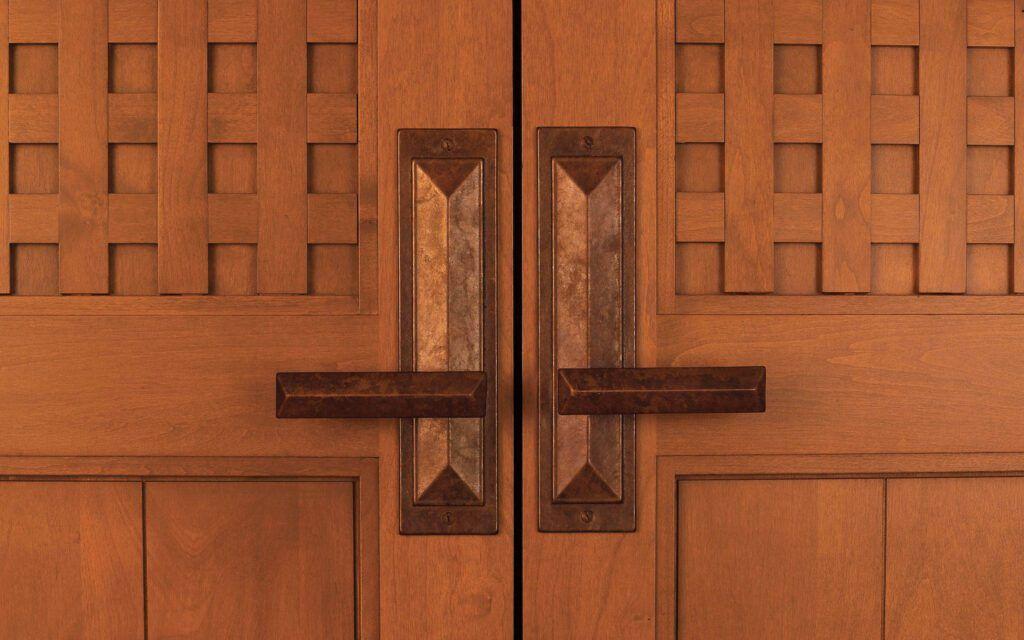
Hardware determines how a media room feels. Solid bronze and high-density metal handles add weight and stability to doors, preventing vibration.
Bronze also has a living patina that ages gracefully and complements stone, wood, and other natural materials. Choose dark, matte finish options to minimize reflection under projection lighting, and maintain consistency across hinges, pulls, and locks for cohesion.
Hardware should feel deliberate and substantial without drawing attention. Oversized pulls can complement tall doors, while concealed hinges maintain clean sightlines.
Prioritizing even the small details, such as soft-close mechanisms, can reduce disruptive noise and enhance overall experience. Use magnetic catches that support seamless cabinetry closure around equipment storage.
Beyond aesthetics, hardware enhances performance. Tight-fitting latch systems enhance acoustic isolation, while durable finishes withstand repeated use for many years.
Media Room Essentials Checklist
While each luxury media room is unique and personalized, most share basic requirements—proper insulation, light control, and seating must all meet the demands. A media room essentials checklist includes the following:
- Acoustic insulation within walls and ceilings
- A solid-core door with perimeter seals
- Layered lighting with dimmable controls and indirect fixtures
- Seating is positioned according to viewing distance and speaker placement
- Wall finishes that reduce glare and reflection
- Concealed cable management for visual clarity
- Ventilation systems designed for quiet operation
- Storage cabinetry for equipment and media
- Premium, hand-crafted hardware with weight and soft-close functionality
- Plush, sound-attenuating area rugs or carpet
- Proper projector alignment and screen calibration
- Sound and light balance
Modern Media Room Design Styles
Design style shapes how your media room feels before the screen even turns on. The right aesthetic should reinforce performance and align with the rest of your home’s architecture, as shown below:
1. Clean Lines with Organic Textures

A clean-lined media room focuses on restraint. Straight architectural forms, flush cabinetry, and concealed equipment keep visual noise to a minimum. However, minimal does not mean cold, so try to introduce organic textures to prevent the space from feeling clinical.
Wood slat wall panels improve acoustics while adding warmth. Textured fabrics such as wool blends or performance linen soften sound and balance hard surfaces. Matte finishes on walls and cabinetry prevent light reflection and preserve projection clarity.
Hardware should be subtle but substantial. Choose brushed or aged bronze finishes, such as the Catch Cabinet Pull, that resist glare. Keep profiles streamlined, avoiding ornate shapes that interrupt the clean envelope.
Clean lines and organic textures are perfect if you want a media room that doubles as a lounge. It feels modern, composed, and intentional, not overdesigned.
2. The Dark & Moody Aesthetic
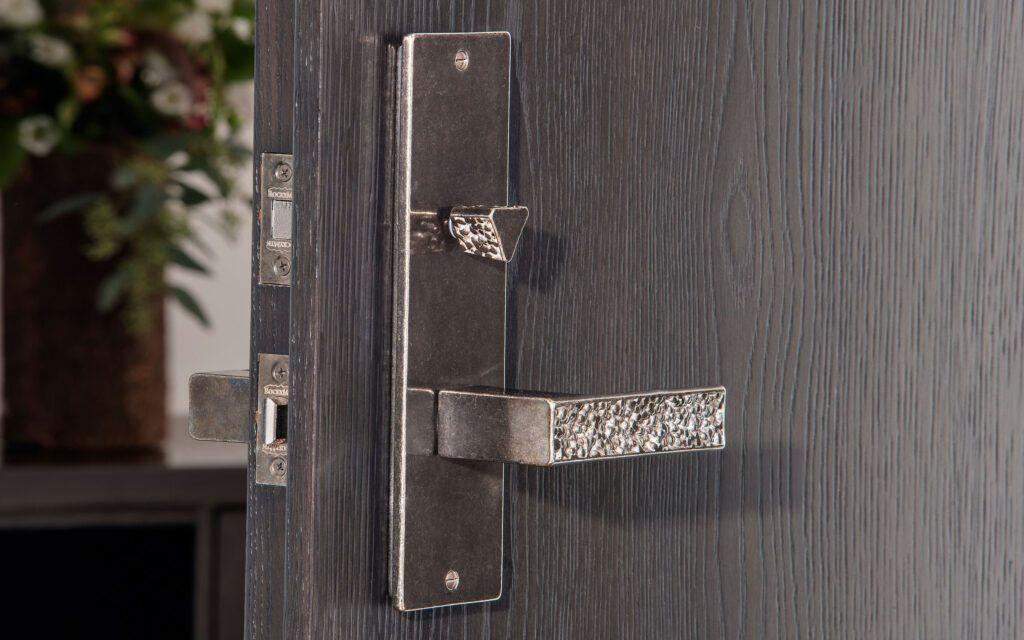
If immersion is your priority, go dark—think deep charcoal, espresso, navy, or matte black walls that dramatically enhance screen contrast. Dark ceilings further reduce light bounce, creating stronger depth and color saturation during viewing.
Velvet wall panels or upholstered acoustic boards absorb both sound and excess light. Thick carpeting controls echo and adds comfort underfoot. Low-glow wall sconces and recessed step lighting guide while keeping attention on the screen.
For your metal hardware, use dark bronze or oil-rubbed options that blend seamlessly into the palette. Avoid reflective finishes that catch projector light. The dark and moody media room inspiration creates a cinematic envelope ideal for dedicated media rooms that prioritize film performance.
3. Contemporary Luxury Materials
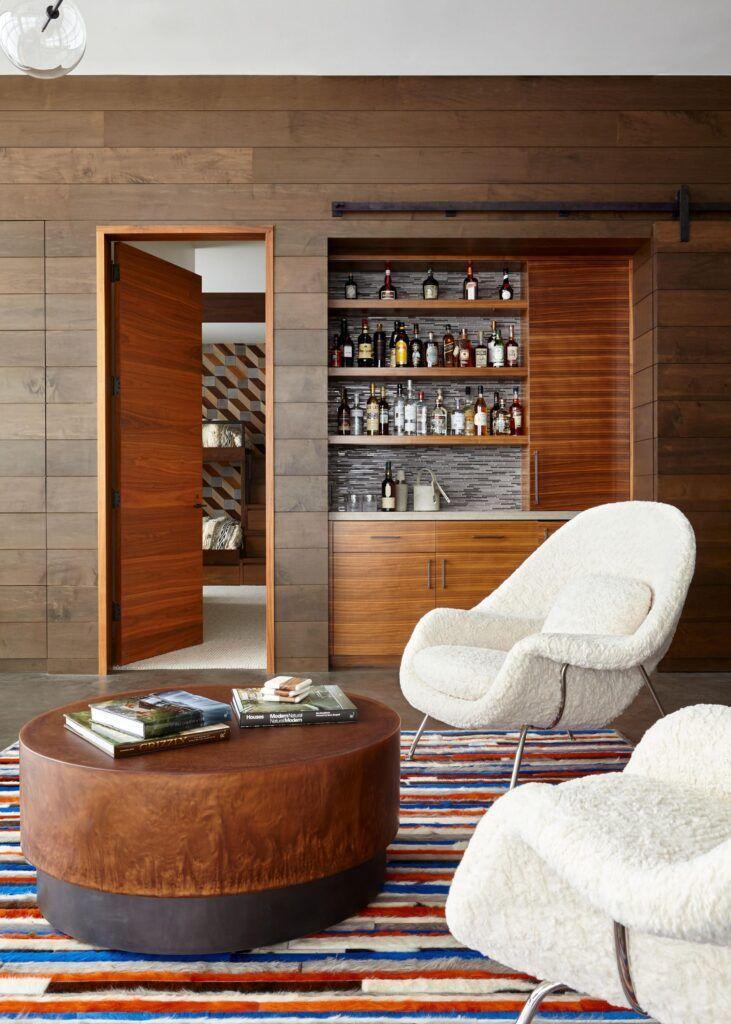
Going for contemporary luxury materials gives your media room improved performance and refinement. This style is all about stone feature walls, wood veneer cabinetry, and leather seating in a precise arrangement.
Natural stone is used strategically to frame the screen wall while avoiding excessive sound reflection. Pair it with soft acoustic treatments on adjacent surfaces for an enhanced audio experience.
Wood millwork conceals equipment while introducing warmth and depth. Bronze cabinet hardware adds weight and tactile richness. Intentional finishes complement the broader home palette, maintaining continuity beyond the media room.
Lighting is also integrated into architectural reveals, so they don’t just hang as decorations. The style is elevated but controlled, with every material feeling aligned with long-term value.
Media Room Decor: Curating the Details
Once performance is engineered, decor refines the atmosphere. Intentional decor choices, such as finishes, seating, and hardware, are selected to enhance immersion—not compete with it.
4. Selecting a Color Palette for Projection
Color selection directly affects viewing quality. For instance, dark neutrals such as charcoal, slate, deep taupe, and muted navy are known to reduce light reflection and improve perceived contrast.
When designing a media room, you want to avoid bright whites, glossy paints, or highly reflective surfaces near the screen wall. Choose matte finishes instead. Even ceiling color matters, so go for darker tones to reduce projector bounce and maintain depth.
Accent colors should also remain controlled. Use rich jewel tones in upholstery or pillows to add dimension without distracting from the focal point. Flooring can support the palette and absorb sound. Choose textured rugs or carpet over polished stone.
The goal is clarity and cohesion—when the screen activates, the surrounding envelope should visually recede.
5. Choosing Hardware Finishes to Match the Vibe
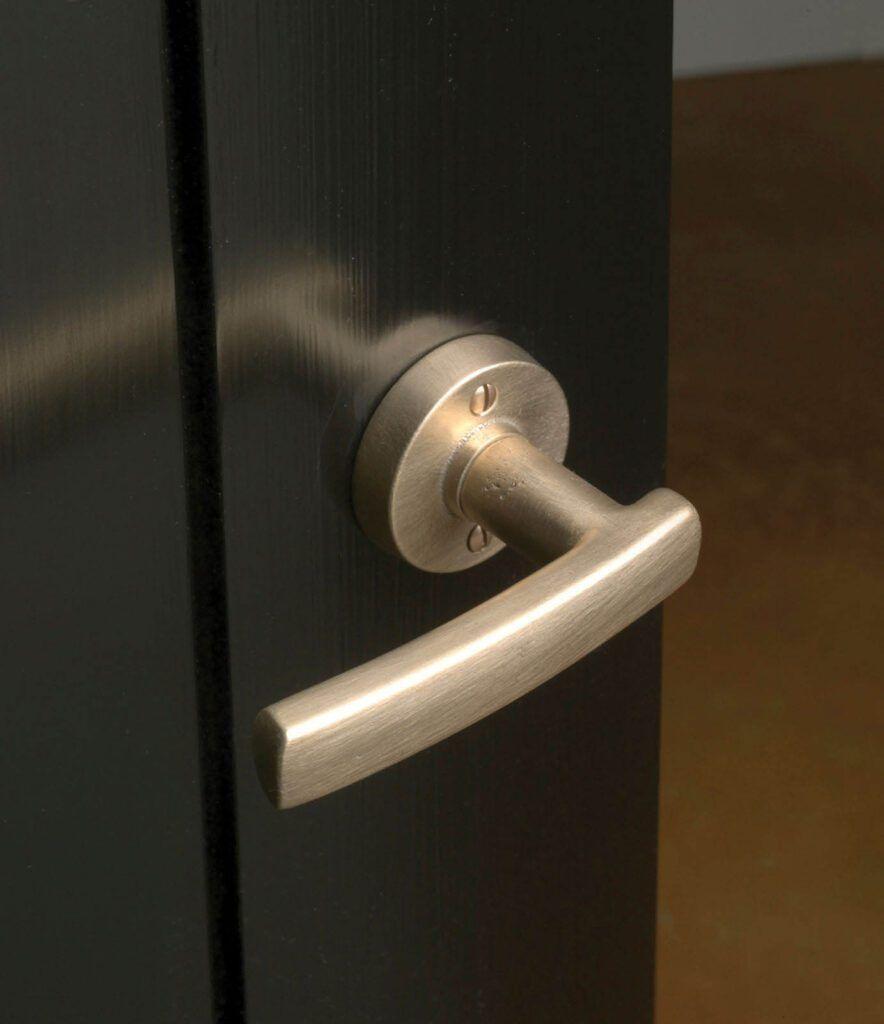
The right hardware and finishes will elevate your media room into an immersive cinematic hub. Hardware should meet both aesthetic and performance needs.
Choose oil-rubbed or aged bronze finishes to reduce glare and blend seamlessly into shadowed walls, especially in darker places. For lighter environments, go with brushed bronze or satin finishes to add warmth without reflection.
Avoid polished chrome or high-gloss metals. These surfaces catch projector light and create a distraction. Instead, choose textured and aged bronze, such as the Maddox Cabinet Knob and Briggs Entry Sets.
Maintain consistency across door sets, cabinet pulls, and hinges. A unified finish strengthens cohesion. Think beyond appearance, choosing soft-close hinges and tight latch systems to keep your high-end media rooms quiet even when no film is playing.
6. Seating: Loungers vs. Sofas
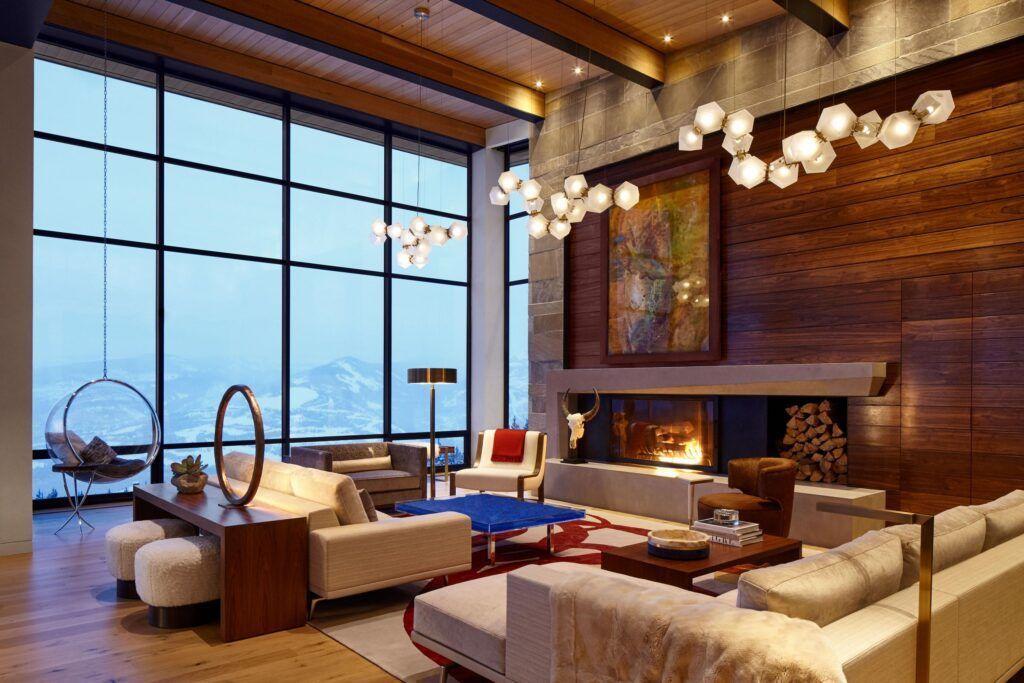
Seating defines how the room functions, and proper arrangement is part of all media room design ideas. Whichever option you choose, focus on comfort, proportion, and spacing.
Seating should particularly support posture during extended sessions and must maintain clear sightlines from every position. Individual loungers offer precise viewing alignment and built-in recline support, ideal for tiered layouts. They work well in dedicated theater-style rooms.
Sofas provide flexibility, with the option of sectionals that allow casual seating for families and social gatherings. They adapt more easily to multipurpose layouts.
Review the viewing distance before purchasing and align the primary seating row with the screen size and speaker calibration. Upholstery should absorb sound—avoid overly slick leather in echo-prone rooms.
Intimate & Small Media Room Ideas (That Feel Grand)
Small media rooms demand precise layouts, featuring strategic built-ins, concealed technology, and smart storage. Each integration should feel grand, yet intentional and functional.
7. Maximizing Space with Custom Built-Ins
One of the ways to maximize small spaces is through custom millwork. Custom built-ins eliminate wasted space—think wall-to-wall cabinetry that conceals equipment, speakers, and media storage in one cohesive system.
Tailored milwork also features parts designed to fit specific spaces, conditions, and roles. Integrate acoustic panels behind fabric cabinet fronts to maintain sound control and reduce visual clutter. Add floating consoles to create openness by exposing the floor area beneath.
Keep finishes consistent with the wall color to prevent fragmentation. Hardware should also be scaled appropriately, keeping it substantial but not oversized. Add LED accent lighting to subtly wash shelves without interfering with projection.
8. Multipurpose Layouts: From Office to Cinema
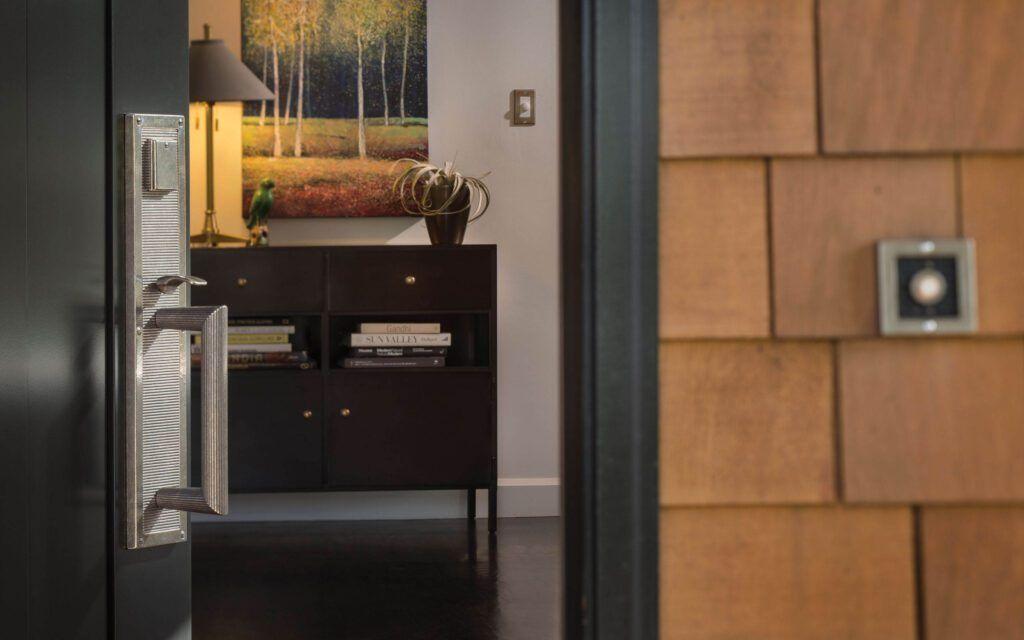
Not every home has space for a dedicated theater, but careful planning can give you a media room that doubles as an office or study. This is one of the small media room ideas that keeps your space highly functional and flexible, but requires strategic choices, such as minimalist setups.
Use retractable projector screens or concealed TVs housed within cabinetry. Feature desks that fold into built-ins, maintaining clean sightlines during viewing mode. Layer lighting to shift easily between bright task settings and dim cinema scenes.
Add storage compartments that keep devices out of view when not in use. Quiet hardware and durable finishes also deliver smooth transitions between functions. The room should be intentional in both modes rather than feeling like a compromise.
9. Hidden Tech and Minimalist Aesthetics
Minimalist media rooms prioritize concealment, with speakers that integrate within walls or ceilings, projectors that retract when not in use, and wiring routes that travel through hidden conduits.
Cabinetry can remain flush—use touch-latch systems or low-profile bronze pulls to add warmth, texture, and character. Matte finishes also help prevent reflection and maintain a unified look.
The minimalist aesthetic reduces visible clutter, which naturally enhances immersion. Technology remains powerful but discreet. When done well, the room feels architectural rather than technical, and performance drives the design. The goal here is to exercise restraint.
Media Room Inspiration Gallery
You can use different aesthetics as your media room inspiration. Exploring diverse media room concepts allows you to balance architecture, materials, and lighting to influence how the entertainment space feels. Here are some themes for inspiration:
10. Rustic and Natural Themes
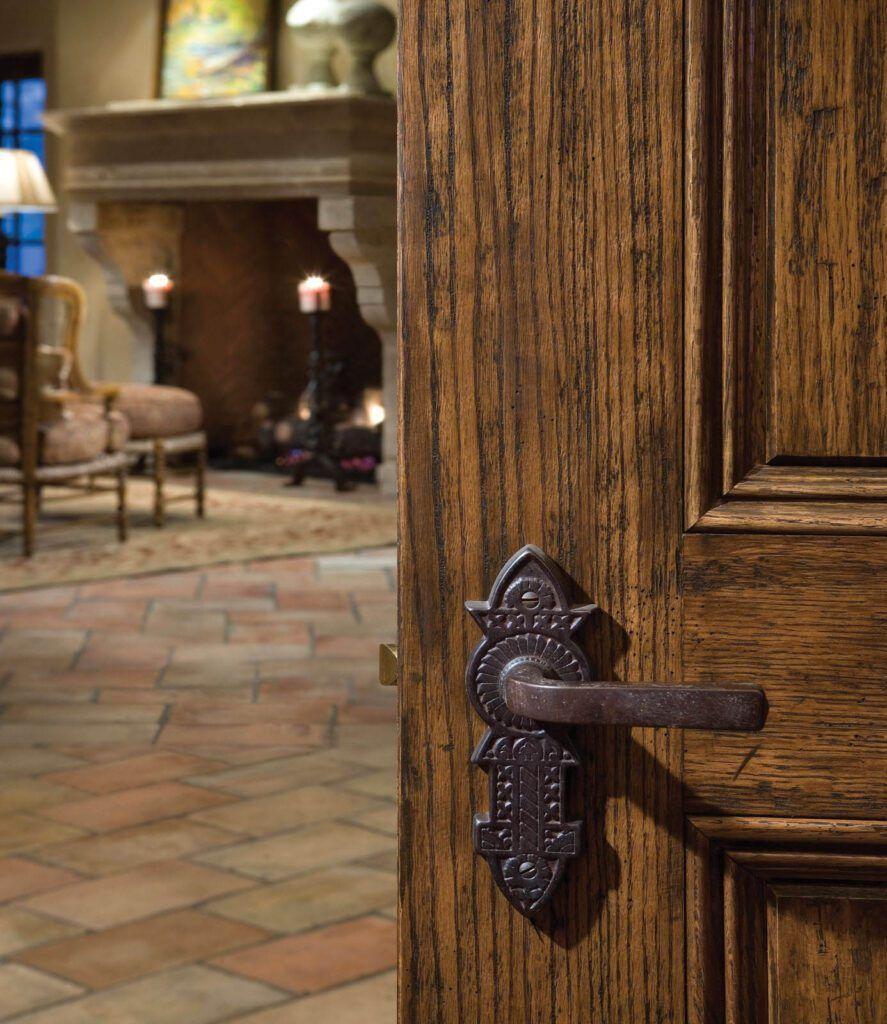
Rustic media rooms are all about warmth and grounded materials, such as reclaimed wood walls, exposed beams, and stone accents that add architectural presence. Here, media room decor ideas include thick wool rugs and upholstered panels that reinforce comfort and natural connection while improving acoustics.
Bronze hardware provides the perfect patina and finishes for complementing natural textures and achieving the aged, lived-in look. Muted finishes are used cohesively in a unified palette that blends the media room with adjacent spaces.
Lighting remains warm and controlled, integrated into beams or wall niches. Screens can be framed within wood paneling for cohesion. Rustic media rooms are suitable for mountain homes or retreats connected to the landscape. The aesthetic prioritizes tactile richness, efficiency, and performance.
11. Bold and Theatrical Looks
If you prefer a more dramatic, theatrical look, go for bold palettes and layered materials that deliver immediate impact. Start with colors like deep burgundy, navy, or charcoal walls to create intensity.
Velvet panels also help acoustics while providing a more vivid visual depth. Choose tiered seating to improve sightlines and strengthen cinematic authenticity.
Decorative sconces or pendant lights, such as the Cargo Pendant, can help provide structured illumination, while blackened or dark bronze hardware blends into the shadow. Bold, theatrical looks can also use more ornamental pieces, such as adding a large sculptural piece to the room.
This approach replicates the emotional anticipation of traditional theaters while maintaining residential comfort. Every detail supports focus and immersion, scaled to fit proportionally within the space and complement other elements.
12. Family-Friendly Casual Concepts
Designing a media room with a family focus is all about comfort and durability. Family-oriented media rooms should feature performance fabrics that can resist wear and stains, especially if you have small children.
Use sectionals to allow flexible seating arrangements, and add storage baskets and concealed cabinetry to manage clutter. Walls can be painted with neutral matte palettes to maintain projection clarity and accommodate everyday use.
Hardware should be durable and easy to maintain, preferably in muted tones, such as bronze and aged metals. Use rounded profiles and furniture edges to enhance safety in active households.
Adapt lighting for gaming, movies, and conversation, which means choosing versatile, programmable options and layering. Design the space for daily enjoyment, keeping in mind the needs of each member of the family.
FAQs About Media Room Ideas
What Should Be In a Media Room?
A media room should include calibrated display equipment, high-quality speakers, acoustic insulation, layered lighting, comfortable seating, solid-core doors, concealed wiring, and durable finishes that reduce glare while supporting immersive performance.
What Is the Best Color for a Media Room?
Dark, matte neutrals such as charcoal, navy, or deep taupe perform best. They help reduce light reflection, enhance screen contrast, and support eye comfort during extended viewing sessions.
What’s the Ideal Screen Size for a Media Room?
Screen size and width depend on viewing distance. The size of the room and scale of other fixtures also influence how the screen will look, and the ideal size that fits within the design. Designers recommend roughly one-third of the primary seating distance to maintain immersion without overwhelming viewers or distorting image clarity.
How Do You Soundproof a Media Room Effectively?
Use acoustic insulation wherever possible—floor, ceiling, walls, around windows, and around fixtures. Install dense drywall assemblies, solid-core doors with perimeter seals, carpeting, and fabric wall treatments to reduce vibration transfer and control echo.
Do Media Rooms Add Value to a Home?
Yes. A well-designed media room enhances lifestyle appeal, improves entertainment functionality, and increases perceived value. These aspects instantly add value to a home, especially in high-end residential markets.
Can Media Rooms Double as Family Rooms or Offices?
Yes. With retractable screens, concealed storage, adaptable lighting, and flexible seating, media rooms can transition seamlessly between work, family use, and entertainment.