If you are looking for a calm and intentional space that looks beautifully lived in, Japandi interior design lets go of the clutter and in most homes, further focuses on eliminating clutter and incorporating warmth.
As a homeowner, interior designer, or architect, this design allows you to have a deeply grounded and functional space. While it embodies minimalism, it is far from boring—incorporating rich textures, skilled craftsmanship, and understated luxury.
This guide explores the fundamentals of Japandi interior design, including how to apply it and the features you can incorporate room by room.
What Is Japandi Interior Design?
At its core, the Japandi style combines Japanese minimalist aesthetics and simplicity with Scandinavian warmth and sophistication. Additionally, it focuses on natural materials, lighting, and subtle comfort.
Japandi is gaining popularity in modern architecture and interior design as a counter against the growing trend of maximalism. As such, it is the perfect getaway from the noise of daily life, offering serenity and functionality.
Origins: Where Japanese Minimalism Meets Scandinavian Warmth
The Japandi aesthetic originated in the 19th century, following Japan’s opening to outside influences. In the mid-1800s, Scandinavian designers were among the first to explore Japanese culture.
Zen Buddhism, with its emphasis on tranquility and simplicity, gave rise to Japanese minimalism in traditional architectural designs. On the other hand, the harsh climatic conditions in Scandinavia resulted in limited resources for architectural designs, which gave birth to the Scandinavian style.
Both cultures valued natural light and materials, well-designed craftsmanship, functional setup, and a deep sense of calm in daily life. A combination of the two gave rise to the now-popular Japandi style interior design.
Design Philosophy: Wabi-Sabi and Hygge Combined
The design philosophy behind the traditional Japanese design and minimalism comes from the concept of wabi-sabi. Wabi-sabi appreciates the beauty in imperfection, simplicity, and the natural aging of everything.
Wabi is the concept of beauty in asymmetry and roughness. Conversely, Sabi appreciates the passage of time, such as the color changes in ceramics that occur over time or the wrinkles that appear on someone’s face with age.
In contrast, Scandinavian architecture and interiors draw inspiration from the philosophy of Hygge, a Danish concept emphasizing warmth, coziness, and comfort. Hygge glorifies warm lighting, soft and comfy textures, neutral color palettes, and togetherness.
A combination gives rise to thoughtful calm in your space, eliminating chaos, emphasizing clean lines and beautiful designs without loud ornamentation, and avoiding overly modern concepts that lack warmth.
Key Elements of Japandi Style
Bringing the Japandi aesthetic to life requires understanding the key elements you need to combine to achieve it. Here is all you need to know.
Natural Materials and Organic Textures
Natural materials and organic textures contribute to the sustainability and durability present in the Japandi style.
- Wood like pine, beech, oak, and bamboo are used for their grainy textures and warm appearance.
- Natural stone, such as granite, limestone, marble, travertine, and slate, is also an excellent option, offering durability and natural textures and patterns.
- Handcrafted ceramics made from materials like clay embody wabi-sabi concepts and showcase the beauty of craftsmanship. They also serve diverse purposes, including as art displays or in dining.
- Textiles used in Japandi designs include organic cotton, linen, hemp, and wool. These materials have natural fibers, are comfy, and promote eco-friendly options.
- Living plants add the greenery and nature’s touch present in Japandi interior design. You can consider Bonsai trees, which are popular in Japanese interiors, or other plants like the Chinese money tree, the Australian bottle tree, ferns, and peace lilies.
- Japandi style further embraces metal like brass, bronze, nickel, and unsealed copper. These metals get a natural patina over time, which beautifully adds character and depth to your space.
Rocky Mountain Hardware can help you discover the metal finish options that will help you achieve a Japandi-style interior design flawlessly. Solid options include white or silicon bronze, available in several textures and leather finishes.
Minimalist Layouts With Functional Flow
Japandi style focuses on the following layouts:
- Open floor layouts and walkways that connect different areas open up movement and conversation.
- Low-profile and low-seating arrangements for a minimalist and intimate setting. You can utilize tatami mats, cushions, and poufs.
- Flexible furniture arrangement that allows for easy rearrangement when needed. You can also utilize multifunctional sets, such as sofa beds, to enhance your space while promoting aesthetic appeal.
- Incorporate in-wall, hidden, and other multi-functional storage solutions to keep clutter at bay.
Soft Neutral and Earthy Tones
In the Japandi style, using neutral and earthy tones for your walls, furniture, rugs, and floors helps create a cozy and warm environment.
Some color palettes you should consider include:
- Soft whites, off-whites, and cream.
- Muted greens.
- Grays and browns in natural stone.
- Bronze feels from metal.
- Beige and taupe for a warm and comforting atmosphere.
- Black, charcoal, and muted blue accents are used sparingly.
Use of Light and Space to Create Calm
Embracing natural lighting extensively in Japandi interior design not only expands the feel of your space but also exudes a spa-like serenity.
Japandi style blends these two aspects to open up your rooms, highlight organic textures, and offer a soft, warm illumination. Leveraging diffused fixtures or lamps made of natural material adds depth to your spaces without overwhelming the senses.
A space curated with intentionality, using clean lines, gentle curves, and purposeful negative space, allows for breathable room. Make sure your surfaces are uncluttered to allow the eyes to rest as well.
Japandi Interior Design: Room by Room
Below are practical suggestions on how to style your living room, kitchen, entryways, bathrooms, and bedroom. These ideas all utilize the color palettes characteristic of this interior design style.
Living Room Ideas with Japandi Warmth
Here is how you can translate the warmth principles of the Japandi style into your living area:
- Use low-setting sofas with natural fabric, such as wool and linen. Add an armchair or a lounge sofa on the sides with soft curves to add character to your living room.
- Use tatami mats and floor cushions to lean more into the Japanese side of Japandi style.
- Lean toward coffee and side tables with a wooden, organic, and grainy look. Also, consider bench-style tables and sideboards, which serve as surfaces and storage.
- Use built-in wooden cabinets with bronze cabinet hardware and floating shelves to keep the space open and avoid a bulky feel.
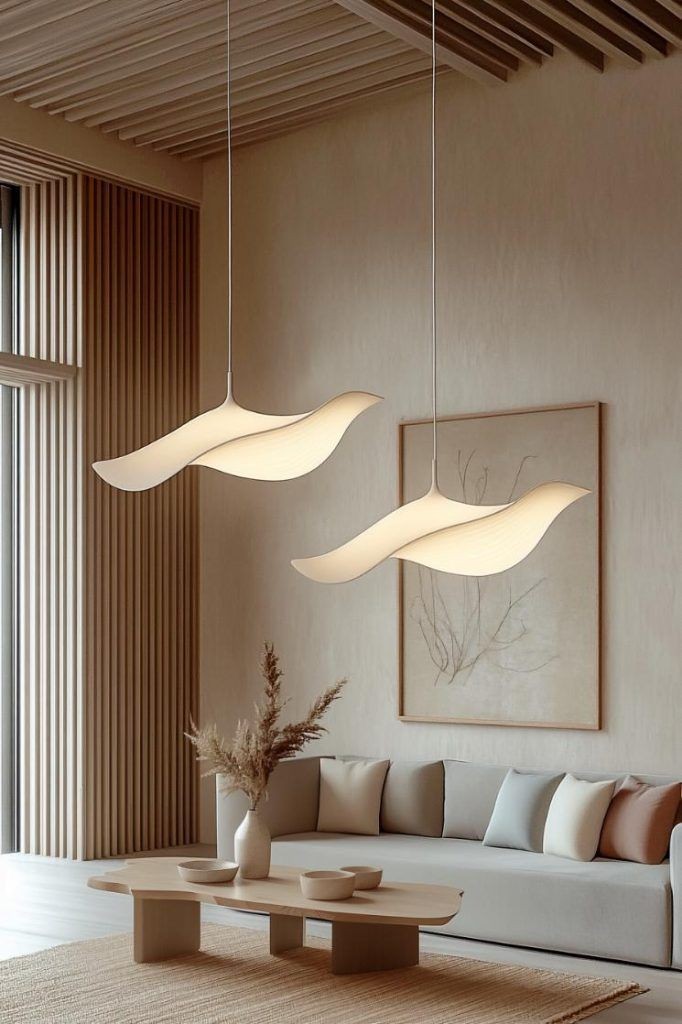
Some lighting ideas for your living room are:
Source: Pinterest
- Paper lanterns, pendant lights, or similar options that softly diffuse light into your space.
- Wooden or linen lamps with ceramic bottoms.
- Dimmer switches to adjust the lighting according to your mood.
For rugs and textiles:
- Consider ones made from natural fibers, which can be layered for added depth and texture.
- You can leverage rugs to separate different sections of your living room. For example, use softer wool for rugs in the sitting area and leave high-traffic areas bare.
- Use throws for your sofas, but always remember that less is more.
Japandi Bedroom: Softness and Simplicity
Your bedroom is the space where you can exhale and restore your energy. Here is how you can add calm and softness to your space:
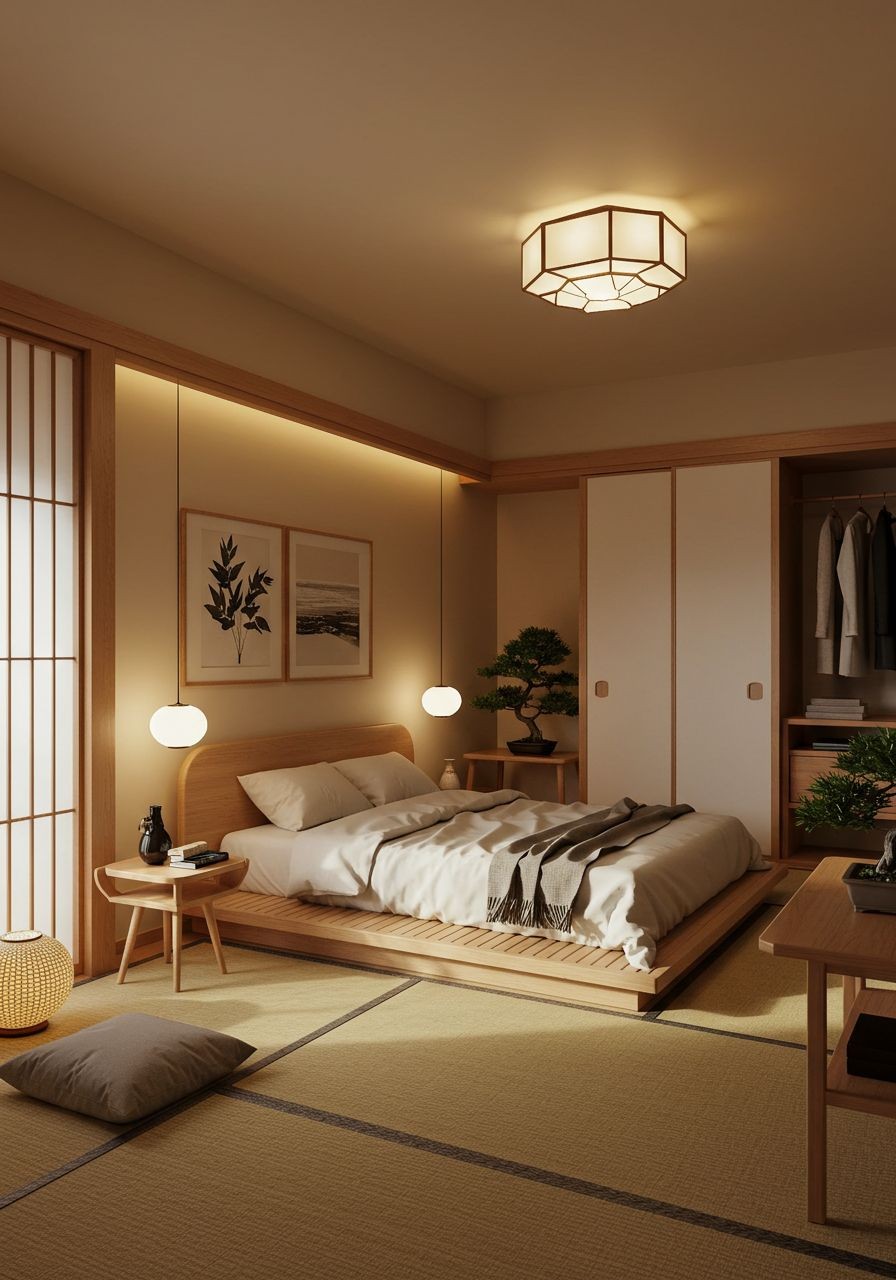
- Use low beds that enhance grounding and calm.
- Avoid bulky headboards. You can settle for light wooden or linen headboards to match the softness. If you prefer a more minimalist look, you can opt out of a headboard altogether.
- Use wooden, clean-lined, or floating nightstands that reduce clutter.
- Consider wooden dressers with a matte finish and handle-free drawers.
- Explore built-in wardrobes with minimalist hardware, such as the Dilemma Door Pull or the New Zeppelin Grip, to maintain a clean aesthetic.
- Use a curved lounge chair on the side and a woven or cushioned bench at the foot of the bed.
- Center your bed and sideline the chair to maintain negative space.
Source: Pinterest
For drapery, pillows, blankets, and bedding, you can:
- Pair light-colored sheers for light diffusion and heavier drapery for when you need privacy.
- Mix several square pillows and one statement-piece lumbar pillow. Still, avoid overloading the bed.
- Use a lightweight linen blanket and a woven wool throw for layering.
- Add natural-fabricated sheets and pillowcases with warm, neutral tones.
For rugs, use a woolen, fluffy rug for foot comfort. You can place it beneath your bed, stretching out about 2 feet past the bed frame.
For lighting:
- Similar to your living area, you can use paper lanterns, pendant lights, and linen or wooden bedside table lamps.
- Consider adding under-the-bed or behind-the-headboard lighting for accent lighting.
- Generally, avoid harsh overhead LED lights.
Calm, Functional Japandi Kitchens
The goal of Japandi kitchens is to maintain functionality and smooth workflow while minimizing visual noise.
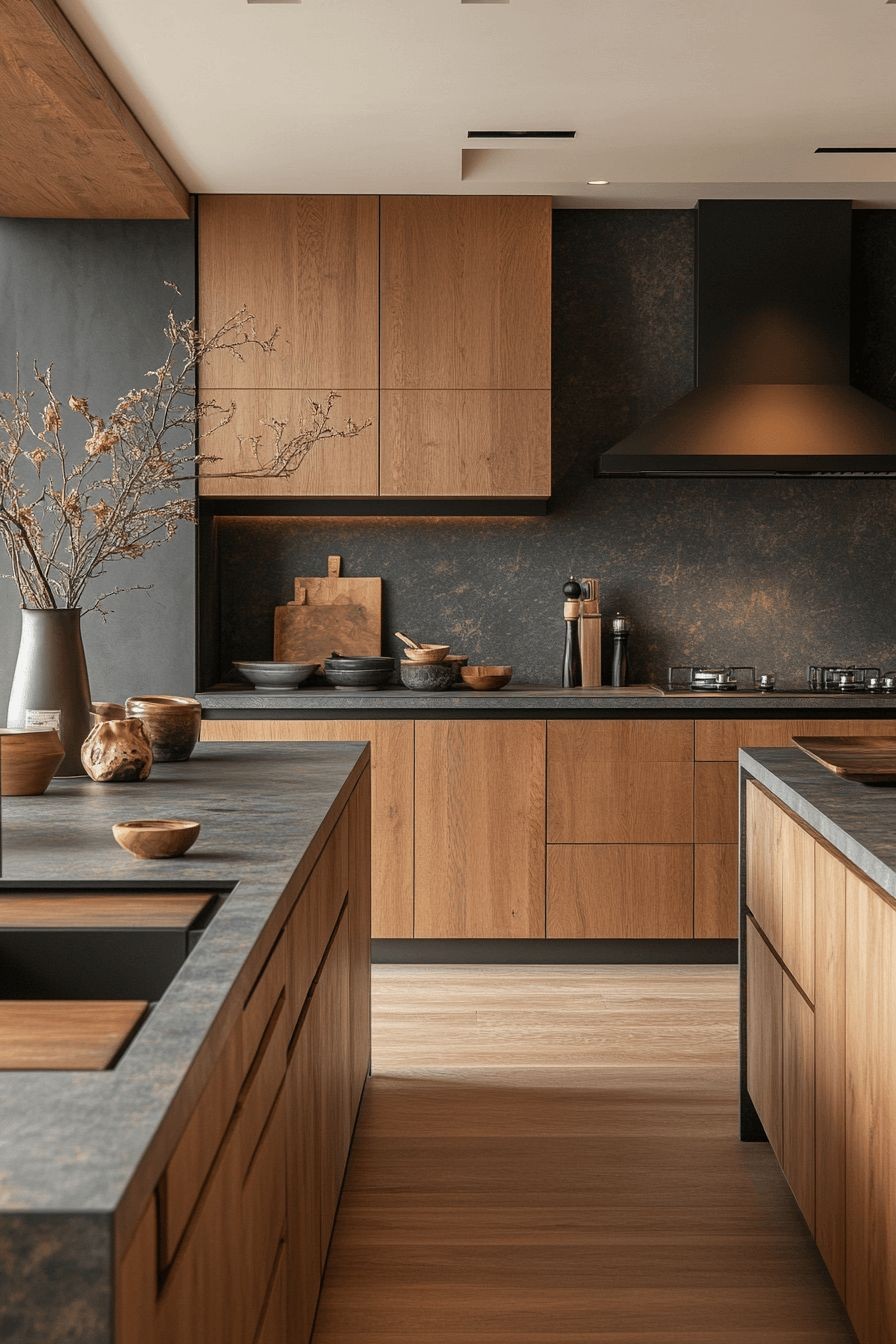
The most favorable material for cabinetry is matte and durable wood, such as oak or bamboo, that doesn’t leave prints. Here’s how to customize it for maximum functionality:
- Utilize built-in storage areas with a clean, finished look.
- Use deep drawers for pans and other large cookware.
- Have a thin, pull-out section for spices and oils.
- Build hidden compartments for appliances and bins.
- Leverage vertical dividers for trays and cutting boards.
- You can use push-to-open or minimalist kitchen cabinetry hardware ideas to maintain a clutter-free environment.
For islands and working surfaces:
- Go for natural stone with a matte finish instead of a glossy one.
- For backsplash, use textured and simple-stacked tiles without busy patterns.
- Overhang the island for seating.
- Incorporate under-mounted outlets, such as drawers, to maximize storage.
- Utilize an open, floating niche for displaying ceramics, such as bowls, plates, and tea sets. Go for closed storage for other utensils to avoid a busy-looking space.
Source: Pinterest
For lighting:
- Have soft, diffused ceiling lights for an ambient look.
- Use overhanging lights for the island.
- Install lights under top cabinets and overhead lights over the stove and sink.
For fixtures, such as kitchen faucets, consider bronze as an option. For sinks, use stainless steel.
Entryways and Bathrooms With Japandi Touch
For entryways:
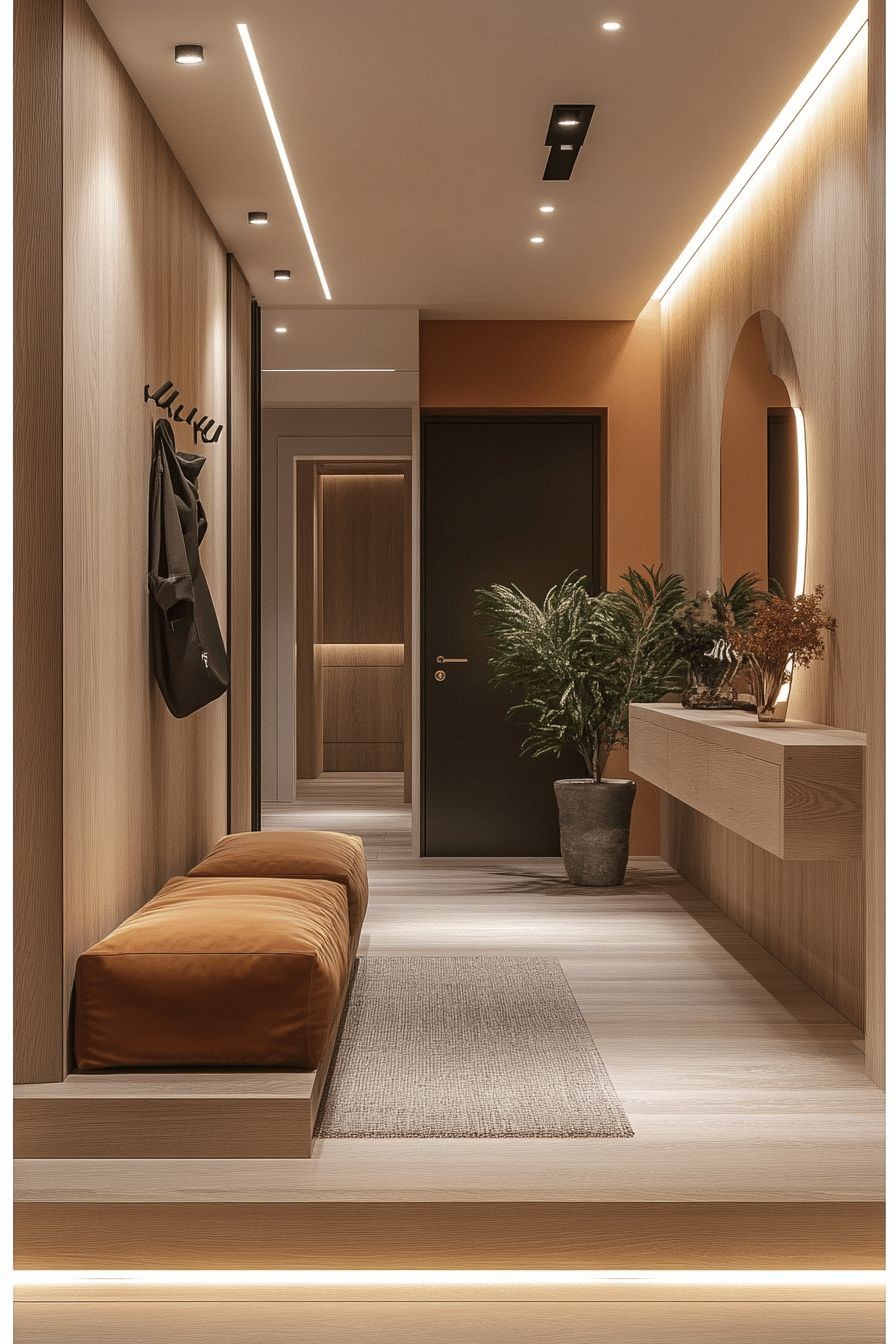
- Keep the walkway open.
- Use slim, wooden benches.
- Install the peg robe or Jane bronze hooks.
- Use hidden shoe and coat-hanging compartments.
- Have a drop area with a small, bronze tray for keys and other small accessories.
Source: Pinterest
- Add a minimalist mirror for depth.
- Opt for a jute or sisal entryway mat.
- Use wall sconces instead of bright, overhead lighting.
- A ceramic vase with an indoor fern.
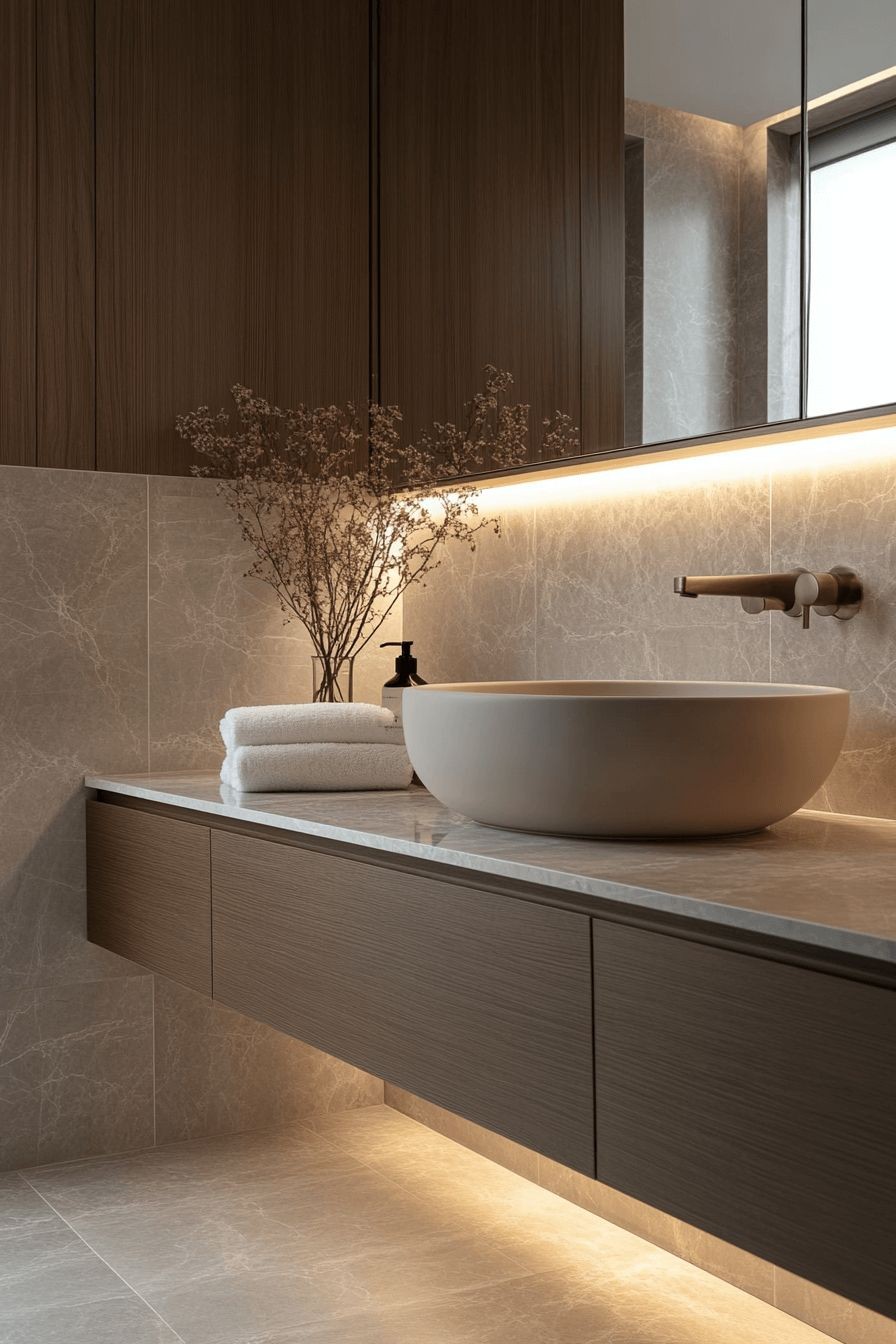
For bathrooms:
- Separate wet and dry areas using sliding screen doors or a linen shower curtain.
- Use floating vanities, built-in niches, and hidden storage to keep counters clean.
- Bronze rainfall and handheld showerheads.
- Use minimal ceiling lights, wall sconces beside mirrors, and thin LED strips under vanities.
- Prioritize matte or polished bronze sinks and fixtures, such as towel rings and soap dishes, and shower curtain rods.
- Use natural, impermeable stone for countertops.
Source: Pinterest
- Focus on textured tiles for floors to prevent slips and falls.
- Have one straw bath mat.
- Opt for cotton and wool towels. Avoid stacking many in open spaces.
Japandi Interior Design Examples and Inspirations
If you are wondering how to proceed, let’s explore specific inspirations you can use.
Descriptive Look: How Japandi Appears in Real Homes
In homes, Japandi tends to highlight the following:
- Clean but layered looks.
- Warm yet minimalist touches.
- Modern items that are handmade and well-crafted.
- Minimal but textured surfaces and materials.
- Warm tones and natural light.
The style also uses contrasts that increase visual appeal without adding clutter. Here are some examples:
Source: Pinterest
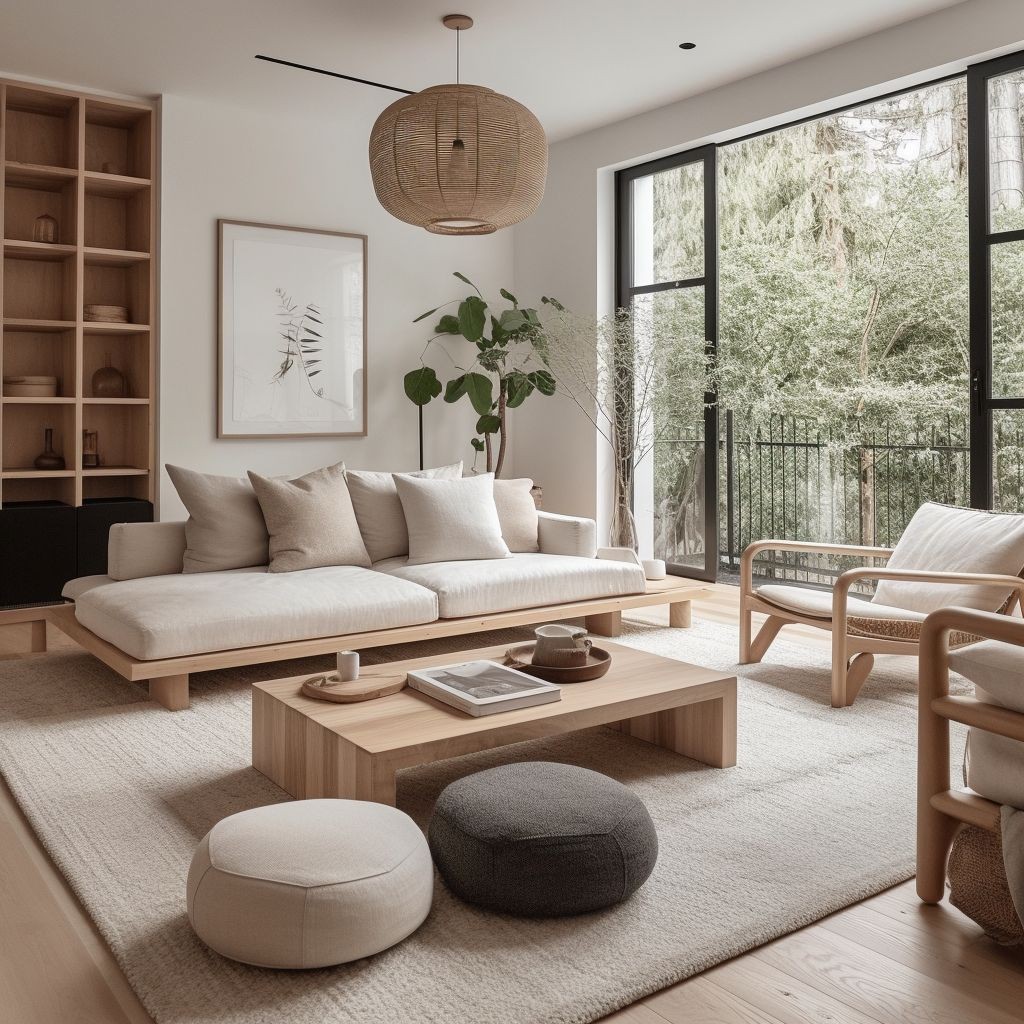
This living room features low-slung wooden furniture, large, unobstructed windows, a white rug, round floor pillows, and a woven hanging light fixture. Perfect for an open and airy feel.
Here’s a Japandi-style kitchen you can also draw inspiration from:
Source: Pinterest
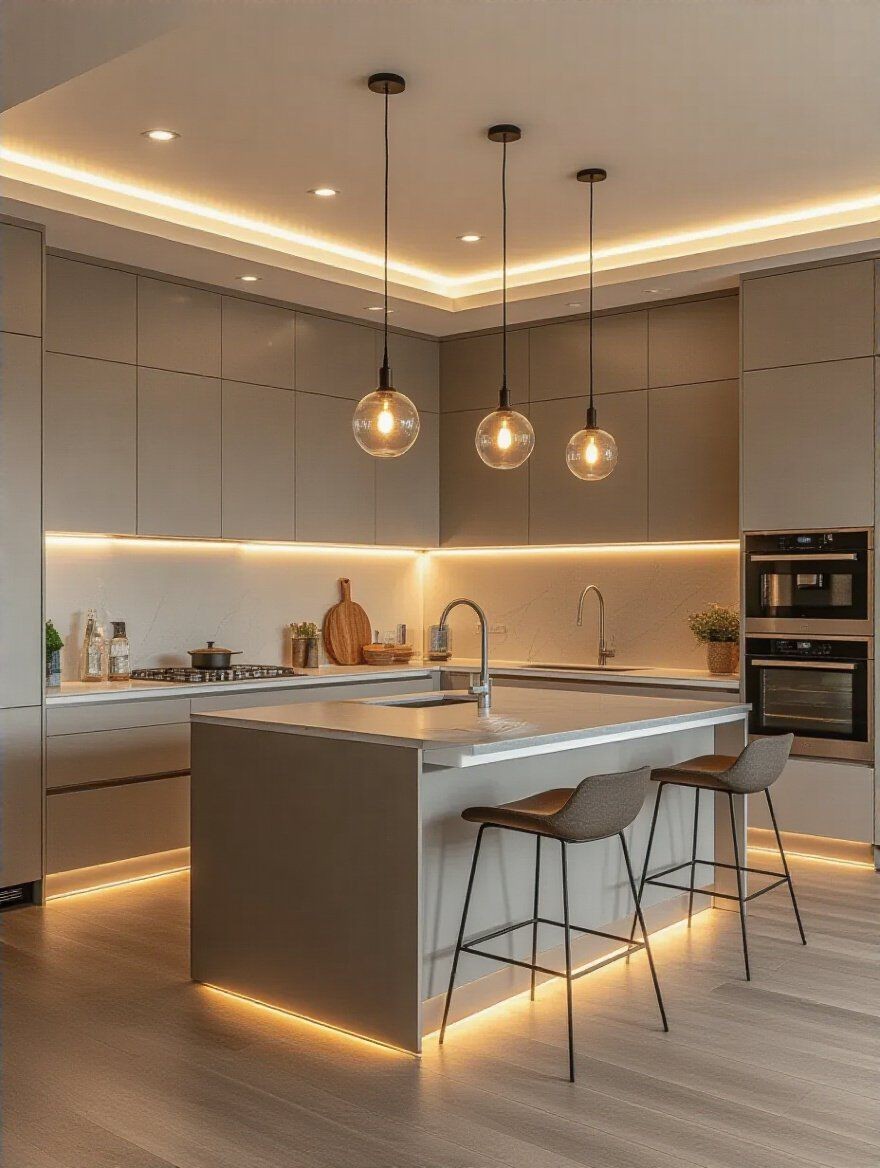
In the true Japandi style, this kitchen features a muted brown and off-white color palette, with an overhanging island, pendant lighting over the island, under-cabinet lights, floor LED lights, in-built and handle-free cabinets, and in-built sections for appliances.
For a flawless yet simple Japandi bedroom design, you can borrow elements from this one:
Source: Pinterest
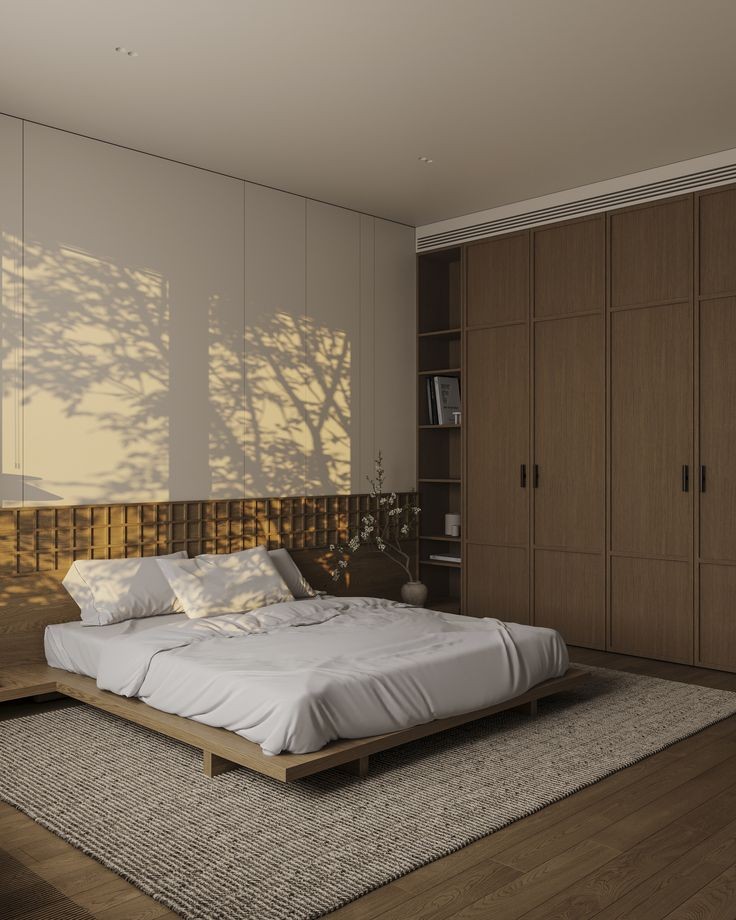
A woven rug, the subtle wooden wardrobes with simple handles, white linen, and the low-lying bed are the highlights of this room. The textured wall against the bed adds to the charm, without overdoing it.
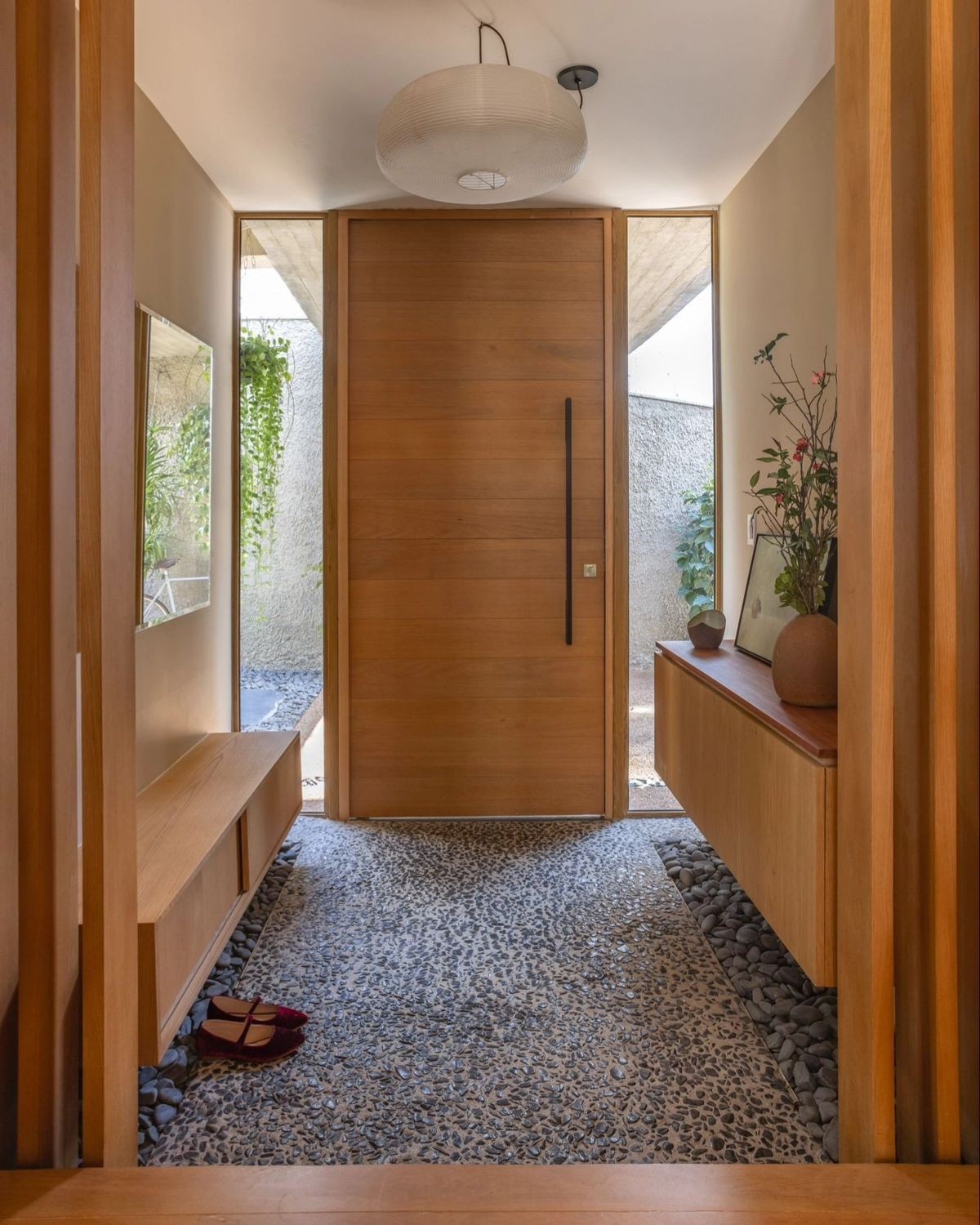
Need a spectacular entrance for your home? You can’t go wrong with a quintessential Japandi-style entryway like this one:
Source: Pinterest
The textured marble floors and the rocks under the hanging cabinetry are what make this representation truly unique. The mirror, ceiling-to-floor windows, and indoor plants on wooden vases finish the look in an undeniable Japandi style.
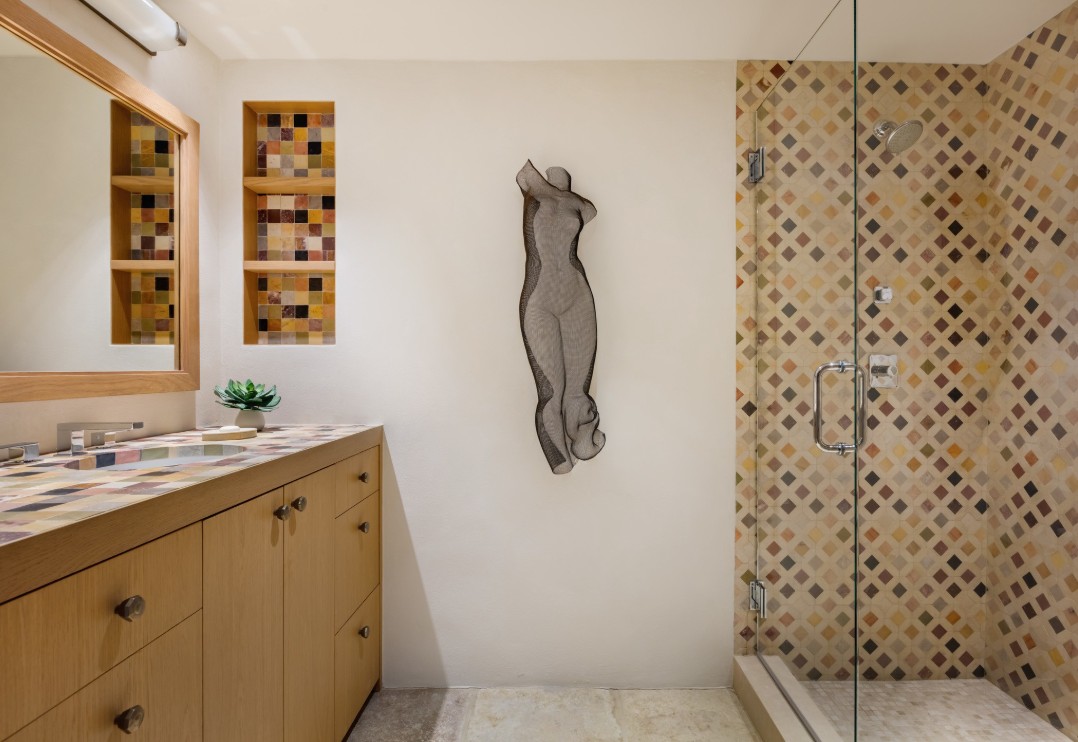
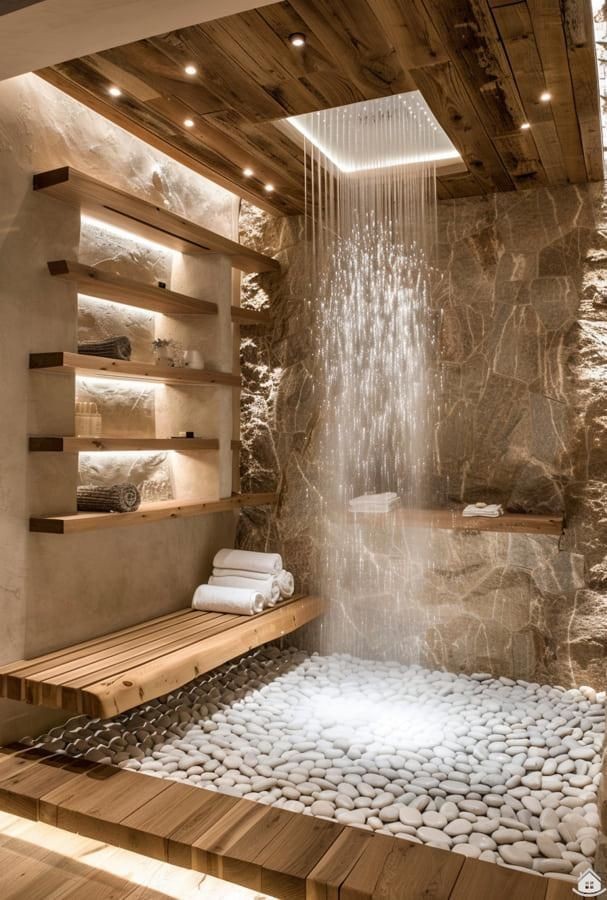
This dreamy bathroom design will also fit into your home seamlessly:
Source: Pinterest
Source: Pinterest
The wooden and stone interiors make this bathroom a timeless option. The large rainfall showerhead and ambient lighting add to the undeniable spa-like experience.
Furniture, Fixtures, and Finish Ideas for Japandi Spaces
You might ask how to avoid a sterile look when designing with neutrals. The secret is mixing textures. When choosing furniture and finishes, look for:
- Rounded edges
- Visible craftsmanship
- Understated silhouettes
- Natural wood grain
- Patina-friendly metals
- Organic fabrics
Japandi thrives on variety within simplicity.
How Rocky Mountain Hardware Complements the Japandi Aesthetic
Rocky Mountain Hardware excels in areas that Japandi values most. We offer handcrafted bronze, aligning with wabi-sabi and capturing the patina that metal acquires with age. Our hardware also features warm, organic finishes that soften modern lines and create subtle contrast.
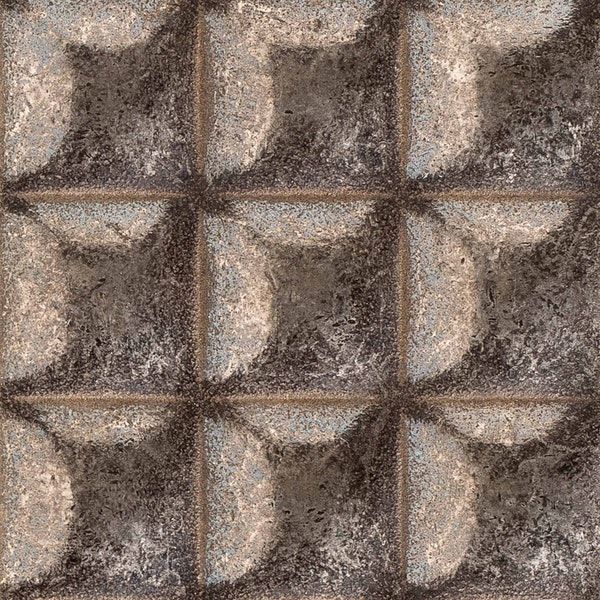
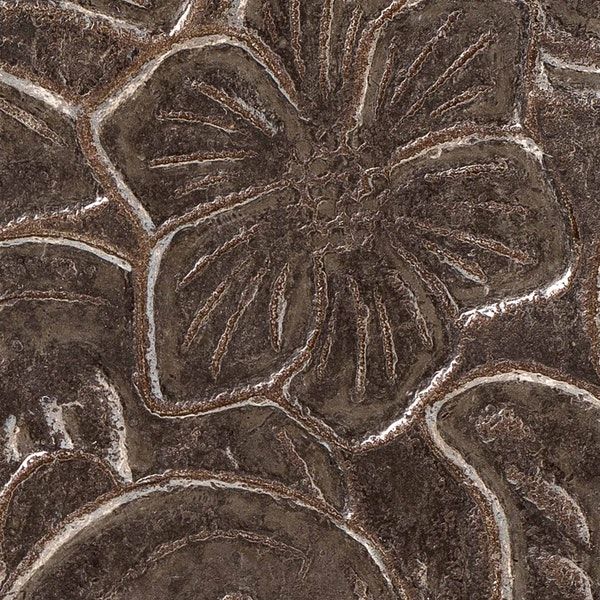
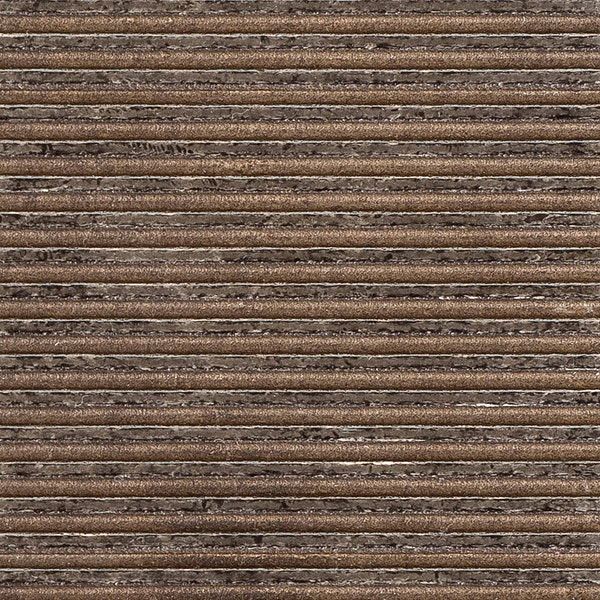
We offer a variety of textures, including tuft, flower, woody, weave, flute, and more, to provide diverse options for your kitchen, bathroom, and entryway. You can expect timeless quality, investing in fewer yet better items.
As a designer, you can integrate RMH pieces as subtle anchors that elevate the entire room. Like a homeowner, you benefit from hardware that lasts for generations.
Tips for Bringing Japandi Style Into Your Home
Some actionable tips that can help you bring the Japandi interior design into your home include:
Start With Decluttering and Spatial Flow
Japandi aims to reduce visual chaos and enhance the focus on what really matters, such as statement furniture pieces.
Start by clearing surfaces, rethinking storage, and reorganizing your furniture to create negative space and flow. Maximize the everyday functionality of your spaces by using open floor plans.
Choosing Handmade and Natural Finishes
Your furniture and decor should feature natural materials, with a focus on handmade pieces that showcase unique craftsmanship. Neutral and earthy tones further enhance the look.
Layer textures and lighting to create depth and cohesion. You can finish this natural look by adding several indoor plants in ceramic vases.
Blending Modern Comfort and Timeless Craft
Japandi doesn’t ask you to sacrifice comfort. If anything, this style aims to maximize your home’s comfort.
Use softer linens, cushions, and rugs, as well as timeless objects crafted to become more beautiful over time.
Conclusion
Japandi is ultimately the serenity your space offers you when you walk in. It is all about a quiet balance and an undeniable calm. The result? Intentional spaces that feel luxurious without being rigid or overly highlighted.
RHM hardware fits effortlessly into this style. Our bronze hardware adds depth, quiet luxury, and a handmade touch to your finishes. If you are ready to create a one-of-a-kind space, explore our list of curated premium products to enrich your home with a timeless design.
FAQs About Japandi Interior Design
Is Japandi Still Trending or Timeless?
While the style has been trending for the past few years, the underlying philosophies of Hygge and Wabi-sabi are timeless. Japandi also embraces an evergreen design through its incorporation of objects and spaces that age gracefully.
How Does Japandi Differ From Minimalism?
While strict minimalism strips everything down to focus on clean lines, Japandi embodies minimalism with warmth, further embracing imperfections in your space.
Can Japandi Work in Small Spaces or Apartments?
Absolutely. Japandi’s focus on open floor plans, functionality, and natural lighting can make even a small space feel larger and more comfortable.