Every exceptional interior starts with an idea. For designers, shaping that idea into a cohesive plan starts with a mood board. When created with intention, mood boards set the tone for your project, help your clients visualize their life in the space, and buy into the story your design tells.
The best interior mood board ideas bring color, context, and craft into focus. They help you convey scale, mood, and material selections in a way blueprints and renderings cannot. As makers of handcrafted bronze home hardware, we collaborate with designers, architects, and homeowners on a daily basis. This guide is a compilation of resources and inspiration designed to help you create exceptional mood boards, build client confidence, and elevate every project.
Interior Design Mood Boards are a Strategic Tool for Client Buy-In and Visualization
Successful projects depend on alignment from the outset. Your clients may know how they want a space to feel, but they may struggle to articulate it. Mood boards are a creative compass and communication tool that help to translate your clients’ preferences into something tangible. By assembling textures, finishes, materials, and colors in one place, you can help them put words to the styles they love.
How Mood Boards Help Clients Understand the Design Story
A mood board also helps clients because it appeals to the heart and mind. Mood boards help you show clients what “warm modern” or “luxury lakehouse” actually looks like, and the materials you present can convey other desirable qualities they may not have considered. When clients see their preferences reflected visually and can interact with textures and materials, they feel understood. That emotional connection to your vision creates momentum for approvals and minimizes change orders down the road.
Regardless of the industry you work in, mood boards help establish a shared visual language between you and your client. They clarify choices, justify investments in premium materials, and reinforce your professionalism through organization and foresight. Use these ideas and resources to build your mood board toolkit.
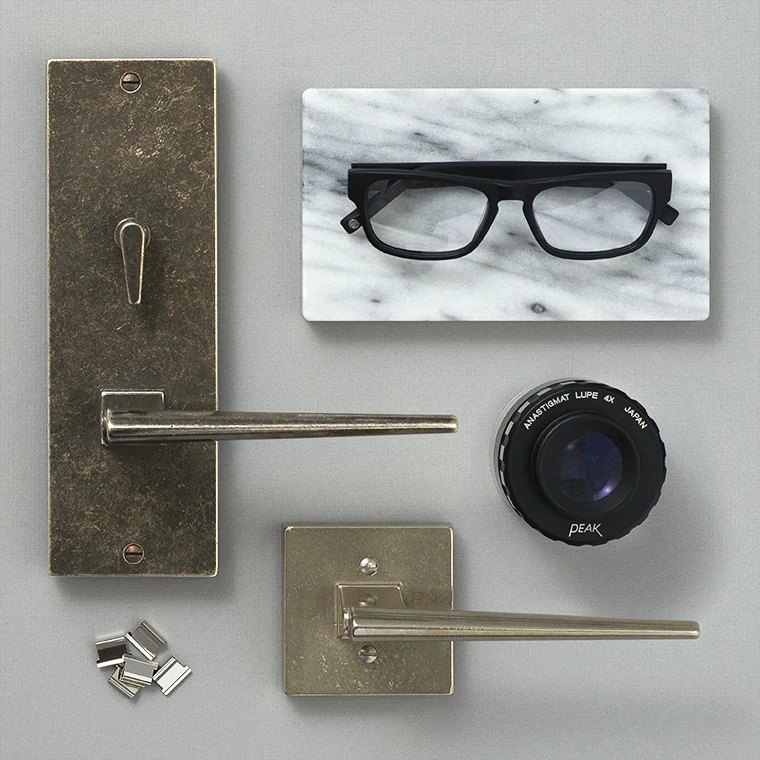
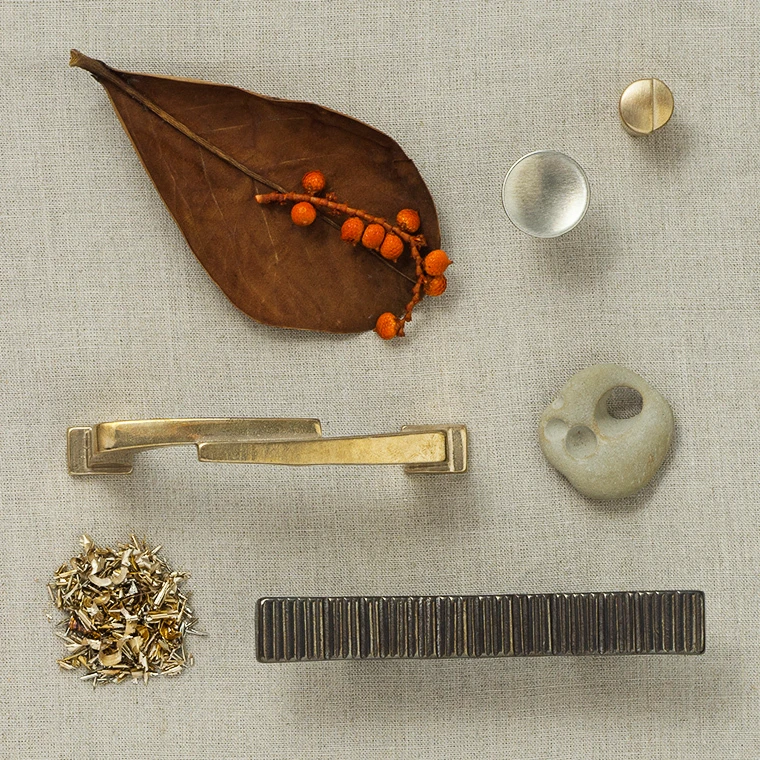
7 Interior Design Mood Board Ideas to Add to Your Professional Toolkit
From coastal retreats to urban penthouses, every design tells a story. The following mood board ideas for interior design strike a balance between creativity and versatility. These resources will help you promote luxury no matter the architectural style of the space you’re appointing.
Modern European Minimalism
This style celebrates simplicity. Natural light, sheer linens, and pale oak are some of the hallmarks of the style. Select hardware and fixtures for your moodboard with precise geometry and elegant proportions. Pair bronze with limestone or white plaster to show depth without disrupting the minimalist approach. Functional details like cabinet hardware should be sleek, balanced, and bespoke.
Timeless Mountain Lodge
The mountain lodge look is all about warmth and ruggedness. Start with the texture and color of reclaimed wood beams, wool textiles, and textured fixtures. The goal of the mood board is to evoke a sense of strength and comfort.
Door hardware is a great element to display on your mood board for a mountain home. A statement door handle or door knocker creates a stunning first impression in any mountain home. Try to capture the way natural light plays across textured bronze and discuss the natural aging process and patina that will develop character over time.
Coastal Luxe
These days, coastal design is less about seashells and more about serenity. It draws on natural light, open floor plans, and the seamless flow between indoor and outdoor spaces. On your mood board, combine airy whites, muted blues, and sandy neutral tones with brushed bronze.
It’s also important to think about texture. Woven rugs, linen upholstery, driftwood tones, and handcrafted metalwork create a luxe look perfect for life on the water. Show cabinetry paired with clean-lined kitchen and bath hardware that catches the light.
Art Deco Revival
The resurgence of Art Deco design in luxury interiors is all about timeless glamour. Designers and homeowners are once again embracing bold geometry and opulent finishes. Hello, maximalism! It’s good to have you back! To showcase this style, your mood board might include marble, lacquered woods, and high-contrast, high-shine metals. Bronze light fixtures are an excellent piece to highlight. Show your clients you understand how to bring the style to life with a bold piece of statement “jewelry” fit for any room.
Dark and Glamorous
Moody palettes are so sophisticated and in high demand. Show your clients deep charcoal walls, smoky glass, and richly veined stone to define this look. Plush fabrics and jewel-toned accents are also welcome here. Matte and blackened bronze create intrigue, so don’t hold back on your mood board. Throw on something unique, like a bronze tile backsplash or door handle with a richly textured leather inlay.
French Country Farmhouse
French design is all about blending comfort and heritage. Fill your mood board with sun-warmed neutrals and weathered finishes. Incorporate linen drapery, reclaimed flooring, and antique-inspired hardware and furniture. Don’t be afraid to be a little quirky here. Display a mix of cabinet hardware in various shapes and sizes to achieve a charming effect.
Sleek Monochromatic
For contemporary clients drawn to refined, monochromatic interiors your mood board will be all about shadows and texture. The absence of bold colors means craftsmanship takes center stage. Combine stone, metal and glass with matte finishes on your mood board. To help this style avoid looking flat, layer in finishes that reflect light in different ways. Try brushed bronze lighting beside a polished stone vanity, or a matte tile contrasted with soft leather.
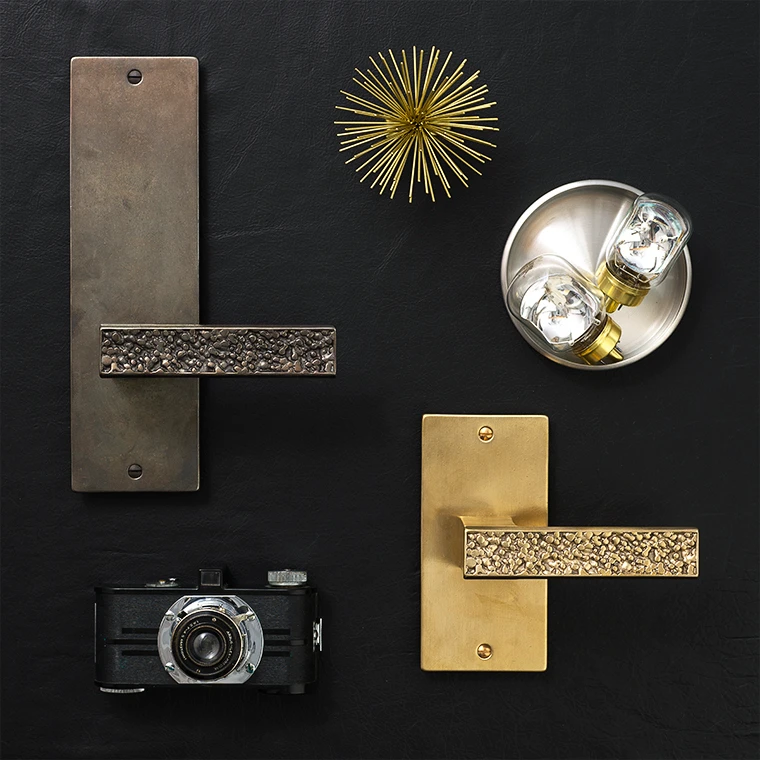
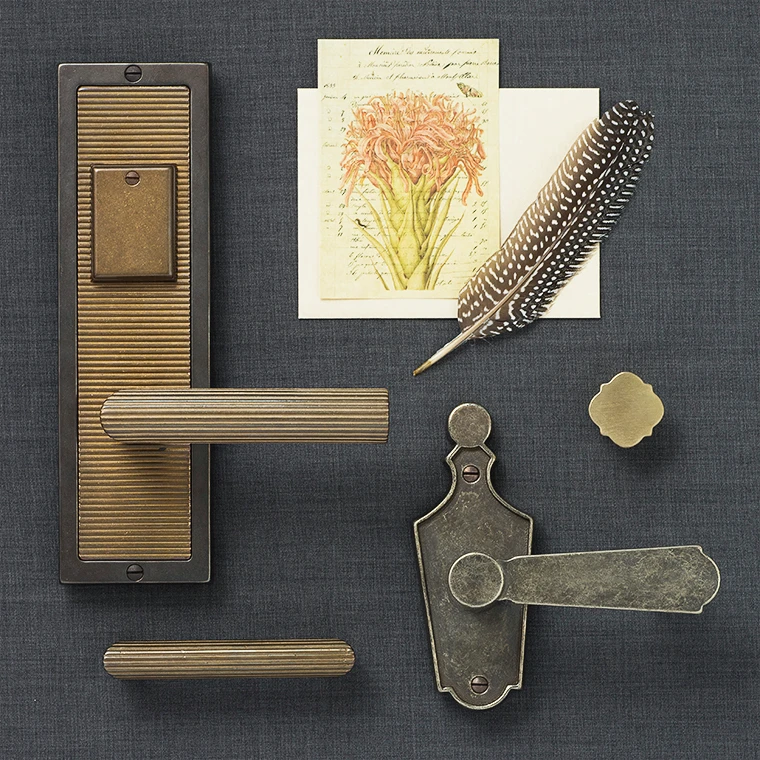
Include Hardware on Your Mood Board so it’s Considered from the Start
Hardware is often the last item clients notice but the first they interact with every day. Integrating it into your mood board ensures these high-touch pieces are part of the design story from the beginning.
Color, Images, and Texture Reveal Client Preferences Early
Hardware finishes can reveal more about your client than any conversation. Some gravitate toward the organic warmth of patinated bronze, while others prefer polished tones that evoke a modern and luminous feel. By presenting multiple finish samples early, you invite collaboration and avoid costly revisions later.
Clients appreciate seeing how fixtures, cabinetry, and wall finishes align visually. Physical samples and high-resolution images help them connect emotionally to the design and trust your expertise.
Help Clients See Themselves in the Space
Design is personal. A mood board enables clients to envision living within your design before it comes to life. Use high-quality imagery and detailed close-ups of finishes to communicate texture and depth. When clients can see how bronze hardware pairs with stone, leather, or wood, they can imagine themselves interacting with the space in a real and meaningful way.
Show How Hardware Connects the Design Narrative
Every design detail should serve a purpose. Hardware bridges architectural elements, uniting doors, cabinets, and fixtures under a consistent aesthetic. When included early, it ensures consistency from one room to the next. Designers who showcase hardware selections on their mood boards often find that clients respond with greater enthusiasm.
Expertise is in the Design Details
Luxury design is rarely about extravagance. It’s about precision, craftsmanship, and thoughtful restraint. Clients notice when a designer approaches every detail with care.
Thoughtful Selections Build Client Trust and Win Approval
Professional designers know that trust is built through execution. When clients see every element represented on a mood board, they feel confident that their designer has considered not just beauty, but the functionality they need for everyday life as well.
Finishes that are consistent throughout the home communicate sophistication. Including hardware, tile, and lighting early shows mastery of the process. Stay informed about the latest hardware trends and finishes that are making an impact in the luxury market.
The Difference Between Professional Mastery and Exceptional Style is in the Finishing Touches
What distinguishes a good design from a remarkable one is often the smallest details: a handcrafted bronze lever, a custom tile inlay, or the interplay between texture and tone.
Designers who specify high-quality materials demonstrate long-term thinking. Clients investing in their homes expect timeless craftsmanship and durability. That’s why many architects and interior designers collaborate with Rocky Mountain Hardware to achieve the level of refinement that endures.
Additional Interior Mood Board Resources: Rocky Mountain Hardware Images, Specifications, and Finish Options
Mood boards are only as powerful as the resources behind them. Rocky Mountain Hardware provides designers with detailed images, technical specs, and samples that integrate seamlessly into both digital and physical presentations.
Rocky Mountain Hardware Guides
Our resource library includes installation guides, specification sheets, and product imagery to help you visualize and present designs effectively. Each piece of handcrafted bronze hardware is made to order, allowing you to reflect true color and texture in your boards.
Hardware Specifications Book
The specifications binder includes product dimensions, finish swatches, and technical data. Designers frequently use it as a presentation tool, giving clients something tangible to explore during review meetings. It simplifies approvals and ensures precision during ordering.
Insights and Inspiration
For ongoing trend research and professional development, browse our insights and project inspiration. You’ll find project stories, collection highlights, and expert advice for specifying hardware in luxury projects.
Rocky Mountain Hardware Dealer Portal
Working with a Rocky Mountain Hardware dealer or want to become one yourself? Our dealer portal has everything you need to place an order.
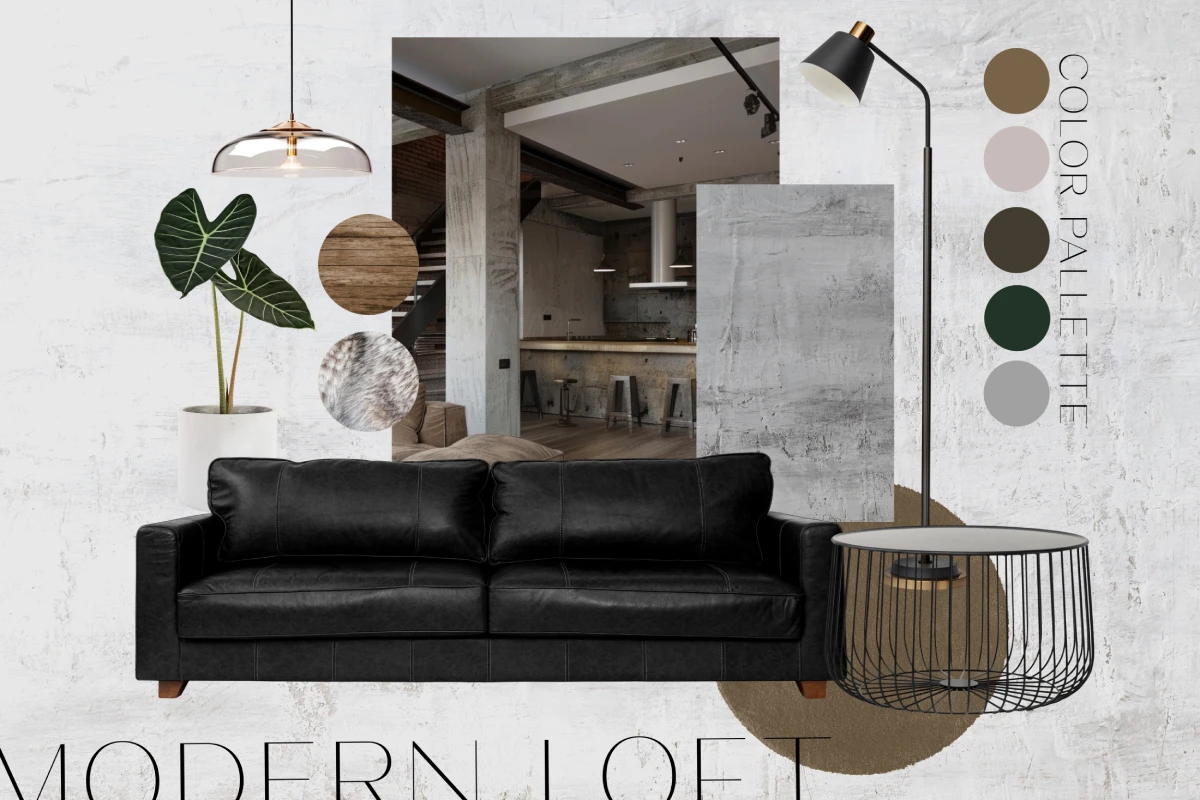
Help Clients See Themselves in the Space with These Interior Mood Board Ideas and Rocky Mountain Hardware
The most memorable interiors begin long before installation. Creating a thoughtful mood board for your clients is where your creativity and expertise shines. Rocky Mountain Hardware complements this process with artistry that matches your vision. Every piece is handcrafted from premium bronze, designed to endure and evolve beautifully with time. Whether you are curating a coastal retreat or a mountain residence, our hardware provides a timeless foundation.
Explore our collections and connect with a dealer near you.
Frequently Asked Questions
What should I include in an interior design mood board?
A strong mood board includes colors, materials, finishes, lighting, and hardware. Add tactile samples like tile and textiles to show texture and depth. Including hardware early helps ensure the details feel cohesive from concept to completion.
What do interior designers use to make mood boards?
Designers use a mix of physical and digital tools. For in-person presentations, fabric swatches, stone samples, and printed photos are mounted on boards. Digital versions created in platforms like InDesign, Canva, or Morpholio Board allow flexibility for client revisions.
What are some current interior mood board ideas designers are using?
Designers today are exploring warm neutrals, sculptural forms, and layered textures. Styles like modern European minimalism and dark glamour are trending, but all incorporate a mix of natural materials and handcrafted finishes for authenticity.
Where can I find hardware finish options for Rocky Mountain Hardware?
You can view product finishes, order samples, and download specifications through the Resources section of our website. Our team and dealer network can also assist with customization and ordering.