Accurate measurements are essential when planning to install new kitchen cabinets. Knowing how to measure kitchen cabinets ensures a perfect fit and seamless installation. This guide will walk you through the process step by step and tell you everything you need to know to get the perfect fit.
Preparing to Measure Kitchen Cabinets
Gather Necessary Tools
Before starting, gather the necessary tools. You will need a tape measure, graph paper, a pencil, and a step stool for reaching higher areas. Accurate measurements depend on having the right tools on hand. A tape measure with both metric and imperial units can be especially helpful for precise measurements.
Understanding the Layout of Your Kitchen
Understanding your kitchen layout is crucial. Familiarize yourself with the location of windows, doors, plumbing, and electrical outlets. Knowing these will help you plan where to place your cabinets and avoid potential obstacles. Sketching your kitchen on graph paper or design software can provide a visual guide, making it easier to mark measurements and note specific features like existing cabinetry and appliances.
Step-by-Step Guide to Measuring Kitchen Cabinets
How to Measure Cabinet Width
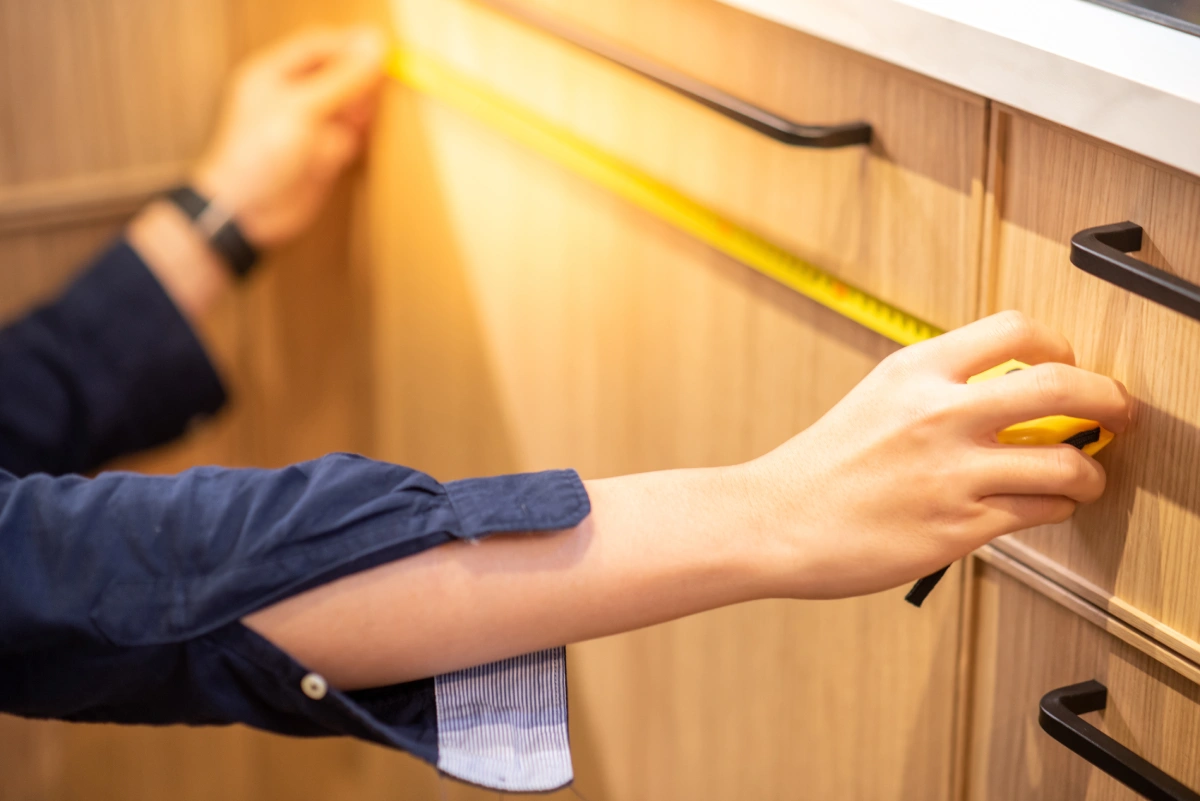
Start by measuring the width of the cabinets. Use your tape measure to measure from one end of the cabinet space to the other. Note the width of each section, especially if you have different cabinet widths. Accurate width measurements ensure your new cabinets fit perfectly.
Measuring Wall Cabinets
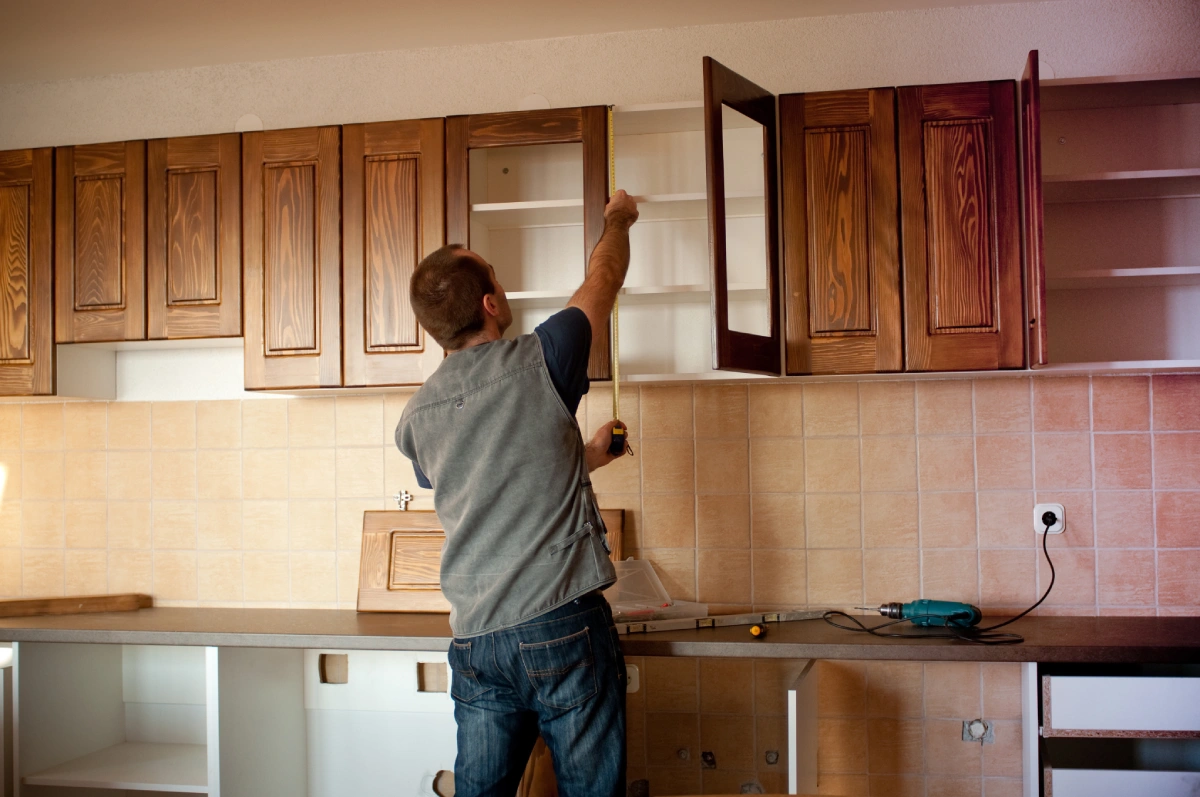
For wall cabinets, measure the width from the point where the cabinet will start to the endpoint. Consider obstructions like windows and doors. If you plan to install multiple units, it’s also essential to account for the space between cabinets.
How to Measure Cabinet Height
Next, measure the height of the cabinets. For base cabinets, measure from the floor to the top of the cabinet space. For wall cabinets, measure from the top of the counter to the desired height of the cabinets. Standard wall cabinet height is often 18 inches above the counter, but this can vary depending on ceiling heights and personal preference.
Adjusting for Ceiling Heights
If your kitchen has high ceilings, you might prefer taller wall cabinets. Measure from the floor to the ceiling and determine how much space you want between the top of the cabinets and the ceiling. This gap can be used for decorative molding or left open for a more airy feel.
How to Measure Cabinet Depth
Cabinet depth is also important. For base cabinets, measure from the wall to the front edge of the cabinets. For wall cabinets, measure from the back wall to the front edge. Knowing the depth will help you choose cabinets that fit your space without protruding too far.
Depth for Base Cabinets
Standard base cabinets are typically 24 inches deep. However, if you have a small kitchen, you might opt for shallow cabinets to save space. Ensure your measurements are consistent and account for any countertop overhang.
Common Mistakes to Avoid When Measuring
Not Considering Cabinet Functionality
One common mistake is not considering the cabinets’ functionality. Ensure that doors and drawers can open fully without hitting walls or appliances. Accurate measurements should include checking the swing of doors and drawers. Functionality also involves considering how you use your kitchen and ensuring your measurements support your workflow.
Ignoring Plumbing and Electrical Outlets
Another mistake is ignoring plumbing and electrical outlets. Measure the location of these features and plan your cabinets around them. This will prevent the need for costly adjustments during installation. Outlets, pipes, and vents can all impact where and how you install your cabinets.
Overlooking Wall Irregularities
Walls in older homes can be uneven. Use a level to check if your walls are straight. If they aren’t, make necessary adjustments in your measurements to ensure your cabinets fit snugly against the walls.
Interpreting Your Measurements
What to Do With Your Cabinet Measurements
Once you have your measurements, create a detailed drawing of your kitchen layout. Use graph paper to scale your measurements accurately. Mark the location of windows, doors, and other features. This visual guide will help you plan your cabinet installation.
Adjusting Measurements for Special Features
Adjust your measurements for any special features in your kitchen, such as crown molding or unusually high ceilings. Make sure to account for these in your final plans to ensure a perfect fit. If you’re incorporating unique design elements like a farmhouse sink or custom range hood, adjust your cabinet plans accordingly.
Incorporating Cabinet Hardware
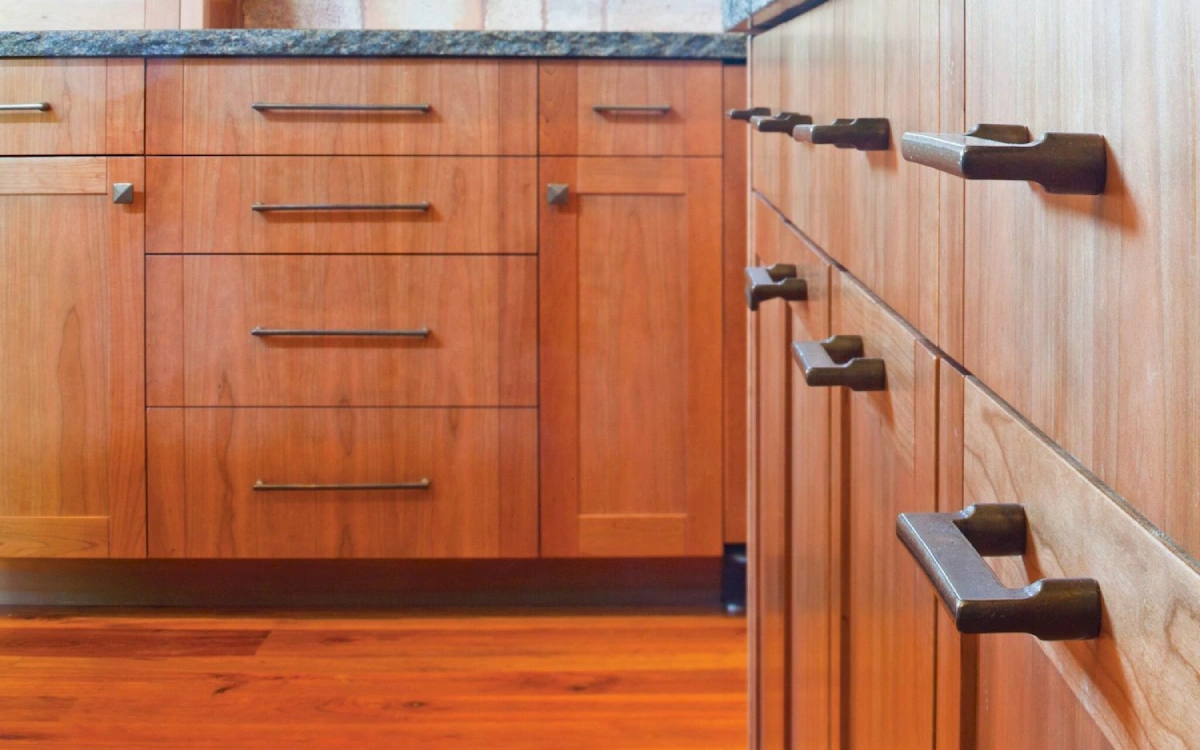
When measuring for cabinets, consider the placement of cabinet hardware. The size and style of knobs and pulls can affect how much space is needed around each cabinet. Rocky Mountain Hardware offers a variety of cabinet hardware options that can complement your kitchen design and enhance functionality.
Wrapping Up
Ensuring a Perfect Fit
Correctly measuring your kitchen cabinets is a crucial step in the remodeling process. With accurate measurements, you can choose cabinets that fit perfectly and enhance the functionality of your kitchen. Proper measurements help avoid installation issues and ensure a smooth renovation process.
Bringing Your Kitchen Vision to Life
By following these steps, you can ensure that your new kitchen cabinets fit perfectly and meet all your needs. Accurate measurements are the foundation of a successful kitchen remodel, leading to a space that is both functional and beautiful. Looking for more kitchen cabinet inspiration? Find popular trends and ideas here.
Enhance Kitchen Cabinets with High-Quality Hardware
For high-quality cabinet hardware and accessories, look no further than our extensive collections of cabinet hardware and kitchen and bath accessories. Our selection ensures you’ll find the perfect pieces to complement your new cabinets and complete your kitchen’s look.
Find a Dealer Near You
Ready to start your kitchen remodel? Browse our website and find a dealer near you to place an order. Our dealers are hardware experts who can help you select the right products and provide additional guidance on selecting and updating your kitchen cabinets.
By following this guide, you’ll be well on your way to creating a kitchen that is both functional and aesthetically pleasing. Accurate measurements and the right hardware make all the difference in achieving your dream kitchen.