Choosing the right door casing can define how your space transitions from one room to another. These are more than mere framing—they establish rhythm and reinforce the existing architectural identity. They also pair with bronze hardware, such as Arched Multi-Point Entry Sets, or Bluetooth Smart Entry Motise Locks, to transform and characterize luxury interior designs.
You can choose crisp modern lines, layered traditional profiles, and various casing styles that shape the visual weight of your doorways. Look for ideal pairings using bronze or other aged metal hardware that complements the colors, textures, and tactile quality.
Casing profiles, proportions, and finishes should also reflect cohesion and intentionality, so that every doorway contributes to the overall architectural language. This guide explores door casing styles and how to achieve architectural balance and striking hardware pairing.
What Is Door Casing? Defining the Architecture
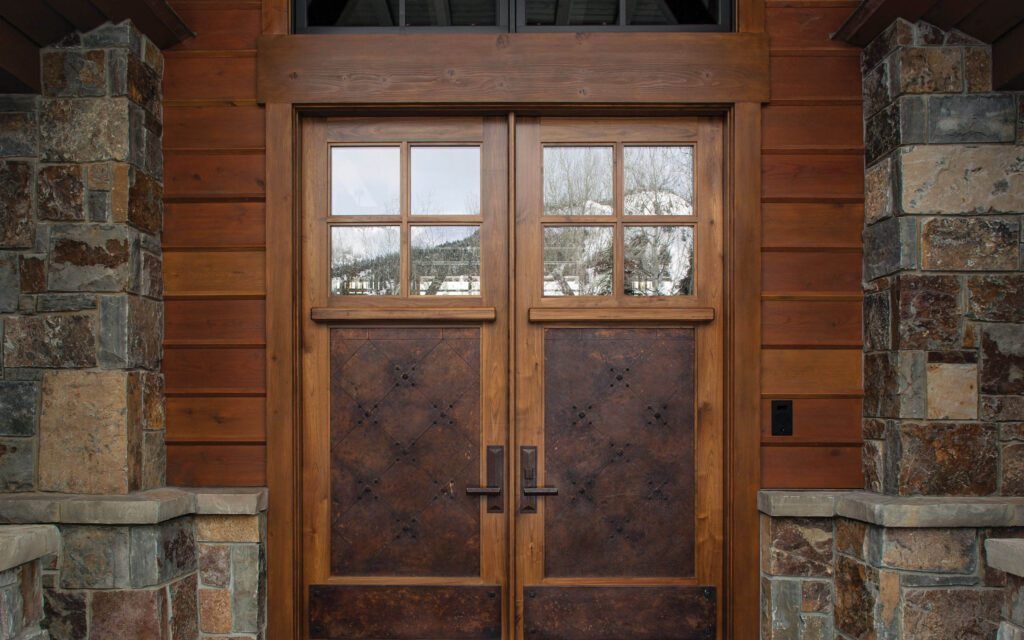
The casing is the trim installed around a doorway to cover the gap between the wall and the door frame. It mainly serves a practical purpose, but also plays a significant architectural role, especially if you choose the right style and pairing.
Door casing defines the outline of an opening, giving it structure, proportion, and visual presence within a room. In classic interior door designs, casing often includes layered profiles, decorative moldings, and detailed corners that add depth.
Modern styles use a simpler approach, with flat boards or minimal reveals, to maintain clean transitions. Casing helps connect other trim elements in the home, such as baseboards and crown molding. These elements should align in scale and design to create a cohesive space.
Door casing also influences how hardware is perceived. You can use a bold casing to support substantial hardware, or a minimal profile to complement restrained, streamlined pieces that do not overpower the opening.
Common Interior Door Trim Styles and Casing Profiles
Interior door trim styles vary from simple flat boards to layered traditional profiles, each influencing proportion, visual weight, and hardware compatibility, as shown below:
Mitered Precision for Classic Lines
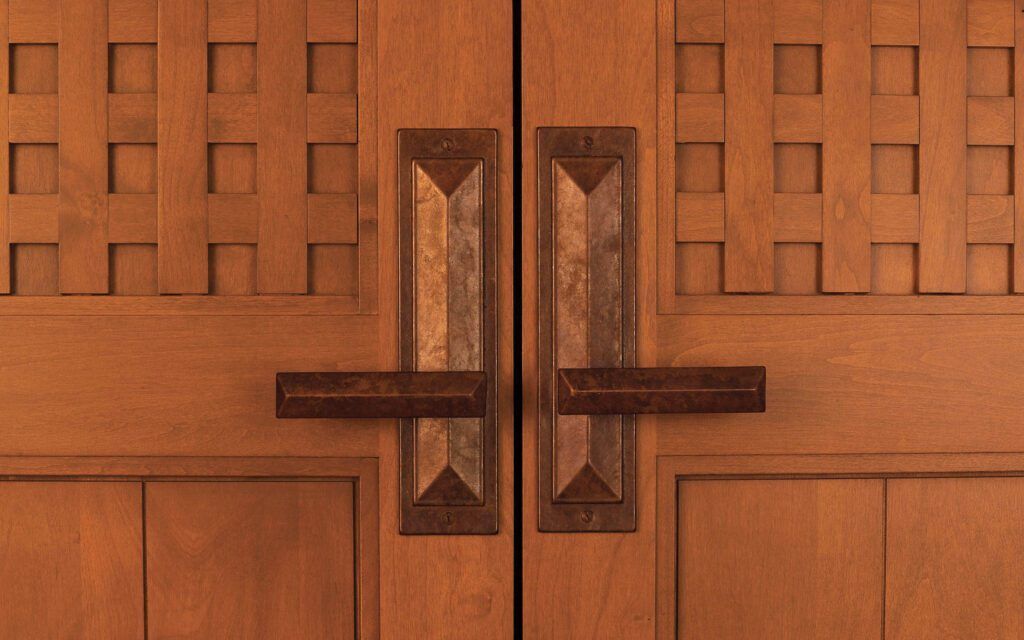
The mitered casing is a recognizable, widely used interior door trim style with corners cut at a 45-degree angle. As such, the pieces meet cleanly and form a continuous frame. This approach creates sharp, precise lines that suit traditional and transitional interiors.
The joints are highly visible, so craftsmanship is critical in these styles—poor alignment or gaps can disrupt the entire look. Tight seams are often used to reinforce a sense of quality, and the casings are ideally used with symmetrical layouts and evenly scaled moldings.
Select door hardware that complements this precision by opting for clean, proportionate knobs or levers that align with the casing’s geometry.
The Structural Butted Joint
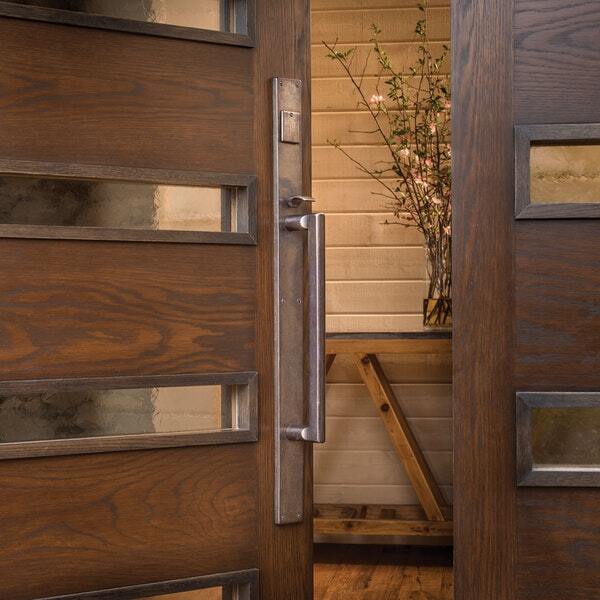
If you prefer a more straightforward, construction-driven approach, butted casing joints are the style to choose. They feature vertical casing pieces that run straight to meet a horizontal head piece, forming a simple, stacked connection instead of angled cuts.
Structure is the emphasis here, although a little ornamentation is encouraged. Structural butted joints are usually associated with craftsman and modern farmhouse styles, where they create a sense of solidity in the construction.
The lines are clear and grounded, resulting in stable and substantial doorways. Material choice naturally becomes the focus because the profile is less decorative. Designers use wood grain, paint finish, and edge detail to define the character, and pair hardware that follows the same logic and clean lines.
Rosettes and Corner Blocks
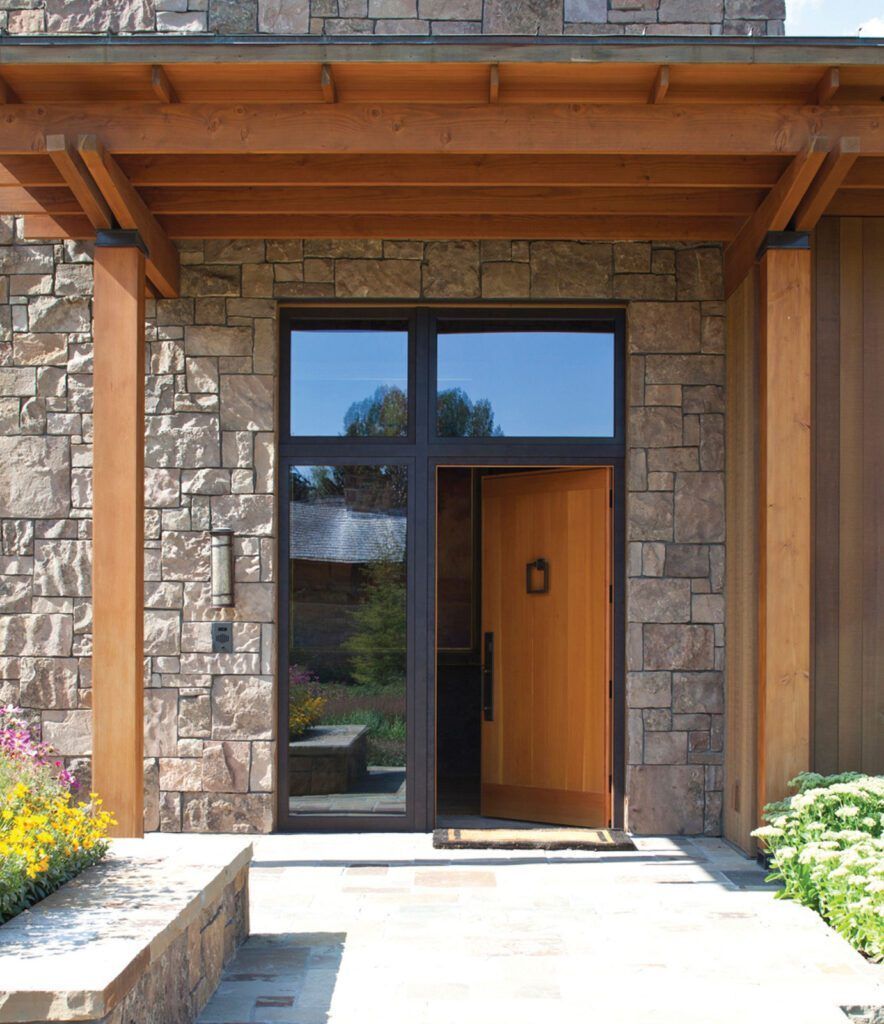
Rosettes and corner blocks are commonly found in traditional and historic interior door trim ideas. They replace mitered joints with decorative square or shaped elements at the top corners of the door casing. Instead of cutting precise angles, vertical and horizontal trim pieces meet these blocks directly, simplifying installation while introducing visual detail.
Layered trim and ornamentation are used to define the architecture in traditional styles. Rosettes may also feature subtle carvings or raised profiles that add depth without overwhelming the doorway. The elements draw attention to the corners, calling for hardware that remains balanced rather than overly ornate.
Select knobs and levers with refined detailing, such as the Bamboo Lever, to maintain cohesion. The casing and hardware should complement each other without competing for focus.
Elevating with Plinth Blocks
Plinth blocks typically sit at the base of the door casing, creating a transition between the vertical trim and the baseboard. You can use them to add visual weight to the bottom of the doorway, grounding the opening and giving it a more finished appearance.
The plinth block can also provide a clean, intentional break if you have taller, more detailed baseboards—they prevent you from forcing mismatched profiles together, improving proportion and alignment. Plinth blocks subtly elevate the entire doorway by making the casing feel more substantial and considered.
Pair them with appropriately scaled hardware to achieve a balanced composition where each element supports the overall architectural structure.
Casing & Hardware Style Matrix
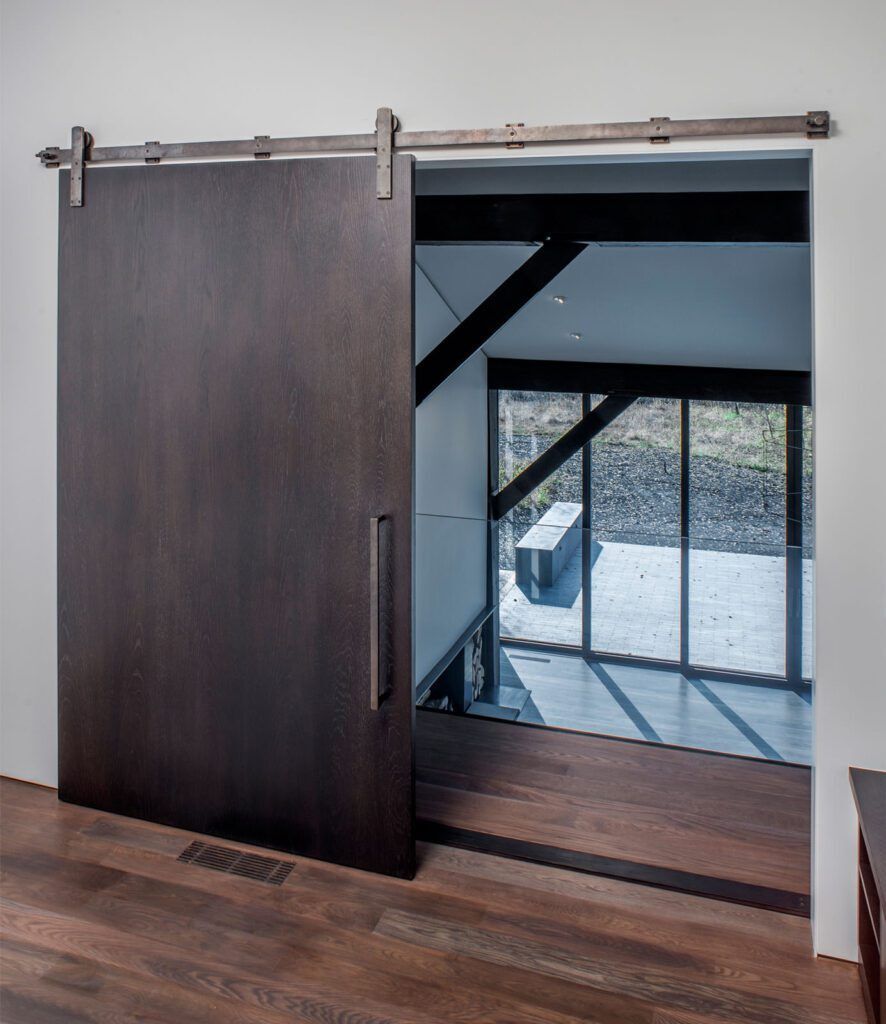
Pairing casing with the right hardware can result in interesting matrices that define an era, personal style, or unique crafts. Achieving desirable outcomes requires aligning form, scale, and finish to maintain cohesion and reinforce the intended architectural language.
Colonial Curves & Symmetry
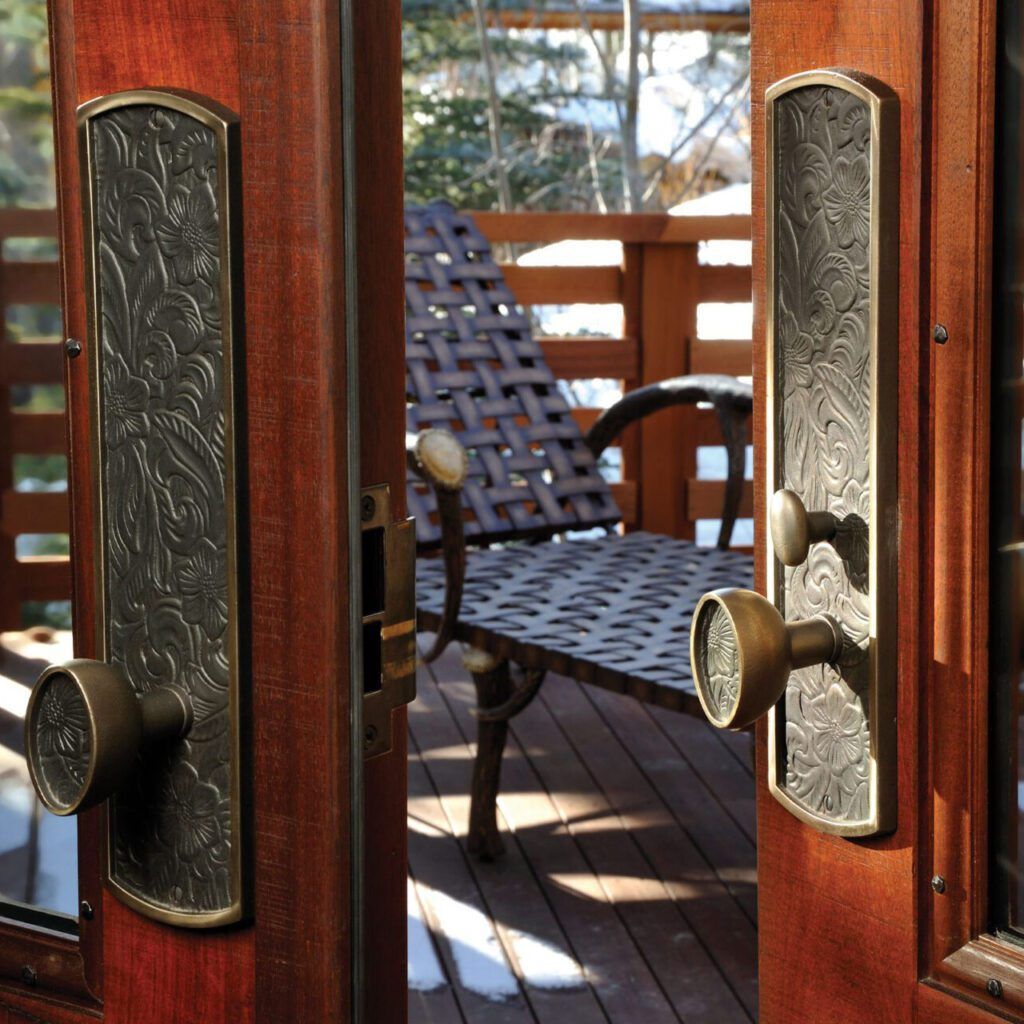
Colonial-style door frame casing features gentle curves, layered moldings, and balanced proportions. The profile often includes ogee edges and stepped detailing to create depth and maintain symmetry. It works well in interiors that prioritize order and consistency.
The casing has refined detailing, which pairs well with hardware that echoes its softness—think rounded knobs, such as the Ball Finial Cap. You can also pair them with subtly contoured levers, like the Baton Lever, and classic backplates that reinforce the traditional aesthetic.
Spacing and alignment are equally important in this matrix. Even reveal lines and consistent trim widths give the casing an intentional feel. Hardware is also centered and proportionate, giving the doorway a cohesive composition.
Craftsman Mass & Solidity
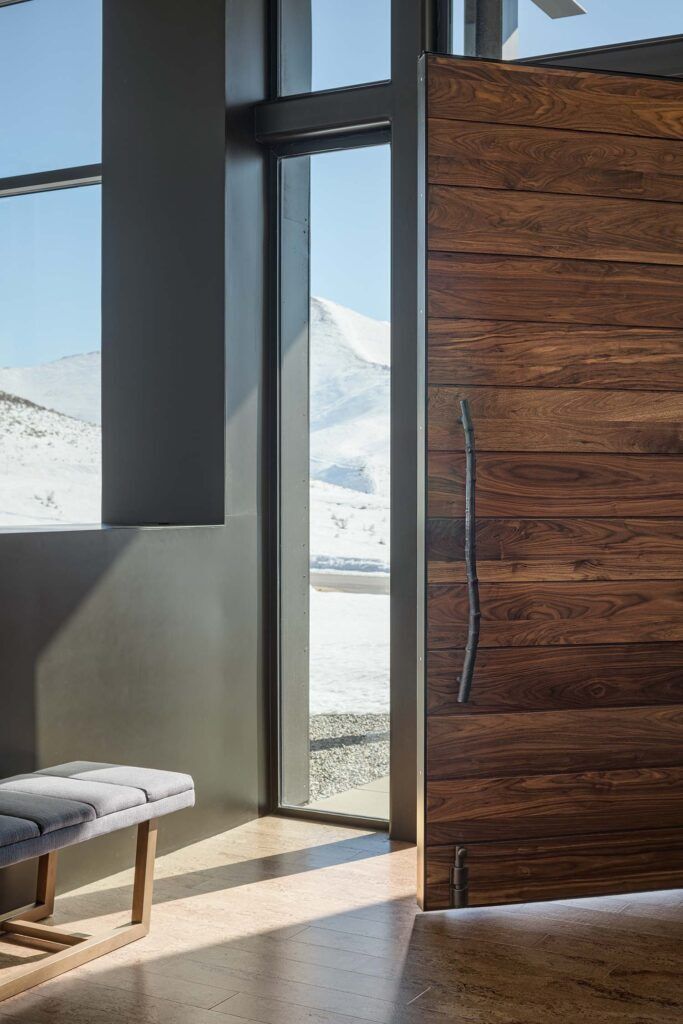
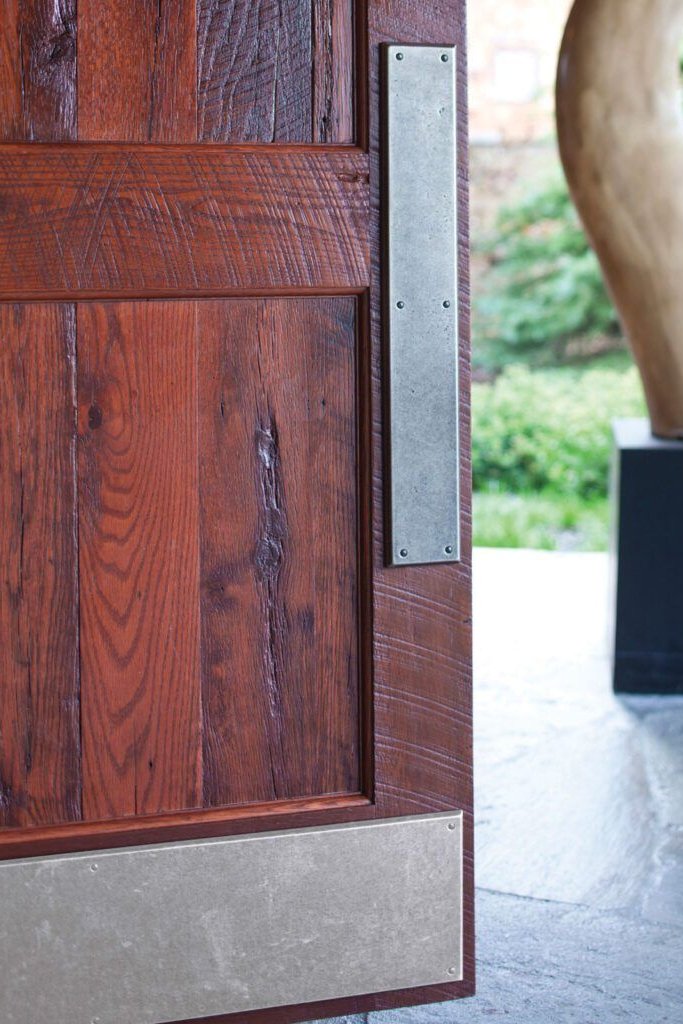
The craftsman casing emphasizes strength with flat-stock trim, square edges, and wider boards, creating a grounded, substantial look. The design moves away from ornate profiles to focus on proportion and material honesty.
Craftsmanship, mass, and solidity often incorporate butted joints and visible structural elements that help reinforce the handcrafted origins. The casing feels deliberate and weighty, making it ideal for interiors that prioritize authenticity and durability.
Hardware is selected to match this presence, with solid knobs, thick levers, and finishes offering depth to complement the casing’s visual weight. Lightweight or overly decorative hardware can feel disconnected, so designers opt for heavier pieces.
Modern Linear Returns
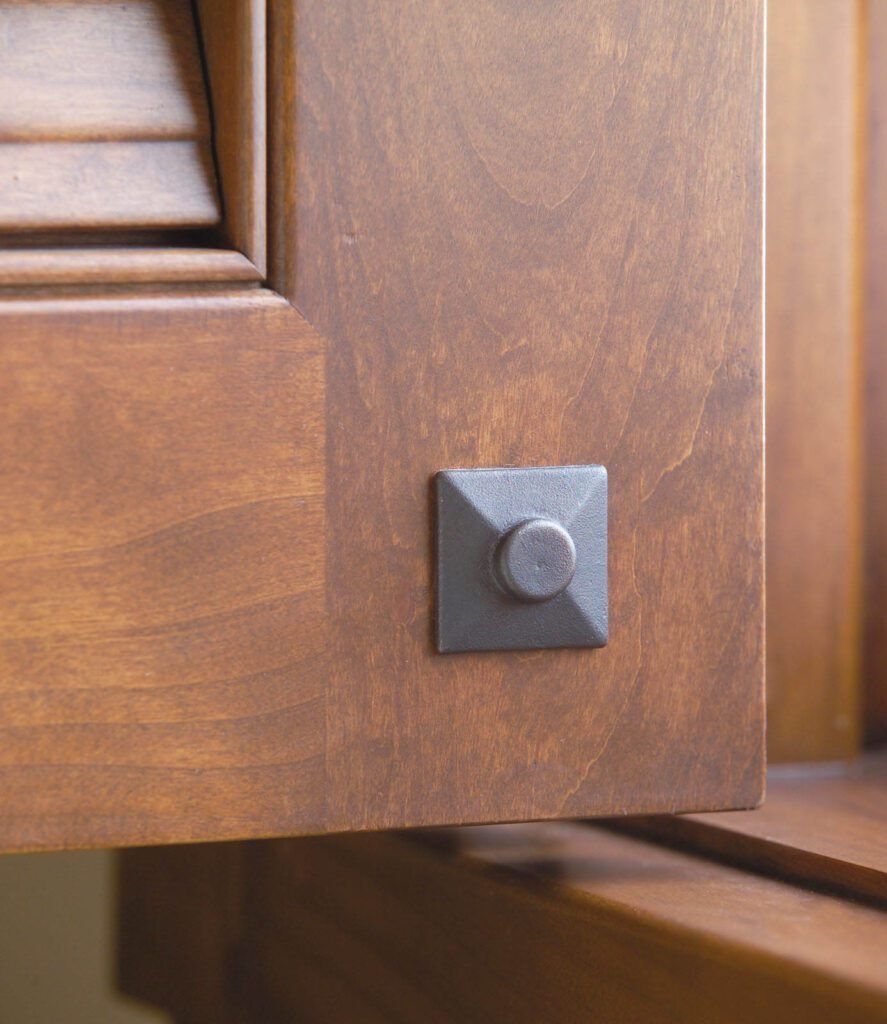
Linear returns in modern door casing styles strip away ornamentation in favor of clean, uninterrupted lines. The minimal profiles and even flush installations create sharp, architectural edges that blend seamlessly into the wall.
Modern linear returns often eliminate traditional trim details, allowing negative space and shadow lines to define the opening. The result is subtle but highly intentional, with every line contributing to the overall composition.
The style is paired with slim levers, low-profile knobs, and minimal backplates that help maintain the design’s visual clarity. Finishes lean matte or subdued, avoiding reflection that could disrupt the clean aesthetic.
Rustic Farmhouse Trim & Casing Pairings
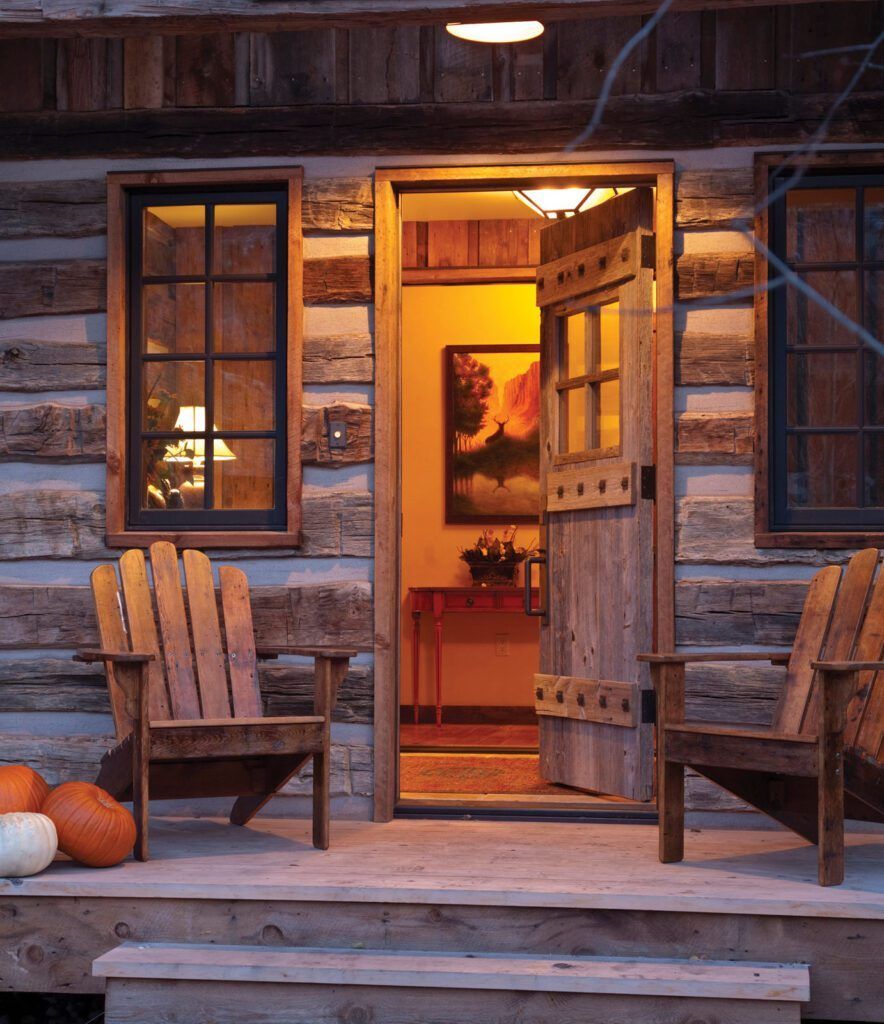
Rustic farmhouse casings blend simplicity with texture. These door trim options have straightforward profiles featuring flat boards or lightly eased edges. However, the material carries character through visible grain, knots, or distressed finishes.
The style draws from traditional construction methods, including butted joints and slightly thicker trim, resulting in an approachable, lived-in feel rather than an overly refined aesthetic. You can pair with warm bronze hardware, such as the Roswell Door Knob. Choose pieces with softened edges and aged finishes that complement the wood’s organic quality.
Layer wider baseboards, simple headers, or understated plinth blocks to reinforce the structure and naturally integrate the casing and hardware within the space.
Proportions: The Anxiety of Scale
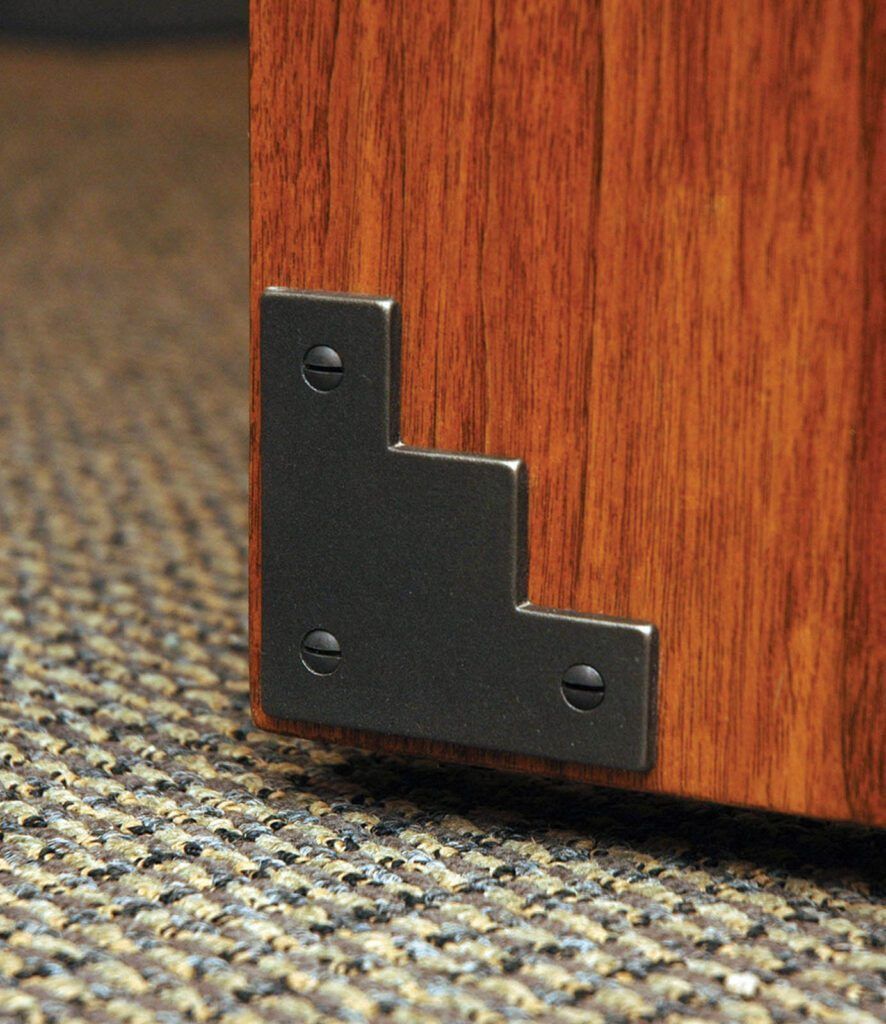
For casing, baseboards, and hardware to feel balanced, the proportions must be correct. Otherwise, the openings may feel underwhelming or overly dominant within the room.
Baseboard to Casing Ratios
The relationship between baseboards and door casing contributes to visual balance. Ideally, the door casing should be slightly narrower than or equal to the baseboard height, allowing the trim elements to transition smoothly without competing with one another.
When baseboards are significantly taller, use plinth blocks to bridge the difference, creating a clean and intentional junction. Maintain consistency throughout the house, avoiding varying ratios that disrupt flow and make spaces feel disconnected.
Hardware should also align with the door casing types and proportions. Larger casing profiles support more substantial hardware, while slimmer trim calls for more restrained pieces to maintain a cohesive and proportional overall design.
Aligning Ceiling Heights
Ceiling height influences how door casing is scaled. Taller ceilings can accommodate wider casing, extended head trim, and layered profiles, elements that visually anchor the doorway without feeling heavy.
In rooms with lower ceilings, slimmer casing profiles maintain openness and prevent the doorway from dominating the wall. Avoid oversized trim in these settings, as they can feel compressed and out of place.
Alignment across openings should feature consistent head heights and trim proportions to create a sense of order throughout the home. You may also use pronounced hardware pieces in taller spaces and compact designs in lower ceilings to preserve balance and visual clarity.
Balancing Bronze Visual Weight
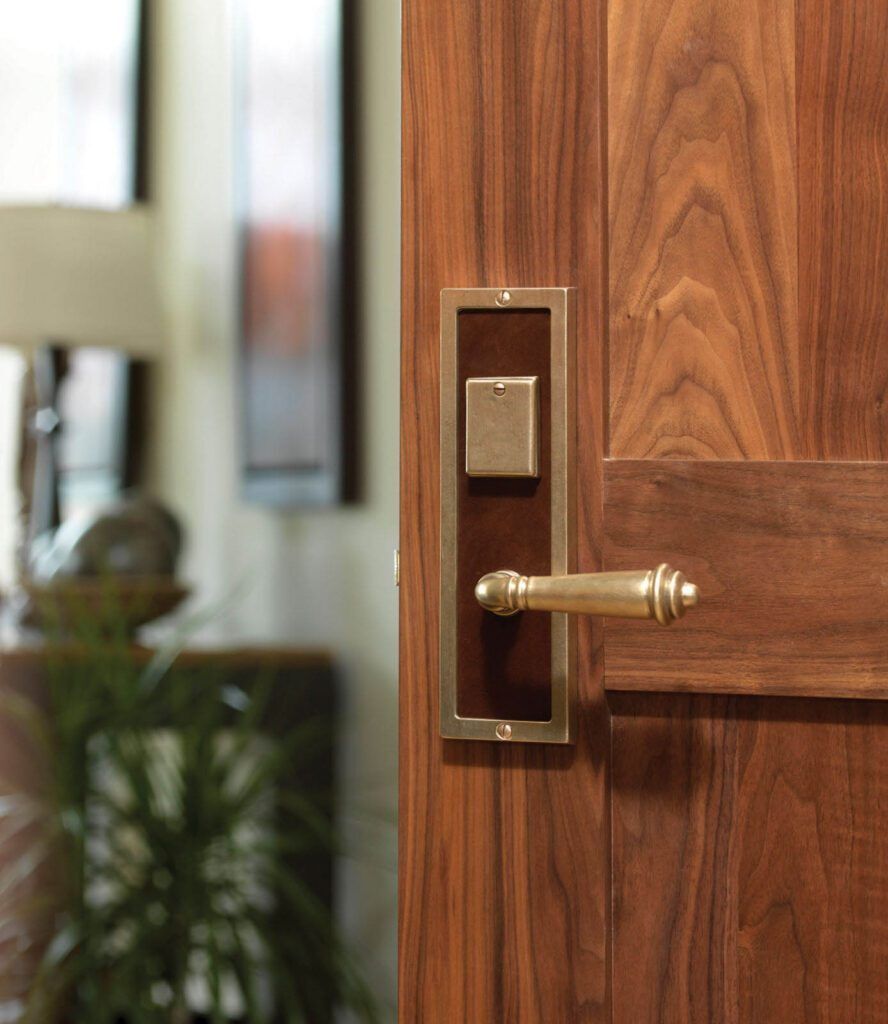
Bronze hardware is often the preferred choice in luxury, timeless, and artisanal interior designs. The material introduces depth, warmth, and visual weight to a doorway, enhancing the overall design. As accents, hardware should be balanced carefully against the casing profile to avoid overpowering the composition.
Heavier casing styles, such as craftsman or layered traditional profiles, naturally support substantial bronze pieces like the Baker Door Knob. In contrast, minimal or modern casing requires more restrained hardware, such as the Braided Grip Handle, to maintain visual balance.
Materiality and Finish Selection
Material and finish options define texture, durability, and visual tone, shaping how casing and hardware age and integrate within the broader architectural composition.
Selecting Patina-Ready Woods
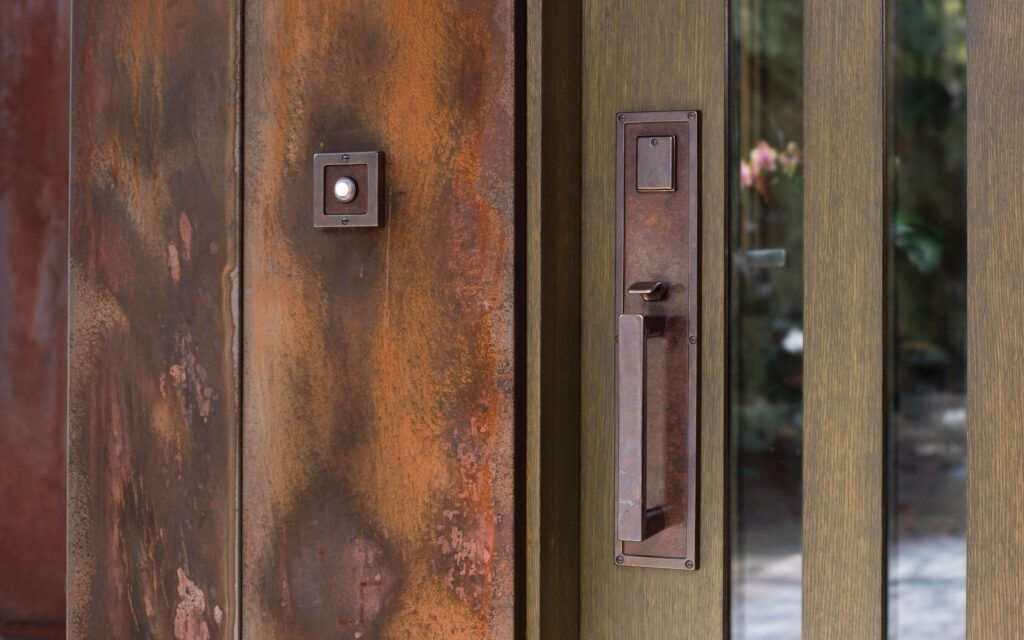
Choosing the right wood for door casing influences the immediate appearance and long-term character of your interiors. Patina-ready woods, such as oak, walnut, and fir, respond naturally to light, touch, and environmental exposure, developing depth over time. These materials introduce subtle variation that enhances the architectural presence of the doorway.
Pair these woods with bronze hardware, such as the Euro Lever, to create a cohesive palette. Bronze evolves gracefully, developing a living patina that reinforces the wood’s warmth and allows the doorway to feel richer with age.
The Living Finish Evolution
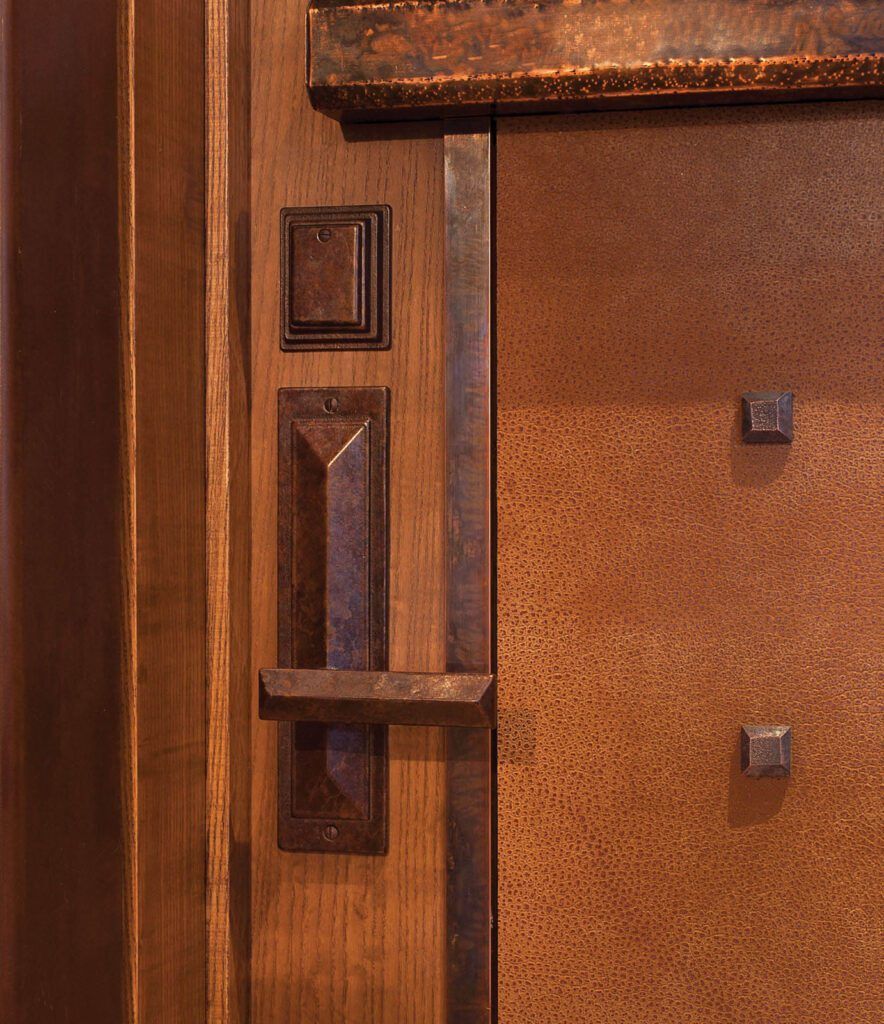
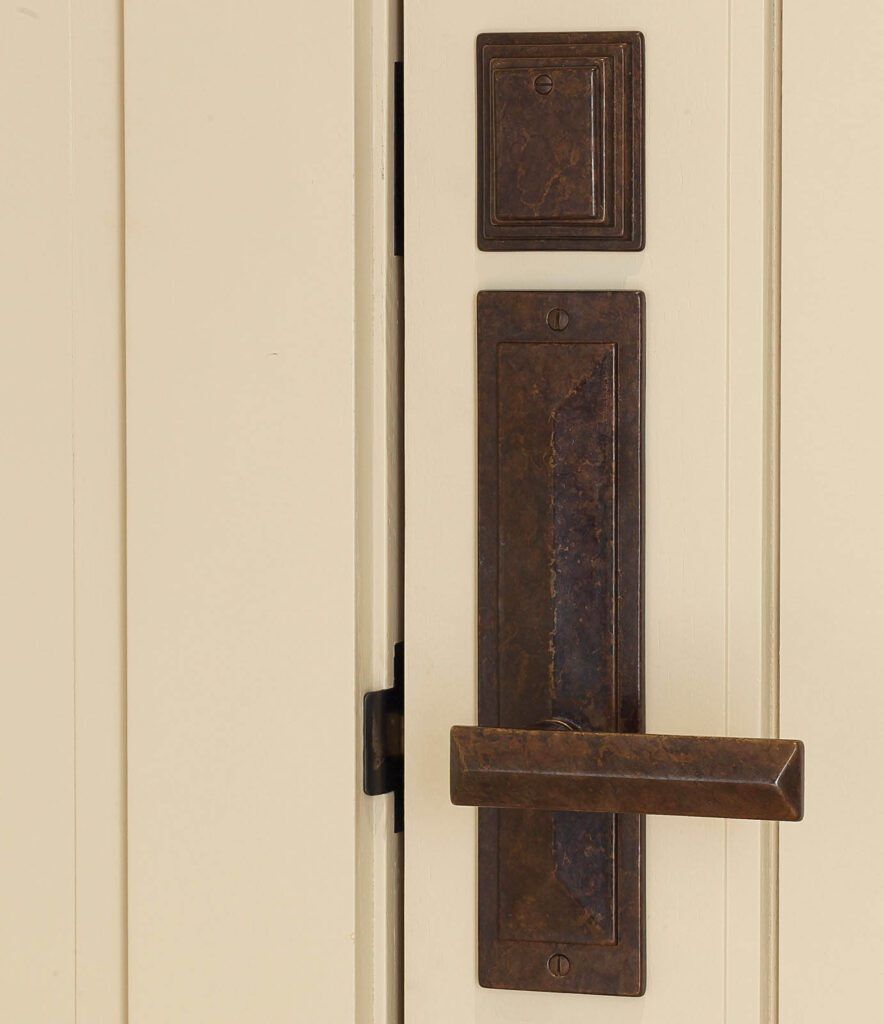
A living finish evolves in response to handling, exposure to air, and environmental conditions. Both exterior and interior door casing styles rely on accent hardware to help unify the design while adding visual weight, texture, and tactility.
Unlike sealed surfaces, living finishes change over time, developing subtle variations that add depth and individuality to your hardware. Bronze is particularly known for this quality. Frequently touched areas become lighter and more polished, while less-used surfaces deepen in tone.
This natural contrast creates a layered, authentic appearance that cannot be artificially replicated. The new finish is also aesthetically pleasing and has low door maintenance requirements, unlike conventional materials that deteriorate and become less appealing over time.
When paired with door casing, a living finish introduces character and movement into the design. Painted or stained trim provides a stable backdrop, allowing the hardware to stand out and evolve naturally.
Paint Grade vs. Stain Grade
Paint-grade trim is typically smoother and more uniform, designed to be finished with opaque coatings that highlight shape rather than material. Stain-grade casing, on the other hand, emphasizes the wood’s natural beauty. Gs, color variation, and texture are central to stain-grade designs and help add depth and warmth.
The choice between the two depends on the overall aesthetic. Painted casing often suits modern or traditional interiors that prioritize clean lines and consistency. Stained casing aligns with styles that celebrate the authenticity of materials.
Exterior Door Casing Considerations
The considerations for exterior door casing cut across durability, visual appeal, and personalization, as discussed below:
Curb Appeal Dynamics
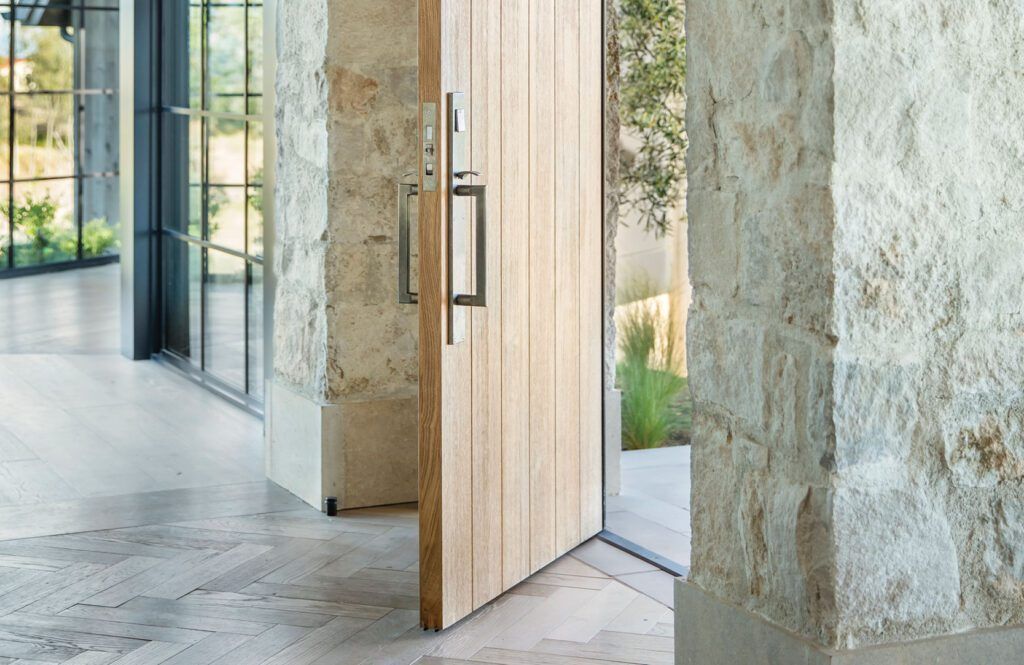
Exterior door casing styles shape first impressions. The casing frames the entryway, drawing attention and establishing the tone for the rest of the home. Well-proportioned casing enhances symmetry and gives the entrance a defined, welcoming presence.
Wider trim, layered profiles, or subtle detailing elevate the facade without overwhelming it. When choosing door casing styles, the focus should remain on aligning them with the home’s architectural style so the casing feels integrated rather than applied.
Color contrast also influences curb appeal. Lighter casing against darker siding, or vice versa, helps define the doorway and create visual interest.
Enduring Weather Conditions
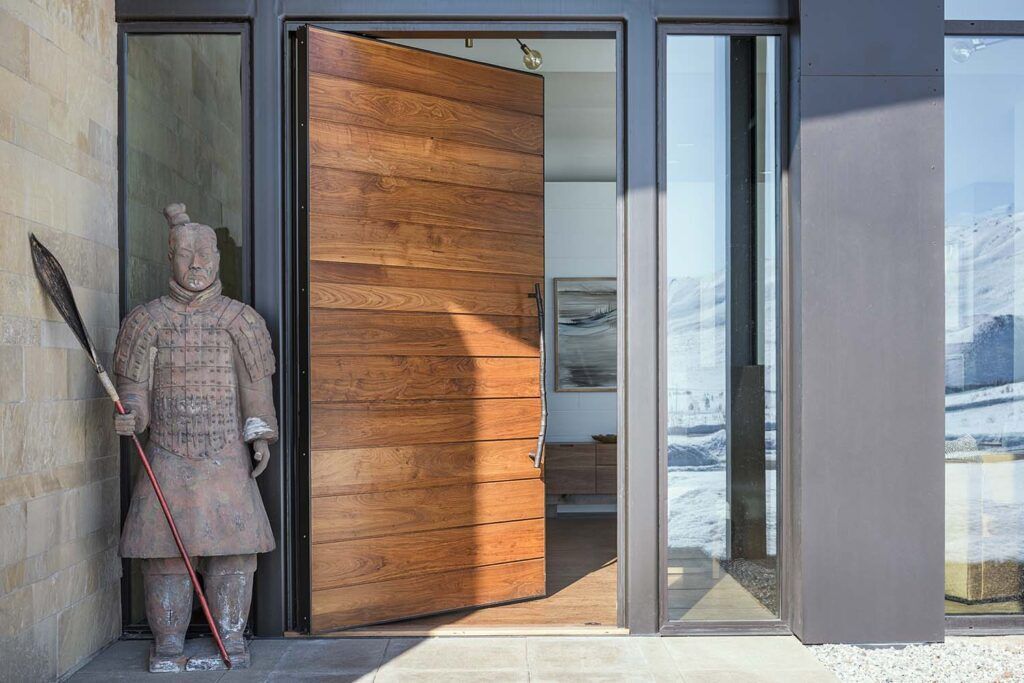
Exterior casing must withstand constant exposure to moisture, sunlight, and temperature changes. Choose materials designed for long-term durability and consistent performance in outdoor settings.
Wood casing should be properly sealed or sourced from naturally resistant species. Composite options may provide stability with less maintenance. Joints and edges should be carefully constructed to prevent water intrusion, which leads to swelling or deterioration over time.
Finish selection also contributes to longevity. Protective coatings help preserve both appearance and structure. Finally, choose high-quality hardware that meets the same durability standards. Corrosion-resistant bronze options are reliable and function even in humid or coastal environments without losing their visual consistency.
Thresholds & Transitions
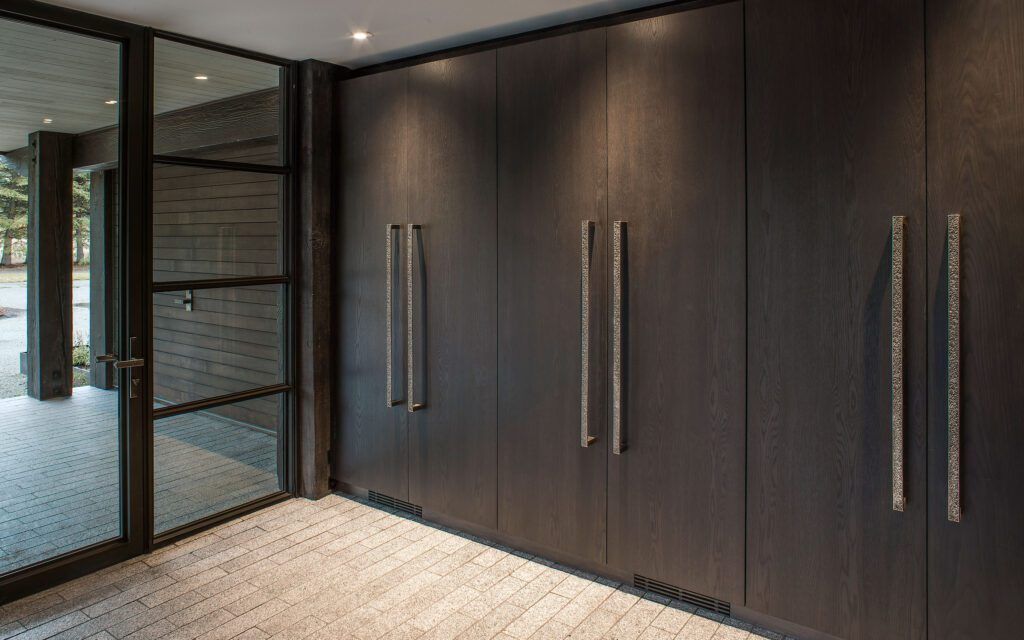
Thresholds must be carefully designed to align with the casing and flooring materials. They define the physical and visual transition between exterior and interior spaces, and protect the base of the doorway—think managing water, air, and temperature differences.
Well-designed thresholds create a seamless transition using material continuity—stone, wood, or metal finishes that complement adjacent surfaces. Avoid abrupt contrasts to maintain a unified entryway. Hardware placement should also complement the doorway with intentional, cohesive units that support continuity.
FAQs About Door Casing Styles
How Do I Match My Door Casing to My Baseboards?
Match the casing width to be slightly narrower than the baseboards, or use plinth blocks to transition. Keep profiles consistent, so trim elements align visually and use a cohesive architectural flow.
Should Door Hardware Match the Casing Style or Contrast It?
Hardware should generally align with casing style for cohesion, but subtle contrast can work. Focus on matching scale and proportion so the elements feel balanced rather than competing.
What Is the Ideal Casing Width for 8-Foot Doors?
For 8-foot doors, casing widths typically range from 3.5 to 5 inches. Taller openings benefit from wider trim to maintain proportion and prevent the doorway from feeling underscaled.
Can I Use Modern Hardware With Traditional Casing?
Yes. Modern hardware can pair with traditional casing. Keep finishes restrained, forms simple, and proportions aligned to maintain the space’s overall architectural balance.
Is Door Casing the Same as Door Trim?
Door casing is a type of door trim specifically framing the opening. Door trim can also include headers, plinth blocks, and decorative elements that enhance or extend the casing design.