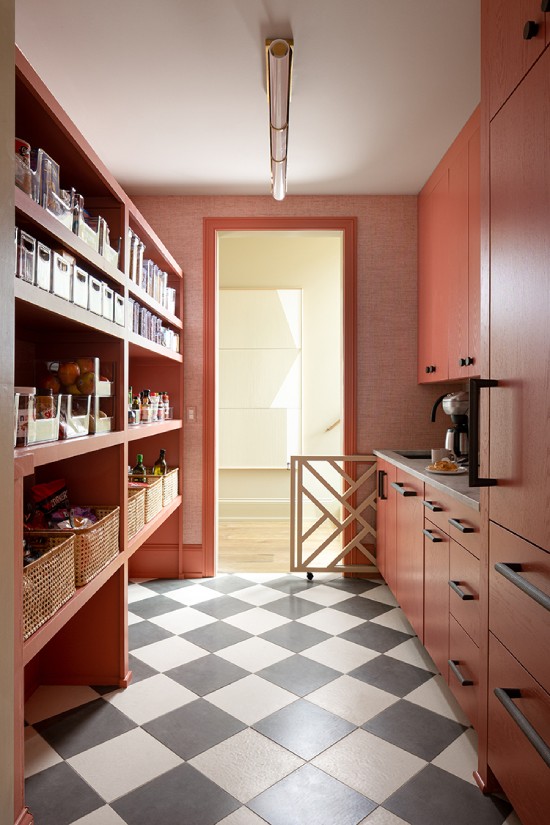
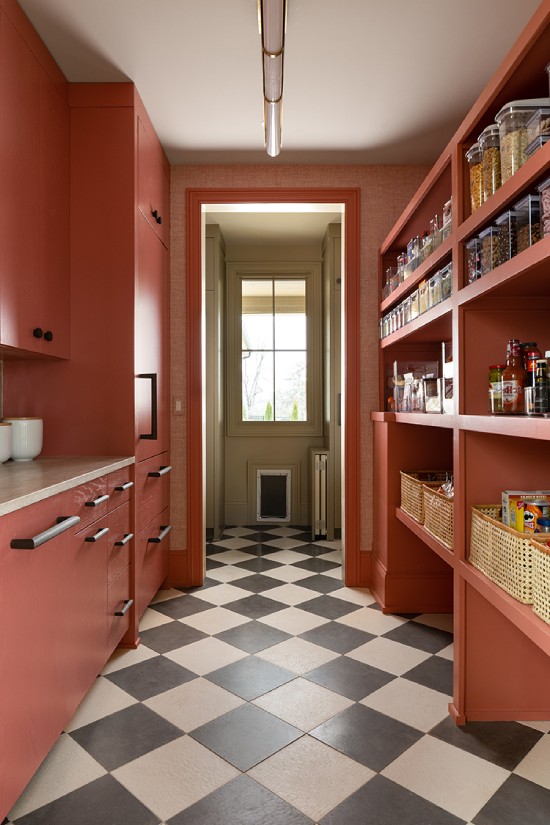
A butler’s pantry is no longer seen as a luxury for wealthy families. Today, anyone seeking extra space for storage, service, or entertaining guests can add this common fixture to their designs. Historically used by staff to store fine china, the butler’s pantry has evolved into a tailored transitional space you can adapt for various needs.
You can use it to store kitchen supplies and small appliances, support daily routines like meal prep, or stage items when entertaining company.
Add this quiet layer of luxury next to your kitchen to elevate the cooking an ddining experience. Include a sink, counter, or custom prep areas. Whether you have a small, compact design or a large walk-in version, pantries will enhance your experience.
This guide explores 15 butlers pantry ideas you can use today to create a functional and stylish zone in your home.
Quick Answer: What Is a Butler’s Pantry?
A butler’s pantry is a transitional space—mostly seen as a secondary service area—between the kitchen and the dining area.
It typically features cabinetry, counter space, and small appliances. You can also add an elegant kitchen sink that serves as a statement piece while supporting quick cleaning and service.
Unlike standard pantries, the modern butlers pantry is designed to keep items out of sight while supporting daily kitchen workflow and guest entertainment.
Butler’s Pantry vs. Walk-In Pantry
Both a butler’s pantry and a walk-in pantry provide storage for kitchenware, but they serve distinct roles. A butler’s pantry focuses on function and presentation, supporting food preparation, beverage service, and dish storage.
Butler’s pantries feature finished cabinetry, countertops, and decorative hardware, and sit closer to entertaining spaces, which makes the design important. The space feels more intentional, like a refined extension of the kitchen.
Walk-in pantries prioritize bulk food storage and efficiency, often hidden behind closed doors. Lighting, materials, and layouts are chosen for their utilitarian value above all else. The space is more like a practical storage closet.
Planning Your Layout: Ideas for Flow and Function
The layout determines how you’ll use your pantry, and should be customized to support your intended utility. Compare these unique ideas for flow and function optimization:
1. The Walk-Through: Connecting Kitchen and Dining
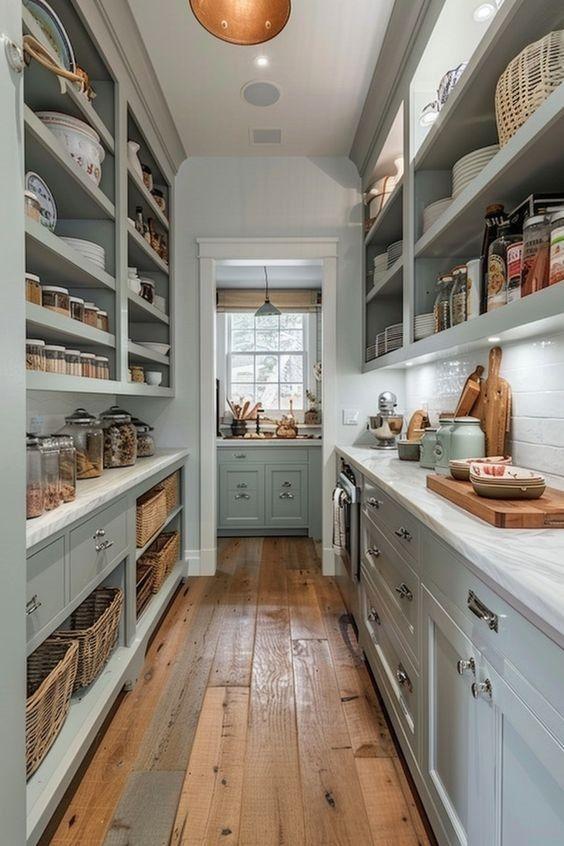
If you want a natural transition between your kitchen and dining room, choose the walk-through butlers pantry. The design improves circulation during use and works best when you plan to have the pantry act as a service corridor.
Food, drinks, and dishes can move efficiently without crossing primary cooking zones. Add counter space along one or both walls to support plating and staging. Upper cabinetry can offer storage for glassware.
Frequent movement through this zone calls for visual cohesion, so choose cabinet hardware and lighting that complement the overall palette and flow into adjacent rooms. Use thoughtful spacing to prevent bottlenecks.
2. The Destination Pantry: Tucked Away Luxury
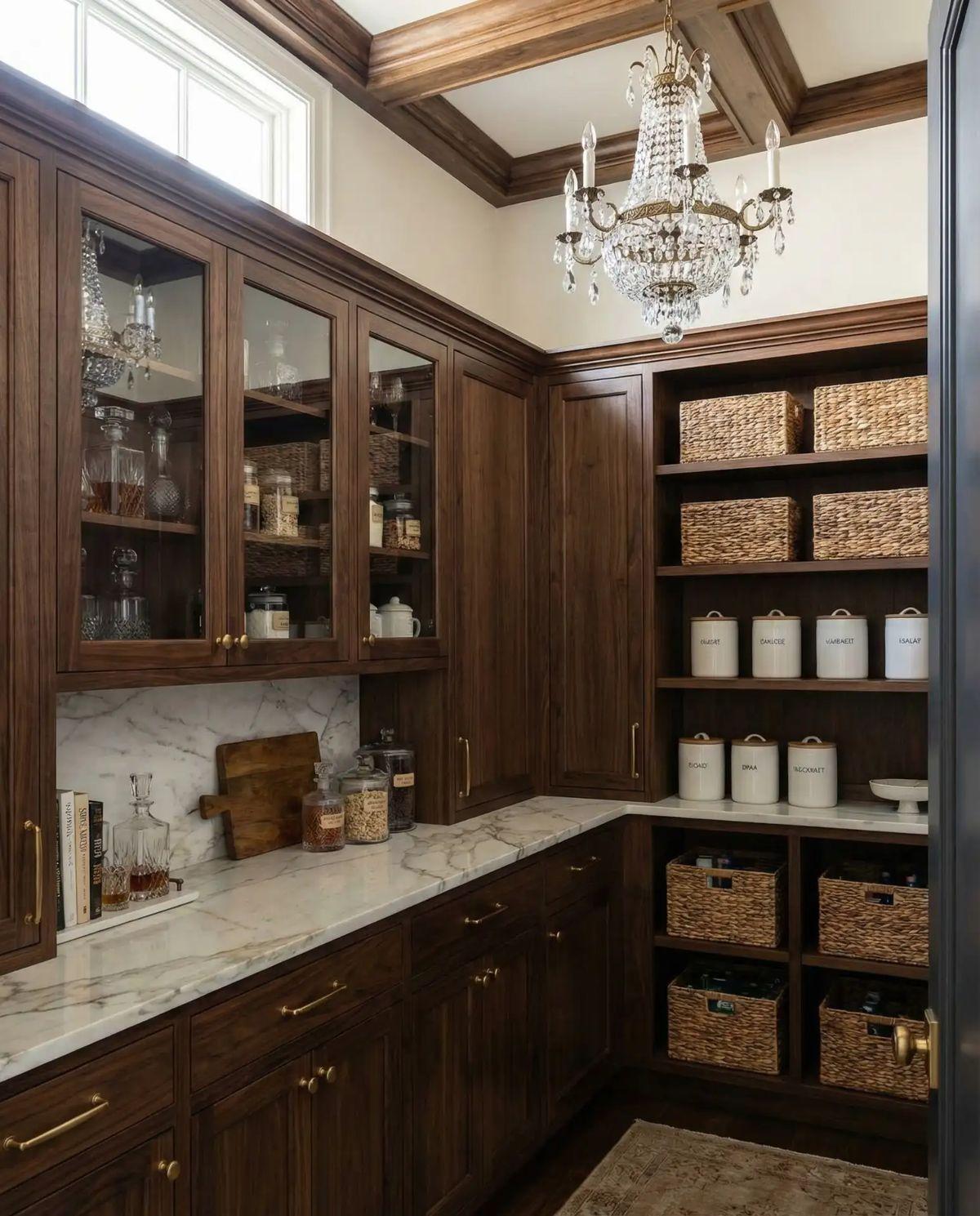
Instead of a passageway, the destination pantry offers a discreet retreat tucked behind the kitchen or off a hallway. This layout is ideal if you prefer privacy, storage depth, and extended functionality.
Use it for frequent entertaining or as a dedicated space for meal prep, cleanup, and specialty appliances. With limited foot traffic, cabinetry can be more expressive, featuring taller storage and deeper counters.
Integrate beverage coolers and other kitchen appliances, and use layered lighting or rich, bold materials that may not work in an open kitchen. Destination pantries are highly functional workspaces that can support the main kitchen while maintaining a sense of quiet luxury.
Key Dimensions for Cabinetry and Appliance Clearance
To keep your butler’s pantry comfortable and efficient, you need proper dimensions for cabinetry and appliance clearance. A general rule of thumb is to have a minimum aisle width of 42 inches for safe movement and appliance access.
If multiple users are expected, extend the aisle to 48 inches. Counter depths can mirror kitchen standards at 24 inches, although deeper surfaces are ideal for small appliances and serving trays. Mount upper cabinetry high enough to prevent visual crowding in narrow layouts.
Provide clear swing space for appliance doors, dishwasher panels, and refrigerator drawers to prevent congestion. Maintain sufficient vertical clearance when integrating wall-mounted shelves and sconces to avoid a cramped feel in the pantry. Allow each element, from cabinetry to hardware, to stand out and function smoothly in a balanced layout.
Design Ideas by Aesthetic
A butlers pantry design can reflect various aesthetic styles, such as modern, traditional, rustic, cottage, and more, as shown below:
3. Modern: Sleek Lines and Minimalist Bronze Details
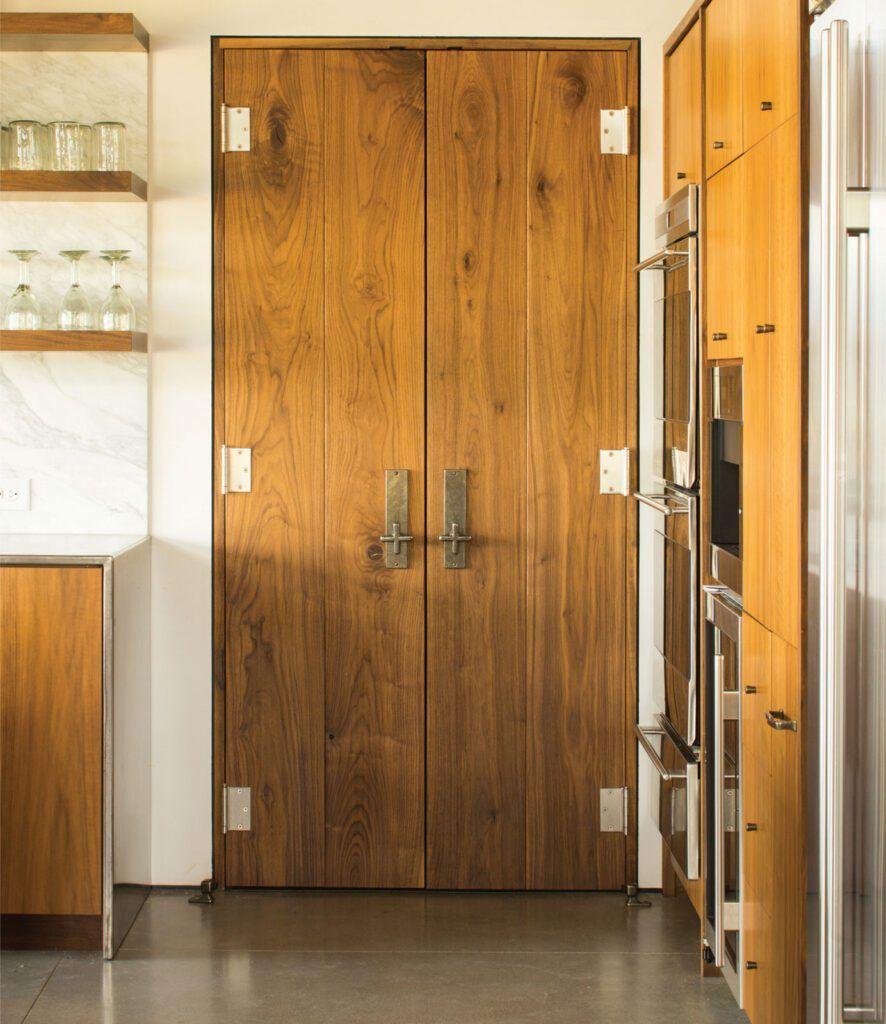
The modern butlers pantry favors clean lines, uninterrupted surfaces, and restraint. Flat-panel cabinetry and integrated storage help create a calm architectural feel.
Hardware is used deliberately as an accent rather than a focal point, with slim bronze pulls or low-profile latches introducing warmth without breaking the sleek lines. Popular cabinet hardware trends use darker bronze finishes to ground pale cabinetry, while lighter shades add subtle contrast to deep, matte surfaces.
Open shelving should be used sparingly and aligned precisely to maintain straight lines. Lighting is often indirect, with under-cabinet or concealed fixtures reinforcing the minimalist approach. Each design element occupies a unique space, allowing it to blend in without competing.
4. Traditional: Timeless Elegance and Old-World Charm
Traditional butler’s pantries use classic proportions and layered detailing. Raised-panel cabinetry, furniture-style islands, and framed glass doors establish the level of craftsmanship.
The design creates a sense of permanence, and the hardware plays a central role, allowing you to use substantial knobs, decorative backplates, and detailed cabinet latches. Since the goal is to reinforce the historical character and offer tactile richness, designers use premium-quality hardware. Finishes are also selected to offer depth and variation, echoing the natural aging found in older homes.
Symmetry is used to balance cabinetry layouts and evenly space fixtures, enhancing visual harmony. Lighting can be warmer and more visible, with small pendants or sconces popular choices in these designs. The pantry feels refined and enduring, designed to complement formal dining spaces while remaining highly functional.
5. Rustic Luxury: Organic Textures and Patina
The rustic luxury approach in a butlers pantry design is all about blending raw, natural materials with refined execution. Wood cabinetry may feature visible grain, while stone or textured countertops add depth and tactile experience.
Finishes are chosen to celebrate the imperfection, and bronze hardware with living patinas offer the perfect fit for this vintage aesthetic. Bronze naturally develops character over time rather than remaining uniform, making it ideal for high-end, hand-forged pulls, exposed hinges, and shelf brackets. They add a sense of authenticity and visual weight.
Open shelving is common, allowing fine chinaware and other materials to be seen and appreciated, while deeper counters cover daily use. Lighting is softer and more ethereal, used to enhance texture rather than brightness. The goal is balance, where craftsmanship and natural materials work together to create warm, grounded, luxurious pantries.
6. Cottage & French Country Styles
Comfort and charm are the highlights of a cottage or French country butler’s pantry. These pantries prioritize subtle detail, with cabinetry often featuring inset doors, soft paint tones, and lightly distressed finishes that feel lived-in rather than formal.
Glass-front uppers or open shelves keep the space airy, which is ideal for smaller layouts. Metal hardware with traditional forms, such as knobs, bin pulls, and simple latches, adds warmth without overpowering the design. They also pair well with wood counters, patterned backsplashes, and stone surfaces.
Proportions are kept modest, focusing on practicality over grandeur, while lighting is gentle and welcoming. Small sconces and shaded fixtures are the go-to choice for their low-profile hues. Cottage pantries feel personal and inviting, and are known for their relaxed, timeless aesthetic.
Compact Butler’s Pantry Ideas for Small Spaces
A luxury butler’s pantry doesn’t have to be a large room. Here are some small butlers pantry ideas to elevate your space and make it feel larger than it is:
7: Vertical Storage and Bronze Shelf Brackets
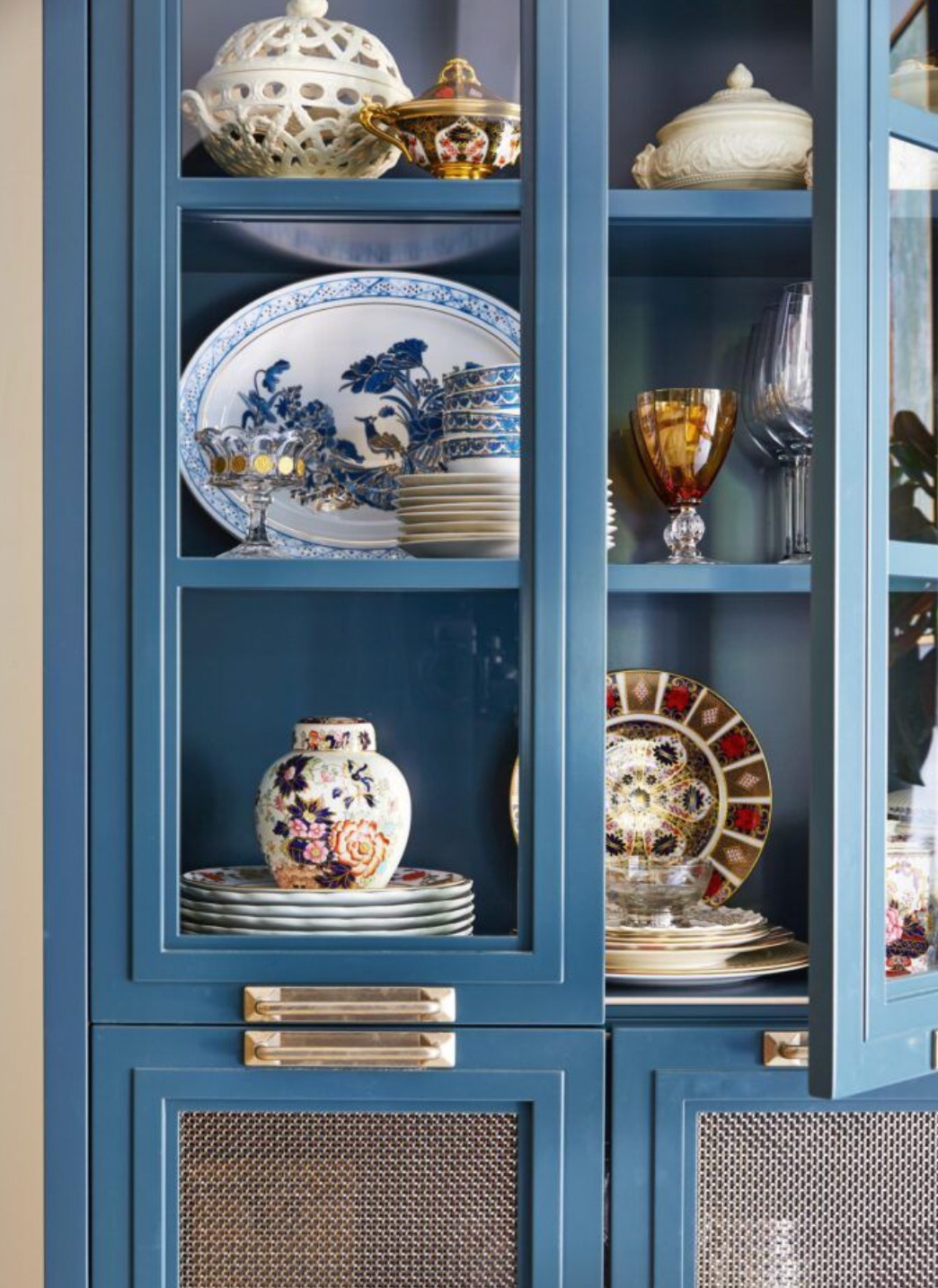
Vertical space is valuable in compact butler’s pantries, as it allows you to maximize cabinetry storage and open shelving. Use floor-to-ceiling designs that draw the eye upward, creating the illusion of height. Open shelves can hold frequently used items, keeping counters clean and free of visual clutter. Space the shelves carefully so they don’t feel overcrowded.
Use bronze shelf brackets to add structure and character, turning their functional design into an aesthetic feature and drawing the eye. Their warmth contrasts beautifully with plaster walls and painted cabinetry, making small spaces feel intentional.
Bronze is also sturdy, so every inch offers structural support while contributing to a cohesive, elevated look. Use subtle lighting and layering to give narrow pantries depth and create a layered effect.
8: Hidden Pantries and Hallway Conversions
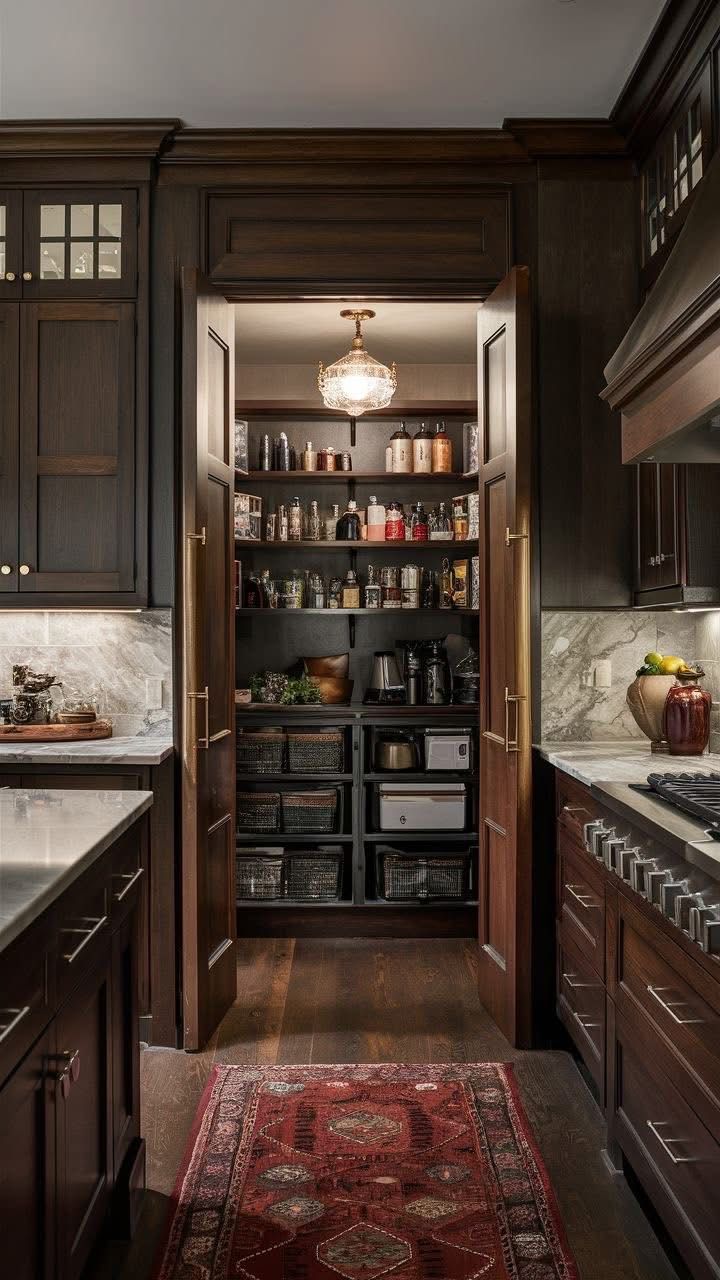
Hidden designs and hallway conversions are top small butlers pantry ideas for homes with limited square footage. These designs repurpose hallways, alcoves, and underused nooks to add functionality without disrupting main living layouts.
Flush cabinetry and discrete hardware allow the pantry to blend seamlessly into surrounding walls when not in use. Inside, the pantry is fitted with shallow counters, compact appliances, and tailored storage.
Thoughtful hardware can introduce depth and tactility, preventing the space from feeling purely utilitarian. Practical lighting is used to support illumination and aesthetics, especially in windowless conversions.
The design should be optimized for efficient workflow to support comfort and usability. Each shelf, cabinet, and design element should feel intentional and play a distinct purpose to maximize space.
9: Compact Opulence: Using Rich Materials in Tight Layouts
Small butler’s pantries can benefit from deliberate material choices and confident, focused finishes. Rather than mimicking larger spaces with soft, neutral tones, use rich cabinetry colors, stone counters, and textured wall treatments to add depth without increasing visual noise.
Bold textures and colors help reduce the need for extra items that clutter your space. Fewer elements, executed well, create a sense of controlled opulence that reduces crowding. However, limit the palette to keep the space cohesive.
Use subtle contrasts to add variation, and bronze or aged-metal hardware to elevate simple forms with warmth and craftsmanship. Aim to make every surface noticeable, using high-quality materials and precise detailing for a refined look.
Functional Zones: Sinks, Coffee, and Wine
Pantry functional zones can act as statement pieces or offer practical spaces for morning routines and guest entertainment. Add a wet bar, integrate wine storage and cooling, or set aside an area for your coffee.
10. The Wet Bar: Faucets and Sinks as Statement Pieces
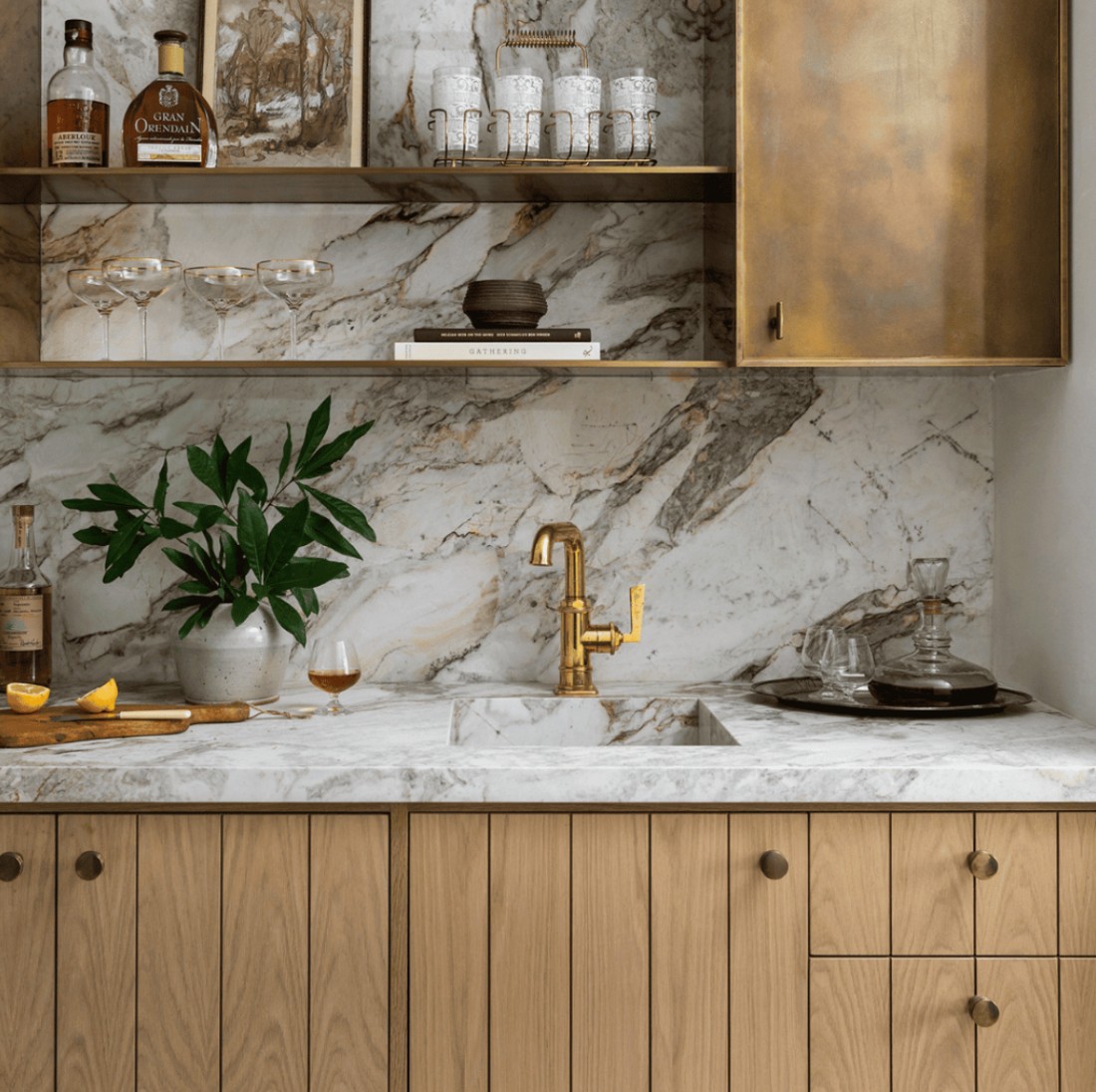
With the right wet bar design, you can transform your butler’s pantry from a simple storage space into a fully functional service space. It features a sink that supports discreet cleanup, drink preparation, and quick rinsing without returning to the main kitchen.
In compact spaces, the sink and faucet can stand out as the focal points of the room. Choose high-quality bronze faucets and fixtures to introduce warmth and sophistication. Pair with stone or wood surfaces to enhance durability and a natural, timeless aesthetic.
Use undermount or integrated sinks to achieve clean lines in modern kitchens, and deeper basins for increased usability. Plan the spacing around the sink to improve your butlers pantry organization and maintain comfort during use, especially when entertaining.
Add thoughtful, functional lighting that supports your task while highlighting the surfaces and metal finishes. The choices should be practical and efficient to reinforce the pantry’s high-end role.
11. The Morning Ritual: Designing a Coffee Station
A dedicated coffee station adds daily value to your butler’s pantry, keeping morning routines efficient and organized. The station houses coffee makers, grinders, and accessories in one zone, making them easily accessible for a streamlined workflow. It also reduces clutter.
Use lower cabinets to conceal equipment and upper shelving to hold mugs and essentials. Install durable counters that can withstand frequent use. Add sturdy metal hardware and finishes that introduce warmth and continuity, blending the station with the broader design.
Plan the electrical installation carefully, including discrete outlets that are easily accessible. Add task lighting to provide clarity without harshness. The coffee station should feel like a refined, planned-out integration rather than an afterthought.
12. Integrated Wine Storage and Cooling
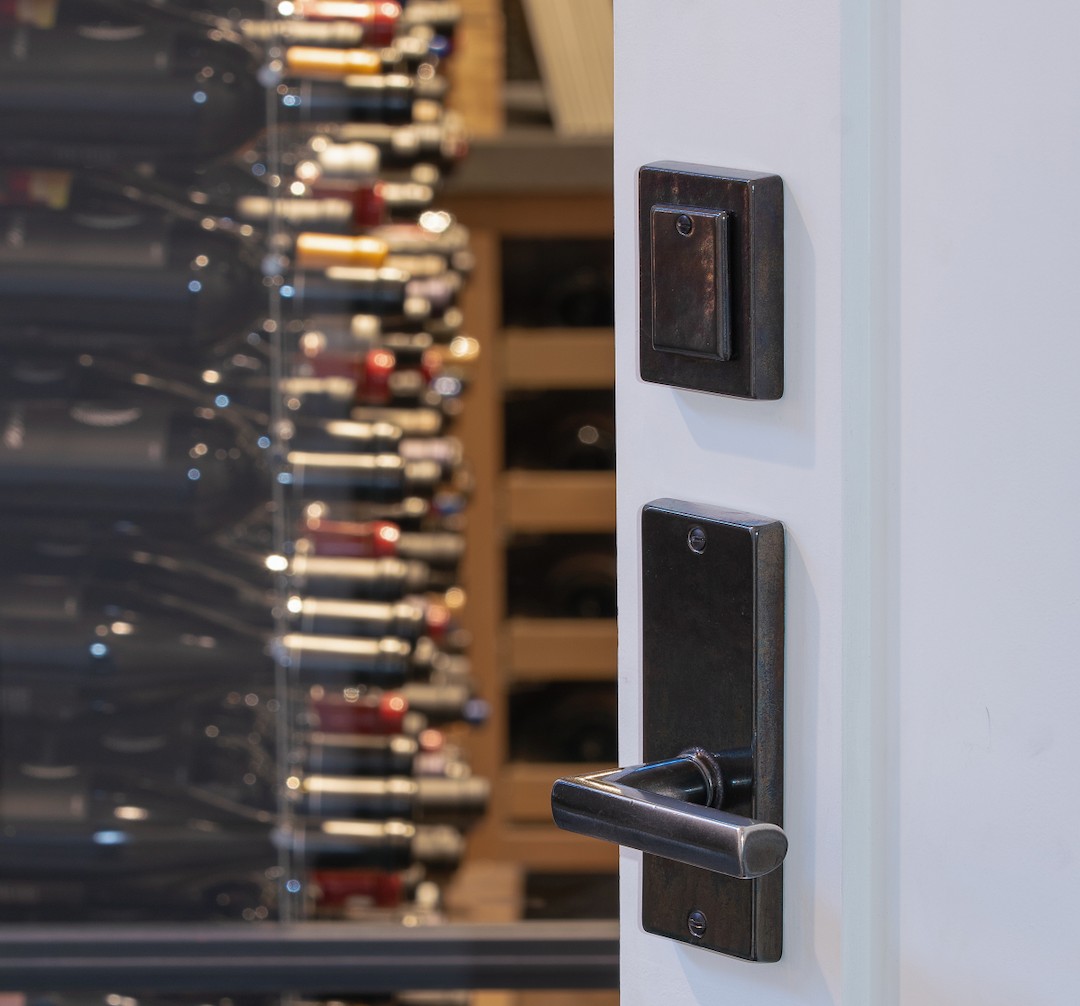
One thoughtful butlers pantry organization idea is to integrate wine storage within your design. Use built-in racks and temperature-controlled drawers, or compact wine refrigerators, to store bottles without taking up too much space.
Position the wine zones away from heat-producing appliances to preserve quality and longevity. Use custom cabinetry to display select bottles and keep others concealed. Add proper lighting to enhance visibility, avoiding direct heat exposure. You can use soft-glow accent lights and LEDs to avoid direct heat exposure.
Aged metal hardware also adds weight and visual cohesion, especially when paired with darker finishes and wood tones. Keep the overall design elegant and functional, supporting entertainment while maintaining a clean, composed aesthetic.
The Jewelry of the Room: Hardware & Lighting
Hardware doesn’t only provide structure in brackets and functionality in knobs and pulls—it adds significant visual weight and character. Lighting also plays multiple roles, providing illumination while enhancing space aesthetics and ambiance.
13. Selecting the Right Finish: The Beauty of Living Bronze
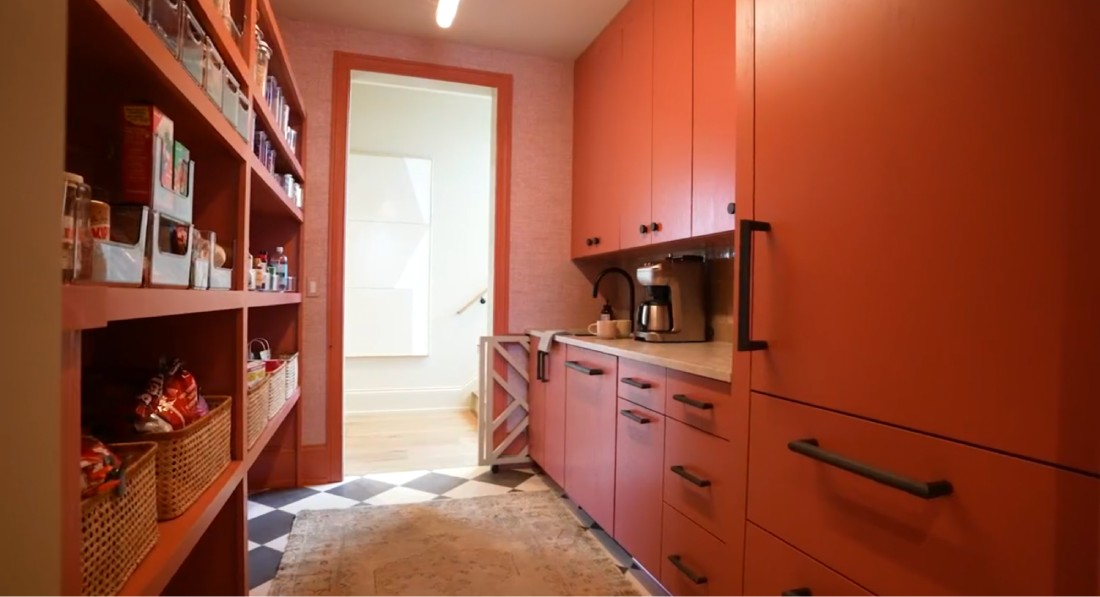
One of the defining highlights of luxury butlers pantry ideas is the finish options used across the space. Hardware finishes can add depth and character, instantly distinguishing pantries in their first impression.
Living bronze is the high-end pick for most luxury pantries because of its surface evolution over time. It develops subtle variations that reflect use and environment—this natural aging adds character, not wear.
Bronze hardware is ideal for secondary spaces with frequent touchpoints, such as handles and door knobs, and pairs with a range of materials, from painted cabinetry to stone and wood. It doesn’t necessarily feel trendy.
Instead, bronze is timeless and dynamic, blending into all designs and tying palettes through cohesion. It softens rigid layouts by bringing warmth to refined designs, resulting in authentic styles that feel grounded, tactile, and intentionally crafted.
14. Cabinet Latches, Cremone Bolts, and Decorative Hinges
Decorative hardware elevates your butler’s pantry by turning functional components into visual details that draw the eye. For butlers pantry walk-in pantry ideas, stick to slim, minimalist designs that allow quick functionality and blend in with the flowing interior design between the kitchen and dining.
For destination pantries, use more ornamental designs that stand out. Use cabinet latches and cremone bolts to introduce a sense of tradition and mechanical interest on tall cabinets and integrated appliance panels.
Install exposed decorative hinges that reinforce craftsmanship and add rhythm across cabinetry runs. Bronze cabinet hardware can add presence while blending into the design. Scale the hardware properly, avoiding oversized items that may feel heavy in smaller pantries. Create cohesion with finishes that complement each other or repeat across certain hardware.
15. Statement Lighting: Sconces and Pendants to Set the Mood
Lighting shapes how you experience your pantry, so choose fixtures carefully to enhance the space. Use statement lighting fixtures to provide function and atmosphere, especially if your pantry has little or no natural light.
You can use pendants to define specific zones, such as prep areas or wet bars. Add wall sconces for depth and warmth, or use them to highlight cabinetry and hardware. Select fixtures with unique hues that help set the mood or enhance the look of pantry surfaces and finishes.
Use dimmable fixtures to adjust lighting and set the right ambiance. Layer ambient and task lighting to keep the space practical throughout the day. Optimize placement to prevent shadows and glare, maintaining comfort during use. The fixtures can be bold, artistic, and ornamental, or sleek and modern, depending on the design you’ve established.
FAQs About Designing a Butler’s Pantry
What Is the Best Location for a Butler’s Pantry?
While butlers pantry ideas exist for various locations, the ideal placement is between the kitchen and the dining area. You can have your just off the kitchen to allow efficient service, discreet prep, and easy access during daily use.
Does a Butler’s Pantry Add Value to a Home?
Yes. If you design it well, a butler’s pantry can increase functional storage, improve kitchen flow, and add perceived luxury. These aspects appeal to buyers seeking refined, high-end details and layouts, and increase your home’s value.
Can I Include a Second Dishwasher or Oven?
Yes. Whether you have a destination or walk-through butlers pantry, you can add a secondary dishwasher or oven to improve entertaining efficiency and reduce kitchen congestion. This is particularly ideal if you host frequent gatherings.
How Do I Choose Hardware That Complements My Kitchen?
Start with the right finish and form. Look for finishes that echo the kitchen without being exact matches. They should be complementary tones. Hardware should also be scaled properly and of the same material to support continuity and cohesion.