Bifold doors require hardware that supports movement while maintaining design clarity and aesthetics. Unlike standard hinged doors that swing, bifold doors fold, stack, and glide along tracks, changing how handles are selected and positioned.
The right handle must accommodate tight clearances, repeated use, and varying door weights without disrupting the overall aesthetic—think exposed hinges and sleek levers, such as the Baton Lever.
Handle selection influences how the doors are perceived in your space, with minimal-profile handles, such as the 9-inch D-Grip, supporting clean architectural lines. More pronounced forms, like the 37-inch Branch Grip, help introduce contrast and can reinforce traditional detailing. The goal is to maintain usability without compromising visual intent.
This guide explores the best handles for bifold doors, with a focus on performance, proportion, and material quality in high-end residential interiors.
The Best Handles for Bifold Doors (by Use Case)
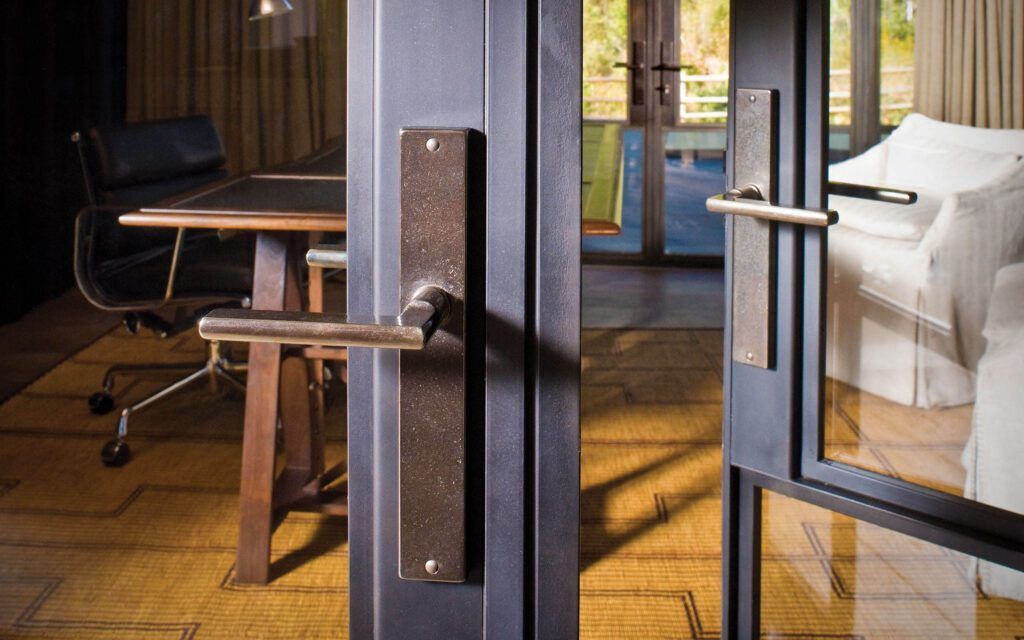
Bifold doors have unique applications all requiring specific handle types based on clearance, grip, design intent, and how frequently you use the doors.
Best Flush Pulls for Minimalist Spaces
Flush pulls, such as the Arched Bronze Flush, are common bifold door handle ideas and a preferred choice in minimalist interiors where clean lines and uninterrupted surfaces define the architecture. These handles sit recessed within the door, which eliminates protrusion and allows panels to fold and stack without obstruction.
The pulls are suitable for closet bifold doors, room dividers, or cabinetry-style applications. Flush pulls also don’t extend outward; they maintain visual continuity across multiple panels, practical in spaces where doors blend into surrounding walls or millwork.
Select pulls with precise edge detailing and consistent depth to achieve a refined installation. Align materials with adjacent finishes to allow the door hardware to integrate rather than stand apart within the overall composition.
Best Surface-Mounted Pulls for Easy Grip
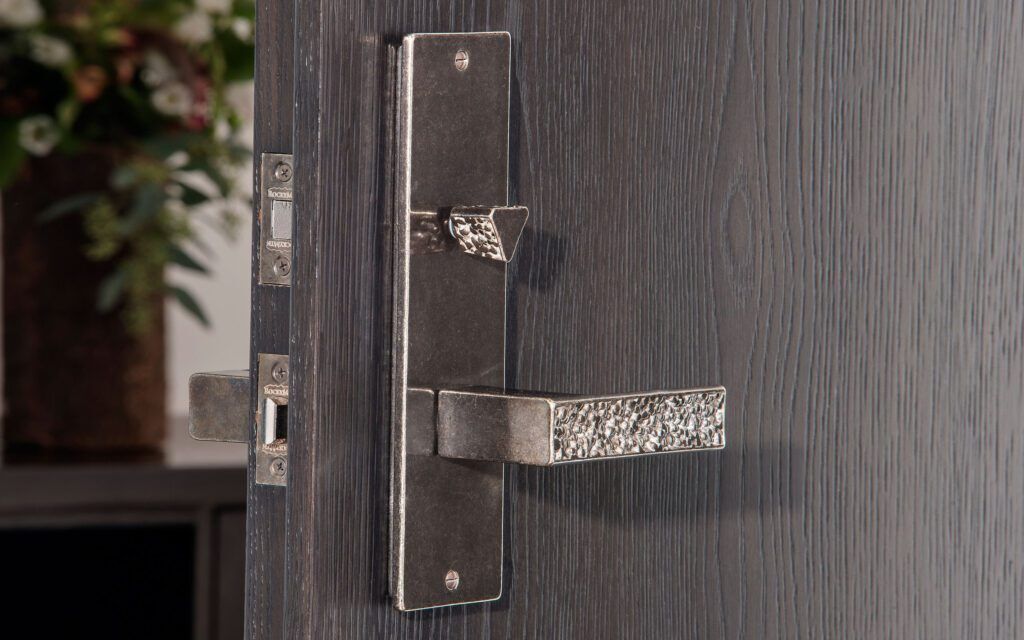
Surface-mounted pulls, like the Bamboo Grip Handle, provide a more accessible grip, making them ideal for larger or heavier bifold doors. Unlike recessed options, these handles project outward, offering better leverage when opening and closing multiple panels.
They are commonly used in utility spaces, laundry areas, or larger room dividers where function takes priority. The added projection improves usability, especially when doors are operated frequently. When choosing surface-mounted pulls, review the design carefully—choose pulls with controlled proportions and clean profiles to avoid visual clutter.
Oversized or overly ornamental pieces, such as the Goat Skull Pull, work better on single-fold doors and can disrupt the folding mechanism or feel out of scale in bifolds. Proper alignment across panels maintains consistency and a structured, intentional appearance.
Best Knobs and Levers for Traditional Rooms
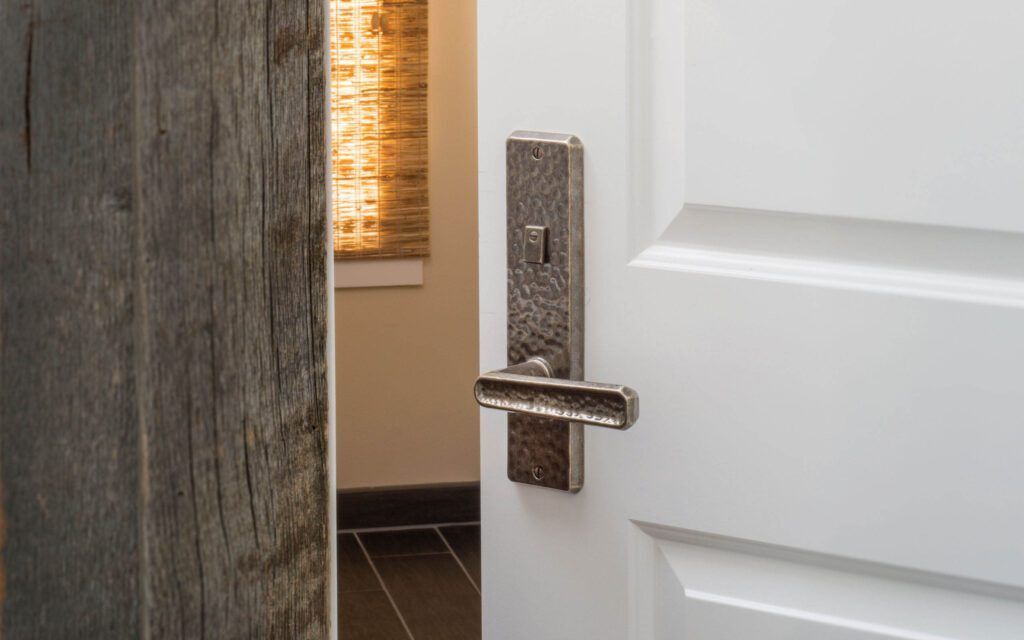
Knobs and levers seem like they belong to bifold doors in traditional or transitional mixed-metal interior designs where decorative detailing is part of the design language. These hardware options introduce familiarity and tactile presence, reinforcing the overall architectural style.
Installing bronze door knobs and levers is typical on bifold doors that function more like standard openings, such as pantry doors or secondary room dividers. Identifying where to put knobs on bifold doors requires careful considerations, like avoid inteference when panels fold.
Knobs offer a compact profile, ideal for quick gripping and sliding, while levers provide easier operation, particularly for accessibility. Select designs with restrained detailing to prevent visual overload across multiple panels. The knobs and hinges should remain consistent with other door hardware to maintain cohesion and allow the bifold system to feel integrated.
Design Inspiration: Bifold Door Handle Ideas for Elevated Interiors
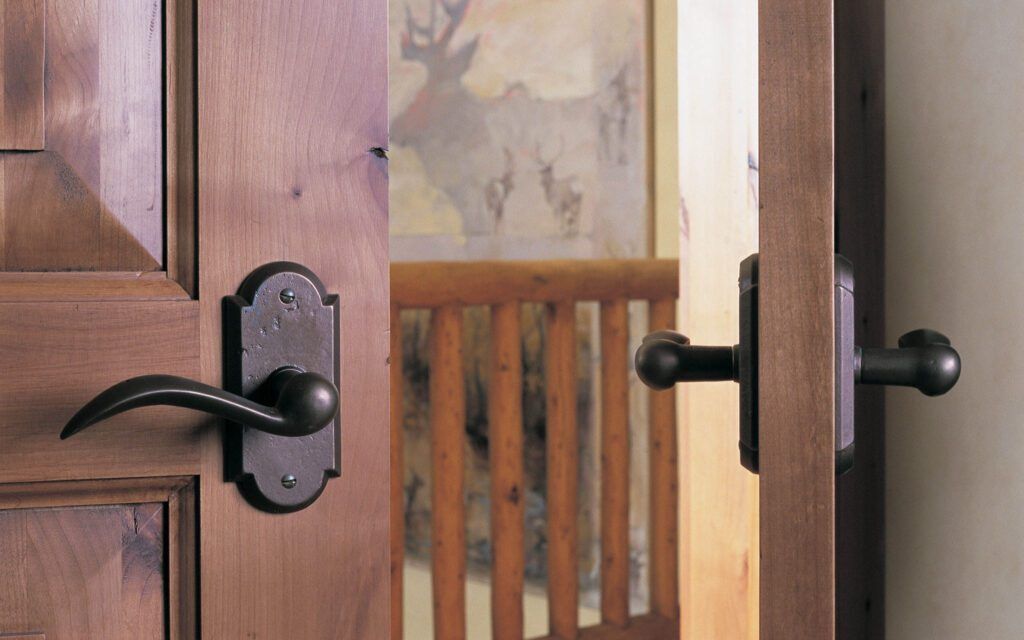
Design-driven handles are the highlight of bifold doors and help reinforce the architectural intent, material palette, and the overall spatial experience across your interiors.
Minimalist Flush Pulls for Modern Aesthetics
Modern interiors prioritize simplicity, and flush pulls support this by removing visual interruptions. Their recessed design allows bifold doors to read as continuous surfaces, aligning with flat-panel cabinetry and seamless wall treatments.
Use consistent spacing and alignment across panels to maintain order, as even small inconsistencies will become noticeable in minimalist settings; precision is key here and helps define quality.
Material selection should complement surrounding finish options—matte metals, subtle textures, or tonal variations can introduce depth without breaking the visual plane. Avoid overly polished surfaces that reflect too much light and disrupt the composition. The result should be a controlled, understated design where hardware supports rather than competes with the architecture.
Statement Levers and Knobs for Traditional Charm
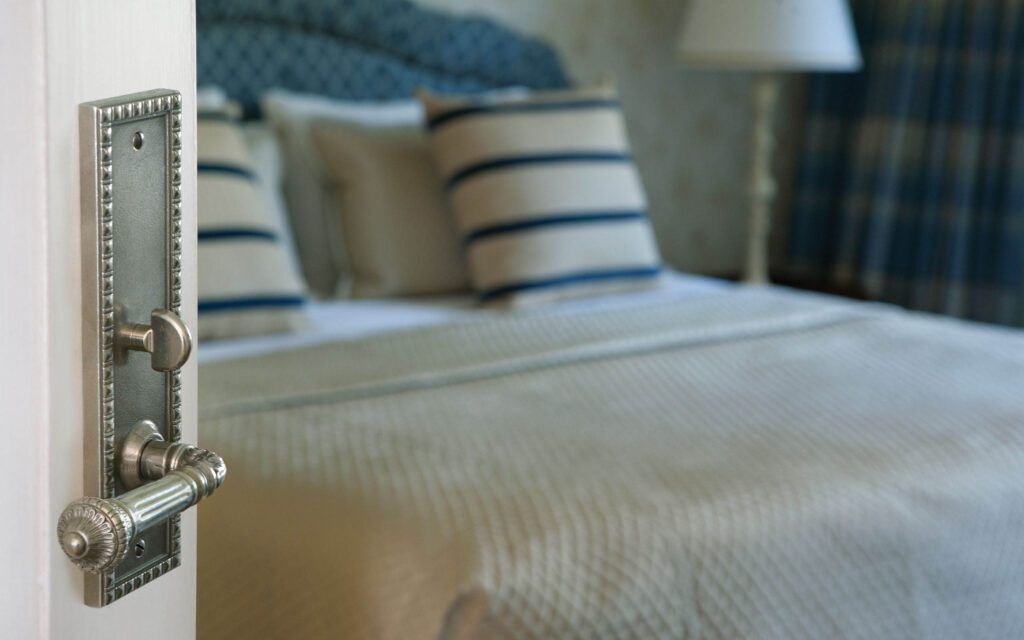
Traditional interiors allow for more expressive hardware, such as the Helios Grip Pulls or the Acanthus Door Knob. Statement levers and knobs introduce detail and reinforce classic design elements like moldings, paneling, and layered trim.
However, you should use these pieces selectively to avoid overcrowding the door surface. Focus on proportion and hardware that feels balanced relative to panel size and spacing.
When choosing door hardware, align handles, backplates, and escutcheons with existing installations throughout the home to add structure. Use finishes that complement other fixtures, preferably with the same undertone, to maintain consistency without requiring exact matches.
Essentially, your bifold doors should feel intentional, not secondary to standard hinged doors. Keep the design consistent, going for similar curves and flows instead of overly ornamental pieces that look out of place.
Using Living Patinas for Timeless Bifold Door Design
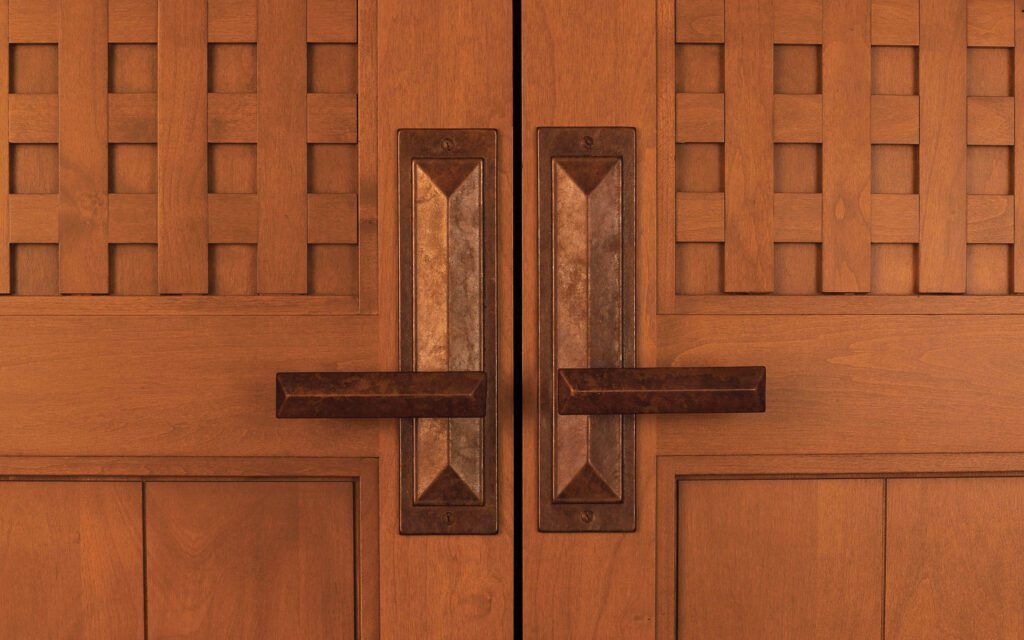
Living finishes introduce variation over time, allowing hardware to evolve with use and environment. This is particularly effective in bifold doors that are handled frequently, as touch points develop subtle changes in tone.
The finishes, commonly associated with the bronze aging process, add depth without relying on applied coatings. Instead of wearing down, the material responds naturally, evolving into deeper or lighter shades, creating a surface that reflects interaction.
In design terms, this change reduces the need for constant maintenance or replacement. The hardware is part of the long-term character of the space—pair living finishes with materials that age similarly, such as natural wood or stone, to create a consistent and enduring palette across the interior.
Form Meets Function: Choosing the Right Bifold Door Handle Style
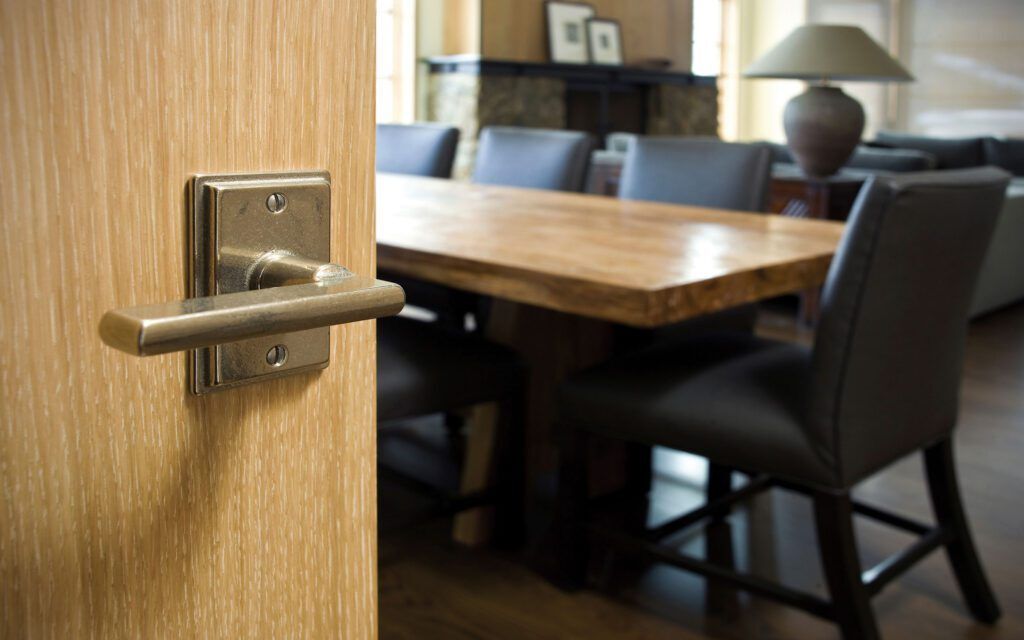
Handle selection must balance usability, door mechanics, and visual integration to provide smooth operation while maintaining alignment with the surrounding architectural design.
Pull Handles vs. Flush Handles: When to Use Each
Pull handles and flush handles serve different functional roles. Flush handles are ideal when doors need to fold tightly, as they prevent interference between panels and tracks.
On the other hand, pull handles, such as the Lariat Grip, provide better grip and control. They are useful for heavier doors or applications where frequent operation requires more leverage. The decision to choose either depends on door size, weight, and available clearance.
In compact spaces, flush handles are often necessary. In larger openings, pulls can improve usability without compromising movement. Evaluate both function and layout before selecting to find handles that support the door system without restricting it.
Are Knobs or Levers Better for Bifold Doors?
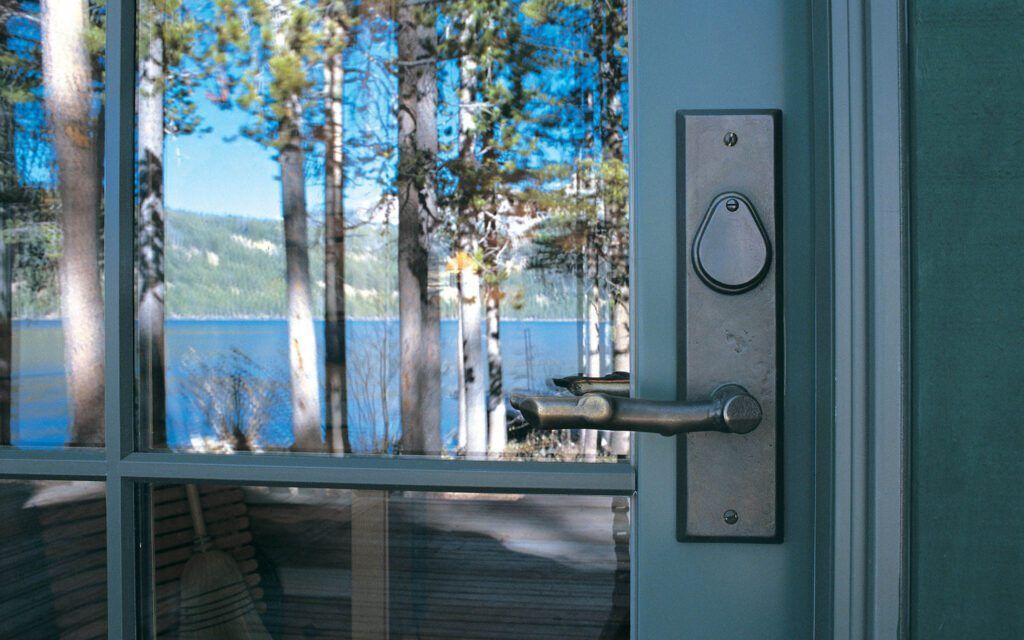
When identifying where to put handles on bifold doors, you’ll have to decide whether to use knobs or levers.
These two offer distinct advantages; knobs, such as the Ellis Door Knob, are compact and less likely to interfere with folding panels, making them suitable for tight configurations. Levers, like the French Twist, provide easier operation, supporting limited grip strength.
Levers require less force and allow for quicker access, which can be beneficial in frequently used spaces. However, they extend further from the surface and require careful planning to reduce the risk of collision between panels. Use them in applications where spacing allows for proper clearance.
The choice ultimately depends on balancing accessibility, space constraints, and the desired visual outcome. You can choose from various designs, ranging from sleek to ornamental pieces, with sleek hardware seen as more effective given the operation of bifolds.
Coordinating Hardware with Open-Concept Layouts
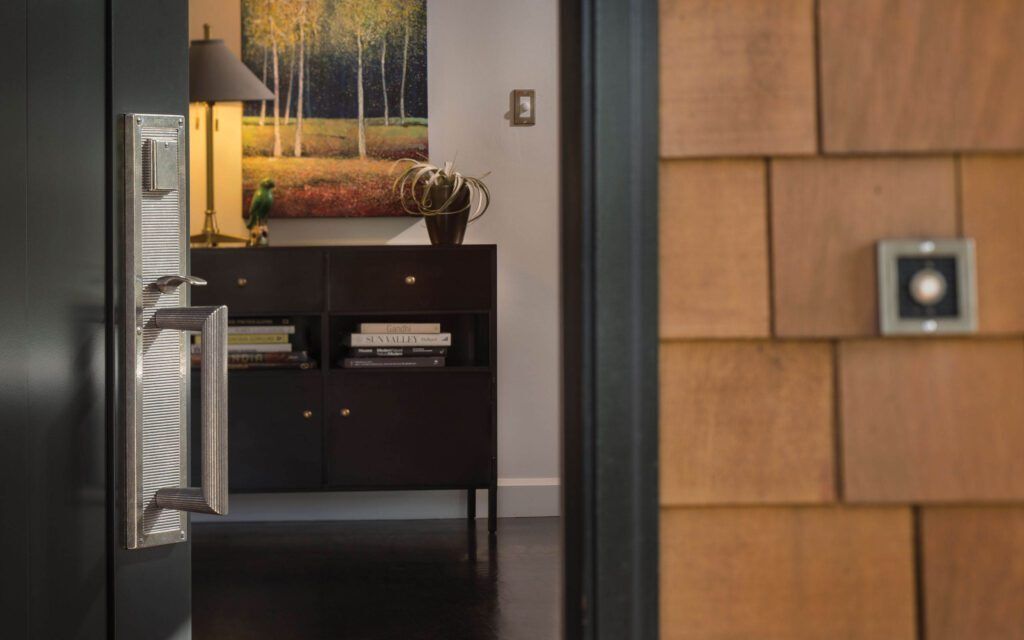
In open-concept interiors, bifold doors are often visible alongside cabinetry, entry doors, and built-in storage. Hardware selection should reflect this broader context to maintain continuity within the space.
Keep the finish, scale, and form consistent across different elements. This does not necessarily require identical pieces, but they should share a common design language.
A great example is using linear pulls, such as the Empire Grip Pull, on cabinetry and aligning them with bifold door handles, or rounded knobs that echo across multiple touchpoints. Avoid introducing unrelated styles, which can break visual continuity. Coordinated hardware helps unify the space, making transitions between areas feel intentional and connected.
A Designer’s Checklist for Selecting Bifold Door Handles
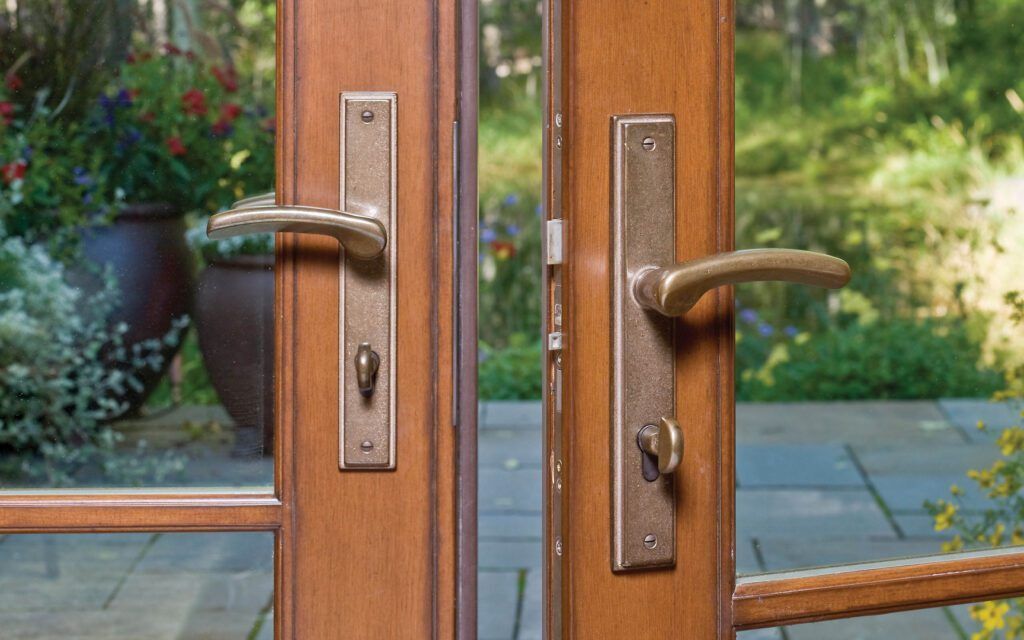
Selecting the best handles for bifold doors involves matching various aspects, such as size, weight, configuration, and design. These factors determine whether flush or surface-mounted handles are appropriate.
Evaluate clearance requirements and choose hardware that doesn’t interfere with folding panels or track systems. Review material and finish in relation to the surrounding environment; the hardware should align with cabinetry, fixtures, and architectural details.
Verify placement and alignment across all panels, using repetition to amplify variation and achieve consistency. This checklist enables you to find handles that support both function and design integrity.
Precision Placement: Where to Put Handles on Bifold Doors
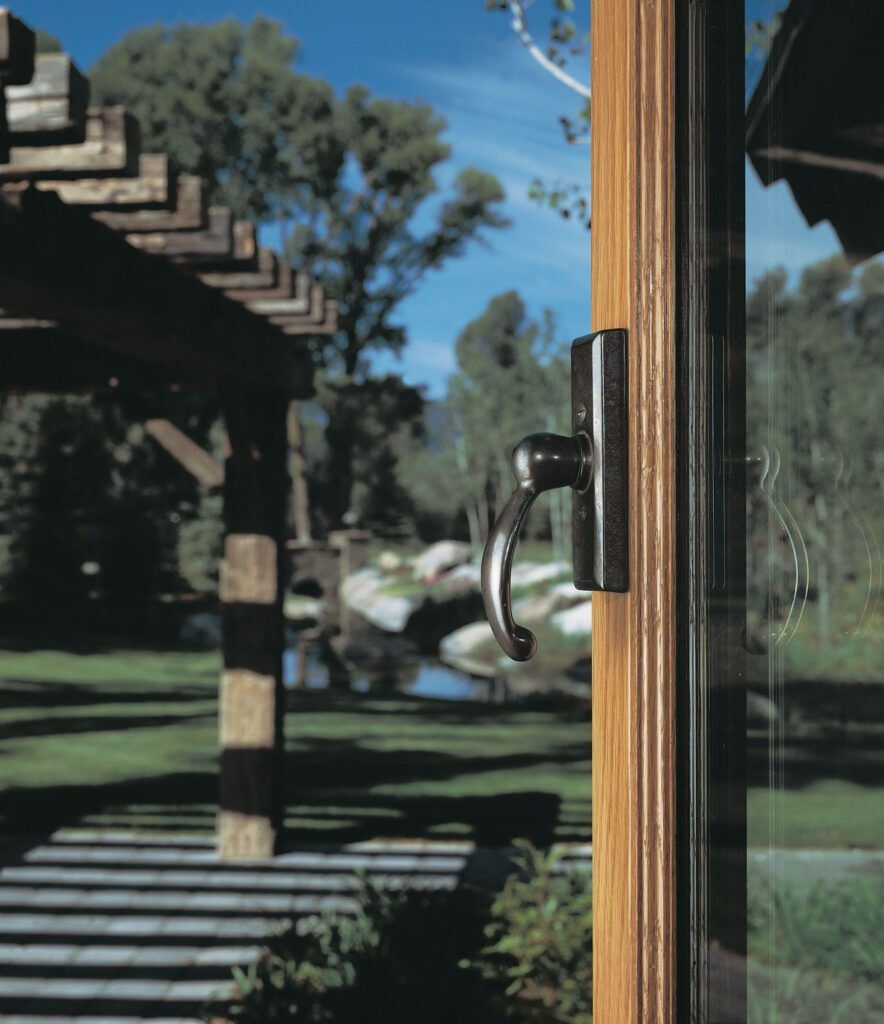
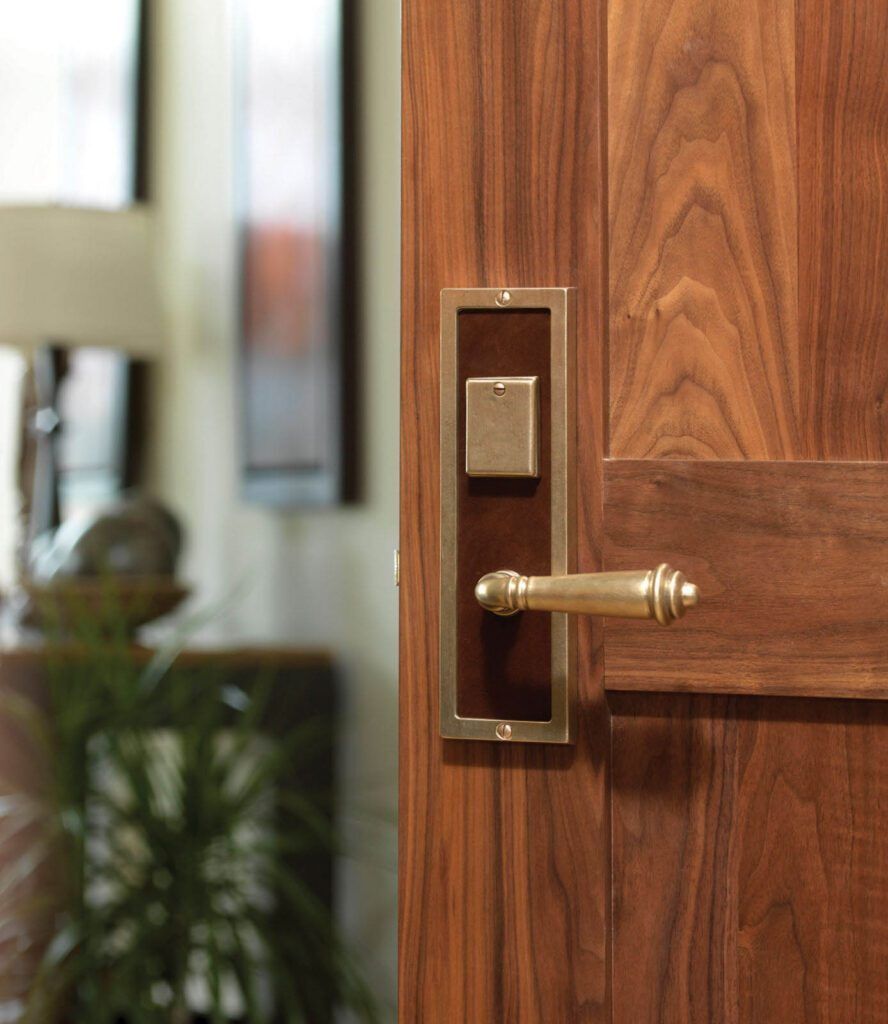
Correct handle placement leads to ease of use, prevents interference with folding panels, and maintains consistent alignment across all door sections.
Standard Placement for Seamless Daily Use
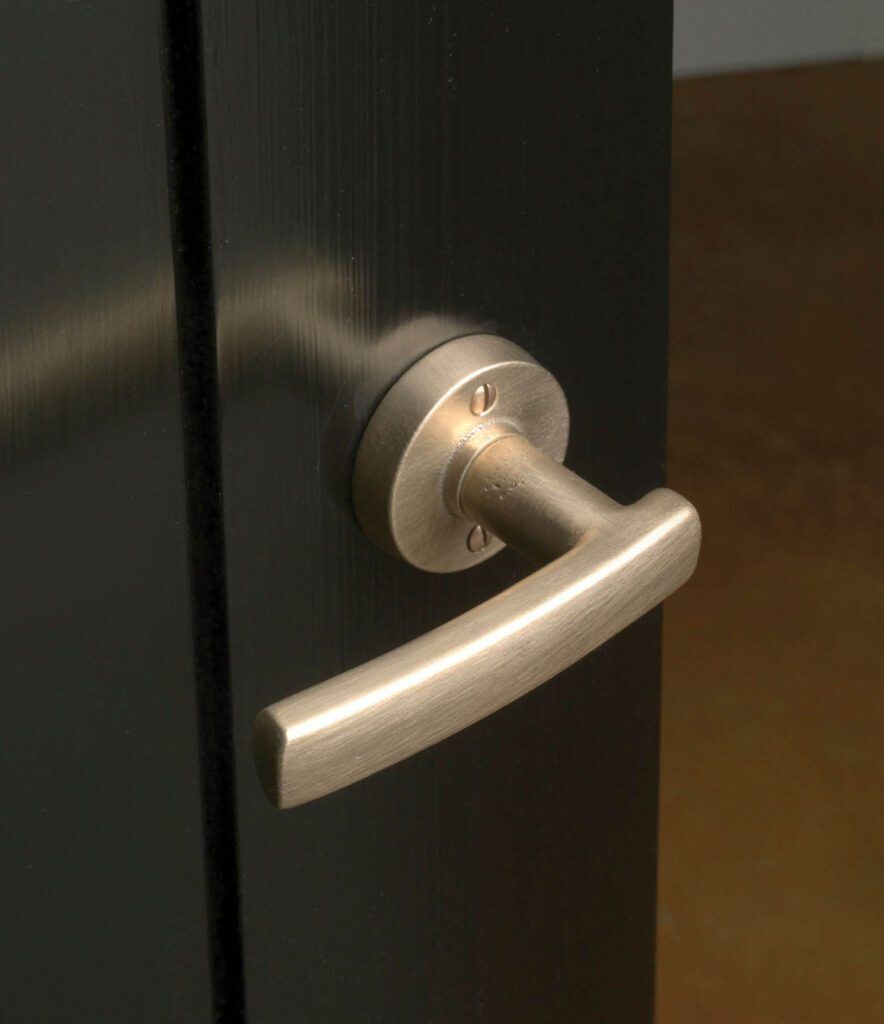
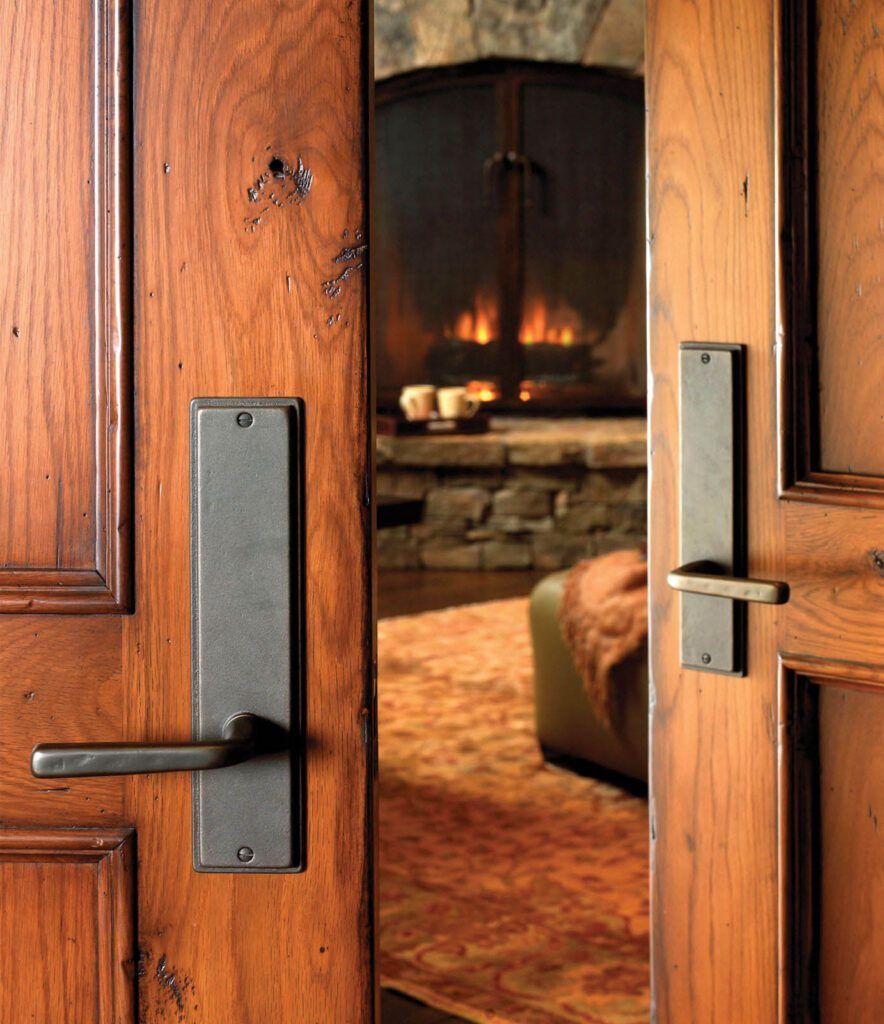
Standard handles, such as the Coupler Express Lever, are typically placed between 34 and 48 inches from the floor, and aligned with standard reach zones. This range is ideal for comfortable access for most users.
In bifold doors, placement should also factor in panel joints; position handles near the vertical meeting point to allow easy operation when opening or closing. Maintain consistency across panels to prevent misalignment, which can disrupt function and visual flow.
Designers use precise measurements and templates during installation to maintain uniformity. Proper placement enhances usability while reinforcing a clean, structured appearance. Standard designs can still be modified to fit in with your openings and achieve straight, flowing lines.
Handle Placement for Double vs. Single Bifold Doors
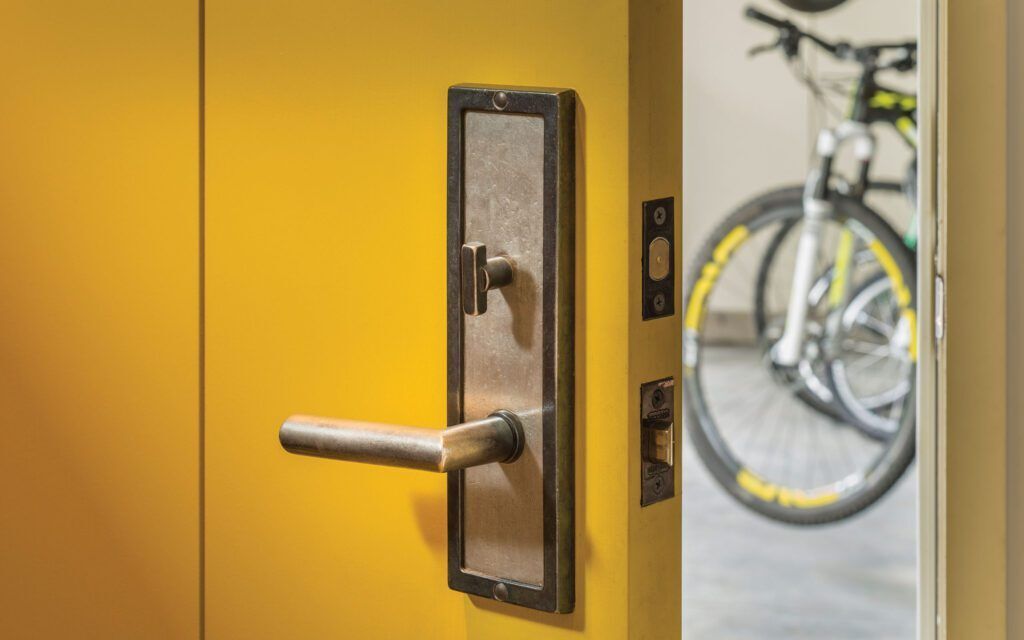
Determining where to put handles on bifold doors is a straightforward process. Single bifold doors require one primary handle, usually positioned on the leading panel; this allows you to control the entire system from a single point.
Double bifold doors require matching handles, such as the Arched Multi-Point Entry Set, on each active panel. Placement should mirror across both sides to maintain symmetry and ease of use. You can use levers or knobs, depending on design preference.
In both cases, avoid placing handles too close to hinges or edges where they may interfere with movement. Proper spacing allows the panels to fold smoothly without obstruction. Use balanced placement to achieve a cohesive and intentional design.
Common Specification Errors to Avoid in Custom Installs
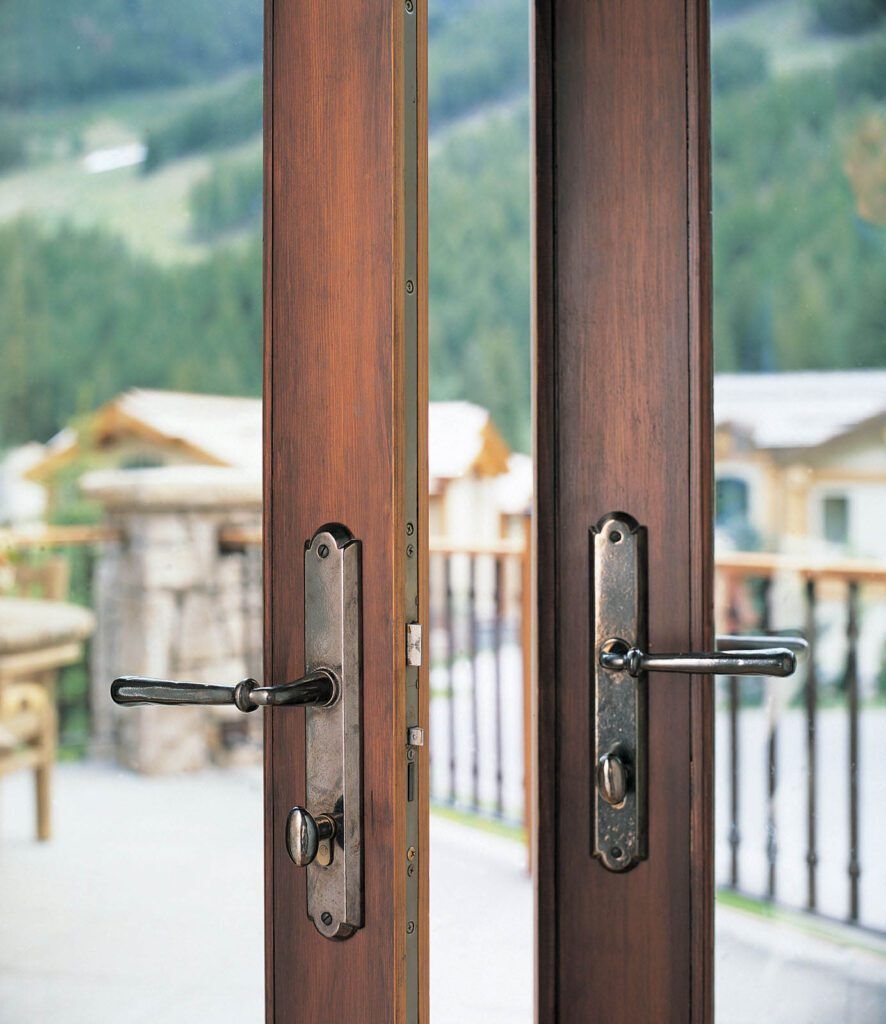
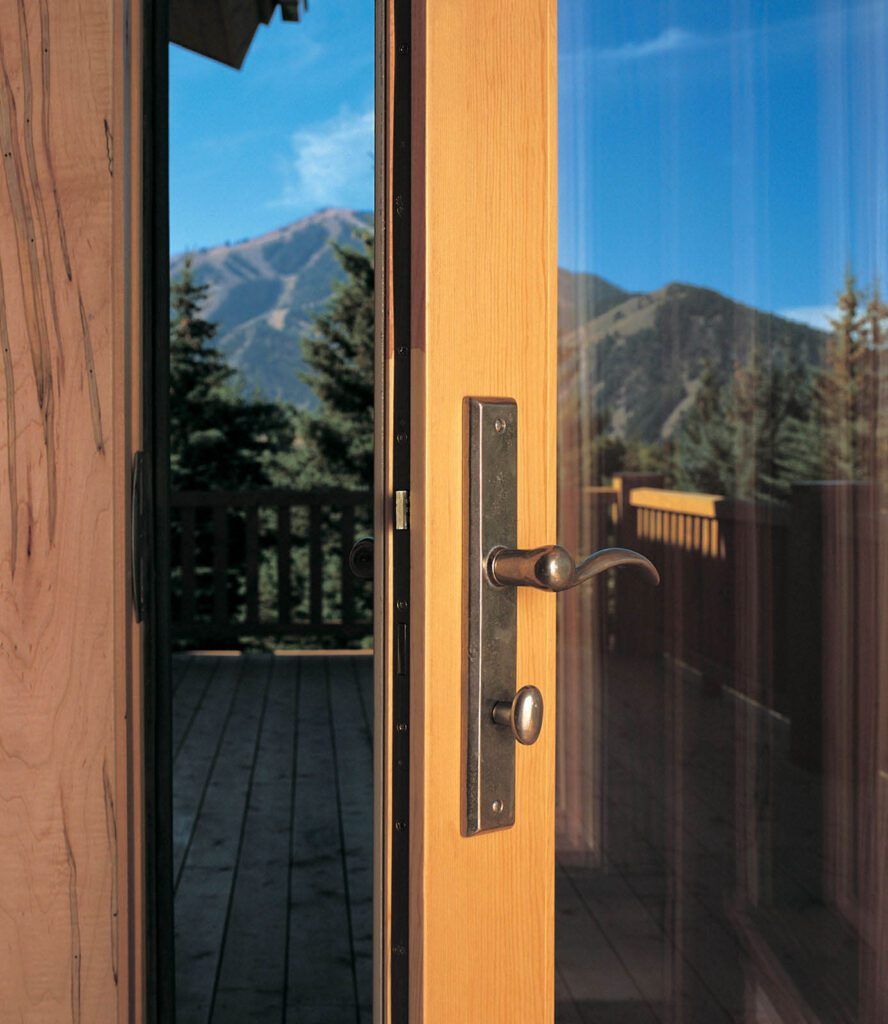
One common error in custom installations is ignoring clearance requirements and calculations. Handles that extend too far from the panel can block panels from folding properly.
Another issue is inconsistent placement across panels. Bifolds usually require consistency across all panels to establish a cohesive flow, as even the slightest variations become noticeable and disrupt the overall appearance.
Incorrect hardware type selection is also a frequent problem. Using protruding handles, such as the Gear Grip Pull, in tight configurations can cause functional issues, while pieces that look too small may lose aesthetic appeal and seem like an afterthought. To resolve this, match the handle type to the door mechanics.
Use careful planning and accurate measurements to prevent these errors. Review specifications before installation to find hardware that performs as intended and aligns with the design.
Beyond the Handle: Essential Bifold Door Hardware Components
Bifold door performance depends on more than handles; they require coordinated systems of tracks, pivots, locks, and supporting hardware for reliable operation.
Integrated Locking Mechanisms for Bifold Systems
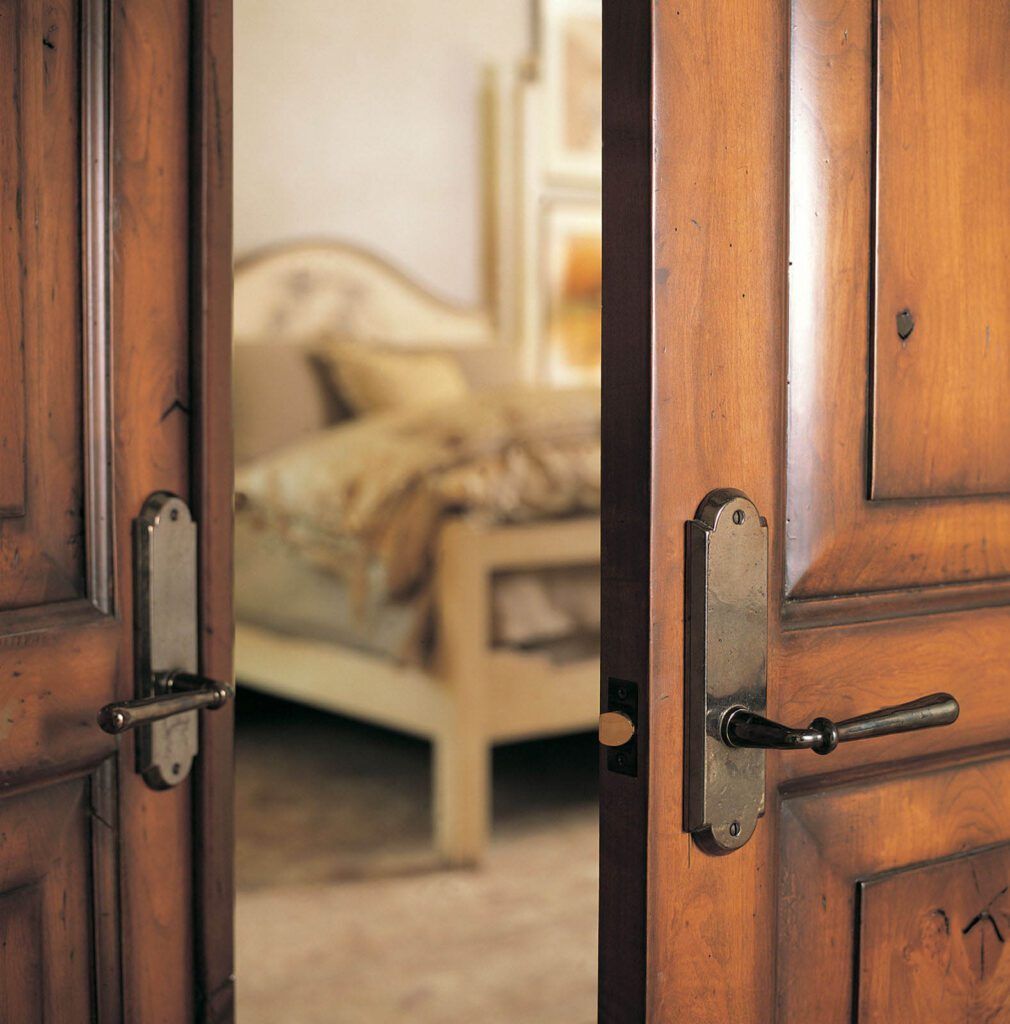
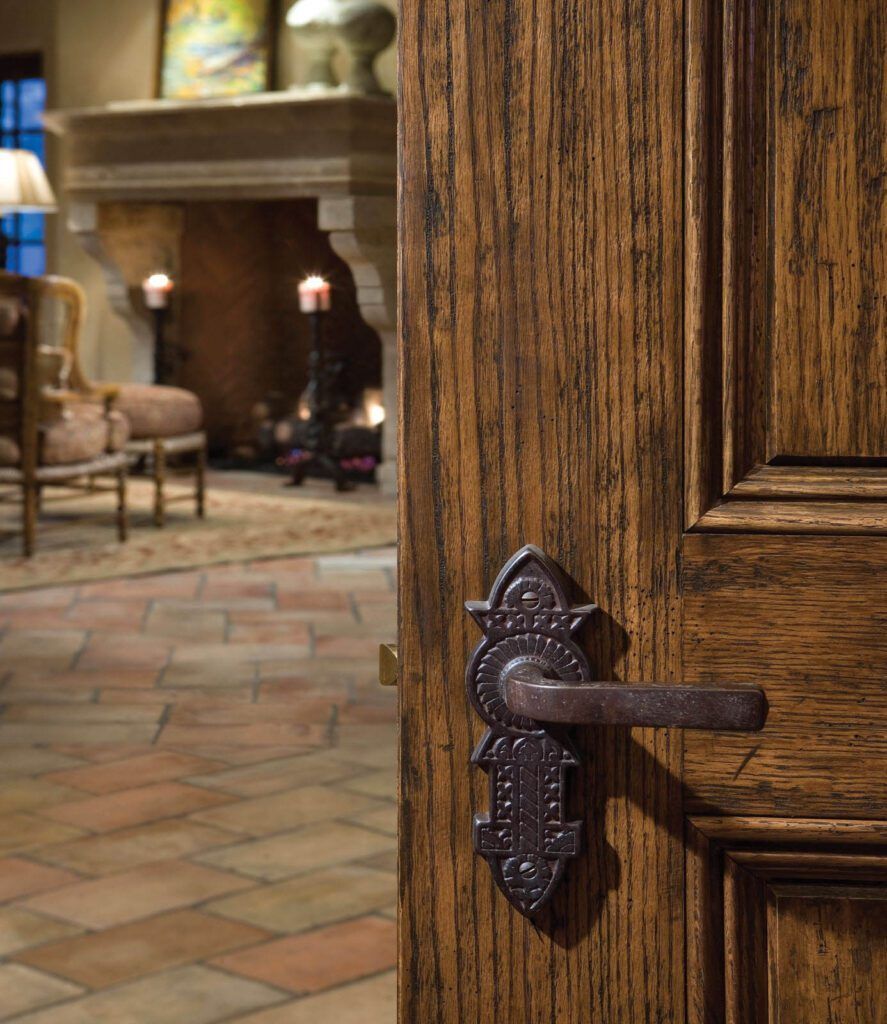
Locking mechanisms for bifold doors should align with their folding operation. Standard locks may not function properly due to panel movement, but this depends on the installed operation.
If the door latches to a flat, even plane, you can use standard door sets, such as the Arched Passage Set. However, surface bolts, magnetic catches, or integrated locking systems are the ideal choice. These options secure panels without interfering with the folding sequence.
The locks should engage when the doors are fully closed to achieve stability without restricting movement. Select systems that match the door’s configuration and intended use, and operate smoothly for easy opening and closing. Proper integration supports both security and functionality without compromising the design.
Essential Pivot and Track Hardware
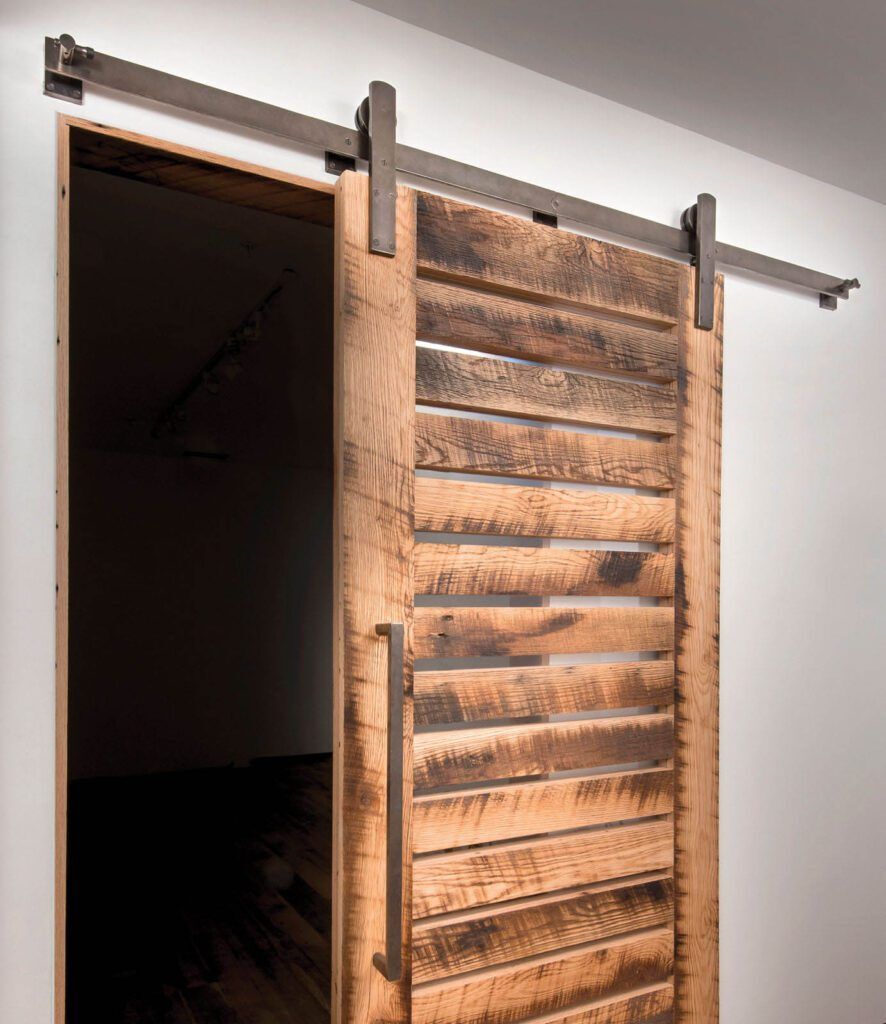
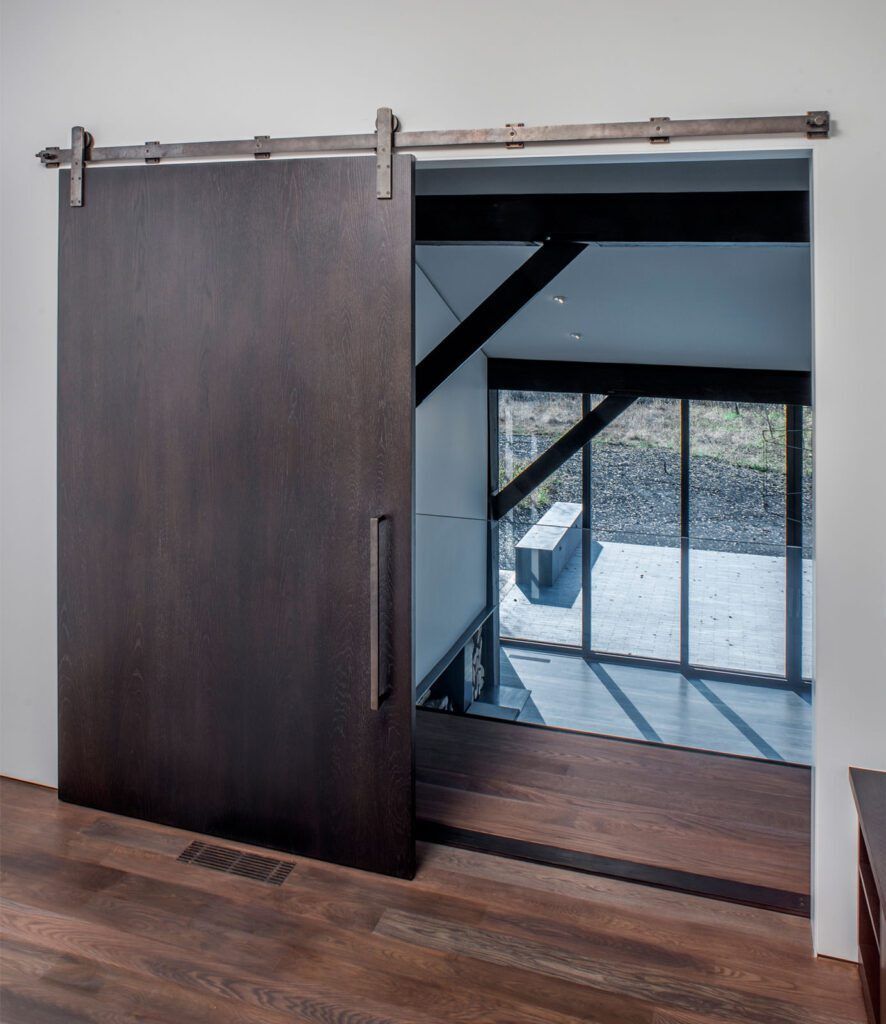
Pivot and track systems guide the movement of bifold doors and determine how smoothly the panels fold, align, and stack; this makes them integral to the design and overall aesthetics.
High-quality tracks reduce friction and support consistent operation over time. Because of the contact in operation and panel support, pivots should be durable and precisely aligned to prevent sagging or misalignment.
In some installations, the pivot and track hardware components are concealed, but their performance is still critical. Use high-quality hardware that supports even movement and slows down wear.
Select reliable systems for long-term functionality—this also reduces maintenance requirements. Although the handles are visible and reinforce the design style and visual flow, the track systems define overall performance.
Choosing Finishes that Stand the Test of Time
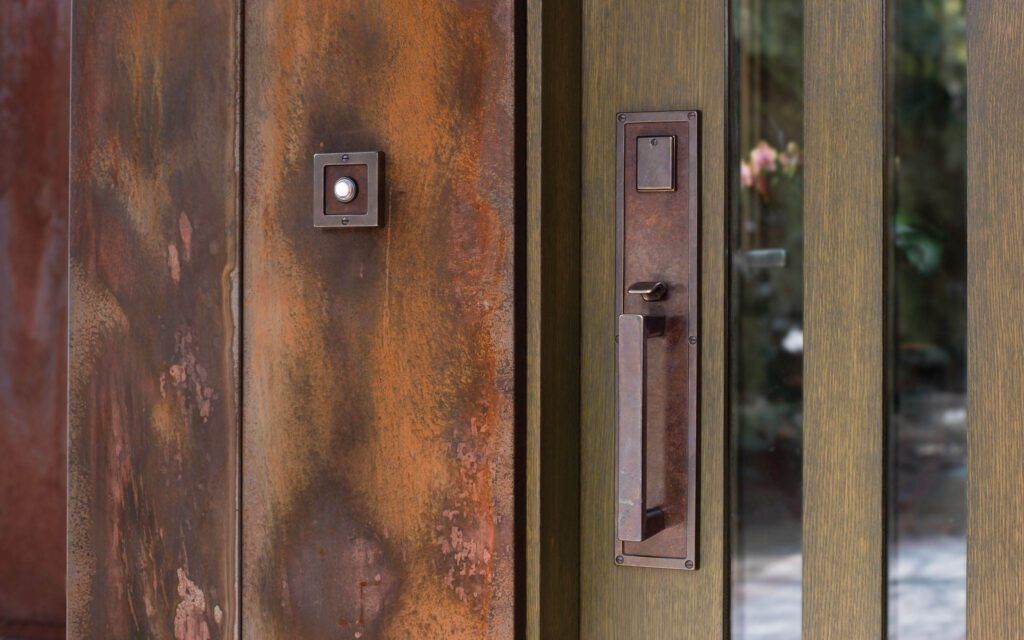
Hardware finish options affect both appearance and durability. High-touch surfaces require materials that resist wear and maintain consistency, preferably bronze options that offer evolving finishes that mature and improve with time.
To avoid thin coatings that chip or fade, choose solid bronze door handles. The living finishes provide better long-term performance, adapting to use rather than deteriorating. The aged, lived-in appearance also complements surrounding materials and finishes.
Choose options that complement cabinetry, flooring, and fixtures without appearing disconnected. A well-chosen finish supports both the visual and functional longevity of the hardware.
From Foundry to Finish: Luxury Materials for Bifold Door Hardware
Material selection defines durability, tactile quality, and long-term performance, especially in bifold systems that rely on repeated movement and consistent hardware interaction. To establish luxury, use high-quality bronze and hand-cast designs that lead to timeless aesthetics.
The Benefits of 100% Recycled Solid Art Bronze
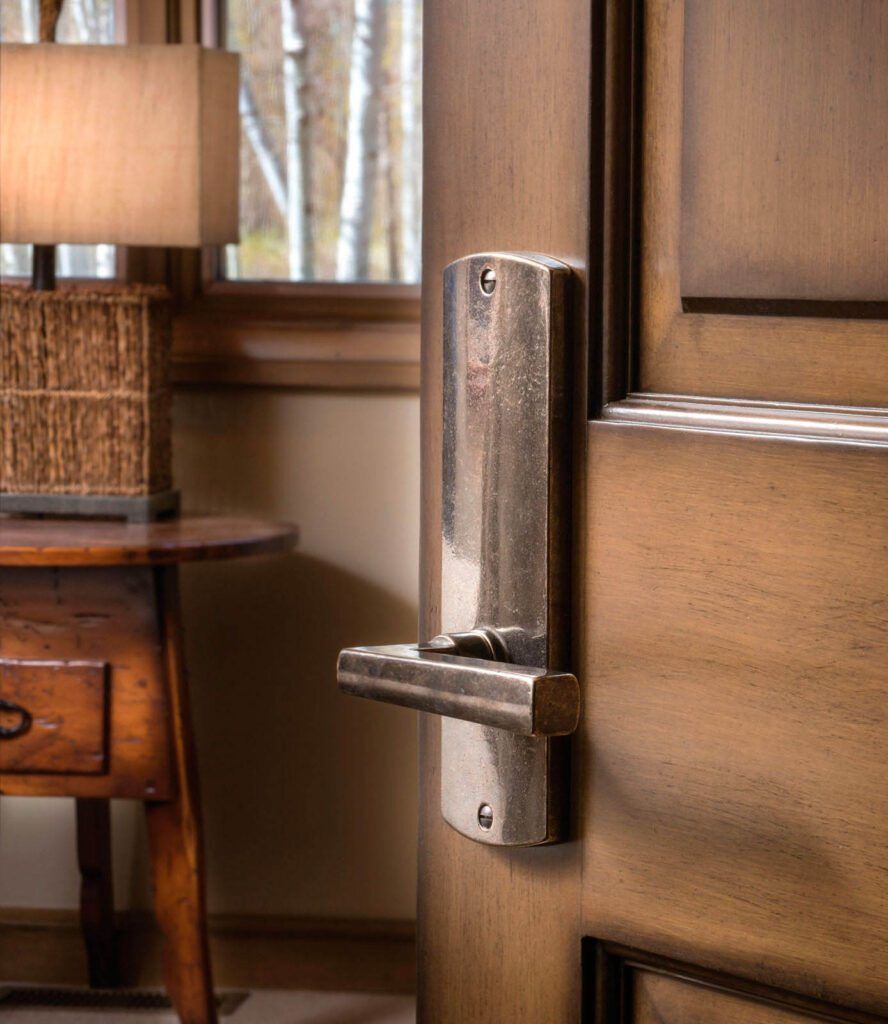
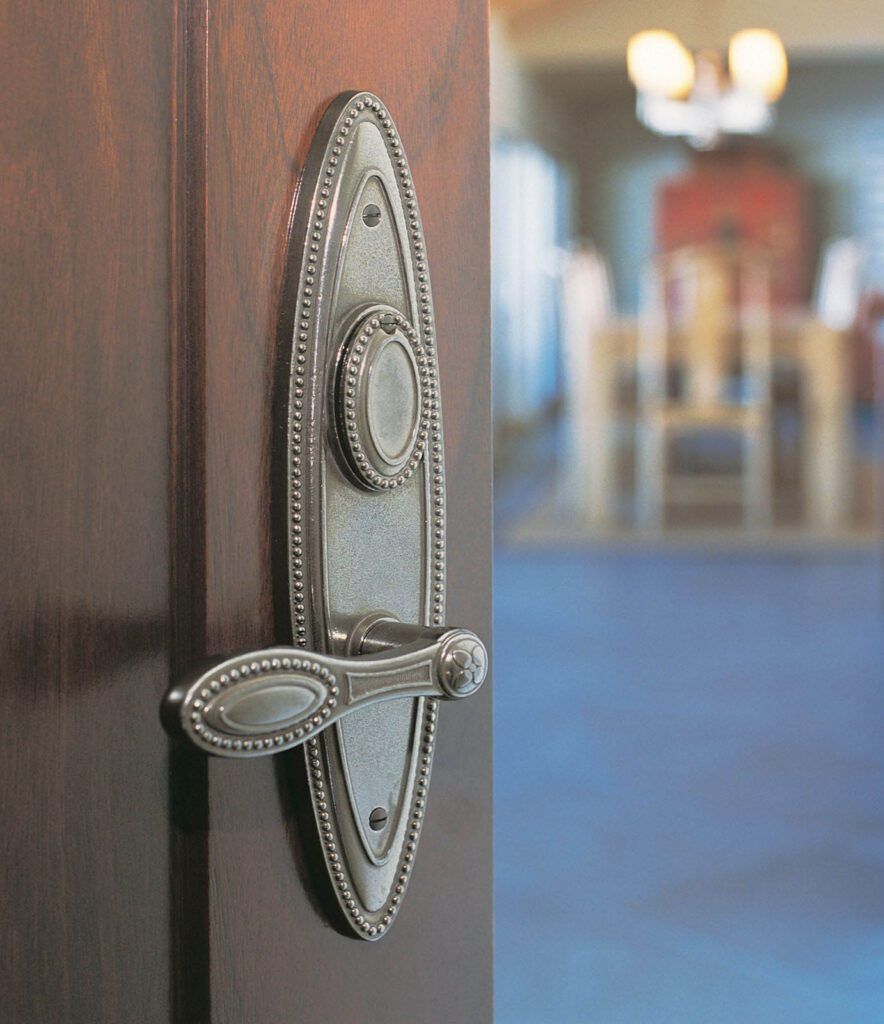
Solid art bronze handles, like the Marrakesh Grip Pull, offer durability and density that lighter materials cannot match. Its strength supports repeated use without deformation or failure. The material finish also runs throughout the depth, so it won’t deteriorate or wear out.
Using recycled bronze reduces environmental impact while maintaining material quality. The casting process preserves structural integrity, ensuring long-term performance; bronze handles can last several decades.
The material develops a natural patina over time, adding depth and character to the door. This makes it suitable for high-use applications like bifold doors. The material balances sustainability, durability, and design, making it a reliable choice for luxury hardware.
Why Structural Integrity Matters for Heavy Custom Doors
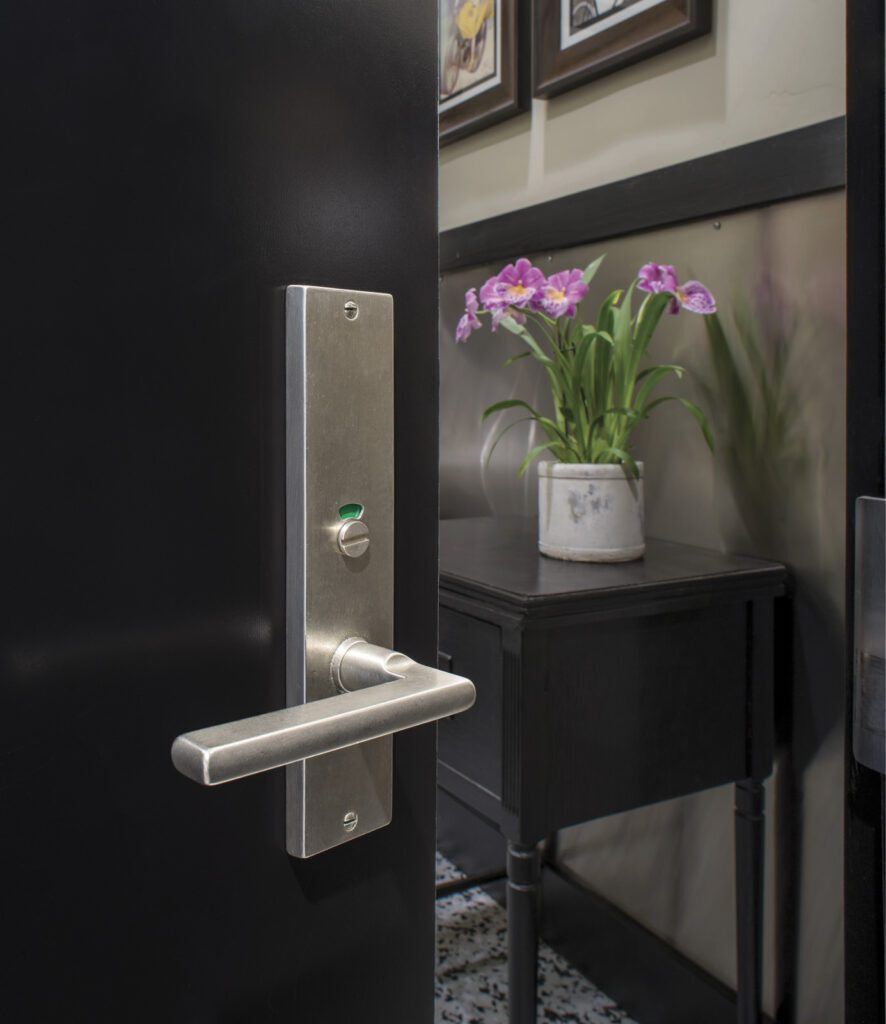
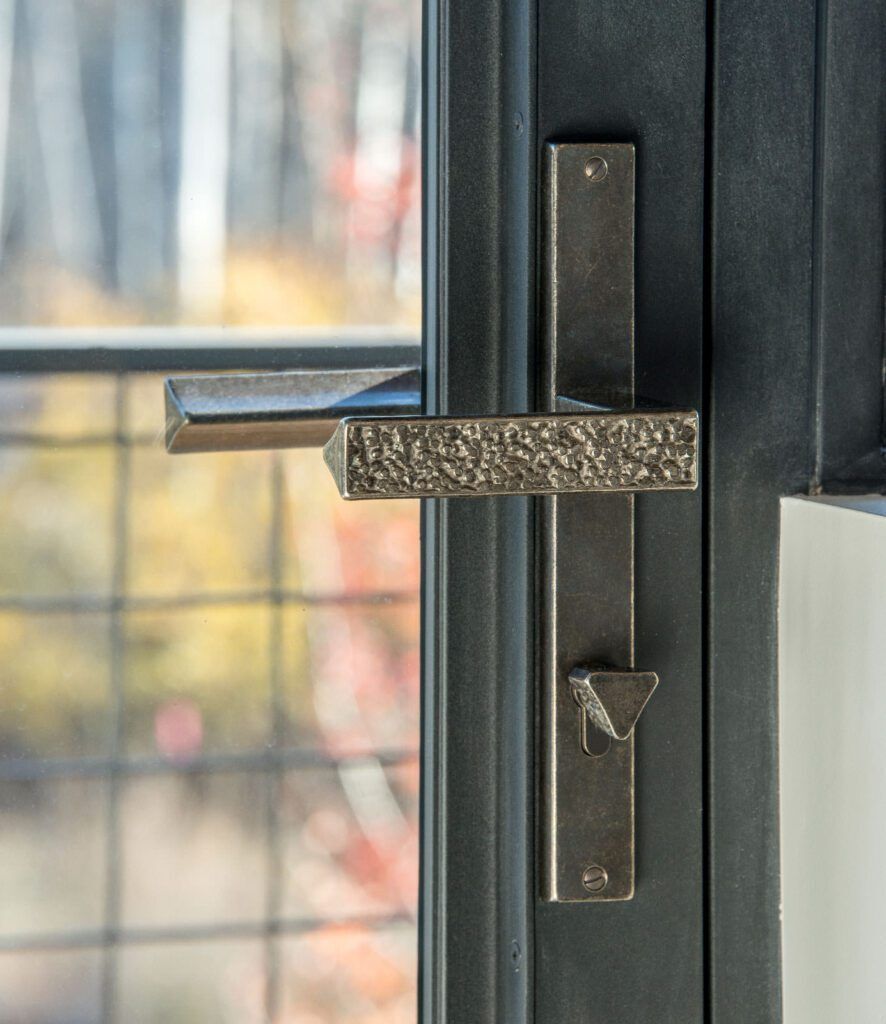
Heavy bifold doors place significant stress on hardware components, especially the door hinges. The hinges carry the door’s weight and the handles, so they should be solid and resilient under frequent use. Handles must also withstand repeated force without loosening or failing.
Structural integrity ensures that hardware maintains alignment and function over time. Weak materials or poor construction lead to premature wear and operational issues, so choose premium, tested products designed for your door.
The hardware must be able to support the door’s weight and usage—think reinforced construction and precise manufacturing specifically used to improve durability. This is especially important in large-scale or custom installations, where replacement is more complex. Strong hardware supports both performance and longevity.
Accessing CAD Renderings and Custom Configuration Options
Custom projects require detailed planning, and one effective way to achieve that is through CAD renderings; they help provide accurate representations of how hardware will fit within the door system. You can see how everything will look in the final installation.
Even better, you can determine if the chosen hardware meets strength, function, and aesthetic needs. CAD tools allow designers to verify placement, proportions, and compatibility before production. This reduces errors and improves coordination between design and installation teams.
Custom configuration options lead to hardware that meets specific project requirements, such as size, finish, and mounting details. Find these resources and products from Rocky Mountains Hardware to support precise execution and align the final result with your original design intent.
FAQs About Best Handles for Bifold Doors
What Kind of Handles Go On Bifold Doors?
Flush pulls, surface-mounted pulls, knobs, and levers are common picks among designers and homeowners. The choice depends on clearance, door size, and how frequently the bifold system is operated, as well as preference.
Where Do You Put Knobs on Bifold Doors?
Knobs are typically placed on the leading panel, near the vertical edge where panels meet, at a comfortable height for consistent and easy operation. The height and alignment should be consistent with other knobs and doors in the building.
Can You Replace Bifold Door Handles on Existing Systems?
Yes. Most bifold door handles can be replaced. Ensure compatibility with existing holes, spacing, and clearance to avoid interference with folding panels and track systems. An easy way to do this is with custom hardware.