You’ve probably run into a door knob that looks like a standard functional door knob, only it doesn’t latch, lock, or rotate. The appearance is identical, but, unlike functional hardware, these handles don’t contain internal mechanics. These are known as dummy door knobs.
So what is a dummy door handle? More importantly, what is it used for? In refined interiors, dummy door knobs serve a deliberate architectural role rather than a mechanical one. They offer a fixed pull that helps reinforce symmetry, consistency, proportion, and visual continuity.
You can add bronze dummy hardware, such as the Ball Final Cap or Acanthus Door Knob, to add character, texture, and weight to the design. Dummy door knobs are also pulls that can complement sleek, concealed locking mechanisms. Moreover, they pair well with natural materials and finishes, connecting spaces and achieving cohesion.
This guide explores decorative architectural hardware, including how to use a dummy door knob to elevate your space.
Quick Answer: What is a Dummy Door Knob?
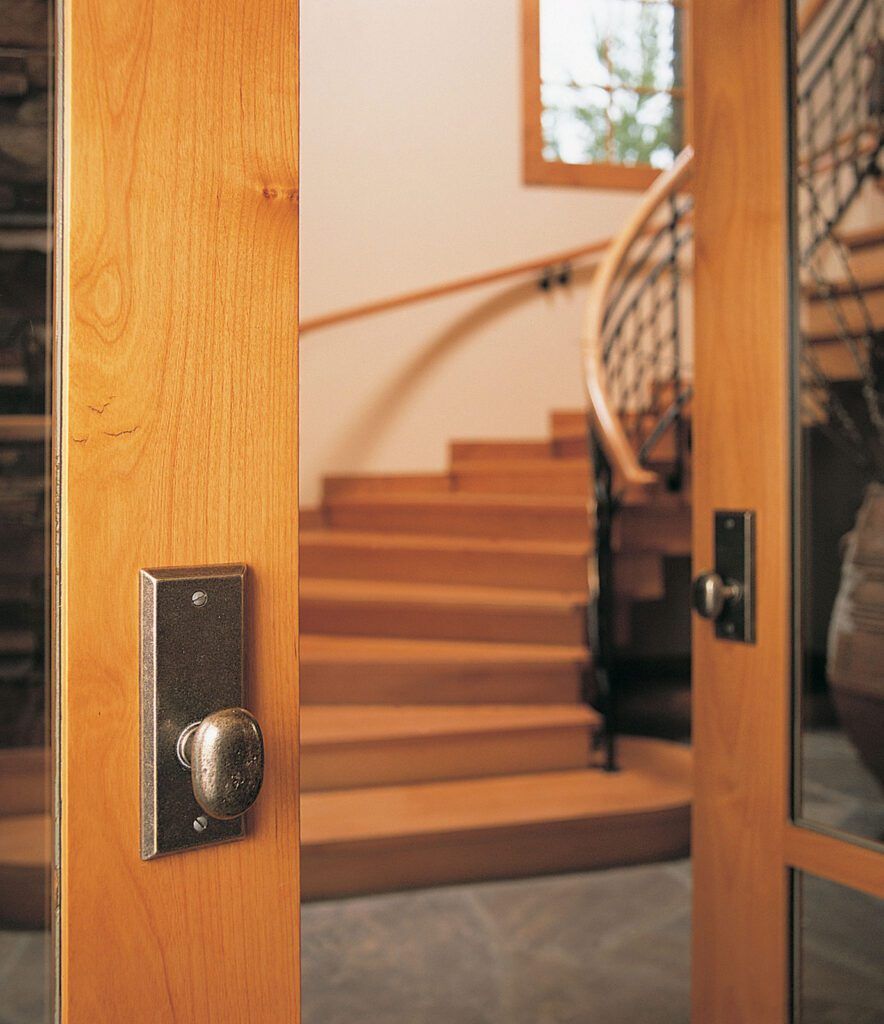
The concise answer to “what is a dummy door knob” is this: a fixed, non-operational hardware piece mounted directly to the surface of a door without an internal latch, spindle, or locking mechanism.
A dummy door knob does not turn and does not engage with the door frame. Its function is purely decorative and tactile, acting as a pull rather than a mechanical device. These knobs are commonly installed on pantry doors, linen closets, shallow storage doors, or inactive leaves of double doors where only one side requires operational hardware.
In high-end residential projects, door hardware supports architectural symmetry and finish continuity without requiring extra mechanical components. It allows you to preserve visual consistency across all doors while maintaining correct functional logic.
Types of Dummy Hardware: Half vs. Double Configurations
Dummy door knobs are available in half-dummy (single-sided) and double-dummy (two surface-mounted knobs) configurations. Select the proper dummy configuration depending on how the door operates—whether the door requires hardware on one side or both.
What is a Half Dummy Door Knob? (Single-Sided for Pantries)
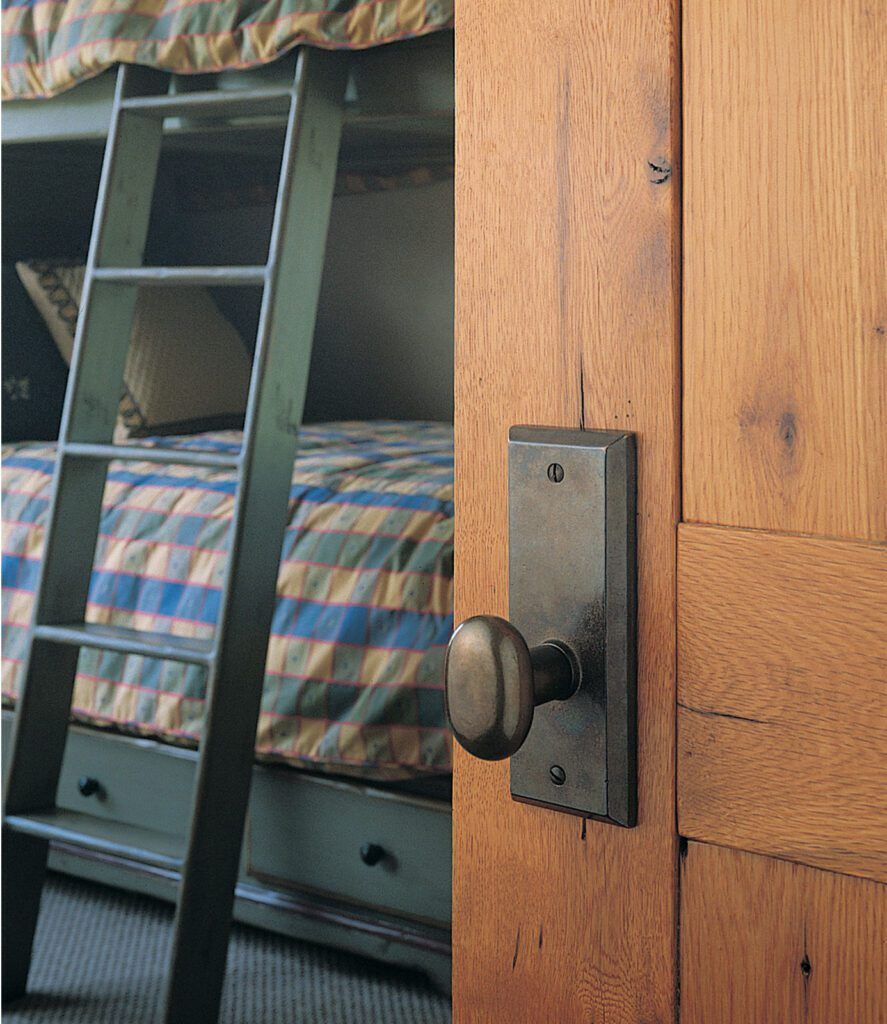
A half dummy door knob is mounted on one side of a door surface without connecting through the door slab. It contains no latch or spindle and does not rotate. Its purpose is to provide a fixed pull where mechanical latching is not required.
You can use this configuration on pantry doors, linen closets, or wardrobe doors that rely on magnetic catches or roller mechanisms for closure. Since only one side of the door requires interaction, the hardware is installed on the accessible face—the opposite side remains flush or may include a minimal plate depending on the design preference.
A half dummy door knob, such as the Baker Door Knob, should mirror the scale and finish of adjacent passage and functional privacy sets. While non-functional, it should maintain identical projection, finish, and detailing for architectural cohesion.
Double Dummy Door Knob Explained (Two-Sided for Double Doors)
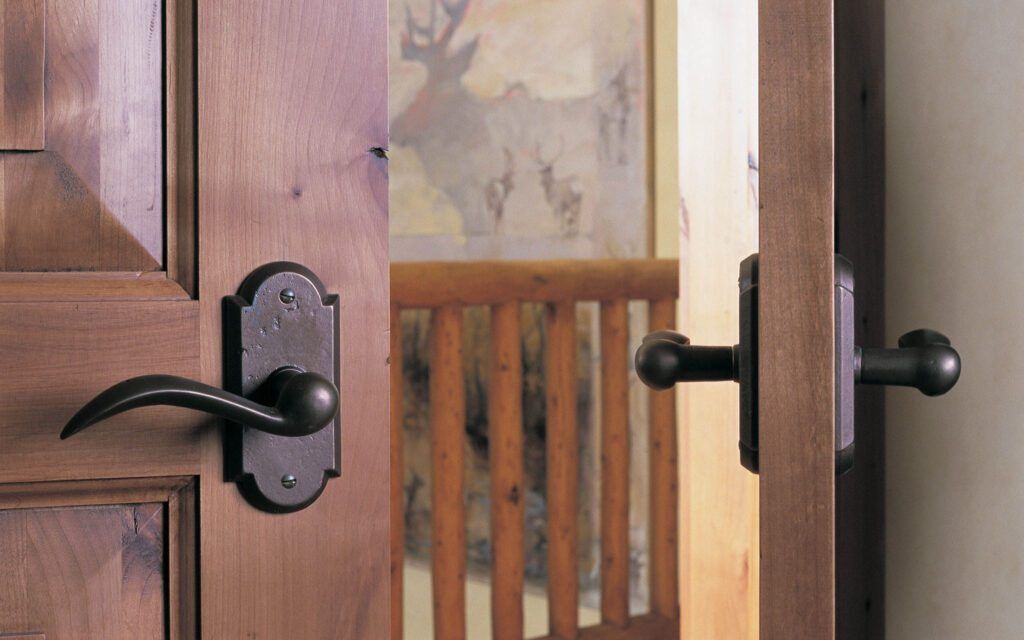
A double dummy door knob has two fixed knobs mounted opposite each other on a single door. However, unlike passage or privacy sets, these knobs are not internally connected. Each side is independently surface-mounted and functions purely as a pull.
The double dummy door knob configuration is often used on the inactive leaf of double-door systems, such as French doors or formal entry pairs. In these setups, one door contains operational hardware, and the secondary door remains fixed yet requires symmetrical detailing.
Installing a double dummy set preserves proportional alignment between both leaves. Double dummy door knobs require precision—mounting height, backset alignment, and finish must match the active hardware to maintain visual rhythm.
The materials should also be consistent, preferably options with aged patinas, such as bronze. Double dummy hardware allows you to create a door assembly that reads as unified, intentional, and architecturally balanced, even without mechanical function.
Dummy vs. Passage vs. Privacy Door Knobs: The Key Differences
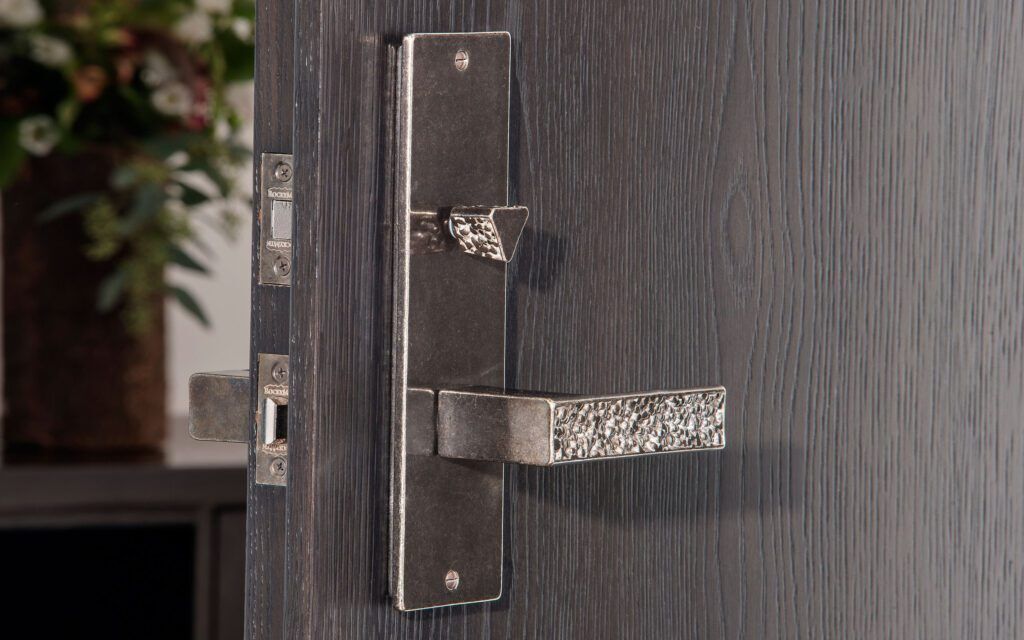
When choosing door hardware, you’ll come across a variety of options, including dummy, passage, and privacy sets. Although all are knobs and may even have a similar appearance, they differ in mechanical function and intended use.
A passage knob has a latch mechanism but no locking feature, allowing free movement between rooms. The knob is an ergonomic pull that enables you to access the space without rotating or using a key.
A privacy knob adds an internal locking function, making it the preferred choice for rooms that need more privacy. You can use it for bedroom and bathroom doors.
A dummy knob contains neither latching nor locking mechanisms. It does not turn and does not engage with the strike plate at all. Instead, it is surface-mounted and purely decorative in operation, although it also functions as a handle or pull.
All three types of door knobs have unique applications—dummy knobs are used where no latch or lock is required, while passage sets are ideal where latching is necessary without locking. Privacy sets are the conventional knobs used to latch and lock private rooms.
Using the right types of door knobs prevents introducing mechanical components that serve no purpose or compromising usability. Clear differentiation preserves performance and architectural logic across the space.
Choosing Your Configuration Based on Door Logic
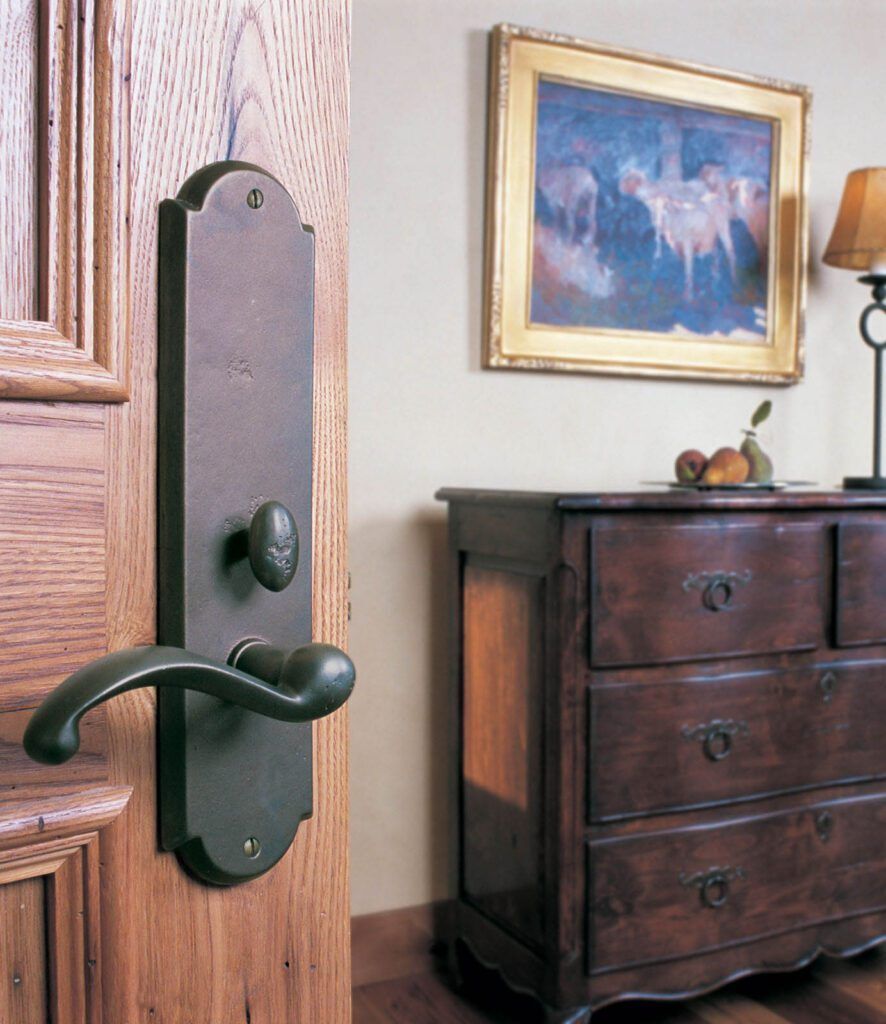
Hardware specifications should follow the door function and aesthetic preference. Each opening within a home performs a distinct role. Determining whether a door requires latching, locking, or simple pulling clarifies which configuration is appropriate.
If a door does not require latching, a dummy configuration is appropriate. If it swings freely between rooms, a passage set is necessary. If privacy is required, choosing the right lock types becomes essential.
Closet doors secured with magnetic catches typically require only a half dummy pull, while fixed double doors demand double dummy hardware for visual symmetry. On the other hand, high-traffic interior doors that separate rooms require passage sets, while private spaces necessitate locking hardware.
Evaluate how the door operates early in the design process to prevent redundancy and mismatched hardware or unnecessary components. The components, mechanical or decorative, should support performance and visual continuity throughout your home.
The Art of Selection: Solid Bronze vs. Mass-Produced Zinc
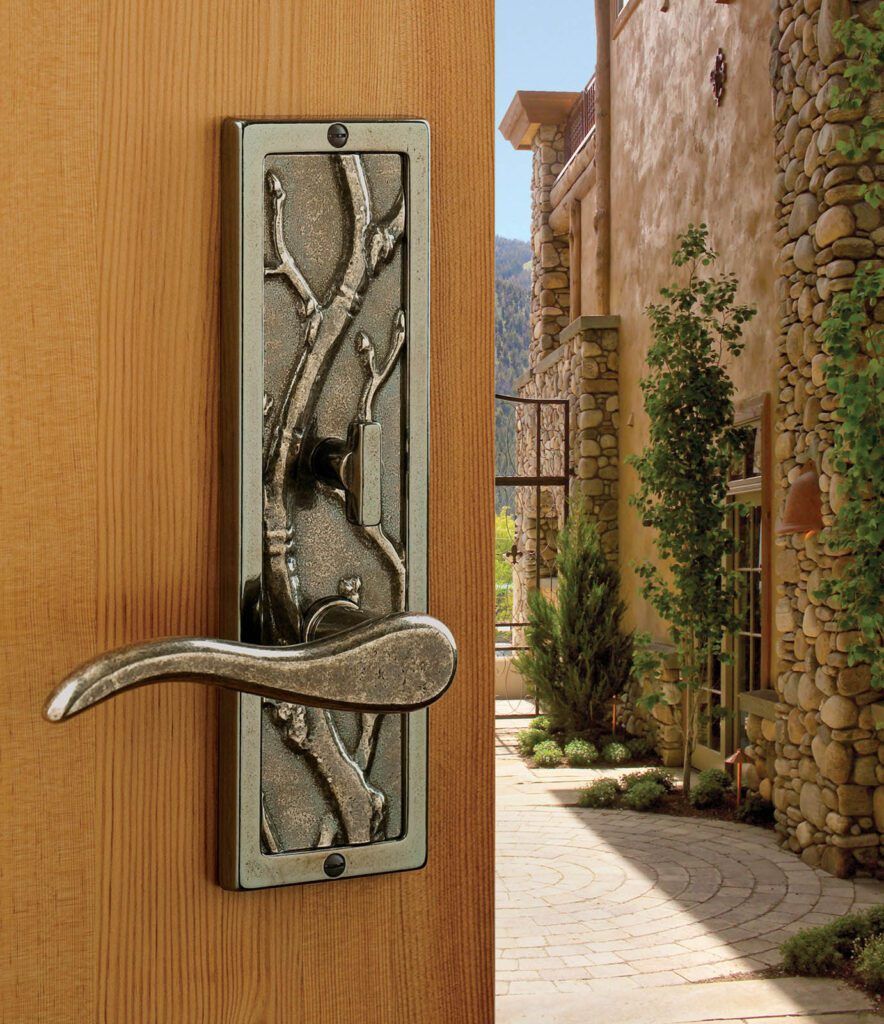
Material selection influences durability, tactile quality, and long-term appearance. Even though dummy hardware lacks moving parts, it still goes through repeated contact and should be able to withstand years of use without degrading.
Solid bronze is the preferred choice in luxury homes because it offers density and structural integrity. The material runs through its entire composition, so surface wear does not reveal an inferior base.
In fact, bronze ages with a natural patina that adds unique detail and character over time. Bronze knobs, such as Crown Pull, also complement bronze cabinet hardware, natural stone, wood, and interior surfaces.
Mass-produced zinc hardware is typically plated. Over time, plating may chip or wear, exposing the substrate beneath.
Weight also shapes perception. A solid bronze knob feels anchored and substantial, reinforcing the solidity of the door itself. Zinc hardware and other lightweight alternatives often feel hollow or temporary.
When to Use Dummy Hardware in Luxury Interior Design
Before determining when to use dummy hardware, understand its role. Answering questions like What is a dummy door knob used for? Allows you to determine the right place and way to use it.
Dummy hardware supports visual symmetry and architectural cohesion while eliminating unnecessary mechanics. It is most appropriate where latching is not required, but proportion and visual consistency are essential.
Creating Symmetry in Grand Entrances and Master Suites
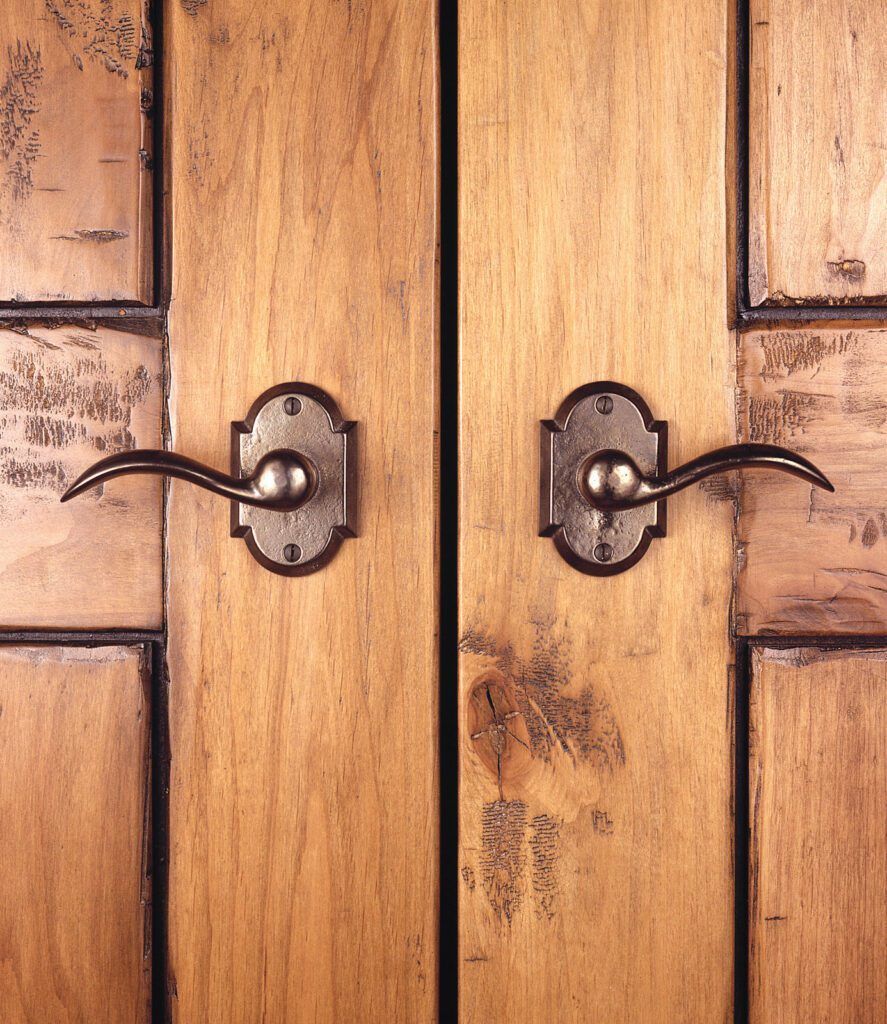
Luxury interiors are defined by symmetry. For instance, in grand entrances or master suite transitions, double-door systems may serve as architectural focal points. Even when one leaf remains fixed, both doors must appear equally resolved.
A double dummy set on the inactive door ensures alignment with the operational hardware on the active leaf. Scale, finish, and mounting height should mirror one another precisely to achieve symmetry and balance. This repetition strengthens proportion and reinforces architectural rhythm.
Without dummy hardware, fixed doors can appear unfinished or secondary. Including properly aligned dummy sets preserves the visual integrity of the opening, resulting in a composition that feels deliberate and refined rather than mechanically improvised.
The Role of Dummy Sets in Integrated Cabinetry and Wardrobes
Custom cabinetry frequently mimics the proportions of full-height doors. In dressing rooms or built-in wardrobes, tall panels require hardware that aligns visually with adjacent interior doors.
Dummy knobs serve as fixed pulls in these applications and custom millwork. They maintain scale and finish continuity without introducing unnecessary latch systems into thinner cabinet panels that cannot accommodate standard assemblies
Surface mounting also simplifies installation while preserving architectural alignment. Dummy knobs, such as the Egg Door Knob, result in consistent hardware across doors and cabinetry.
In addition to supporting cohesion, the hardware minimizes the distinction between millwork and architectural openings. The dummy sets play a quiet role in supporting visual continuity across architectural elements.
Material Integrity: Why Hand-Cast Bronze Is the Standard
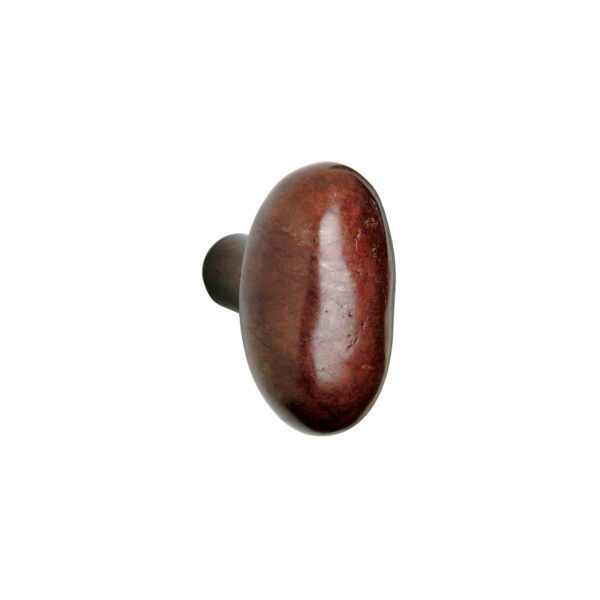
Material consistency and integrity determine long-term performance—whether hardware ages gracefully or deteriorates prematurely. Even decorative hardware must withstand daily contact without degrading.
In modern luxury interiors, hand-cast bronze remains the benchmark for durability and authenticity. Unlike plated materials, solid bronze does not rely on surface coatings for its appearance. Its finish develops naturally over time, responding to touch and environment. This evolution enhances character rather than diminishing value.
The Substantial Weight and Feel of Artisan Craftsmanship
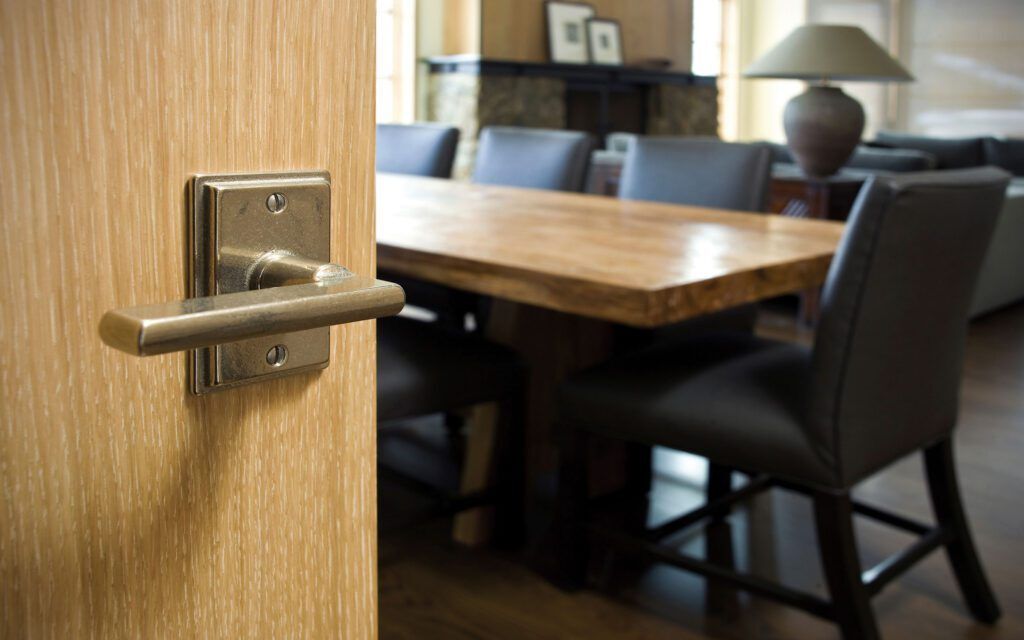
Hand-casting introduces subtle surface variation, creating depth that mass-produced hardware often lacks. Even in dummy applications, the quality of artisan-cast bronze carries noticeable weight and signals attention to detail.
When mounted, it reinforces the perception of structural solidity, its density communicating permanence and craftsmanship. This tactile quality feels anchored rather than superficial and influences perception—lightweight hardware can undermine that perception, making even a solid door feel insubstantial.
A substantial knob reinforces the solidity of the door itself. Beyond weight, hand-finishing produces subtle surface variation, enhancing visual depth. These variations differentiate custom projects from standardized installations.
Even though dummy knobs contain no moving parts, their physical presence contributes to the overall experience of the home. They should feel deliberate and enduring.
Living Finishes: How Bronze Hardware Patinas Over Time
Bronze develops a living patina that evolves gradually through exposure to touch and environment. High-contact areas polish gently, while recessed sections deepen in tone. This natural aging process enhances visual complexity without compromising material integrity.
Unlike lacquered or plated finishes, bronze finish options do not chip or peel to reveal a contrasting core. Instead, the material changes subtly, gradually, and predictably, reflecting use rather than wear. This distinction reinforces authenticity, and the finish becomes part of the architectural story.
In refined interiors, patina reinforces authenticity and hardware matures alongside flooring, millwork, and stone instead of appearing static or synthetic. The result feels cohesive and enduring, rather than artificially preserved.
ADA Compliance and Ergonomic Design in Custom Hardware
Accessibility and ergonomics are important considerations when selecting decorative hardware. While dummy knobs do not operate mechanically, they must still allow a comfortable grip and accessibility. You want your home or space to be accessible to everyone.
Choose lever-style dummy hardware, such as the Euro Lever. These sets are more practical than spherical knobs and provide improved usability in universal design projects.
Projection depth, edge radius, mounting height, and grip comfort influence daily interaction and should comply with broader hardware standards. Choose hardware that supports practical handling, incorporating ergonomic considerations into decorative hardware.
Any aesthetic refinement chosen should not compromise functionality. Look for pieces with thoughtful designs that balance proportion, accessibility, and long-term usability.
Selecting the Right Style for Your Project
Style selection and coordination reinforce existing hardware collections, allowing dummy hardware to integrate seamlessly with the broader hardware collection. Scale, detailing, and finish should align with passage, privacy, and entry sets.
Consistency across door types maintains architectural cohesion and allows your doors to reflect the same visual language, preventing fragmentation. Specify dummy hardware after reviewing the full hardware schedule to avoid mismatches.
Coordinating with Existing Lever and Grip Collections
Dummy hardware comes in a wide variety of designs and finishes, so finding collections that fit into your project shouldn’t be a problem. Look for knobs that replicate the detailing of the primary hardware collection—match passage, privacy, and entry hardware within the same project.
Align scale, finish, and detailing precisely to achieve cohesion across rooms. Rosettes, backplates, and projection depth should match adjacent sets. If the primary collection features elongated backplates or minimal rosettes, the dummy configuration should replicate those proportions.
Coordinating with existing lever and grip collections prevents variations in finish tone or scale, resulting in uniformity across doors. You can pair the Flute Entry Sets with Flute Door Knobs and Flute Levers. Such coordination preserves visual continuity throughout the space, providing refined aesthetics.
By aligning dummy hardware with established collections, designers maintain a consistent tactile experience. Unified hardware creates rhythm across hallways and rooms, allowing every door to become part of a considered system rather than an isolated specification.
Avoiding Spec Missteps in Dummy Hardware Selection
Specification errors often stem from overlooking the door function. For instance, you may order passage sets instead of dummy configurations, which introduces unnecessary mechanics and added cost. Mismatching finishes across door types is another common mistake.
These errors complicate installation and increase cost. Careful review of door schedules to determine which openings require latching and which do not. Confirm finish consistency across all sets to prevent mismatched tones.
Planning hardware specification leads to efficiency, clarity, and long-term durability. Attention to detail at this stage also reduces mechanical redundancy and the need for revisions later. Align your configuration with door logic and match finishes across the project before any purchase.
Final Thoughts: Elevating the Details of Your Home
Dummy door knobs may appear minor or secondary, but they contribute significantly to architectural cohesion. Specify them correctly to preserve symmetry, reinforce material integrity, and support long-term durability.
Aligning configuration with door logic and selecting durable materials leads to openings that feel intentional. Luxury is defined by consistency. Even non-operational elements should meet your needs for ergonomics, permanence, and craft.
By understanding configuration, material quality, and door logic, you can specify every detail and align them with the broader architectural vision. More importantly, don’t forget to use high-quality hardware and accessories that reinforce longevity and luxury.
Rocky Mountains Hardware has a wide selection of premium, hand-crafted bronze sets for doors, cabinetry, lighting fixtures, and custom installations that give your home a luxe touch.
Frequently Asked Questions About Dummy Hardware
What Is a Dummy Door Knob Used For?
A dummy door knob is used as a fixed pull on doors that do not require latching, such as pantry doors, shallow closets, or inactive double-door panels. They are surface-mounted on one or both sides of the door, primarily for uniform aesthetics, but also help in opening doors.
Can You Turn a Dummy Door Knob?
No. Dummy door knobs are stationary and do not connect to a latch or spindle mechanism that runs through the wood panel. The knobs remain fixed in place, more like decorative ornamentation on the door.
Do I Need a Latch for a Dummy Knob?
No latch is required in dummy hardware. The knobs aren’t designed to latch or lock. Instead, they are mounted directly to the surface and function independently from mechanical assemblies, often relying on magnetic catches or separate hardware where closure resistance is needed.
Can I Convert a Regular Knob to a Dummy Knob?
Some brands may offer conversion options, but ordering a true dummy configuration ensures proper mounting and alignment. Standard knobs often feature mechanical components that run through the door’s panel. These would have to be removed and modified. New dummy sets are much easier to work with.
Are Dummy Knobs More Cost-Effective for Large Projects?
Yes. Without internal mechanisms, dummy knobs are typically more affordable than privacy and passage sets. They also maintain visual consistency across multiple doors and remain functional without unnecessary mechanics.