Designing a home that feels unique and personal is harder than it seems. With endless trends to follow and styles to try, finding the right colors, hardware, and decor can be overwhelming. One of the easiest ways to start exploring your design personality is with paint. Color is back, and the 2025 interior paint colors trending this season are rich, nature-inspired hues and artful pastels.
At Rocky Mountain Hardware, we’ve always believed that color and material work hand in hand. Our bronze hardware collections are designed to enhance the character of a space through subtle detail and refined craftsmanship. This year’s trending palettes offer buildable, layered tones and pair well with handcrafted hardware for a home that feels just like you. Use this pairing guide to reinvision your home and start the new year with a fresh feel.
Popular Interior Paint Colors Shaping Design Trends in 2025
If there’s one thing this year’s 2026 interior paint colors prove, it’s that design has become more personal again. The minimalist white boxes of the last decade are giving way to layered, soulful spaces filled with color, texture, and light. People want homes that feel lived-in and expressive, with rooms that say something about who they are.
Vibrant Colors Return
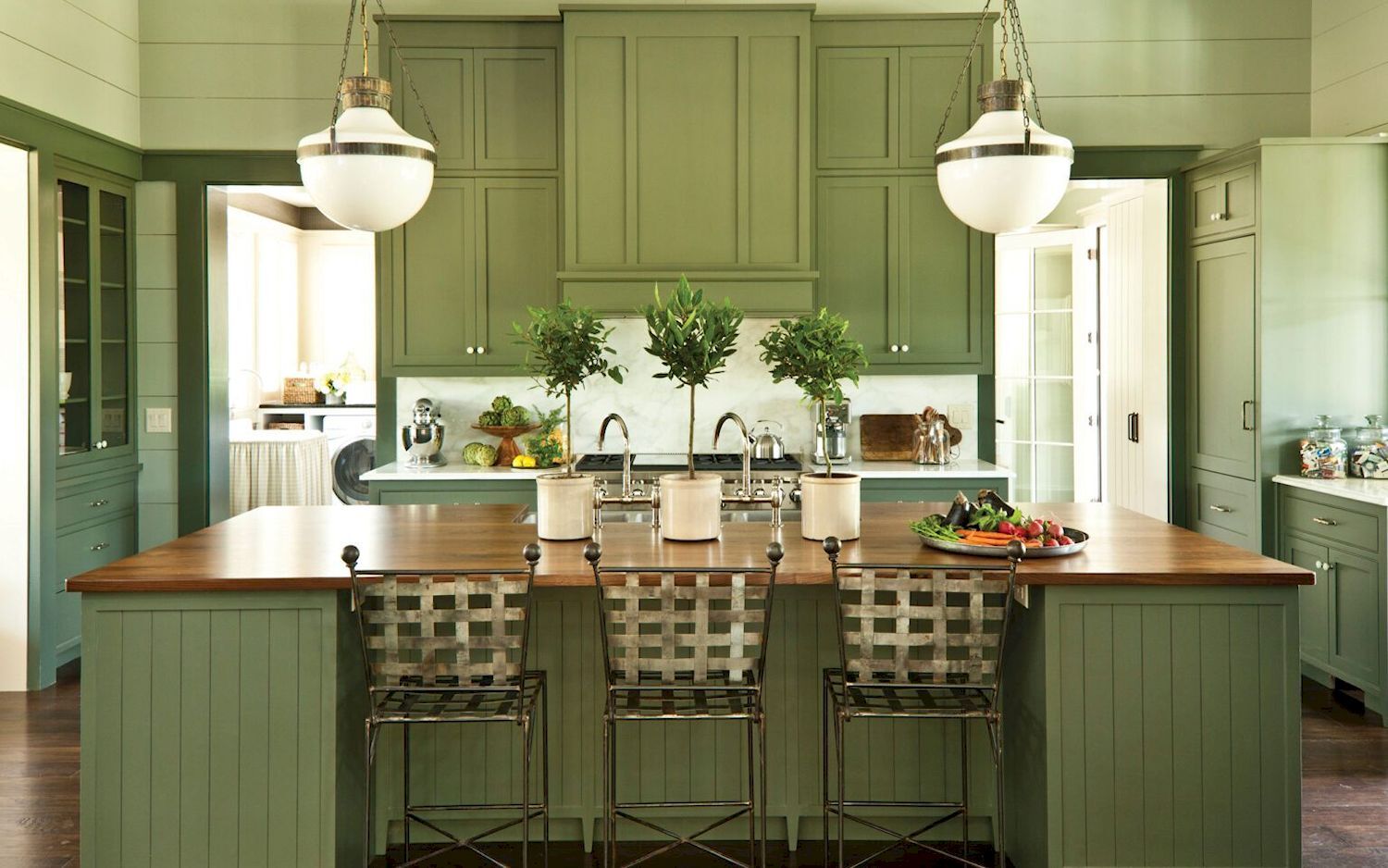
Color is back, but not in the way it was in the early 2000s. The new vibrant hues are deep, intentional, and more art than accent. We’re seeing bold peacock blues, olive-based greens, and rich auburn tones used in cabinetry, walls, and even ceilings. These shades bring bold energy to a space while still feeling sophisticated.
When you choose a deeply saturated color, balance it with clean lines and sculptural hardware like the pieces in our Cirque collection. This will create a look that feels edited and balances the bold color with soft curves and subtle movement.
Natural and Organic Palettes
For every designer leaning into color, there’s another embracing quiet, grounded tones. Among the popular interior paint colors of 2026, the most enduring are inspired by nature. Think soft sage, weathered clay, sandy beige, and putty. These hues feel like they were lifted straight from the landscape.
Designers are using these colors to build harmony between interior design and architecture. They work especially well in spaces with natural materials like plaster walls, oak flooring, stone countertops, and bronze fixtures. The Oasis Collection captures that same organic quality in hardware form. Designed with subtle curves and a sculptural profile, it adds a sense of calm continuity to interiors where texture and tone do most of the talking.
These natural palettes are versatile, too. They shift beautifully with changing light and complement both traditional millwork and modern minimalism. They’re the kind of colors you can live with for years without growing tired of them.
Materials and finishes to pair
Paint alone will not accomplish your design goals. The real magic happens when color interacts with your chosen materials. In 2025, designers are focusing on how light interacts with a space. Think about how matte paint softens light, or how a highly polished bronze finish will reflect more light against a glossy wall.
This is why hardware selection is so important. Bronze comes alive next to color. Depending on the finish, it can either highlight or completely contrast undertones. Finish options like light, brushed, or burnished bronze let you tune the warmth of a space the same way a painter mixes tone.
Pairing paint and materials is all about creating balance. A deep green kitchen might call for lighter, satiny hardware that reflects light back into the room. A muted clay wall might need a darker bronze to anchor the color and create a focal point.
2026’s Most Popular Warm Neutral Shades
Neutrals are the backbone of the modern home. They provide a quiet foundation that allows materials, textures, and architectural details to stand out. If years past have been all about cool grays and crisp whites, 2025 is all about bringing warmth back to the palette and trading sterile minimalism for layered, livable color that feels soft and enveloping.
Warm Neutrals Give a Modern Edge
Warm neutrals have evolved far beyond beige. The new generation of neutrals carries a refined edge with colors like mushroom, clay, camel, and sand. These hues are flexible and sophisticated. They adapt easily to different light conditions, shifting from creamy tones in daylight to golden warmth at night. This adaptability makes them ideal for open-plan living areas, bedrooms, and transitional spaces.
Bronze finishes complement these colors beautifully. The gentle sheen of aged bronze reflects warmth without overpowering the paint. Pieces from our Flute collection capture this balance through classical proportions and elegant detailing that lend structure to neutral walls and cabinetry.
How to Make Warm Neutrals Work in Every Room
Warm neutrals can transform a home when used intentionally. In living spaces, they encourage calm and connection. On cabinetry, they allow wood grain and metal finishes to take the lead. In bedrooms, they bring softness that enhances comfort without feeling overly styled. The key is to layer tones thoughtfully. Pairing a deeper wall color with lighter trim or paneling creates visual depth while maintaining a consistent warmth. Texture also matters. Combie matte paint with brushed bronze or natural stone to give neutrals more character and depth.
Hardware for Warm Neutrals
Hardware is often what gives neutral rooms their polish. The tone of the metal determines whether a space feels contemporary, traditional, or somewhere in between. In kitchens or built-in cabinetry, the Hammered Collection adds dimension to warm walls and stone surfaces. Each piece carries the mark of hand tooling, giving even a quiet color palette more visual interest. For a more tailored look, the Element Collection provides clean geometry and minimal detailing that pairs well with modern neutrals like greige or sandstone.
Pairing paint and hardware should always feel deliberate. When the undertones align, bronze finishes bring out the richness of warm neutrals, creating spaces that feel luxurious and refined.
Earthy Reds and Clay-Inspired Colors
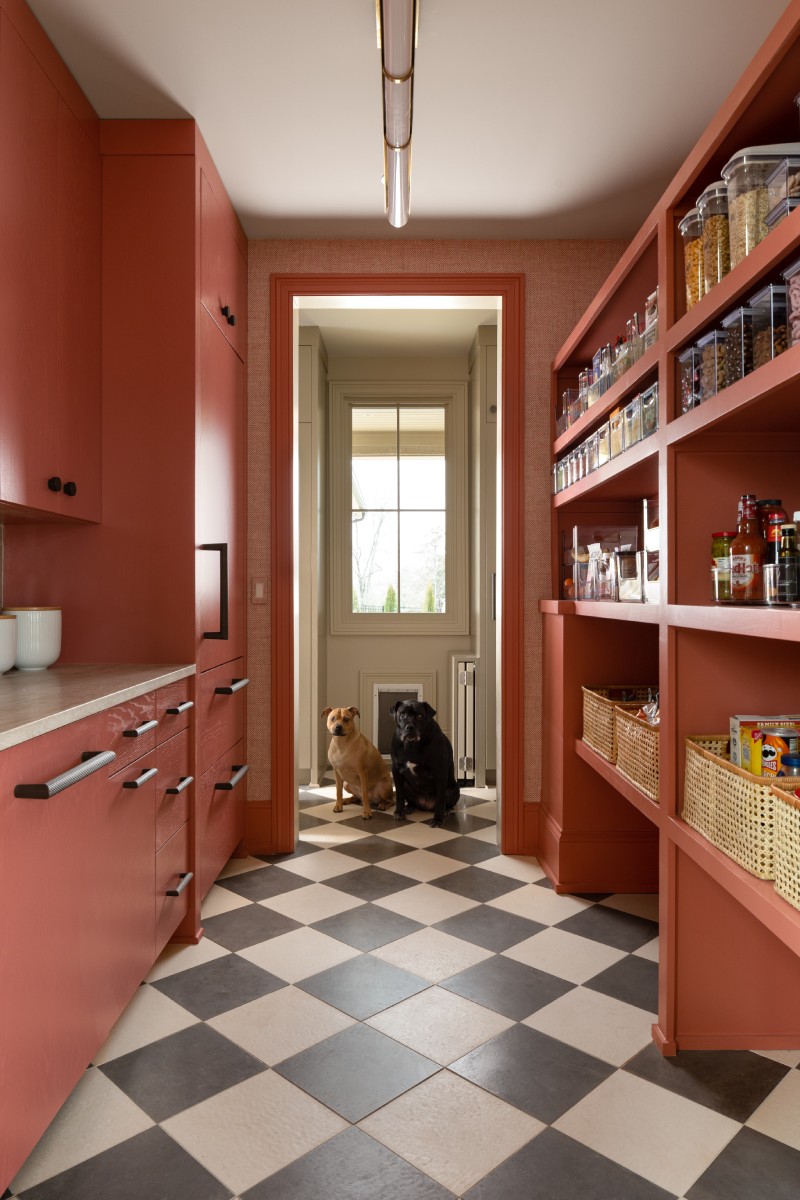
Among the interior paint colors capturing attention in 2024, earthy reds are the most unexpected. These are not the scarlet tones of the past, but tones pulled from the ground itself. Designers are working with terracotta, sienna, rust, and soft cinnamon tones that add richness to every room.
The beauty of these clay-based hues lies in how they respond to light. In morning sun, they glow with energy, while evening light draws out their quiet, smoky undertones. They are equally at home in contemporary architecture and traditional settings, offering an easy way to introduce warmth without excess color.
The Corbel Arched Collection pairs effortlessly with these tones. The intricate detailing and classical curves echo the character of historic architecture. When placed against clay-colored walls or cabinetry, the effect is luxe yet grounded.
Terracotta and Burnt Sienna
Terracotta and burnt sienna are reemerging as hero colors for designers who want to bridge old and new. They work beautifully on textured plaster walls where imperfections enhance their charm.
In open floor plans, these tones can define intimate zones without closing a space off entirely. In a kitchen or dining area, terracotta walls paired with limestone counters and aged bronze hardware feel effortlessly cohesive. The subtle gleam of bronze offsets the matte texture of clay, creating a layered effect that feels collected rather than designed.
These reds also pair beautifully with soft greens or warm neutrals, making them easy to incorporate into broader color stories throughout the home.
Where to Use These Shades in Luxury Interiors
Earthy reds bring depth and character to private and communal spaces alike. They are striking in entryways and living rooms. They also work well in quiet spaces like bedrooms and baths.
Designers often use these shades as grounding elements within otherwise neutral schemes. A single terracotta wall or a clay-toned ceiling can transform the mood of a space, especially when balanced by natural materials like bronze, oak, or linen.
For cabinetry or doors, the Edge Collection brings a contemporary precision that contrasts beautifully with these timeworn hues. The slim profile and customizable textures keep the look refined and intentional.
Hardware That Complements Earthy Reds
Hardware finishes play a powerful role in shaping how these colors read. A deep red paired with dark bronze feels dramatic and architectural, while a brushed or lighter finish can highlight the warmth of the paint and make the space more inviting.
Bronze hardware ages gracefully alongside these tones, taking on subtle highlights as patina develops. This evolving relationship between material and color adds authenticity to interiors that value craftsmanship over trend.
Collections such as Designer Textures bring additional depth through patterned inlays and surface variation. These details catch light differently across the day, mirroring the movement of color on surrounding walls.
Soft Greens and Botanical Blues
In contrast to the earthy reds, this year’s soft greens and botanical blues feel restorative and calm. They appear across all categories of popular interior paint colors in 2026 because of their ability to create balance. These hues have a natural ease that complements architectural details without overwhelming them.
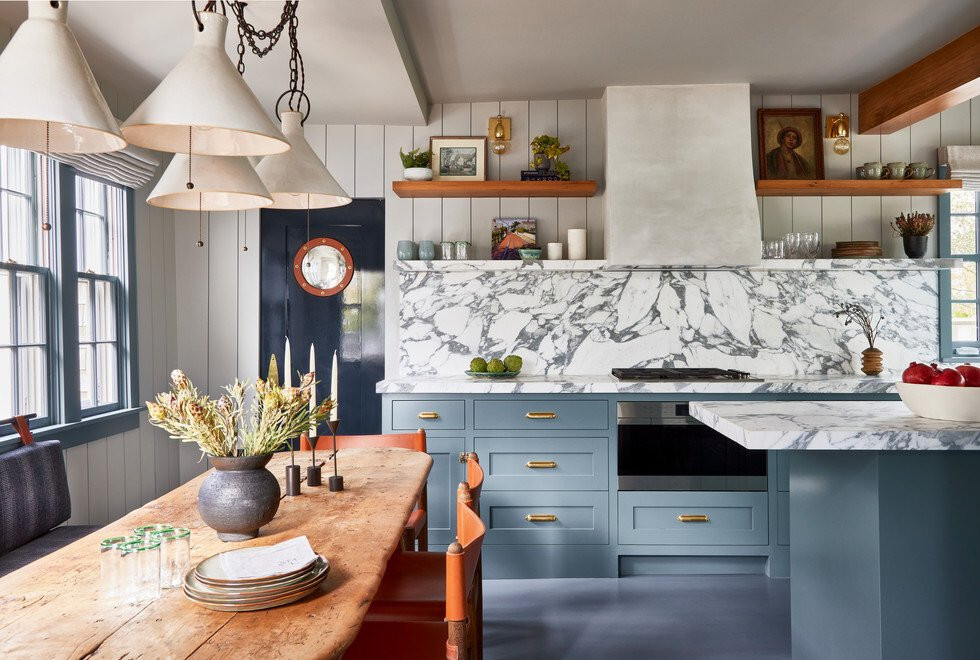
Designers favor sage, eucalyptus, misty aqua, and slate blue for tranquil spaces hey pair beautifully with stone, wood, and plaster, making them ideal for bathrooms, kitchens, and bedrooms. These colors often serve as the foundation for layered neutrals or as quiet counterpoints to richer tones elsewhere in the home.
Muted and Coastal
The muted greens and blues of 2026 are neither pastel nor jewel-toned. They occupy a thoughtful middle ground. These hues echo the natural world, from seafoam and fog to moss and weathered copper. Designers are using them to evoke the calm of the coast or the freshness of an open field. They thrive in rooms that receive generous natural light, reflecting subtle shifts in color throughout the day.
Hardware Pairings for Tranquil Spaces
Hardware choices can reinforce the atmosphere of these soft palettes. For serene greens and blues, bronze adds quiet warmth that enhances rather than contrasts. The Oasis Collection is especially fitting here. Its organic lines echo natural movement, complementing the relaxed elegance of coastal or garden-inspired interiors.
For a more traditional expression, the Hammered Collection introduces texture that mimics seeds and bubbles, which pair perfectly with nature-inspired colors. Soft greens and blues are inherently soothing, but when paired with the right hardware, they become truly memorable. The combination of color, texture, and finish creates spaces that invite pause and reflection.
Charcoals and Moody Hues
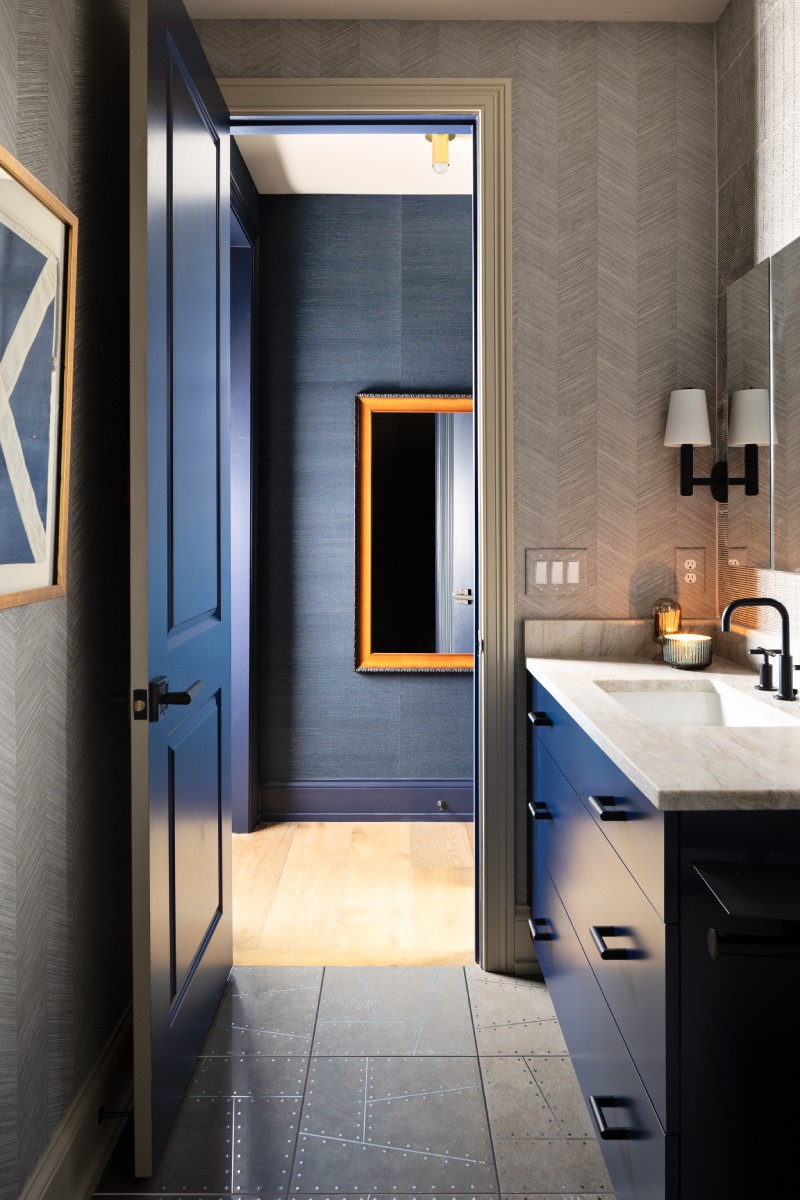
Not every 2026 palette leans light. Deep, moody colors are having a moment for their ability to anchor modern spaces and bring drama to traditional homes. Charcoal, espresso, forest, and deep navy are among the trending interior paint colors of 2026 that designers use to build intimacy and sophistication.
A Sophisticated Alternative to Black
Black remains timeless, but charcoal and near-black colors offer more dimension. They have undertones of brown, blue, or green that interact with light in subtle ways. This versatility allows designers to use dark palettes more creatively, layering tones without losing depth.
Paired with bronze, these hues feel rich and deliberate. The Element Collection complements moody walls with its understated geometry and art-grade bronze composition. The clean silhouettes gently reflect light, keeping dark rooms from feeling static.
Where to Incorporate Moody Colors
Dark colors thrive in spaces that benefit from contrast and control of light. Libraries, media rooms, and intimate dining spaces are ideal settings. When used strategically, moody hues can also elevate hallways or powder rooms, giving smaller spaces unexpected presence. Designers often layer dark walls with warm textiles, burnished metal, and natural wood to create visual relief.
Contrasting Hardware for Dark Palettes
Bronze hardware is particularly effective against dark paint. The contrast highlights craftsmanship and defines doors, cabinetry, and built-ins. Because bronze changes over time, it continues to interact with dark palettes in evolving ways. What begins as a gentle contrast may develop into a deeper harmony as the patina forms.
Pastels and Unexpected Combinations
2026 interior paint trends are also playing with color as a means of contrast and surprise. The softer side of the color forecast includes chalky pinks, whisper blues, and creamy yellows. These tones are not sugary or nostalgic, but mature interpretations for use in unexpected ways.
Pastels work best when paired with structure. In modern interiors, they are often set against dark stone, aged wood, or metal finishes that add depth. A pale blush wall with blackened bronze hardware, for example, creates tension that feels contemporary and sophisticated. The combination of gentle color and refined hardware turns an understated palette into something memorable.
Pair Soft Colors and Bold Accessories
Soft colors benefit from contrast in both finish and form. Designers are mixing powdery paints with bold fixtures, contemporary lighting, and sculptural handles. The goal is to create visual interest without clutter.
Bronze hardware plays an important role in these pairings. Its warmth prevents pastels from feeling too cool or too candy-sweet. When used on colored cabinetry or interior doors, it grounds the space while still allowing color to shine.
Other Elements, Materials, and Textiles
Color is only one layer of the design story. Texture, pattern, and finish all influence how paint reads in a room.
Designers are paying more attention to how finishes connect across the home. A brushed bronze fixture in the kitchen might reappear on a door handle in the hallway or a cabinet pull in the bath. This kind of repetition builds visual rhythm and ties the color story together.
Exploring the full range of products from Rocky Mountain Hardware allows designers to carry consistency from room to room while adjusting scale, proportion, and finish for each space.
How to Choose the Right Hardware for Every Paint Color
Selecting hardware is about more than coordination. It requires an understanding of undertone, sheen, and light. When selected thoughtfully, hardware becomes an integral part of the color palette.
Consider undertones and lighting
Paint colors shift dramatically depending on light and context. A warm white might lean peach in afternoon sun or green under cool bulbs. When choosing hardware, it helps to test finishes directly on painted samples in the actual space.
Bronze is particularly responsive to light. Its subtle highlights and depth make it versatile across a wide range of color temperatures. Pairing paint and hardware in natural and artificial lighting ensures a cohesive look at every time of day.
For more detailed guidance on color coordination and hardware selection, review our guide on how to choose kitchen cabinet color. It shared practical tips to align hardware with surrounding tones.
Pair Textures and Finishes Thoughtfully
Mixing finishes is not about being overly matchy-matchy. Think about creating harmony instead of an exact match. A polished fixture can elevate a matte wall, while brushed hardware can complement glossy cabinetry. The goal is to balance reflection and texture so each element enhances the other.
The wide selection of cabinet hardware from Rocky Mountain Hardware gives designers freedom to explore this relationship. Whether the project calls for subtle modernity or detailed ornamentation, each piece is cast in solid bronze and available in an array of finishes to coordinate with any palette.
Go Custom for Distinct Interiors
Every space has its own character. Custom hardware provides an opportunity to fine-tune proportion, finish, and feel so that no element feels off-the-shelf. Bronze lends itself well to this process, offering strength, malleability, and the ability to capture fine detail.
Rocky Mountain Hardware Inspiration
Color and material are inseparable in design. At Rocky Mountain Hardware, every piece we create begins with molten bronze poured into molds and finished by hand. The resulting variations in tone mirror the complexity of the year’s most admired paint palettes. As paint trends evolve, bronze elements remain a timeless connector between color and design.
Neutrals for a Modern Mountain Home
The new wave of warm neutrals suits the relaxed luxury of contemporary mountain architecture. In these settings, layered whites, stone grays, and pale taupes feel effortless beside natural wood and weathered metal.
Earth Tones and Warm Bronze
Earth tones continue to dominate high-end interiors because they harmonize with nature and aging materials. The Phases collection provides a classic expression of this balance. Its subtle curves and architectural references give shape to earth-inspired palettes without overwhelming them.
Bring 2026 Color Trends to Life with Rocky Mountain Hardware
2025 Trending interior paint colors reflect a renewed respect for depth, material, and individuality. Whether you are drawn to saturated tones, gentle neutrals, or natural greens, using color in new and unexpected ways is a great way to personalize your space and make your house feel like home. Rocky Mountain Hardware continues to collaborate with designers and architects to create hardware that enhances these evolving palettes. To explore options or find a local resource, visit the website to locate a dealer and experience the quality firsthand.
FAQ
What are the most popular interior paint colors for 2026?
The most popular include warm neutrals, clay reds, soft greens, and muted blues. Designers are using them to create layered, timeless interiors that reflect the influence of nature and craft.
How do I choose hardware finishes that match my paint colors?
Look at undertones, lighting, and texture. Bronze finishes can be adjusted through polish and patina to complement any palette.
What color hardware goes best with warm white walls?
Aged or burnished bronze pairs beautifully with warm whites because it adds depth without creating stark contrast.
Are bronze finishes still trending in 2026?
Yes. Bronze remains a favorite for its versatility, craftsmanship, and ability to age gracefully as design trends evolve.
How can I order samples or specify Rocky Mountain Hardware for my project?
Visit the Rocky Mountain Hardware website to explore collections, request samples, and connect with a local dealer for personalized assistance.